GOQii

Blog

  • HOME
  • HEALTHY LIVING
  • FITNESS
  • HEALTHY RECIPES
  • USER STORIES
  • KARMA
  • BUY GOQii

Search Results for: green tea

June 11, 2026 By GOQii Leave a Comment

Are You Overtraining? 6 Signs Your Body Needs More Recovery

The Big Question: Why is pushing harder in your workouts sometimes the exact reason your progress has completely stalled?

Exercise is only one half of the physical fitness equation; the other, often neglected half is structural recovery. While an intense training session physically challenges your tissues, the recovery window is where microscopic muscle tears repair, cellular energy stores are replenished, and true physiological improvements occur. When the balance between training volume and rest is broken, your body enters a state of persistent fatigue. Learning to recognize the subtle warning signs of under-recovery is the ultimate solution to staying consistent, avoiding injuries, and achieving long-term fitness success.

In today’s mainstream fitness culture, “more” is almost always marketed as better. More daily workouts, higher intensity, more sweat, and more hours spent lifting inside the gym. While consistency is undeniably a pillar of health, there comes a strict biological tipping point where pushing harder will actively work against your physical progress.

Many people incorrectly assume that if their fat loss or muscle gains slow down, they simply need to force themselves to train more. In reality, the underlying problem is rarely a lack of effort it is a critical lack of recovery. Your body does not grow stronger during the workout itself; it adapts and rebuilds during the dedicated recovery periods that follow. Understanding the boundary between productive training stress and inadequate recovery is one of the most vital lessons in preventive healthcare and sports medicine.

Why Cellular Recovery Matters

Every single workout creates a temporary, acute stress response inside the body. This is a completely normal part of lifestyle medicine. Physical exercise deliberately challenges your:

  • Skeletal muscle fibers
  • Tendons, ligaments, and joints
  • Cellular energy reserves (glycogen stores)
  • Central nervous system (CNS)

In a healthy environment, your body responds to this micro-damage by adapting, super compensating, and returning stronger, fitter, and more resilient than before. However, these positive metabolic adaptations can only take place when you provide sufficient recovery resources. Without adequate rest, your system struggles to repair structural tissues, restore depleted glycogen, and maintain baseline training performance. This is why intelligent recovery must be viewed as a mandatory core component of your fitness programming.

6 Major Signs Your Body Needs More Recovery

  1. Your Resting Heart Rate Is Higher Than Usual

Your cardiovascular system provides excellent, real-time insight into your internal autonomic nervous system stress. If you notice that your morning resting heart rate is consistently elevated by 10 to 15 beats per minute (bpm) above your normal personal baseline for several consecutive days, your sympathetic nervous system (“fight-or-flight”) is struggling to turn off. This persistent elevation is a clear indicators that your body is operating under an unsustainable systemic load.

  1. Persistent Muscle Soreness and Stiffness

Experiencing standard muscle soreness (Delayed Onset Muscle Soreness, or DOMS) for 24 to 48 hours after a tough workout is completely normal. However, structural soreness that lingers deeply for several days without noticeable improvement signals that protein synthesis is failing to keep up with cellular damage. If you are experiencing ongoing joint stiffness, localized muscle tenderness to the touch, and reduced physical strength during normal daily movements, your body is begging for an active rest window.

  1. Your Performance Starts Going Backwards

One of the most defining hallmarks of overtraining is a clear, stagnant decline in physical performance despite putting in the exact same or even greater physical effort. You may notice:

  • Significantly slower running or cycling times
  • A sudden reduction in your maximum weight-lifting capacity
  • Lower cardiovascular endurance during standard intervals
  • An inability to complete your usual workout sets

When progress reverses, forcing yourself to train more is the worst possible answer. Your neuromuscular pathways simply need more time to clear systemic fatigue.

[Excessive Training + Zero Rest] ──► CNS Burnout ──► Cortisol Spikes ──► Performance Drops

│

[Intelligent Rest + Smart Fueling] ──► Super compensation ──► Tissue Repair  ──► Performance Gains

  1. Sleep Quality Begins to Suffer

Many people assume that exhausting themselves through intense physical exercise automatically guarantees deep, restful sleep. In reality, excessive training stress over-stimulates your adrenal glands, causing nocturnal cortisol spikes that completely disrupt your natural sleep architecture.

Signs of this hormonal imbalance include struggling to fall asleep despite feeling physically wiped out, experiencing frequent night waking, or waking up in the morning feeling profoundly unrefreshed. This makes prioritizing why quality sleep matters an absolute prerequisite for physical transformation.

  1. Frequent Illness or Slow Healing Rates

Physical recovery is not merely a musculoskeletal process; your immune system draws heavily from the exact same systemic energy pool. If you find yourself catching minor head colds frequently, taking a prolonged time to recover from simple respiratory viruses, or feeling constantly run down, your body is diverting its immune resources to deal with ongoing workout-induced tissue inflammation.

  1. Mood Fluctuations and a Loss of Motivation

A well-balanced exercise routine should leave you feeling mentally energized, accomplished, and sharp. When your body enters a state of chronic under-recovery, the persistent stress impacts your neurotransmitters. This presents as uncharacteristic irritability, low workout motivation, persistent mental fatigue, difficulty concentrating during the workday, and a complete loss of enjoyment in your physical hobbies. These psychological signs are often the absolute earliest warning indicators of overtraining syndrome.

Common Lifestyle Causes of Poor Recovery

Skeletal recovery is influenced by a wide variety of factors outside of your actual workout split. Fatigue accumulates rapidly when combined with these everyday lifestyle pitfalls:

  • Inadequate Nutritional Fueling: Rebuilding muscle tissue requires a steady supply of lean proteins, complex carbohydrates, healthy fats, and cellular micronutrients. Consistently under-eating or cutting calories too drastically while training intensely leaves your cells starved of the raw materials needed for tissue repair. Understanding protein and muscle recovery is crucial to keeping this cycle going.
  • Unmanaged Environmental Stress: High-pressure work demands, financial worries, and emotional strain all place a heavy physiological burden on your body. Your metabolism does not separate gym stress from life stress; it all processes through the exact same pathways. Applying dedicated stress management for better health is vital to lowering this total burden.
  • Severe Dehydration: Water is the primary medium for nutrient transport and waste removal inside human tissue. Falling short on fluids causes blood volume to drop, which delays the clearance of cellular waste products like lactic acid. Ensuring you optimize your hydration and exercise performance speeds up structural recovery.
  • A Complete Lack of Rest Days: Skipping rest days due to a “no days off” mindset prevents your joints, tendons, and central nervous system from completing a full cycle of cellular restoration.

6 Actionable Ways to Recover Smarter

To protect your longevity and optimize your fitness goals, transform your rest into a strategic habit with these six principles:

Recovery Pillar Daily Actionable Strategy Physiological Target
1. Sleep Optimization Secure 7–9 hours in a cool, dark room Restores central nervous system pathways.
2. Targeted Nutrition Pair clean proteins with whole carbohydrates Replenishes glycogen and repairs micro-tears.
3. Scheduled Rest Integrate 1–2 active recovery days weekly Promotes local blood flow without joint loading.
4. Auto-Regulation Listen to your morning energy and mood trends Prevents overactivation of the fight-or-flight system.
  1. Prioritize Quality Sleep Architecture

Aim for 7 to 9 hours of uninterrupted sleep per night. Maintain highly consistent sleep and wake times even on weekends and completely eliminate evening screen time to protect your body’s natural melatonin production.

  1. Fuel Your Body with Macro-Nutrient Synergy

Support cellular repair by eating balanced meals filled with clean proteins, whole grains, and antioxidant-rich vegetables. Ensure you eat a nourishing post-workout meal within two hours of training to instantly jumpstart muscle glycogen replenishment.

  1. Schedule Active Recovery Days

Rest days are a sign of elite training intelligence, not physical weakness. Instead of staying completely sedentary, engage in low-impact movement. Utilizing active recovery: the benefits of walking or enjoying light yoga increases localized blood circulation, flushing out cellular metabolic debris without placing extra strain on your joints.

  1. Progress Your Training Volumne Gradually

Avoid making sudden, dramatic leaps in your workout weights, weekly running distance, or total training frequency. Utilizing small, progressive, and incremental increases (no more than 10% week-over-week) allows your structural tissues to adapt smoothly without risking acute tendonitis.

  1. Manage Mental Stress Outside the Gym

Decompress your mind daily. Incorporate simple practices like 10 minutes of deep diaphragmatic breathing, meditation, spending time outdoors in green spaces, or journaling to help shift your body into a restorative, parasympathetic state.

  1. Listen to Your Biological Signals

The absolute best fitness program in the world will fail if you ignore what your body is trying to tell you. Pay close attention to your daily energy trends, sleep quality, and performance markers. If you wake up feeling completely exhausted, have the confidence to swap an intense weight session for a restorative stretching block.

The Bottom Line

Exercise is simply the tool that challenges your body; recovery is the exact space where your progress actually happens. If you are currently dealing with persistent fatigue, stagnant performance markers, fragmented sleep, or ongoing joint soreness, your body is not asking you to push harder—it is openly asking for more rest. Balance your physical effort with intelligent recovery to ensure long-term healthy ageing through exercise. Train hard, recover smart, and protect your longevity!

Pro Tip: Managing your exercise and recovery balance requires consistent habit tracking. Use the GOQii App to log your daily physical movement, monitor your sleep durations, and track your hydration habits. You can easily share this comprehensive lifestyle data overview with your GOQii Personalised Health Coach to identify hidden patterns of under-recovery and create a highly customized, sustainable routine built perfectly around your health goals!

Frequently Asked Questions (FAQs)

  1. What is the fundamental difference between standard fatigue and overtraining?

Temporary fatigue is a normal, localized response to strenuous physical exercise that typically resolves within 24 to 48 hours of rest and proper nutrition. True Overtraining Syndrome (OTS) is a much more severe, systemic condition affecting the neuroendocrine system. It develops after weeks or months of continuous excessive training paired with inadequate recovery, and can take months of complete clinical rest to fully reverse.

  1. How many rest days should I ideally take each week?

While individual recovery capacity varies based on genetics, age, and lifestyle stress, the general rule of thumb for most fitness enthusiasts is to schedule one to two dedicated recovery days per week. This ensures your central nervous system can reset and prevents long-term cumulative fatigue.

  1. Can poor sleep directly affect my muscle mass gains?

Absolutely. Deep sleep is the primary physiological window during which your body releases human growth hormone (HGH) and testosterone, both of which are required for protein synthesis and muscle repair. Chronic poor sleep elevates the catabolic hormone cortisol, which actively accelerates muscle tissue breakdown and stalls lean mass development.

  1. Is it okay to work out when my muscles are still mildly sore?

If the soreness is very mild and fades completely once you complete a thorough, active warm-up, it is generally fine to engage in moderate exercise. However, if the muscle group is significantly tender to the touch, has a reduced range of motion, or feels physically weak, you should avoid heavy training and prioritize active rest or shift your focus to a completely different muscle group.

#BeTheForce

Disclaimer: This article is intended for educational and informational purposes only. It is not intended to replace professional medical advice, physical therapy diagnosis, or treatment. Always consult a qualified healthcare provider or physical therapist before starting an intense exercise regimen or if you suspect you are suffering from chronic overtraining syndrome.

June 5, 2026 By GOQii Leave a Comment

Inspired By Nature: How the Environment Shapes Your Biological Age

The Big Question: How does our environment impact our biological age and long-term health?
The World Environment Day 2026 theme, “Inspired by Nature. For Climate. For Our Future.”, reminds us that the health of the planet and the health of people are deeply connected. Environmental factors such as air pollution, extreme heat, and poor environmental quality don’t just affect ecosystems they actively influence inflammation, oxidative stress, and the rate at which our bodies age. The good news is that nature-inspired habits, such as eating nutrient-rich foods, moving regularly, and spending more time outdoors, can help build cellular resilience and support healthy ageing.

The planet doesn’t communicate through words. It communicates through signals: rising temperatures, heatwaves, poor air quality, and rapidly changing weather patterns.

Observed every year on June 5th, World Environment Day is the United Nations’ largest platform for environmental awareness and action. The 2026 theme, “Inspired by Nature. For Climate. For Our Future.”, encourages us to look towards nature not only for macro environmental solutions but also for micro lessons in building healthier lives.

What many people don’t realise is that the exact same environment shaping the future of our planet is also shaping the future of our health. The air we breathe, the spaces we live in, and the lifestyle choices we make all directly influence how our bodies function, recover, and age over time.

The Environment Shapes Your Biological Age

Most people know their chronological age the exact number of years they have lived. But your biological age reflects how efficiently your body’s cells, tissues, and organs are actually functioning.

While genetics certainly play a role, lifestyle and environmental factors such as air quality, nutrition, daily movement, sleep hygiene, and stress can significantly influence how well your body ages. This growing understanding has led scientists to heavily explore the impact of what some experts describe as cellular pollution—the biological stress caused directly by environmental exposures and modern, urban lifestyles.

Air Pollution, Oxidative Stress & Healthy Ageing

Air pollution remains one of the most significant environmental health challenges worldwide. Tiny, microscopic particles known as PM2.5 can enter the lungs, cross into the bloodstream, and contribute heavily to systemic inflammation and oxidative stress.

Oxidative stress occurs when harmful free radicals accumulate faster than your body can naturally neutralise them. Over time, this damages cellular health and increases the wear and tear associated with premature ageing. Long-term oxidative stress is directly linked to chronic inflammation, cardiovascular strain, and severely reduced cellular efficiency.

Understanding and managing oxidative stress is a vital part of maintaining long-term health and resilience. Environmental stressors can also heavily affect the body’s energy-producing systems. To build a defense, it is crucial to support your mitochondrial health, as cellular energy plays a foundational role in healthy ageing.

Nature May Be Part of the Solution

The encouraging news is that nature doesn’t only influence our health it can also help restore it. Research increasingly suggests that spending time in natural, green environments actively supports stress reduction, mental wellbeing, and cardiovascular health.

Whether it is walking through a local park, spending time near trees, gardening, or simply getting outdoors more often, small interactions with nature yield incredibly meaningful benefits. Nature isn’t just something we protect; it is also something that protects us.

3 Ways to Build Cellular Resilience

Rather than focusing on extreme detoxes or quick fixes, you should focus on building your body’s natural resilience to environmental stressors.

Resilience Strategy The Action The Biological Benefit
1. Nutrient-Dense Diet Eat colourful plant foods (berries, spinach, turmeric) Neutralises oxidative stress & supports gut health
2. Daily Movement Walk, cycle, or do strength training Boosts metabolic flexibility & cardiovascular circulation
3. Outdoor Time Spend time in green spaces Lowers cortisol, reduces stress & supports mental wellbeing
  1. Eat More Colourful Plant Foods

Brightly coloured fruits and vegetables contain powerful antioxidants that help protect your cells from oxidative stress. Include foods such as berries, spinach, beetroot, carrots, tomatoes, turmeric, and leafy greens. A healthy, antioxidant-rich diet also supports overall wellbeing and good gut health, which plays a massive role in maintaining strong immunity.

  1. Move Your Body Daily

Regular movement supports cardiovascular health, circulation, metabolic function, and recovery. Walking, swimming, strength training, or cycling can all help build resilience over time. Supporting your metabolic flexibility helps the body adapt much more efficiently to both physical and environmental stressors.

  1. Spend More Time Outdoors

One of the simplest ways to reconnect with nature is to consciously spend more time outside. Whether it is a morning walk, an outdoor exercise session, or simply sitting in a green space away from screens, regular exposure to natural environments supports both physical and mental recovery.

The future of environmental health and human health are deeply, irreversibly connected. The exact same habits that support a healthier planet often support healthier people: walking instead of driving short distances, reducing unnecessary waste, eating more whole foods, and spending time outdoors.

This World Environment Day, remember that climate action is not only about protecting ecosystems. It is also about protecting the environment within. Because when we care for nature, we end up caring for ourselves, too.

Pro Tip: Use the GOQii App to track your daily activity, hydration, sleep, and nutrition habits. Small, consistent lifestyle choices can help build the resilience your body needs to thrive in an increasingly complex environment!

Frequently Asked Questions (FAQs)

  1. Can environmental pollution affect biological ageing?

Yes. Research suggests that long-term exposure to pollution contributes to systemic inflammation and oxidative stress, both of which actively accelerate biological ageing and cellular wear and tear.

  1. What is oxidative stress?

Oxidative stress occurs when harmful free radicals (unstable molecules) accumulate in the body faster than your natural antioxidants can neutralise them, potentially damaging healthy cells, DNA, and tissues.

  1. Does spending time in nature improve health?

Absolutely. Studies show that access to green spaces and nature supports mental wellbeing, drastically reduces cortisol (stress) levels, improves cardiovascular health, and boosts overall quality of life.

  1. What are simple ways to reduce environmental stress on the body?

Eating a nutrient-rich and antioxidant-heavy diet, staying physically active, spending time outdoors in clean air, prioritising sleep, and reducing unnecessary exposure to urban pollutants can all help support long-term health and resilience.

#BeTheForce

Disclaimer: This article is intended for educational purposes only. If you suffer from chronic respiratory conditions or environmental allergies, please consult your physician regarding the safest ways to manage physical activity outdoors.

May 15, 2026 By Jyoti Sawant 4 Comments

Eat Healthy At Work: Quick & Easy Snacks You Can Eat In The Office

eat healthy at workSnacking is an important part of a balanced diet. However, when it comes to snacking at work, many of us find ourselves staring at a vending machine or scrolling through food delivery apps, unsure of what to eat. One of the main reasons people struggle to maintain healthy eating habits in the office is a lack of time. In today’s fast-paced world, fast food seems like the easiest solution. Fortunately, there are plenty of quick, easy, and affordable healthy snacks that can keep you on track.

How to Eat Healthy At Work 

Swap fast food and unhealthy snacks with these healthier alternatives while at work:

1. Fat-Free Yogurt

Greek yoghurt is a nutritious and satisfying option. Opt for low-fat or skimmed milk versions for a healthier choice. You can enhance the flavour with a drizzle of honey or a sprinkle of jaggery. Adding fresh berries, apple slices, or bananas makes it even more nutritious!

2. Wholewheat Crackers & Peanut Butter

Pair multigrain wheat crackers with natural peanut butter for a filling and nutrient-dense snack. This combination provides complex carbohydrates and protein, keeping you energised and full for longer.

3. Nuts and Seeds

Instead of reaching for crisps or chocolate bars, opt for nuts and seeds. These are packed with protein, fibre, and healthy fats, making them a far better choice than snacks high in refined sugars and empty calories.

4. Fresh Fruits

Fruits offer natural sugars that provide a quick energy boost. Options like strawberries, oranges, apples, bananas, and melons are packed with antioxidants, vitamins, and fibre—perfect for keeping you refreshed and focused.

5. Instant Oatmeal

A plain instant oatmeal packet makes for a comforting yet healthy snack. Add your own raisins, cinnamon, or nutmeg to enhance the flavour while keeping sugar levels in check. Oats are known to reduce the risk of heart disease and provide long-lasting energy.

6. Stir-Fried Veggies

Pack a portion of stir-fried fresh vegetables like cherry tomatoes, celery, carrots, and green beans. These are rich in vitamins, minerals, and fibre, keeping you full and nourished throughout the day.

7. Boiled Egg With Seasoning

Hard-boiled eggs are an excellent source of protein and help stabilise blood sugar levels. Simply slice a boiled egg in half, sprinkle some salt, pepper, or a pinch of smoked paprika, and enjoy a flavourful, protein-rich snack.

8. Low-Fat Popcorn

Popcorn isn’t just for movies! This low-calorie, high-fibre snack can satisfy cravings for something crunchy and salty—just be sure to choose a low-fat version without excessive butter or salt.

9. Protein Bars

Not all protein bars are created equal—some are packed with sugar and calories. Look for bars that contain fruit, nuts, and fewer than 200 calories. You can also make homemade protein bars using healthy ingredients like oats, nuts, and seeds.

It’s time to ditch vending machines and food delivery apps in favour of healthier choices. By preparing quick, easy, and nutritious snacks, you can stay energised, focused, and productive at work.

Which healthy office snack is your favourite? Let us know in the comments!

#BeTheForce

April 22, 2026 By GOQii Leave a Comment

Earth Day 2026: How Healing Yourself Heals the Planet

You cannot build a healthy body on a sick planet. The air we breathe, the water we drink, and the soil that grows our food dictate our physical well-being long before we ever step foot in a gym or track our daily steps.

This year, on April 22nd, the global theme for Earth Day 2026 is “Our Power, Our Planet.” It is a powerful reminder that massive global change does not just come from governments and corporations; it starts with the daily choices of individuals.

At GOQii, we believe in the power of daily habits. Interestingly, the very habits that protect your metabolism, heart, and liver are the exact same habits that reduce your carbon footprint. Here is how taking your power back for your personal health simultaneously heals the planet.

Quick Takeaways: Eco-Friendly Health Habits

  • Active Commuting: Swap short drives for walking or cycling to hit your daily steps and cut emissions.
  • Plant-Forward Eating: Choose local, seasonal whole foods to boost digestion and reduce agricultural carbon footprints.
  • Ditch the Plastic: Use stainless steel or glass water bottles to protect your hormones from microplastics and save the oceans.
  • Green Exercise: Take your workouts outdoors to lower cortisol levels and build a deeper appreciation for nature.
  1. Active Commuting: Steps for You, Less Smog for the Earth

A sedentary lifestyle is a leading cause of metabolic diseases. At the same time, relying heavily on cars for short distances is a leading cause of urban air pollution. You can solve both problems with one habit: active commuting.

Choosing to walk or cycle to the local grocery store, the gym, or your office is the ultimate win-win. You effortlessly clock in your 10,000 steps, boost your cardiovascular endurance, and actively remove carbon emissions from your community’s air.

  1. Sustainable Nutrition: Eat Local, Eat Whole

Ultra-processed foods are not just harsh on your liver and gut microbiome; they are terrible for the environment. They require massive amounts of industrial energy to manufacture, package, and ship globally.

By shifting toward a diet rich in locally sourced, seasonal fruits, vegetables, and whole grains, you are doing your body a massive favor. Plant-forward diets reduce the risk of obesity, MASLD (fatty liver), and heart disease. Simultaneously, eating local reduces the “food miles” (the distance food travels to reach your plate), cutting down on greenhouse gas emissions and plastic packaging.

  1. Hydration Without Microplastics

Staying hydrated is a core pillar of preventive health, aiding in everything from kidney function to cellular repair. However, drinking out of single-use plastic bottles introduces microplastics and chemical endocrine disruptors (like BPA) into your bloodstream, which can severely impact your hormonal balance and metabolism.

Switching to a reusable stainless steel, copper, or glass bottle protects your internal health while keeping non-biodegradable plastics out of our oceans and landfills.

  1. Eco-Therapy: Mental Health and “Green Spaces”

Mental and emotional health are just as important as physical fitness. Studies show that spending time in natural green spaces whether it is a local park, a forest, or a hiking trail significantly lowers cortisol (the stress hormone), reduces anxiety, and improves sleep quality.

When you make it a habit to exercise outdoors, you naturally develop a deeper appreciation for the environment. You become more invested in protecting your local green spaces because they are actively contributing to your peace of mind.

Reclaim Your Power

The theme “Our Power, Our Planet” reminds us that we are not helpless. Every time you choose to walk instead of drive, eat a whole-food meal, or refill a reusable bottle, you are casting a vote for a healthier you and a greener earth.

To build sustainable, long-term habits that benefit both your body and your environment, connect with our experts by subscribing to GOQii’s Personalised Health Coaching here.

Frequently Asked Questions (FAQs)

  1. What is the theme for Earth Day 2026?
    The theme for Earth Day 2026 is “Our Power, Our Planet.” It focuses on how individual actions, community engagement, and a shift toward sustainable energy can collectively protect and restore the environment.
  2. How does climate change actually affect my health?
    Environmental shifts directly impact human health. Poor air quality exacerbates asthma and cardiovascular issues, rising temperatures increase the risk of heat-related illnesses, and plastic pollution introduces hormone-disrupting chemicals into our food and water supply.
  3. What is a “sustainable diet”?
    A sustainable diet is one that is healthy for you and has a low environmental impact. It generally involves eating mostly whole, plant-based foods, choosing locally grown and seasonal produce to reduce transportation emissions, and minimizing ultra-processed foods and single-use packaging.

#EarthDay2026 #OurPowerOurPlanet #BeTheForce

Disclaimer: The information provided in this article is for educational and general informational purposes only. Always consult with your physician or a certified GOQii health professional before making any significant changes to your lifestyle or diet.

  • « Previous Page
  • 1
  • …
  • 27
  • 28
  • 29
  • 30
  • 31
  • …
  • 62
  • Next Page »

Search

Recent Posts

  • Foods to Manage Blood Sugar Naturally: A Complete Guide to Better Blood Sugar Control
  • The Lazy Person’s Guide to Staying Healthy: 5 Micro-Habits That Take Less Than 2 Minutes
  • Healthy Eating: Comforting Chilli Bean Soup Recipe for the Monsoon
  • The Truth About the ‘Beer Belly’: What Alcohol Really Does to Your Metabolism
  • Benefits of Meditation: How One Daily Habit Can Transform Your Mental Wellbeing

Stay Updated

Archives

  • August 2026 (7)
  • July 2026 (25)
  • June 2026 (22)
  • May 2026 (20)
  • April 2026 (24)
  • March 2026 (18)
  • February 2026 (14)
  • January 2026 (14)
  • December 2025 (19)
  • November 2025 (15)
  • October 2025 (20)
  • September 2025 (6)
  • August 2025 (6)
  • July 2025 (9)
  • June 2025 (18)
  • May 2025 (16)
  • April 2025 (22)
  • March 2025 (26)
  • February 2025 (21)
  • January 2025 (25)
  • December 2024 (22)
  • November 2024 (22)
  • October 2024 (20)
  • September 2024 (22)
  • August 2024 (28)
  • July 2024 (15)
  • June 2024 (23)
  • May 2024 (26)
  • April 2024 (27)
  • March 2024 (27)
  • February 2024 (23)
  • January 2024 (21)
  • December 2023 (14)
  • November 2023 (10)
  • October 2023 (19)
  • September 2023 (21)
  • August 2023 (16)
  • July 2023 (16)
  • June 2023 (21)
  • May 2023 (20)
  • April 2023 (19)
  • March 2023 (23)
  • February 2023 (19)
  • January 2023 (15)
  • December 2022 (11)
  • November 2022 (15)
  • October 2022 (15)
  • September 2022 (12)
  • August 2022 (9)
  • July 2022 (17)
  • June 2022 (11)
  • May 2022 (10)
  • April 2022 (6)
  • March 2022 (6)
  • February 2022 (13)
  • January 2022 (11)
  • December 2021 (7)
  • November 2021 (3)
  • October 2021 (6)
  • September 2021 (3)
  • August 2021 (8)
  • July 2021 (7)
  • June 2021 (15)
  • May 2021 (16)
  • April 2021 (10)
  • March 2021 (7)
  • February 2021 (4)
  • January 2021 (4)
  • December 2020 (3)
  • November 2020 (4)
  • October 2020 (10)
  • September 2020 (3)
  • August 2020 (3)
  • July 2020 (2)
  • June 2020 (4)
  • May 2020 (10)
  • April 2020 (12)
  • March 2020 (10)
  • February 2020 (4)
  • January 2020 (4)
  • December 2019 (3)
  • November 2019 (7)
  • October 2019 (5)
  • September 2019 (4)
  • August 2019 (9)
  • July 2019 (9)
  • June 2019 (11)
  • May 2019 (4)
  • April 2019 (8)
  • March 2019 (8)
  • February 2019 (9)
  • January 2019 (8)
  • December 2018 (9)
  • November 2018 (3)
  • October 2018 (3)
  • September 2018 (5)
  • August 2018 (10)
  • July 2018 (6)
  • June 2018 (13)
  • May 2018 (8)
  • April 2018 (18)
  • March 2018 (9)
  • February 2018 (8)
  • January 2018 (15)
  • December 2017 (12)
  • November 2017 (19)
  • October 2017 (13)
  • September 2017 (15)
  • August 2017 (4)
  • July 2017 (8)
  • June 2017 (7)
  • May 2017 (6)
  • April 2017 (8)
  • March 2017 (6)
  • February 2017 (7)
  • January 2017 (9)
  • December 2016 (10)
  • November 2016 (7)
  • October 2016 (7)
  • September 2016 (7)
  • August 2016 (11)
  • July 2016 (9)
  • June 2016 (9)
  • May 2016 (12)
  • April 2016 (17)
  • March 2016 (17)
  • February 2016 (8)
  • January 2016 (6)
  • December 2015 (2)
  • November 2015 (9)
  • October 2015 (7)
  • September 2015 (9)
  • August 2015 (11)
  • July 2015 (9)
  • June 2015 (11)
  • May 2015 (9)
  • April 2015 (13)
  • March 2015 (8)
  • February 2015 (5)
  • January 2015 (12)
  • December 2014 (14)
  • November 2014 (11)
  • October 2014 (6)
  • September 2014 (13)
  • August 2014 (12)
  • July 2014 (6)
  • June 2014 (2)
  • May 2014 (7)
  • April 2014 (4)

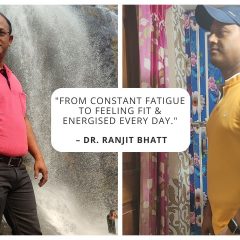
From Burnout to Balance: How Dr. Ranjit Reclaimed His Health

Dr Ranjit Bhatt has spent years tending to others. A practising doctor in Odisha, his days were packed with patients, surgeries, and emergencies. From the outside, it looked like a life lived in service. But on the inside, something wasn’t right. “I had no … [Read More...]

From Shimla’s Slopes to Chandigarh’s Sidewalks: Surinder Kaur Bhalla’s Journey from Chaos to Control

Some journeys start with a plan. Others begin with a stumble literally. Surinder Bhalla, a government professional, born and raised in the scenic hill town of Shimla, had always lived a life of movement. “In Shimla, you walked everywhere,” she reflects. “Walking was never an exercise. It was just life.” But after shifting to Chandigarh, […]

“I’ve Challenged Myself to Live 100 Years” – The Story of Chandubhai Savani’s Second Chance at Life

At 67, most people start slowing down. Not Chandubhai Savani. A resident of Surat, Chandubhai, thought life was on track. “My life was going well till I had my bypass surgery,” he says. That surgery, back in 2021, was a wake-up call.  Medication was routine, but exercise wasn’t. His diet? What he calls ‘normal.’ “I […]

Ananda Mukherjee Health Story

From Terminal Illness To Complete Wellness! Ananda Mukherjee Health Story

As we observe World Cancer Day under the powerful theme ‘United by Unique’ (2025-2027)**, we are reminded that every individual’s journey with cancer is distinct, yet united by shared resilience, hope, and the collective fight against this disease. This theme places people at the centre of care and their stories at the heart of the […]

  • HOME
  • HEALTHY LIVING
  • FITNESS
  • HEALTHY RECIPES
  • USER STORIES
  • KARMA
  • BUY GOQii

Copyright ©2016 GOQii