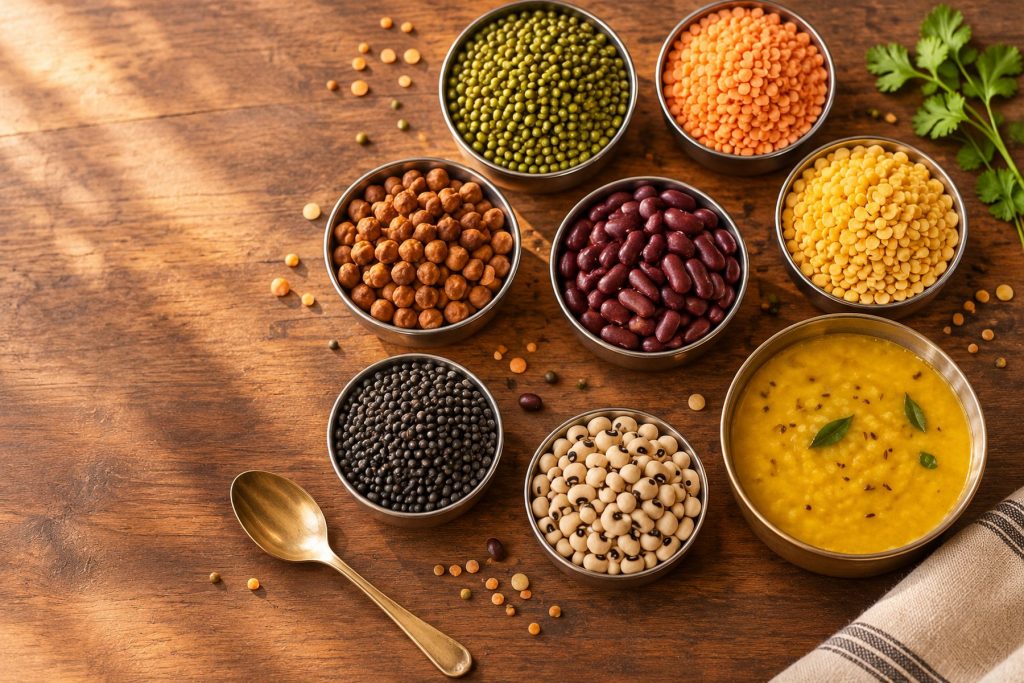
 Pulses are one of the healthiest, cheapest and most versatile foods in the Indian kitchen. A daily bowl of dal, chana or rajma adds protein, fibre and key minerals to your diet, and research links regular pulse eating to lower cholesterol and better blood sugar control.
Pulses are the dried, edible seeds of legume plants: lentils (masoor), pigeon peas (toor or arhar), chickpeas (chana), mung beans (moong), black gram (urad), kidney beans (rajma) and cowpeas (lobia), among others. Most Indian homes already eat them every day. Here are seven reasons to keep them on your plate, and to eat a little more.
Pulses at a glance
- Protein-rich: pulses contain about 20–25% protein, two to three times more than cereals.
- Good for your heart: about one serving a day lowered LDL (“bad”) cholesterol by around 5% in trials.
- Steadier blood sugar: in people with diabetes, diets richer in pulses modestly improved long-term blood sugar control.
- Better together: dal with rice or roti gives better-quality protein than either alone.
- Cheap, long-lasting and kind to the soil: dried pulses keep for months and need little fertiliser to grow.
7 reasons pulses are good for you
-
1. They’re one of the best sources of plant protein
Pulses contain about 20–25% protein, two to three times more than cereals, according to the UN Food and Agriculture Organization (FAO). For the many Indians who eat little or no meat, dal, chana and rajma are often the main source of protein in the day.
That makes them useful at every age: for growing children, for women’s higher iron and folate needs, especially in pregnancy, and for older adults who need enough protein to protect their muscles.
2. They’re packed with fibre and minerals
Pulses are a good source of fibre and of iron, magnesium, potassium, phosphorus, zinc and B vitamins such as folate. Fibre keeps digestion regular and helps you feel full for longer, which can make it easier to manage your weight.
For more on how fibre supports digestion and heart health, see our guide to high-fibre foods.
Tip: eat iron-rich pulses with a source of vitamin C, such as lemon on your chana or tomatoes in your dal, to help your body absorb the iron.
3. They’re good for your heart
Pulses are naturally low in fat and contain almost no saturated fat. A review of 26 trials found that eating about one serving of pulses a day (around 130 g) lowered LDL (“bad”) cholesterol by about 5% compared with similar diets without pulses. That’s a modest but meaningful change from a simple food swap.
To keep the benefit, watch the extras: a heavy tadka of ghee, or cream in dal makhani, adds the saturated fat that pulses themselves don’t have.
4. They help keep blood sugar steady
Pulses release their energy slowly. In a review of 41 trials, diets that included more pulses gave a modest improvement in long-term blood sugar control, lowering HbA1c by about 0.5%. In a three-month trial in 121 adults with type 2 diabetes, adding about one cup of legumes a day lowered HbA1c by 0.5% and systolic blood pressure by 4.5 mm Hg more than a wheat-fibre diet.
Pulses aren’t a treatment for diabetes, but they are a smart swap for some of the refined rice, maida or sweets on your plate. Keep taking any medicines you’ve been prescribed.
5. They make your grains more nutritious
Pulses and cereals have different strengths in their protein. Eaten together, as in dal-chawal, rajma-rice, khichdi or idli-sambar, the protein quality of the meal improves. Traditional Indian meals got this right long before nutrition science explained why.
6. They’re affordable and keep for months
Pulses are among the cheapest sources of protein you can buy. Because they are dried seeds, they store well for months in an airtight container, so there is little waste. Keep a few different kinds in the kitchen, and you always have a quick, nourishing meal to hand.
7. They’re good for the planet
Pulse plants work with soil bacteria to take nitrogen from the air and turn it into a form plants can use. This improves soil fertility and reduces the need for synthetic fertiliser, which takes a lot of energy to make. Choosing pulses more often is a small, practical way to eat more sustainably.
Common Indian pulses and how to use them
Eating a mix of pulses through the week gives you a wider range of nutrients and keeps meals interesting.
| Pulse | Also called | Easy ways to eat it | Cooking note |
| Moong (whole or split) | Green gram | Moong dal, khichdi, chilla, sprouts | Quick to cook and usually the easiest to digest |
| Masoor | Red lentil | Masoor dal, soups | Split masoor cooks in 15–20 minutes without soaking |
| Toor | Arhar, pigeon pea | Everyday dal, sambar | A staple dal across much of India |
| Chana | Bengal gram, chickpea | Chole, roasted chana, sundal, besan chilla | Soak whole chana overnight before cooking |
| Rajma | Kidney beans | Rajma-chawal, salads, wraps | Soak overnight and boil until fully soft: undercooked kidney beans can make you ill |
| Urad | Black gram | Idli, dosa, dal makhani | Fermented batters (idli, dosa) are gentle on the stomach |
| Lobia | Cowpea, black-eyed pea | Lobia curry, salads | Soak for a few hours to cut cooking time |
How much should you eat?
The ICMR–National Institute of Nutrition’s My Plate for the Day suggests about 85 g of pulses a day (raw weight) for an adult eating around 2,000 calories, with eggs, fish or meat able to replace part of that. In practice, that is roughly one to two bowls of dal, chana or rajma spread across the day.
Easy ways to eat more pulses
- Make dal a daily habit at lunch or dinner, and make it a little thicker than usual.
- Start the day with pulses: moong dal chilla, besan chilla, idli, dosa or a sprouts salad.
- Snack on them: roasted chana, a bowl of sundal, or other quick, healthy snacks.
- Pack them for work: rajma or chole bowls and sprouts chaat keep well, as our meal-prep guide
- Add them to what you already cook: a handful of chana in pulao, moong in upma, or lobia in a vegetable curry.
Gas and bloating: how to make pulses easier to digest
The most common reason people avoid pulses is wind. Pulses contain fermentable carbohydrates (oligosaccharides such as raffinose) that our small intestine can’t break down, so gut bacteria ferment them further along. That is part of why they feed a healthy gut, and also why a large bowl after weeks without them can leave you uncomfortable.
A few simple habits help most people:
- Soak whole pulses. Soak rajma, chana, lobia and whole urad for 8–12 hours (overnight), then discard the soaking water and cook in fresh water. Soaking draws out some of the gas-forming sugars.
- Cook them thoroughly. Pressure-cook until soft. Undercooked pulses are harder to digest, and raw or undercooked rajma can make you ill (see the table above).
- Start small and build up. If you rarely eat pulses, begin with a small katori a day and increase over two to three weeks. Many people find their gut adapts.
- Begin with the gentler dals. Split, husked dals such as moong and masoor are usually easier on the stomach than whole beans.
- Use traditional tempering. Hing (asafoetida), jeera, ginger and ajwain are classic additions to dal. Evidence that they reduce gas is limited, but they make pulses tastier and many people find them helpful.
- Drink enough water as you increase fibre, and spread pulses across meals rather than eating a large amount at once.
Who should take care
Pulses suit most people, but a few groups should check with a doctor or dietitian about how much and which kinds to eat:
- Chronic kidney disease: pulses contain potassium and phosphorus, which some people with kidney disease need to limit. Your renal team can advise on portions and preparation.
- Irritable bowel syndrome (IBS): many pulses are high in FODMAPs, which can trigger symptoms. A dietitian can help you find the types and portions you tolerate rather than cutting them out completely.
- Gout or high uric acid: follow the advice of your doctor about your overall diet. Plant sources of purines appear to be less of a concern than meat and seafood, but individual advice matters.
- Persistent or severe digestive symptoms: ongoing pain, bloating, changes in bowel habit or weight loss are worth a medical check-up rather than simply avoiding foods.
The bottom line
Pulses are one of the most useful foods in the Indian kitchen: affordable, filling, rich in protein and fibre, and backed by good evidence for heart health and blood sugar control. You don’t need anything exotic. A katori of well-cooked dal, a bowl of rajma or chana, or a handful of roasted chana as a snack, eaten most days alongside vegetables and whole grains, is a simple habit that adds up over time.
Pro Tip: Use the GOQii App to log your meals and see how often pulses actually make it onto your plate across the week. Your GOQii Personalised Health Coach can help you work more dals and beans into meals you already enjoy, and adjust portions to suit your goals.
Frequently asked questions
Are pulses and legumes the same thing?
Not quite. Legumes are all plants in the pea family, including peanuts, soybeans and fresh green peas. Pulses are the dried, edible seeds of legumes, such as lentils, dried beans, chickpeas and dried peas. In India, most dals are pulses.
Are pulses a good source of protein for vegetarians?
Yes. Dried pulses are roughly 20–25% protein by weight, about twice as much as most cereals. Eating them with rice, roti or millets gives a more complete mix of amino acids, which is why dal–chawal and rajma–chawal work so well together.
How much dal should I eat a day?
The ICMR–National Institute of Nutrition suggests about 85 g of pulses a day (raw weight) for an adult eating around 2,000 calories, with eggs, fish or meat able to replace part of that. That is roughly one to two bowls of dal, chana or rajma spread across the day. Your needs may differ depending on your age, activity and health.
Are pulses good for people with diabetes?
Pulses are a sensible choice for most people with diabetes. They are high in fibre, digest slowly and have a low glycaemic index, and studies have linked regular intake with modest improvements in blood sugar control. Watch the portion of rice or roti eaten with them, and talk to your doctor or dietitian about a plan that suits you.
Why do pulses cause gas, and how can I reduce it?
Pulses contain fermentable sugars that gut bacteria break down, producing gas. Soaking whole pulses and discarding the water, cooking them thoroughly, starting with small portions and choosing gentler dals like moong can help.
Which dal is easiest to digest?
Split, husked moong dal is generally considered the easiest to digest, which is why it is often used in khichdi for people who are unwell. Masoor dal is also fairly light. Whole beans such as rajma and chana tend to be heavier.
Can I eat pulses every day?
For most healthy people, yes. Eating pulses daily is an easy way to add protein and fibre. If you have kidney disease, IBS, gout or another condition that affects your diet, ask your doctor or dietitian how much is right for you.
#BeTheForce
Disclaimer: The information provided in this blog is for general awareness and educational purposes only. It is not intended to replace professional medical advice, diagnosis, or treatment. Always consult a qualified healthcare provider for personalised medical guidance or concerns related to your health.
 Regular exercise is one of the most reliable ways to protect your mental health. It can lift your mood, ease stress and anxiety, help you sleep, and lower your risk of depression, and you don’t need a gym to get the benefits.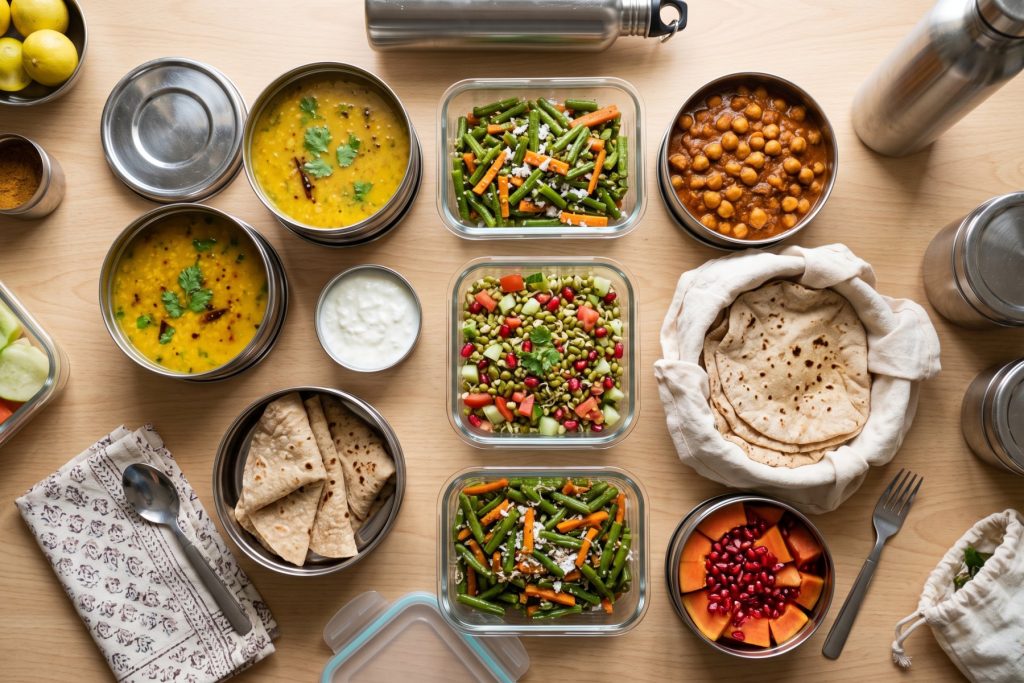
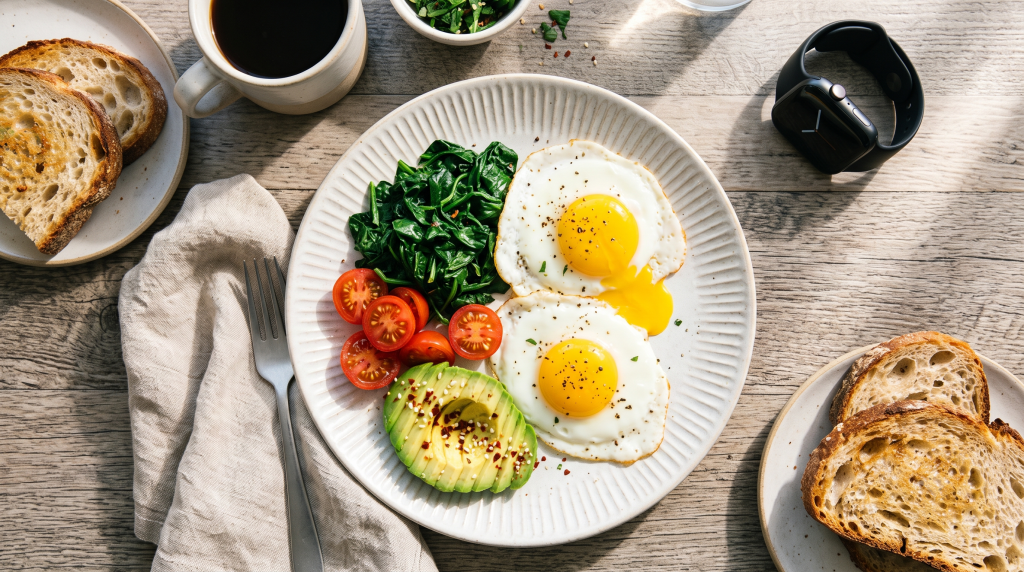 World Egg Day 2026 marks 30 years of celebrating one of the world’s most versatile foods. Discover why eggs are a source of high-quality protein and important nutrients, and how they can fit into a balanced diet.


