GOQii

Blog

  • HOME
  • HEALTHY LIVING
  • FITNESS
  • HEALTHY RECIPES
  • USER STORIES
  • KARMA
  • BUY GOQii

Search Results for: green tea

December 16, 2014 By SANA SHAIKH Leave a Comment

Alternate healthy options to COLA/SODA

fruits

What is that most crave when thirsty? An aerated cola drink. People think that aerated drink quenches thirst but that is so wrong. Instead, it gets people addicted to it and one largely craves for it due to the presence of varied components such as excess sugar, caffeine etc. One is so addicted to it that it becomes difficult to refrain from it and often end up drinking more than one in a single day. Over consumption of aerated drinks leads to various health disorders, the most common among them all is Obesity.

For all those craving for a cola here are some healthy options.

  1. Flavoured Water: A good and healthy replacement to the calorie rich sodas/cola’s is flavoured water. One can prepare it easily by using natural flavourings and normal water. For example: Cut slices of fruit like oranges/ lemon/watermelon and add it to water to flavour it naturally. This water can be chilled to enhance its taste. Freeze small cut fruits in water or their pulp to form ice cubes. This same can be used to flavour the water .
  2. Sparkling water: If you really can’t give up on soda instantly and like something fizzy to drink then you can try some sparkling water. This water is infused with carbon dioxide but is not as acidic as colas/other aerated drinks. There are flavoured sparkling water as well however avoid choosing them as they may contain more sodium and artificial flavours which are unhealthy.
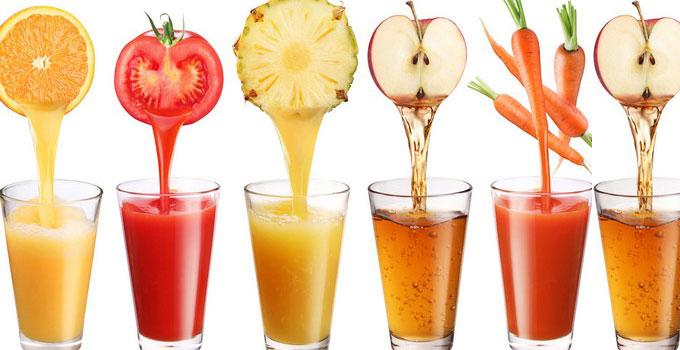
  3. Vegetable juice: There is also the healthy option of a vegetable juice. A fruit can also be added to the same. Vegetable juices provide your body with plenty of nutrients. For instance a carrot juice provides ample Vitamin A in the form of its precursor beta- carotene. Beta-carotene is a powerful antioxidant that prevents cells from degenerating, helps to slow aging, and maintains a youthful appearance.
  4. Soy Milk: If you are worried about the calories you can try the low fat options. Soy milk has varied health benefits. One of the several is improving calcium absorption and improving bone mass thus preventing osteoporosis. To gain the maximum benefits choose alternatives that are fortified with calcium and Vitamin D.
  5. Green Tea (Hot/Iced): Green tea has become more popular and is easily available. With varied flavour options and health benefits it can become a popular cola/soda replacing drink!

 So next time think before you grab that cola drink..
December 2, 2014 By Ami Shah Leave a Comment

Cinnamon- A wonder spice


cinnamon

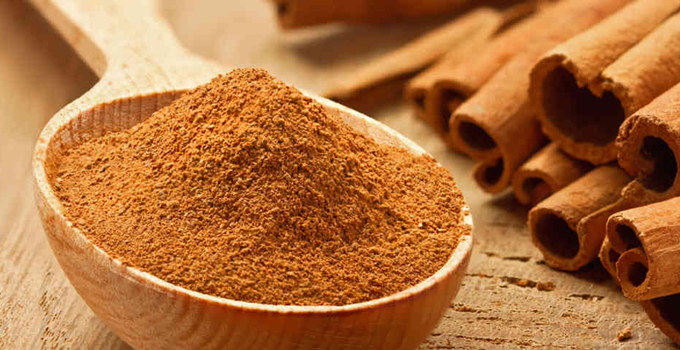
A sweet, fragrant and a warm taste of cinnamon spice is gaining importance in today’s world where morbid conditions are at its peak. One of the oldest spice known, it is made from a bark of a tree and is used in sweet and savoury food preparations. Cinnamon comes in various forms such as cinnamon tea, cinnamon oil, cinnamon powder which can be used for therapeutic treatments as well to enhance the flavour.

We all use this spice and enjoy its strong taste be it in food or in tea but, did you know what this spice can do for a healthy living?

Let’s have a look at some:

  • The most common and known effect of cinnamon is to stabilize the blood sugar!
  • It is known to reduce the LDL cholesterol (bad) in the body.
  • It has anti infectious properties which help in curing ulcers and also in irritable bowel syndrome.
  • It’s anti-bacterial properties helps in getting rid of harmful bacteria thus preventing tooth decay. Also, it is used in food preservation

It is packed with manganese, calcium and iron.

  • It is best known to be used during PMS (premenstrual syndrome) wherein the mood swings and cramps subside.
  • Cinnamon tea infused with cinnamon bark oil could be an excellent way to fight internal Candida infections and boost your immune system
  • Cinnamon acts as an anti-inflammatory.

Various ways to infuse cinnamon and enhance the taste:

  • Add one to two teaspoons of ground cinnamon to a steaming hot cup of green tea.
  • A dash or two of cinnamon added to soups such as lentil or black bean may add an exotic flavour, plus provide the warming goodness may bring relief to those feeling under the weather.
  • You can also add it to curries

So, next time don’t forget to add 1-2tsp of cinnamon powder to your cooking and wait to see the wonders!

September 30, 2014 By Ashwinkumar Rahate 1 Comment

Drop down your Hypertension without medication

highbp

Hypertension is one of the major diseases that one develops because of a sedentary lifestyle. Hypertension refers to the increase in the blood pressure level. When the doctor says you are suffering from blood pressure (BP) or that you are Hypertensive, the next step is medication. Medication is considered the only means to bring down the blood pressure levels or hypertension. I would say, no to medication. There are other ways to bring down the BP levels.

Before that we need to know the causes for the Hypertension.

  • The major cause of Hypertension is a sedentary lifestyle or no physical activities at all.
  • Overweight and obesity also result in Hypertension
  • Having excessive amount of salt results in high blood pressure.
  • If the stress level is higher it also leads to Hypertension.
  • Aging or getting older is also cause for hypertension.
  • High level of alcohol consumption as well as smoking result in hypertension.
  • High intakes of tea or caffeine result in Hypertension.
  • Dehydration also causes hypertension
  • Lack of sleep results in increase in Blood pressure levels.

Following are the ways to reduce Hypertension

  • Do exercise or indulge in physical activity of a kind regularly. Regular exercise will help to drop down blood pressure. The exercise must consist of targeting more cardiovascular and strength training activities. Isometric contractions (Contracting holding movements) must be avoided in strength training.
  • Healthy food habit. Eating healthy food will result in dropping your hypertension levels. The whole day in take consists of targeting all macronutrients (Protein, Carbs and Fats) and micronutrients (Vitamins, Minerals).
  • Increase in water intake will also result in bringing down Hypertension. Minimum ten to twelve glass of water are recommended daily
  • Cut down on your Tea and Caffeine intake which will help to reduce blood pressure. Instead of tea or coffee go for green tea
  • Stop smoking as well as tobacco consumption. It help to reduce blood pressure
  • Avoid consuming alcohol
  • Cut down on your salt intake if you are consuming excessively.
  • Reduce your bodyweight in fats. If you have more fat chances of hypertension is higher. Therefore it is important to maintain your BMI and fat percentage in normal range.
  • Avoid taking excessive stress. Reduce your stress by meditating daily for few minutes


In a short, it all boils down to your food habits, physical activity, and stress levels and rest. If we are living a healthy lifestyle there is absolutely no need to take medications for Hypertension.


August 14, 2026 By Rashmi Deshpande Leave a Comment

Foods to Manage Blood Sugar Naturally: A Complete Guide to Better Blood Sugar Control

The Big Question – Can the foods you eat every day help improve your blood sugar levels naturally?

If you’ve been diagnosed with prediabetes or Type 2 diabetes—or you’re simply trying to prevent blood sugar spikes you’ve probably wondered whether changing your diet can really make a difference.

The answer is yes.

While food alone isn’t a cure for diabetes, the right dietary choices, combined with regular physical activity, quality sleep, stress management and medical guidance when needed, can significantly improve blood sugar control and support long-term metabolic health.

The good news? You don’t need a restrictive diet or expensive superfoods. Simple, everyday ingredients can help your body manage blood sugar more effectively.

Quick Answer – Which foods help manage blood sugar naturally?

Foods rich in dietary fibre, lean protein, healthy fats and complex carbohydrates help slow digestion and reduce rapid blood sugar spikes. Leafy green vegetables, whole grains, legumes, nuts, seeds, healthy fats and low-glycaemic fruits can all support better blood sugar management when eaten as part of a balanced lifestyle.

Why Blood Sugar Management Matters

Every time you eat, carbohydrates are broken down into glucose, which enters your bloodstream.

Insulin a hormone produced by the pancreas helps move this glucose into your cells where it is used for energy.

In people with insulin resistance or diabetes, this process becomes less efficient, causing glucose to remain in the bloodstream for longer.

Over time, consistently high blood sugar can increase the risk of:

  • Heart disease
  • Kidney disease
  • Vision problems
  • Nerve damage
  • Poor wound healing

Managing blood sugar isn’t just about avoiding sugar it’s about building meals that keep glucose levels steady throughout the day.

8 Foods That Help Manage Blood Sugar Naturally

  1. Leafy Green Vegetables

Spinach, fenugreek (methi), amaranth, kale and other leafy greens are packed with vitamins, minerals, antioxidants and fibre while being naturally low in digestible carbohydrates.

These vegetables also provide vitamin C and antioxidants such as lutein and zeaxanthin, which support eye health particularly important for people living with diabetes.

Easy ways to include them:

  • Vegetable sabzi
  • Soups
  • Salads
  • Stuffed rotis
  • Smoothies
  • Chutneys
  1. Whole Grains and Millets

Refined grains digest quickly and can cause larger blood sugar spikes.

Instead, choose fibre-rich whole grains such as:

  • Oats
  • Brown rice
  • Quinoa
  • Jowar
  • Bajra
  • Ragi
  • Barley

These release glucose more gradually, helping maintain steady energy levels.

  1. Legumes and Pulses

Beans, lentils, chickpeas and rajma are rich in plant protein and fibre.

They digest slowly, improve satiety and support better blood sugar control.

Aim to include legumes several times each week.

  1. Nuts

Nuts provide healthy fats, protein and fibre that slow digestion and help reduce post-meal glucose spikes.

Choose unsalted varieties such as:

  • Almonds
  • Walnuts
  • Pistachios
  • Pecans
  • Hazelnuts

A small handful makes an excellent snack.

  1. Seeds

Seeds are nutritional powerhouses rich in omega-3 fats, fibre and plant protein.

Include:

  • Flaxseeds
  • Chia seeds
  • Pumpkin seeds
  • Sunflower seeds
  • Sesame seeds

They can be sprinkled over oats, yoghurt, salads or smoothies.

  1. Lean Protein

Protein helps keep you fuller for longer while slowing carbohydrate absorption.

Good choices include:

  • Eggs
  • Fish
  • Chicken
  • Paneer
  • Greek yoghurt
  • Tofu
  • Lentils

Try including a protein source in every meal.

  1. Healthy Fats

Healthy fats improve satiety and help slow digestion.

Choose:

  • Avocados
  • Olive oil
  • Groundnuts
  • Walnuts
  • Seeds

Remember that healthy fats are still calorie-dense, so portion control matters.

  1. Low-Glycaemic Fruits

Fruit can absolutely be part of a diabetes-friendly diet.

Choose whole fruits such as:

  • Apples
  • Pears
  • Berries
  • Guava
  • Oranges

Avoid fruit juices, which remove fibre and cause faster blood sugar rises.

Foods to Limit

No food needs to be completely banned, but these are best enjoyed occasionally:

  • Sugary drinks
  • Packaged fruit juices
  • Sweets
  • Cakes and pastries
  • White bread
  • Refined flour products
  • Sugary breakfast cereals
  • Highly processed snacks
  • Deep-fried foods

Small, consistent changes often produce better long-term results than extreme restrictions.

Smart Eating Habits That Help

It’s not only what you eat but how you eat.

Build a Balanced Plate

Aim for:

  • Half your plate: Non-starchy vegetables
  • One-quarter: Lean protein
  • One-quarter: Whole grains or complex carbohydrates

Eat Slowly

Eating slowly gives your body time to recognise fullness, helping prevent overeating.

Don’t Skip Meals

Skipping meals can lead to larger blood sugar fluctuations later in the day.

Regular, balanced meals are generally more effective than long periods without food.

Watch Portion Sizes

Even healthy carbohydrates can raise blood sugar when consumed in excessive amounts.

Moderation remains important.

Lifestyle Habits That Support Blood Sugar Control

Nutrition is only one part of the equation.

Other habits matter just as much.

Stay Active

A 20–30 minute walk after meals helps muscles use glucose more efficiently.

Strength training also improves insulin sensitivity over time.

Sleep Well

Poor sleep affects hormones that regulate blood sugar and appetite.

Aim for 7–9 hours of quality sleep each night.

Manage Stress

Chronic stress raises cortisol, which can increase blood glucose levels.

Meditation, breathing exercises, yoga and regular physical activity can all help.

Stay Hydrated

Water supports healthy circulation and helps your body function optimally.

Choose water over sugary beverages whenever possible.

What If Your Blood Sugar Drops Too Low?

People taking insulin or certain diabetes medications may occasionally experience hypoglycaemia (low blood sugar).

Common symptoms include:

  • Sweating
  • Shaking
  • Hunger
  • Dizziness
  • Confusion

If this happens, follow your healthcare provider’s advice. A commonly recommended approach is the 15-15 rule:

  • Consume approximately 15 grams of fast-acting carbohydrate (such as glucose tablets, fruit juice or regular soft drink).
  • Recheck your blood sugar after 15 minutes.
  • Repeat if necessary.

Always discuss recurring episodes of low blood sugar with your doctor.

Managing blood sugar isn’t about following a perfect diet—it’s about building sustainable habits that support your metabolism every day.

Focus on fibre-rich vegetables, whole grains, lean proteins, healthy fats and regular physical activity.

Small changes, practised consistently, can make a meaningful difference to your long-term health.

Pro Tip – Understanding how your meals affect your blood sugar is the first step towards better metabolic health. Use the GOQii App to track your meals, activity, hydration and sleep. A GOQii Personalised Health Coach can help you build a nutrition plan tailored to your health goals, lifestyle and medical needs.

Frequently Asked Questions (FAQs)

  1. Which foods help lower blood sugar naturally?

Leafy vegetables, legumes, whole grains, nuts, seeds, lean proteins and healthy fats can support better blood sugar management as part of a balanced diet.

  1. Can people with diabetes eat fruit?

Yes. Whole fruits such as apples, berries, guava and oranges provide fibre, vitamins and antioxidants. Portion control is important, and fruit juices should generally be limited.

  1. Are carbohydrates bad for diabetes?

No. The type and quantity of carbohydrates matter more than eliminating them completely. Choosing fibre-rich whole grains over refined carbohydrates helps support steadier blood sugar levels.

  1. Is walking after meals beneficial?

Yes. Even a short walk after eating can help your muscles use glucose more efficiently and reduce post-meal blood sugar spikes.

  1. Can lifestyle changes help prevent Type 2 diabetes?

For many people with prediabetes, healthy eating, regular physical activity, weight management and quality sleep can significantly reduce the risk of developing Type 2 diabetes.

#BeTheForce 

Disclaimer: This article is intended for educational purposes only and should not replace professional medical advice. Dietary needs vary from person to person. If you have diabetes, prediabetes or any other medical condition, consult your physician or a qualified healthcare professional before making significant dietary or lifestyle changes. Continue taking prescribed medications unless advised otherwise by your healthcare provider.

  • « Previous Page
  • 1
  • …
  • 24
  • 25
  • 26
  • 27
  • 28
  • …
  • 62
  • Next Page »

Search

Recent Posts

  • Foods to Manage Blood Sugar Naturally: A Complete Guide to Better Blood Sugar Control
  • The Lazy Person’s Guide to Staying Healthy: 5 Micro-Habits That Take Less Than 2 Minutes
  • Healthy Eating: Comforting Chilli Bean Soup Recipe for the Monsoon
  • The Truth About the ‘Beer Belly’: What Alcohol Really Does to Your Metabolism
  • Benefits of Meditation: How One Daily Habit Can Transform Your Mental Wellbeing

Stay Updated

Archives

  • August 2026 (7)
  • July 2026 (25)
  • June 2026 (22)
  • May 2026 (20)
  • April 2026 (24)
  • March 2026 (18)
  • February 2026 (14)
  • January 2026 (14)
  • December 2025 (19)
  • November 2025 (15)
  • October 2025 (20)
  • September 2025 (6)
  • August 2025 (6)
  • July 2025 (9)
  • June 2025 (18)
  • May 2025 (16)
  • April 2025 (22)
  • March 2025 (26)
  • February 2025 (21)
  • January 2025 (25)
  • December 2024 (22)
  • November 2024 (22)
  • October 2024 (20)
  • September 2024 (22)
  • August 2024 (28)
  • July 2024 (15)
  • June 2024 (23)
  • May 2024 (26)
  • April 2024 (27)
  • March 2024 (27)
  • February 2024 (23)
  • January 2024 (21)
  • December 2023 (14)
  • November 2023 (10)
  • October 2023 (19)
  • September 2023 (21)
  • August 2023 (16)
  • July 2023 (16)
  • June 2023 (21)
  • May 2023 (20)
  • April 2023 (19)
  • March 2023 (23)
  • February 2023 (19)
  • January 2023 (15)
  • December 2022 (11)
  • November 2022 (15)
  • October 2022 (15)
  • September 2022 (12)
  • August 2022 (9)
  • July 2022 (17)
  • June 2022 (11)
  • May 2022 (10)
  • April 2022 (6)
  • March 2022 (6)
  • February 2022 (13)
  • January 2022 (11)
  • December 2021 (7)
  • November 2021 (3)
  • October 2021 (6)
  • September 2021 (3)
  • August 2021 (8)
  • July 2021 (7)
  • June 2021 (15)
  • May 2021 (16)
  • April 2021 (10)
  • March 2021 (7)
  • February 2021 (4)
  • January 2021 (4)
  • December 2020 (3)
  • November 2020 (4)
  • October 2020 (10)
  • September 2020 (3)
  • August 2020 (3)
  • July 2020 (2)
  • June 2020 (4)
  • May 2020 (10)
  • April 2020 (12)
  • March 2020 (10)
  • February 2020 (4)
  • January 2020 (4)
  • December 2019 (3)
  • November 2019 (7)
  • October 2019 (5)
  • September 2019 (4)
  • August 2019 (9)
  • July 2019 (9)
  • June 2019 (11)
  • May 2019 (4)
  • April 2019 (8)
  • March 2019 (8)
  • February 2019 (9)
  • January 2019 (8)
  • December 2018 (9)
  • November 2018 (3)
  • October 2018 (3)
  • September 2018 (5)
  • August 2018 (10)
  • July 2018 (6)
  • June 2018 (13)
  • May 2018 (8)
  • April 2018 (18)
  • March 2018 (9)
  • February 2018 (8)
  • January 2018 (15)
  • December 2017 (12)
  • November 2017 (19)
  • October 2017 (13)
  • September 2017 (15)
  • August 2017 (4)
  • July 2017 (8)
  • June 2017 (7)
  • May 2017 (6)
  • April 2017 (8)
  • March 2017 (6)
  • February 2017 (7)
  • January 2017 (9)
  • December 2016 (10)
  • November 2016 (7)
  • October 2016 (7)
  • September 2016 (7)
  • August 2016 (11)
  • July 2016 (9)
  • June 2016 (9)
  • May 2016 (12)
  • April 2016 (17)
  • March 2016 (17)
  • February 2016 (8)
  • January 2016 (6)
  • December 2015 (2)
  • November 2015 (9)
  • October 2015 (7)
  • September 2015 (9)
  • August 2015 (11)
  • July 2015 (9)
  • June 2015 (11)
  • May 2015 (9)
  • April 2015 (13)
  • March 2015 (8)
  • February 2015 (5)
  • January 2015 (12)
  • December 2014 (14)
  • November 2014 (11)
  • October 2014 (6)
  • September 2014 (13)
  • August 2014 (12)
  • July 2014 (6)
  • June 2014 (2)
  • May 2014 (7)
  • April 2014 (4)

From Burnout to Balance: How Dr. Ranjit Reclaimed His Health

Dr Ranjit Bhatt has spent years tending to others. A practising doctor in Odisha, his days were packed with patients, surgeries, and emergencies. From the outside, it looked like a life lived in service. But on the inside, something wasn’t right. “I had no … [Read More...]

From Shimla’s Slopes to Chandigarh’s Sidewalks: Surinder Kaur Bhalla’s Journey from Chaos to Control

Some journeys start with a plan. Others begin with a stumble literally. Surinder Bhalla, a government professional, born and raised in the scenic hill town of Shimla, had always lived a life of movement. “In Shimla, you walked everywhere,” she reflects. “Walking was never an exercise. It was just life.” But after shifting to Chandigarh, […]

“I’ve Challenged Myself to Live 100 Years” – The Story of Chandubhai Savani’s Second Chance at Life

At 67, most people start slowing down. Not Chandubhai Savani. A resident of Surat, Chandubhai, thought life was on track. “My life was going well till I had my bypass surgery,” he says. That surgery, back in 2021, was a wake-up call.  Medication was routine, but exercise wasn’t. His diet? What he calls ‘normal.’ “I […]

Ananda Mukherjee Health Story

From Terminal Illness To Complete Wellness! Ananda Mukherjee Health Story

As we observe World Cancer Day under the powerful theme ‘United by Unique’ (2025-2027)**, we are reminded that every individual’s journey with cancer is distinct, yet united by shared resilience, hope, and the collective fight against this disease. This theme places people at the centre of care and their stories at the heart of the […]

  • HOME
  • HEALTHY LIVING
  • FITNESS
  • HEALTHY RECIPES
  • USER STORIES
  • KARMA
  • BUY GOQii

Copyright ©2016 GOQii