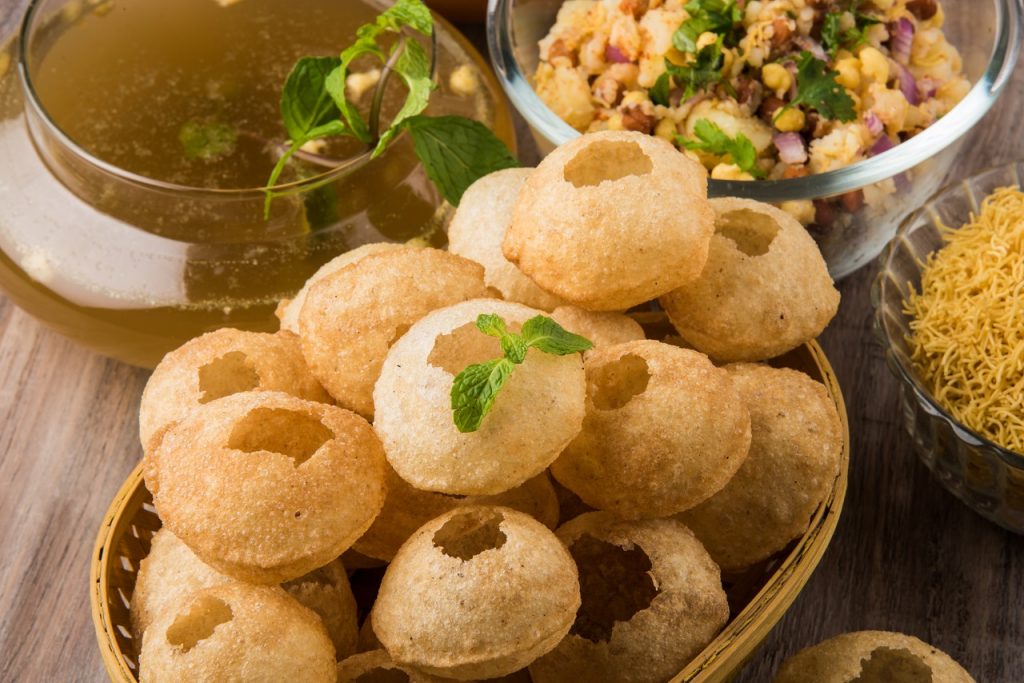
 The Big Question: Why do our favorite rainy-day comfort foods often act as the primary triggers for severe stomach infections and metabolic sluggishness?
The arrival of the monsoon brings much-needed relief from the intense summer heat. It’s the season of cool breezes, steaming cups of tea, and our favorite comfort foods. But while the rainy season refreshes the environment, it also creates conditions that allow bacteria, viruses, and fungi to thrive. Higher humidity, fluctuating temperatures, and increased moisture make food spoil faster and drastically raise the risk of foodborne illnesses. During this time, your digestive system may also become more sensitive, making food hygiene and smart eating choices more important than ever.
The good news? You don’t have to give up enjoying the monsoon—you simply need to make safer food choices that protect your gut health.
Why Food Choices Matter During the Monsoon
The rainy season often brings a noticeable increase in stomach infections, food poisoning, diarrhea, typhoid, and other waterborne illnesses.
This happens because:
- Microbial Proliferation: High atmospheric moisture and dampness encourage the rapid growth of bacteria and fungi.
- Rapid Spoilage: Cooked and raw foods spoil much more quickly in humid weather.
- Vulnerable Water Supplies: Local drinking water sources face a higher risk of cross-contamination from rainwater runoff.
- Gastrointestinal Slowdown: Environmental shifts can naturally lower your baseline digestive efficiency, reducing the secretion of essential stomach enzymes.
Choosing freshly prepared, hygienic meals can go a long way in protecting your digestive health and supporting your immune system.
5 Specific Foods to Restrict (And Their Healthy Alternatives)
-
Deep-Fried Foods
Nothing feels more comforting than hot pakodas, samosas, bhajiyas, or fries while it’s raining outside. However, because your metabolic rate naturally slows down during the monsoon, heavy trans-fats and deeply saturated oils take an exceptionally long time to break down and digest. Eating fried foods frequently can lead to bloating, severe acidity, and uncomfortable indigestion.
- The Destructive Autopilot Loop: Heavy Fried Fats à Stalled Gastric Emptying à Gastrointestinal Sluggishness à Low Energy.
- The Mindful Alternative Loop: Roasted or Air-Fried Starches à Smooth Digestion à Balanced Glucose àLight & Active Feeling.
- Better Choices: Roasted makhana (foxnuts), roasted chana (chickpeas), baked sweet potato wedges, air-fried snacks, or homemade vegetable cutlets cooked with minimal oil.
-
Open-Air Street Food
Pani puri, bhel puri, dahi puri, chaats, and roadside snacks become even more tempting during the rains. Unfortunately, open-air food stalls are highly exposed to airborne dust, flies, and humid ambient temperatures.
More importantly, the water used to construct the savory mint liquids in pani puri can easily become contaminated with waterborne bacterial spores due to monsoon pipe leaks. This contamination is a primary cause of seasonal dysentery, typhoid, and jaundice.
- Better Choices: Try making your favorite chaat at home using filtered, boiled water and fresh ingredients. Other safe options include hot, home-cooked soups, freshly prepared hot snacks, and roasted corn on the cob.
-
Raw Leafy Greens
Leafy vegetables like spinach, lettuce, cabbage, and coriander are packed with dietary fiber, magnesium, and essential vitamins. However, during the monsoon, their intricate folds, damp surfaces, and proximity to moist soil make them a major breeding ground for bacteria, parasites, and fungi that thrive in humid weather. Consuming them raw in salads significantly increases the risk of food poisoning.
- Better Choices: Do not avoid these nutritious greens entirely—simply focus on proper cleaning and cooking. Wash them thoroughly under running water, soak them in clean water with a pinch of salt for 10 minutes, and choose steamed, blanched, or thoroughly cooked leafy vegetables instead of raw salads.
-
Cut Fruits Left in the Open
Fresh fruits are an important part of a healthy diet, providing vital Vitamin C and antioxidants. However, fruits that are pre-cut and left exposed on street stalls or kitchen counters can become contaminated quickly, especially in humid weather. The longer fruit slices remain uncovered, the faster airborne bacteria multiply on their sugary surfaces.
- Better Choices: Buy whole fruits instead. Wash the outer skin thoroughly under running water and cut your fruits immediately before eating. If you have leftovers, store the freshly cut fruits in a sealed container inside the refrigerator right away.
-
Poorly Stored Seafood
Fish and seafood are excellent sources of lean protein and healthy fats, but freshness is extremely important during this season. The monsoon marks the primary breeding period for most marine life, meaning fresh catch is limited.
Furthermore, water quality fluctuates wildly due to heavy rain runoff, increasing the risk that wild-caught seafood may carry waterborne bacteria. Improper storage and handling at this time can quickly trigger acute gastroenteritis.
- Better Choices: If you choose to consume seafood, ensure it is sourced from reliable suppliers and cooked thoroughly. Alternatively, fulfill your protein goals with easily digestible, home-cooked staples such as organic eggs, paneer, tofu, sprouts, or mixed lentils and dals.
The Monsoon Food Safety Quick-Reference
| Food Item to Limit | The Primary Biological Risk | The Safe, Healthy Alternative |
| Deep-Fried Pakodas | Causes long digestive delays and extreme lethargy. | Roasted chana, foxnuts, or oil-free baked crisps. |
| Street Pani Puri | High vulnerability to contaminated, waterborne bacteria. | Homemade chaat using boiled ingredients and filtered water. |
| Raw Leafy Salads | Harbors hidden bacterial spores and micro-parasites. | Thoroughly blanched, steamed, or fully cooked greens. |
| Exposed Cut Fruits | Accelerates bacterial growth on sugary surfaces. | Whole seasonal fruits washed and cut right before eating. |
Foods That Are Great During the Monsoon
Instead of focusing only on what to avoid, fill your plate with nourishing choices that support your digestion and overall well-being:
- Warm Soups: Lentil, tomato, or chicken soups comfort the throat and digest easily.
- Therapeutic Spices: Include ginger, garlic, turmeric, and black pepper in your meals to stimulate digestive enzymes.
- Probiotic Support: Fresh curd or unsweetened yogurt (if well-tolerated) introduces beneficial bacteria to reinforce your gut lining.
- Herbal Infusions: Hot ginger or tulsi (Holy Basil) tea helps clear out early respiratory congestion.
- Whole Grains: Oats, millets, and brown rice provide steady, long-lasting daytime energy.
Simple Monsoon Food Safety Tips
Good food choices go hand in hand with consistent daily hygiene habits. Keep these precautions in mind to protect your family:
✔ Wash your hands thoroughly with soap before preparing or eating food.
✔ Drink strictly filtered, boiled, or safe bottled drinking water.
✔ Focus on eating freshly cooked, steaming-hot meals whenever possible.
✔ Refrigerate leftovers promptly in airtight containers to avoid spoilage.
✔ Avoid food items that have been left uncovered or exposed to flies.
The monsoon is a wonderful, refreshing season—but it also demands a little extra care when it comes to your plate. Choosing freshly prepared meals, practicing rigorous food hygiene, and limiting foods that spoil easily can completely protect you from seasonal stomach infections and digestive discomfort. Healthy eating isn’t about avoiding everything you love. It’s about making smarter, mindful choices that allow you to enjoy the rains while keeping your body strong and resilient!
Pro Tip: Managing your seasonal nutrition targets is effortless when you track your choices consistently. Use the GOQii App to log your daily meals, monitor your pure water intake, and record your sleep patterns. You can seamlessly share this information with your GOQii Personalised Health Coach to receive customized monsoon meal plans, immune-boosting recipes, and expert guidance built to support your unique wellness goals!
Frequently Asked Questions (FAQs)
- Why do stomach infections become more common during the monsoon?
Stomach infections spike during the monsoon because the high atmospheric humidity and warm moisture create the perfect environment for bacteria, viruses, and fungi to multiply rapidly. When these pathogens contaminate our food or water supplies, they easily bypass our naturally slowed seasonal digestion, resulting in higher rates of gastroenteritis.
- Can I safely eat street food during the rainy season?
It is highly recommended to avoid street food during the rainy season. Open stalls are vulnerable to airborne dust, flies, and contaminated water systems. If you find yourself craving tangy chaats, preparing them cleanly at home with boiled ingredients and filtered water is a much safer option.
- Should I completely stop eating leafy vegetables during the monsoon?
No, you do not need to eliminate them. Leafy greens are highly nutritious. However, you must change how you prepare them: avoid raw salads entirely. Ensure you wash the leaves thoroughly under running water, soak them in salt water to loosen hidden pests, and steam or cook them completely before eating.
- Which foods are best for supporting digestion during the rainy season?
Foods that are warm, light, and easy to break down are ideal. Focus on freshly cooked vegetables, whole grains like millets or oats, warm lentil soups, anti-inflammatory spices (ginger, turmeric, black pepper), and probiotic-rich fresh curd to support your gut flora.
#BeTheForce
Disclaimer: This article is intended for educational and informational purposes only. It is not intended to replace professional medical advice, clinical diagnosis, or personalized dietary treatment. Always consult your primary care physician or a registered dietitian before making major changes to your eating habits, especially if you manage an underlying gastrointestinal condition or chronic metabolic disorder.





Many people unknown in a rainy season what type of eating a food.
Tnkq so much for your very important information give
Me. & do the great work in social media