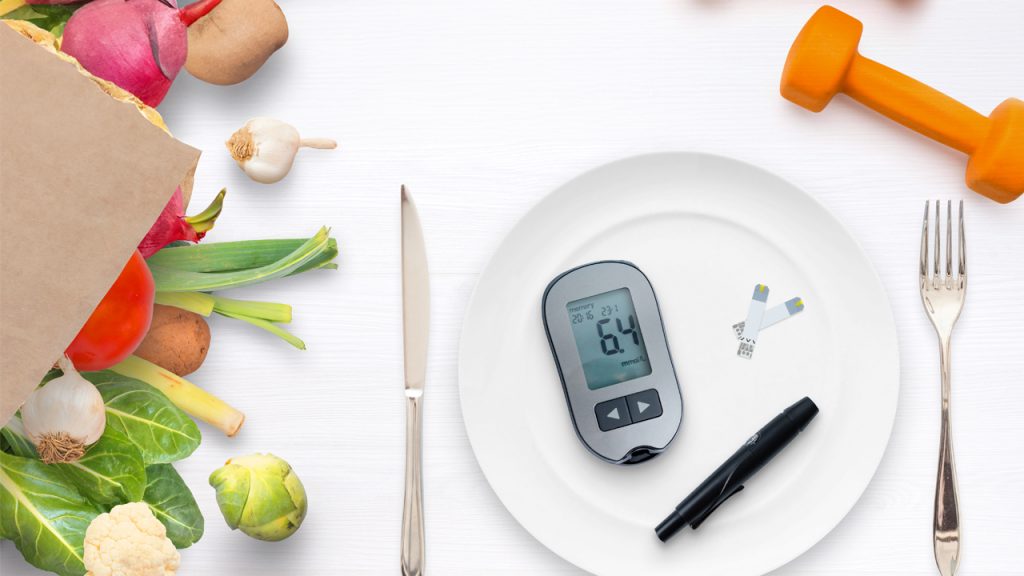
 The Big Question: If you’ve been diagnosed with prediabetes or Type 2 diabetes, can lifestyle changes really improve your blood sugar or are medications your only option?
A diagnosis of Type 2 diabetes can feel overwhelming, but it doesn’t mean you’ve lost control of your health. While medications play an important role for many people, everyday choices around food, physical activity, sleep, and stress management can significantly improve blood sugar control and reduce the risk of long-term complications.
For some people particularly those diagnosed early who achieve meaningful weight loss under medical supervision Type 2 diabetes may even go into clinical remission. However, remission isn’t possible for everyone, and maintaining healthy habits remains essential regardless of medication use.
The goal isn’t perfection it’s building sustainable habits that help you live well with diabetes.
Understanding Type 2 Diabetes
Type 2 diabetes is a chronic metabolic condition in which the body becomes resistant to insulin or doesn’t produce enough insulin to maintain healthy blood sugar levels.
Over time, persistently elevated blood glucose can increase the risk of complications affecting the:
- Heart
- Kidneys
- Eyes
- Nerves
- Blood vessels
The encouraging news is that many of these risks can be significantly reduced through good blood sugar management and proactive lifestyle choices.
Build Your Plate for Better Blood Sugar
Food remains one of the most powerful tools for managing diabetes. Rather than eliminating entire food groups, focus on choosing foods that provide steady energy, adequate nutrition, and sustained fullness.
Complex Carbohydrates – Choose carbohydrates that are naturally rich in fibre. Compared with refined grains, these foods generally produce a slower rise in blood glucose because they contain more fibre and digest more gradually:
- Oats
- Brown rice
- Millets
- Buckwheat
- Quinoa
- Whole wheat
Lean Protein- Protein helps increase satiety and supports muscle maintenance. Good choices include:
- Eggs, fish, and skinless chicken
- Lentils, beans, and chickpeas
- Low-fat paneer and tofu
- Unsweetened Greek yoghurt
- Nuts and seeds (Fatty fish such as salmon, sardines, and mackerel also provide omega-3 fatty acids that support cardiovascular health.)
Non-Starchy Vegetables – Fill at least half your plate with vegetables such as:
- Spinach, broccoli, and cauliflower
- Capsicum, cucumber, and zucchini
- Bottle gourd, ridge gourd, and mushrooms (These foods are naturally rich in fibre, vitamins, and minerals while being relatively low in carbohydrates. Starchy vegetables like potatoes, corn, and sweet potatoes can still be included but in appropriately controlled portions.)
Healthy Fats – Healthy fats support overall nutrition and make meals more satisfying. Although nutritious, these foods are calorie-dense, so portion size still matters. Include foods such as:
- Avocados and olive oil
- Walnuts, almonds, and pistachios
- Flaxseeds and chia seeds
Fruits – People living with diabetes do not need to avoid fruit completely. Instead:
- Choose: Apples, pears, berries, guava, and oranges.
- Eat fruit whole rather than as juice to preserve its fibre.
- Pair fruit with a protein source such as Greek yoghurt, cottage cheese, or unsalted nuts. This combination may help slow digestion and improve satiety.
The Diabetes Plate Method
One of the simplest ways to plan balanced meals is the Diabetes Plate Method. This approach naturally increases fibre intake while helping manage portion sizes. Fill your plate with:
- 🥦 50% Non-starchy vegetables
- 🍗 25% Lean protein
- 🌾 25% Whole grains or other healthy carbohydrates
- 🥜 Add a small serving of healthy fats
Portion Size Still Matters
Even nutritious foods can raise blood glucose when eaten in large quantities. Helpful strategies include:
- Eat slowly.
- Use smaller plates.
- Avoid second servings unless genuinely hungry.
- Stop eating when comfortably satisfied rather than overly full.
Is Meal Timing Important?
Consistency often matters more than rigid rules. Some people do well with three balanced meals each day, while others benefit from smaller meals depending on their medication schedule, activity levels, and individual preferences. Work with your healthcare provider or dietitian to find a meal pattern that supports stable blood sugar throughout the day.
Can Certain Spices Help?
Several commonly used spices are being studied for their potential role in metabolic health:
- Cinnamon: Some studies suggest cinnamon may modestly improve insulin sensitivity in certain individuals, although results remain mixed. It should never replace prescribed diabetes treatment.
- Garlic: Garlic contains bioactive compounds with antioxidant properties and can be an excellent part of an overall healthy eating pattern.
- Turmeric: Curcumin, the active compound in turmeric, has anti-inflammatory properties that continue to be studied for their potential role in metabolic health.
Lifestyle Matters Just As Much As Diet
Managing diabetes goes far beyond food choices alone.
Stay Physically Active – Physical activity helps muscles use glucose more efficiently and supports insulin sensitivity. Aim for:
- At least 150 minutes of moderate-intensity activity each week.
- 2–3 sessions of strength training weekly.
- Light movement or a 10–15 minute walk after meals whenever possible.
Prioritise Sleep – Poor sleep can make blood sugar management more difficult. Aim for:
- 7–9 hours of quality sleep.
- A consistent bedtime.
- Reduced screen time before bed.
Manage Stress – Chronic stress may contribute to higher blood glucose in some people. Helpful strategies include:
- Yoga and meditation.
- Walking and spending time outdoors.
- Deep breathing exercises.
- Connecting with family and friends.
Monitor Your Numbers & Protect Your Feet
Regular Monitoring – Regular monitoring helps you understand how your lifestyle affects your diabetes. Tracking trends over time is often more useful than focusing on a single reading. Discuss these targets with your healthcare provider:
- HbA1c and fasting blood glucose
- Post-meal blood glucose
- Blood pressure and cholesterol
- Waist circumference and body weight
Don’t Forget Foot Care – High blood sugar can affect circulation and nerve function. Protect your feet by:
- Checking them daily for cuts or blisters.
- Wearing properly fitting footwear.
- Keeping feet clean and dry.
- Seeking prompt medical attention for wounds that don’t heal.
Managing Type 2 diabetes isn’t about following a perfect diet or eliminating every favourite food. It’s about creating sustainable habits that support healthy blood sugar, protect your organs, and improve your quality of life. Small, consistent improvements in nutrition, physical activity, sleep, and stress management can make a meaningful difference over time. Remember, diabetes management is a journey—and every healthy choice counts.
Pro Tip: Understanding how your meals, activity, and sleep affect your blood sugar is the first step towards better diabetes management. Use the GOQii App to track your nutrition, daily movement, and sleep patterns. Your GOQii Personalised Health Coach can help you interpret your progress, build balanced meal plans, and stay motivated with practical, personalised guidance.
#BeTheForce
Frequently Asked Questions (FAQs)
- Can Type 2 diabetes be reversed?
Type 2 diabetes may go into clinical remission for some people, particularly with significant weight loss and sustained lifestyle changes under medical supervision. However, remission isn’t guaranteed, and ongoing healthy habits remain essential. - Can people with diabetes eat fruit?
Yes. Whole fruits provide fibre, vitamins, and antioxidants. Choose whole fruits over fruit juice and enjoy them in appropriate portions. - Can people with diabetes eat rice?
Yes. Portion size matters more than completely avoiding rice. Brown rice, hand-pounded rice, and millets may provide more fibre than polished white rice. Pair rice with vegetables and protein for a more balanced meal. - Why do sleep and stress affect blood sugar?
Poor sleep and chronic stress can influence hormones that affect insulin sensitivity and glucose regulation, making blood sugar management more challenging. - Are all vegetables equally good for diabetes?
Most vegetables are nutritious. Non-starchy vegetables generally have less impact on blood glucose, while starchy vegetables such as potatoes and corn should be eaten in appropriate portions as part of a balanced meal.
Disclaimer: The information provided in this blog is for general awareness and educational purposes only. It is not intended to replace professional medical advice, diagnosis, or treatment. Always consult a qualified healthcare provider for personalised medical guidance or concerns related to your health.




Leave a Reply