GOQii

Blog

  • HOME
  • HEALTHY LIVING
  • FITNESS
  • HEALTHY RECIPES
  • USER STORIES
  • KARMA
  • BUY GOQii

About Shaeba Shaikh

Shaeba Shaikh, a Sports and Clinical Nutritionist with over 5 years of experience, has worked with various Gyms and Weight Management Clinics. She has done research on the Nutrition status of Cricketers in Mumbai. As a lifestyle coach, she helps people change their perception about diet, exercise and help them attain overall well-being. According to her, “A small tweak in our routine is all we need to attain a healthier version of ourselves”. She is also a firm believer and practitioner of moderation, a key to health and wellness.

July 2, 2026 By Shaeba Shaikh 1 Comment

5 Foods You Should Avoid Eating During Monsoons

5 Foods You Shouldn't Eat During MonsoonsThe Big Question: Why do our favorite rainy-day comfort foods often act as the primary triggers for severe stomach infections and metabolic sluggishness?

The arrival of the monsoon brings much-needed relief from the intense summer heat. It’s the season of cool breezes, steaming cups of tea, and our favorite comfort foods. But while the rainy season refreshes the environment, it also creates conditions that allow bacteria, viruses, and fungi to thrive. Higher humidity, fluctuating temperatures, and increased moisture make food spoil faster and drastically raise the risk of foodborne illnesses. During this time, your digestive system may also become more sensitive, making food hygiene and smart eating choices more important than ever.

The good news? You don’t have to give up enjoying the monsoon—you simply need to make safer food choices that protect your gut health.

Why Food Choices Matter During the Monsoon

The rainy season often brings a noticeable increase in stomach infections, food poisoning, diarrhea, typhoid, and other waterborne illnesses.

This happens because:

  • Microbial Proliferation: High atmospheric moisture and dampness encourage the rapid growth of bacteria and fungi.
  • Rapid Spoilage: Cooked and raw foods spoil much more quickly in humid weather.
  • Vulnerable Water Supplies: Local drinking water sources face a higher risk of cross-contamination from rainwater runoff.
  • Gastrointestinal Slowdown: Environmental shifts can naturally lower your baseline digestive efficiency, reducing the secretion of essential stomach enzymes.

Choosing freshly prepared, hygienic meals can go a long way in protecting your digestive health and supporting your immune system.

5 Specific Foods to Restrict (And Their Healthy Alternatives)

  1. Deep-Fried Foods

Nothing feels more comforting than hot pakodas, samosas, bhajiyas, or fries while it’s raining outside. However, because your metabolic rate naturally slows down during the monsoon, heavy trans-fats and deeply saturated oils take an exceptionally long time to break down and digest. Eating fried foods frequently can lead to bloating, severe acidity, and uncomfortable indigestion.

  • The Destructive Autopilot Loop: Heavy Fried Fats à Stalled Gastric Emptying à Gastrointestinal Sluggishness à Low Energy.
  • The Mindful Alternative Loop: Roasted or Air-Fried Starches à Smooth Digestion à Balanced Glucose àLight & Active Feeling.
  • Better Choices: Roasted makhana (foxnuts), roasted chana (chickpeas), baked sweet potato wedges, air-fried snacks, or homemade vegetable cutlets cooked with minimal oil.
  1. Open-Air Street Food

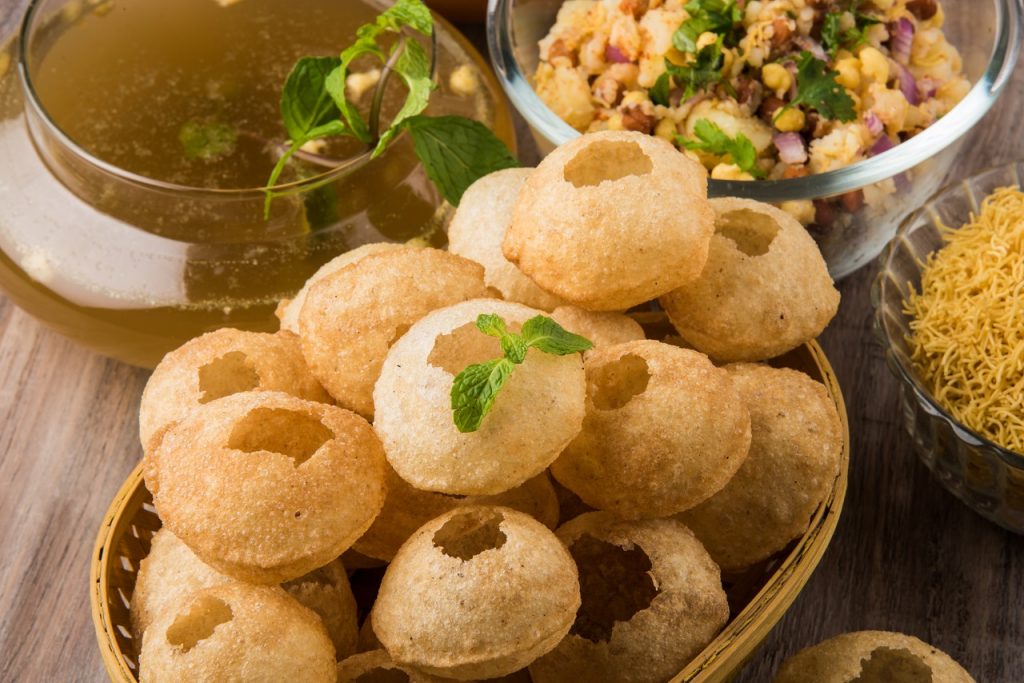
Pani puri, bhel puri, dahi puri, chaats, and roadside snacks become even more tempting during the rains. Unfortunately, open-air food stalls are highly exposed to airborne dust, flies, and humid ambient temperatures.

More importantly, the water used to construct the savory mint liquids in pani puri can easily become contaminated with waterborne bacterial spores due to monsoon pipe leaks. This contamination is a primary cause of seasonal dysentery, typhoid, and jaundice.

  • Better Choices: Try making your favorite chaat at home using filtered, boiled water and fresh ingredients. Other safe options include hot, home-cooked soups, freshly prepared hot snacks, and roasted corn on the cob.
  1. Raw Leafy Greens

Leafy vegetables like spinach, lettuce, cabbage, and coriander are packed with dietary fiber, magnesium, and essential vitamins. However, during the monsoon, their intricate folds, damp surfaces, and proximity to moist soil make them a major breeding ground for bacteria, parasites, and fungi that thrive in humid weather. Consuming them raw in salads significantly increases the risk of food poisoning.

  • Better Choices: Do not avoid these nutritious greens entirely—simply focus on proper cleaning and cooking. Wash them thoroughly under running water, soak them in clean water with a pinch of salt for 10 minutes, and choose steamed, blanched, or thoroughly cooked leafy vegetables instead of raw salads.
  1. Cut Fruits Left in the Open

Fresh fruits are an important part of a healthy diet, providing vital Vitamin C and antioxidants. However, fruits that are pre-cut and left exposed on street stalls or kitchen counters can become contaminated quickly, especially in humid weather. The longer fruit slices remain uncovered, the faster airborne bacteria multiply on their sugary surfaces.

  • Better Choices: Buy whole fruits instead. Wash the outer skin thoroughly under running water and cut your fruits immediately before eating. If you have leftovers, store the freshly cut fruits in a sealed container inside the refrigerator right away.
  1. Poorly Stored Seafood

Fish and seafood are excellent sources of lean protein and healthy fats, but freshness is extremely important during this season. The monsoon marks the primary breeding period for most marine life, meaning fresh catch is limited.

Furthermore, water quality fluctuates wildly due to heavy rain runoff, increasing the risk that wild-caught seafood may carry waterborne bacteria. Improper storage and handling at this time can quickly trigger acute gastroenteritis.

  • Better Choices: If you choose to consume seafood, ensure it is sourced from reliable suppliers and cooked thoroughly. Alternatively, fulfill your protein goals with easily digestible, home-cooked staples such as organic eggs, paneer, tofu, sprouts, or mixed lentils and dals.

The Monsoon Food Safety Quick-Reference

Food Item to Limit The Primary Biological Risk The Safe, Healthy Alternative
Deep-Fried Pakodas Causes long digestive delays and extreme lethargy. Roasted chana, foxnuts, or oil-free baked crisps.
Street Pani Puri High vulnerability to contaminated, waterborne bacteria. Homemade chaat using boiled ingredients and filtered water.
Raw Leafy Salads Harbors hidden bacterial spores and micro-parasites. Thoroughly blanched, steamed, or fully cooked greens.
Exposed Cut Fruits Accelerates bacterial growth on sugary surfaces. Whole seasonal fruits washed and cut right before eating.

Foods That Are Great During the Monsoon

Instead of focusing only on what to avoid, fill your plate with nourishing choices that support your digestion and overall well-being:

  • Warm Soups: Lentil, tomato, or chicken soups comfort the throat and digest easily.
  • Therapeutic Spices: Include ginger, garlic, turmeric, and black pepper in your meals to stimulate digestive enzymes.
  • Probiotic Support: Fresh curd or unsweetened yogurt (if well-tolerated) introduces beneficial bacteria to reinforce your gut lining.
  • Herbal Infusions: Hot ginger or tulsi (Holy Basil) tea helps clear out early respiratory congestion.
  • Whole Grains: Oats, millets, and brown rice provide steady, long-lasting daytime energy.

Simple Monsoon Food Safety Tips

Good food choices go hand in hand with consistent daily hygiene habits. Keep these precautions in mind to protect your family:

✔ Wash your hands thoroughly with soap before preparing or eating food.

✔ Drink strictly filtered, boiled, or safe bottled drinking water.

✔ Focus on eating freshly cooked, steaming-hot meals whenever possible.

✔ Refrigerate leftovers promptly in airtight containers to avoid spoilage.

✔ Avoid food items that have been left uncovered or exposed to flies.

The monsoon is a wonderful, refreshing season—but it also demands a little extra care when it comes to your plate. Choosing freshly prepared meals, practicing rigorous food hygiene, and limiting foods that spoil easily can completely protect you from seasonal stomach infections and digestive discomfort. Healthy eating isn’t about avoiding everything you love. It’s about making smarter, mindful choices that allow you to enjoy the rains while keeping your body strong and resilient!

Pro Tip: Managing your seasonal nutrition targets is effortless when you track your choices consistently. Use the GOQii App to log your daily meals, monitor your pure water intake, and record your sleep patterns. You can seamlessly share this information with your GOQii Personalised Health Coach to receive customized monsoon meal plans, immune-boosting recipes, and expert guidance built to support your unique wellness goals!

Frequently Asked Questions (FAQs)

  1. Why do stomach infections become more common during the monsoon?

Stomach infections spike during the monsoon because the high atmospheric humidity and warm moisture create the perfect environment for bacteria, viruses, and fungi to multiply rapidly. When these pathogens contaminate our food or water supplies, they easily bypass our naturally slowed seasonal digestion, resulting in higher rates of gastroenteritis.

  1. Can I safely eat street food during the rainy season?

It is highly recommended to avoid street food during the rainy season. Open stalls are vulnerable to airborne dust, flies, and contaminated water systems. If you find yourself craving tangy chaats, preparing them cleanly at home with boiled ingredients and filtered water is a much safer option.

  1. Should I completely stop eating leafy vegetables during the monsoon?

No, you do not need to eliminate them. Leafy greens are highly nutritious. However, you must change how you prepare them: avoid raw salads entirely. Ensure you wash the leaves thoroughly under running water, soak them in salt water to loosen hidden pests, and steam or cook them completely before eating.

  1. Which foods are best for supporting digestion during the rainy season?

Foods that are warm, light, and easy to break down are ideal. Focus on freshly cooked vegetables, whole grains like millets or oats, warm lentil soups, anti-inflammatory spices (ginger, turmeric, black pepper), and probiotic-rich fresh curd to support your gut flora.

#BeTheForce

Disclaimer: This article is intended for educational and informational purposes only. It is not intended to replace professional medical advice, clinical diagnosis, or personalized dietary treatment. Always consult your primary care physician or a registered dietitian before making major changes to your eating habits, especially if you manage an underlying gastrointestinal condition or chronic metabolic disorder.

August 24, 2024 By Shaeba Shaikh 2 Comments

5 Simple and Effective Home Remedies For Common Cold

common cold home remedies

The common cold season is here, where common cold is not that common! Symptoms such as congestion, a runny/stuffy nose, sore throat, coughing, sneezing, body aches, low-grade fever and Malaise (general unwell feeling) run rampant! The Common Cold is an Upper Respiratory Tract Infection (URTI) mostly caused by the Rhinovirus. It is very common during this time of the year but can be managed well with these 5 simple home remedies!

5 Simple Remedies To Fight Common Cold Naturally

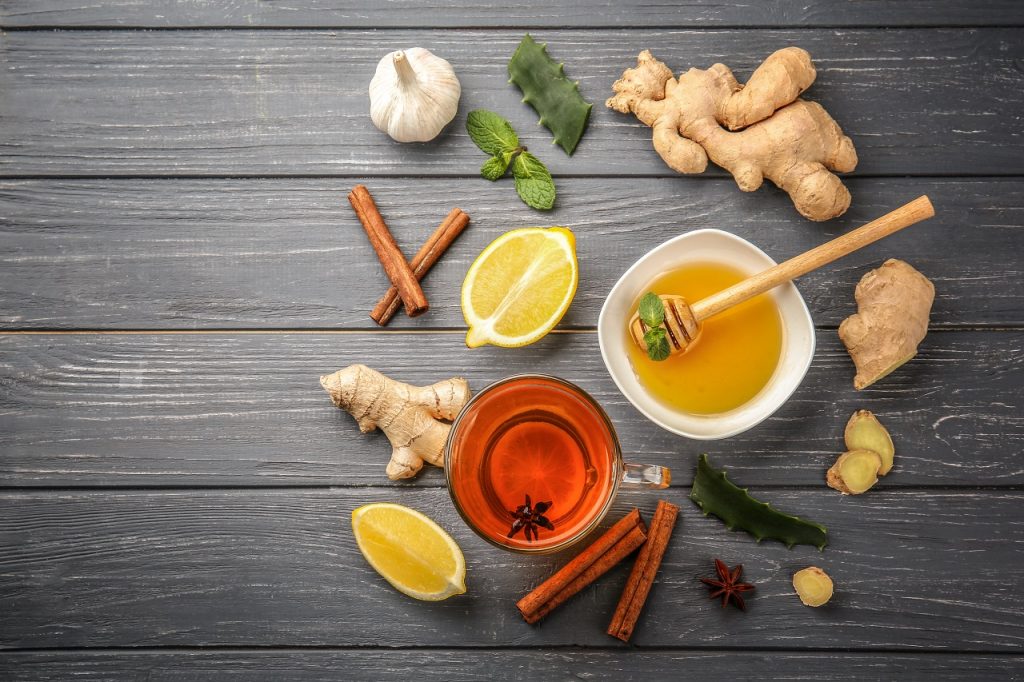
  1. Ginger Ale: Simply boil water, switch off the flame, add a crushed (inch sized) piece of Ginger to it, half tsp turmeric powder, a pinch of black pepper, and cover it for 3-5 minutes. Strain and have it with a tsp of raw organic honey. It works very well for clearing congestion, improve runny nose and also to relieve headaches and a sore throat.
  2. Chicken/Veg Broth: Boil chicken or any veggies of your choice with 1 onion, few pods of garlic, 1 inch piece of ginger, salt and black pepper. Once boiled, remove the onions, ginger, garlic, blend them and add them back to the broth. The anti-inflammatory properties in them will help reduce congestion, can open up a blocked nose, will give a soothing effect to the body and help in reducing any aches/pains.
  3. Lukewarm Water Gargles: Gargling with Lukewarm salt water works wonders to clear any throat itching/congestion, as salt has a tendency to absorb the water and along with it the infection causing Microbiota. Best time to do this is early in the morning after waking up.
  4. Honey-Pepper Mix: Mix 1 tsp of raw organic honey with a pinch of black pepper and half tsp fresh ginger juice. It is a good remedy to reduce dry cough. Works very well on an empty stomach.
  5. Hot Water Steam: Boil water in an open vessel, add a tsp of turmeric powder or Eucalyptus oil (1-2 drops) in it. Cover your head with a towel while covering the vessel. Take this hot water steam in the morning and evening for 10-15 mins to cure blocked/stuffy nose and/or Chest congestion.

A simple Tulsi leaf decoction will also work wonders in reducing the effects of Common Cold. If this article helped you, let us know in the comments below! Find more articles on staying healthy during the monsoon season here or speak to an expert by subscribing for GOQii’s Personalised Health Coaching here.

#BeTheForce 

June 27, 2023 By Shaeba Shaikh 3 Comments

5 Tips To Maintain A Healthy Gut This Monsoon

5 Tips To Maintain A Healthy Gut This MonsoonThe fresh, dewy weather, the chirping birds and the amazing smell of wet mud! The rainy season has its own charm but along with it, it also brings a host of diseases and infections. One such being a compromised Gut! The symptoms of a compromised gut may include an upset stomach, acidity, bloating, flatulence, gas, etc. making it crucial to maintain a healthy gut during this season.



How Can You Maintain A Healthy Gut This Monsoon? 

Here are 5 simple yet effective ways in which you can maintain a healthy gut: 

  1. Add Ginger/Garlic: These are the most commonly used herbs in our households and they provide us with an array of benefits. Raw Ginger/Garlic acts as a Prebiotic (food) for friendly gut bacteria, thereby improving gut health. Gingerol and Allicin present in them respectively, are found to have antibacterial and antifungal properties which keep infections at bay. Adding fresh herbs to your food/soups or drinking a warm cup of Ginger tea will be a great way to improve gut health.
  2. Eat Cooked Foods Over Raw Foods: Cooking has a bacterio-cidal (Bacteria killing) effect on the food prepared. Humidity provides a conducive environment for bacterial and fungal growth. Raw foods can be a host for bacterial growth. Hence, cooking foods rather than consuming them raw is a better alternative. Eg: Having a veg soup over a raw veg salad will be a better alternative.
  3. Eat Fermented Foods: Probiotics are the beneficial gut bacteria which work as the first line of defense against any infection. They also synthesize Short Chain Fatty Acids (SCFA) and Vitamin K in the body, thereby giving energy. Adding Idlis, dosas, homemade curds, Khimchi, Kefir, etc. to your diet will improve the number of probiotics and thereby improve gut health.
  4. Consume Fruits/Vegetables Immediately After Cutting: If vegetables or fruits are cut and left exposed to air, it can attract flies or insects which can infest the food. If this food is consumed, it can cause infections and affect gut health. Hence, eat the fruit/vegetable immediately after cutting/chopping it, or cover it if you wish to consume it later.  
  5. Eat Light: Foods such as rice, dal, legumes, soups, vegetables, fruits, Khichdi, etc. are lighter on the stomach and are easily digested and absorbed as opposed to the tempting fried Pakoras, vada pav, etc. which can cause bloatedness, acidity and/or flatulence.

Do keep these tips in mind and maintain a healthy gut for a healthy you! If these tips helped, let us know in the comments below.

You can find more gut health tips here or you can speak to an expert directly by subscribing to GOQii’s Personalised Health Coaching here.

#BeTheForce 

September 19, 2022 By Shaeba Shaikh 2 Comments

Top 5 Effective Indoor Workouts For Weight Loss During Monsoon

Easy and Effective Indoor Workouts For Weight Loss

Visiting the gym, going for a yoga or zumba class can be quite challenging when there’s a heavy downpour and you want to get a good workout. And it is easy to feel stumped when your options are limited. But don’t let this minor setback stop you! It’s not worth it to put on all the weight you worked so hard to lose. Here are some easy and effective indoor workouts for weight loss you can do anywhere!  

5 Easy and Effective Indoor Workouts For Weight Loss

1. Walking/Running: There’s nothing better than running outdoors – the fresh air and all but what do you do when there’s a heavy downpour? There are many ways, in fact, it is easier if you have a treadmill. If you don’t, try spot jogging and taking frequent breaks in between your work from home schedule to walk around the house and unwind.

2. Jump Rope: Do you want that sleek, slender body? Jump Rope is your answer! It is one of the most underrated yet effective workouts. If you’re new to this, start with a 2-5 min warm up, then do the traditional rope skipping with 30-50 reps. Then, you can run up and down your building stairs, do the rope again for 30-50 reps and end with a cool down. It is high intensity, low cost, doesn’t consume time and is still one of the most effective workouts for weight loss. If you want to invest in a good jump rope, try the GOQii Smart Skip.

3. High Intensity Interval Training: As the name suggests, it is periods of High Intensity exercises coupled with Low Intensity exercises/rest. The aim for HIIT workout is to target 80% of VO2 Max (Max Oxygen Consumption) for maximum results.

Your typical HIIT session can be: 

  • Warm Up
  • Lunges for 1-2mins at a stretch
  • Walk/Jog in place for 30secs
  • Pushup for 1-2mins
  • Walk/Jog in place for 30secs
  • Squats for 1-2mins
  • Walk/Jog in place for 30secs
  • Abdominal Crunches for 1-2mins
  • Walk/Jog for 30secs
  • Cool down

You can add more exercises and modify the exercises as per your fitness levels.

4. Weight Training: Yes, this might be impossible since most of us don’t have dumbbells and other gym equipment at home but that shouldn’t pose much of a problem. You can still use your daily household equipment as weights. For instance, water bottles filled with water as dumbbells or a bucket of water for your deadlifts. In fact, you can also use your own bodyweight. The key idea here is to undergo a process called Hypertrophy of the muscles, wherein the body increases the size of the muscles and reduces the fat around it. Weight training helps in burning fat 24×7 as opposed to burning fat only during the workout. A beginner can start with 20 reps + 3 sets of deadlifts, squats, lunges, bicep curls, etc.

5. Boot Camp: This is one of the most intense and effective workouts which alternate between aerobic activities of sprinting/running along with strength exercises and drills. It simultaneously works on your endurance and strength. 

You can start a typical routine as: 

  • Warm up
  • 1 min each of Push ups, Lunges, Pull ups, Crunches, Buttkickers, spot jog
  • Repeat the exercises 
  • Cool down.

To make things easier for you, you can join a GOQii Pro class within the GOQii App where you’ll be guided by fitness experts in a live, interactive session of your choice. More so, you can also get tips, guidance and motivation from a certified GOQii Coach by subscribing for personalised health coaching here: https://goqiiapp.page.link/bsr

We hope this indoor workouts for weight loss help you choose your workouts and lose weight. Do leave your thoughts in the comments below. For more tips on fitness and health, check out Healthy Reads. 

Get Active and #BeTheForce

  • 1
  • 2
  • Next Page »

Search

Recent Posts

  • Heal Naturally From Monsoon Illnesses: A Scientific Guide to Seasonal Recovery
  • The Joy of Complaining: How to Use the “Complaint Sandwich” for Relationship Success
  • Your Guide to a Happy Gut: Simple Ways to Beat Bloating, Acidity and Heartburn
  • World Chocolate Day: Dark Chocolate Benefits & Why It’s the Healthier Choice
  • Circadian Rhythm Diet: How Eating at the Right Time Can Improve Your Health

Stay Updated

Archives

  • July 2026 (9)
  • June 2026 (22)
  • May 2026 (20)
  • April 2026 (24)
  • March 2026 (18)
  • February 2026 (14)
  • January 2026 (14)
  • December 2025 (19)
  • November 2025 (15)
  • October 2025 (20)
  • September 2025 (6)
  • August 2025 (6)
  • July 2025 (11)
  • June 2025 (18)
  • May 2025 (16)
  • April 2025 (22)
  • March 2025 (27)
  • February 2025 (21)
  • January 2025 (25)
  • December 2024 (22)
  • November 2024 (22)
  • October 2024 (20)
  • September 2024 (23)
  • August 2024 (29)
  • July 2024 (18)
  • June 2024 (23)
  • May 2024 (26)
  • April 2024 (27)
  • March 2024 (27)
  • February 2024 (23)
  • January 2024 (21)
  • December 2023 (14)
  • November 2023 (10)
  • October 2023 (19)
  • September 2023 (22)
  • August 2023 (17)
  • July 2023 (21)
  • June 2023 (22)
  • May 2023 (20)
  • April 2023 (19)
  • March 2023 (23)
  • February 2023 (19)
  • January 2023 (15)
  • December 2022 (11)
  • November 2022 (15)
  • October 2022 (15)
  • September 2022 (12)
  • August 2022 (9)
  • July 2022 (17)
  • June 2022 (11)
  • May 2022 (10)
  • April 2022 (6)
  • March 2022 (6)
  • February 2022 (13)
  • January 2022 (11)
  • December 2021 (7)
  • November 2021 (3)
  • October 2021 (6)
  • September 2021 (3)
  • August 2021 (8)
  • July 2021 (7)
  • June 2021 (15)
  • May 2021 (16)
  • April 2021 (10)
  • March 2021 (7)
  • February 2021 (4)
  • January 2021 (4)
  • December 2020 (3)
  • November 2020 (4)
  • October 2020 (10)
  • September 2020 (3)
  • August 2020 (3)
  • July 2020 (2)
  • June 2020 (4)
  • May 2020 (10)
  • April 2020 (12)
  • March 2020 (10)
  • February 2020 (4)
  • January 2020 (4)
  • December 2019 (3)
  • November 2019 (7)
  • October 2019 (5)
  • September 2019 (4)
  • August 2019 (9)
  • July 2019 (9)
  • June 2019 (11)
  • May 2019 (4)
  • April 2019 (8)
  • March 2019 (8)
  • February 2019 (9)
  • January 2019 (8)
  • December 2018 (9)
  • November 2018 (3)
  • October 2018 (3)
  • September 2018 (5)
  • August 2018 (10)
  • July 2018 (6)
  • June 2018 (13)
  • May 2018 (8)
  • April 2018 (18)
  • March 2018 (9)
  • February 2018 (8)
  • January 2018 (15)
  • December 2017 (12)
  • November 2017 (19)
  • October 2017 (13)
  • September 2017 (15)
  • August 2017 (4)
  • July 2017 (8)
  • June 2017 (7)
  • May 2017 (6)
  • April 2017 (8)
  • March 2017 (6)
  • February 2017 (7)
  • January 2017 (9)
  • December 2016 (10)
  • November 2016 (7)
  • October 2016 (7)
  • September 2016 (7)
  • August 2016 (11)
  • July 2016 (9)
  • June 2016 (9)
  • May 2016 (12)
  • April 2016 (17)
  • March 2016 (17)
  • February 2016 (8)
  • January 2016 (6)
  • December 2015 (2)
  • November 2015 (9)
  • October 2015 (7)
  • September 2015 (9)
  • August 2015 (11)
  • July 2015 (9)
  • June 2015 (11)
  • May 2015 (9)
  • April 2015 (13)
  • March 2015 (8)
  • February 2015 (5)
  • January 2015 (12)
  • December 2014 (14)
  • November 2014 (11)
  • October 2014 (6)
  • September 2014 (13)
  • August 2014 (12)
  • July 2014 (6)
  • June 2014 (2)
  • May 2014 (7)
  • April 2014 (4)

From Shimla’s Slopes to Chandigarh’s Sidewalks: Surinder Kaur Bhalla’s Journey from Chaos to Control

Some journeys start with a plan. Others begin with a stumble literally. Surinder Bhalla, a government professional, born and raised in the scenic hill town of Shimla, had always lived a life of movement. “In Shimla, you walked everywhere,” she reflects. … [Read More...]

From “Laddu Nawin” to Fit and Fierce: How a 25-Year-Old Insurance Advisor Shed 20 Kilos and Gained His Life Back

When 25-year-old Nawin Yadav from Hyderabad walked into his office every morning, he carried more than just his files and policy papers. He had the weight of fatigue, sluggish energy, and an ever-growing belly that was becoming the butt of jokes. “People had even started calling me Laddu Nawin,” he says with a laugh, but […]

From Burnout to Balance: How Dr. Ranjit Reclaimed His Health

Dr Ranjit Bhatt has spent years tending to others. A practising doctor in Odisha, his days were packed with patients, surgeries, and emergencies. From the outside, it looked like a life lived in service. But on the inside, something wasn’t right. “I had no control over my schedule. I’d sleep late, eat at odd hours, […]

Ananda Mukherjee Health Story

From Terminal Illness To Complete Wellness! Ananda Mukherjee Health Story

As we observe World Cancer Day under the powerful theme ‘United by Unique’ (2025-2027)**, we are reminded that every individual’s journey with cancer is distinct, yet united by shared resilience, hope, and the collective fight against this disease. This theme places people at the centre of care and their stories at the heart of the […]

  • HOME
  • HEALTHY LIVING
  • FITNESS
  • HEALTHY RECIPES
  • USER STORIES
  • KARMA
  • BUY GOQii

Copyright ©2016 GOQii

