
GOQii

Blog

  • HOME
  • HEALTHY LIVING
  • FITNESS
  • HEALTHY RECIPES
  • USER STORIES
  • KARMA
  • BUY GOQii

Search Results for: fat

July 20, 2026 By Bhumi Mehta 3 Comments

Yoga for Seasonal Viral Infections: A 5-Level Approach to Supporting Recovery

yoga therapyThe Big Question: When seasonal changes leave you with a cold, sore throat, or mild viral illness, can yoga help you feel better while your body recovers?
Seasonal weather changes—especially during the monsoon and winter months—often bring an increase in viral infections such as the common cold and other upper respiratory illnesses. While adequate rest, hydration, good nutrition, and medical care remain the cornerstones of recovery, gentle yoga practices may help ease discomfort, reduce stress, and support overall wellbeing during the healing process.

Rather than viewing recovery as purely physical, yoga takes a holistic approach by nurturing the body, breath, mind, and emotional wellbeing. This five-level framework offers simple practices that may help you feel more comfortable while your immune system does what it is naturally designed to do.

Important: If you have a high fever, severe weakness, chest pain, or difficulty breathing, avoid yoga entirely and seek medical advice promptly.

Level 1: Supporting the Physical Body

When you’re recovering from a viral illness, stiffness, fatigue, and nasal congestion can make even simple movements uncomfortable. Gentle yoga postures may help improve mobility, encourage comfortable breathing, and relieve muscular tension.

A. Uttanasana (Standing Forward Bend)yoga therapyThis gentle forward bend may temporarily ease the feeling of nasal congestion for some people while stretching the back of the body. Move slowly and avoid the pose if you feel dizzy.

B. Setu Bandhaasana (Bridge Pose)Bridge Pose gently opens the chest and stretches the front of the body, which some people find helps them breathe more comfortably. Support your hips with a yoga block or cushion if needed.

C. Viparita Karani (Legs-Up-the-Wall Pose)One of the most restorative yoga poses, this encourages deep relaxation and may help reduce feelings of tiredness after a prolonged illness. It also provides gentle relief for tired legs after long periods of inactivity.

D. Adho Mukha Svanasana (Downward-Facing Dog)If your energy levels allow, this pose stretches the spine and shoulders while encouraging gentle chest expansion. Skip this pose if you feel weak, light-headed, or feverish.

E. Ustrasana This asana opens up the chest and clears out all the passages. It is essential to try and breathe as much as you can while you are in this pose. This will help open up all the blocked areas that are causing the cold.

F. Matsyasana (Fish Pose)A supported version of Fish Pose using a cushion or yoga bolster beneath the upper back can encourage gentle chest opening and comfortable breathing.

Level 2: Supporting the Breath

Breathing exercises can help calm the nervous system and encourage slow, comfortable breathing during recovery. The goal here is relaxation—not force.

  • Gentle Diaphragmatic Breathing: Place one hand on your abdomen and breathe slowly through your nose, allowing your belly to rise and fall naturally. Practise for 5–10 minutes.
  • Nadi Shodhana (Alternate Nostril Breathing): If your nose isn’t completely blocked, gentle alternate nostril breathing may promote relaxation and reduce stress. Avoid forcing the breath if you are heavily congested.
  • Ujjayi Breathing: Soft Ujjayi breathing may create a soothing sensation in the throat while encouraging slow, controlled breathing. Keep the breath gentle and comfortable.

Avoid During Acute Illness: Practices such as Kapalabhati and Bhastrika involve forceful breathing and may not be appropriate during an active viral infection, fever, or significant respiratory symptoms. Consider returning to these techniques only after you have fully recovered and under the guidance of a qualified yoga instructor.

Level 3: Supporting the Mind

Being unwell can affect more than just your body. Fatigue, disrupted sleep, and frustration often increase stress, which can make recovery feel even more difficult. Simple meditation practices may help reduce stress and promote emotional wellbeing.

  • Spend 5–10 minutes sitting or lying down comfortably.
  • Focus purely on your breathing without trying to change its rhythm.
  • If your mind wanders, gently and without judgment bring your attention back to your breath.

Level 4: Prioritising Rest and Recovery

One of the biggest mistakes people make is returning to their normal routine too quickly. Recovery requires massive amounts of internal energy.

  • Shavasana (Corpse Pose): Although it appears simple, Shavasana encourages deep physical relaxation and allows your body to rest without unnecessary muscular effort. Even 10–15 minutes of intentional rest can help you feel refreshed during recovery.

Listen to your body and allow yourself ample time to recover fully before returning to intense physical activity.

Level 5: Building Emotional Resilience

Illness can leave you feeling discouraged, especially if symptoms linger longer than expected. Yoga encourages self-awareness and self-compassion.

Whether through quiet reflection, gratitude, gentle chanting, or prayer, taking a few moments to cultivate emotional resilience can help you cope with the temporary challenges of illness. While these practices don’t treat infections directly, they heavily support your overall sense of wellbeing during recovery.

When Should You Avoid Yoga?

Rest is often the best medicine. Stop any physical practice and seek medical advice if you experience:

  • High fever
  • Difficulty breathing or shortness of breath
  • Chest pain
  • Persistent dizziness
  • Severe fatigue
  • Significant dehydration
  • Worsening symptoms or symptoms lasting longer than expected

Resume physical activity gradually only once you begin feeling significantly better.

Yoga cannot cure viral infections, but it can be a highly valuable complementary practice during recovery. Gentle movement, breathing exercises, meditation, and adequate rest may help reduce stress, improve comfort, and support overall wellbeing while your body heals naturally. The key is to practise with strict self-awareness, respect your energy levels, and allow yourself the time you need to recover fully.

Pro Tip: Recovering from an illness is the perfect time to slow down and listen to your body. The GOQii App offers guided yoga sessions suitable for different fitness levels, and your GOQii Personalised Health Coach can help you choose appropriate practices based on your exact recovery stage.

Frequently Asked Questions (FAQs)

  1. Is it safe to practise yoga during a cold?

If your symptoms are mild and you don’t have a fever, gentle restorative yoga may help you relax and ease physical stiffness. Avoid strenuous or heated practice until you feel completely better.

  1. Can yoga boost immunity?

Regular physical activity, including yoga, contributes to overall health and stress management, which are vital components of a healthy immune system. However, yoga should not be considered a direct treatment for viral infections or a replacement for proper medical care.

  1. Which yoga poses are best during recovery?

Restorative poses such as Viparita Karani (Legs-Up-the-Wall), supported Matsyasana (Fish Pose), and Shavasana (Corpse Pose) are generally much better suited to recovery than vigorous, standing Vinyasa sequences.

  1. Should I do Kapalabhati if I have a cold?

No. Forceful breathing exercises such as Kapalabhati and Bhastrika are generally best avoided during an active illness, especially if you have a fever or significant respiratory symptoms, as they can cause dizziness and irritate inflamed airways.

#BeTheForce  

Disclaimer: This article is intended for educational purposes only and should not replace professional medical advice, diagnosis, or treatment. Consult a qualified healthcare provider if your symptoms are severe, worsen, or are accompanied by high fever, chest pain, or difficulty breathing. Yoga should be practised within your comfort level and, where appropriate, under the guidance of a qualified instructor.

July 19, 2026 By GOQii Leave a Comment

National Ice Cream Day: A Guide to Mindful & Healthy Indulgence

The Big Question: Can you enjoy your favourite ice cream without compromising your health or fitness goals?
Every year, on the third Sunday of July, ice cream lovers around the world celebrate National Ice Cream Day. Whether it’s a classic scoop of vanilla, decadent chocolate, fruity sorbet or a nostalgic local favourite, ice cream has long been associated with celebrations, childhood memories and simple moments of joy.

For many people, however, enjoying dessert often comes with a side of guilt especially if they’re trying to lose weight, manage diabetes or simply eat healthier. The good news? You don’t have to choose between complete restriction and overindulgence. By making mindful choices and understanding how your body responds to sweet treats, you can celebrate National Ice Cream Day while staying on track with your health goals.

Can Ice Cream Be Part of a Healthy Diet?

Yes, in moderation. Ice cream isn’t a “health food,” but it doesn’t have to be completely off-limits either.

Like many treats, its impact depends heavily on your portion size, how often you eat it, the type of ice cream you choose, your overall eating pattern, and your physical activity levels. A balanced lifestyle isn’t built on one dessert—it reflects the choices you make consistently over time.

Why Is Ice Cream So Easy to Overeat?

Ice cream combines sweetness, creaminess and fat in a way that’s highly enjoyable for many people. These qualities activate the brain’s reward pathways, making it easy to go back for “just one more scoop.”

At the same time, many commercial ice creams are high in added sugars and saturated fats. Eating large portions, particularly on an empty stomach may lead to a larger rise in blood glucose compared with eating dessert after a balanced meal. Understanding these factors can help you enjoy ice cream more consciously instead of eating it mindlessly.

What Does Ice Cream Actually Provide?

Although often considered an indulgence, dairy-based ice cream can contribute small amounts of calcium, protein, vitamin B12, and phosphorus.

However, these nutrients should be viewed alongside its sugar, saturated fat and calorie content. For everyday nutrition, whole foods such as milk, yoghurt, fruits and nuts remain much better sources of these essential nutrients.

5 Smart Ways to Enjoy Ice Cream Mindfully

  1. Serve a Sensible Portion

Avoid eating directly from the tub. Instead, scoop a serving into a small bowl. A typical serving is about ½ cup (65–75 g), although this varies between brands. Using a bowl makes portion sizes easier to recognise and helps prevent accidental overeating.

  1. Enjoy It After a Balanced Meal

Rather than eating ice cream on an empty stomach, enjoy it after a meal that contains protein, fibre, and healthy fats. This combination helps slow down digestion and reduces rapid changes in blood glucose levels compared with eating a dessert alone.

  1. Eat Slowly

Slow down and savour every bite. Avoid eating while watching television or scrolling through your phone. Mindful eating helps you appreciate flavour and texture while giving your body’s hunger and fullness signals time to work.

  1. Choose Toppings Wisely

Toppings can quickly add extra sugar and calories. Swap the sugary additions for nutrient-dense options:

  • Skip: Chocolate syrup, caramel sauce, and crushed cookies.
  • Choose: Fresh berries, chopped almonds, pistachios, and unsweetened cocoa nibs. These options add texture and nutrients without excessive added sugar.
  1. Read the Nutrition Label

Not all ice creams are the same. Always compare the added sugar, calories, saturated fat, protein, and serving size. Sometimes a premium ice cream contains two to three times the calories of a lighter option.

Healthier Frozen Dessert Alternatives

If you’d like to enjoy something frozen more often, consider these nutrient-rich alternatives:

Dessert Main Ingredients Why You’ll Love It
Banana Nice Cream Frozen bananas blended with a splash of milk or plant-based drink. Naturally sweet, creamy and rich in potassium.
Greek Yoghurt Popsicles Greek yoghurt blended with fresh berries. Higher in protein and contains probiotics.
Frozen Greek Yoghurt  Bark    Greek yoghurt topped with fruit and nuts. Crunchy, refreshing and protein-rich.
Fresh Fruit Sorbet Frozen mango, watermelon or berries. Naturally sweet and hydrating.
Berry Smoothie Bowl Frozen berries, yoghurt and seeds. Fibre-rich and packed with antioxidants.

Can People with Diabetes Enjoy Ice Cream?

People living with diabetes don’t necessarily have to avoid ice cream altogether. Smaller portions, occasional consumption and including dessert as part of a balanced meal may help reduce large blood glucose fluctuations. It’s always best to discuss individual dietary choices with your healthcare provider or registered dietitian.

A Simple Trick to Support Blood Sugar

One simple habit that may help after enjoying dessert is taking a 10–15 minute walk. Light physical activity after meals encourages muscles to use glucose for energy and supports healthy blood sugar management.

Healthy eating isn’t defined by one dessert or one day. Enjoying a scoop of ice cream on National Ice Cream Day won’t undo months of healthy habits, just as one healthy meal won’t transform your health overnight.

The key is balance. Enjoy your favourite flavour, savour it mindfully, keep portions reasonable and return to your usual healthy eating pattern afterwards. Consistency not perfection is what supports long-term health.

Pro Tip: Love desserts but want to stay on track? Use the GOQii App to log your meals, monitor your activity and build healthier habits over time. Your GOQii Personalised Health Coach can help you enjoy your favourite foods while creating a nutrition plan that’s realistic, sustainable and tailored to your goals.

Frequently Asked Questions (FAQs)

  1. Can I eat ice cream if I’m trying to lose weight?

Yes. Weight management depends on your overall calorie intake and lifestyle. An occasional small serving of ice cream can fit into a balanced eating plan.

  1. What is banana “nice cream”?

Banana nice cream is a dairy-free frozen dessert made by blending frozen ripe bananas until smooth. You can customise it with cocoa powder, berries or nut butter.

  1. Is sugar-free ice cream healthier?

Not always. While sugar-free varieties may contain less added sugar, some products include sugar alcohols or artificial sweeteners that may cause digestive discomfort in some individuals. Always read the nutrition label.

  1. Is frozen yoghurt healthier than ice cream?

Sometimes. Frozen yoghurt may contain more protein and less fat, but many commercial varieties are still high in added sugar. Compare nutrition labels before choosing.

  1. What’s the best way to reduce a sugar spike after dessert?

Eating dessert after a balanced meal, practising portion control and taking a short walk afterwards may help support a healthier blood glucose response.

#BeTheForce

Disclaimer: This article is intended for educational purposes only and should not replace personalised medical or nutrition advice. If you are living with diabetes, insulin resistance or another metabolic condition, consult your physician or a registered dietitian before making significant dietary changes.

July 18, 2026 By GOQii Leave a Comment

From Burnout to Balance: How Dr. Ranjit Reclaimed His Health

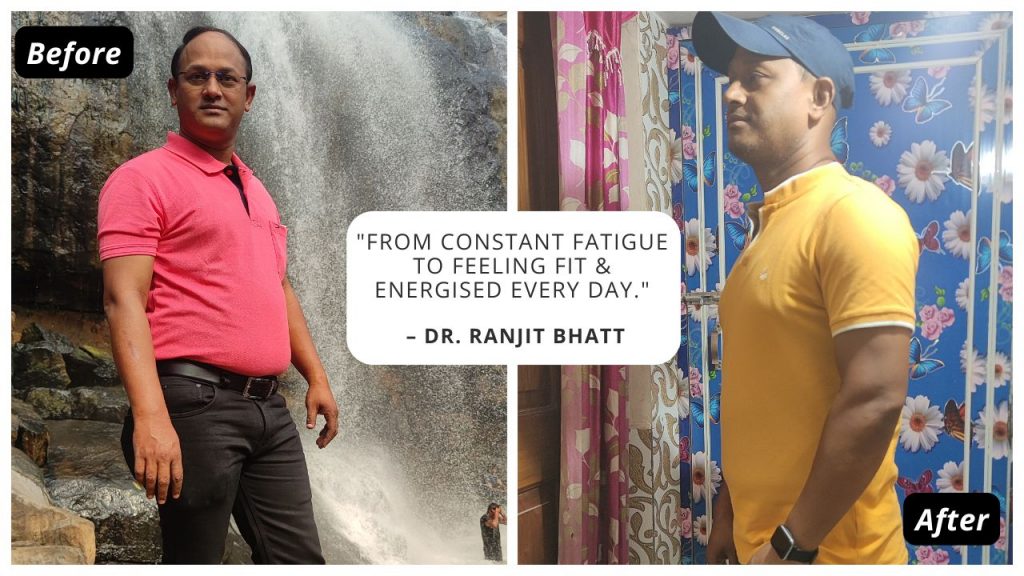
Dr Ranjit Bhatt has spent years tending to others. A practising doctor in Odisha, his days were packed with patients, surgeries, and emergencies. From the outside, it looked like a life lived in service. But on the inside, something wasn’t right.


“I had no control over my schedule. I’d sleep late, eat at odd hours, snack on high-calorie junk, and barely get any movement except walking up and down the hospital corridors,” he recalls.

The work never stopped. But his body did. At first, it was just fatigue. Then one day, he fainted in the operating theatre. “Not once. Twice, actually. Inside the operating theatre. That moment scared me. It made me stop and ask myself, ‘If I collapse, who’s going to help my patients?’ That thought haunted me.”

That was the turning point. Life had been trying to send him signals. Now it had finally yelled loud enough for him to listen.

A Drawer. A Watch. A Turning Point.

Around the same time in 2019, a Pharma company rep who had visited him gave him a GOQii watch. At first, it sat in a drawer. For six to 8 months, he didn’t use it. “I thought it was just another gadget. I didn’t think it would fit into my routine, or even help, to be honest,” he says with a shrug.

But curiosity eventually won. And, he decided to try it. He wore the band, downloaded the app, and started exploring. To his surprise, it wasn’t just a step counter. It helped him log his meals, track his water intake, monitor his sleep, and reflect on his daily habits. “Suddenly, I had a dashboard of my life,” he says. “I saw how little I moved, how poorly I slept.

All this while, he did not use the coach service. “I was losing weight, but I did not take note of my diet and exercise. I was not sure how to interpret the data that was on my app. I was still missing one piece, human guidance.” Bhatt says.

This is when he activated the code and availed of the coach service since 2021. “At first, I just posted what I ate. But when I started with the coach service, my coach responded to every post. She started giving me small tips. No lectures. Just practical nudges,” he says.

The Power of Coaching

The coach started with his diet. She brought about minor changes by cutting down on processed carbs, added more fibre, and encouraged him to eat at consistent times. These changes help him reduce bloating and improve his digestion. Then came the movement. Nothing fancy. Just walking for 30 minutes a day.

“It sounds simple, right? But when someone walks that journey with you, holds you accountable, and celebrates small wins, that’s when things change.”

And change they did. Over time, he dropped from 82 kilos to 68. His waist trimmed down from 34 inches to 30. His lipid profile tells the same story. Back in September 2023, his total cholesterol was sitting at 228. Today, it’s down to 189. His LDL has fallen from 151 to 131, and his triglycerides have dropped from 160 to 129.

These changes aren’t just numbers. His GOQii Health Risk Assessment score climbed from 75 to 86. His skin started glowing, his energy levels soared, and that constant fatigue? Gone.

“I sleep well now. I wake up with clarity. I no longer crash during the day. Even my patients have noticed me. Some even ask me what I’m doing differently.”

His family sees it too. His friends joke that he looks like he’s turned the clock back.

“Some of them say I look 16,” he laughs. “I tell them, if I can do it, anyone can. You just need to start.”

More Than a Transformation

Now, after seven consistent years with GOQii, Dr Ranjit isn’t just healthier, he’s a different man altogether. One who understands the value of self-care not as an indulgence, but as a responsibility.

“As doctors, we often put ourselves last. But we forget, we are the instrument. If we don’t keep ourselves sharp and well, how can we help others?”

This is more than a fitness transformation. It’s a reminder that change doesn’t always come from grand resolutions. Sometimes, it begins with listening to your own body. Sometimes, it’s as simple as saying yes to something you once ignored.

And sometimes, like in Dr Ranjit’s case, it’s a quiet moment of collapse that forces you to stand up again, this time, stronger and more mindful than ever.

Does the journey of Dr Ranjit Bhatt inspire you to begin yours? Speak to a GOQii Coach by subscribing to Personalised Health Coaching here.

For more inspiring stories, check out Healthy Reads.

#BeTheForce 

Disclaimer: The information provided in this blog is for general awareness and educational purposes only. It is not intended to replace professional medical advice, diagnosis, or treatment. Always consult a qualified healthcare provider for personalised medical guidance or concerns related to your health. Images shown are for representation purposes only and may not depict the exact recommendations or outcomes.

July 16, 2026 By Neha Goyal 1 Comment

Healthy Eating: The Power-Packed Quinoa Chickpea Salad

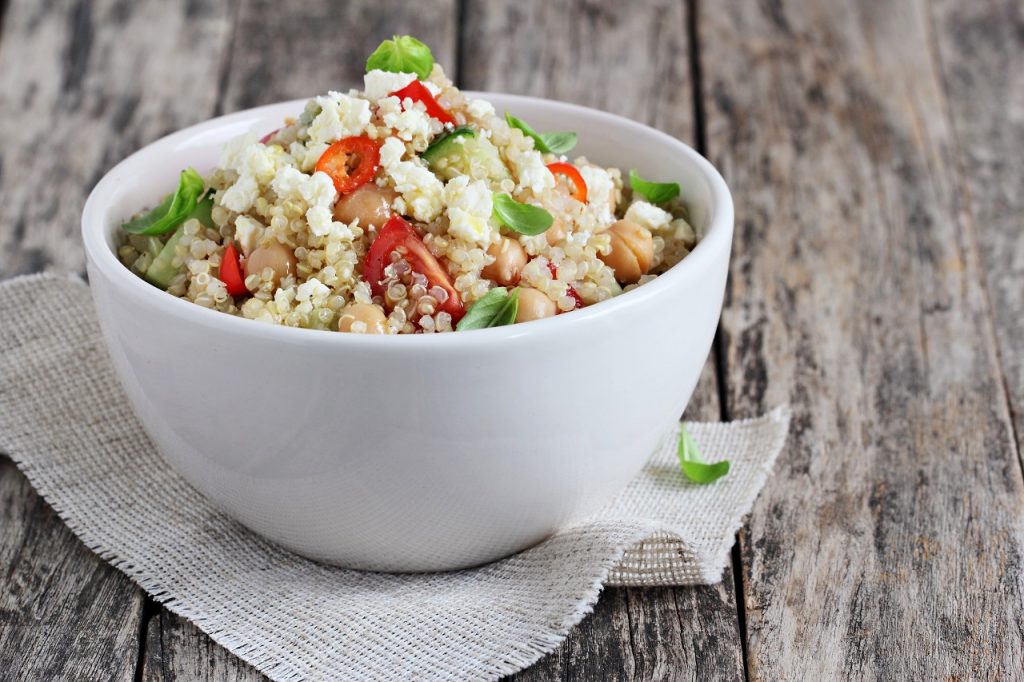
quinoa chickpea saladThe Big Question: Have you ever eaten a salad for lunch, only to feel hungry again a couple of hours later?

Not all salads are created equal. While bowls filled with leafy greens and vegetables are rich in vitamins and minerals, they may not always provide enough protein, fibre and complex carbohydrates to keep you satisfied for long.

The key to a truly nourishing salad is balance. This Quinoa Chickpea Salad combines whole grains, legumes and colourful vegetables to create a wholesome meal that’s rich in plant-based protein, dietary fibre and essential nutrients. Whether you’re looking for a healthy lunch, a post-workout meal or a quick dinner, this recipe delivers sustained energy without feeling heavy.

Why This Salad Works

A balanced meal should nourish your body, keep you satisfied and provide steady energy throughout the day. This recipe combines ingredients that complement each other nutritionally.

Ingredient Nutritional Benefit
Quinoa Provides complex carbohydrates, fibre and all nine essential amino acids.
Chickpeas Rich in plant protein, fibre and iron.
Fresh Vegetables    Add vitamins, minerals, antioxidants and crunch.
Lemon Juice Adds freshness and may help improve iron absorption from plant foods.
Ghee or Olive Oil Provides healthy fats that support the absorption of fat-soluble vitamins.

The combination of protein, fibre and healthy fats helps slow digestion, supporting satiety and more stable energy levels.

Why You’ll Love This Recipe

  • Rich in plant-based protein
  • High in dietary fibre
  • Naturally gluten-free (when prepared with certified gluten-free quinoa)
  • Meal-prep friendly
  • Colourful, fresh and satisfying
  • Ready in around 30 minutes

Recipe Overview

Category Details
Preparation Time    15 minutes
Cooking Time 15 minutes
Total Time 30 minutes
Serves 2
Difficulty Level Easy

Ingredients

Ingredient Quantity
Quinoa ⅓ cup
Chickpeas (Kabuli Chana) ½ cup (boiled)
Garlic 1 tsp (finely chopped)
Capsicum ¼ cup (finely chopped)
Onion ¼ cup (finely chopped)
Cucumber 1 medium (diced)
Tomato 1 medium (diced)
Green chilli 1 tsp (finely chopped, optional)
Fresh coriander 4 tbsp (chopped)
Ghee (or Extra Virgin Olive Oil) 1 tsp
Cumin seeds ¼ tsp
Turmeric powder ¼ tsp
Asafoetida (Hing) A pinch
Water ½ cup
Lemon juice 1 tsp
Salt To taste

How to Prepare

  1. Prepare the Quinoa: Rinse the quinoa thoroughly under running water to remove its natural coating (called saponin), which can leave a slightly bitter taste. Soak it for 30–60 minutes before cooking.
  2. Temper the Spices: Heat the ghee (or olive oil) in a deep pan. Add cumin seeds. Once they begin to crackle, add hing and chopped garlic. Sauté for about 30 seconds until fragrant.
  3. Cook the Quinoa: Add water and bring it to a boil. Stir in the salt, turmeric, and quinoa. Cover and cook over medium-low heat for about 10–12 minutes until the water is absorbed and the grains become fluffy. Allow it to cool.
  4. Assemble the Salad: In a large bowl, combine the cooked quinoa, boiled chickpeas, onion, capsicum, cucumber, tomato, green chilli, and fresh coriander. Add lemon juice and gently toss until everything is evenly mixed. Serve immediately.

Approximate Nutrition (Per Serving)

Nutrient Approximate Amount
Calories 300 kcal
Protein 12 g
Carbohydrates 40 g
Dietary Fibre 10 g
Fat 9 g

Values are approximate and may vary depending on ingredient brands and serving sizes.

Make It Your Own

This salad is easy to customise. Try adding:

  • Grilled paneer for extra protein
  • Tofu for a vegan version
  • Avocado for healthy fats
  • Pumpkin or sunflower seeds for crunch
  • Baby spinach or rocket leaves
  • Roasted sweet potato
  • Pomegranate seeds for natural sweetness

Meal Prep & Storage Tips

This salad is ideal for meal prep:

  • Store in an airtight container in the refrigerator for up to 2 days.
  • Keep the lemon juice separate if preparing ahead to maintain freshness.
  • Allow refrigerated quinoa to return to room temperature before serving for the best texture.

Pro Tips

  • Rinse the Quinoa Well: Removing saponins helps eliminate bitterness.
  • Use Leftover Chickpeas: Cooking chickpeas in batches makes weekday meal preparation much faster.
  • Add Fresh Herbs Just Before Serving: Fresh coriander and lemon juice brighten the flavours and maintain freshness.
  • Don’t Overcook the Quinoa: Perfectly cooked quinoa should be fluffy rather than mushy.

Who Can Enjoy This Salad?

This recipe is suitable for:

  • Busy professionals
  • Students
  • Fitness enthusiasts
  • Vegetarians
  • People looking to increase fibre intake
  • Meal-prep lovers

Individuals with kidney disease or specific dietary restrictions should consult their healthcare provider or dietitian regarding portion sizes and protein intake.

Healthy eating doesn’t have to be complicated. A balanced salad should leave you feeling nourished, satisfied and energised—not searching for snacks an hour later.

By combining quinoa, chickpeas and fresh vegetables, this recipe provides a wholesome mix of plant-based protein, dietary fibre and complex carbohydrates that can support sustained energy and overall wellbeing. Simple ingredients, prepared thoughtfully, can transform an ordinary salad into a complete meal.

Pro Tip: Looking for personalised nutrition guidance? Track your meals, water intake and daily habits on the GOQii App. Your GOQii Personalised Health Coach can recommend meal plans based on your health goals, activity levels and dietary preferences. Explore even more healthy recipes and practical nutrition tips—all in one place.

Frequently Asked Questions (FAQs)

  1. Is quinoa healthier than rice?

Both can be part of a healthy diet. Quinoa contains more protein and fibre than white rice, making it a nutrient-dense option for many meals.

  1. Can I make this salad ahead of time?

Yes. Store it in an airtight container in the refrigerator for up to two days. Add lemon juice just before serving for the freshest flavour.

  1. Is this recipe suitable for weight management?

This salad is rich in protein and fibre, which may help improve satiety as part of a balanced eating pattern. Weight management depends on your overall diet, physical activity and lifestyle.

  1. Can I add other vegetables?

Absolutely. Carrots, spinach, roasted sweet potato, avocado, beetroot and broccoli all work well in this recipe.

#BeTheForce 

Disclaimer: This recipe is intended for educational purposes only and should not be considered personalised nutrition advice. Nutritional requirements vary from person to person. Consult a qualified healthcare professional or registered dietitian for dietary guidance tailored to your individual health needs.

  • « Previous Page
  • 1
  • …
  • 14
  • 15
  • 16
  • 17
  • 18
  • …
  • 215
  • Next Page »

Search

Recent Posts

  • Foods to Manage Blood Sugar Naturally: A Complete Guide to Better Blood Sugar Control
  • The Lazy Person’s Guide to Staying Healthy: 5 Micro-Habits That Take Less Than 2 Minutes
  • Healthy Eating: Comforting Chilli Bean Soup Recipe for the Monsoon
  • The Truth About the ‘Beer Belly’: What Alcohol Really Does to Your Metabolism
  • Benefits of Meditation: How One Daily Habit Can Transform Your Mental Wellbeing

Stay Updated

Archives

  • August 2026 (7)
  • July 2026 (25)
  • June 2026 (22)
  • May 2026 (20)
  • April 2026 (24)
  • March 2026 (18)
  • February 2026 (14)
  • January 2026 (14)
  • December 2025 (19)
  • November 2025 (15)
  • October 2025 (20)
  • September 2025 (6)
  • August 2025 (6)
  • July 2025 (9)
  • June 2025 (18)
  • May 2025 (16)
  • April 2025 (22)
  • March 2025 (26)
  • February 2025 (21)
  • January 2025 (25)
  • December 2024 (22)
  • November 2024 (22)
  • October 2024 (20)
  • September 2024 (22)
  • August 2024 (28)
  • July 2024 (15)
  • June 2024 (23)
  • May 2024 (26)
  • April 2024 (27)
  • March 2024 (27)
  • February 2024 (23)
  • January 2024 (21)
  • December 2023 (14)
  • November 2023 (10)
  • October 2023 (19)
  • September 2023 (21)
  • August 2023 (16)
  • July 2023 (16)
  • June 2023 (21)
  • May 2023 (20)
  • April 2023 (19)
  • March 2023 (23)
  • February 2023 (19)
  • January 2023 (15)
  • December 2022 (11)
  • November 2022 (15)
  • October 2022 (15)
  • September 2022 (12)
  • August 2022 (9)
  • July 2022 (17)
  • June 2022 (11)
  • May 2022 (10)
  • April 2022 (6)
  • March 2022 (6)
  • February 2022 (13)
  • January 2022 (11)
  • December 2021 (7)
  • November 2021 (3)
  • October 2021 (6)
  • September 2021 (3)
  • August 2021 (8)
  • July 2021 (7)
  • June 2021 (15)
  • May 2021 (16)
  • April 2021 (10)
  • March 2021 (7)
  • February 2021 (4)
  • January 2021 (4)
  • December 2020 (3)
  • November 2020 (4)
  • October 2020 (10)
  • September 2020 (3)
  • August 2020 (3)
  • July 2020 (2)
  • June 2020 (4)
  • May 2020 (10)
  • April 2020 (12)
  • March 2020 (10)
  • February 2020 (4)
  • January 2020 (4)
  • December 2019 (3)
  • November 2019 (7)
  • October 2019 (5)
  • September 2019 (4)
  • August 2019 (9)
  • July 2019 (9)
  • June 2019 (11)
  • May 2019 (4)
  • April 2019 (8)
  • March 2019 (8)
  • February 2019 (9)
  • January 2019 (8)
  • December 2018 (9)
  • November 2018 (3)
  • October 2018 (3)
  • September 2018 (5)
  • August 2018 (10)
  • July 2018 (6)
  • June 2018 (13)
  • May 2018 (8)
  • April 2018 (18)
  • March 2018 (9)
  • February 2018 (8)
  • January 2018 (15)
  • December 2017 (12)
  • November 2017 (19)
  • October 2017 (13)
  • September 2017 (15)
  • August 2017 (4)
  • July 2017 (8)
  • June 2017 (7)
  • May 2017 (6)
  • April 2017 (8)
  • March 2017 (6)
  • February 2017 (7)
  • January 2017 (9)
  • December 2016 (10)
  • November 2016 (7)
  • October 2016 (7)
  • September 2016 (7)
  • August 2016 (11)
  • July 2016 (9)
  • June 2016 (9)
  • May 2016 (12)
  • April 2016 (17)
  • March 2016 (17)
  • February 2016 (8)
  • January 2016 (6)
  • December 2015 (2)
  • November 2015 (9)
  • October 2015 (7)
  • September 2015 (9)
  • August 2015 (11)
  • July 2015 (9)
  • June 2015 (11)
  • May 2015 (9)
  • April 2015 (13)
  • March 2015 (8)
  • February 2015 (5)
  • January 2015 (12)
  • December 2014 (14)
  • November 2014 (11)
  • October 2014 (6)
  • September 2014 (13)
  • August 2014 (12)
  • July 2014 (6)
  • June 2014 (2)
  • May 2014 (7)
  • April 2014 (4)

From Burnout to Balance: How Dr. Ranjit Reclaimed His Health

Dr Ranjit Bhatt has spent years tending to others. A practising doctor in Odisha, his days were packed with patients, surgeries, and emergencies. From the outside, it looked like a life lived in service. But on the inside, something wasn’t right. “I had no … [Read More...]

From Shimla’s Slopes to Chandigarh’s Sidewalks: Surinder Kaur Bhalla’s Journey from Chaos to Control

Some journeys start with a plan. Others begin with a stumble literally. Surinder Bhalla, a government professional, born and raised in the scenic hill town of Shimla, had always lived a life of movement. “In Shimla, you walked everywhere,” she reflects. “Walking was never an exercise. It was just life.” But after shifting to Chandigarh, […]

“I’ve Challenged Myself to Live 100 Years” – The Story of Chandubhai Savani’s Second Chance at Life

At 67, most people start slowing down. Not Chandubhai Savani. A resident of Surat, Chandubhai, thought life was on track. “My life was going well till I had my bypass surgery,” he says. That surgery, back in 2021, was a wake-up call.  Medication was routine, but exercise wasn’t. His diet? What he calls ‘normal.’ “I […]

Ananda Mukherjee Health Story

From Terminal Illness To Complete Wellness! Ananda Mukherjee Health Story

As we observe World Cancer Day under the powerful theme ‘United by Unique’ (2025-2027)**, we are reminded that every individual’s journey with cancer is distinct, yet united by shared resilience, hope, and the collective fight against this disease. This theme places people at the centre of care and their stories at the heart of the […]

  • HOME
  • HEALTHY LIVING
  • FITNESS
  • HEALTHY RECIPES
  • USER STORIES
  • KARMA
  • BUY GOQii

Copyright ©2016 GOQii
