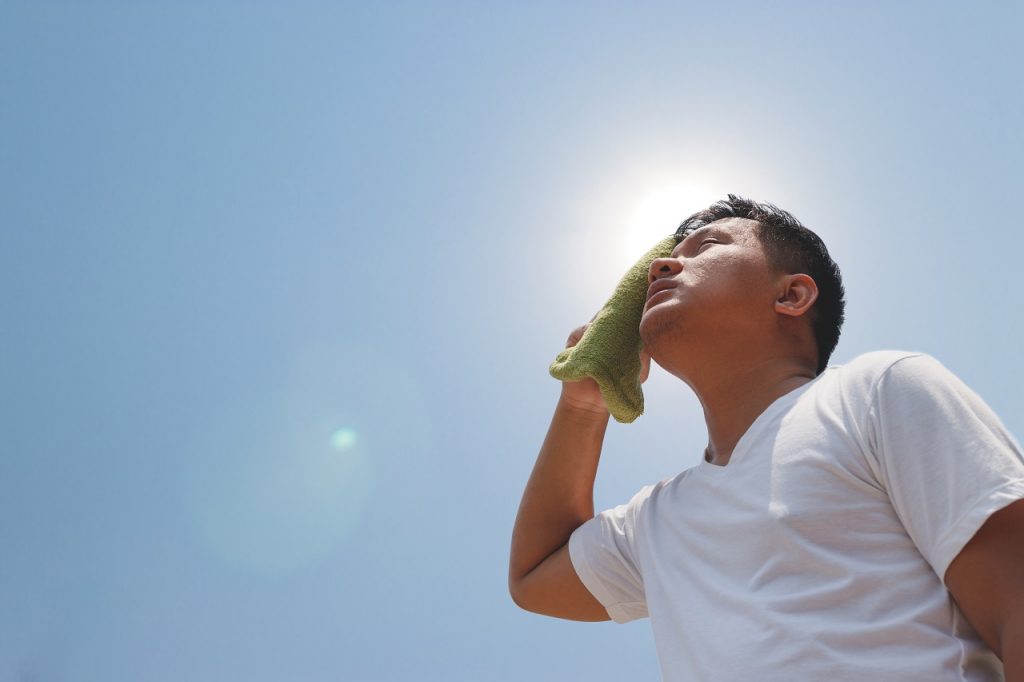
 Indian summers were always hot, but they are increasingly turning lethal. Studies indicate that average temperatures across many districts in India are projected to rise by two degrees Celsius over the next few decades.
With the heat index climbing, our population is exposed to a much higher risk of seasonal illnesses. Surviving the summer is no longer just about staying indoors; it is about actively managing your body’s response to extreme heat.
Here are the 3 most common summer health hazards you need to watch out for, along with practical ways to prevent and manage them.
-
Dehydration: The Silent Energy Killer
Dehydration occurs when more water and fluids leave the body (through sweat and urine) than enter it. Because the human body is roughly 75% water, even a slight drop in hydration levels can disrupt your entire system.
- Symptoms to Watch For: Increased thirst, profound fatigue, blurred vision, sudden headaches, dark-colored urine, and muscle cramps.
How can you prevent it?
- The Hydration Formula: Always make sure you drink enough water. A good rule of thumb is to drink approximately 35ml per kilogram of your body weight daily during these scorching months.
- Smart Replenishments: Plain water is great, but replacing lost electrolytes is even better. Opt for coconut water, aloe vera juice, amla juice, vegetable juice, buttermilk (chaas), or sugarcane juice.
- Dilute Your Sugars: If you are drinking fruit juices or commercial electrolyte drinks, dilute them to half-strength with water to moderate your sugar and salt intake.
- What to Avoid: Limit drinks containing alcohol or high amounts of caffeine (like strong coffee or energy drinks), as these act as diuretics and actually dehydrate the body further.
2. Heat Stroke: A True Medical Emergency
Heat stroke (or sunstroke) occurs from extreme, prolonged exposure to heat and sunlight. Your body loses its ability to regulate its core temperature, which can spike to dangerous levels in a matter of minutes.
- Symptoms to Watch For: Dizziness, nausea, a throbbing headache, vomiting, flushed/dry skin (lack of sweating), rapid breathing, and fainting.
How can you prevent it?
- Dress Smart: Choose lightweight, light-colored, loose-fitting, and breathable cotton clothing.
- Time Your Outings: Stay indoors during peak sunlight hours (typically 12:00 PM to 4:00 PM). Schedule your outdoor activities or workouts for the early morning or late evening.
- Pre-Hydrate: Take a good amount of fluids and hydrate well before stepping out into the sun, not just after.
- Natural Coolants: If you feel mildly overheated, settling teas like chamomile, peppermint, or fennel seeds work wonders. Traditional Indian coolers like Aam Panna are exceptional for rapidly cooling the body and restoring lost electrolytes.
3. Food Poisoning: The Heat Breeds Bacteria
Summer heat drastically raises the risk of food-borne diseases. Food poisoning cases peak during these months because bacteria multiply much faster in warm, humid weather.
- Symptoms to Watch For: Severe stomach cramps, nausea, vomiting, diarrhea, and a low-grade fever.
How can you prevent it?
- Mind What You Eat Raw: Eat only freshly cut salads and fruits. Do not consume raw food that has been sitting out in the open for hours at a buffet or street vendor.
- The 2-Hour Rule: Do not leave cooked food outside for long. Try to refrigerate all leftovers as soon as the steam stops rising from them (ideally within two hours of cooking).
- Consume Quickly: Make sure you eat only well-cooked food and try to consume it as soon as possible once it’s prepared.
Ample rest, rigorous hydration, eating light, and moving your body safely are your best defenses against summer health hazards. Prevention remains the absolute key, as a lack of awareness is the primary reason these easily preventable hazards turn near-fatal.
Takeaway: Don’t wait until you are thirsty to drink water, avoid the midday sun, and refrigerate your food promptly. A little preparation guarantees a safe and healthy summer!
Want us to cover more seasonal hazards? Did we miss out on your favorite summer health tip? Let us know in the comments below!
Get more summer safety tips here or speak directly to a GOQii Coach by subscribing for Personalised Health Coaching here.
Frequently Asked Questions (FAQs)
- How much water should I drink during the Indian summer?
While 8 glasses a day is a common baseline, a more accurate formula during extreme heat is to drink approximately 35ml of water per kilogram of your body weight. For example, if you weigh 60 kg, you should aim for at least 2.1 liters of hydrating fluids, increasing this amount if you are sweating heavily outdoors. - What is the difference between heat exhaustion and heat stroke?
Heat exhaustion is the precursor to a heat stroke and involves heavy sweating, weakness, and a rapid pulse. If left untreated, it progresses to a heat stroke, where the body completely stops sweating, the skin becomes hot and dry, and the person may lose consciousness. Heat stroke is a severe medical emergency requiring immediate hospitalization. - Why is food poisoning more common in the summer?
Bacteria thrive in warm, moist environments. During the summer, the “danger zone” for food (the temperature range where bacteria multiply fastest) is easily reached if food is left un-refrigerated. Food left on a counter can spoil rapidly, making prompt refrigeration essential.
#BeTheForce
Disclaimer: The content provided in this blog is for educational and informational purposes only and should not be construed as professional medical advice, diagnosis, or treatment. Heat stroke and severe dehydration are medical emergencies. If you or someone else experiences fainting, extreme confusion, or an inability to keep fluids down, seek emergency medical assistance immediately. Always consult with a qualified healthcare provider for personalized medical advice.
 Ever eaten something that made you feel uneasy? Did it turn your stomach into a balloon? Does this happen all the time? Well, you’re a victim to gas and bloating! It can be a terrible experience after you’ve thoroughly enjoyed your meals. There are several reasons for gas and bloating. So let’s understand them and look at a few remedies that will help you out.
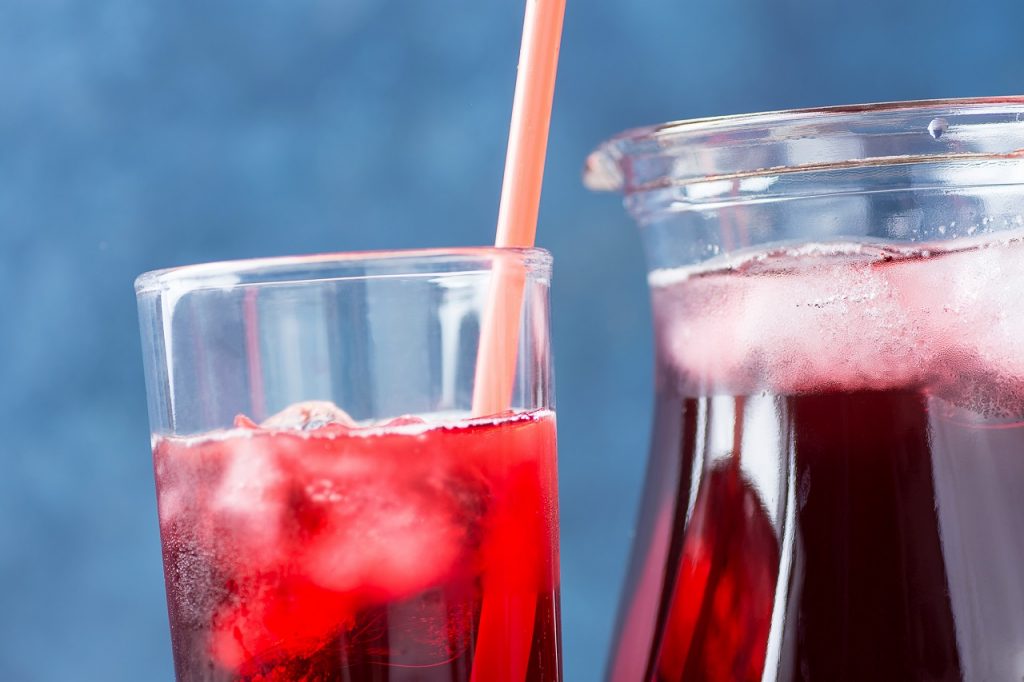 During summer, our bodies crave for some chilled drink or ice cream due to the immense heat. But the fact that anything available outside is loaded with refined sugar and unhealthy fats, it might not be the best option as you need to keep your immunity up and stay cautious about your health. But we understand your craving and hence, here’s a healthier alternative – your very own hydrating summer bowl which will help you beat the heat and you can enjoy it guilt-free!


