
GOQii

Blog

  • HOME
  • HEALTHY LIVING
  • FITNESS
  • HEALTHY RECIPES
  • USER STORIES
  • KARMA
  • BUY GOQii

January 3, 2025 By Tabassum Parveen 1 Comment

How to Burn Body Fat & Keep it Off!

body fatHow many times have we pushed ourselves to our physical limits in order to get rid of excess body fat, only to end up gaining it all over again? Keeping body fat off is a difficult task, but it is not impossible. All you need is the right knowledge and this article has it!

Need to Burn Body Fat

Many articles explain the need to burn body fat. However, they often overlook the fact that muscle behavior changes when body fat is burned. When you’re on a journey to lose weight, it is important to burn body fat as well as restore body muscles to gain control over important body functions.

How to Burn Body Fat

1. Increase Protein Intake:

The theory behind increasing protein intake is that more muscles result in more fat burning. It’s best to start your day with good carbs and proteins, as adding protein to breakfast works on hunger hormones, making you feel fuller for longer.

This is why including protein helps in losing weight and keeping it off. If you don’t have a good protein source, add it. But remember, only consuming protein without good carbs, fiber, vitamins, and minerals may result in weight gain, as extra protein will get deposited.

Sources of protein that can be included in your daily lifestyle are quinoa, moringa, peanut butter, almond butter, nuts, seeds, legumes, beans, lean meat, fish, eggs, and dairy products like curd, yogurt, cottage cheese, paneer, and soy products like tofu.

2. Water Intake:

The average water intake of a person is 2.17 liters. Water intake can be increased to 3 liters per day to prevent sunstroke and dehydration, especially in hot weather. Hydration is crucial because your body will not burn fat when it is dehydrated.

Drinking a glass of water before meals acts as an appetite suppressant, helping you keep extra fats from food at bay. Avoid sugary drinks like colas or other carbonated beverages. Instead, carry a chilled bottle of water containing chia seeds or basil seeds, mint leaves, a little salt, and a piece of jaggery to stay hydrated and refreshed!

3. Foods with Fiber:

Gut health is the key to maintaining body weight and shedding extra fat. Fiber helps in maintaining a healthy weight and reducing cholesterol and diabetes levels.

If you’re looking for low-calorie foods, try broccoli, lettuce, cabbage, cauliflower, mushrooms, green beans, zucchini, apples, popcorn, cucumber, spinach, oats, and brown rice. These are good sources of fiber and keep you full for longer.

Psyllium husk (Isapgol) is great for detoxing the system. It also helps eliminate cholesterol and fat globules from the body. However, it needs to be consumed in moderation—half a teaspoon or 2 grams per day is sufficient.

4. Cut down on Salt, Sugar and Refined Carbs:

Everything in excess is harmful. Salt and sugar are basic needs of our lifestyle as they help maintain the pH level of blood. Excess salt results in water retention and can make it difficult to lose weight. Similarly, excess sugar affects your metabolism and can cause joint pain and fatty liver problems.

This doesn’t mean you need to go tasteless! Moderation is the key to a healthier lifestyle. Avoid extra salts and sugars from processed food, junk food, and refined carbs like white bread, white flour, sweetened beverages, and bakery products. Instead, carry healthy snacks like fox nuts, goji berries, dry fruits, mixed seeds, and popcorn. Also, cut off any additional salt in your curds or salads.

Foods That Help in Burning Body Fat Faster

  • Apple Cider Vinegar: Mix 1 or 2 tsp of apple cider vinegar in lukewarm water for a healthy morning drink. It helps burn extra fats.
  • Extra Virgin Coconut Oil: Reducing normal oil intake while consuming extra virgin cold-pressed coconut oil benefits thyroid functioning and increases the body’s metabolic rate due to medium-chain triglycerides. This helps burn fat faster. Add it to your salads or cooked curry (avoid heating it to retain its nutrients).
  • Beverages: Green coffee, black coffee, oolong tea, green tea, chamomile tea, and goji berry tea all improve metabolism and help burn fat faster. However, 2-3 cups a day is advised, as anything in excess is harmful.

Stress and Lack of Sleep Can Result in Weight Gain

Stress and sleep are often neglected during fat-burning journeys. Overindulging in workouts can lead to stress and weight gain. Working out 3-4 times a week is sufficient. Jumping jacks, HIIT, planks, crunches, lunges with stretching, and yoga help maintain body shape without stress while promoting good-quality sleep.

If mediation or deep breathing dosen’t help you relax, try stress-busting foods like dark chocolate, nuts, seeds, bananas, and avocados. Ensure you get enough sleep. Lack of sleep and stress can slow down metabolism and cause weight gain. To sleep peacefully, keep your room dark, avoid heavy workouts before bedtime and stay off screens at least an hour before sleeping.

By working on these small lifestyle changes, you can effectively lose body fat and keep it off!

We hope this article helps you. For more information or tips on weight loss, check out Healthy Reads or speak to an expert by subscribing for GOQii’s Personalised Health Coaching here.

#BeTheForce

Disclaimer: The information provided in this blog is for general awareness and educational purposes only. It is not intended to replace professional medical advice, diagnosis, or treatment. Always consult a qualified healthcare provider for personalised medical guidance or concerns related to your health.

December 10, 2024 By GOQii Leave a Comment

Feeding Your Emotions? Why You Need To Stop Emotional Eating

Feeding Your Emotions? Why You Need To Stop Emotional EatingRemember the old adage – Eat to Live and not Live to Eat? We don’t always eat simply to satisfy hunger. Sometimes, we turn to food for comfort, stress relief, or as a reward. It becomes an activity we do out of habit, like nail-biting, hair twirling, or finger tapping. Recent trends show that we often turn to food in response to certain emotions. For instance, eating chocolates or sweets when we’re sad or depressed. Whether you feel angry, sad, bored, or even excited—food can act as a buffer against these emotions. But is emotional eating good for you?

Emotional eaters know it’s easier to suppress feelings with each bite rather than confront them. Unfortunately, emotional eating doesn’t solve emotional problems. It usually makes you feel worse. Afterwards, not only does the original emotional issue remain, but you also feel guilty for overeating. This compounds the problem, as you stop learning healthier ways to deal with your emotions, struggle to control your weight, and feel increasingly powerless over both food and your feelings.

Where Do You Start To Stop Emotional Eating?

Before addressing how to stop emotional eating, have you ever wondered why we turn to food when emotionally distressed? When we eat, certain chemicals are released in the body which significantly impact our emotional health. Food and mood are intricately connected. For instance, we feel sadder when hungry due to lack of neurochemicals in the brain. Through eating, we experience changes in serotonin, endorphins and dopamine levels – all of which influence mood. Sugar, for example, increases serotonin in the brain, helping us feel more balanced and stable. Anti-depressants work on a similar chemical mechanism to improve mood. So, coming back to the point – what can you do to address this?

Recognize What Triggers You To Eat Emotionally

As mentioned earlier, people eat for many reasons. Which situations, places or feelings make you turn to food for comfort? Each time you feel a craving, ask yourself, “Am I really hungry, or am I responding to something else?” If hunger isn’t the reason, identifying the real cause can be challenging.

By tracking your food intake and associated emotions regularly, you might notice patterns, such as a tendency to overeat on Mondays. Ask yourself, “What is it about Mondays that leads to overeating? Stress from getting the kids to school? Frustration over returning to work? Lack of holidays?” Notice if you tend to snack in the evenings. Is it out of boredom, loneliness, anger, sadness, anxiety, or an unhappy relationship? Once you identify your emotional eating triggers, the next step is finding healthier ways to manage your feelings.

Find Ways To Fulfill Yourself Emotionally

Understanding the cycle of emotional eating and identifying triggers is only the beginning. The next step is finding healthier alternatives to fulfill yourself emotionally.

Here are some options to try:

  • Call someone who always makes you feel better
  • Play with your kids or pets
  • Look at a favorite photo or cherished memento whenever you feel low, depressed or lonely
  • If you’re anxious, expend your energy by dancing to your favorite song or squeezing a stress ball
  • Take a brisk walk for fresh air
  • If you’re exhausted, treat yourself to a hot cup of tea, take a bath, go to a spa for a massage, or light some scented candles and wrap yourself in a warm blanket
  • Take a break or go on a weekend getaway
  • If you’re bored, read a good book, watch a show, explore the outdoors, or try an enjoyable activity like painting or playing an instrument.

Form Healthier Habits

Last step to deal emotional eating requires long term modification i.e. healthy lifestyle habits. When you’re physically strong, relaxed, and well rested, you’re able to handle the challenges that life throws at you in a better way. But, when you’re already exhausted and overwhelmed, any little hiccup has the potential to send you off the rails and straight towards the kitchen>refrigerator>food. Exercise, sleep, and other healthy lifestyle habits will help you get through difficult times without emotional eating. Make daily exercise a priority.

Physical activity does wonders for your mood and your energy levels, and it’s also a powerful stressbuster. Give yourself permission to take at least 30 minutes every day to relax, decompress, and unwind. This is your time to take a break from your responsibilities and recharge your batteries for the next day. Connect with others. Don’t underestimate the importance of close relationships and social activities. Spending time with positive people who enhance your life will help protect you from the negative effects of stress.

With an arsenal of activities like trekking, journaling, or exploring hobbies, you can gradually overcome emotional eating. Success won’t come overnight, but accepting your mistakes and moving forward is key to breaking the cycle.

If you need help dealing with emotional eating, our experts are hereto guide you. Speak to a GOQii Coach to overcome emotional eating and achieve you weight loss goals. Subscribe for Personalised Health Coaching here.

For more tips on weight loss, explore Healthy Reads. If this article helped you or someone you know, let us know your thoughts in the comments below!

#BeTheForce

October 17, 2024 By GOQii Leave a Comment

How to Break the Cycle of Adrenal Stress?

adrenal stressWhen it comes to stress, we often talk about work pressure, personal issues or chronic disease. But there are other elements that influence stress as well. For instance, in your experience, have there been times when you constantly feel tired but can’t explain why? You feel overwhelmed by situations you could handle easily? Do you find yourself drained of energy you may have enjoyed once upon a time? Have you struggled to get out of bed in the mornings even after sleeping for long hours? If this sounds familiar, there is a chance that you are suffering from something called ‘Adrenal stress” or “Adrenal Fatigue”. Simply put, your adrenal glands may be under-performing. All that chronic stress you have been masterfully coping with has finally caught up! Your adrenal glands are responsible for supporting you and sustaining a level of vigilance. Adrenal Stress happens when they show signs of strain.

Is this a death sentence? No! But it is a sign of imbalance. Chronic stress is a part of life. But if left unchecked and unassuaged for too long, it can lead to hormonal depletion, exhaustion, and adrenal fatigue.

Adrenal Glands and Stress

To understand the above, we need to understand how health and metabolism are affected by hormones. One of the glands that play an important role in metabolism is the adrenal cortex. The adrenal cortex gland releases hormones which are vital for biological function. To be more specific, there are two parts which release hormones – Adrenal Cortex and Adrenal Medulla. Adrenal cortex hormones regulate sodium levels, salt, and balances blood volume which directly affects blood pressure.

Another hormone (Cortisol) regulates metabolic rate of carbohydrate, proteins, and fat. It also regulates immune responses. It is responsible for suppressing inflammatory reactions. So it is a potent anti-inflammatory hormone. Finally, the adrenal glands are best known for secreting the hormone adrenaline, which rapidly prepares your body for action in a stressful situation.

When you are stressed, the hormones of the adrenal medulla are released after the sympathetic nervous system is stimulated. The adrenal medulla helps you deal with physical and emotional stress. You want these responses to happen. From an evolutionary perspective, it’s part of why we have survived for so long as a species.

If you encounter a stressful situation, you want your body to fire up stress hormones to feed you energy and adrenaline. You WANT to be able to run from a potential threat or beat it back. The problems come in when you have that relatively high level of stress but then don’t actually end up using that extra energy in the form of movement.

Adrenal Stress, Belly Fat and Weight Gain

During times of stress, there are actual physiological changes that happen in our body. Most of them are helpful for our survival (such as in the situation described above). But, if we continue to experience stress and we don’t actually end up running from our perceived threat or beating it back, those stress hormones increase our blood sugar (in an effort to give us energy) which then requires insulin to bring it back down.

In the short term, it feels like an energy crash. In the long term, it can lead to weight gain. When the adrenal glands are overworked, the body prepares itself by storing fat. We crave food, indulge in binge eating and we gain weight.

Adrenal imbalance causes a number of issues, including the abdominal fat deposition. When we have long term stress, both insulin and cortisol remain elevated in the blood, and the extra glucose is stored as fat–mostly in the abdomen. Studies suggest that fat cells have receptors for the stress hormone cortisol, and there are more of these receptors in our abdominal fat cells than anywhere else in our bodies. Moreover, belly fat is an active tissue, which responds to stress by depositing more fat. This cycle can not end until a step is taken to tackle the root cause of stress.

How to Break The Cycle

  • Go Easy On Food: Eating small and frequent meals helps cortisol balance the blood sugar and take off some stress. Cortisol counterbalances the action of insulin. Under stress when cortisol levels are elevated, it results in a perpetual need for insulin. Eventually, our bodies can develop resistance to it. Hence the name “insulin resistance”. In other words, our body can become less sensitive to insulin, forcing it to produce more for the same effect. If it stops to work altogether, that keeps glucose levels high in the blood.
  • Time to Eat: Our body has circadian rhythms which work closely with cortisol, which is highest in the morning and gradually declines throughout the day. When we eat we elevate our cortisol, so it is best to start heavy with breakfast and go light post evening. Heavy evening meals are the prime reason for an expanding waistline. A Higher waistline is associated with metabolic and lifestyle disease.
  • Unplug: Give time to yourself. Unplug means a disconnect from cell phones, laptops, work, any digital devices. Take out sometime which you spend only with your thoughts. It makes you realize your priorities and your goals better.
  • Sleep: As this gland also controls our circadian rhythms, it is responsible for our sleep cycle. Good 8 hours of sleep will make you take fewer calories through the day. Lack of sleep also makes one drowsy and ends in low energy levels creating stress. Maintain an 8 hour sleeping time for the body to regenerate.
  • Workout: Exercise is the best remedy to reduce stress by releasing pent up energy. As stated earlier, the whole reason our bodies respond to stress by producing more cortisol is so that we have energy available to spend. Having more energy isn’t a bad thing if you actually use it.

The best way to reduce stress levels is to have fun! Having fun and laughing should become one of your top priorities in life! It has multiple benefits, one of them being stress relief. Looking at the day ahead, ask yourself what is that one thing you can do for your body to support your adrenal glands? Then ask yourself how you can set aside some time for fun!

Want to know more about managing stress? Check out Healthy Reads or get expert advice directly from a GOQii Coach by subscribing for Personalised Health Coaching here.

#BeTheForce

Disclaimer: The information provided in this blog is for general awareness and educational purposes only. It is not intended to replace professional medical advice, diagnosis, or treatment. Always consult a qualified healthcare provider for personalised medical guidance or concerns related to your health.

August 22, 2024 By Shagufta Raza 4 Comments

This Is How Stress Affects Your Waistline

stress affects your waistline

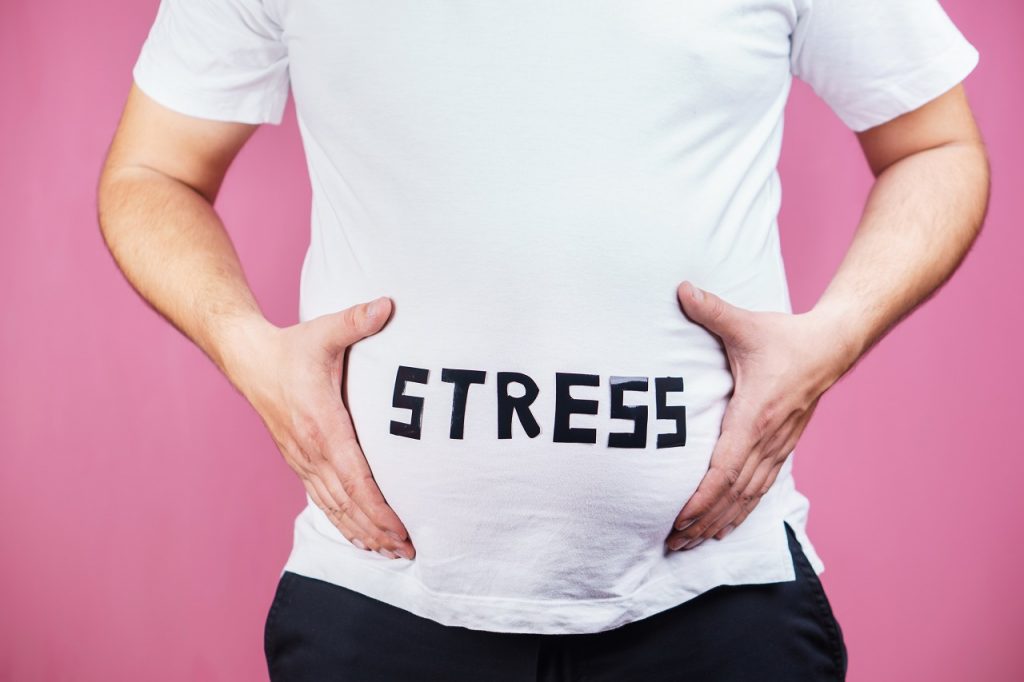
Have you been regular with your daily exercises and have maintained a healthy diet but you’re still not able to get rid of those extra inches on your waistline? Much to your surprise, the major reason for this may be stress! Yes! Stress! This can be the criminal putting those extra notches on your belt. Well you would say who doesn’t have stress these days? And you are right! Feeling stressed is an increasingly common problem. As long as the graph is small in height, it is fine. But how is it that stress affects your waistline? Let’s find out! 

What happens when we feel Stressed?

When we are stressed, our body goes into “fight or flight mode”. Stress hormones, including adrenaline and cortisol, are released to help us respond to the ‘danger’, our heart pumps faster, muscles contract and our senses become sharper. Too much stress can constantly have our body in fight or flight mode and that can be a problem.

In limited doses, stress helps us stay focused, energetic and alert. But high levels of stress can lead to feeling anxious, depressed and result in many medical concerns like cardiovascular issues, damage to the immune system, Type 2 Diabetes and cause weight issues as well, to name a few.

How Stress Affects Your Waistline 

Glycogen is the energy stored in our liver, primarily sourced from carbohydrates. When cortisol is released, glycogen is released to give us extra energy to ‘get away from stressful situations’.

We have glycogen receptors in our body and they are increased when we face high levels of stress, especially the ones located around our abdomen to protect our vital organs. Glycogen is being released to provide energy, but if not utilized, it is stored around our waistline, causing the inches to rise.

When stress levels increase, so does the production of the stress hormone, cortisol.

And you unknowingly start facing the following:

  • Making bad food choices and increasing the fat cells in the body.
  • The stress hormone cortisol can lead to sugar levels dropping down and makes you less sensitive to insulin.
  • Increases the appetite which gives you those hunger pangs. Which means you are more likely to reach out to burgers or pizzas which are calorie dense junk foods that quickly satisfy your hunger and you feel good. Hence, stress can cause you to eat more than required.
  • Constant high levels of stress can cause increased levels of fat cells and the rate at which the body stores fat also goes up which leads to weight gain.

How Can You Control It? 

  • Indulge in Exercise: It’s the best way to relax your body and mind
  • Take a few deep breaths: It can take the pressure off you right away
  • Balanced meal: Consult your GOQii Coach to help you make right food choices. Never skip a meal as it can actually worsen the situation 
  • Say no to caffeine: Since it increases the production of the stress hormone.
  • Drink plenty of water: Dehydration can cause increased production of cortisol 
  • Avoid processed foods: They can affect your gut microbiome, stress response and energy levels
  • Sleep well: Sleep deprivation and chronic stress can play havoc with the production of the stress hormone.

We hope this article on how stress affects your waistline helps you! Do leave your thoughts in the comments below. For more on stress management, check out Healthy Reads or ask a GOQii Coach by subscribing for Personalised Health Coaching here.

#BeTheForce 

Disclaimer: The information provided in this blog is for general awareness and educational purposes only. It is not intended to replace professional medical advice, diagnosis, or treatment. Always consult a qualified healthcare provider for personalised medical guidance or concerns related to your health.

  • « Previous Page
  • 1
  • …
  • 7
  • 8
  • 9
  • 10
  • 11
  • 12
  • Next Page »

Search

Recent Posts

  • Post-Diwali Reset: Getting Back on Track Without Crash Diets
  • Diwali Safety: First Aid for Burns and Firecracker Injuries, and Protecting Your Lungs from Smoke
  • Cancer Screening: Which Tests You Need and When
  • This Dhanteras, Invest in Your Health
  • Jaggery vs Sugar: Is Gur Really Healthier?

Stay Updated

Archives

  • November 2026 (9)
  • October 2026 (23)
  • September 2026 (5)
  • August 2026 (8)
  • July 2026 (24)
  • June 2026 (22)
  • May 2026 (20)
  • April 2026 (24)
  • March 2026 (18)
  • February 2026 (14)
  • January 2026 (14)
  • December 2025 (19)
  • November 2025 (14)
  • October 2025 (17)
  • September 2025 (6)
  • August 2025 (5)
  • July 2025 (9)
  • June 2025 (18)
  • May 2025 (16)
  • April 2025 (22)
  • March 2025 (25)
  • February 2025 (21)
  • January 2025 (25)
  • December 2024 (21)
  • November 2024 (21)
  • October 2024 (15)
  • September 2024 (22)
  • August 2024 (27)
  • July 2024 (14)
  • June 2024 (23)
  • May 2024 (26)
  • April 2024 (27)
  • March 2024 (27)
  • February 2024 (23)
  • January 2024 (21)
  • December 2023 (14)
  • November 2023 (10)
  • October 2023 (18)
  • September 2023 (20)
  • August 2023 (16)
  • July 2023 (16)
  • June 2023 (21)
  • May 2023 (20)
  • April 2023 (19)
  • March 2023 (23)
  • February 2023 (19)
  • January 2023 (15)
  • December 2022 (11)
  • November 2022 (15)
  • October 2022 (15)
  • September 2022 (12)
  • August 2022 (9)
  • July 2022 (17)
  • June 2022 (11)
  • May 2022 (10)
  • April 2022 (6)
  • March 2022 (6)
  • February 2022 (13)
  • January 2022 (11)
  • December 2021 (7)
  • November 2021 (3)
  • October 2021 (6)
  • September 2021 (3)
  • August 2021 (8)
  • July 2021 (7)
  • June 2021 (15)
  • May 2021 (16)
  • April 2021 (10)
  • March 2021 (7)
  • February 2021 (4)
  • January 2021 (4)
  • December 2020 (3)
  • November 2020 (4)
  • October 2020 (10)
  • September 2020 (3)
  • August 2020 (3)
  • July 2020 (2)
  • June 2020 (4)
  • May 2020 (10)
  • April 2020 (12)
  • March 2020 (10)
  • February 2020 (4)
  • January 2020 (4)
  • December 2019 (3)
  • November 2019 (7)
  • October 2019 (5)
  • September 2019 (4)
  • August 2019 (9)
  • July 2019 (9)
  • June 2019 (11)
  • May 2019 (4)
  • April 2019 (8)
  • March 2019 (8)
  • February 2019 (9)
  • January 2019 (8)
  • December 2018 (9)
  • November 2018 (3)
  • October 2018 (3)
  • September 2018 (5)
  • August 2018 (10)
  • July 2018 (6)
  • June 2018 (13)
  • May 2018 (8)
  • April 2018 (17)
  • March 2018 (9)
  • February 2018 (8)
  • January 2018 (15)
  • December 2017 (12)
  • November 2017 (19)
  • October 2017 (13)
  • September 2017 (15)
  • August 2017 (4)
  • July 2017 (8)
  • June 2017 (7)
  • May 2017 (6)
  • April 2017 (8)
  • March 2017 (6)
  • February 2017 (7)
  • January 2017 (9)
  • December 2016 (10)
  • November 2016 (7)
  • October 2016 (7)
  • September 2016 (7)
  • August 2016 (11)
  • July 2016 (9)
  • June 2016 (9)
  • May 2016 (12)
  • April 2016 (17)
  • March 2016 (17)
  • February 2016 (8)
  • January 2016 (6)
  • December 2015 (2)
  • November 2015 (9)
  • October 2015 (7)
  • September 2015 (9)
  • August 2015 (11)
  • July 2015 (9)
  • June 2015 (11)
  • May 2015 (9)
  • April 2015 (13)
  • March 2015 (8)
  • February 2015 (5)
  • January 2015 (12)
  • December 2014 (14)
  • November 2014 (11)
  • October 2014 (6)
  • September 2014 (13)
  • August 2014 (12)
  • July 2014 (6)
  • June 2014 (2)
  • May 2014 (7)
  • April 2014 (4)

From Burnout to Balance: How Dr. Ranjit Reclaimed His Health

Dr Ranjit Bhatt has spent years tending to others. A practising doctor in Odisha, his days were packed with patients, surgeries, and emergencies. From the outside, it looked like a life lived in service. But on the inside, something wasn’t right. “I had no … [Read More...]

From Shimla’s Slopes to Chandigarh’s Sidewalks: Surinder Kaur Bhalla’s Journey from Chaos to Control

Some journeys start with a plan. Others begin with a stumble literally. Surinder Bhalla, a government professional, born and raised in the scenic hill town of Shimla, had always lived a life of movement. “In Shimla, you walked everywhere,” she reflects. “Walking was never an exercise. It was just life.” But after shifting to Chandigarh, […]

“I’ve Challenged Myself to Live 100 Years” – The Story of Chandubhai Savani’s Second Chance at Life

At 67, most people start slowing down. Not Chandubhai Savani. A resident of Surat, Chandubhai, thought life was on track. “My life was going well till I had my bypass surgery,” he says. That surgery, back in 2021, was a wake-up call.  Medication was routine, but exercise wasn’t. His diet? What he calls ‘normal.’ “I […]

Ananda Mukherjee Health Story

From Terminal Illness To Complete Wellness! Ananda Mukherjee Health Story

As we observe World Cancer Day under the powerful theme ‘United by Unique’ (2025-2027)**, we are reminded that every individual’s journey with cancer is distinct, yet united by shared resilience, hope, and the collective fight against this disease. This theme places people at the centre of care and their stories at the heart of the […]

  • HOME
  • HEALTHY LIVING
  • FITNESS
  • HEALTHY RECIPES
  • USER STORIES
  • KARMA
  • BUY GOQii

Copyright ©2016 GOQii


