
GOQii

Blog

  • HOME
  • HEALTHY LIVING
  • FITNESS
  • HEALTHY RECIPES
  • USER STORIES
  • KARMA
  • BUY GOQii

Archives for October 2026

October 27, 2026 By GOQii 1 Comment

Overcome Worry: The Biggest Obstacle to Weight Loss

You’ve been eating better and moving more for three weeks, and the scale has barely moved. A colleague who started at the same time has already lost five kilos. You lie awake running the numbers, skip your walk the next morning because “what’s the point”, and reach for biscuits at 4 pm. Sound familiar?

For many people, the hardest part of losing weight isn’t knowing what to eat. It’s the worry that comes with it: worry about slow progress, about slipping up, about how you compare with others. That worry doesn’t just feel bad. It can disturb sleep, nudge you towards comfort eating and make it harder to keep going with the habits that actually work.

The good news is that worry is something you can learn to manage. Here’s how it gets in the way, and what helps.

At a glance

  • Worry and weight are linked through behaviour: stress and worry can affect what you eat, how well you sleep and whether you stay active.
  • Poor sleep adds up: in trials, people ate about 385 extra calories a day when their sleep was cut short.
  • Slow is normal: losing about 0.5–1 kg a week is a healthy pace, and even a 5% loss can improve blood pressure, cholesterol and blood sugar.
  • Be kind to yourself after a slip: self-compassion is linked with better eating habits than self-criticism.
  • Give worry a time slot: setting aside a short “worry time” each day is a simple, evidence-informed way to stop it taking over.
  • Get help if worry is constant: anxiety that affects daily life is treatable. In India, Tele-MANAS (14416) offers free, confidential support.

How worry gets in the way of weight loss

Overcome worry - obstacle to weight lossWorry on its own doesn’t add kilos. What it does is change the everyday behaviours that weight depends on. Here are the main ways it shows up.

1. It pushes you towards comfort food

When stress becomes ongoing, many people find their eating shifts towards quick, tasty, energy-dense foods, often without real hunger. The effect varies a lot between people: some eat more under stress, others less. We explain the science, and how to tell physical hunger from emotional hunger, in our guide to how stress triggers unhealthy eating habits.

2. It steals your sleep

A busy mind at bedtime is one of the most common reasons people struggle to sleep, and the NHS lists stress and anxiety among the main causes of insomnia. Short sleep matters for weight: a review of sleep-restriction trials found people ate about 385 more calories a day when their sleep was cut short, with no matching increase in the energy they burned. Over weeks, that can quietly undo your efforts.

3. It makes slow progress feel like failure

Weight loss is rarely a straight line. Your weight can go up and down from day to day with water, salt, hormones and what you ate the night before, even when you’re doing everything right. If you expect a smooth drop, these normal fluctuations can feel like proof that nothing is working, and that’s often when people give up.

The US Centers for Disease Control and Prevention notes that people who lose weight gradually, at about 1–2 pounds (roughly 0.5–1 kg) a week, are more likely to keep it off. It also points out that even modest weight loss can improve blood pressure, cholesterol and blood sugar. A 5% loss, such as 4 kg for someone who weighs 80 kg, is a meaningful result.

4. It turns into comparison

Comparing your progress with a friend’s, or with transformation photos online, ignores everything that makes your body different: age, sex, starting weight, sleep, stress, medicines, health conditions and more. The only fair comparison is with where you were a month or three months ago.

5. It feeds all-or-nothing thinking

“I’ve had a samosa, so today’s ruined” is a familiar thought. Worry and guilt about a slip can make it more likely to snowball into a lost day or week. One meal doesn’t undo weeks of good habits, but the reaction to it sometimes does.

8 ways to worry less and keep going

overcome worry - gratitude

1. Give your worries a time slot

Instead of fighting worried thoughts all day, set aside 15–20 minutes at the same time each day as “worry time”. When a worry pops up outside that slot, jot it down and tell yourself you’ll deal with it later. In a small trial of people with work stress, postponing worries to a set time helped reduce anxiety and physical symptoms. Simply writing worries down also seemed to help. The research is early, but the method is simple and low-risk.

2. Empty your head before bed

If your mind races at night, spend five minutes in the evening writing down what’s on your mind and one small next step for each item. Keep the same wake-up time every day, and go to bed only when you feel sleepy, as the NHS recommends. Better sleep makes everything else easier, including food choices.

3. Be honest, not harsh, about your habits

The original version of this article asked a good question: are you being honest with yourself about your food, exercise and eating out? Keeping track is one of the habits most consistently linked with weight loss. A systematic review of 22 studies found a consistent link between self-monitoring (logging food, activity or weight) and weight loss, although the studies had limitations. The point of tracking is information, not judgement.

4. Watch the trend, not the day

If daily weigh-ins send you into a spin, weigh yourself at the same time once or twice a week and look at the trend over a month. Also track things you control and that change faster than the scale: steps, sleep, vegetables eaten, how your clothes fit, your energy levels.

5. Set goals for actions, not just outcomes

“Lose 10 kg” is out of your direct control. “Walk 30 minutes on five days” or “have dal and sabzi at dinner instead of takeaway” is not. Action goals give you a win every day, which leaves less room for worry. Planning ahead helps too: our meal-prep guide makes healthy lunches the easy option on busy days.

6. Treat slip-ups with self-compassion

Being kind to yourself after a slip isn’t letting yourself off the hook. A review of 20 studies found that programmes building self-compassion improved eating behaviour in most of the studies that measured it, and weight loss in about half, though the authors note the evidence is still limited. In practice: notice the slip, remind yourself that everyone has them, and get back on track at the next meal, not next Monday.

7. Count what’s going well

Noting a few things you’re grateful for each day, a practice the original article recommended, can lift your mood and help relationships. Be realistic about what it can do, though: a review of 27 studies found only a small effect on anxiety and depression, so it’s a good habit rather than a treatment. You could also note one thing your body did well that day, like climbing the stairs more easily.

8. Build in time to switch off

A yoga class, a breathing practice, a walk without your phone or a regular day off from screens all give your mind a break from problem-solving. Regular movement can also lift your mood; read more in how exercise impacts mental health. Choose something you enjoy enough to repeat; consistency matters more than the method.

When worry needs more support

Everyday worry is part of life. But for some people, worry becomes constant and hard to switch off. The NHS describes generalised anxiety disorder as stress or worry that affects daily life and is difficult to control, often alongside:

  • difficulty sleeping
  • feeling restless, irritable or finding it hard to concentrate
  • tiredness and tension
  • stomach problems, palpitations or feeling dizzy
  • low mood

Anxiety is common and treatable, and talking therapies such as cognitive behavioural therapy (CBT) can help. If this sounds like you, speak to your doctor. In India, you can also call Tele-MANAS on 14416 or 1-800-891-4416, the government’s free mental health helpline, available 24 hours a day.

It’s also worth getting support if worry about food or weight is starting to take over: for example, if you feel out of control around food, eat large amounts in secret, or find yourself skipping meals and feeling guilty after eating. These can be signs of an eating problem, and a doctor can help you find the right support.

Finally, if you’ve made steady changes for a few months and your weight isn’t changing at all, or it’s rising without an obvious reason, see your doctor. Some health conditions, such as an underactive thyroid or PCOS, and some medicines can affect weight. Ruling these out can take a lot of worry off your mind.

The bottom line

Worry can’t be wished away, but it doesn’t have to run your weight-loss journey. Expect progress to be slow and uneven, compare yourself only with yourself, protect your sleep, and treat slip-ups as information rather than failure. Small, steady habits, kept up with patience, will take you further than any amount of worrying about the scale.

Pro Tip: Use the GOQii App to log your meals, steps and sleep, so you can see your trends over weeks instead of judging yourself on a single day. Your GOQii Personalised Health Coach can help you set realistic, action-based goals and keep you going when progress feels slow.

Frequently asked questions

Can worry and stress stop you from losing weight?

Worry doesn’t directly add weight, but it can make weight loss harder. Ongoing stress can lead to comfort eating, poor sleep and less activity, and these behaviours can slow progress. Managing worry helps you stick with the habits that work.

Does lack of sleep cause weight gain?

Short sleep is linked with eating more. In a review of sleep-restriction trials, people ate about 385 more calories a day when their sleep was cut short. Getting enough sleep regularly supports your weight-loss efforts.

Why am I not losing weight even though I’m eating well?

Weight naturally goes up and down from day to day with water, salt and hormones, so short-term changes can be misleading. Look at your trend over several weeks. If your weight hasn’t changed at all after a few months of consistent changes, speak to your doctor, as some conditions and medicines can affect weight.

How fast should I expect to lose weight?

A gradual pace of about 0.5–1 kg (1–2 pounds) a week is considered healthy, and people who lose weight gradually are more likely to keep it off. Even losing 5% of your body weight can improve blood pressure, cholesterol and blood sugar.

What is “worry time” and does it work?

Worry time means setting aside 15–20 minutes at a fixed time each day to think about your worries, and postponing them until then. Early research suggests that postponing or writing down worries can reduce anxiety symptoms. It’s a simple technique that’s worth trying.

How do I stop feeling guilty after overeating?

Treat it as a normal slip rather than a failure. Notice what happened, remind yourself that everyone has off days, and return to your usual eating at the next meal. Research suggests that self-compassion is linked with healthier eating habits than self-criticism.

When should I get help for worry or anxiety?

If worry is constant, hard to control and affects your sleep, work or relationships, speak to your doctor. Anxiety is treatable. In India, you can call Tele-MANAS on 14416 or 1-800-891-4416 for free, confidential support at any time.

#BeTheForce

Disclaimer: The information provided in this blog is for general awareness and educational purposes only. It is not intended to replace professional medical advice, diagnosis, or treatment. Always consult a qualified healthcare provider for personalised medical guidance or concerns related to your health.
October 26, 2026 By Trishala Chopra 1 Comment

Essential Vitamins and Minerals for Women

Women’s nutrient needs change across life: with periods, pregnancy, breastfeeding and menopause. In India, some gaps are strikingly common. More than half of women aged 15–49 are anaemic, according to the latest National Family Health Survey, and many women don’t get enough vitamin D, vitamin B12 or calcium.
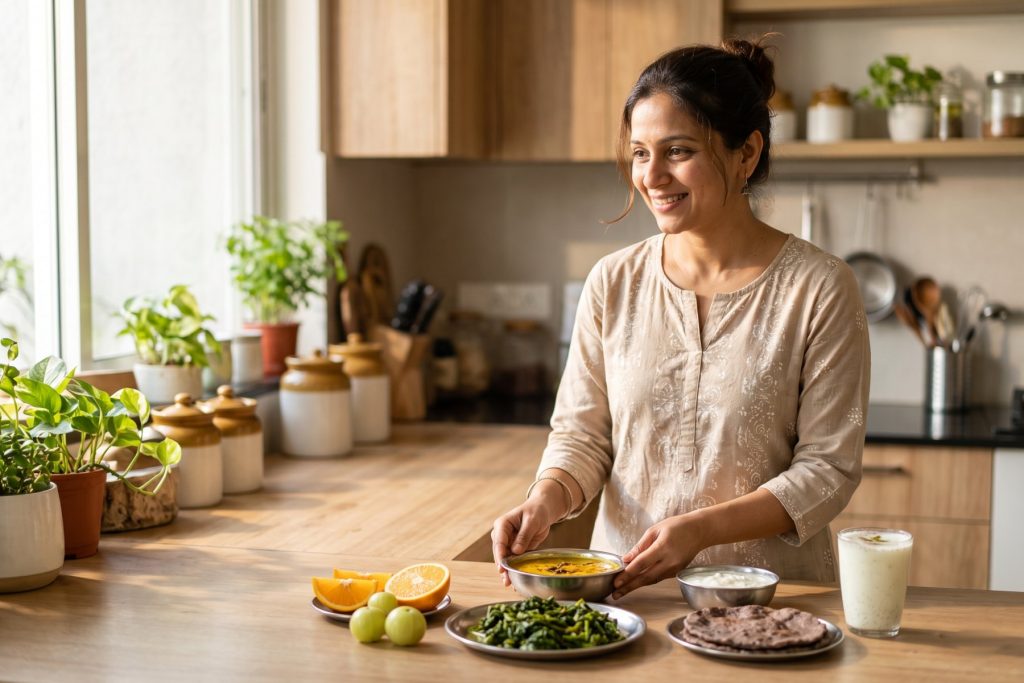
The good news is that most of these gaps can be closed with everyday Indian foods, with supplements filling in where food alone isn’t enough. Here are the vitamins and minerals that matter most for women, how much you need, where to find them, and when it’s worth talking to your doctor.

At a glance

  • Iron: women need about 29 mg a day, more than men, largely to replace losses from periods. Anaemia affects 57% of Indian women aged 15–49.
  • Folate: 220 µg a day, and a daily folic acid supplement for anyone who could become pregnant, starting before conception.
  • Calcium and vitamin D: 1,000 mg of calcium and 600 IU of vitamin D a day help protect bones, especially around menopause.
  • Vitamin B12: easy to fall short on a vegetarian diet. Milk, curd, paneer and eggs help; some people need a supplement.
  • Iodine: iodised salt is the main source, and needs rise in pregnancy.
  • Food first, test before you supplement: high doses of iron, vitamin A and vitamin D can do harm. Take supplements on medical advice.

The key nutrients for women

The daily amounts below are the Recommended Dietary Allowances (RDAs) for adult women from India’s ICMR–National Institute of Nutrition (2020). They are averages for healthy women; your needs may differ.

1. Iron

Why it matters: iron helps make haemoglobin, which carries oxygen around the body. Women lose iron every month through periods, and need much more during pregnancy. Low iron leads to anaemia, which can cause tiredness, breathlessness, pale skin, poor concentration and lower resistance to infection.

How common is a shortfall? Very. Anaemia affects 57% of Indian women aged 15–49 and 52% of pregnant women, according to NFHS-5 (2019–21).

How much: 29 mg a day for adult women.

Indian food sources: dals, rajma, chana and other pulses; green leafy vegetables such as methi, amaranth (chaulai) and drumstick leaves; garden cress seeds (halim); eggs, chicken, fish and red meat; iron-fortified atta or rice.

Get more from your food: iron from plant foods is less well absorbed than iron from meat and fish. Vitamin C helps: in one study, 100 mg of vitamin C increased iron absorption about four-fold. So add lemon to your dal, or have amla, guava or an orange with meals. Tea and coffee do the opposite, cutting iron absorption by up to 60–80%, so drink them between meals rather than with them.

Not all anaemia is caused by low iron. A study led by ICMR–NIN researchers found that vitamin B12 and folate deficiency, inherited haemoglobin disorders, inflammation and even air pollution also contribute to anaemia in India. Inherited conditions such as thalassaemia trait can look like iron deficiency on a basic blood test but aren’t treated with iron. So if you feel tired or have been told your haemoglobin is low, get properly tested before starting iron tablets on your own.

2. Folate (folic acid)

Why it matters: folate helps make healthy cells, including red blood cells. Before and in early pregnancy, it helps the baby’s brain and spinal cord develop properly and lowers the risk of neural tube defects such as spina bifida. These develop in the first weeks, often before a woman knows she’s pregnant.

How much: 220 µg a day for adult women. Anyone who could become pregnant is advised to take a 400–800 µg folic acid supplement daily, starting at least a month before conception and continuing through the first two to three months of pregnancy. Your doctor may recommend a higher dose in some situations.

Indian food sources: green leafy vegetables, dals and chana, sprouts, beetroot, citrus fruits and fortified cereals.

3. Calcium

Why it matters: calcium builds and maintains bones and teeth. Bones reach their peak density in your 20s and early 30s, and after menopause, falling oestrogen speeds up bone loss: women can lose up to 10% of their bone density in the first five years after menopause.

How much: 1,000 mg a day for adult women. Many Indians get only 300–500 mg a day, so most women need to plan for calcium-rich foods every day.

Indian food sources: milk, curd, buttermilk and paneer; ragi; sesame seeds (til); tofu; small fish eaten with their bones. Green leafy vegetables contain calcium too, but not all of it is absorbed: in one study, people absorbed about 5% of the calcium in spinach, compared with about 28% from milk, because spinach is high in oxalate. Weight-bearing exercise, such as brisk walking, stair climbing and strength training, matters just as much for bones.

4. Vitamin D

Why it matters: vitamin D helps your body absorb calcium and keeps bones and muscles healthy. Long-term low levels can contribute to weak bones (osteomalacia and osteoporosis).

How common is a shortfall? Common, despite plentiful sunshine: indoor lifestyles, covering up and pollution all reduce how much your skin makes. A review of 15 Indian studies estimated that about a third of pregnant women were deficient, though results varied widely between studies.

How much: 600 IU (15 µg) a day for adult women.

Sources: sunlight on your skin is the main source; there’s no single safe amount for everyone, so ask your doctor what suits you. Food sources are limited: egg yolks, oily fish such as salmon, sardines and mackerel, and fortified milk or oil. Many women need a supplement, ideally after a blood test.

5. Vitamin B12

Why it matters: B12 is needed to make red blood cells and keep nerves healthy. A shortfall can cause tiredness, a type of anaemia, tingling or numbness in the hands and feet, and memory or mood changes.

Who’s at risk: B12 comes almost entirely from animal foods, so vegetarians, and especially vegans, are more likely to fall short. A review of studies worldwide found that 17–39% of vegetarian pregnant women were B12-deficient, depending on the trimester. Some long-term medicines, such as metformin for diabetes and certain antacids, can also lower B12 levels.

How much: 2.2 µg a day for adult women.

Sources: milk, curd, buttermilk and paneer; eggs; fish, chicken and meat; B12-fortified foods. Plant foods don’t provide a reliable amount. If you’re vegetarian or vegan and tired all the time, ask your doctor about a B12 test.

6. Iodine

Why it matters: iodine is needed to make thyroid hormones. In pregnancy, deficiency can harm the baby’s brain development and growth and raise the risk of miscarriage and stillbirth, according to India’s National Iodine Deficiency Disorders Control Programme.

How much: 150 µg a day for adult women; needs rise during pregnancy and breastfeeding.

Sources: iodised salt is the main source in India, and selling non-iodised salt for everyday cooking is banned. Rock salt (sendha namak) and many “natural” or sea salts are often not iodised, so if you use them regularly, make sure iodised salt is still your everyday salt. Using iodised salt doesn’t mean using more salt: a small amount is enough. Milk, curd, eggs and seafood also contain some iodine.

7. Other nutrients that matter

These are important too, but most women who eat a varied diet get enough:

Nutrient Daily need (adult women, ICMR–NIN 2020) What it does Good sources
Protein About 0.83 g per kg of body weight (around 46 g for a 55 kg woman) Builds and repairs muscles, bones, skin and hair Dals, chana, rajma, paneer, curd, milk, eggs, fish, chicken, soya
Vitamin A 840 µg Eyesight, especially in dim light; skin; immunity Carrots, pumpkin, sweet potato, papaya, mango, green leafy vegetables, milk, eggs
Magnesium 370 mg Muscle and nerve function, bone health Nuts, seeds, whole grains, millets, pulses, green leafy vegetables
Zinc 13 mg Immunity, wound healing Pulses, nuts, seeds, whole grains, dairy, eggs, meat
Vitamin C 65 mg Wound healing, iron absorption Amla, guava, citrus fruits, tomatoes, capsicum
Vitamin K Varied diet is usually enough Blood clotting, bone health Green leafy vegetables, soybean oil

Vitamin E (nuts, seeds, vegetable oils) and vitamin B6 (pulses, bananas, whole grains) are also needed, but there’s no good evidence that extra amounts “slow ageing” or “boost metabolism”, as is sometimes claimed. For more on plant protein, see our guide to why pulses are good for you.

How needs change through life

Life stage Nutrients to focus on Practical tips
Teens and young women Iron (periods begin), calcium and vitamin D (bones are still building), protein Include dal, leafy greens and dairy daily; get some outdoor activity; don’t skip meals or follow crash diets
Planning a pregnancy Folic acid, iron, iodine, vitamin B12 Start a folic acid supplement at least a month before trying to conceive; ask your doctor about checking haemoglobin and B12
Pregnancy and breastfeeding Folate, iron, iodine, calcium, vitamin B12, protein Take the supplements your doctor or antenatal clinic prescribes; avoid high-dose vitamin A supplements
Menopause and beyond Calcium, vitamin D, vitamin B12, protein Weight-bearing and strength exercise; dairy or other calcium sources daily; ask about a vitamin D and bone health check

Pregnancy needs a closer look

Needs for several nutrients rise sharply in pregnancy. For reference, the US National Institutes of Health sets these daily amounts for pregnancy: iron 27 mg, folate 600 µg, iodine 220 µg and vitamin B12 2.6 µg. These are hard to meet from food alone, which is why India’s antenatal care routinely provides iron and folic acid tablets, and often calcium. Follow the plan your doctor gives you rather than adding extra supplements yourself.

One caution: too much preformed vitamin A (retinol), from high-dose supplements, can harm an unborn baby. Vitamin A from fruit and vegetables (beta-carotene) doesn’t carry this risk. Check any supplement label with your doctor if you’re pregnant or planning to be.

After menopause

As oestrogen falls, bone loss speeds up, so calcium, vitamin D and regular weight-bearing exercise become even more important. Staying active also helps protect muscle, mood and heart health; read more in how exercise impacts mental health.

Food first, supplements when needed

A varied Indian diet, with dals and pulses, whole grains and millets, vegetables and leafy greens, fruit, dairy, nuts and seeds, and eggs, fish or meat if you eat them, covers most needs for most women. Supplements are useful when food isn’t enough or needs are higher, for example:

  • Folic acid if you could become pregnant, and during early pregnancy
  • Iron and folic acid in pregnancy, or if a blood test shows anaemia
  • Vitamin D if a test shows you’re low
  • Vitamin B12 if you’re vegan, eat little dairy, or a test shows you’re low
  • Calcium if you can’t get enough from food, especially after menopause or in pregnancy

Test, don’t guess

Tiredness can have many causes, from anaemia to low B12, thyroid problems, poor sleep or stress. Rather than taking several supplements “just in case”, ask your doctor whether tests such as haemoglobin, ferritin (iron stores), vitamin B12 or vitamin D make sense for you.

More isn’t better

  • Vitamin D: taking large doses of supplements for a long time can raise blood calcium to harmful levels. The Mayo Clinic advises adults not to take more than 4,000 IU a day unless a doctor recommends it.
  • Iron: iron supplements can cause constipation, nausea and stomach upset, and too much iron is harmful. Take iron only if you need it, and keep tablets well out of children’s reach.
  • Vitamin A: high doses of preformed vitamin A are harmful, especially in pregnancy.
  • Timing: calcium can reduce iron absorption, so if you take both, ask your doctor about taking them at different times of day.

When to see a doctor

Speak to a doctor if you have ongoing tiredness, breathlessness or pale skin; very heavy or prolonged periods; tingling or numbness in your hands or feet; or if you’re pregnant, planning a pregnancy, taking regular medicines or living with a long-term condition. Don’t start or stop prescribed supplements without advice.

The bottom line

The nutrients Indian women most often fall short on are iron, folate, vitamin B12, vitamin D, calcium and iodine. A varied diet built around dals, greens, whole grains, dairy and iodised salt goes a long way, and targeted supplements, taken on medical advice, fill the gaps that food can’t, especially before and during pregnancy and after menopause.

Pro Tip: Use the GOQii App to log your meals and spot patterns, such as how often iron-rich foods or dairy make it onto your plate. Your GOQii Personalised Health Coach can help you plan meals that cover these nutrients and work out, with your doctor, whether you need any tests or supplements.

Frequently asked questions

Which vitamins and minerals are most important for women?

Iron, folate, calcium, vitamin D, vitamin B12 and iodine are the nutrients women most often need to pay attention to, especially in India. Needs change with periods, pregnancy, breastfeeding and menopause.

How much iron does a woman need a day?

India’s ICMR–National Institute of Nutrition recommends 29 mg of iron a day for adult women. Needs rise in pregnancy, which is why iron and folic acid tablets are part of routine antenatal care.

What are the signs of iron deficiency in women?

Common signs include tiredness, breathlessness, pale skin, headaches, poor concentration and feeling cold. These can have other causes too, so a blood test is the only way to know for sure.

When should I start taking folic acid?

If you could become pregnant, take a daily folic acid supplement of 400–800 µg, starting at least a month before conception and continuing through the first two to three months of pregnancy. Your doctor may advise a higher dose in some situations.

How can vegetarian women get enough vitamin B12?

Milk, curd, buttermilk, paneer and eggs provide B12, and some foods are fortified with it. Plant foods don’t provide a reliable amount, so vegans and vegetarians who eat little dairy may need a supplement. Ask your doctor about a B12 test if you often feel tired.

How much calcium and vitamin D do women need after 40?

ICMR–NIN recommends 1,000 mg of calcium and 600 IU of vitamin D a day for adult women. Around and after menopause, bone loss speeds up, so getting enough calcium, checking vitamin D levels and doing weight-bearing exercise become even more important.

Should every woman take a multivitamin?

Not necessarily. Most women who eat a varied diet get enough of most nutrients from food. Targeted supplements, such as folic acid before pregnancy, iron for anaemia or vitamin D for deficiency, are more useful than a general multivitamin. Talk to your doctor before starting supplements, especially if you’re pregnant or take regular medicines.

#BeTheForce

Disclaimer: The information provided in this blog is for general awareness and educational purposes only. It is not intended to replace professional medical advice, diagnosis, or treatment. Always consult a qualified healthcare provider for personalised medical guidance or concerns related to your health.

October 24, 2026 By Urvi Gohil Leave a Comment

Healthy Eating: Vegetable and Paneer Kathi Roll

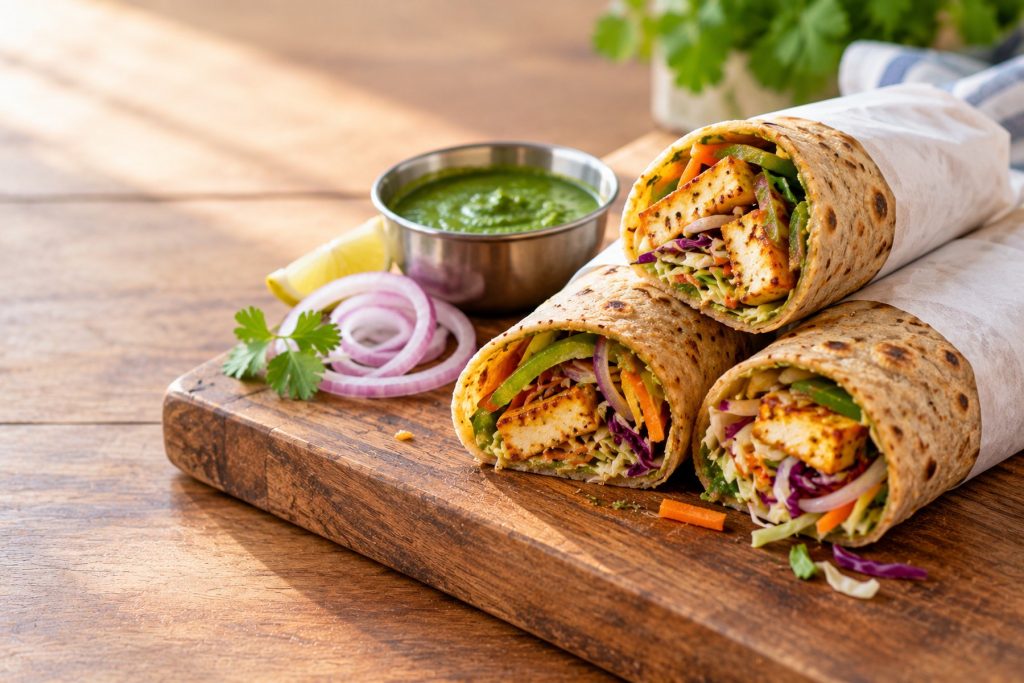
The kathi roll started life as Kolkata street food: a flaky, often fried paratha wrapped around skewered fillings. This home version keeps the flavour and the fun, but swaps the paratha for whole wheat chapatis (leftovers work perfectly) and fills them with a colourful mix of vegetables and spiced paneer. It takes about 25 minutes, packs well for lunch, and is the kind of meal both children and adults happily eat.

At a glance

  • Makes: 3 rolls (serves 3 as a light meal, or 2 with a side salad)
  • Time: about 10 minutes to prep and 15 minutes to cook
  • Why it works: whole wheat chapati and vegetables bring fibre; paneer and curd bring protein and calcium.
  • Use up leftovers safely: chapatis that were refrigerated within 2 hours and are a day or two old are ideal. Warm them on a tawa so they fold without cracking.
  • Keep the salt in check: the chutney and chaat masala are already salty, so taste before adding more.
  • Easy swaps: tofu for a dairy-free roll, egg for a classic Kolkata-style roll, or ragi or jowar rotis for a millet twist.

Vegetable and paneer kathi roll recipe

  • Makes: 3 rolls | Prep: 10 minutes | Cook: 15 minutes

    Ingredients

    For the filling

    • 150 g paneer, cut into thin strips or crumbled (about 1 cup)
    • 1 medium onion, thinly sliced (keep a quarter aside, raw, for topping)
    • 1 medium carrot, cut into thin strips
    • 1 medium capsicum, thinly sliced
    • 1 cup shredded cabbage
    • 1 medium tomato, deseeded and sliced
    • 2 tsp oil
    • 1 tsp ginger-garlic paste
    • ½ tsp turmeric (haldi)
    • ½–1 tsp red chilli powder, to taste
    • ½ tsp garam masala
    • 1 tsp roasted cumin (jeera) powder
    • Salt, to taste (go easy: see the tip below)
    • A squeeze of lemon

    For the spread and assembly

    • 3 whole wheat chapatis (leftover or fresh)
    • 3 tbsp mint-coriander chutney
    • 3 tbsp thick curd (hung curd works best)
    • ½ tsp chaat masala

    Method

    1. Make the spread. Mix the chutney and curd in a small bowl. Don’t add salt yet; the chutney usually has enough.
    2. Cook the vegetables. Heat the oil in a wide pan on medium heat. Sauté the ginger-garlic paste for 30 seconds, then add the onion and cook for 2–3 minutes until soft. Add the carrot, capsicum and cabbage and stir-fry for 3–4 minutes, so they soften but keep some crunch.
    3. Add the spices and paneer. Stir in the tomato, turmeric, chilli powder, garam masala and cumin powder. Cook for a minute, then add the paneer and toss gently for 2–3 minutes until heated through. Taste, add a little salt only if needed, and finish with a squeeze of lemon.
    4. Warm the chapatis. Heat each chapati on a hot tawa for 20–30 seconds on each side so it’s soft and pliable.
    5. Spread a third of the chutney-curd mix over each chapati. Spoon a third of the filling in a line slightly off-centre, top with a few raw onion slices and a pinch of chaat masala.
    6. Roll and serve. Fold in the bottom edge, then roll tightly. Wrap the lower half in butter paper or foil to hold it together. Serve warm, with extra chutney or a salad on the side.

What makes this a healthier kathi roll

Whole wheat instead of a fried paratha

Street-style kathi rolls are usually made with a layered paratha cooked in plenty of oil, often with maida. Using a whole wheat chapati keeps the fibre of the whole grain and cuts out most of the added fat, while still giving you a soft, foldable wrap.

A good dose of vegetables

Each roll carries roughly half a cup of cooked vegetables, plus raw onion. Carrots provide beta-carotene, which the body converts to vitamin A; capsicum, tomato and lemon add vitamin C; and cabbage and onion add fibre. Cooking the vegetables only until tender-crisp, and adding raw onion and lemon at the end, helps keep more of the vitamin C, which is sensitive to heat.

Protein from paneer and curd

Paneer is one of the most useful vegetarian protein sources in Indian kitchens, with about 18–20 g of protein per 100 g, based on Indian food composition data. The 150 g in this recipe gives each roll around 9 g of protein from paneer alone, with a little more from the curd and chapati. Protein and fibre together help make a meal more filling than a plain chapati or a vegetable wrap on its own.

Paneer is also a good source of calcium, but full-fat paneer is high in saturated fat, at around 13–15 g per 100 g. That’s no reason to avoid it, but it’s worth keeping the portion moderate and choosing low-fat paneer, made from toned milk, if you’re watching your cholesterol or weight.

Watch the salt

Indians eat on average about 11 g of salt a day, more than twice the WHO limit of 5 g. In this recipe, the chutney, chaat masala and any salt in the filling all add up, so we’ve kept added salt optional. Taste first and add a pinch only if it’s needed.

If you have diabetes

The chapati is the main source of carbohydrate here; the vegetables, paneer and curd around it slow things down and make it a more balanced meal than a roll made with maida or potato filling. One roll with a salad or a bowl of dal is a sensible portion for most people, but needs vary, so check with your doctor or dietitian how it fits your plan.

Swaps and variations

  • Dairy-free: use firm tofu instead of paneer, and a thick plant-based yoghurt or extra chutney instead of curd.
  • Egg kathi roll: cook a thin omelette on the tawa, lay the chapati on top for a few seconds so it sticks, then fill and roll. This is closer to the classic Kolkata egg roll.
  • More plant protein: add a handful of boiled chana, rajma or steamed moong sprouts to the filling. Pulses add both protein and fibre; read more in why pulses are good for you.
  • Millet twist: use ragi or jowar rotis. They’re more fragile, so warm them gently and roll loosely.
  • Extra greens: stir a handful of chopped spinach or methi into the filling at the end.
  • Lighter paneer: use low-fat paneer, or swap half the paneer for crumbled tofu.

Leftover chapatis and lunchboxes: keep it safe

  • Leftover chapatis: cool them and put them in the fridge within 2 hours of cooking, as food safety authorities advise for leftovers, and use them within a day or two, while they’re still soft and fresh. Warm them on a tawa before rolling.
  • For the lunchbox: let the filling cool, then pack it separately from the chapatis and spread, and roll at lunchtime to avoid a soggy wrap. Paneer and curd are perishable, so use an insulated box or an ice pack if the lunch will sit for more than a couple of hours, especially in warm weather. Our meal-prep guide has more ideas for packing healthy lunches.
  • Making ahead: the filling keeps in the fridge for a day. Reheat it until it’s steaming hot all the way through.

Who should take care

  • Milk allergy: paneer and curd are dairy, so use the tofu swap.
  • Young children: cut the roll into smaller pieces and go easy on the chilli.
  • High blood pressure or kidney disease: keep the salt, chaat masala and salty chutney to a minimum, and follow any diet advice from your doctor.
  • Gluten: whole wheat chapatis contain gluten. For coeliac disease, use rotis made from certified gluten-free millet flour.

The bottom line

A kathi roll doesn’t have to be a once-in-a-while street-food treat. Made with whole wheat chapatis, plenty of vegetables, a sensible amount of paneer and a light hand with the salt, it’s a balanced, filling meal that turns yesterday’s chapatis into today’s lunch.

Pro Tip: Use the GOQii App to log your meals and see whether you’re getting enough protein and vegetables across the day. Your GOQii Personalised Health Coach can help you adapt family favourites like this one to your goals, from weight management to blood sugar control.

Frequently asked questions

Is a paneer kathi roll healthy?

It can be. A version made with a whole wheat chapati, plenty of vegetables, a moderate amount of paneer and little added oil and salt is a balanced meal with fibre, protein and calcium. Street-style rolls made with fried, maida-based parathas and heavy sauces are much higher in fat and salt.

How much protein is in a paneer kathi roll?

Paneer has about 18–20 g of protein per 100 g. In this recipe, 150 g of paneer across three rolls gives each roll around 9 g of protein from paneer, plus a little more from the curd and chapati. Adding chana or sprouts to the filling increases it further.

Can I use leftover chapatis?

Yes, leftover chapatis work well. Refrigerate them within 2 hours of cooking, use them within a day or two, and warm them on a tawa before rolling so they’re soft and don’t crack.

Is a kathi roll good for weight loss?

A homemade roll like this one can fit into a weight-loss plan, as fibre and protein help make a meal filling. Keep to one or two rolls, choose low-fat paneer if you like, and go easy on the oil and creamy sauces.

Can people with diabetes eat a kathi roll?

Most people with diabetes can include a roll like this in a balanced meal plan. The chapati is the main carbohydrate, so keep to one roll with a salad or dal, and check with your doctor or dietitian how it fits your plan.

How do I keep a kathi roll from getting soggy in a lunchbox?

Deseed the tomato, let the filling cool completely, and pack the filling, spread and chapatis separately. Roll them just before eating. Use an insulated box or ice pack, as paneer and curd are perishable.

What can I use instead of paneer?

Firm tofu works well for a dairy-free roll. You can also use eggs, boiled chana or rajma, steamed sprouts, or a mix of paneer and tofu.

#BeTheForce

Disclaimer: The information provided in this blog is for general awareness and educational purposes only. It is not intended to replace professional medical advice, diagnosis, or treatment. Always consult a qualified healthcare provider for personalised medical guidance or concerns related to your health.

October 23, 2026 By GOQii Leave a Comment

The Science of Power Naps: How Long is Too Long?

It’s 3 pm, lunch is settling, and your eyelids feel heavy. A short nap can be one of the simplest ways to get through that slump. But anyone who has “just closed their eyes for a bit” and woken up an hour later, foggy and grumpy, knows that naps can backfire.


The difference comes down mostly to length and timing. Here’s what the research says about how long to nap, when to do it, and when frequent long naps may be a sign of something worth checking.

At a glance

  • Aim for 10–20 minutes. Short naps boost alertness with little grogginess afterwards. In one lab study, a 10-minute nap gave the quickest benefit.
  • Nap in the early afternoon. Napping after about 3 pm can make it harder to sleep at night.
  • Longer isn’t better. Naps of 30 minutes or more are more likely to leave you groggy (“sleep inertia”) for a while after waking.
  • Regular naps over an hour are linked with health risks. Large reviews link them with higher rates of heart disease, metabolic problems and early death, although they don’t prove that the naps are the cause.
  • Naps don’t replace night-time sleep. If you need a nap every day, look at your night-time sleep first.
  • Feeling very sleepy despite a full night’s sleep? Speak to a doctor. It can be a sign of a sleep disorder such as sleep apnoea.

What happens in your brain when you nap

Why you feel sleepy in the afternoon

That early-afternoon slump isn’t only about a heavy lunch. Your body clock has a natural dip in alertness around 1–3 pm, and it’s stronger if you slept badly the night before. A very large lunch may add to the drowsiness, and many people find a lighter, balanced lunch keeps them more alert.

Sleep happens in stages

When you fall asleep, your brain moves through different stages of sleep:

  • Light sleep (N1 and N2): the first few minutes are very light sleep, followed by stage 2, which typically lasts 10–25 minutes. Waking from these stages is fairly easy.
  • Deep sleep (N3): this follows, and it’s much harder to wake from.
  • REM sleep: the dreaming stage, which usually comes later.

A full cycle through these stages takes about 90 minutes on average.

Why length matters: sleep inertia

Wake up during deep sleep and you’re likely to feel groggy, slow and disoriented for a while. This is called sleep inertia. According to the Mayo Clinic, it usually wears off within about 35 minutes, but that’s long enough to spoil the point of a nap if you have a meeting or need to drive.

That’s the whole logic of the power nap: sleep long enough to get the benefit of light sleep, but wake up before you sink into deep sleep.

How long should a power nap be?

One of the best-known studies on nap length comes from Flinders University in Australia. Researchers restricted 24 healthy young adults to about five hours’ sleep, then compared afternoon naps of 5, 10, 20 and 30 minutes. As one summary of the study reports:

  • 5 minutes gave few benefits compared with no nap.
  • 10 minutes gave immediate improvements in alertness and performance, with some benefits lasting up to about 155 minutes.
  • 20 minutes also helped, but the improvements only showed up about 35 minutes after waking.
  • 30 minutes caused a period of grogginess and poorer performance straight after waking, before the benefits kicked in.

The researchers concluded that the 10-minute nap was the most effective of the lengths they tested. Most health organisations suggest a similar window: the Mayo Clinic describes 20–30 minutes as ideal, noting that longer naps are more likely to leave you groggy.

Nap lengths compared

Nap length What to expect Best for
10–20 minutes Mostly light sleep; quick boost in alertness with little or no grogginess A workday slump, before driving (after pulling over safely), studying
30–60 minutes More likely to reach deep sleep; often groggy for a while after waking Rarely ideal; leave time to wake up properly before anything demanding
About 90 minutes Roughly one full sleep cycle, so you may wake from lighter sleep; more likely to affect night-time sleep Occasionally, when you’re seriously short of sleep, such as before a night shift
Regularly over 60 minutes Linked in studies with higher health risks (see below) Worth discussing with a doctor if it’s a daily need

These are general guides. Some people wake refreshed after 30 minutes; others feel foggy after 15. Notice what works for you, and keep it short if you’re unsure.

The benefits of a short nap

A well-timed short nap won’t make up for weeks of poor sleep, but it can help in the moment. According to the Mayo Clinic, naps can:

  • reduce tiredness and improve alertness
  • lift your mood and help you relax
  • support performance, including reaction time and memory

What the research shows

  • Alertness on the job: in a well-known NASA study in the 1990s, long-haul pilots who were allowed a planned nap in the cockpit while colleagues flew showed up to 54% better alertness and up to 34% better job performance than pilots who didn’t nap. The pilots had a 40-minute rest opportunity, and the naps behind these results lasted about 26 minutes. These are best-case figures from a specific setting, but they show why some workplaces build in planned rest.
  • Sleepy driving: in a driving-simulator study at Loughborough University in the UK, sleepy drivers who had caffeine followed by a 15-minute nap had far fewer sleep-related incidents than with caffeine alone, even when they didn’t fully fall asleep. If you feel drowsy while driving, the safest choice is always to stop somewhere safe and rest.
  • Brain health: a 2023 UK Biobank study from University College London found that people genetically more likely to nap habitually had slightly larger total brain volume. The effect was modest and needs confirming, and the study didn’t look at nap length, so it isn’t a reason to start napping if you don’t need to.

What about a “coffee nap”?

Caffeine takes a little while to kick in, so some people drink a cup of coffee or tea and then nap for 15–20 minutes, aiming to wake just as it starts working. The driving study above suggests the combination can work well for sleepy people. If you try it, keep it to the early afternoon so the caffeine doesn’t disturb your night-time sleep, and skip it if caffeine makes you jittery or you’ve been advised to limit it.

How long is too long? When naps may be a warning sign

Short naps appear harmless for most people. Long, regular naps are a different story.

  • A 2020 analysis presented at the European Society of Cardiology Congress pooled more than 20 studies with over 313,000 people. Naps longer than 60 minutes were linked with a 30% higher risk of death from any cause and a 34% higher risk of cardiovascular disease compared with not napping. Naps under an hour weren’t linked with heart disease.
  • An earlier analysis of 21 studies and over 307,000 people from Asia and the West found a J-shaped link between nap length and metabolic syndrome: no increased risk below about 40 minutes, but rising risk with longer naps.

These studies show associations, not cause and effect. Long daytime naps may simply be a marker of something else going on, such as poor night-time sleep, an undiagnosed sleep disorder, depression or another health condition. That’s exactly why they’re worth paying attention to.

Naps and night-time sleep

Short naps rarely affect night-time sleep. But long or late naps can make it harder to fall asleep at night, especially if you already have insomnia. The NHS advises people with insomnia to avoid napping during the day. If you struggle to sleep at night, try cutting out daytime naps for a couple of weeks and see whether your night-time sleep improves.

When to see a doctor

Speak to your doctor if:

  • you need to nap more than usual, or feel sleepy during the day even after a full night’s sleep
  • you snore loudly, or someone has noticed your breathing stop and start or you gasp or choke during sleep. These are signs of sleep apnoea, which also causes daytime tiredness, poor concentration and morning headaches
  • you fall asleep at unexpected times, such as during conversations or at the wheel
  • daytime sleepiness started after beginning a new medicine

Untreated sleep apnoea and excessive sleepiness increase the risk of accidents, including on the road, so it’s worth getting checked rather than relying on naps to cope.

How to take a better power nap

  1. Time it right. Aim for early afternoon, roughly between 1 pm and 3 pm, when your natural dip in alertness happens. The Mayo Clinic notes that napping after 3 pm can get in the way of night-time sleep.
  2. Set an alarm. Most people take a few minutes to drop off, so set an alarm for about 20 minutes to get 10–20 minutes of actual sleep.
  3. Make it easy to switch off. A quiet, dark, comfortably cool spot helps. At work, an eye mask, earplugs or noise-cancelling headphones can turn a reclined chair into a nap spot.
  4. Don’t worry if you don’t fall asleep. Simply lying still with your eyes closed for 10–15 minutes can still feel restful.
  5. Wake up properly before anything demanding. Give yourself a few minutes to get moving: stand up, splash water on your face, step into daylight or take a short walk. Avoid driving or any task needing quick reactions until you feel fully alert.
  6. Watch the caffeine clock. If you have tea or coffee with your nap, keep it to the early afternoon. The NHS advises avoiding tea and coffee for at least six hours before bed.
  7. Mind your lunch. A balanced, not-too-heavy lunch can make the afternoon slump easier to manage. Our meal-prep guide has lunch ideas that keep you going through the afternoon.

If you work shifts

Shift work disrupts your body clock, and planned naps can help. A nap before a night shift, or a short nap during a break if your workplace allows it, can improve alertness. If you’re very sleepy after a night shift, consider a short nap or other transport before driving home.

If you don’t nap at all

That’s fine. Napping isn’t essential if you sleep well at night and feel alert during the day, and the studies above give no reason for non-nappers to start. Some people simply can’t sleep during the day, and that’s normal too.

The bottom line

For most people, the best power nap is short and early: 10–20 minutes, sometime between lunch and 3 pm. That’s enough to sharpen your focus and lift your mood without leaving you groggy or stealing your night-time sleep. Long naps are a different matter. If you regularly need an hour or more in the day, treat it as a signal to look at your night-time sleep, and to talk to a doctor if the tiredness doesn’t add up.

Pro Tip: Use the GOQii App to track your sleep and see how naps, caffeine and bedtimes affect your nights. Your GOQii Personalised Health Coach can help you build a sleep routine that keeps you alert through the day, with or without a nap.

Frequently asked questions

How long should a power nap be?

For most adults, 10–20 minutes of sleep is ideal. In one study, a 10-minute nap gave immediate improvements in alertness that lasted up to about two and a half hours. Longer naps are more likely to leave you feeling groggy.

Is a 1-hour nap too long?

Occasionally, it’s fine if you’re very short of sleep, but expect to feel groggy for a while afterwards. Regular naps of an hour or more have been linked in studies with higher risks of heart disease and metabolic problems, so if you need long naps often, check your night-time sleep and speak to a doctor.

What is the best time to take a nap?

Early afternoon, roughly between 1 pm and 3 pm, when alertness naturally dips. Napping after 3 pm can make it harder to fall asleep at night.

Why do I feel worse after a nap?

You probably woke from deep sleep, which causes “sleep inertia”: grogginess that usually passes within about 35 minutes. Keeping naps under 20 minutes helps you wake from lighter sleep.

Do naps make up for lost sleep at night?

Only partly. A short nap can improve alertness for a few hours, but it doesn’t replace a full night’s sleep. Most adults need 7 or more hours of sleep a night.

Does a coffee nap work?

It can. In a driving-simulator study, sleepy drivers who had caffeine followed by a 15-minute nap had far fewer sleep-related incidents than with caffeine alone. Keep it to the early afternoon so the caffeine doesn’t affect your night-time sleep.

Is it bad to need a nap every day?

Not necessarily. Many people enjoy a short daily nap. But if you feel very sleepy every day despite sleeping 7–9 hours, snore loudly or fall asleep at unexpected times, speak to a doctor, as this can be a sign of a sleep disorder such as sleep apnoea.

#BeTheForce

Disclaimer: The information provided in this blog is for general awareness and educational purposes only. It is not intended to replace professional medical advice, diagnosis, or treatment. Always consult a qualified healthcare provider for personalised medical guidance or concerns related to your health.

  • « Previous Page
  • 1
  • 2
  • 3
  • 4
  • …
  • 6
  • Next Page »

Search

Recent Posts

  • The Early Signs & Symptoms of Diabetes
  • How to Improve Sleep Quality Naturally: 12 Science-Backed Tips for Better Sleep
  • Post-Diwali Reset: Getting Back on Track Without Crash Diets
  • Diwali Safety: First Aid for Burns and Firecracker Injuries, and Protecting Your Lungs from Smoke
  • Cancer Screening: Which Tests You Need and When

Stay Updated

Archives

  • November 2026 (11)
  • October 2026 (23)
  • September 2026 (5)
  • August 2026 (8)
  • July 2026 (24)
  • June 2026 (22)
  • May 2026 (20)
  • April 2026 (24)
  • March 2026 (18)
  • February 2026 (14)
  • January 2026 (14)
  • December 2025 (19)
  • November 2025 (14)
  • October 2025 (17)
  • September 2025 (6)
  • August 2025 (5)
  • July 2025 (9)
  • June 2025 (18)
  • May 2025 (16)
  • April 2025 (22)
  • March 2025 (25)
  • February 2025 (21)
  • January 2025 (25)
  • December 2024 (21)
  • November 2024 (21)
  • October 2024 (15)
  • September 2024 (22)
  • August 2024 (27)
  • July 2024 (14)
  • June 2024 (23)
  • May 2024 (26)
  • April 2024 (27)
  • March 2024 (27)
  • February 2024 (23)
  • January 2024 (21)
  • December 2023 (14)
  • November 2023 (10)
  • October 2023 (18)
  • September 2023 (20)
  • August 2023 (16)
  • July 2023 (16)
  • June 2023 (21)
  • May 2023 (20)
  • April 2023 (19)
  • March 2023 (23)
  • February 2023 (19)
  • January 2023 (15)
  • December 2022 (11)
  • November 2022 (15)
  • October 2022 (15)
  • September 2022 (12)
  • August 2022 (9)
  • July 2022 (17)
  • June 2022 (11)
  • May 2022 (10)
  • April 2022 (6)
  • March 2022 (6)
  • February 2022 (13)
  • January 2022 (11)
  • December 2021 (7)
  • November 2021 (3)
  • October 2021 (6)
  • September 2021 (3)
  • August 2021 (8)
  • July 2021 (7)
  • June 2021 (15)
  • May 2021 (16)
  • April 2021 (10)
  • March 2021 (7)
  • February 2021 (4)
  • January 2021 (4)
  • December 2020 (3)
  • November 2020 (4)
  • October 2020 (10)
  • September 2020 (3)
  • August 2020 (3)
  • July 2020 (2)
  • June 2020 (4)
  • May 2020 (10)
  • April 2020 (12)
  • March 2020 (10)
  • February 2020 (4)
  • January 2020 (4)
  • December 2019 (3)
  • November 2019 (7)
  • October 2019 (5)
  • September 2019 (4)
  • August 2019 (9)
  • July 2019 (9)
  • June 2019 (11)
  • May 2019 (4)
  • April 2019 (8)
  • March 2019 (8)
  • February 2019 (9)
  • January 2019 (8)
  • December 2018 (9)
  • November 2018 (3)
  • October 2018 (3)
  • September 2018 (5)
  • August 2018 (10)
  • July 2018 (6)
  • June 2018 (13)
  • May 2018 (8)
  • April 2018 (17)
  • March 2018 (9)
  • February 2018 (8)
  • January 2018 (15)
  • December 2017 (12)
  • November 2017 (19)
  • October 2017 (13)
  • September 2017 (15)
  • August 2017 (4)
  • July 2017 (8)
  • June 2017 (7)
  • May 2017 (6)
  • April 2017 (8)
  • March 2017 (6)
  • February 2017 (7)
  • January 2017 (9)
  • December 2016 (10)
  • November 2016 (7)
  • October 2016 (7)
  • September 2016 (7)
  • August 2016 (11)
  • July 2016 (9)
  • June 2016 (9)
  • May 2016 (12)
  • April 2016 (17)
  • March 2016 (17)
  • February 2016 (8)
  • January 2016 (6)
  • December 2015 (2)
  • November 2015 (9)
  • October 2015 (7)
  • September 2015 (9)
  • August 2015 (11)
  • July 2015 (9)
  • June 2015 (11)
  • May 2015 (9)
  • April 2015 (13)
  • March 2015 (8)
  • February 2015 (5)
  • January 2015 (12)
  • December 2014 (14)
  • November 2014 (11)
  • October 2014 (6)
  • September 2014 (13)
  • August 2014 (12)
  • July 2014 (6)
  • June 2014 (2)
  • May 2014 (7)
  • April 2014 (4)

From Burnout to Balance: How Dr. Ranjit Reclaimed His Health

Dr Ranjit Bhatt has spent years tending to others. A practising doctor in Odisha, his days were packed with patients, surgeries, and emergencies. From the outside, it looked like a life lived in service. But on the inside, something wasn’t right. “I had no … [Read More...]

From Shimla’s Slopes to Chandigarh’s Sidewalks: Surinder Kaur Bhalla’s Journey from Chaos to Control

Some journeys start with a plan. Others begin with a stumble literally. Surinder Bhalla, a government professional, born and raised in the scenic hill town of Shimla, had always lived a life of movement. “In Shimla, you walked everywhere,” she reflects. “Walking was never an exercise. It was just life.” But after shifting to Chandigarh, […]

“I’ve Challenged Myself to Live 100 Years” – The Story of Chandubhai Savani’s Second Chance at Life

At 67, most people start slowing down. Not Chandubhai Savani. A resident of Surat, Chandubhai, thought life was on track. “My life was going well till I had my bypass surgery,” he says. That surgery, back in 2021, was a wake-up call.  Medication was routine, but exercise wasn’t. His diet? What he calls ‘normal.’ “I […]

Ananda Mukherjee Health Story

From Terminal Illness To Complete Wellness! Ananda Mukherjee Health Story

As we observe World Cancer Day under the powerful theme ‘United by Unique’ (2025-2027)**, we are reminded that every individual’s journey with cancer is distinct, yet united by shared resilience, hope, and the collective fight against this disease. This theme places people at the centre of care and their stories at the heart of the […]

  • HOME
  • HEALTHY LIVING
  • FITNESS
  • HEALTHY RECIPES
  • USER STORIES
  • KARMA
  • BUY GOQii

Copyright ©2016 GOQii

