GOQii

Blog

  • HOME
  • HEALTHY LIVING
  • FITNESS
  • HEALTHY RECIPES
  • USER STORIES
  • KARMA
  • BUY GOQii

Archives for October 2026

October 12, 2026 By GOQii Leave a Comment

Understanding the Silent Killer: Hypertension Explained

Hypertension, or high blood pressure, rarely announces itself, which is why about 600 million adults worldwide have it without knowing. This guide explains what the numbers mean, what pushes them up, and what reliably brings them down.

Hypertension at a glance

  • What it is: blood pressure that stays at 140/90 mmHg or higher on repeated readings, by the WHO definition.
  • Why it is silent: most people have no symptoms, and about 44% of adults with hypertension do not know they have it.
  • How common it is: an estimated 1.4 billion adults worldwide and 315 million in India.
  • How to find out: measure it. From age 30, check at least once a year.
  • What helps: less salt, a DASH-style diet, regular activity, a healthy weight, limited alcohol, no tobacco, and medicine when a doctor prescribes it.

What is hypertension?

Hypertension is the medical term for blood pressure that stays too high over time. WHO defines it as 140/90 mmHg or higher on two different days. Blood pressure is the force of blood pushing against your artery walls as the heart pumps.

Every reading has two numbers, measured in millimetres of mercury (mmHg):

  • Systolic (the top number): the pressure when your heart beats.
  • Diastolic (the bottom number): the pressure when your heart rests between beats.

Blood pressure rises and falls through the day with exercise, stress, caffeine and even conversation. One high reading is not a diagnosis. Hypertension means the pressure stays raised across repeated measurements.

What do your blood pressure numbers mean?

Below 120/80 mmHg is normal everywhere, and 140/90 mmHg or above, confirmed on separate days, is hypertension everywhere. The range in between is where guidelines differ.

Reading (mmHg) WHO, and most practice in India AHA/ACC guideline (United States, 2025)
Below 120 and below 80 Normal Normal
120–129 and below 80 Below the diagnostic threshold Elevated
130–139 or 80–89 Below the diagnostic threshold Stage 1 hypertension
140 or higher, or 90 or higher Hypertension Stage 2 hypertension

Sources: WHO hypertension fact sheet, 2025 AHA/ACC guideline announcement.

If you sit between 120/80 and 139/89, a range often called prehypertension, you are not ill, but you are not in the clear either. This is the range where changes to food, movement, sleep and weight do the most good.

Your doctor will read the number alongside your age, family history, and conditions such as diabetes or kidney disease. The same reading can call for different action in different people.

Why is hypertension called the silent killer?

Hypertension is called the silent killer because it usually causes no symptoms while it gradually damages the heart, brain and kidneys. Most people with high blood pressure feel completely well. The World Health Organization estimates that 1.4 billion adults aged 30–79 had hypertension in 2024. About 600 million of them, or 44%, did not know it, and only around 23% had it under control.

India reflects the same pattern. The ICMR-INDIAB study estimated that 315 million Indians, or 35.5% of adults, had hypertension in 2021. In India’s National NCD Monitoring Survey, fewer than three in ten adults with hypertension knew they had it, and about one in eight had it under control.

There is progress. In nine districts covered by the India Hypertension Control Initiative, 58.5% of people with hypertension were aware of it in 2023–24 and 21.2% had it controlled.

Headaches, nosebleeds, dizziness or “feeling tense” are not reliable signs. Those symptoms usually appear only when pressure is very high, and many people never have them at all. The only way to know your blood pressure is to measure it.

That is less worrying than it sounds. A condition you can detect with a two-minute check, and manage with well-understood tools, is one you can stay ahead of.

What causes high blood pressure?

For most adults there is no single cause. Blood pressure creeps up over years through a mix of genes, age and daily habits. Doctors call this primary hypertension.

Some risks you cannot change: getting older, a family history of hypertension, and co-existing conditions such as diabetes or kidney disease.

Others you can influence:

  • Too much salt. WHO advises less than 5 g of salt a day, just under a teaspoon. Estimates of average Indian intake range from about 8 g to 11 g.
  • Too few vegetables and fruits, and too much saturated and trans fat.
  • Excess weight, particularly around the waist.
  • Too little movement and long hours of sitting.
  • Alcohol and tobacco.
  • Air pollution, which WHO names as the most significant environmental risk.
  • Long-term stress and poor sleep.

Much of the salt in Indian diets is hidden. ICMR’s National Institute of Epidemiology points to pickles, papad, namkeen, bread, biscuits, instant noodles and other packaged foods as common sources.

In a smaller group, high blood pressure has a specific cause. Kidney disease, thyroid or adrenal conditions, obstructive sleep apnoea, and medicines such as some painkillers, steroids and decongestants can all raise it. This is worth asking about if your readings are high at a young age or hard to control.

What does untreated high blood pressure do to the body?

Years of raised pressure stiffen and narrow the arteries and make the heart work harder. The damage builds slowly and affects several organs:

  • Heart: angina, heart attack, heart failure and irregular heart rhythm.
  • Brain: The 2025 AHA/ACC guideline also links high blood pressure to memory problems, cognitive decline and dementia.
  • Kidneys: gradual damage that can progress to kidney failure.
  • Eyes: damage to the small blood vessels of the retina.

The relationship runs both ways. Bringing blood pressure down lowers the risk of heart attack, stroke and kidney damage, which is why early detection matters.

How is hypertension diagnosed?

Diagnosis rests on repeated readings, never on one. WHO defines hypertension as 140/90 mmHg or higher on two different days.

Many doctors also ask for home readings. Some people run higher in a clinic than at home, known as the white-coat effect, and others show the reverse. The 2025 AHA/ACC guideline recommends home monitoring to help confirm a diagnosis and to track treatment.

Who should get checked, and how often?

India’s national NCD programme screens adults aged 30 and above for hypertension, and an annual check from that age is a sensible minimum. Start earlier and check more often if you have a family history, diabetes, kidney disease or excess weight, or if you had high blood pressure during a pregnancy.

How to measure blood pressure at home

These steps follow the American Heart Association’s home-monitoring guidance:

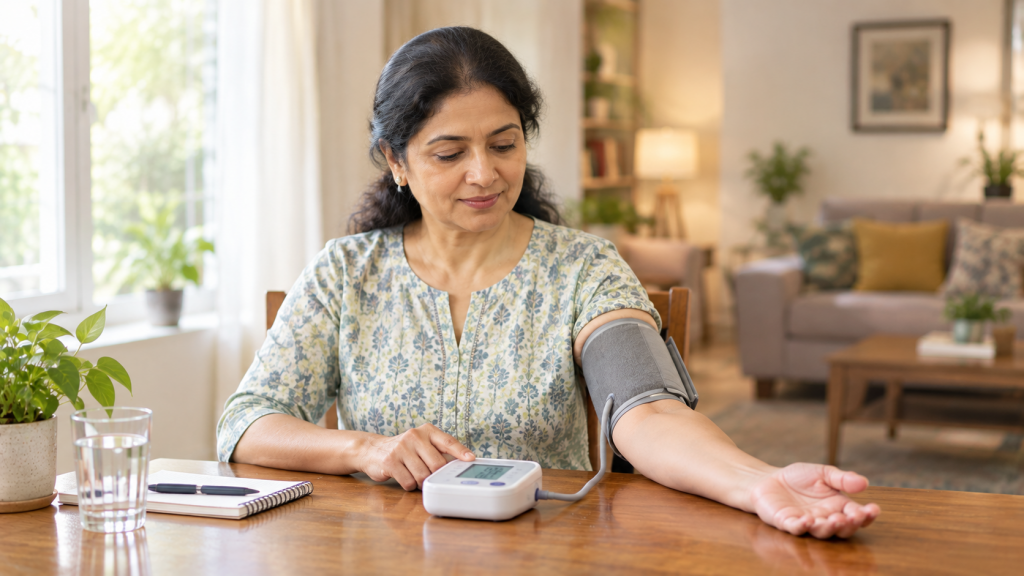
  1. Use an automatic, validated monitor with an upper-arm cuff in the right size for your arm.
  2. Avoid caffeine, smoking and exercise for 30 minutes beforehand, and empty your bladder.
  3. Sit quietly for at least five minutes. Do not talk or use your phone.
  4. Rest your bare arm on a flat surface so the cuff sits at heart level.
  5. Take two readings, one minute apart, at the same time each day.
  6. Write down every reading, or use your monitor’s memory, and take the record to your doctor.

The AHA does not recommend wrist or finger monitors because their readings are less reliable. Wearables can be useful for noticing trends, but decisions about diagnosis or treatment should rest on a validated upper-arm cuff.

How can you lower blood pressure?

You can lower blood pressure by cutting salt, eating a DASH-style diet, moving more, losing excess weight, limiting alcohol and tobacco, and looking after sleep and stress. These changes are the first line of care at every stage, with or without medication. Six habits appear consistently in WHO and AHA/ACC guidance, and GOQii Healthy Reads covers several in more depth in its guide to natural ways to lower your blood pressure.

  1. Cut salt, especially the hidden kind. Aim for less than 5 g a day. Taste before you add salt, go easy on pickles, papad, chutneys and namkeen, and check packaged foods for sodium. As a guide, 1 g of salt contains 400 mg of sodium.

Potassium-enriched, low-sodium salt can help. ICMR-NIE cites an average drop of 7/4 mmHg from switching. It is not suitable for people with kidney disease or on certain medicines, so ask your doctor first.

  1. Eat in a DASH-style pattern. DASH stands for Dietary Approaches to Stop Hypertension. It favours vegetables, fruits, whole grains, pulses, nuts, seeds and low-fat dairy. An Indian plate adapts easily: dal, sabzi, curd, whole-grain roti or millets, fruit, and a handful of unsalted nuts.
  2. Move most days. WHO recommends at least 150 minutes of moderate activity a week, or 75 minutes of vigorous activity, plus strength work on two or more days. Brisk walking counts.
  3. Lose a little weight if you carry extra. The AHA/ACC guideline suggests a goal of at least 5% of body weight for adults with overweight or obesity. Read more on how excess weight raises blood pressure.
  4. Limit alcohol and stop tobacco. The AHA/ACC guideline says no alcohol is ideal. For those who drink, it advises no more than one drink a day for women and two for men.
  5. Protect sleep and manage stress. Keep regular sleep hours. If you snore loudly and wake unrefreshed, ask your doctor about sleep apnoea. Yoga, breathing exercises and meditation are among the stress-reduction techniques the guideline names.

None of these is a cure, and results vary from person to person. Their effects add up, and they continue to help if you also need medicine. For a starting point, see these lifestyle changes to manage hypertension.

When is medication needed?

Medicine is needed when lifestyle changes alone do not bring blood pressure down to your target, or when your readings are high enough that your doctor advises starting straight away. Needing tablets is not a failure of willpower. WHO notes that many people who improve their habits will still need medicine to reach a safe level.

Doctors decide based on your readings and your overall risk. WHO’s general goal is below 140/90 mmHg. It is below 130/80 mmHg for people with heart disease, a previous stroke, diabetes, chronic kidney disease or high cardiovascular risk.

The main medicine groups are ACE inhibitors, angiotensin receptor blockers (ARBs), calcium channel blockers and diuretics. Many people need more than one.

Three habits matter once you start:

  • Take medicine as prescribed, including on days you feel fine.
  • Do not stop or change the dose because your readings look good. They look good because the medicine is working.
  • Tell your doctor about side effects. There are usually alternatives.

When should you seek urgent help?

A reading above 180/120 mmHg with symptoms is a medical emergency. Go to the nearest emergency department if a reading that high comes with any of these:

  • Chest pain or shortness of breath
  • Severe headache or confusion
  • Sudden change in vision
  • Numbness, weakness or difficulty speaking

If the reading is that high and you feel well, the AHA advises waiting at least a minute and measuring again. If it is still very high, contact your doctor straight away.

During pregnancy and in the weeks after birth, report any high reading promptly. GOQii’s guide to high blood pressure in pregnancy explains the warning signs.

Frequently asked questions

What is a normal blood pressure reading?

A normal adult reading is below 120/80 mmHg. Readings of 140/90 mmHg or higher on two different days meet the WHO definition of hypertension.

Can hypertension be cured?

Usually it is managed, not cured. Some people lower their readings enough through lifestyle change to reduce or stop medicine, but only under a doctor’s supervision. When another condition is the cause, treating that condition can sometimes bring blood pressure back to normal.

Does high blood pressure cause headaches?

Usually not. Most people with hypertension feel nothing at all. Headaches tend to appear only when pressure is very high, so the absence of a headache tells you nothing about your blood pressure.

Can young adults get high blood pressure?

Yes. A nationally representative survey of Indians aged 15 to 49 found that 18.1% had hypertension. Fewer than half of them knew it.

Is 130/80 mmHg high?

It depends on the guideline. The United States classifies it as stage 1 hypertension, while WHO sets the threshold at 140/90 mmHg. Either way, it is a reason to recheck, review your habits and speak to your doctor.

Are home blood pressure monitors accurate?

A validated upper-arm monitor, used correctly, gives readings your doctor can rely on. Take it to an appointment once a year so it can be checked against clinic equipment.

The bottom line

Hypertension is common, quiet and manageable. Know your numbers, recheck them at least once a year, and treat small changes to salt, movement, sleep and weight as worth making.

If your readings are raised, a doctor can help you decide what comes next. The earlier that conversation happens, the more options you have.

Pro Tip: Blood pressure responds to small habits repeated every day, not to one big change. Keep a log of your readings and daily habits in the GOQii App, so you and your doctor can see how they move over time. A GOQii Personalised Health Coach can help you build the food, movement and sleep habits in this guide and keep them going, alongside the treatment your doctor recommends.

#BeTheForce

Disclaimer: This article is for general awareness and education only. It does not replace professional medical advice, diagnosis or treatment. Do not start, stop or change any medicine without consulting your doctor.

October 10, 2026 By GOQii Leave a Comment

World Mental Health Day: Simple Daily Habits to Protect Your Peace of Mind

The Big Question

We track our daily steps, monitor our protein intake, and hit the gym to build our physical strength. But how often do we purposefully check in on our minds?

In today’s hyper-connected, fast-paced world, chronic stress, anxiety, and burnout are often accepted as simply “part of the job.” But it shouldn’t be that way. Every year on October 10, World Mental Health Day serves as a global reminder that mental health is a universal human right. It is not a luxury; it is the very foundation of your overall well-being.

Yet, when life gets busy, our mental health is usually the first thing we neglect. So, how do we break the cycle and start giving our minds the care they deserve?

Quick Answer: How can you protect your mental health daily?

Protecting your mental health requires intentional daily habits. You can build mental resilience by setting strict boundaries with your digital devices, prioritizing 7-8 hours of quality sleep, using physical movement to boost endorphins, and most importantly, breaking the stigma by talking openly about your feelings and seeking professional help when overwhelmed.

The Undeniable Mind-Body Connection

You cannot have true physical health without mental health. The two are deeply intertwined.

When you are chronically stressed or anxious, your body remains in a constant state of “fight or flight.” This triggers a steady release of cortisol (the stress hormone), which over time can lead to high blood pressure, weakened immunity, digestive issues, and severe sleep disruption. Conversely, poor physical health or chronic pain can heavily impact your mood and lead to depression.

Treating them as two separate systems is a mistake. Caring for your mind is caring for your body.

4 Ways to Prioritize Your Mental Health Every Day

  1. Set Firm Digital Boundaries

We consume more information in a single day than our ancestors did in a lifetime. Constant notifications, news cycles, and the comparison trap of social media drain our mental energy.

  • The Fix: Implement a “digital sunset.” Turn off work emails and social media at least one hour before bed to let your brain decompress.
  1. Use Movement as Medicine

Exercise is not just about weight loss or muscle building; it is one of the most effective, natural mood boosters available.

  • The Fix: Physical activity releases endorphins and serotonin (the “feel-good” chemicals). You don’t need intense gym sessions—a 20-minute brisk walk in nature, a light yoga flow, or even dancing in your living room can significantly reduce anxiety.
  1. Protect Your Sleep at All Costs

Sleep is the time when your brain clears out toxins and processes the emotions of the day. Sleep deprivation drastically amplifies anxiety and reduces your ability to handle stress.

  • The Fix: Aim for 7 to 8 hours of uninterrupted sleep. Create a calming bedtime routine, keep your bedroom cool and dark, and avoid caffeine in the late afternoon.
  1. Break the Stigma and Speak Up

The heaviest burden is the one you carry alone. For decades, mental health struggles were stigmatized, forcing people to suffer in silence.

  • The Fix: Normalize talking about how you feel. Whether it is opening up to a trusted friend, a family member, or seeking the guidance of a professional therapist, verbalizing your struggles is the first step toward healing.

Start Small

Improving your mental health doesn’t mean you need to meditate for two hours a day or achieve total enlightenment. It starts with small, compassionate choices. Take a deep breath before answering an email. Say “no” to a commitment you don’t have the energy for. Forgive yourself for having an unproductive day.

Pro Tip: Managing stress and building healthy routines can feel overwhelming to do alone. Use the GOQii App to track your sleep patterns and physical activity, and subscribe to GOQii’s Personalised Health Coaching! A GOQii Coach can help you build practical, customized stress-management routines, while GOQii Play offers excellent guided meditation and yoga sessions to help you unwind.

Frequently Asked Questions (FAQs)

  1. When is World Mental Health Day?

World Mental Health Day is observed annually on October 10. It is a day dedicated to raising global awareness of mental health issues and mobilizing efforts in support of mental well-being.

  1. Why is mental health just as important as physical health?

Mental health affects how we think, feel, and act. It determines how we handle stress, relate to others, and make choices. Poor mental health can directly cause physical ailments like heart disease, chronic fatigue, and weakened immunity.

  1. What are the common signs of burnout?

Burnout often presents as chronic exhaustion, feelings of cynicism or detachment from your work or personal life, irritability, lack of motivation, and frequent unexplained headaches or stomach issues.

  1. How does physical activity improve mental health?

Exercise stimulates the release of endorphins (natural painkillers and mood elevators) and helps regulate your nervous system. It also reduces levels of the body’s stress hormones, such as adrenaline and cortisol.

  1. How can I help a friend who is struggling with their mental health?

The best thing you can do is listen without judgment. Don’t immediately try to “fix” their problems. Validate their feelings, check in on them regularly, and gently encourage them to seek professional help if they are struggling to cope.

#BeTheForce

Disclaimer: This article is intended for educational and informational purposes only and should not replace professional medical or psychological advice. If you or someone you know is experiencing severe distress, depression, or a mental health crisis, please reach out to a qualified mental health professional or a local helpline immediately.

October 9, 2026 By GOQii Leave a Comment

World Egg Day 2026: The Protein That Powers and Protects

World Egg Day 2026 marks 30 years of celebrating one of the world’s most versatile foods. Discover why eggs are a source of high-quality protein and important nutrients, and how they can fit into a balanced diet.
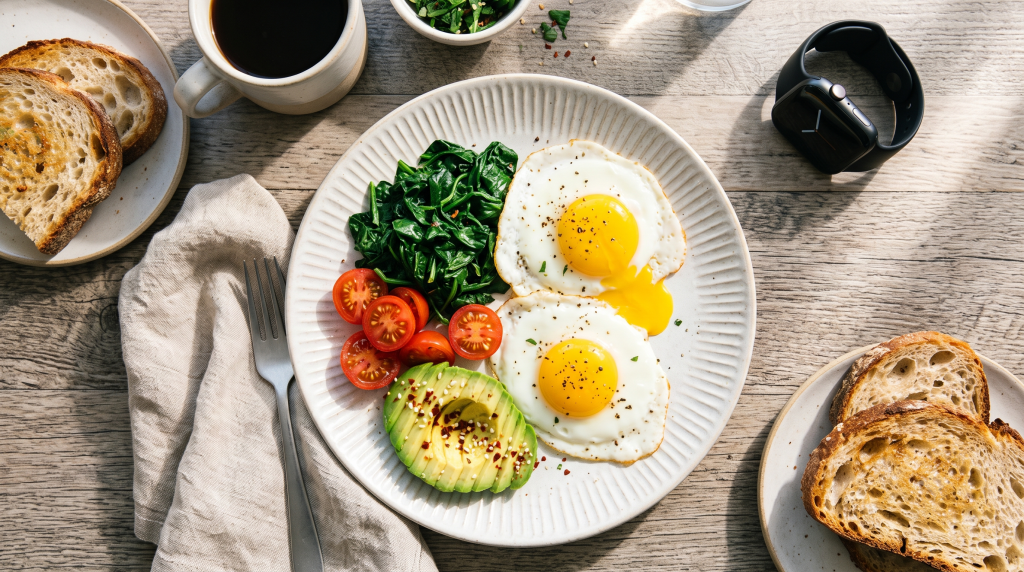
Every year, the second Friday of October celebrates the humble egg and its role in diets around the world. World Egg Day 2026 falls on Friday, October 9, and marks the 30th anniversary of the celebration, which began in Vienna in 1996.

This year’s official theme is “Protein that Powers and Protects”, highlighting the high-quality protein found in eggs alongside their contribution of nutrients such as Choline, Vitamin D, Vitamin B12 and Selenium.

Eggs are affordable, versatile and easy to prepare. But beyond being a familiar breakfast staple, they can make a useful contribution to a balanced eating pattern.

So, what makes the humble egg nutritionally valuable?

What Makes Eggs a Nutrient-Dense Food?

A whole egg provides high-quality complete protein, meaning it contains all nine essential amino acids that the body cannot produce on its own.

Protein is needed for several important functions, including maintaining muscle, supporting tissue repair and contributing to normal growth and development.

Eggs also provide several micronutrients, including:

  • Choline, which contributes to normal brain function and is particularly important during periods of growth and development.
  • Vitamin B12, which is involved in normal red blood cell formation and nervous system function.
  • Vitamin D, which contributes to normal calcium metabolism, bone health and immune function.
  • Selenium, an antioxidant nutrient that contributes to the normal functioning of the immune system.
  • Lutein and zeaxanthin, carotenoids found in eggs that are associated with eye health.

The nutritional value of an egg therefore extends beyond its protein content.

4 Reasons Eggs Deserve a Place on Your Plate

  1. They Provide High-Quality Protein

Protein plays an important role in maintaining muscle and supporting recovery.

Eggs offer a convenient source of complete protein, making them particularly useful as part of meals for people looking to maintain a balanced protein intake.

This can become increasingly relevant with age, when preserving muscle mass and strength becomes an important part of healthy ageing.

  1. They Provide Nutrients Important for Brain Health

Eggs are one of the dietary sources of choline, a nutrient involved in normal brain function and other physiological processes.

They also provide vitamin B12, which plays an important role in normal neurological function.

Rather than viewing any individual food as a “brain booster”, it is more useful to consider eggs as one nutritious component of an overall balanced diet.

  1. They Support Eye Health

Egg yolks contain the carotenoids lutein and zeaxanthin, which are concentrated in the retina.

These compounds are associated with eye health and are part of why the nutritional value of the whole egg extends beyond its protein content.

  1. They Contribute to Normal Immune Function

Eggs provide nutrients including vitamin D, selenium and vitamin B12 that are involved in normal immune function.

However, no single food can “boost” or guarantee immunity. A varied diet containing adequate protein, vegetables, fruits, whole grains and other nutrient-rich foods remains the foundation of good nutrition.

Eggs and Cholesterol: Should You Be Concerned?

Eggs have spent years at the centre of the dietary cholesterol debate.

The important point is that dietary cholesterol is only one part of the picture. The overall quality of the diet, sources of saturated fat, individual health status and dietary patterns also matter.

For many healthy adults, eggs can be included regularly as part of a balanced diet. However, people with specific medical conditions, including certain lipid disorders or cardiovascular risk factors, may need individual dietary advice from a doctor or registered dietitian.

The bigger question is often what you eat with the egg and how the overall meal is prepared.

An egg served with vegetables, whole grains and other minimally processed foods is a very different meal from one regularly paired with large amounts of processed meat, refined carbohydrates or foods high in saturated fat.

Egg Whites vs Whole Eggs: Which Is Better?

Both have nutritional value, but they are different.

Egg whites are primarily a source of protein and contain very little fat.

Egg yolks contain protein as well as several important nutrients, including choline, vitamin B12, vitamin D, selenium and carotenoids such as lutein and zeaxanthin.

So, unless you have been advised otherwise for a specific medical reason, there is nutritional value in eating the whole egg, rather than automatically discarding the yolk.

Brown Eggs vs White Eggs: Is One Healthier?

Not necessarily.

The colour of an eggshell is largely determined by the breed of the hen. Brown eggs are not automatically more nutritious than white eggs, and shell colour alone is not a reliable indicator of nutritional quality.

What matters more is the egg’s freshness, storage, preparation and how it fits into your overall diet.

Healthy Ways to Eat Eggs

How you prepare an egg can make a significant difference to the nutritional quality of the overall meal.

Boiled or Poached Eggs

Simple options that require little or no added fat.

Pair them with:

  • Whole-grain toast
  • Vegetables
  • Fruit
  • A side of salad

Vegetable Omelette

Add vegetables such as spinach, tomatoes, onions, mushrooms or bell peppers to increase the variety and nutrient density of your meal.

Egg and Vegetable Salad

Sliced boiled eggs can add protein to a salad containing leafy greens, colourful vegetables, beans or whole grains.

Eggs with Whole Grains

Eggs can also work well alongside foods such as oats, whole-grain toast or millets, creating a more balanced meal containing protein, fibre and carbohydrates.

How Many Eggs Can You Eat?

There is no single number that applies to everyone.

For many healthy adults, eggs can be part of a balanced diet and consumed regularly. The appropriate amount depends on the person’s overall dietary pattern, calorie and protein needs, health status and other sources of dietary cholesterol and saturated fat.

If you have diabetes, high cholesterol, cardiovascular disease or another condition requiring dietary management, discuss your individual intake with your healthcare professional.

Busting 3 Common Egg Myths

Myth 1: “Eggs are bad for your heart because they contain cholesterol.”

Fact: The relationship between dietary cholesterol and cardiovascular health is more nuanced than looking at one food in isolation. Overall dietary pattern and sources of saturated fat also matter.

Myth 2: “You should only eat egg whites.”

Fact: Egg whites provide protein, while the yolk contains several other nutrients, including choline, vitamin B12, vitamin D and selenium. For most people, the whole egg can be part of a balanced diet.

Myth 3: “Brown eggs are healthier than white eggs.”

Fact: Shell colour is primarily related to the breed of hen and does not automatically determine nutritional value.

Eggs may be humble, but their nutritional profile makes them a useful addition to a balanced diet.

They provide high-quality complete protein, along with nutrients such as choline, vitamin B12, vitamin D and selenium. They are also versatile enough to work across breakfast, lunch, dinner and snacks.

And that is exactly what the 2026 World Egg Day theme, “Protein that Powers and Protects,” seeks to highlight as the celebration marks its 30th anniversary.

The takeaway isn’t that eggs are a miracle food. It is simpler than that: when included as part of a varied and balanced diet, eggs can be an affordable, convenient and nutritious source of protein and essential nutrients.

Frequently Asked Questions

  1. When is World Egg Day 2026?

World Egg Day 2026 will be celebrated on Friday, October 9, 2026. It marks the 30th anniversary of World Egg Day.

  1. What is the theme of World Egg Day 2026?

The official 2026 theme is “Protein that Powers and Protects.”

  1. Are eggs a good source of protein?

Yes. Eggs provide high-quality complete protein containing all nine essential amino acids.

  1. Are eggs good for weight management?

Eggs can be included in a weight-management diet because they provide protein and can form part of a satisfying, nutrient-dense meal. However, weight management depends on the overall diet, energy intake, physical activity and other lifestyle factors.

  1. Is it healthier to eat egg whites instead of whole eggs?

Not necessarily. Egg whites provide protein, while the yolk contains protein plus several important nutrients. For most people, the whole egg can be part of a balanced diet.

  1. Are brown eggs healthier than white eggs?

No. Shell colour is primarily determined by the breed of hen and does not by itself indicate superior nutritional value.

#BeTheForce

Disclaimer: This article is intended for educational and informational purposes only and should not replace professional medical advice. Always consult a qualified healthcare provider or registered dietitian for personalised medical guidance, especially if you have cardiovascular risk factors or lipid disorders.

October 8, 2026 By Navnee Garg 3 Comments

When Not Eating Becomes a Disease: Understanding Anorexia Nervosa

Anorexia NervosaThe Big Question

Following healthy habits and maintaining discipline in your diet is a wonderful way to care for your body. But what happens when the desire to be healthy morphs into an unhealthy obsession?

We all know that anything in excess can be harmful, and the same applies to dieting. When the pursuit of weight loss crosses the line from a healthy lifestyle choice into a rigid, fear-driven obsession, it can cause severe physical and psychological damage. One of the most serious manifestations of this is an eating disorder known as Anorexia Nervosa.

Quick Answer: When does a diet become a disease? A diet becomes an eating disorder when it is no longer about health, but driven by an intense, obsessive fear of gaining weight. Anorexia Nervosa is a severe psychological condition where individuals starve themselves or use extreme measures to lose weight, equating their physical thinness directly to their self-worth.

Beyond Calorie Counting: The Reality of Anorexia

To understand Anorexia, we must recognize that it is not simply a diet gone wrong. It is a complex psychological condition.

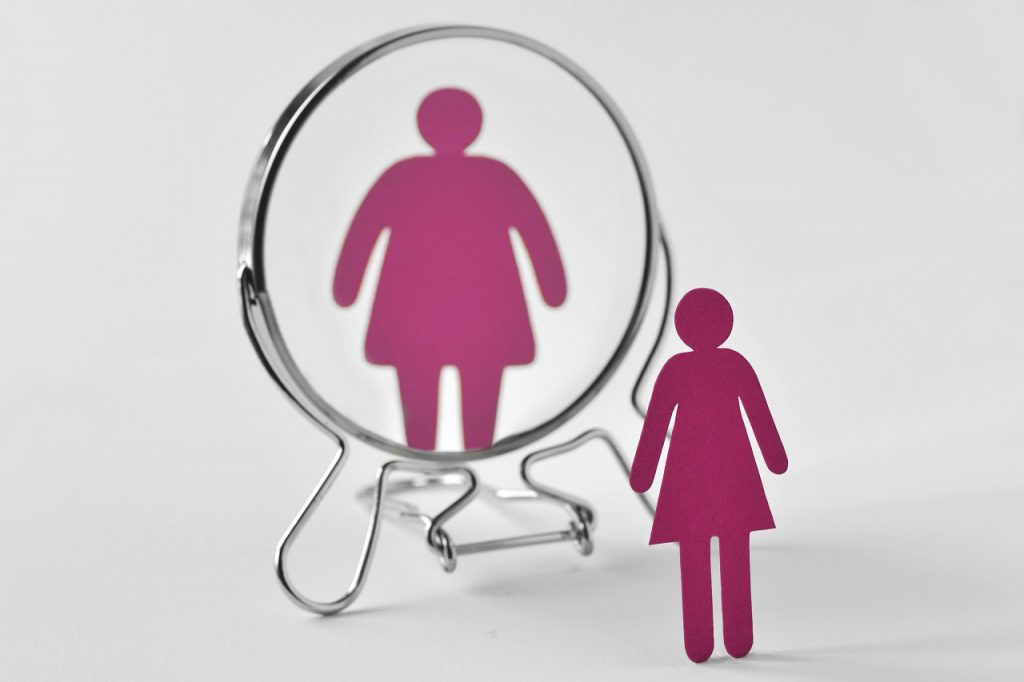
People suffering from Anorexia have a distorted perception of their weight. Despite being at a normal or even dangerously low body weight, they look in the mirror and genuinely perceive themselves as overweight. The thought of eating even a single extra bite fills them with intense anxiety about sudden weight gain.

To cope, they resort to extreme measures:

  • Severely restricting calories and limiting the types of foods they will eat.
  • Focusing obsessively on portion sizes.
  • Attempting to purge food after eating by vomiting, or misusing laxatives, diuretics, and enemas.
  • Exercising excessively, often immediately after consuming meals.

At its core, Anorexia is not about food or calorie counting; it is an unhealthy way to try to cope with emotional distress. The individual often tends to equate their physical thinness directly with their personal self-worth.

Warning Signs and Symptoms

The most evident physical symptom of Anorexia is starvation—and we must not confuse this with conscious, healthy eating. Because people with eating disorders often hide their behaviors, it can be difficult for loved ones to notice the signs early on.

Look out for these alarming physical and emotional red flags:

Physical Symptoms:

  • Noticeably low body weight or thin appearance
  • Chronic fatigue, dizziness, or fainting spells
  • Insomnia
  • Thinning hair that breaks or falls out easily
  • Bluish discoloration of the fingers
  • Irregular bowel movements and severe dehydration
  • Abnormal blood counts and irregular heart rhythms

Emotional and Behavioural Symptoms:

  • Frequently skipping meals or refusing to eat.
  • Making constant excuses to avoid food (e.g., claiming they already ate, aren’t hungry, or feel unwell).
  • Refusing to eat in public or around others.
  • Social withdrawal and avoiding friends and family.
  • Uncharacteristic irritability and mood swings.

How is it Diagnosed?

Because individuals with Anorexia often refuse to accept that they have a problem, diagnosing it early is challenging. Medical professionals generally refer to the criteria set by the American Psychiatric Association (APA) to diagnose the condition. These include:

  1. Restricted calorie intake: Consuming far less than what the body requires for its age, height, gender, and physical health.
  2. Intense fear: An overwhelming fear of gaining weight or becoming fat.
  3. Distorted body image: A severe misconception of being overweight, despite actually being underweight.

A thorough medical history and physical examination will help doctors reach a definitive diagnosis and assess any internal damage.

The Path to Treatment and Recovery

Treatment for Anorexia requires a comprehensive, multi-disciplinary approach. It typically involves psychotherapy, nutritional counseling, family counseling, and sometimes medication.

Because the disorder is heavily rooted in psychology, a proper counseling environment is vital for helping the individual recognize the issue and begin the healing process. Long-term, untreated Anorexia Nervosa can lead to catastrophic medical issues, including severe anemia, gastrointestinal failure, and dangerously low bone density (osteoporosis).

There is absolutely no harm in being mindful about what you put in your body. Choosing the healthiest options and practicing portion control are great habits! But the body is a machine, and it needs fuel to function. The correct way to lose weight is by eating wholesome, nutritious foods and exercising regularly—not by starving yourself.

Pro Tip: Healthy weight management should never come at the cost of your mental or physical health. If you are struggling to find a balanced approach to eating, use the GOQii App. You can subscribe to a GOQii Personalised Health Coach who will help you build a sustainable, nourishing, and healthy relationship with food without extreme dieting.

Frequently Asked Questions (FAQs)

  1. What is the difference between Anorexia Nervosa and a strict diet?

A strict diet is a conscious choice made to improve health or lose weight within safe boundaries. Anorexia Nervosa is a mental health disorder driven by an obsessive fear of weight gain, distorted body image, and extreme, dangerous methods of starvation that compromise the person’s life.

  1. Can someone have Anorexia even if they don’t look severely underweight?

Yes. While severe weight loss is a hallmark of the disease, eating disorders affect individuals of all sizes. “Atypical Anorexia” involves all the psychological symptoms and severe restrictive behaviors of Anorexia, even if the person’s weight is currently within or above the “normal” range.

  1. What should I do if I suspect a friend or family member has Anorexia?

Approach them with extreme empathy and without judgment. Avoid talking strictly about their weight or appearance; instead, express concern for their overall health and happiness. Encourage them to speak to a medical professional, therapist, or counselor.

  1. Why do people with Anorexia exercise so much?

Excessive or compulsive exercise is often used as a “compensatory behavior” to burn off the calories they have consumed. It is driven by the intense anxiety of gaining weight and a compulsion to exert control over their body.

  1. Is recovery from Anorexia possible?

Absolutely. With the right combination of psychological therapy, nutritional support, and medical care, individuals can and do recover fully, developing a healthy relationship with food and their bodies.

#BeTheForce 

Disclaimer: This article is intended for general awareness and educational purposes only. It is not intended to replace professional medical advice, diagnosis, or treatment. Eating disorders are serious medical conditions. If you or someone you know is struggling with an eating disorder, please seek help immediately from a qualified healthcare provider or mental health professional.

  • « Previous Page
  • 1
  • 2
  • 3
  • 4
  • Next Page »

Search

Recent Posts

  • How Exercise Impacts Mental Health
  • Dussehra 2026: 10 Unhealthy Habits to Leave Behind
  • 5-Minute Healthy Snacks for Work & Home
  • Meal Prepping for Work: Healthy Lunch Ideas That Keep You Energised
  • 5 Daily Stretches to Prevent & Relieve Lower Back Pain

Stay Updated

Archives

  • October 2026 (14)
  • September 2026 (5)
  • August 2026 (8)
  • July 2026 (25)
  • June 2026 (22)
  • May 2026 (20)
  • April 2026 (24)
  • March 2026 (18)
  • February 2026 (14)
  • January 2026 (14)
  • December 2025 (19)
  • November 2025 (15)
  • October 2025 (20)
  • September 2025 (6)
  • August 2025 (5)
  • July 2025 (9)
  • June 2025 (18)
  • May 2025 (16)
  • April 2025 (22)
  • March 2025 (25)
  • February 2025 (21)
  • January 2025 (25)
  • December 2024 (22)
  • November 2024 (22)
  • October 2024 (15)
  • September 2024 (22)
  • August 2024 (27)
  • July 2024 (15)
  • June 2024 (23)
  • May 2024 (26)
  • April 2024 (27)
  • March 2024 (27)
  • February 2024 (23)
  • January 2024 (21)
  • December 2023 (14)
  • November 2023 (10)
  • October 2023 (18)
  • September 2023 (20)
  • August 2023 (16)
  • July 2023 (16)
  • June 2023 (21)
  • May 2023 (20)
  • April 2023 (19)
  • March 2023 (23)
  • February 2023 (19)
  • January 2023 (15)
  • December 2022 (11)
  • November 2022 (15)
  • October 2022 (15)
  • September 2022 (12)
  • August 2022 (9)
  • July 2022 (17)
  • June 2022 (11)
  • May 2022 (10)
  • April 2022 (6)
  • March 2022 (6)
  • February 2022 (13)
  • January 2022 (11)
  • December 2021 (7)
  • November 2021 (3)
  • October 2021 (6)
  • September 2021 (3)
  • August 2021 (8)
  • July 2021 (7)
  • June 2021 (15)
  • May 2021 (16)
  • April 2021 (10)
  • March 2021 (7)
  • February 2021 (4)
  • January 2021 (4)
  • December 2020 (3)
  • November 2020 (4)
  • October 2020 (10)
  • September 2020 (3)
  • August 2020 (3)
  • July 2020 (2)
  • June 2020 (4)
  • May 2020 (10)
  • April 2020 (12)
  • March 2020 (10)
  • February 2020 (4)
  • January 2020 (4)
  • December 2019 (3)
  • November 2019 (7)
  • October 2019 (5)
  • September 2019 (4)
  • August 2019 (9)
  • July 2019 (9)
  • June 2019 (11)
  • May 2019 (4)
  • April 2019 (8)
  • March 2019 (8)
  • February 2019 (9)
  • January 2019 (8)
  • December 2018 (9)
  • November 2018 (3)
  • October 2018 (3)
  • September 2018 (5)
  • August 2018 (10)
  • July 2018 (6)
  • June 2018 (13)
  • May 2018 (8)
  • April 2018 (17)
  • March 2018 (9)
  • February 2018 (8)
  • January 2018 (15)
  • December 2017 (12)
  • November 2017 (19)
  • October 2017 (13)
  • September 2017 (15)
  • August 2017 (4)
  • July 2017 (8)
  • June 2017 (7)
  • May 2017 (6)
  • April 2017 (8)
  • March 2017 (6)
  • February 2017 (7)
  • January 2017 (9)
  • December 2016 (10)
  • November 2016 (7)
  • October 2016 (7)
  • September 2016 (7)
  • August 2016 (11)
  • July 2016 (9)
  • June 2016 (9)
  • May 2016 (12)
  • April 2016 (17)
  • March 2016 (17)
  • February 2016 (8)
  • January 2016 (6)
  • December 2015 (2)
  • November 2015 (9)
  • October 2015 (7)
  • September 2015 (9)
  • August 2015 (11)
  • July 2015 (9)
  • June 2015 (11)
  • May 2015 (9)
  • April 2015 (13)
  • March 2015 (8)
  • February 2015 (5)
  • January 2015 (12)
  • December 2014 (14)
  • November 2014 (11)
  • October 2014 (6)
  • September 2014 (13)
  • August 2014 (12)
  • July 2014 (6)
  • June 2014 (2)
  • May 2014 (7)
  • April 2014 (4)

From Burnout to Balance: How Dr. Ranjit Reclaimed His Health

Dr Ranjit Bhatt has spent years tending to others. A practising doctor in Odisha, his days were packed with patients, surgeries, and emergencies. From the outside, it looked like a life lived in service. But on the inside, something wasn’t right. “I had no … [Read More...]

From Shimla’s Slopes to Chandigarh’s Sidewalks: Surinder Kaur Bhalla’s Journey from Chaos to Control

Some journeys start with a plan. Others begin with a stumble literally. Surinder Bhalla, a government professional, born and raised in the scenic hill town of Shimla, had always lived a life of movement. “In Shimla, you walked everywhere,” she reflects. “Walking was never an exercise. It was just life.” But after shifting to Chandigarh, […]

“I’ve Challenged Myself to Live 100 Years” – The Story of Chandubhai Savani’s Second Chance at Life

At 67, most people start slowing down. Not Chandubhai Savani. A resident of Surat, Chandubhai, thought life was on track. “My life was going well till I had my bypass surgery,” he says. That surgery, back in 2021, was a wake-up call.  Medication was routine, but exercise wasn’t. His diet? What he calls ‘normal.’ “I […]

Ananda Mukherjee Health Story

From Terminal Illness To Complete Wellness! Ananda Mukherjee Health Story

As we observe World Cancer Day under the powerful theme ‘United by Unique’ (2025-2027)**, we are reminded that every individual’s journey with cancer is distinct, yet united by shared resilience, hope, and the collective fight against this disease. This theme places people at the centre of care and their stories at the heart of the […]

  • HOME
  • HEALTHY LIVING
  • FITNESS
  • HEALTHY RECIPES
  • USER STORIES
  • KARMA
  • BUY GOQii

Copyright ©2016 GOQii