GOQii

Blog

  • HOME
  • HEALTHY LIVING
  • FITNESS
  • HEALTHY RECIPES
  • USER STORIES
  • KARMA
  • BUY GOQii

November 5, 2024 By Madhu Soni 7 Comments

Easy Hacks To Control Hunger Pangs

control hunger pangs

Hunger is an important signal that should not be ignored, but how often have you felt that this is a genuine one? Although growling and gurgling in the stomach are real signals to watch out for, here are some simple and effective hacks to control hunger pangs.

Effective Ways To Control Hunger Pangs

  1. Chew Well: This advice has probably been repeated several times since childhood but is often ignored. Mindful eating begins by sniffing the aroma and savoring every bite. When we chew the food properly, the flavors linger in the mouth, bringing about a satiety value and a feeling of fullness. This helps curb binge eating.
  2. Stay Hydrated: Quite often, our body signals hydration, but we end up eating instead. Getting confused between thirst and hunger is very common. Drinking water from earthen pots quenches thirst more effectively than refrigerated water. You can add lemon water and buttermilk to your diet. Summer coolants like aam panna and kokum sherbet are also great.
  3. Adequate Protein: If, despite eating breakfast, you find yourself eagerly waiting for lunch, you may need to look at the protein content in your diet. Research has shown that adequate amounts of protein help keep you full for a longer period. Ghrelin, an appetite-stimulating hormone that signals you to eat, is lower with high-protein intake.
  4. Soup: is a great rescue from the immense hunger pangs, especially in the evening. The high water content, along with fiber from the veggies, helps control hunger. Having a warm soup surprisingly reduces the appetite. Stick to broth-based soups rather than creamy ones.
  5. Spice It Up: Major Hunger pangs occur due to bland and unsatisfying food. Adding a few spices not only curbs your appetite but aids digestion. Spicy food is known to increase satiety. A simple salad can become interesting if you add a dash of lemon, sprinkle some chaat masala, or throw in some mint dip!
  6. Healthy Snacking: What you eat when hungry during odd hours plays an important role in controlling hunger pangs. Having a small mid-meal snack is good, but watch out for the quantity and quality. Seasonal fruits will keep you full and healthy. Nuts and seeds, being rich in proteins, are good as well. 
  7. Limit Excessive Sugar: There is a direct link between sugar consumption and increased hunger pangs. Besides keeping a check on high-sugar food intake, watch for hidden sugars in food labels. Opt for natural sugar sources like jaggery, dry fruits and fresh fruits.
  8. Exercise: Many people believe that exercise increases appetite. However, with regular aerobic exercise, appetite actually decreases
  9. Sleep: Lack of sleep can impact our eating patterns. Inadequate sleep leads to low energy levels. To compensate for this, we often choose sugary foods, leading to a cycle of empty calories and overeating.

And that’s it! Follow these hacks to control hunger pangs. If, despite these tips, you still feel ravenous, consider consulting a doctor. Check out other articles for healthy recipes and more topics on hunger, food, nutrition and health. For further information or guidance, reach out to our certified experts by subscribing to GOQii’s Personalised Health Coaching here.

#BeTheForce! 
October 21, 2024 By Azra Faizan 2 Comments

10 ways to include water chest in your diet this season!!

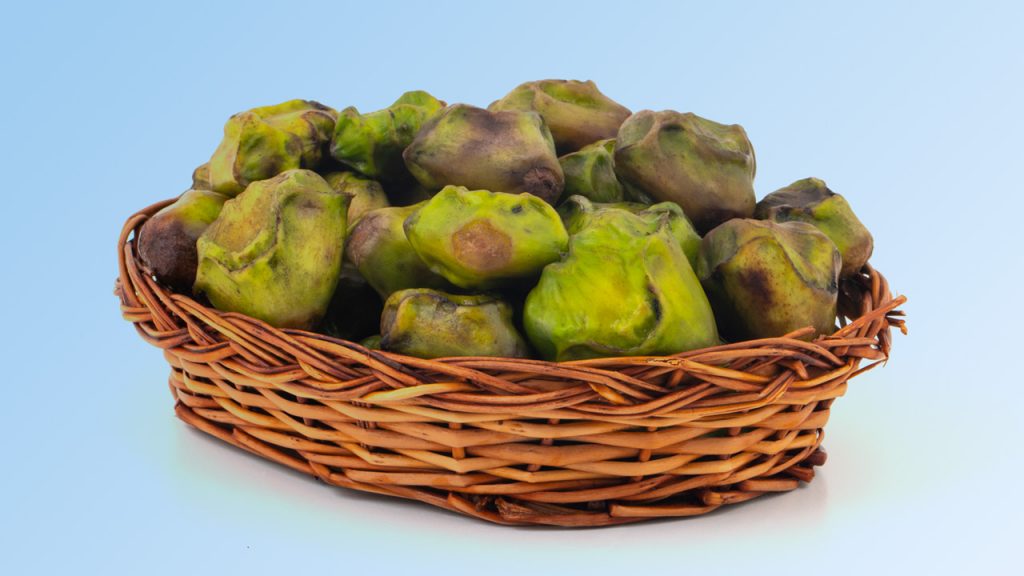
Water chestnut, also known as water caltrop, is an aquatic plant from the genus Trapa. Its peculiar fruit encloses a large edible seed that offers a delightful crispiness and a subtly sweet coconut-like flavor. In India, water chestnuts are called Singhara or Paniphal and have been cultivated for over 3,000 years for their seeds, which are prized in Ayurvedic and Unani medicine. They’re also popular in Chinese medicine.

Despite their odd appearance, water chestnuts are packed with health benefits. If you haven’t tried them yet, here are a few reasons why you should:

Health Benefits of Water Chestnuts:

  • Cooling Effect: Water chestnuts help cool the body, making them great for hot weather. They also relieve thirst, control nausea, and ease diarrhea.
  • Thyroid Support: With essential minerals like iodine and manganese, water chestnuts support the healthy functioning of the thyroid gland.
  • Rich in Antioxidants: They contain polyphenols and flavonoids that provide anti-bacterial, anti-viral, anti-cancer, and antioxidant properties, strengthening the stomach and spleen.
  • Cough Relief: Ground water chestnuts can be consumed with water or juice to help relieve cough.
  • Cancer Prevention: An anti-cancer substance in water chestnuts inhibits the growth of cancer cells.
  • Improved Appetite: Both raw and juiced water chestnuts help boost appetite in children and adults, promoting healthy weight gain.
  • High in Potassium: One cup of water chestnuts provides over 362 mg of potassium, which aids muscle and nerve function, water retention, and blood pressure regulation.
  • Anti-Aging Benefits: Water chestnuts contain natural antioxidants that fight aging, prevent wrinkles, and offer protection against UV rays.
  • Diabetes-Friendly: Despite being a starchy food, polyphenols in water chestnuts help prevent spikes in blood sugar by inhibiting the breakdown of carbs.
  • Heart Health: Their combination of potassium, fiber, and antioxidant properties helps lower cholesterol and reduce the risk of heart disease.
  • Better Sleep: Vitamin B6 in water chestnuts promotes sound sleep and improved mood.
  • Fertility Boost: Water chestnuts are beneficial for women, supporting fertility and improving chances of conception.
  • Healthy Pregnancy: Being an excellent energy source, as well as its specific properties to prevent miscarriage and control hemorrhage, makes it a super food during pregnancy it is helpful for the healthy growth and development of the fetus.

Post pregnancy – it helps in controlling bleeding as well as promotes lactation.

10 Delicious Ways to Include Water Chestnuts in Your Diet:

  1. Eat Raw: The simplest and healthiest way to enjoy water chestnuts is to peel and eat them raw for a crunchy, refreshing snack.
  2. Add to Salads or Stir-Fries: Chop peeled water chestnuts and toss them into salads for extra crunch, or sauté them in stir-fries for a flavorful boost.
  3. In Curries or Veggies: Replace potatoes with water chestnuts in curries or veggie dishes. For best results, boil or pressure-cook them first and then sauté with curry leaves, cumin, and mustard seeds.
  4. Make Cutlets: Mash boiled water chestnuts and mix them with other veggies to create delicious cutlets. Shallow fry and serve as a snack or side dish.
  5. Singhara Halwa: Singhara flour, made from dried water chestnuts, can be used to prepare halwa. Simply roast the flour in ghee, add sugar and water, and top with your favorite dry fruits.
  6. Chillas or Pancakes: Singhara flour also makes fantastic pancakes or chillas. Mix with curd and water to form a batter, add your favorite spices, and cook on a griddle.
  7. Flatbreads or Chapattis: Use Singhara flour to make chapattis or parathas for a gluten-free alternative. Pair them with your favorite curry or chutney.
  8. Baked Goods: Add Singhara flour to your cake or cookie batter for a nutritious twist on your baked treats.
  9. Puris, Crackers, or Chips: Make savory puris or crunchy crackers using Singhara flour by following any basic cracker recipe. You can even bake chips for a healthy snack.
  10. Dips or Chutney: Add a handful of chopped water chestnuts to dips or green chutneys for extra texture and flavor.

Water chestnuts are versatile and nutritious, making them a perfect addition to your diet this season. Whether you’re snacking on them raw or using them in various dishes, these little wonders are sure to boost your health and add a delicious crunch to your meals!

We hope this article inspires you to try water chestnuts in new and exciting ways! Let us know how you like to incorporate them into your meals in the comments below. For more healthy eating tips and recipes, check out Healthy Reads or speak to a certified expert by subscribing to GOQii’s Personalised Health Coaching here.

#BeTheForce

October 8, 2024 By Jigna Sheth 1 Comment

Foods To Eat During Navratri For Better Immunity

navratri fastingNavratri is one of the most celebrated festivals in India and the ways of celebrating it are different in each part. In North and Western India, 9 days of fasting is kept. In Southern India, fasting is not strictly followed but food is made omitting onion and garlic. In Bengal and other parts of Eastern India, along with fasting, Durga Puja is celebrated on a large scale. Also, the much awaited Gujarati special Dandiya and Garba is celebrated during Navratri. Navratri fasting rules vary in all the communities.

Along with fasting, it’s important to keep an eye on our immunity to ensure we stay healthy. Below is a list of foods that can be consumed during Navratri and will help in boosting immunity at the same time.

Foods For Immunity During Navratri Fasting 

Below is a list of foods which can be consumed during Navratri and will help in boosting immunity at the same time.

  1. Water chestnut flour (Singhare ka atta): Singhara is very beneficial because it has refreshing properties. It is rich in protein, iron and magnesium. It has antioxidant properties, treats urine infection, cures indigestion and nausea, relieves cough, helps to combat hypertension, improves the blood and is beneficial for the skin and hair. 
  2. Special rice for fasting made with Millets (Sama ke chawal): It is high in calcium, potassium, digestible fiber, phosphorus and amino acids. Sama Rice is gluten free and has less calories and sugar. Hence, it can be consumed by a diabetic person. It is also a rich source of minerals and vitamins, providing essential ingredients.
  3. Buckwheat flour (Kuttu ka atta): It is a rich source of B Vitamins which improve the skin health and overall functioning of organs. It is immensely rich in fiber – which is extremely important for cleansing the digestive tract. Rich in essential fatty acids, kuttu helps maintain blood pressure and cholesterol levels. To avoid any side effects because of its warm potency, add curd to its flour.
  4. Amaranth Flour (Rajgira ka atta): It is the only grain which contains Vitamin C. It is full of antioxidants, Vit E, Protein, Iron, magnesium, phosphorus and potassium. Has twice the amount of calcium as milk, thereby reducing the risk of osteoporosis. It is good for Diabetes and improves Cholesterol levels.
  5. Sago (Sabudana): contains an abundance of Calcium and Vitamin K in it. These two contents make it the perfect food for maintaining bone health and building muscle. It helps in treating anemia and controlling High blood pressure. It is a great source of energy, that is why most of the people opt for it during fasting.
  6. Lotus seeds (Makhana): are low in calories and high in fiber. That’s why it is recommended for diabetic patients too. It regulates appetite, controls untimely cravings, improves gut health, and has an anti-ageing effect. 
  7. Colocasia (Arbi): It is rich in Fiber, has anti-cancer properties and reduces risk of heart health. They are an excellent source of Vitamin C and promote eye health. Helps in delaying the aging process, improves the skin and reduces fatigue.
  8. Nuts and seeds: are an amazing source of many nutrients. Loaded with antioxidants, contain good fats and are rich in fiber. Just a handful of them provide a punch of vitamins, minerals and fats, all of which work together to improve overall health. Include flaxseeds, pumpkin seeds, sunflower seeds, peanuts, cashews, etc. but avoid salted or masala variants and do not consume them if you have allergies to nuts.
  9. Milk, curd and yoghurt: Low fat dairy products cut calories, saturated fat and cholesterol, while protein, calcium, and most other vitamins and minerals remain high in them. It is a good source of Vitamin D. It improves both Dental and Bone health. A glass of plain milk is equivalent to one small meal.
  10. Seasonal fruits: are naturally low in fat, sodium, and calories. Neither of them have cholesterol. They are packed with fiber and micronutrients. They are a good source of antioxidants and Vitamin C – which means better immunity! 
  11. Coconut water and fresh lime water: are the best way to prevent dehydration and are nutrient dense at the same time. They are low in calories, high in Potassium, Calcium and Magnesium. They are energy boosters and a great source of Vitamin C.
  12. Sendha namak ( Rock Salt) and Arrowroot flour: Rock salt provides all the essential trace minerals and greatly improves the body’s immune system. It helps in stabilizing blood pressure because of low sodium content. Arrowroot is a gluten free, powerhouse of B Vitamins and it improves digestive health.
  13. Spices and herbs: vary in all the households. Black pepper powder, coriander leaves, green chillies, shredded coconut flakes can be used to maintain good health! 

Before trying the above food, remember that portion control is a must. Too much of anything can have a negative impact even if that food is good for you. Don’t indulge and overeat. Avoid deep frying completely. Shallow frying or pan frying is still permissible. The best method of preparing these foods is steaming, roasting, sauteing and grilling! 

We hope this article on Navratri fasting foods helps you make smarter choices and eat healthy! For more special Navratri articles and recipes, check out Healthy Reads or you can speak directly to a GOQii Coach by subscribing for Personalised Health Coaching here.

#BeTheForce 

September 7, 2024 By Urvi Gohil Leave a Comment

Healthy Eating: Quinoa Kheer Recipe

quinoa kheer

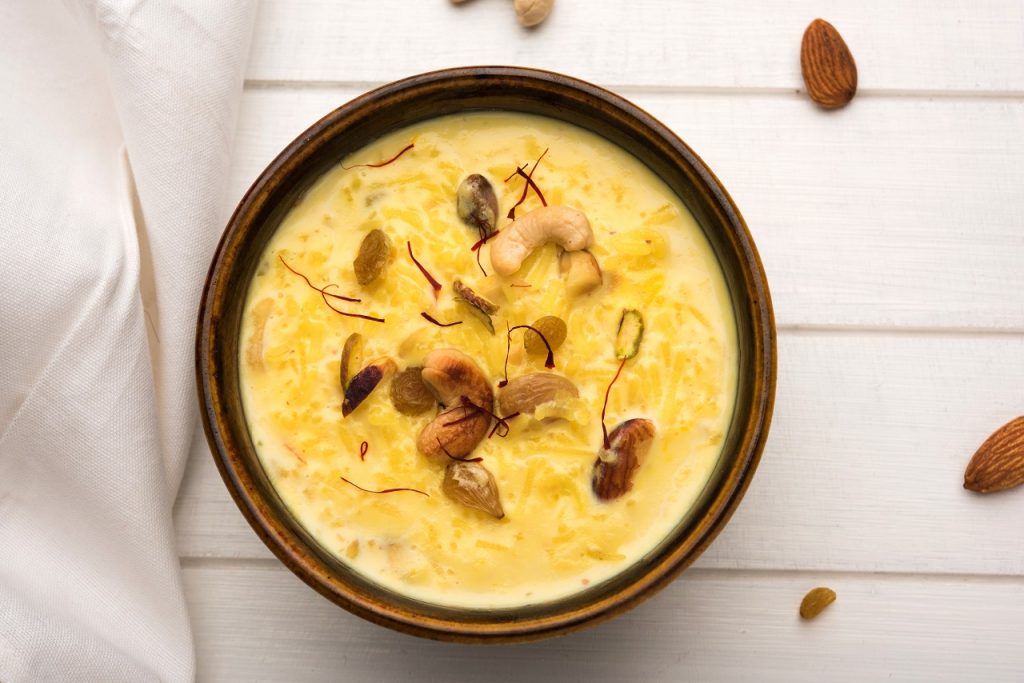
As we celebrate the joy of Ganesh Chaturthi, the allure of kheer remains timeless. This beloved sweet dish is a festival essential. Today, we’re bringing a nutritious twist to your Ganesh Chaturthi celebrations by infusing them with the flavors of health. Let’s discover the delightful and nutritious Quinoa Kheer recipe together!

What You Will Need 

  • Quinoa – ½ cup 
  • Milk – 1 ½ cup
  • Ghee – 1 tsp 
  • Cashews – 4 chopped 
  • Almonds – 4 chopped 
  • Walnuts – 4 chopped 
  • Pistachios – 4 chopped 
  • Jaggery – ½ cup 
  • Saffron Strands – 5-6 

How To Prepare

  1. Rinse and wash the Quinoa thoroughly and cook it in a pan at low to medium heat for 15-18 minutes. Once done, use a fork to mix it up and transfer it to a plate to avoid over cooking.
  2. Heat a pan, add ghee and roast all the chopped nuts for 3-5 minutes until they slightly change the color.
  3. Time to pour the milk. Keep the flame on medium and add the jaggery. Give it a nice mix and wait till the jaggery melts. It will take around 10 minutes.
  4. Now, add the cooked Quinoa and mix it well and allow the kheer to simmer for 5 more minutes.
  5. Soak the strands of saffron in some milk and then add it to the kheer. Give it a gentle mix and you will have the desired color of the kheer.
  6. Your delicious Quinoa Kheer is ready! Serve hot. 

Note: You can use oats instead of quinoa. Just replace the quinoa with oats and follow the same method.

Highlights of the Quinoa Kheer Recipe

  • With the goodness of healthy fats and protein, this sweet will be most loved by all! 
  • It provides more satiety in less quantity  
  • Ideal for celebrating a healthy Ganesh Chaturthi, guilt-free! 

We hope you enjoy this Quinoa Kheer recipe and share the joy of guilt-free sweetness with your friends and family. Do let us know your thoughts in the comments below. For more Healthy Recipes, check out Healthy Reads or speak to a certified expert by subscribing to GOQii’s Personalised Health Coaching here.

Wish you all a Happy Ganesh Chaturthi! 

#BeTheForce 

  • « Previous Page
  • 1
  • …
  • 9
  • 10
  • 11
  • 12
  • 13
  • …
  • 60
  • Next Page »

Search

Recent Posts

  • World AMR Awareness Week 2026: when you need antibiotics, and simple steps to prevent AMR
  • PCOS: diet, exercise and the myths to stop believing
  • Cholesterol numbers explained: LDL, HDL and triglycerides
  • International Men’s Day 2026: why men’s health is everyone’s business
  • World COPD Day 2026: Short of Breath? Think COPD – Why Early Diagnosis Matters

Stay Updated

Archives

  • November 2026 (21)
  • October 2026 (23)
  • September 2026 (5)
  • August 2026 (8)
  • July 2026 (24)
  • June 2026 (22)
  • May 2026 (20)
  • April 2026 (24)
  • March 2026 (18)
  • February 2026 (14)
  • January 2026 (14)
  • December 2025 (19)
  • November 2025 (14)
  • October 2025 (17)
  • September 2025 (6)
  • August 2025 (5)
  • July 2025 (9)
  • June 2025 (18)
  • May 2025 (16)
  • April 2025 (22)
  • March 2025 (25)
  • February 2025 (21)
  • January 2025 (25)
  • December 2024 (21)
  • November 2024 (21)
  • October 2024 (15)
  • September 2024 (22)
  • August 2024 (27)
  • July 2024 (14)
  • June 2024 (23)
  • May 2024 (26)
  • April 2024 (27)
  • March 2024 (27)
  • February 2024 (23)
  • January 2024 (21)
  • December 2023 (14)
  • November 2023 (10)
  • October 2023 (18)
  • September 2023 (20)
  • August 2023 (16)
  • July 2023 (16)
  • June 2023 (21)
  • May 2023 (20)
  • April 2023 (19)
  • March 2023 (23)
  • February 2023 (19)
  • January 2023 (15)
  • December 2022 (11)
  • November 2022 (15)
  • October 2022 (15)
  • September 2022 (12)
  • August 2022 (9)
  • July 2022 (17)
  • June 2022 (11)
  • May 2022 (10)
  • April 2022 (6)
  • March 2022 (6)
  • February 2022 (13)
  • January 2022 (11)
  • December 2021 (7)
  • November 2021 (3)
  • October 2021 (6)
  • September 2021 (3)
  • August 2021 (8)
  • July 2021 (7)
  • June 2021 (15)
  • May 2021 (16)
  • April 2021 (10)
  • March 2021 (7)
  • February 2021 (4)
  • January 2021 (4)
  • December 2020 (3)
  • November 2020 (4)
  • October 2020 (10)
  • September 2020 (3)
  • August 2020 (3)
  • July 2020 (2)
  • June 2020 (4)
  • May 2020 (10)
  • April 2020 (12)
  • March 2020 (10)
  • February 2020 (4)
  • January 2020 (4)
  • December 2019 (3)
  • November 2019 (7)
  • October 2019 (5)
  • September 2019 (4)
  • August 2019 (9)
  • July 2019 (9)
  • June 2019 (11)
  • May 2019 (4)
  • April 2019 (8)
  • March 2019 (8)
  • February 2019 (9)
  • January 2019 (8)
  • December 2018 (9)
  • November 2018 (3)
  • October 2018 (3)
  • September 2018 (5)
  • August 2018 (10)
  • July 2018 (6)
  • June 2018 (13)
  • May 2018 (8)
  • April 2018 (17)
  • March 2018 (9)
  • February 2018 (8)
  • January 2018 (15)
  • December 2017 (12)
  • November 2017 (19)
  • October 2017 (13)
  • September 2017 (15)
  • August 2017 (4)
  • July 2017 (8)
  • June 2017 (7)
  • May 2017 (6)
  • April 2017 (8)
  • March 2017 (6)
  • February 2017 (7)
  • January 2017 (9)
  • December 2016 (10)
  • November 2016 (7)
  • October 2016 (7)
  • September 2016 (7)
  • August 2016 (11)
  • July 2016 (9)
  • June 2016 (9)
  • May 2016 (12)
  • April 2016 (17)
  • March 2016 (17)
  • February 2016 (8)
  • January 2016 (6)
  • December 2015 (2)
  • November 2015 (9)
  • October 2015 (7)
  • September 2015 (9)
  • August 2015 (11)
  • July 2015 (9)
  • June 2015 (11)
  • May 2015 (9)
  • April 2015 (13)
  • March 2015 (8)
  • February 2015 (5)
  • January 2015 (12)
  • December 2014 (14)
  • November 2014 (11)
  • October 2014 (6)
  • September 2014 (13)
  • August 2014 (12)
  • July 2014 (6)
  • June 2014 (2)
  • May 2014 (7)
  • April 2014 (4)

From Burnout to Balance: How Dr. Ranjit Reclaimed His Health

Dr Ranjit Bhatt has spent years tending to others. A practising doctor in Odisha, his days were packed with patients, surgeries, and emergencies. From the outside, it looked like a life lived in service. But on the inside, something wasn’t right. “I had no … [Read More...]

From Shimla’s Slopes to Chandigarh’s Sidewalks: Surinder Kaur Bhalla’s Journey from Chaos to Control

Some journeys start with a plan. Others begin with a stumble literally. Surinder Bhalla, a government professional, born and raised in the scenic hill town of Shimla, had always lived a life of movement. “In Shimla, you walked everywhere,” she reflects. “Walking was never an exercise. It was just life.” But after shifting to Chandigarh, […]

“I’ve Challenged Myself to Live 100 Years” – The Story of Chandubhai Savani’s Second Chance at Life

At 67, most people start slowing down. Not Chandubhai Savani. A resident of Surat, Chandubhai, thought life was on track. “My life was going well till I had my bypass surgery,” he says. That surgery, back in 2021, was a wake-up call.  Medication was routine, but exercise wasn’t. His diet? What he calls ‘normal.’ “I […]

Ananda Mukherjee Health Story

From Terminal Illness To Complete Wellness! Ananda Mukherjee Health Story

As we observe World Cancer Day under the powerful theme ‘United by Unique’ (2025-2027)**, we are reminded that every individual’s journey with cancer is distinct, yet united by shared resilience, hope, and the collective fight against this disease. This theme places people at the centre of care and their stories at the heart of the […]

  • HOME
  • HEALTHY LIVING
  • FITNESS
  • HEALTHY RECIPES
  • USER STORIES
  • KARMA
  • BUY GOQii

Copyright ©2016 GOQii