GOQii

Blog

  • HOME
  • HEALTHY LIVING
  • FITNESS
  • HEALTHY RECIPES
  • USER STORIES
  • KARMA
  • BUY GOQii

January 13, 2023 By Rajashree Menon Leave a Comment

Taking Ownership Of Diabetes Through Education and Awareness

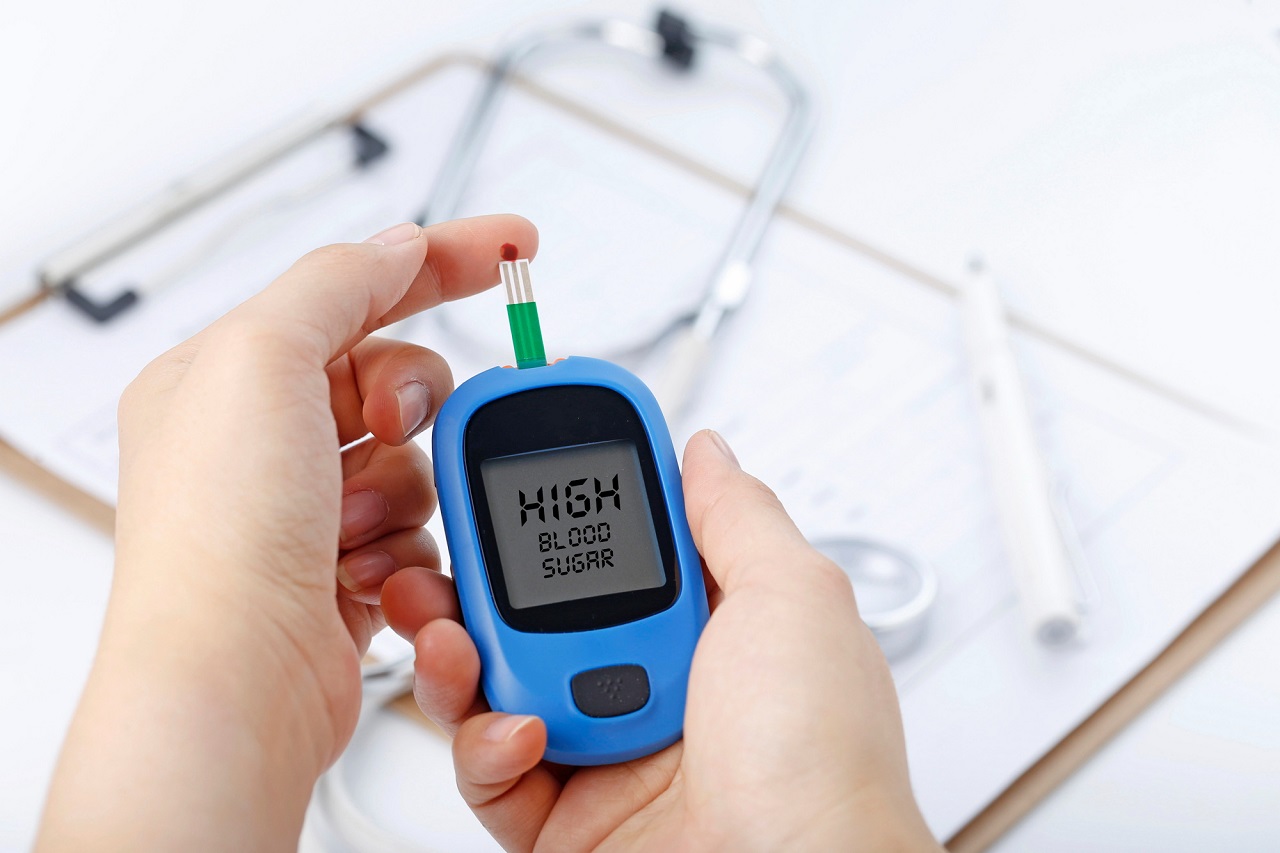
Diabetes ManagementDiya was a young girl who seemed as active as can be. She trekked, hit the gym, albeit sporadically, had a healthy appetite and as she called it, ‘lived to eat’. At 30, there was a blood donation drive and check-up in the organisation she worked at and here, she was diagnosed with diabetes. There were no other alarm bells ringing; she thought she was healthy! The doctor prescribed medications. She carried on with her life till a shooting pain in the chest made her rethink her lifestyle.

Prakash was detected with Diabetes in his late 30’s. A history of smoking, stress infused work situation, being overweight and a family history of Diabetes made a potent combination which led him to the road to Diabetes. He continued his unchecked lifestyle along with sporadic visits to the general practitioner till he found his vision blurring and a burning pain in his limbs, which made it difficult for him to sleep. Faced with diabetes complications, he knew he had to seek help from the right doctors, eat the right diet and correct his lifestyle before it was too late.

That is the scenario for most people and that is the stealthy attitude of diabetes; it creeps in and hits you. Once diagnosed, either medication is taken or not. Rarely is there a consistent follow-up. Medications tend to plateau after a while and if there is no consultation with doctors regularly, no scheduled blood tests, no nutrition assessments, no exercise patterns, it augurs for something deep and dark. This is seen as the initial concerns with diabetes control. Not everyone takes it critically. But not everyone has access to proper doctors and nutritionists.

Diabetes Is Not Taken As A Serious Disease

Consistency is key for maintaining and even reversal. Yes, in the early stages, a reversal is possible. A diabetes patient needs support, needs family and friends to assist in their journey, as it is a challenge. More than mere support, it is about adherence.

It is about breaking the habit. It is about changing habits. The first feeling when one is diagnosed is shock, helplessness, feeling of depression. As an illness, diabetes is debilitating in the long run as it has an overall effect on almost every part of the body, externally and internally. And yet, it can be controlled, and in some cases, reversed.

But now comes the challenging phase of education i.e. control and solution, and it is not easy. Besides medical advice, traditional indigenous methods are offered, and they have been helpful. Hence, understanding what goes into the treatment of diabetes is crucial.

So let’s look at the aspects of diabetes management.

1. Education

At first, you’ve got to understand the diagnosis – is it Type 1 or Type 2. Understand the various repercussions of the type of diabetes you have. Consult your doctor, read reputed websites for knowledge of diabetes and diabetes management. Listen to conventional wisdom and follow the advice of the doctors. Get on a plan.

2. Nutrition

Nutrition involves two aspects – Medication – those suggested by the doctors and home grown indigenous supplementary methods have also been beneficial. The other aspect is Food – what can be eaten, what can be paired together, and what must be avoided.

Meal composition – high protein, low carbs. Understanding foods with a high glycaemic index (foods that spike up sugar levels in the blood are to be avoided). Another important aspect is the timing of when you eat. Fad diets are not helpful and can be harmful. Sustainable, sensible eating and not temporary ‘diet eating’, one in which you can measure what you eat for a long period of time, is important.

Hydration – drinking water is extremely essential. Essentially, what you ingest can help in lowering possible future microvascular damage and other complications.

3. Control

Diabetes care needs discipline. Controlling diabetes involves complying with a proper course of medication and a healthy living construct. It is imperative that you maintain regular follow-ups with the doctor. Blood work, especially HbA1C levels must be checked every quarter to enable proper diabetes care.

Most doctors complain that follow-ups are low, if any. What has shown progress is that along with medications, the main aspect is weaving exercise into your lifestyle. Walking and light exercise has shown to have tremendous benefits in controlling and lowering HbA1C levels. Recent studies have shown that a 10-minute walk after every meal has proved as beneficial as a 30-minute walk every day.

4. Solution

So how do we control and/or reverse diabetes? Diabetes may be a global pandemic and India has the second highest number of cases, but the solution is simple! It is proper management through medication adherence, education, lifestyle changes, self-monitoring, keeping up with doctor appointments and awareness of the issues that could be faced in the future.

The first step is to take ownership of the disease. This can be achieved through awareness, which happens through education. The medical community and the Diabetes Patient Community on Social Media and other close knit communities or groups ensure that you understand what people are going through, and the solutions that are available. Holistic management of diabetes ensures that the patient with diabetes wins in the game of life. Do not panic. It is easy and definitely do-able. It is not rocket science!

If you need help or support managing Diabetes, join GOQii’s Diabetes Care Program. It’s India’s only diabetes program that is driven by Smart Science and Personal Coaching to improve Fasting Blood Sugar (FBS), Postprandial Blood Sugar (PP), and reduce HbA1c levels. You can subscribe here: https://store.goqii.com/diabetescare

For more tips on how to manage diabetes, check out Healthy Reads.

#BeTheForce
October 4, 2022 By Geetika Patni Leave a Comment

Barley and Ragi: The Best Grains For Diabetes & Their Benefits

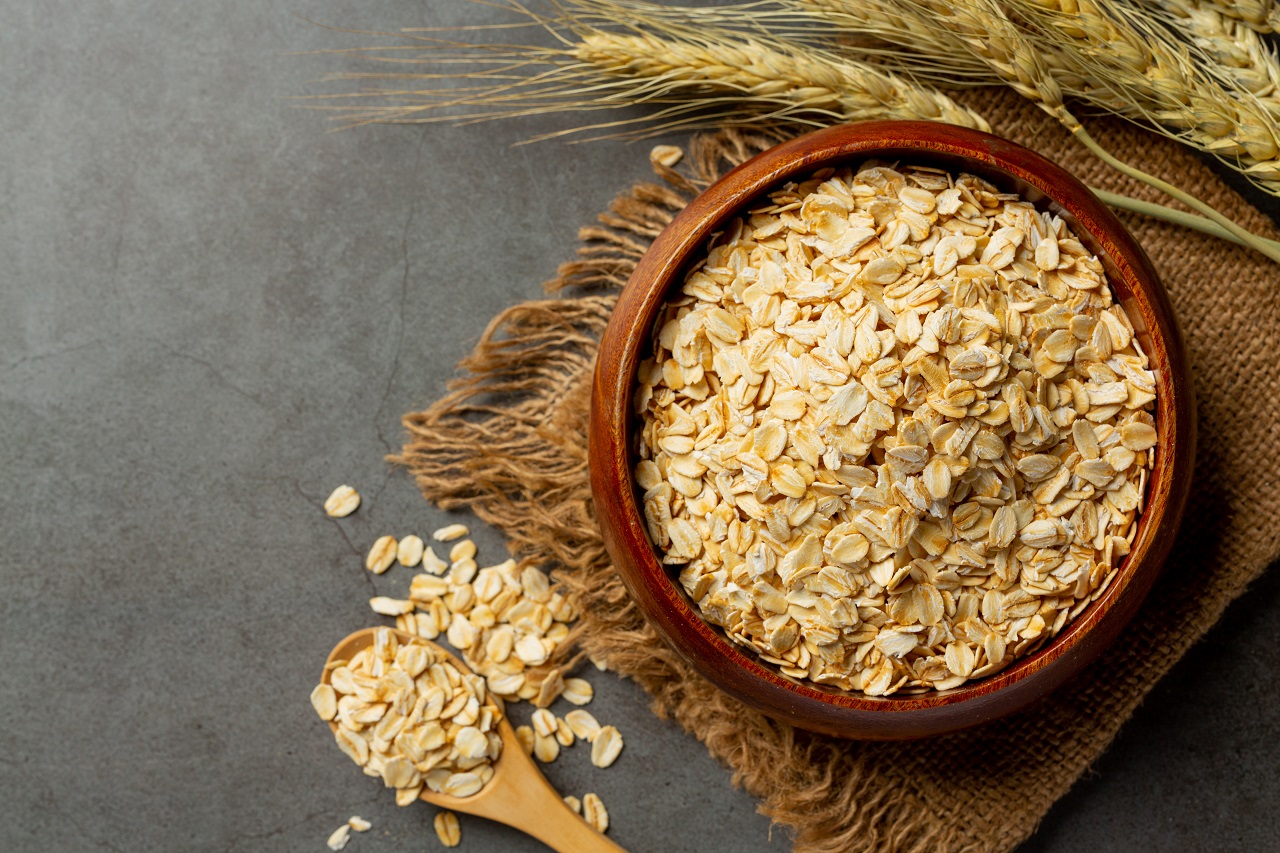
Best grains for diabetes If you’re diagnosed with Diabetes, white rice and anything made with white flour such as bread or pasta and other refined grains are off the table. This leaves us with little options. Out of these limited options, Barley and Ragi can work wonders if you want to stop those surges in blood sugar. Here’s why we think Barley and Ragi are the best grains for diabetes.
Why Are Barley and Ragi The Best Grains For Diabetes?

Barley is a wonder grain, not only for diabetics, but for everyone. This grain helps diabetics specifically because it is high in fiber content (soluble and insoluble) which makes it a low GI food. Consuming Barley will not raise your blood sugar levels like a piece of bread or a cup of polished white rice would.

If you’re wondering how Barley achieves that, it’s because of the Beta Glucan fibers in it. Thanks to these fibers, the release of sugars in the bloodstream is slowed and when consumed, it helps a person keep their sugar levels well within the target zones – for post prandial – that is post meal sugar, as well as the fasting sugar levels, which improve because consuming barley keeps you satiated for a longer duration, so you are less hungry and eat less frequently.

Moreover, Barley is a good source of magnesium which is very important for diabetics as deficiency of magnesium is known to cause insulin resistance, and a magnesium-rich diet helps in improving insulin sensitivity of cells which results in better blood sugar control. 1 cup of barley consumption covers 61% of your daily magnesium requirement.

What Is The Best Way To Consume Barley? 

Make sure to go for hull-less Barley which is the truly whole grain variety of Barley. More processed type is known as pearl Barley and may have less nutrient density as compared to hull-less Barley. The way to consume it is by adding it to soups, stuffing, flour, etc. or by having barley water more commonly known as ‘Jau Ka Pani’ which is prepared by soaking a cup of barley overnight. Adding Barley in a diabetic diet serves a lot of benefits!

How Does Ragi Help Manage Diabetes? 

If we speak of Ragi, it also comes from the millet family and contains higher amounts of calcium and phosphorus as compared to some other cereals and grains. Diabetics who have gluten resistance and cannot consume wheat or barley can opt for Ragi as it is gluten-free. Ragi also has very less cholesterol and very high antioxidant activity, which helps meet the overall nutritional requirement for a diabetic. 

However, it’s best to consume Ragi in moderation and rotate with other whole grains for best benefits on sugar control. For diabetics, the best approach to carbohydrate consumption is to stick to rotation of whole grain foods.

We hope this article on the best grains for diabetes helps you. For more on managing diabetes, check out Healthy Reads. 

For further guidance and motivation by certified experts, join the GOQii Diabetes Care program. It’s India’s only diabetes program that is driven by Smart Science and Personal Coaching to improve Fasting Blood Sugar (FBS), Postprandial Blood Sugar (PP), reduce HbA1c levels and let you win gold! You can subscribe here: https://store.goqii.com/diabetescare.

#BeTheForce 

July 13, 2022 By GOQii 4 Comments

9 Diabetes Friendly Grains Beyond Brown Rice

diabetes friendly grainsDiabetes is one of the most prevalent conditions throughout the world. Be it Type 1, Type 2 or Gestational. As soon as we realize that we have Diabetes, we immediately start controlling our sweet tooth in order to keep our sugar consumption under control. But apart from cutting down on sweets and adding less sugar to your tea/coffee, it is also extremely important to understand that we have to limit our calorie intake and add foods which have a low glycemic index to our diet.
Low Glycemic Index foods are those which take a longer time to get digested and therefore, release the sugars in our blood at a slow pace. This, in turn, prevents sudden spikes in blood sugar levels. So if you’ve been replacing your white rice, which has a high glycemic index, with brown rice, there are some other diabetes friendly grains you can explore.

9 Diabetes Friendly Grains You Can Consume

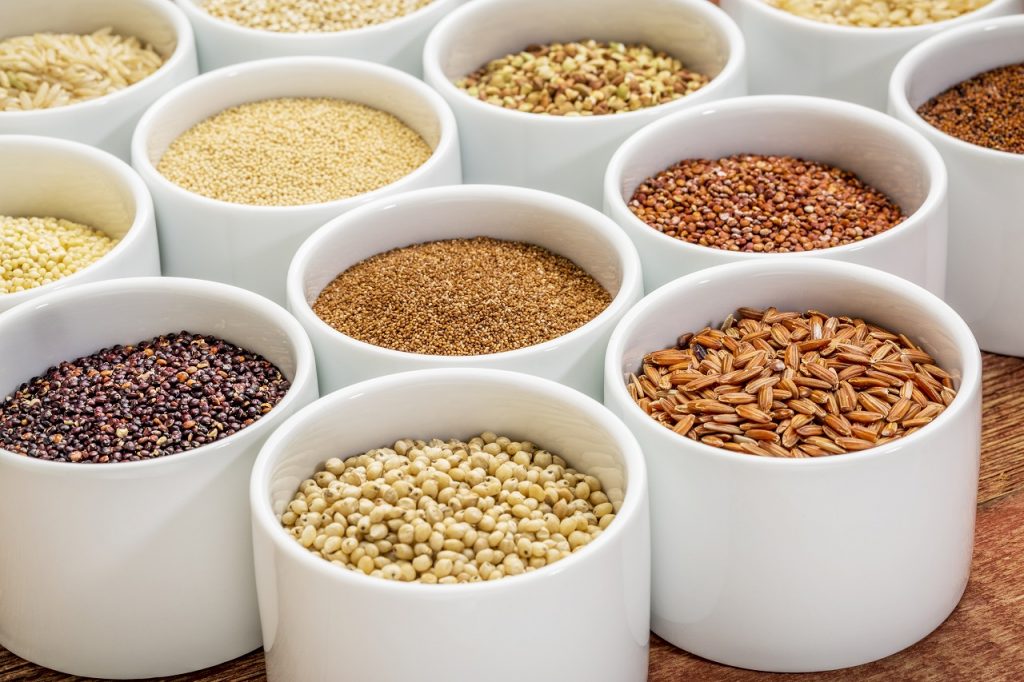
  1. Amarnath: Gluten free, high protein (15-18%), a great source of calcium, fiber, iron, potassium, and many other vitamins and minerals.
    How to cook: Add 2 cups water to 1 cup amaranth grain, bring to a boil, and then simmer for 15-20 minutes.
  2. Foxtail millet: Gluten-free, high in dietary fiber, Low Glycemic index, reduces the levels of triglycerides, LDL and VLDL, magnesium present in millets is a co-factor in various enzymes involved in the secretion of insulin and metabolism of glucose in the body
    How to cook:  Pressure cook 1 cup of foxtail millet with 2.5 cups water and 1/2 tsp salt for three whistles. Turn off the flame.
  3. Quinoa: Highest protein content, gluten-free, rich in fiber, iron, and magnesium. It is easy to cook as well.
    How to cook: Pressure cook 1 cup of quinoa with 2.5 cups water for three whistles. Simmer for 5 minutes and turn off the flame.
  4. Kodo Millet: High fiber and energy content and tastes like rice. Kodo Millet contains Copper, deficiency of which impairs sugar tolerance. Research has identified anti-diabetic compounds i.e. Quercetin and Phenolic acids which are present in Kodo Millet.
    How to cook:  Pressure cook 1 cup of Kodo Millet with 2.5 cups water and 1/2 tsp salt for two whistles. Turn off the flame.
  5. Buckwheat: High in magnesium, phytonutrients, and dietary fiber and is gluten-free as well.
    How to cook: Add 2 cups water to 1 cup buckwheat grain, bring to a boil, then simmer for 20 minutes.
  6. Little Millet: Low cholesterol, gluten-free, high in protein and dietary fiber.
    How to cook: Pressure cook 1 cup of little millet with 2.5 cups water and 1/2 tsp salt for two whistles. Turn off the flame.
  7. Barnyard Millet: Gluten-free,  has the highest fiber and iron content of all the millets.
    How to cook: Pressure cook 1 cup of Barnyard Millet with 2.5 cups water and 1/2 tsp salt for two whistles. Turn off the flame.
  8. Barley: High in soluble fiber which prevents the carbohydrates from getting absorbed too quickly and raising blood sugar levels. Low glycemic index and high in magnesium as well.
    How to cook: Pressure cook 1 cup of Barley with 3 cups water for about 25 minutes after the first whistle.
  9. Rye: A very good source of dietary fiber, phosphorus, magnesium, and vitamin B1. It’s a rich source of magnesium too.
    How to cook: Soak 1 cup of rye grain for about 2 hours. Combine the grains with 4 cups of water in a pan, bring to a boil, simmer, close with a lid and cook for about 45 minutes.

There you have it! 9 diabetes friendly grains that are great alternatives to white rice or in case you want to switch from brown rice. Before making any dietary changes, consult a doctor or your nutritionist for further guidance and in case you have any allergies.

We hope this article helps you! Do leave your thoughts in the comments below. For more on managing diabetes, check out Healthy Reads.

For further guidance and motivation by certified experts, join the GOQii Diabetes Care program. It’s India’s only diabetes program that is driven by Smart Science and Personal Coaching to improve Fasting Blood Sugar (FBS), Postprandial Blood Sugar (PP), reduce HbA1c levels and let you win gold! You can subscribe here: https://store.goqii.com/diabetescare.

Let’s #DefeatDiabetes and #BeTheForce 

June 7, 2022 By Palak Mittal Leave a Comment

Wonder Herbs That Can Reduce Blood Sugar

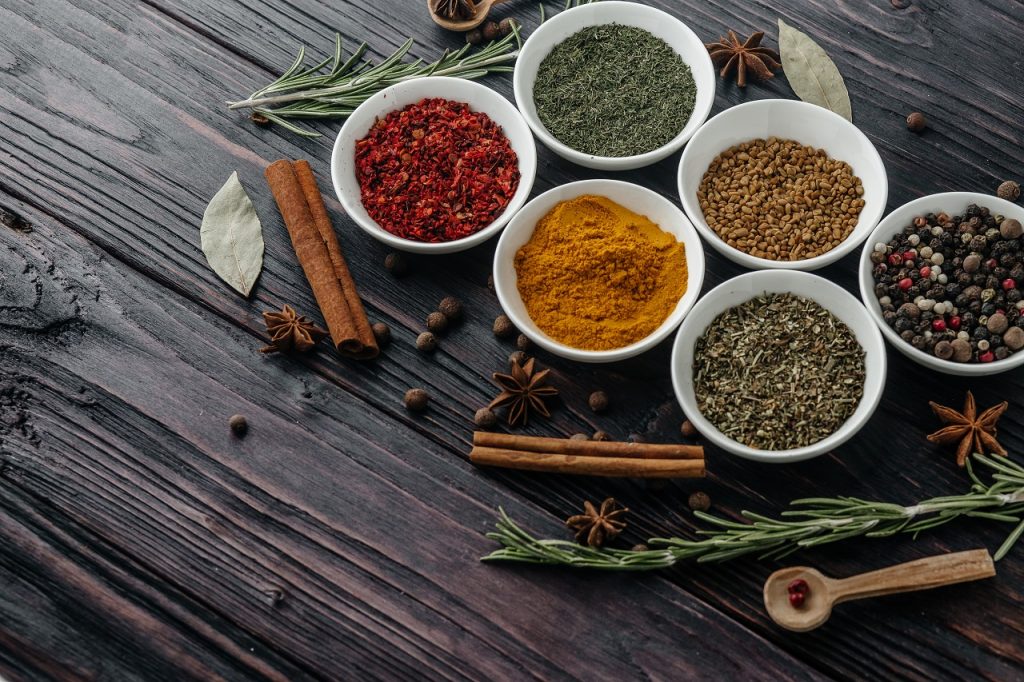
reduce blood sugarAn epidemic worldwide, Diabetes is a disorder which alters blood sugar levels and the production of insulin that can cause various complications if left untreated. Although, it can be managed through lifestyle modifications and exercises. A few spices and herbs along with dietary changes can reduce blood sugar. These remedies are not only economic but can help in reducing dependency on medicines too. 
Herbs That Can Reduce Blood Sugar

1. Fenugreek: seeds are rich in minerals, vitamins, calcium, iron and proteins. It helps in controlling sugar and releasing insulin. The seeds have a high content of dietary soluble fibre which helps in slowing down the absorption of carbs and sugar.
How to Consume:

  • You can soak 1–2 tablespoons of fenugreek seeds in a glass of water overnight. Chew the seeds and drink the water the next morning on an empty stomach.
  • Fenugreek leaves can be added in dough for chapatis or in vegetables.
  • Seeds can be dry roasted to add them in food preparations.
  • Seeds can be sprouted for salads.

2. Oregano: Due to high content of glycosides, flavonoids and polyphenols, Oregano helps reduce blood sugar levels. It helps in increasing the level of insulin in the body too.
How to Consume:

  • In dried form, oregano can be added in salads, soups, or other dishes.
  • Fresh herbs can be added in boiling water, let it steep for 5mins, strain and drink as tea in the morning.
  • You can chew 5-6 oregano leaves regularly.

3. Curry Leaves: are the aromatic leaves widely used in culinary preparations. It helps in decreasing blood sugar levels and also promotes carbohydrate metabolism.
How to Consume: Curry leaves can be chewed every day on an empty stomach or can be used in preparation of food in kitchen

4. Aloe Vera: is a magical herb that not only controls diabetes but has proven beneficial in other ailments too.
How to Consume: You can prepare Aloe Vera juice by adding 2 teaspoons of Aloe Vera gel in a glass of water and drink it twice a day.

5. Turmeric: Curcumin, an active component in turmeric, helps reduce blood sugar, improve beta cell function and fatty acid oxidation, thereby proving to be a miracle ingredient to combat the disease.
How to Consume:

  • Turmeric powder can be used in cooking food or blend in smoothies.
  • Curcumin capsules can be taken twice a day before meals.

6. Clove: in ayurveda, are used as a main ingredient to cure various ailments. This spice also helps in stabilising blood sugar levels.
How to Consume:

  • Cloves can be used in culinary dishes.
  • Coarsely grind the cloves and add them to a mug of boiling water. Let it boil for about 10 minutes. Strain the liquid and drink it warm.

7. Ginger: Gingerol is an active component present in ginger and is a common sugar control medicine in Ayurveda. It increases the secretion of insulin in the pancreas.
How to Consume: Ginger can be used to prepare ginger tea or can be chewed in raw form daily.

8. Sadabahar: is a common plant found in India. Its flowers are the main component to help reduce blood sugar levels.
How to Consume:

  • Sadabahar flowers can be boiled in water for a few minutes, strain and drink as tea in the morning.
  • 3-4 leaves can be chewed daily on an empty stomach.

9. Neem: Since time immemorial, neem is used for various ailments. Not only leaves, all parts of this plant are used in ayurveda medicines. Neem is also known to reduce blood sugar levels.
How to Consume: Boil about 10 neem leaves in a glass of water for 5 minutes till the leaves become soft and the water turns green. Strain and drink twice a day.

We hope these wonder herbs help you reduce blood sugar. But before trying any of these, do consult your doctor and do not replace your essential medication with these. 

For more information on diabetes, how to reduce blood sugar levels and other queries, check out Healthy Reads.

For further guidance and motivation by certified experts, join the GOQii Diabetes Care program. It’s India’s only diabetes program that is driven by Smart Science and Personal Coaching to improve Fasting Blood Sugar (FBS), Postprandial Blood Sugar (PP), reduce HbA1c levels and let you win gold! You can subscribe here: https://store.goqii.com/diabetescare.

#BeTheForce 

  • « Previous Page
  • 1
  • …
  • 8
  • 9
  • 10
  • 11
  • 12
  • …
  • 15
  • Next Page »

Search

Recent Posts

  • Diwali Safety: First Aid for Burns and Firecracker Injuries, and Protecting Your Lungs from Smoke
  • Cancer Screening: Which Tests You Need and When
  • This Dhanteras, Invest in Your Health
  • Jaggery vs Sugar: Is Gur Really Healthier?
  • 5 Breathing Exercises To Relieve Anxiety In An Instant

Stay Updated

Archives

  • November 2026 (8)
  • October 2026 (23)
  • September 2026 (5)
  • August 2026 (8)
  • July 2026 (24)
  • June 2026 (22)
  • May 2026 (20)
  • April 2026 (24)
  • March 2026 (18)
  • February 2026 (14)
  • January 2026 (14)
  • December 2025 (19)
  • November 2025 (14)
  • October 2025 (17)
  • September 2025 (6)
  • August 2025 (5)
  • July 2025 (9)
  • June 2025 (18)
  • May 2025 (16)
  • April 2025 (22)
  • March 2025 (25)
  • February 2025 (21)
  • January 2025 (25)
  • December 2024 (21)
  • November 2024 (21)
  • October 2024 (15)
  • September 2024 (22)
  • August 2024 (27)
  • July 2024 (14)
  • June 2024 (23)
  • May 2024 (26)
  • April 2024 (27)
  • March 2024 (27)
  • February 2024 (23)
  • January 2024 (21)
  • December 2023 (14)
  • November 2023 (10)
  • October 2023 (18)
  • September 2023 (20)
  • August 2023 (16)
  • July 2023 (16)
  • June 2023 (21)
  • May 2023 (20)
  • April 2023 (19)
  • March 2023 (23)
  • February 2023 (19)
  • January 2023 (15)
  • December 2022 (11)
  • November 2022 (15)
  • October 2022 (15)
  • September 2022 (12)
  • August 2022 (9)
  • July 2022 (17)
  • June 2022 (11)
  • May 2022 (10)
  • April 2022 (6)
  • March 2022 (6)
  • February 2022 (13)
  • January 2022 (11)
  • December 2021 (7)
  • November 2021 (3)
  • October 2021 (6)
  • September 2021 (3)
  • August 2021 (8)
  • July 2021 (7)
  • June 2021 (15)
  • May 2021 (16)
  • April 2021 (10)
  • March 2021 (7)
  • February 2021 (4)
  • January 2021 (4)
  • December 2020 (3)
  • November 2020 (4)
  • October 2020 (10)
  • September 2020 (3)
  • August 2020 (3)
  • July 2020 (2)
  • June 2020 (4)
  • May 2020 (10)
  • April 2020 (12)
  • March 2020 (10)
  • February 2020 (4)
  • January 2020 (4)
  • December 2019 (3)
  • November 2019 (7)
  • October 2019 (5)
  • September 2019 (4)
  • August 2019 (9)
  • July 2019 (9)
  • June 2019 (11)
  • May 2019 (4)
  • April 2019 (8)
  • March 2019 (8)
  • February 2019 (9)
  • January 2019 (8)
  • December 2018 (9)
  • November 2018 (3)
  • October 2018 (3)
  • September 2018 (5)
  • August 2018 (10)
  • July 2018 (6)
  • June 2018 (13)
  • May 2018 (8)
  • April 2018 (17)
  • March 2018 (9)
  • February 2018 (8)
  • January 2018 (15)
  • December 2017 (12)
  • November 2017 (19)
  • October 2017 (13)
  • September 2017 (15)
  • August 2017 (4)
  • July 2017 (8)
  • June 2017 (7)
  • May 2017 (6)
  • April 2017 (8)
  • March 2017 (6)
  • February 2017 (7)
  • January 2017 (9)
  • December 2016 (10)
  • November 2016 (7)
  • October 2016 (7)
  • September 2016 (7)
  • August 2016 (11)
  • July 2016 (9)
  • June 2016 (9)
  • May 2016 (12)
  • April 2016 (17)
  • March 2016 (17)
  • February 2016 (8)
  • January 2016 (6)
  • December 2015 (2)
  • November 2015 (9)
  • October 2015 (7)
  • September 2015 (9)
  • August 2015 (11)
  • July 2015 (9)
  • June 2015 (11)
  • May 2015 (9)
  • April 2015 (13)
  • March 2015 (8)
  • February 2015 (5)
  • January 2015 (12)
  • December 2014 (14)
  • November 2014 (11)
  • October 2014 (6)
  • September 2014 (13)
  • August 2014 (12)
  • July 2014 (6)
  • June 2014 (2)
  • May 2014 (7)
  • April 2014 (4)

From Burnout to Balance: How Dr. Ranjit Reclaimed His Health

Dr Ranjit Bhatt has spent years tending to others. A practising doctor in Odisha, his days were packed with patients, surgeries, and emergencies. From the outside, it looked like a life lived in service. But on the inside, something wasn’t right. “I had no … [Read More...]

From Shimla’s Slopes to Chandigarh’s Sidewalks: Surinder Kaur Bhalla’s Journey from Chaos to Control

Some journeys start with a plan. Others begin with a stumble literally. Surinder Bhalla, a government professional, born and raised in the scenic hill town of Shimla, had always lived a life of movement. “In Shimla, you walked everywhere,” she reflects. “Walking was never an exercise. It was just life.” But after shifting to Chandigarh, […]

“I’ve Challenged Myself to Live 100 Years” – The Story of Chandubhai Savani’s Second Chance at Life

At 67, most people start slowing down. Not Chandubhai Savani. A resident of Surat, Chandubhai, thought life was on track. “My life was going well till I had my bypass surgery,” he says. That surgery, back in 2021, was a wake-up call.  Medication was routine, but exercise wasn’t. His diet? What he calls ‘normal.’ “I […]

Ananda Mukherjee Health Story

From Terminal Illness To Complete Wellness! Ananda Mukherjee Health Story

As we observe World Cancer Day under the powerful theme ‘United by Unique’ (2025-2027)**, we are reminded that every individual’s journey with cancer is distinct, yet united by shared resilience, hope, and the collective fight against this disease. This theme places people at the centre of care and their stories at the heart of the […]

  • HOME
  • HEALTHY LIVING
  • FITNESS
  • HEALTHY RECIPES
  • USER STORIES
  • KARMA
  • BUY GOQii

Copyright ©2016 GOQii