GOQii

Blog

  • HOME
  • HEALTHY LIVING
  • FITNESS
  • HEALTHY RECIPES
  • USER STORIES
  • KARMA
  • BUY GOQii

Search Results for: soup

July 5, 2023 By Neha Sharma Leave a Comment

Healthy Heart Diet: 8 Steps to Prevent Heart Disease

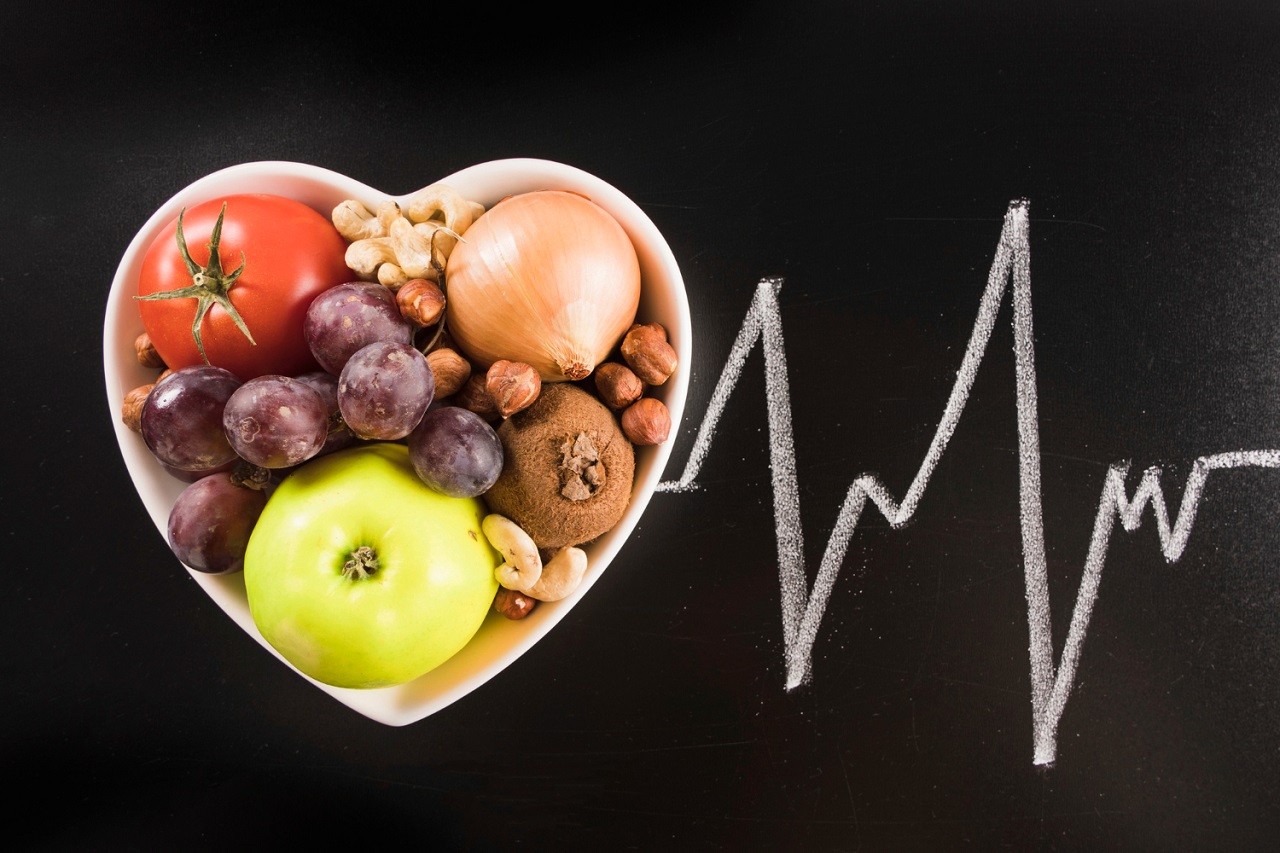
Prevent Heart Disease 2The heart plays a very vital role in the well-being of an individual. It supplies oxygenated blood to all organs of the body and also carries nutrients, fuel, hormones, and other components.

Its tremendous work pressure is never-ending but meritorious. But sometimes, just because of negligence and ignorance, we cannot pay attention to the well-being of our hearts. Lack of proper diet, eating fried foods, inactive lifestyle, smoking, and infection give rise to malfunctioning of the heart.

How Can You Prevent Heart Disease?

Changes in lifestyle and modification of diet are the key factors in improving the functioning of the heart and its long life. By following these 8 simple steps, you can have a healthy heart to lead a healthy life!

1. Include more Fruits, Vegetables and Whole grains
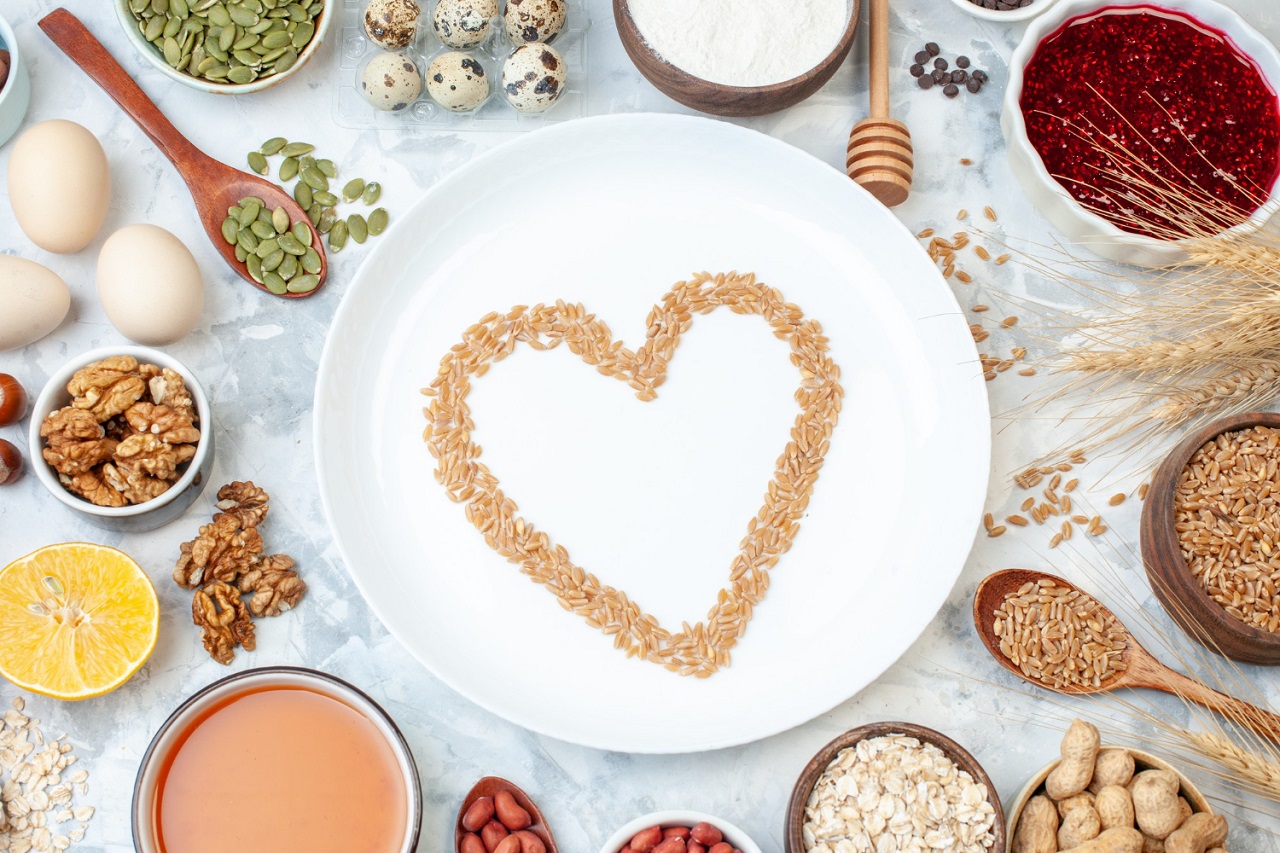
Prevent Heart DiseaseFruits & vegetables are rich in vitamins & minerals and low in calories. They also keep a check on cholesterol levels as they are very rich in dietary fiber. A diet rich in dietary fiber maintains weight as well as the gut. You need to select whole grains over refined grains as whole grains are rich in complex carbohydrates and control blood pressure and are good for the heart. Include quinoa, broken wheat, barley, oats, and whole wheat flour.

2. Keep a Check on Foods Containing Sodium

Sodium plays an important role in elevating blood pressure, increasing the risk of heart disease. Limiting salt intake is very important as in every meal, sodium is introduced and the total count increases unknowingly.

Canned food, pickles, chutneys, sauces, soups, and market mixtures are all loaded with salt and increase the total intake of salt. It’s always advised to keep an eye on evening snacks too, which are generally filled with biscuits, cookies, and mixtures.

Salads and fruits should be taken without salt and as these are rich in potassium – which can help to keep sodium on the lower front. The habit of table salt should be discouraged.

3. Choose Healthy Fats

Healthy fats should be an integral part of a heart-healthy diet. One should limit fat intake to 2-3 tsp per day including visible and non-visible fats. Butter, mayonnaise, and cheese can be replaced with homemade healthy spreads.

Poly and mono-unsaturated fats are good choices over saturated fats but all should be taken in limited amounts as all fats are high in calories. Nuts, seeds, and olive oil are good choices.

4. Make Portion Control a Habit

Portion ControlQuality and quantity both are important while having meals. Portion control is very important as it maintains and controls calories and weight. Utensils are selected for portion control and all food groups should be included to make it a balanced diet.

5. Never Skip Breakfast

Skipping breakfast and having unhealthy foods for breakfast is not at all good. As breakfast is the first meal of the day, it should be healthy and should contain a combination of proteins & complex carbohydrates. Skipping breakfast lowers the metabolism and makes the next meal heavier.  A healthy breakfast makes a healthy heart and mind too.

6. Choose Low-Fat Sources of Protein

Try to incorporate protein in every meal as it maintains weight and as the body is made up of protein, the requirement of protein is more. Pulses, seeds, and nuts are good low-fat sources of protein and should be included in daily routines.

Toned milk & milk products are preferred over whole-fat milk to keep a check on cholesterol levels. Lean meat, poultry, fish & eggs are also some of the best sources of protein that can be taken.

7. Menu Planning Should Be Done Prior & Keep One Day for a Treat

A menu can be made so that all options are at your doorstep and you don’t need to think daily about what to have in meals. Include all veggies, fruits, pulses, grains, nuts, seeds, milk & milk products.

Any one day, you can add a little cheat meal so that overindulgence will not happen and your taste buds will get satisfied as a little fun is important as well.

8. Set a 30 min Physical Activity Goal

To maintain proper functioning of the heart, one should do daily 30 min of physical activity that could be anything including brisk walking, yoga, cardio, or strength training. Walking is an overall exercise that improves blood supply, improves lung capacity and is also good for the gut. Take out 30 min of time for walking either in the evening or morning.

The above points, if kept in accordance with daily routine, will make the heart stronger and happier for a long period of time. If your heart is happy, you are happy!

If this article helped you, let us know in the comments below! Find more tips on living a healthy life here. If you want to make these habits a part of your daily life and need help, reach out to a GOQii Coach by subscribing to Personalised Health Coaching here.

#BeTheForce 
June 27, 2023 By Shaeba Shaikh 3 Comments

5 Tips To Maintain A Healthy Gut This Monsoon

5 Tips To Maintain A Healthy Gut This MonsoonThe fresh, dewy weather, the chirping birds and the amazing smell of wet mud! The rainy season has its own charm but along with it, it also brings a host of diseases and infections. One such being a compromised Gut! The symptoms of a compromised gut may include an upset stomach, acidity, bloating, flatulence, gas, etc. making it crucial to maintain a healthy gut during this season.
How Can You Maintain A Healthy Gut This Monsoon? 

Here are 5 simple yet effective ways in which you can maintain a healthy gut: 

  1. Add Ginger/Garlic: These are the most commonly used herbs in our households and they provide us with an array of benefits. Raw Ginger/Garlic acts as a Prebiotic (food) for friendly gut bacteria, thereby improving gut health. Gingerol and Allicin present in them respectively, are found to have antibacterial and antifungal properties which keep infections at bay. Adding fresh herbs to your food/soups or drinking a warm cup of Ginger tea will be a great way to improve gut health.
  2. Eat Cooked Foods Over Raw Foods: Cooking has a bacterio-cidal (Bacteria killing) effect on the food prepared. Humidity provides a conducive environment for bacterial and fungal growth. Raw foods can be a host for bacterial growth. Hence, cooking foods rather than consuming them raw is a better alternative. Eg: Having a veg soup over a raw veg salad will be a better alternative.
  3. Eat Fermented Foods: Probiotics are the beneficial gut bacteria which work as the first line of defense against any infection. They also synthesize Short Chain Fatty Acids (SCFA) and Vitamin K in the body, thereby giving energy. Adding Idlis, dosas, homemade curds, Khimchi, Kefir, etc. to your diet will improve the number of probiotics and thereby improve gut health.
  4. Consume Fruits/Vegetables Immediately After Cutting: If vegetables or fruits are cut and left exposed to air, it can attract flies or insects which can infest the food. If this food is consumed, it can cause infections and affect gut health. Hence, eat the fruit/vegetable immediately after cutting/chopping it, or cover it if you wish to consume it later.  
  5. Eat Light: Foods such as rice, dal, legumes, soups, vegetables, fruits, Khichdi, etc. are lighter on the stomach and are easily digested and absorbed as opposed to the tempting fried Pakoras, vada pav, etc. which can cause bloatedness, acidity and/or flatulence.

Do keep these tips in mind and maintain a healthy gut for a healthy you! If these tips helped, let us know in the comments below.

You can find more gut health tips here or you can speak to an expert directly by subscribing to GOQii’s Personalised Health Coaching here.

#BeTheForce 

June 18, 2023 By Neha Kapoor 5 Comments

Rise From Calorie Counting To Be Your Own Dietitian

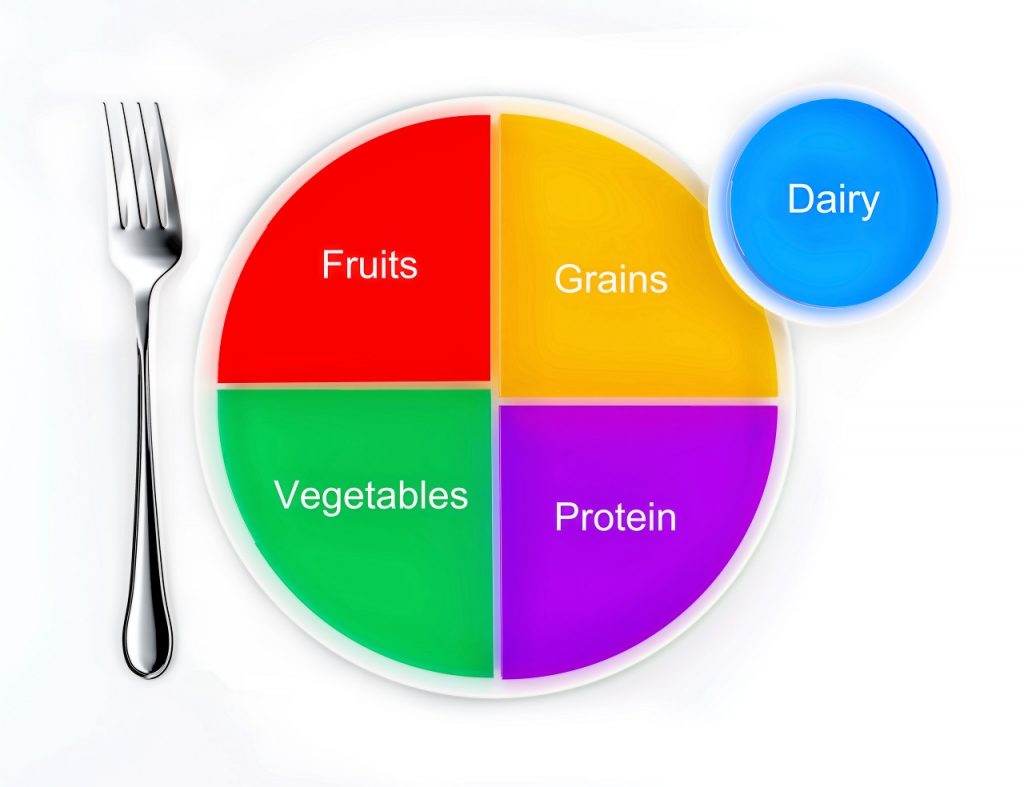
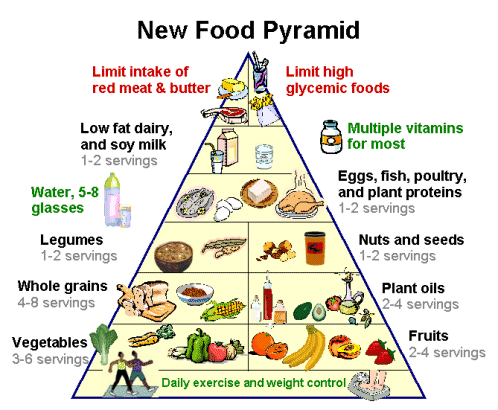
food pyramidDo you know the long kept “Secret of Diet”? Have you heard about it? In this article I would like to share it with you. It is a mantra to facilitate weight loss, regulate diabetes, hypertension and many such diseases taking good care of your immune system as well as vital organs. I am sure you must be familiar with these idioms i.e. “Food Pyramid” and “My plate”. If you are, I will be representing it from a different perspective. These are our main tools to plan a daily diet.
The Importance of Food Pyramid & My plate

The main idea behind the design of the food pyramid is to make our healthy eating experience much easier. When starting a new healthy diet, people need to know if they are consuming the right amount of the basic nutrients such as protein, fat, and carbohydrate, which is where the importance of the food pyramid and my plate comes in.

The food pyramid contains several sections of foods which are usually grouped according to their nutrient’s similarity. This actually helps you with a larger option to choose from. This way, you are not stuck to one particular food when there’s a whole world of options out there.

How To Use It? 

  1. Keeping this picture in front of you can help in making healthier choices with the number of servings you should ideally take in a day.
  2. Now next step is to understand My Plate which makes things pretty clear.

My Plate

The beauty of My Plate is in using a plate icon to “measure” the relative portion sizes of what you’re eating.

  • My Plate is a food icon that serves as a powerful reminder to make healthy food choices and to build a healthy plate at mealtimes.
  • It is a visual cue that identifies the five basic food groups that are: Fruits-20%, Vegetables-30%, Protein group-20%, and grains 30% and a bowl of dairy products.

What to Put on Your Plate?

  • Eating the My Plate way means filling half your plate with vegetables and fruits, adding slightly more veggies than fruits (Due to sugar content).
  • Go for a colourful mix. You’ll get plenty of nutrients that way.
  • You should fill the other half of your plate with lean protein and grains, using slightly more grain than protein. For instance, lean cuts of chicken and other meat, fish, beans and peas, tofu, eggs, nuts and seeds (use sparingly).
  • Whole grains should make up at least half of your grains. That means choosing brown rice instead of white rice, whole wheat flour or multigrain or millets instead refined flours for instance. If weight loss is a goal make grains 20%.
  • The My Plate icon also shows a glass of milk/ buttermilk near your “plate.” It’s a reminder to include dairy (mostly fat-free or low-fat) in your diet. A2 or organic milk is essentially chemical-free and healthier as the cows are fed grass or organically cultivated fodder. Calcium-fortified soy milk also counts.

Dietary Guidelines of My Plate

Making food choices for a healthy lifestyle can be as simple as using these tips. Use the ideas in this list to balance your calories (energy coming from food), to choose foods to eat more often, and to cut back on foods to eat less often.

  1. Enjoy your food, but eat less: Take the time to fully enjoy your food as you eat it. Eating too fast or when your attention is elsewhere may lead to eating too many calories (overeating). Pay attention to hunger and fullness cues before, during, and after meals. Use them to recognize when to eat and when you’ve had enough.
  2. Avoid oversized portions: Use a smaller plate, bowl, and glass. Portion out foods before you eat. When eating out, choose a smaller size option, share a dish, or take a part of your meal home.
  3. Foods to eat more often: Eat more vegetables, fruits, whole grains, and fat-free or 1% milk and dairy products. These foods have the nutrients you need for health – including potassium, calcium, vitamin D, and fiber. Make them the basis for meals and snacks.
  4. Make half your plate salad and vegetables: Choose red, orange, and dark-green vegetables like tomatoes, sweet potatoes, and broccoli, along with other vegetables for your meals. Add salad to meals.
  5. Switch to fat-free or low-fat (1%) milk: They have the same amount of calcium and other essential nutrients as whole milk, but fewer calories and less saturated fat.
  6. Make half your grains whole grains: To eat more whole grains, substitute a whole-grain product for a refined product-such as eating whole wheat bread instead of white bread or brown rice instead of white rice, whole wheat flour or millets instead refined ones.
  7. Foods to eat less often: Cut back on foods high in solid fats, added sugars, and salt. They include cakes, cookies, ice cream, candies, sweetened drinks, pizza, and fatty meats like ribs, sausages, bacon, and hot dogs. Use these foods as occasional treats, not everyday foods. Natural sugars like jaggery, honey, pure maple syrup are better choices.
  8. Compare sodium in foods: Use the Nutrition Facts label to choose lower sodium versions of foods like soup, bread, and frozen meals. Select canned foods labelled “low sodium,” ”reduced sodium,” or “no salt added.”
  9. Drink water instead of sugary drinks: Cut calories by drinking water or unsweetened beverages. Soda, energy drinks, and sports drinks are a major source of added sugar, and calories, in American diets.

Do give it a try and share your experience in the comments below. After getting familiar with this tool, we really don’t need any diet charts. Stick the pictures in your kitchen and plan any day meal without any hassle.

You can find more useful information on nutrition here. You can also get this information directly from an expert by subscribing to GOQii’s Personalised Health Coaching here.

#BeTheForce 

April 23, 2023 By Kusum Soni 3 Comments

Top Meat Substitutes And Their Importance

meat substitute

Meat consumption has primarily been linked to Western diet and recently, it’s been a trend in people who want to build muscles. No doubt, Meat is an excellent source of high-quality protein, various vitamins and minerals such as vitamin B12, zinc, selenium, iron, niacin, and vitamin B6.

However, a large number of studies have linked meat consumption to higher risk of cardiovascular disease, heart disease, stroke and some forms of cancer, Type 2 diabetes, also known as “Non-Communicable Diseases (NCDs)”. That is because, Meat is high in saturated fat, which can lead to above-mentioned lifestyle diseases. Thus, health awareness and other factors such as animal disease, natural resources depletion, green-house gas emission and other environmental concerns has led to the shift to low fat and low calorie plant foods and has increased importance of meat substitutes in the current scenario.

Plant based foods are associated with lowered risks for several  kinds of cancers, lowered incidence of hypercholesterolemia, cardiovascular diseases and are known to enhance the immune system as well. Only limiting factor here can be the low quality proteins, but that too can be easily overcome by including diverse plant protein sources to get all the essential amino acids.

Plant-based Meat Substitutes

Here are some of the best meat substitutes that can be a part of a healthy and wholesome diet.

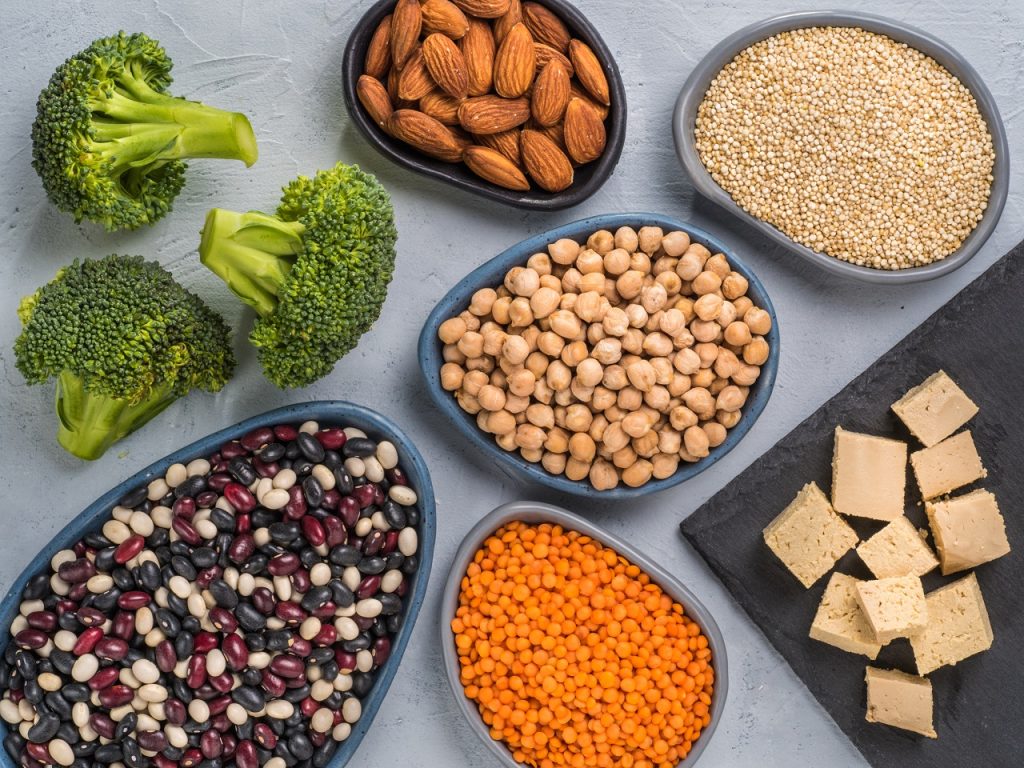
1. Tofu

It is also called Bean Curd, is a  Soy food product made from soybean or soya bean. It is one of the best meat substitutes because

  • It offers a complete protein profile
  • It has heat-stable storage protein. Hence, it is good for high temperature cooking
  • Bioavailability of soy protein is equivalent to meat and eggs
  • They are low in fat in comparison to animal based food especially saturated fat, and have zero cholesterol
  • Rich in many bioactive compounds such as isoflavones, peptides, flavonoids and vitamins, which have a protective effect against free radicals in the body

Using firm tofu and Crumbling, stir-fry it until brown and crispy. This makes it taste extremely similar to ground chicken or pork. It can be stir-fried with veggies like broccoli, bell pepper, Zucchini to make salads or its sautéed cubes can be added in soups, or used in sandwiches with lettuce and tomato slices or made into Tikka masala or Tofu-Chilli, etc.

2. Beans and Legumes

They are an ideal choice for a filling and fiber-rich meal. They have protein content which is at par with some animal foods, as per the Nutritive Value of Indian Foods. Raw beans/legumes can provide a whopping 18-37 gm of protein per 100 grams with additional advantage of fiber, low fat, no cholesterol and plenty of vitamins and minerals.

Few options include: 

  • Chickpeas have beneficial nutrient composition with high fibre which makes it more filling. They not only provide protein but also provide a substantial portion of iron, folate, potassium, and have a calcium content equivalent to milk. Using it as coarsely ground gives it a texture of minced beef. It can be used to make Hummus which is used as a dip for vegetable sticks,  baked falafel, which can serve as a meat-free patty in tacos or burgers or pancakes from chickpea flour with veggies to make a complete meal.
  • Boiled and minced Black beans can replace beans for ground beef in tacos and other similar dishes. The dark colour of the bean makes it a fantastic source of antioxidants and anthocyanins. It can be made into vegetables or fillings for sandwiches.
  • Lentils have one of the highest levels of protein by weight of all the pulses and less than 1% fat, providing them a nutritional edge to thicken meat-free curries and soups.
  • Cooked green peas are another protein-rich option, almost the same as a cup of milk. It can be served as a side dish, made into patties, cooked with veggies, stirred into soup or macaroni and cheese or blended with olive oil, parmesan cheese and toasted pine nuts to make a delicious pesto sauce.

3. Nuts & Seeds

Nuts and seeds are another good substitute for meats, fish and eggs as they are protein-dense, especially Hemp seeds which have complete proteins, good fiber, vitamin E, vitamin B2, niacin, folate, and essential minerals such as zinc, iron, calcium, magnesium, phosphorus, potassium, copper, and selenium and healthy essential fats

Only downside here is the relatively higher calories which calls for controlled portions. Here’s how you can use them: 

  • Hemp seeds, chia seeds and flax seeds can be toasted and sprinkled over salad to give a crunch.
  • Stir them into buttermilk/yogurt and oatmeal or blend them into smoothies.
  • Sunflower, sesame and melon seeds can be added to muffins, salads, stir fries or in the case of sunflower seeds, can be eaten on their own. 
  • Toasted nuts can be made into energy bars.
  • Plain nuts and nut butters can be eaten without hydrogenated oils or lots of added sugar, example, Almond butter and peanut butter.
  • Almond milk or hemp milk are also good options for consumption.

A study by Harvard School of Public Health (HSPH) has revealed that replacing one serving of red meat with one serving of nuts reduces mortality risk by 19%. Believe it or not, tennis legends Venus and Serena Williams follow a healthy, balanced raw vegan diet during the tennis season. That’s right, both raw and vegan.

If this article helped you, let us know in the comments below. You can read more articles on nutrition here or just speak to a GOQii Coach directly by subscribing for Personalised Health Coaching here.  

#BeTheForce 

  • « Previous Page
  • 1
  • …
  • 12
  • 13
  • 14
  • 15
  • 16
  • …
  • 32
  • Next Page »

Search

Recent Posts

  • Foods to Manage Blood Sugar Naturally: A Complete Guide to Better Blood Sugar Control
  • The Lazy Person’s Guide to Staying Healthy: 5 Micro-Habits That Take Less Than 2 Minutes
  • Healthy Eating: Comforting Chilli Bean Soup Recipe for the Monsoon
  • The Truth About the ‘Beer Belly’: What Alcohol Really Does to Your Metabolism
  • Benefits of Meditation: How One Daily Habit Can Transform Your Mental Wellbeing

Stay Updated

Archives

  • August 2026 (7)
  • July 2026 (25)
  • June 2026 (22)
  • May 2026 (20)
  • April 2026 (24)
  • March 2026 (18)
  • February 2026 (14)
  • January 2026 (14)
  • December 2025 (19)
  • November 2025 (15)
  • October 2025 (20)
  • September 2025 (6)
  • August 2025 (6)
  • July 2025 (9)
  • June 2025 (18)
  • May 2025 (16)
  • April 2025 (22)
  • March 2025 (26)
  • February 2025 (21)
  • January 2025 (25)
  • December 2024 (22)
  • November 2024 (22)
  • October 2024 (20)
  • September 2024 (22)
  • August 2024 (28)
  • July 2024 (15)
  • June 2024 (23)
  • May 2024 (26)
  • April 2024 (27)
  • March 2024 (27)
  • February 2024 (23)
  • January 2024 (21)
  • December 2023 (14)
  • November 2023 (10)
  • October 2023 (19)
  • September 2023 (21)
  • August 2023 (16)
  • July 2023 (16)
  • June 2023 (21)
  • May 2023 (20)
  • April 2023 (19)
  • March 2023 (23)
  • February 2023 (19)
  • January 2023 (15)
  • December 2022 (11)
  • November 2022 (15)
  • October 2022 (15)
  • September 2022 (12)
  • August 2022 (9)
  • July 2022 (17)
  • June 2022 (11)
  • May 2022 (10)
  • April 2022 (6)
  • March 2022 (6)
  • February 2022 (13)
  • January 2022 (11)
  • December 2021 (7)
  • November 2021 (3)
  • October 2021 (6)
  • September 2021 (3)
  • August 2021 (8)
  • July 2021 (7)
  • June 2021 (15)
  • May 2021 (16)
  • April 2021 (10)
  • March 2021 (7)
  • February 2021 (4)
  • January 2021 (4)
  • December 2020 (3)
  • November 2020 (4)
  • October 2020 (10)
  • September 2020 (3)
  • August 2020 (3)
  • July 2020 (2)
  • June 2020 (4)
  • May 2020 (10)
  • April 2020 (12)
  • March 2020 (10)
  • February 2020 (4)
  • January 2020 (4)
  • December 2019 (3)
  • November 2019 (7)
  • October 2019 (5)
  • September 2019 (4)
  • August 2019 (9)
  • July 2019 (9)
  • June 2019 (11)
  • May 2019 (4)
  • April 2019 (8)
  • March 2019 (8)
  • February 2019 (9)
  • January 2019 (8)
  • December 2018 (9)
  • November 2018 (3)
  • October 2018 (3)
  • September 2018 (5)
  • August 2018 (10)
  • July 2018 (6)
  • June 2018 (13)
  • May 2018 (8)
  • April 2018 (18)
  • March 2018 (9)
  • February 2018 (8)
  • January 2018 (15)
  • December 2017 (12)
  • November 2017 (19)
  • October 2017 (13)
  • September 2017 (15)
  • August 2017 (4)
  • July 2017 (8)
  • June 2017 (7)
  • May 2017 (6)
  • April 2017 (8)
  • March 2017 (6)
  • February 2017 (7)
  • January 2017 (9)
  • December 2016 (10)
  • November 2016 (7)
  • October 2016 (7)
  • September 2016 (7)
  • August 2016 (11)
  • July 2016 (9)
  • June 2016 (9)
  • May 2016 (12)
  • April 2016 (17)
  • March 2016 (17)
  • February 2016 (8)
  • January 2016 (6)
  • December 2015 (2)
  • November 2015 (9)
  • October 2015 (7)
  • September 2015 (9)
  • August 2015 (11)
  • July 2015 (9)
  • June 2015 (11)
  • May 2015 (9)
  • April 2015 (13)
  • March 2015 (8)
  • February 2015 (5)
  • January 2015 (12)
  • December 2014 (14)
  • November 2014 (11)
  • October 2014 (6)
  • September 2014 (13)
  • August 2014 (12)
  • July 2014 (6)
  • June 2014 (2)
  • May 2014 (7)
  • April 2014 (4)

From Burnout to Balance: How Dr. Ranjit Reclaimed His Health

Dr Ranjit Bhatt has spent years tending to others. A practising doctor in Odisha, his days were packed with patients, surgeries, and emergencies. From the outside, it looked like a life lived in service. But on the inside, something wasn’t right. “I had no … [Read More...]

From Shimla’s Slopes to Chandigarh’s Sidewalks: Surinder Kaur Bhalla’s Journey from Chaos to Control

Some journeys start with a plan. Others begin with a stumble literally. Surinder Bhalla, a government professional, born and raised in the scenic hill town of Shimla, had always lived a life of movement. “In Shimla, you walked everywhere,” she reflects. “Walking was never an exercise. It was just life.” But after shifting to Chandigarh, […]

“I’ve Challenged Myself to Live 100 Years” – The Story of Chandubhai Savani’s Second Chance at Life

At 67, most people start slowing down. Not Chandubhai Savani. A resident of Surat, Chandubhai, thought life was on track. “My life was going well till I had my bypass surgery,” he says. That surgery, back in 2021, was a wake-up call.  Medication was routine, but exercise wasn’t. His diet? What he calls ‘normal.’ “I […]

Ananda Mukherjee Health Story

From Terminal Illness To Complete Wellness! Ananda Mukherjee Health Story

As we observe World Cancer Day under the powerful theme ‘United by Unique’ (2025-2027)**, we are reminded that every individual’s journey with cancer is distinct, yet united by shared resilience, hope, and the collective fight against this disease. This theme places people at the centre of care and their stories at the heart of the […]

  • HOME
  • HEALTHY LIVING
  • FITNESS
  • HEALTHY RECIPES
  • USER STORIES
  • KARMA
  • BUY GOQii

Copyright ©2016 GOQii