GOQii

Blog

  • HOME
  • HEALTHY LIVING
  • FITNESS
  • HEALTHY RECIPES
  • USER STORIES
  • KARMA
  • BUY GOQii

Search Results for: nutrition

May 19, 2025 By GOQii Leave a Comment

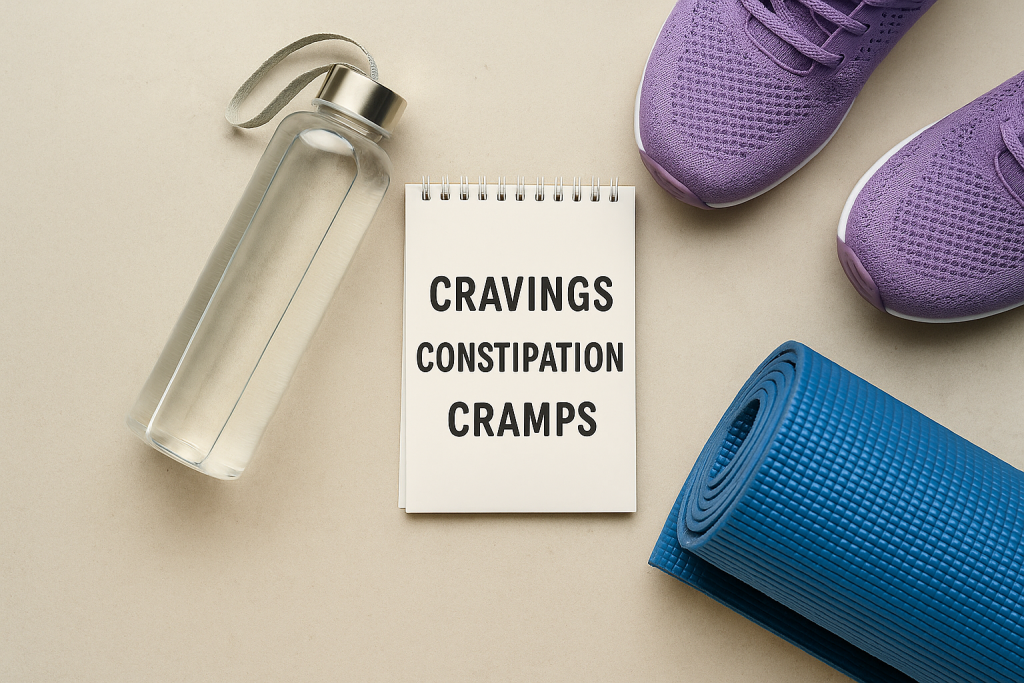
Low-Carb Woes? Here’s How to Tackle the 3 Cs: Cravings, Constipation & Cramps

Cravings, Constipation & CrampsStarting a low-carb diet can be a transformative step — especially if you’re aiming to reverse diabetes, improve metabolic health, or simply feel better overall. But the transition isn’t always smooth.

In the early days, it’s common to face a few challenges. Chief among them are cravings, constipation, and cramps — the “3 Cs” that often accompany your body’s adjustment to this new way of eating.

These symptoms are temporary, and they’re not a sign that something’s gone wrong. They simply reflect how your body is adapting. The good news? Each one can be managed effectively with a few simple strategies.

  1. Cravings

What’s happening:
When you cut down on carbohydrates — especially refined sugars and processed starches — your body initially struggles. It’s used to relying on quick sugars for energy, so when that source is removed, it signals hunger more aggressively. This can lead to strong cravings, particularly for high-carb comfort foods.

What helps:

  • Increase healthy fats: Include good fats like avocado, coconut, olive oil, and nuts in your meals. They promote satiety and help control hunger.
  • Eat balanced meals: Ensure your meals include a mix of protein, fibre, and fat. This helps stabilise blood sugar levels and reduces sudden hunger pangs.
  • Hydrate regularly: Often, what feels like a craving is actually dehydration. Aim to drink plenty of water throughout the day.

Distract and reset: A short walk, chewing gum, or even brushing your teeth can help shift your focus away from cravings.

  1. Constipation

What’s happening:
As your carbohydrate intake drops, you may also be eating less fibre — particularly if you’ve eliminated whole grains and haven’t replaced them with fibrous vegetables. This can slow down digestion.

What helps:

  • Prioritise vegetables: Load up on non-starchy vegetables like spinach, broccoli, cucumbers, and courgettes to boost fibre intake.
  • Add natural fibre sources: Chia seeds or ground flaxseeds (1–2 tablespoons a day) are excellent for digestive health.
  • Stay hydrated: Water supports smooth digestion and helps fibre do its job properly.
  • Keep moving: Gentle physical activity, like a daily walk, stimulates bowel movements and supports gut motility.
  1. Cramps

What’s happening:
Low-carb diets lead to reduced insulin levels, which cause the kidneys to excrete more water and, along with it, essential electrolytes like sodium, potassium, and magnesium. This can result in muscle cramps, especially at night. Also, cutting out processed foods often reduces sodium intake, leading to deficiency.

What helps:

  • Salt your food mindfully: A pinch of good-quality salt (sea salt or Himalayan salt) can help restore sodium levels. Aim for around 2 teaspoons per day (unless advised otherwise by your doctor).
  • Replenish magnesium: Include magnesium-rich foods like leafy greens, almonds, and pumpkin seeds. In some cases, a supplement may be useful — consult your doctor.
  • Boost potassium intake: Avocados, mushrooms, and spinach are excellent low-carb sources of potassium.
  • Hydration remains key: Continue drinking adequate fluids throughout the day to support overall electrolyte balance.

Stay the Course

These early side effects are not permanent. They’re part of your body’s natural shift from relying on carbohydrates to using fat as a primary energy source. With a little patience and the right nutritional adjustments, most people notice these symptoms ease within the first two weeks.

Once past this transition, many experience improved energy levels, reduced cravings, better digestion, and overall enhanced well-being.

So if you’re facing the 3 Cs right now — know that it’s temporary. Stay informed, take care of your body, and lean on the DIP principles. You’re on the right track.

#BeTheForce

Disclaimer: The information provided in this blog is for general awareness and educational purposes only. It is not intended to replace professional medical advice, diagnosis, or treatment. Always consult a qualified healthcare provider for personalised medical guidance or concerns related to your health.
May 7, 2025 By GOQii Leave a Comment

Goodbye Sugar, Hello Health: A Real-Food Approach to Managing Diabetes

Have you ever wondered if you could take control of your diabetes rather than letting it control you? What if the secret wasn’t buried deep on a pharmacy shelf, but already sitting on your plate?

Welcome to the world of DIP (Diabetes Improvement Programme) Nutrition – a low-carb, real-food philosophy that’s helping people across the globe rewrite their diabetes story.

The Sugar Trap: Why We’ve Been Getting It Wrong

For years, conventional advice has often pointed those with type 2 diabetes towards a low-fat, high-carb diet—ironically the very combination that spikes blood sugar. We’ve been told to count calories, watch portions, and rely heavily on medication.

But here’s the uncomfortable truth: more carbs mean more glucose, and more glucose means more insulin… and the cycle continues.

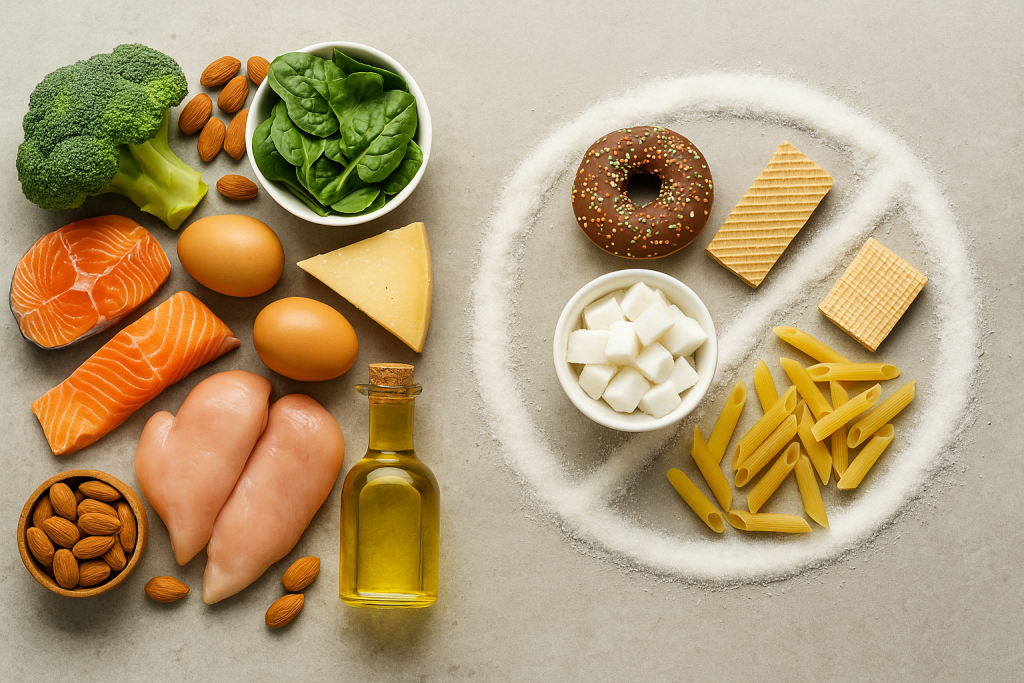
The DIP approach flips the script. It starts with one simple but powerful change: ditching sugar and refined starches. Think white bread, rice, pasta, sweets, sugary drinks – the usual suspects. Cutting these out helps reduce the constant glucose overload and gives the body the breathing space it needs to heal.

Low-Carb, Real-Food: What’s on the Menu?

This isn’t about deprivation or fad diets. It’s about getting back to basics. Real food – the kind your great-grandparents would recognise.

Think:

  • Above-ground vegetables
  • Healthy fats like nuts, seeds, and olive oil
  • Good-quality protein
  • And yes, even eggs and cheese

The DIP philosophy is rooted in nutrient-dense, whole food that nourishes rather than spikes.

The result? Lower blood sugar levels, improved insulin sensitivity, weight loss, better energy, and most importantly — hope.

Real Stories, Real Change

Across communities, people who follow the DIP way report feeling more in control than ever before. They’re reducing medications (under medical supervision), shedding stubborn weight, and finally breaking free from constant cravings and crashes.

It’s not magic. It’s metabolic science meets mindful eating.

Is This the Beginning of Your New Chapter?

If you’ve felt frustrated with traditional approaches…
If you’re tired of chasing highs and crashing lows…

Maybe it’s time for a fresh start.

“Goodbye sugar, hello health” isn’t just a catchy phrase – it’s a powerful reality waiting to unfold.

Let your first step be this: rethink what’s on your plate. Your body will thank you.

#BeTheForce

Disclaimer: The information provided in this blog is for general awareness and educational purposes only. It is not intended to replace professional medical advice, diagnosis, or treatment. Always consult a qualified healthcare provider for personalised medical guidance or concerns related to your health.

April 22, 2025 By Hardika Vira 5 Comments

Common Reasons For Not Losing Belly Fat

Commons Reasons For Not Losing Belly FatBelly fat is not accumulated in a day or two. It takes several weeks and months of unhealthy eating and lifestyle to build it. When people finally decide to lose belly fat, the first thing they wonder is ‘Why am I not losing belly fat even after exercising so much and cutting down on junk food?’ There are several reasons for it.
Reasons Why You’re Not Losing Belly Fat

Here are a few common reasons why most individuals find it difficult to lose belly fat.

1. Eating Heavy Meals At One Time
Most people struggling with losing belly fat and weight loss are the ones who tend to have too much food at one time. The reason for this is largely either long gaps between the meals or skipping previous meal or if the person consumes food very fast. How is this related to belly fat?

When a person consumes food, it gets broken down to release/provide energy. Firstly, it will fill in the glycogen stores and then the excess calories that are not used up with good physical activity get converted into fats and the most common sites of fat storage is the belly, arms, thighs and buttocks.

When you are having food, only post 20-25 mins of eating, the satiety centers in the brain are activated and you feel full and satisfied. When you eat fast the satiety centers of the brain are not activated and you end up eating more. Small frequent meals and chewing your food thoroughly and eating mindfully is the key to control food portion.

2. Dinner Meals Are High In Carbs & High In Quantity
Due to a hectic schedule, the only meal that we have together with the family turns out to be ‘dinner’ and in turn, it ends up to be the largest meal with a variety of food that the entire family enjoys. Ideally, dinners should be light and should be high in proteins and less in carbs. This is actually vice versa of what is generally practiced.

The reason for the dinners to be light and high in proteins and less in carbs is that post dinner, we are not that active. Hence, there’s no real requirement of all the carbs for energy. The process of recovery of all the muscles that are used up throughout the day, the repairing of all the wear and tear happens during the night and that requires proteins, not carbs.

3. Physical & Mental Stress
This is only with regards to people who are excessively obsessed with exercise to lose belly fat. Excessive exercise leads to physical stress and thus, high cortisol levels. In case of mental stress, you might have noticed that the first thing you would choose is chocolates/ice creams or any comfort foods that are high in sugar or carbs for that matter. At this point of stress, the food gets broken down and is converted to fat and stored in your belly area. Exercise in moderation and keep yourself stress free by indulging in some yoga and meditation or your hobbies.

4. Consumption Of Processed Food
Do you have the habit of reading labels? Do pick one product that you eat the most and read the label today. Most of the processed or ready to eat food products are high in sugar, fat or refined carbs. They are extremely low in fiber as well. Even the fiber enriched product gives less than 2gm of fiber per serving. Read labels and choose wisely. The best solution here is to eat homemade food or you can try some variations to increase fiber intake by incorporating more veggies/fruits along with the main product.

5. Aerated Drinks
Products containing HFCS (High Fructose Corn syrup) or liquid glucose, that are present in all the aerated drinks like Cola, flavored sugar syrups, etc. do not get metabolized and are stored in the belly as fat, which is really tough to get rid off through just activities. Instead, opt for buttermilk, lemon water, coconut water, and fresh lime soda (salted) over the above drinks.

We hope this article helps you make better choices and avoid these common reasons for not losing belly fat.

#BeTheForce

Disclaimer: The information provided in this blog is for general awareness and educational purposes only. It is not intended to replace professional medical advice, diagnosis, or treatment. Always consult a qualified healthcare provider for personalised medical guidance or concerns related to your health.

April 19, 2025 By GOQii Leave a Comment

Your Liver, Your Lifeline: How Food Can Be Your Best Medicine

How often do we acknowledge the silent hero inside us—our liver? On World Liver Day, it’s time to give this powerhouse organ the attention it deserves. Quietly working 24/7, your liver keeps you healthy, energised, and toxin-free—yet we often notice it only when something goes wrong.


A healthy liver is the cornerstone of a healthy life. Every sip and every bite you take impacts this vital organ. It metabolises nutrients, filters toxins, stores essential vitamins, and supports countless bodily functions.

But your liver also reflects your lifestyle. Poor nutrition, stress, pollution, alcohol, and inactivity can slowly take a toll. The good news? Even years of damage can be reversed. Studies show that adopting healthier habits today can reduce your risk of liver disease by up to 50%.

Whether you’re 25 or 55, it’s never too early—or too late—to start. This World Liver Day, the theme “Food as Medicine” reminds us that the path to prevention starts in the kitchen. You can help your liver heal, regenerate, and thrive with the right nutrition. Small changes on your plate can spark powerful transformations, starting with your liver.

The Liver: Your Body’s Natural Detox Lab

Your liver performs more than 500 functions—from breaking down fats to filtering out toxins. Here’s what it does every single day:

  • Processes nutrients from the food you eat, converting them into energy or storing them for future use.
  • Filters toxins from alcohol, medications, and harmful chemicals.
  • Stores essential vitamins and minerals like A, D, E, K, iron, and copper.
  • Produces bile, which helps digest fats and eliminate waste.
  • Regulates blood sugar, cholesterol levels, and protein metabolism.

In short, a healthy liver is non-negotiable for a healthy you. However, there is also a growing threat of lifestyle-linked liver disease. It’s not rocket science, research has proved that diet is key to a healthy you. But our modern diets—laden with processed foods, refined sugars, and unhealthy fats—are placing an increasing burden on our liver. Also, thanks to high-stress lifestyles and sedentary habits, liver diseases are on the rise—even among those who don’t drink alcohol. The consequences are becoming alarmingly visible:

  • Non-Alcoholic Fatty Liver Disease (NAFLD) now affects over 25% of the global population. It’s linked to diets high in sugar, trans fats, and refined carbs.
  • Alcoholic Liver Disease progresses faster when combined with poor nutrition.
  • Hepatitis, though viral, worsens when the liver is nutritionally compromised.

Research shows that targeted dietary changes can not only reduce liver fat but also reverse early damage. But just like any sophisticated machine, the liver requires the right inputs—nutrients, not toxins—to function optimally.

A poor diet can act as a silent saboteur, slowly impairing liver function long before symptoms arise.

Healing from the Inside: Food as Preventive Medicine

Science is catching up with what many traditional systems of medicine have long believed: nutrition is a powerful tool in preventing and managing liver diseases.

According to the Journal of Hepatology, nutritional interventions, like lowering sugar and fat intake and increasing antioxidants, can help prevent or slow the progression of liver conditions.

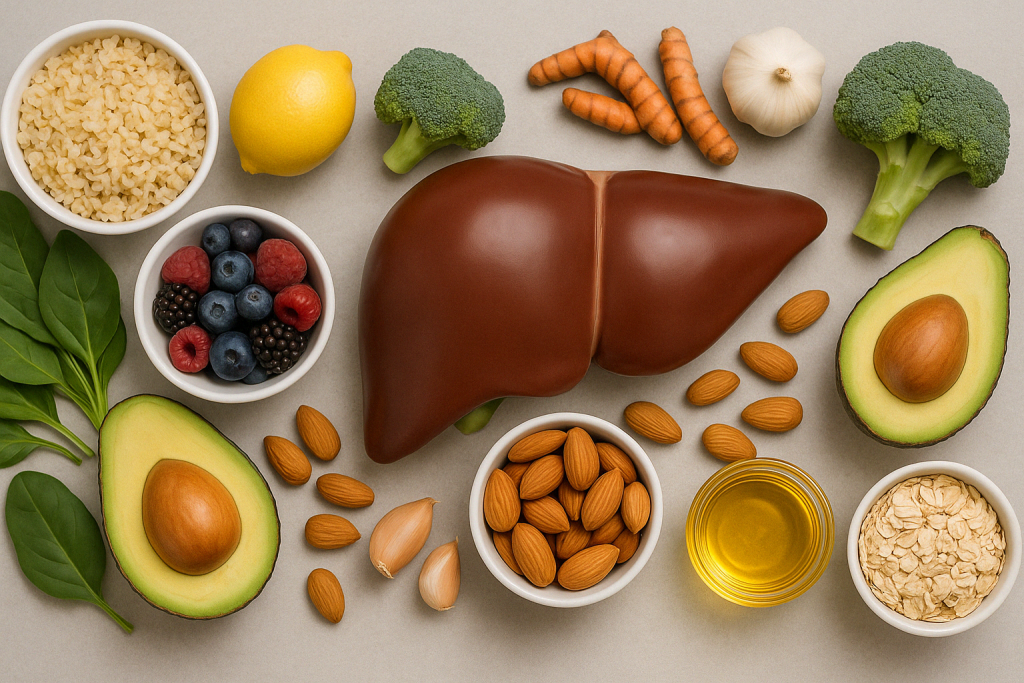
Here’s what a liver-loving plate should include:

  • Leafy greens: Spinach, kale, and arugula help neutralise heavy metals and support bile production.
  • Cruciferous vegetables: Broccoli, cauliflower, and Brussels sprouts boost detox enzymes.
  • Turmeric: Curcumin, its active compound, has anti-inflammatory and antioxidant properties.
  • Garlic: Helps activate liver detox enzymes and reduce fat accumulation.
  • Berries: Packed with antioxidants that reduce oxidative stress and inflammation.
  • Healthy fats: Nuts, seeds, avocados, and olive oil help reduce fatty build-up.
  • Whole grains: Oats, brown rice, and millets help maintain insulin sensitivity, important for liver health.

5 Simple Habits to Protect Your Liver Every Day

  1. Cut down on sugar and refined carbs
  2. Avoid excessive alcohol and processed foods
  3. Eat more fibre and antioxidant-rich foods
  4. Stay physically active
  5. Get regular liver check-ups, especially if you’re at risk

Nourish to Flourish

On this World Liver Day, let’s move beyond reactive healthcare. By embracing the “Food as Medicine” philosophy, we can actively support our liver, not just avoid harming it.

Your liver doesn’t ask for much—just a little love at the dining table. So the next time you plan a meal, ask yourself: Is this helping or hurting my liver? Because every bite counts.

#BeTheForce

Disclaimer: The information provided in this blog is for general awareness and educational purposes only. It is not intended to replace professional medical advice, diagnosis, or treatment. Always consult a qualified healthcare provider for personalised medical guidance or concerns related to your health.

  • « Previous Page
  • 1
  • …
  • 43
  • 44
  • 45
  • 46
  • 47
  • …
  • 166
  • Next Page »

Search

Recent Posts

  • World AMR Awareness Week 2026: when you need antibiotics, and simple steps to prevent AMR
  • PCOS: diet, exercise and the myths to stop believing
  • Cholesterol numbers explained: LDL, HDL and triglycerides
  • International Men’s Day 2026: why men’s health is everyone’s business
  • World COPD Day 2026: Short of Breath? Think COPD – Why Early Diagnosis Matters

Stay Updated

Archives

  • November 2026 (21)
  • October 2026 (23)
  • September 2026 (5)
  • August 2026 (8)
  • July 2026 (24)
  • June 2026 (22)
  • May 2026 (20)
  • April 2026 (24)
  • March 2026 (18)
  • February 2026 (14)
  • January 2026 (14)
  • December 2025 (19)
  • November 2025 (14)
  • October 2025 (17)
  • September 2025 (6)
  • August 2025 (5)
  • July 2025 (9)
  • June 2025 (18)
  • May 2025 (16)
  • April 2025 (22)
  • March 2025 (25)
  • February 2025 (21)
  • January 2025 (25)
  • December 2024 (21)
  • November 2024 (21)
  • October 2024 (15)
  • September 2024 (22)
  • August 2024 (27)
  • July 2024 (14)
  • June 2024 (23)
  • May 2024 (26)
  • April 2024 (27)
  • March 2024 (27)
  • February 2024 (23)
  • January 2024 (21)
  • December 2023 (14)
  • November 2023 (10)
  • October 2023 (18)
  • September 2023 (20)
  • August 2023 (16)
  • July 2023 (16)
  • June 2023 (21)
  • May 2023 (20)
  • April 2023 (19)
  • March 2023 (23)
  • February 2023 (19)
  • January 2023 (15)
  • December 2022 (11)
  • November 2022 (15)
  • October 2022 (15)
  • September 2022 (12)
  • August 2022 (9)
  • July 2022 (17)
  • June 2022 (11)
  • May 2022 (10)
  • April 2022 (6)
  • March 2022 (6)
  • February 2022 (13)
  • January 2022 (11)
  • December 2021 (7)
  • November 2021 (3)
  • October 2021 (6)
  • September 2021 (3)
  • August 2021 (8)
  • July 2021 (7)
  • June 2021 (15)
  • May 2021 (16)
  • April 2021 (10)
  • March 2021 (7)
  • February 2021 (4)
  • January 2021 (4)
  • December 2020 (3)
  • November 2020 (4)
  • October 2020 (10)
  • September 2020 (3)
  • August 2020 (3)
  • July 2020 (2)
  • June 2020 (4)
  • May 2020 (10)
  • April 2020 (12)
  • March 2020 (10)
  • February 2020 (4)
  • January 2020 (4)
  • December 2019 (3)
  • November 2019 (7)
  • October 2019 (5)
  • September 2019 (4)
  • August 2019 (9)
  • July 2019 (9)
  • June 2019 (11)
  • May 2019 (4)
  • April 2019 (8)
  • March 2019 (8)
  • February 2019 (9)
  • January 2019 (8)
  • December 2018 (9)
  • November 2018 (3)
  • October 2018 (3)
  • September 2018 (5)
  • August 2018 (10)
  • July 2018 (6)
  • June 2018 (13)
  • May 2018 (8)
  • April 2018 (17)
  • March 2018 (9)
  • February 2018 (8)
  • January 2018 (15)
  • December 2017 (12)
  • November 2017 (19)
  • October 2017 (13)
  • September 2017 (15)
  • August 2017 (4)
  • July 2017 (8)
  • June 2017 (7)
  • May 2017 (6)
  • April 2017 (8)
  • March 2017 (6)
  • February 2017 (7)
  • January 2017 (9)
  • December 2016 (10)
  • November 2016 (7)
  • October 2016 (7)
  • September 2016 (7)
  • August 2016 (11)
  • July 2016 (9)
  • June 2016 (9)
  • May 2016 (12)
  • April 2016 (17)
  • March 2016 (17)
  • February 2016 (8)
  • January 2016 (6)
  • December 2015 (2)
  • November 2015 (9)
  • October 2015 (7)
  • September 2015 (9)
  • August 2015 (11)
  • July 2015 (9)
  • June 2015 (11)
  • May 2015 (9)
  • April 2015 (13)
  • March 2015 (8)
  • February 2015 (5)
  • January 2015 (12)
  • December 2014 (14)
  • November 2014 (11)
  • October 2014 (6)
  • September 2014 (13)
  • August 2014 (12)
  • July 2014 (6)
  • June 2014 (2)
  • May 2014 (7)
  • April 2014 (4)

From Burnout to Balance: How Dr. Ranjit Reclaimed His Health

Dr Ranjit Bhatt has spent years tending to others. A practising doctor in Odisha, his days were packed with patients, surgeries, and emergencies. From the outside, it looked like a life lived in service. But on the inside, something wasn’t right. “I had no … [Read More...]

From Shimla’s Slopes to Chandigarh’s Sidewalks: Surinder Kaur Bhalla’s Journey from Chaos to Control

Some journeys start with a plan. Others begin with a stumble literally. Surinder Bhalla, a government professional, born and raised in the scenic hill town of Shimla, had always lived a life of movement. “In Shimla, you walked everywhere,” she reflects. “Walking was never an exercise. It was just life.” But after shifting to Chandigarh, […]

“I’ve Challenged Myself to Live 100 Years” – The Story of Chandubhai Savani’s Second Chance at Life

At 67, most people start slowing down. Not Chandubhai Savani. A resident of Surat, Chandubhai, thought life was on track. “My life was going well till I had my bypass surgery,” he says. That surgery, back in 2021, was a wake-up call.  Medication was routine, but exercise wasn’t. His diet? What he calls ‘normal.’ “I […]

Ananda Mukherjee Health Story

From Terminal Illness To Complete Wellness! Ananda Mukherjee Health Story

As we observe World Cancer Day under the powerful theme ‘United by Unique’ (2025-2027)**, we are reminded that every individual’s journey with cancer is distinct, yet united by shared resilience, hope, and the collective fight against this disease. This theme places people at the centre of care and their stories at the heart of the […]

  • HOME
  • HEALTHY LIVING
  • FITNESS
  • HEALTHY RECIPES
  • USER STORIES
  • KARMA
  • BUY GOQii

Copyright ©2016 GOQii

