GOQii

Blog

  • HOME
  • HEALTHY LIVING
  • FITNESS
  • HEALTHY RECIPES
  • USER STORIES
  • KARMA
  • BUY GOQii

Search Results for: nutrition

March 26, 2025 By GOQii Leave a Comment

Decode Your Food: How to Read Labels and Make Smarter Choices

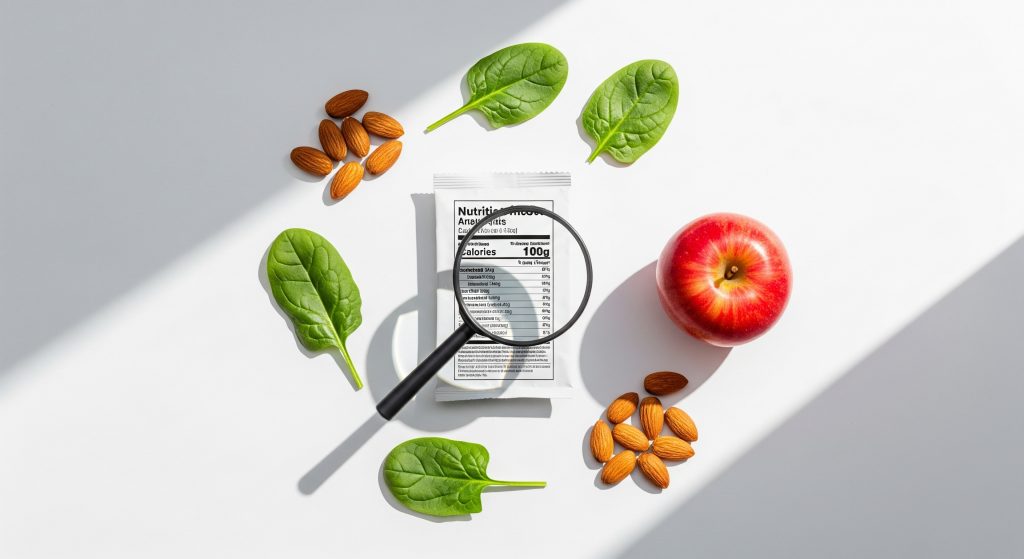
Walking down the supermarket aisle, you’re bombarded with choices—”low fat,” “high protein,” “sugar-free,” “natural.” But what do these claims really mean? How do you know if a product is genuinely healthy or just smartly marketed? The answer lies in the fine print: the food label.

Reading food labels can feel like cracking a code, but once you know what to look for, it becomes second nature—and empowers you to make healthier, smarter decisions for yourself and your family.

Let’s break it down into simple, actionable steps with a few nutritionist-approved pro tips!

  1. Start With the Ingredients List 📝

This is where the truth of the product lies. Ingredients are listed in order of quantity, from most to least. If sugar, salt, or refined flour are among the first three, it’s a red flag.

  • Choose products with whole, recognisable ingredients.
  • Fewer ingredients usually mean less processing.

💡 Pro Tip: Ingredients like high fructose corn syrup, maltose, dextrose, or anything ending in “-ose” are forms of sugar. The same goes for hydrogenated oils, which signal unhealthy trans fats.

  1. Serving Size vs. Reality 🍿

The label might say 120 calories per serving—but what’s a serving? 5 crackers? Half a chocolate bar? Often, the serving size is much smaller than what we typically consume.

  • Always check the number of servings per package.
  • If you eat double the serving size, you’re getting double the calories, fat, and sugar.

💡 Pro Tip: For single-serve snacks, don’t assume the whole pack is one serving. Check to avoid underestimating your intake.

  1. Understanding Nutrition Per 100g vs. Per Serving 📊

Many labels show nutrition per 100g and per serving.

  • Use per 100g to compare products easily.
  • Use per serving to track your intake.

💡 Pro Tip: If you’re comparing two products, always use the per 100g column to avoid being misled by serving sizes that vary between brands.

  1. Know Your Daily Reference Intakes (RI) 📅

Labels often list percentages of nutrients based on a daily reference intake (also called Daily Value). These help you understand how much of a nutrient you’re getting per portion.

  • Aim for high %RI in fibre, protein, vitamins, and minerals.
  • Aim for low %RI in saturated fat, sugar, and salt.

💡 Pro Tip: A %RI of 5% or less is low; 20% or more is high. Use this to gauge whether a food is helping or hindering your goals.

  1. Nutrients to Prioritise ✅

  • Fibre: Go for 3g or more per serving. Fibre keeps you full, supports digestion, and stabilises blood sugar.
  • Protein: Helps with satiety and muscle maintenance—look for at least 5-10g per serving in snacks.
  • Vitamins & Minerals: Check for iron, calcium, vitamin D, and B vitamins. These often get overlooked!
  1. Nutrients to Watch Out For ⚠️

  • Added Sugars: Ideally less than 5g per serving. Sugar is often hidden in “healthy” foods like yoghurt and granola.
  • Saturated Fat: Keep this below 1.5g per 100g for a healthy heart.
  • Salt (Sodium): Aim for less than 0.3g per 100g. High salt intake can raise blood pressure.

💡 Pro Tip: Some products list sodium instead of salt. Multiply sodium by 2.5 to get the salt equivalent.

  1. Don’t Fall for Buzzwords ❌

“Natural,” “low fat,” “no added sugar”—these claims can be misleading.

  • “Low fat” might mean high sugar.
  • “No added sugar” doesn’t mean sugar-free—fruit concentrates count!
  • “Gluten-free” doesn’t mean healthy—many such products are high in fat or sugar.
  1. Example: Comparing Two Granola Bars 🍫 vs. 🥜

Nutrient

Bar A Bar B
Calories 200 160
Sugar 12g 5g
Fibre 2g 5g
Protein 3g 6g

✔ Bar B wins—lower sugar, higher fibre and protein, fewer calories. Always check beyond the front label!

Understanding food labels helps you cut through the noise, take control of your health, and make empowered choices. It’s not about perfection—it’s about making informed swaps that add up over time.

Next time you shop, take a closer look. Your future self will thank you for every smarter bite.

💬 Do you check labels regularly? What’s the biggest surprise you’ve found? Let us know in the comments!

#BeTheForce

Disclaimer: The information provided in this blog is for general awareness and educational purposes only. It is not intended to replace professional medical advice, diagnosis, or treatment. Always consult a qualified healthcare provider for personalised medical guidance or concerns related to your health.

March 24, 2025 By GOQii Leave a Comment

YOUR STRENGTH TRAINING EXERCISE GUIDE – Understand how strength training helps preserve muscle during weight loss

Understanding weight loss and muscle protection

During weight loss with GLP-1 RA medications, it is common to lose both fat and some muscle mass. Engaging in regular physical activity, especially strength training, is essential because it helps protect your muscle mass while you shed body fat.

The good news is that muscle loss can be reduced with the right approach. Regular physical activity, especially resistance exercises, helps protect your muscle mass while you lose body fat.

Think of this phase as reshaping your body, not just losing weight, but becoming stronger and healthier.

Planning your exercise routine with the FITT principle

A simple way to organise your exercise plan is by using the FITT principle. This helps you understand how often, how hard, how long, and what type of activity to perform.

  • Frequency: Aim to be physically active on most days of the week.
  • Intensity: Choose moderate-intensity activity. You can use the “talk test” to guide you. During moderate activity, you should be able to talk comfortably, but not sing. This means your heart rate is increased, but you are not overexerting yourself.
  • Time: Set a specific duration for each session, such as 30 minutes.
  • Type: Choose activities you enjoy that keep your body moving.

As your strength and stamina improve, gradually increase the duration or intensity. This steady increase is called progression and helps your body continue adapting safely.

Building your aerobic fitness foundation

Aerobic exercises improve body composition and cardiovascular fitness. These include rhythmic movements like brisk walking, jogging, or swimming.

Weekly goal: Aim for at least 150 minutes of moderate-intensity aerobic activity per week (about 30 minutes on 5 days).

Advanced goal: For better weight loss results, aim to increase your total activity to 300 minutes per week.

Consistency: Each session should last at least 10 minutes to provide cardiovascular benefits.

Strength training : Protecting your muscles

Strength training is necessary to protect your muscle mass during weight loss. It involves using resistance to challenge your muscles.

Target all areas: Ensure your routine includes exercises for your legs, hips, back, chest, stomach, shoulders, and arms.

Challenge yourself: Use a level of resistance that feels moderate to heavy.

As you get stronger, gradually increase repetitions or resistance, to keep your muscles adapting and growing.

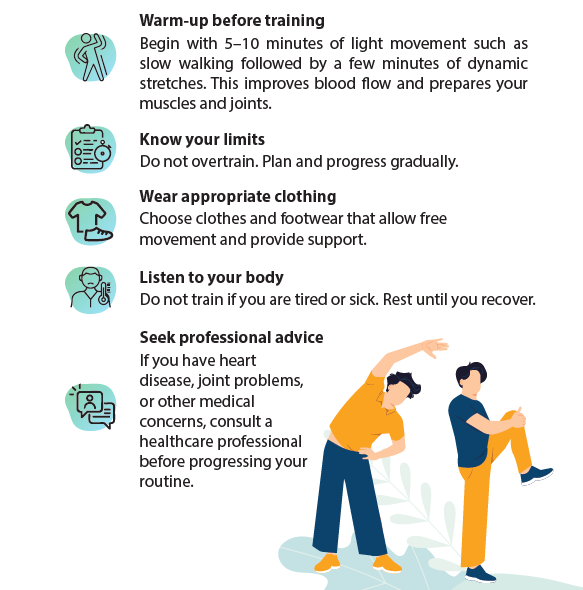
Before you begin

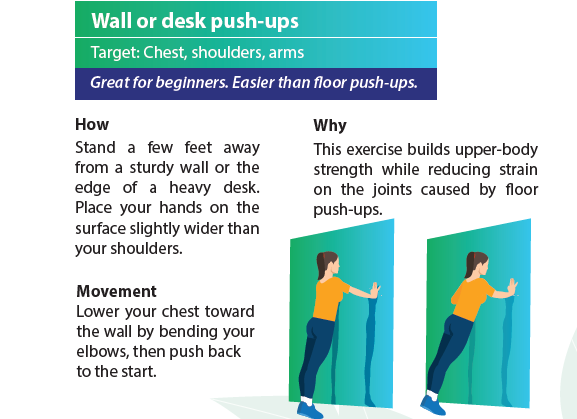
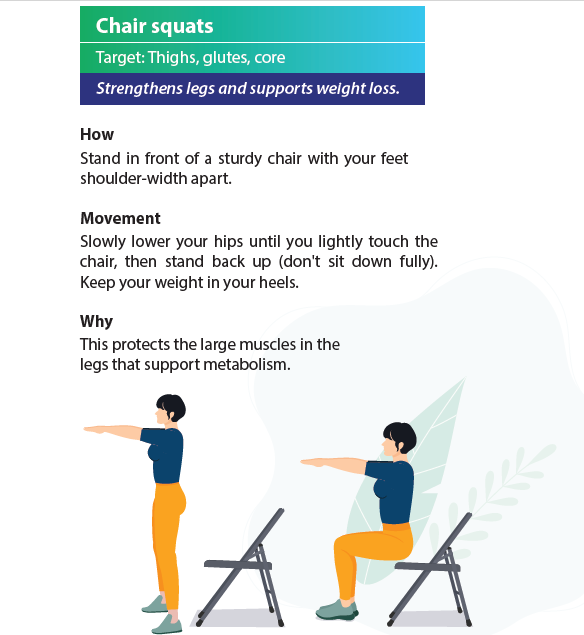
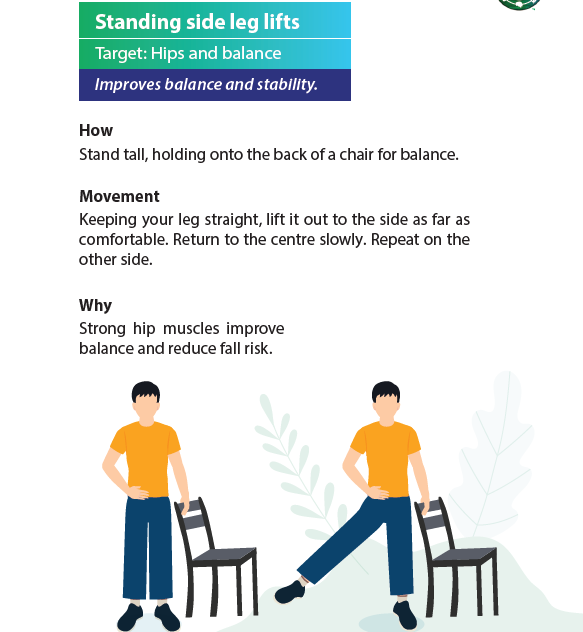
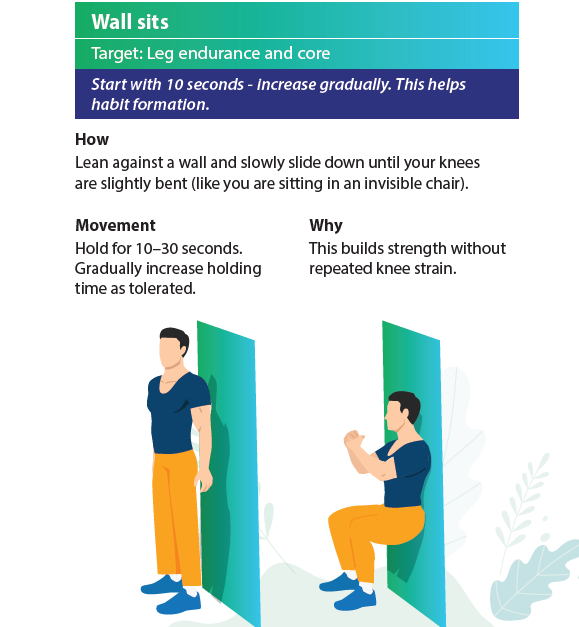
Home-based strength exercises

Here are some simple resistance exercises you can perform at home using easily available equipment, without the need for a gym. It is recommended to do these exercises at least two days per week.

Start with 1 set and gradually progress to 2–3 sets as your strength improves.

Begin with a comfortable number of repetitions and slowly increase to 10–15 repetitions.

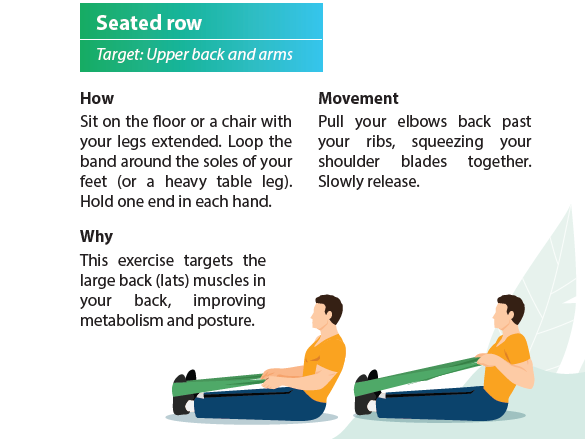
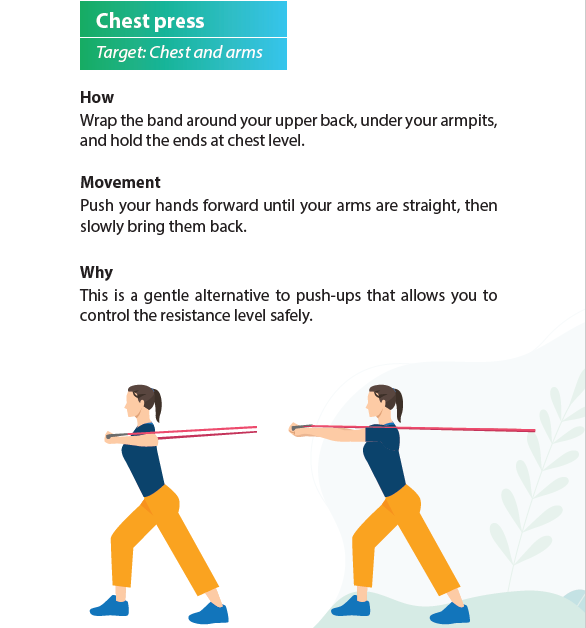
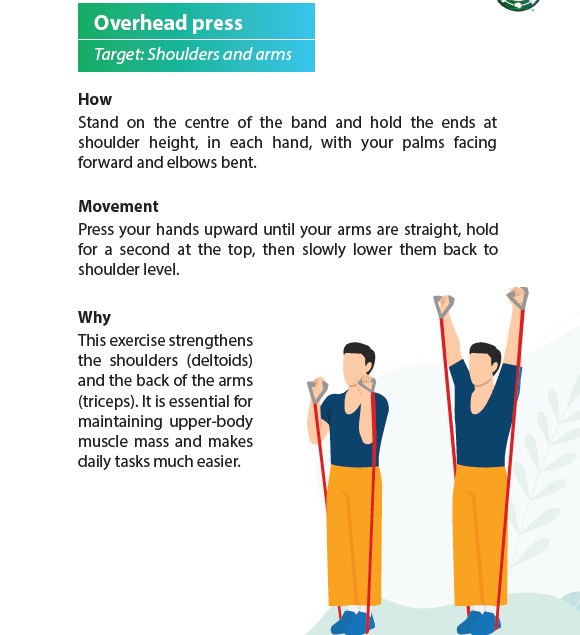
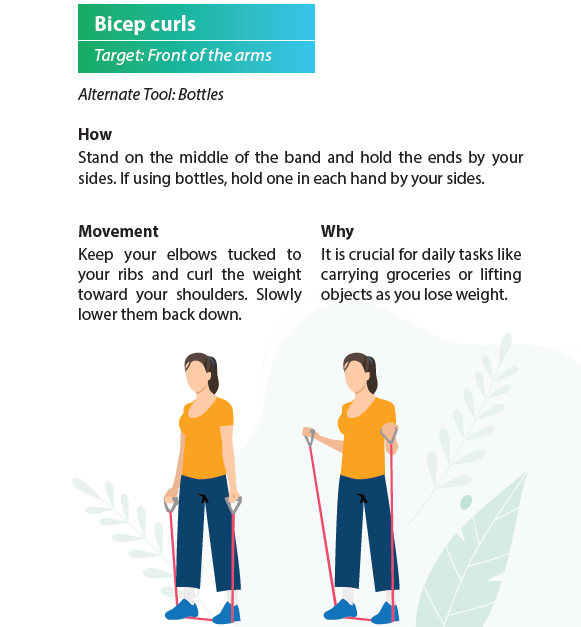
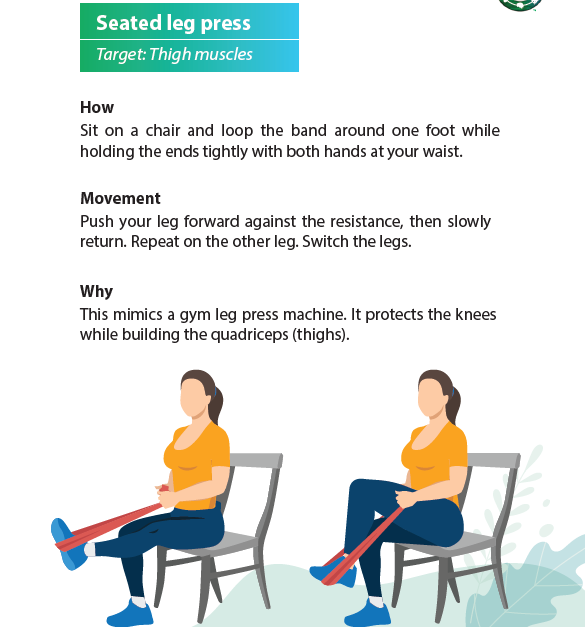
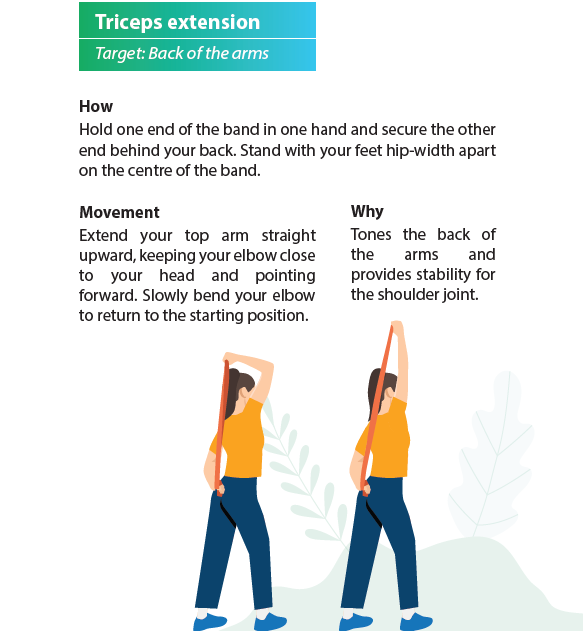
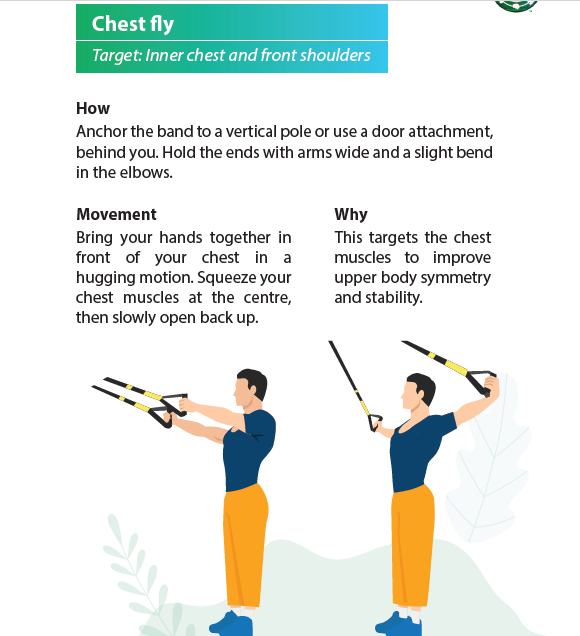
Resistance band exercises

You do not need a gym to build strength.

Resistance bands are simple and safe tools that help strengthen your muscles. They provide gentle resistance and can be adjusted according to your comfort level.

Start with 1 set and gradually increase to 2–3 sets. Aim for 10–15 repetitions for each exercise as tolerated.

Exercise safety and when to stop

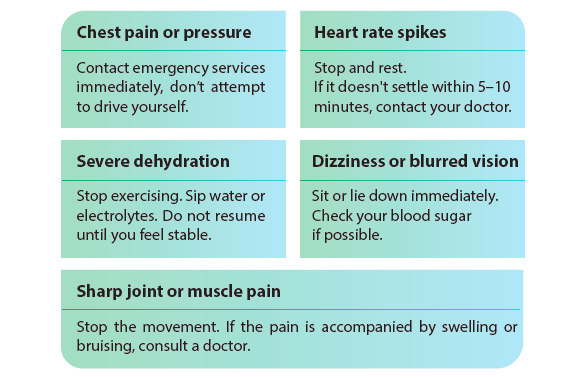
Most people can exercise safely. However, stop if you experience:

Movement is your partner in the USEMA journey

Exercise is an important part of your treatment plan. Along with balanced nutrition, adequate sleep, and stress
management, regular movement helps your body adapt positively to weight loss. Aim for consistency rather than
perfection. Even light activity done regularly can make a meaningful didifference in protecting muscle and supporting metabolic health.

#BeTheForce

References:
1. Codella R, Senesi P, Luzi L. GLP-1 agonists and exercise: the future of lifestyle prioritization. Frontiers in Clinical Diabetes and Healthcare 2025;6:1720794. https://doi.org/10.3389/fcdhc.2025.1720794
2. Boulé NG, Prud’homme D. Canadian Adult Obesity Clinical Practice Guidelines: Physical Activity in ObesityManagement. Available from: https://obesitycanada.ca/guidelines/physicalactivity
3. Centre for Health Protection: Exercise Prescription Doctor’s Handbook. Available from:https://www.chp.gov.hk/archive/epp/les/DoctorsHanbook_fullversion.pdf

Disclaimer: The information provided herein is only intended to bring general awareness among the patients and the same shall not be considered as a substitute for medical advice. Patients shall consult their registered medical practitioners before taking any drug or practicing any exercises or other recommendations. USV Private Limited does not promote use of any drug nor validated the studies referred herein and disclaim all the liabilities arising from use of the information. Copying, circulation and distribution of this content is strictly prohibited.

March 24, 2025 By GOQii Leave a Comment

TIPS TO MANAGE SIDE EFFECTS – Helpful guidance to manage common treatment related side eects.

Understanding Side Effects During Your Journey

When starting USEMA, some people may experience mild side effects, especially during the early weeks or when the dose is increased.

These effects are common, temporary, and usually improve as your body adjusts to the treatment.

The most common symptoms include:

  • Nausea
  • Vomiting
  • Constipation
  • Diarrhoea
  • Bloating or acidity

This happens because GLP-1 medicines slow digestion and help you feel full with smaller portions of food.

The good news is that simple food habits and lifestyle adjustments can help manage these symptoms comfortably.

Managing Nausea

Nausea may occur during the early weeks of treatment.

  • Eat small, frequent meals instead of large portions
  • Choose light and easy-to-digest foods
  • Try soothing foods like mint, apple, or ginger-based drinks
  • Avoid strong smells or oily foods
  • Stop eating once you feel comfortably full

Managing Vomiting

Vomiting may occur if the stomach feels overly full.

  • Eat smaller meals more often
  • Drink fluids throughout the day to stay hydrated
  • If nausea or vomiting persists, avoid drinking water during meals
  • Drink fluids 30–60 minutes before or after meals

If vomiting continues, consult your doctor.

Managing Diarrhoea

Loose stools may occur as the digestive system adjusts to treatment.

What helps

Drink more fluids such as:

  • Water
  • Lemon water
  • ORS
  • Buttermilk

Eat gentle foods like:

  • Plain rice
  • Vegetable or chicken soup
  • Cooked carrots
  • Ripe fruits without skin

Avoid

  • Sugary drinks
  • Alcohol
  • Soft drinks
  • Very hot or very cold foods
  • Foods containing sugar alcohols (sorbitol, xylitol)

Reduce high-fibre foods temporarily if symptoms persist.

Managing Constipation

Some people may experience slower bowel movement.

  • Eat foods rich in dietary fibre such as fruits, vegetables, and whole grains
  • Drink plenty of fluids throughout the day
  • Stay physically active (daily walking helps digestion)
  • Eat balanced meals at regular times

Managing Bloating & Belching

These symptoms can improve with simple eating habits.

  • Eat slowly and chew food well
  • Choose smaller portion sizes
  • Avoid lying down for 30 minutes after meals
  • Eat regular meals instead of skipping meals
  • Avoid drinking with a straw, which increases air intake
  • Keep a 2–3 hour gap between dinner and bedtime

With the right food habits, hydration, and healthy lifestyle practices, many people are able to continue treatment comfortably and achieve meaningful health benefits.

If symptoms persist or worsen, always consult your doctor.

#BeTheForce

References:
Almandoz JP, Wadden TA, Tewksbury C, et al. Nutritional considerations with anti-obesity medications. Obesity (Silver Spring). 2024;32(9):1613–1631. doi:10.1002/oby.24067
Leidy HJ, Armstrong CL, Tang M, Mattes RD, Campbell WW. The inuence of higher protein intake and greater eating frequency on appetite control in overweight and obese men. Obesity (Silver Spring). 2010;18(9):1725–1732. doi:10.1038/oby.2010.45
Bodnaruc AM, Prud’homme D, Blanchet R, et al. Nutritional modulation of endogenous glucagon-like peptide-1 secretion: a review. Nutrition & Metabolism.2016;13:92. https://doi.org/10.1186/s12986-016-0153-3
Ohio State University. How to Activate GLP-1 Naturally. Accessed February 21, 2026.
Joslin Diabetes Center. Healthy Plate Method. Accessed December 29, 2025.
Gentinetta S, Sottotetti F, Manuelli M, Cena H. Dietary recommendations for the management of gastrointestinal symptoms in patients treated with GLP-1 receptor agonists. Diabetes, Metabolic Syndrome and Obesity. 2024;17:4817–4824. doi:10.2147/DMSO.S494919
American Diabetes Association. What Can I Eat? Healthy Eating Away from Home (WCIE Participant Guide, Class 3).
https://professional.diabetes.org/sites/default/les/media/wcie_participant_guide_class_3_lr.pdf

Disclaimer:
The information provided herein is prepared based on articles provided under reference and reviewed by a qualified dietitian intended for bringing general awareness and are/is not intended to replace professional medical advice. Seek advice from the qualified health care professional before adopting the suggestions or if you have a doubt regarding your health condition. USV Private Ltd., (“USV”) disclaims all liabilities or damages arising directly or indirectly from the advisory services. Copying, circulation and distribution of this content is strictly prohibited.

March 18, 2025 By GOQii Leave a Comment

Obesity & Its Impact on Your Health: Why It’s More Than Just Weight

Obesity is often seen as just a number on the scales, but in reality, it’s far more than that. It’s a complex health condition that affects every aspect of your well-being, from your heart to your mental health. In a world where fast food is abundant, sedentary lifestyles are the norm, and stress levels are constantly high, obesity has become a growing global concern.

But here’s the good news—it’s preventable and reversible with the right lifestyle changes. Let’s explore how obesity affects your health, what causes it, and, most importantly, how you can take control of your body and well-being.

What is Obesity?

Obesity is defined as having an excess amount of body fat that poses health risks. A common way to measure it is the Body Mass Index (BMI), which calculates weight in relation to height:

BMI Categories:

  • Healthy weight: 18.5 – 24.9
  • Overweight: 25 – 29.9
  • Obese: 30 or above

However, BMI doesn’t tell the full story—where the fat is stored matters too. Visceral fat (fat around the organs) is more harmful than subcutaneous fat (under the skin), increasing the risk of serious diseases.

How Obesity Impacts Your Health

Carrying excess weight isn’t just about appearance—it’s about how your body functions. Here’s how obesity can impact your health:

  1. Increases the Risk of Chronic Diseases

Obesity is linked to some of the most serious health conditions, including:

  • Heart Disease & High Blood Pressure – Excess fat increases strain on the heart, leading to hypertension and an increased risk of heart attacks and strokes.
  • Type 2 Diabetes – Obesity is a key driver of insulin resistance, making blood sugar levels harder to control.
  • Liver Disease (Fatty Liver) – Excess fat can accumulate in the liver, leading to inflammation and scarring (cirrhosis).
  • Certain Cancers – Studies show obesity is linked to an increased risk of cancers, including breast, colon, and liver cancer.
  1. Impacts Mental Health & Well-being

Obesity isn’t just about physical health—it affects mental and emotional well-being too. Many individuals with obesity experience:

  • Low self-esteem & body image concerns
  • Increased risk of anxiety & depression
  • Social stigma & discrimination

The mind-body connection is real, and feeling good about yourself plays a huge role in overall health.

  1. Affects Joint & Bone Health

Excess weight puts extra pressure on your joints, particularly in the knees, hips, and lower back, increasing the risk of:

  • Osteoarthritis (joint wear and tear)
  • Chronic back pain
  • Reduced mobility & flexibility
  1. Disrupts Sleep & Increases Fatigue

Obesity is a leading cause of sleep apnoea, a condition where breathing repeatedly stops and starts during sleep. This can lead to:

  • Poor-quality sleep & daytime fatigue
  • Increased risk of heart disease
  • Difficulty concentrating & lower productivity

Quality sleep is essential for energy levels, brain function, and overall health.

What Causes Obesity?

While diet and lack of exercise play major roles, obesity is often a combination of multiple factors:

  1. Poor Diet Choices – High-calorie, processed, and sugary foods contribute to weight gain.
  2. Lack of Physical Activity – A sedentary lifestyle means fewer calories burned, leading to excess fat storage.
  3. Genetics & Metabolism – Some individuals are genetically predisposed to store fat more easily.
  4. Hormonal Imbalances – Conditions like hypothyroidism & PCOS can make weight management harder.
  5. Stress & Emotional Eating – Many people turn to food as a way to cope with stress, boredom, or emotions.

Understanding these factors is key to making sustainable lifestyle changes.

How to Prevent & Manage Obesity

The best approach to tackling obesity is a holistic lifestyle change—not just crash diets or quick fixes. Here’s how to take control of your health:

  1. Eat Mindfully & Nutrient-Dense Foods 🍏
    • Swap processed foods for whole, natural foods.
    • Focus on lean proteins, healthy fats, and fibre-rich foods.
    • Reduce sugar & refined carbs—they spike insulin and lead to fat storage.
    • Practise portion control and avoid emotional eating.
  1. Move More, Sit Less 🏃‍♀️
    • Aim for 30-45 minutes of movement daily—it doesn’t have to be intense! Walking, cycling, yoga, or swimming all help.
    • Strength training boosts metabolism and burns fat long after exercise.
    • Take the stairs, stand more, and find ways to be active throughout the day.
  1. Prioritise Sleep & Stress Management 😴
    • Get 7-9 hours of quality sleep—it helps regulate hunger hormones.
    • Practise relaxation techniques like meditation, deep breathing, or journaling.
    • Avoid late-night snacking—it often leads to unnecessary calorie intake.
  1. Stay Hydrated 💧
    • Drinking enough water helps digestion, metabolism, and fat loss.
    • Sometimes, thirst is mistaken for hunger—stay hydrated to avoid overeating.
  1. Seek Professional Support If Needed
    • A nutritionist, doctor, or health coach can create a personalised plan.
    • Mental health support can help with emotional eating and motivation.
    • Consider a buddy system—staying accountable makes a difference!

Obesity isn’t just about weight—it’s about long-term health, energy, and well-being. The good news is that even small lifestyle changes can make a big difference.

✅ Start with one healthy habit at a time.
✅ Focus on progress, not perfection.
✅ Remember—your body is capable of amazing things!

💬 Have you made changes to improve your health? Share your journey in the comments!

#BeTheForce

Disclaimer: The information provided in this blog is for general awareness and educational purposes only. It is not intended to replace professional medical advice, diagnosis, or treatment. Always consult a qualified healthcare provider for personalised medical guidance or concerns related to your health.

  • « Previous Page
  • 1
  • …
  • 45
  • 46
  • 47
  • 48
  • 49
  • …
  • 166
  • Next Page »

Search

Recent Posts

  • World AMR Awareness Week 2026: when you need antibiotics, and simple steps to prevent AMR
  • PCOS: diet, exercise and the myths to stop believing
  • Cholesterol numbers explained: LDL, HDL and triglycerides
  • International Men’s Day 2026: why men’s health is everyone’s business
  • World COPD Day 2026: Short of Breath? Think COPD – Why Early Diagnosis Matters

Stay Updated

Archives

  • November 2026 (21)
  • October 2026 (23)
  • September 2026 (5)
  • August 2026 (8)
  • July 2026 (24)
  • June 2026 (22)
  • May 2026 (20)
  • April 2026 (24)
  • March 2026 (18)
  • February 2026 (14)
  • January 2026 (14)
  • December 2025 (19)
  • November 2025 (14)
  • October 2025 (17)
  • September 2025 (6)
  • August 2025 (5)
  • July 2025 (9)
  • June 2025 (18)
  • May 2025 (16)
  • April 2025 (22)
  • March 2025 (25)
  • February 2025 (21)
  • January 2025 (25)
  • December 2024 (21)
  • November 2024 (21)
  • October 2024 (15)
  • September 2024 (22)
  • August 2024 (27)
  • July 2024 (14)
  • June 2024 (23)
  • May 2024 (26)
  • April 2024 (27)
  • March 2024 (27)
  • February 2024 (23)
  • January 2024 (21)
  • December 2023 (14)
  • November 2023 (10)
  • October 2023 (18)
  • September 2023 (20)
  • August 2023 (16)
  • July 2023 (16)
  • June 2023 (21)
  • May 2023 (20)
  • April 2023 (19)
  • March 2023 (23)
  • February 2023 (19)
  • January 2023 (15)
  • December 2022 (11)
  • November 2022 (15)
  • October 2022 (15)
  • September 2022 (12)
  • August 2022 (9)
  • July 2022 (17)
  • June 2022 (11)
  • May 2022 (10)
  • April 2022 (6)
  • March 2022 (6)
  • February 2022 (13)
  • January 2022 (11)
  • December 2021 (7)
  • November 2021 (3)
  • October 2021 (6)
  • September 2021 (3)
  • August 2021 (8)
  • July 2021 (7)
  • June 2021 (15)
  • May 2021 (16)
  • April 2021 (10)
  • March 2021 (7)
  • February 2021 (4)
  • January 2021 (4)
  • December 2020 (3)
  • November 2020 (4)
  • October 2020 (10)
  • September 2020 (3)
  • August 2020 (3)
  • July 2020 (2)
  • June 2020 (4)
  • May 2020 (10)
  • April 2020 (12)
  • March 2020 (10)
  • February 2020 (4)
  • January 2020 (4)
  • December 2019 (3)
  • November 2019 (7)
  • October 2019 (5)
  • September 2019 (4)
  • August 2019 (9)
  • July 2019 (9)
  • June 2019 (11)
  • May 2019 (4)
  • April 2019 (8)
  • March 2019 (8)
  • February 2019 (9)
  • January 2019 (8)
  • December 2018 (9)
  • November 2018 (3)
  • October 2018 (3)
  • September 2018 (5)
  • August 2018 (10)
  • July 2018 (6)
  • June 2018 (13)
  • May 2018 (8)
  • April 2018 (17)
  • March 2018 (9)
  • February 2018 (8)
  • January 2018 (15)
  • December 2017 (12)
  • November 2017 (19)
  • October 2017 (13)
  • September 2017 (15)
  • August 2017 (4)
  • July 2017 (8)
  • June 2017 (7)
  • May 2017 (6)
  • April 2017 (8)
  • March 2017 (6)
  • February 2017 (7)
  • January 2017 (9)
  • December 2016 (10)
  • November 2016 (7)
  • October 2016 (7)
  • September 2016 (7)
  • August 2016 (11)
  • July 2016 (9)
  • June 2016 (9)
  • May 2016 (12)
  • April 2016 (17)
  • March 2016 (17)
  • February 2016 (8)
  • January 2016 (6)
  • December 2015 (2)
  • November 2015 (9)
  • October 2015 (7)
  • September 2015 (9)
  • August 2015 (11)
  • July 2015 (9)
  • June 2015 (11)
  • May 2015 (9)
  • April 2015 (13)
  • March 2015 (8)
  • February 2015 (5)
  • January 2015 (12)
  • December 2014 (14)
  • November 2014 (11)
  • October 2014 (6)
  • September 2014 (13)
  • August 2014 (12)
  • July 2014 (6)
  • June 2014 (2)
  • May 2014 (7)
  • April 2014 (4)

From Burnout to Balance: How Dr. Ranjit Reclaimed His Health

Dr Ranjit Bhatt has spent years tending to others. A practising doctor in Odisha, his days were packed with patients, surgeries, and emergencies. From the outside, it looked like a life lived in service. But on the inside, something wasn’t right. “I had no … [Read More...]

From Shimla’s Slopes to Chandigarh’s Sidewalks: Surinder Kaur Bhalla’s Journey from Chaos to Control

Some journeys start with a plan. Others begin with a stumble literally. Surinder Bhalla, a government professional, born and raised in the scenic hill town of Shimla, had always lived a life of movement. “In Shimla, you walked everywhere,” she reflects. “Walking was never an exercise. It was just life.” But after shifting to Chandigarh, […]

“I’ve Challenged Myself to Live 100 Years” – The Story of Chandubhai Savani’s Second Chance at Life

At 67, most people start slowing down. Not Chandubhai Savani. A resident of Surat, Chandubhai, thought life was on track. “My life was going well till I had my bypass surgery,” he says. That surgery, back in 2021, was a wake-up call.  Medication was routine, but exercise wasn’t. His diet? What he calls ‘normal.’ “I […]

Ananda Mukherjee Health Story

From Terminal Illness To Complete Wellness! Ananda Mukherjee Health Story

As we observe World Cancer Day under the powerful theme ‘United by Unique’ (2025-2027)**, we are reminded that every individual’s journey with cancer is distinct, yet united by shared resilience, hope, and the collective fight against this disease. This theme places people at the centre of care and their stories at the heart of the […]

  • HOME
  • HEALTHY LIVING
  • FITNESS
  • HEALTHY RECIPES
  • USER STORIES
  • KARMA
  • BUY GOQii

Copyright ©2016 GOQii