GOQii

Blog

  • HOME
  • HEALTHY LIVING
  • FITNESS
  • HEALTHY RECIPES
  • USER STORIES
  • KARMA
  • BUY GOQii

Search Results for: nutrition

August 14, 2026 By Rashmi Deshpande Leave a Comment

Foods to Manage Blood Sugar Naturally: A Complete Guide to Better Blood Sugar Control

The Big Question – Can the foods you eat every day help improve your blood sugar levels naturally?

If you’ve been diagnosed with prediabetes or Type 2 diabetes—or you’re simply trying to prevent blood sugar spikes you’ve probably wondered whether changing your diet can really make a difference.

The answer is yes.

While food alone isn’t a cure for diabetes, the right dietary choices, combined with regular physical activity, quality sleep, stress management and medical guidance when needed, can significantly improve blood sugar control and support long-term metabolic health.

The good news? You don’t need a restrictive diet or expensive superfoods. Simple, everyday ingredients can help your body manage blood sugar more effectively.

Quick Answer – Which foods help manage blood sugar naturally?

Foods rich in dietary fibre, lean protein, healthy fats and complex carbohydrates help slow digestion and reduce rapid blood sugar spikes. Leafy green vegetables, whole grains, legumes, nuts, seeds, healthy fats and low-glycaemic fruits can all support better blood sugar management when eaten as part of a balanced lifestyle.

Why Blood Sugar Management Matters

Every time you eat, carbohydrates are broken down into glucose, which enters your bloodstream.

Insulin a hormone produced by the pancreas helps move this glucose into your cells where it is used for energy.

In people with insulin resistance or diabetes, this process becomes less efficient, causing glucose to remain in the bloodstream for longer.

Over time, consistently high blood sugar can increase the risk of:

  • Heart disease
  • Kidney disease
  • Vision problems
  • Nerve damage
  • Poor wound healing

Managing blood sugar isn’t just about avoiding sugar it’s about building meals that keep glucose levels steady throughout the day.

8 Foods That Help Manage Blood Sugar Naturally

  1. Leafy Green Vegetables

Spinach, fenugreek (methi), amaranth, kale and other leafy greens are packed with vitamins, minerals, antioxidants and fibre while being naturally low in digestible carbohydrates.

These vegetables also provide vitamin C and antioxidants such as lutein and zeaxanthin, which support eye health particularly important for people living with diabetes.

Easy ways to include them:

  • Vegetable sabzi
  • Soups
  • Salads
  • Stuffed rotis
  • Smoothies
  • Chutneys
  1. Whole Grains and Millets

Refined grains digest quickly and can cause larger blood sugar spikes.

Instead, choose fibre-rich whole grains such as:

  • Oats
  • Brown rice
  • Quinoa
  • Jowar
  • Bajra
  • Ragi
  • Barley

These release glucose more gradually, helping maintain steady energy levels.

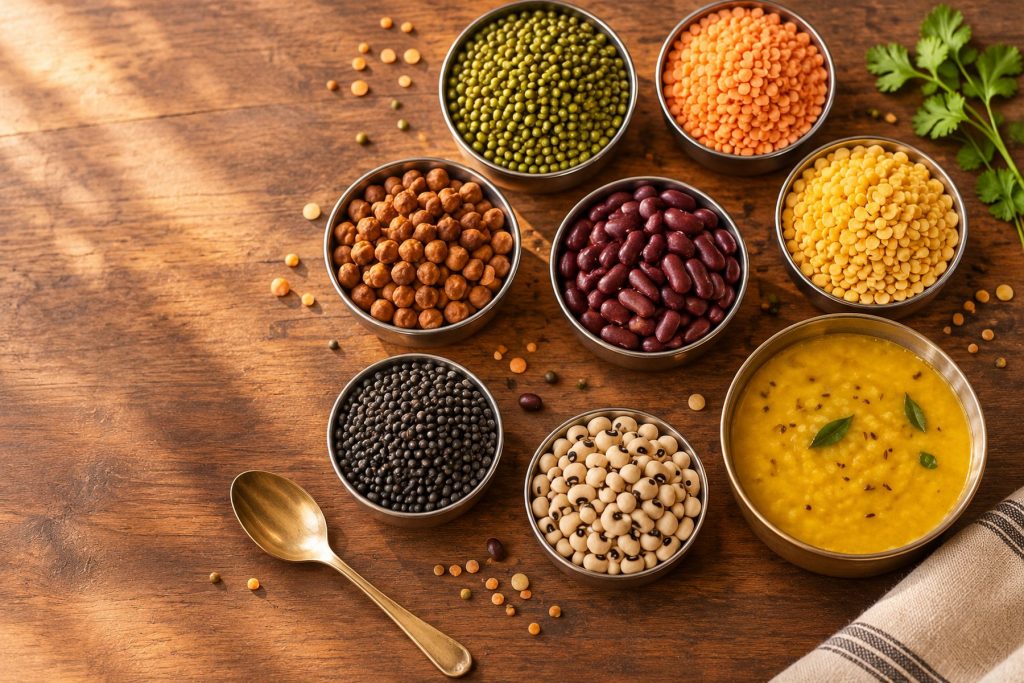
  1. Legumes and Pulses

Beans, lentils, chickpeas and rajma are rich in plant protein and fibre.

They digest slowly, improve satiety and support better blood sugar control.

Aim to include legumes several times each week.

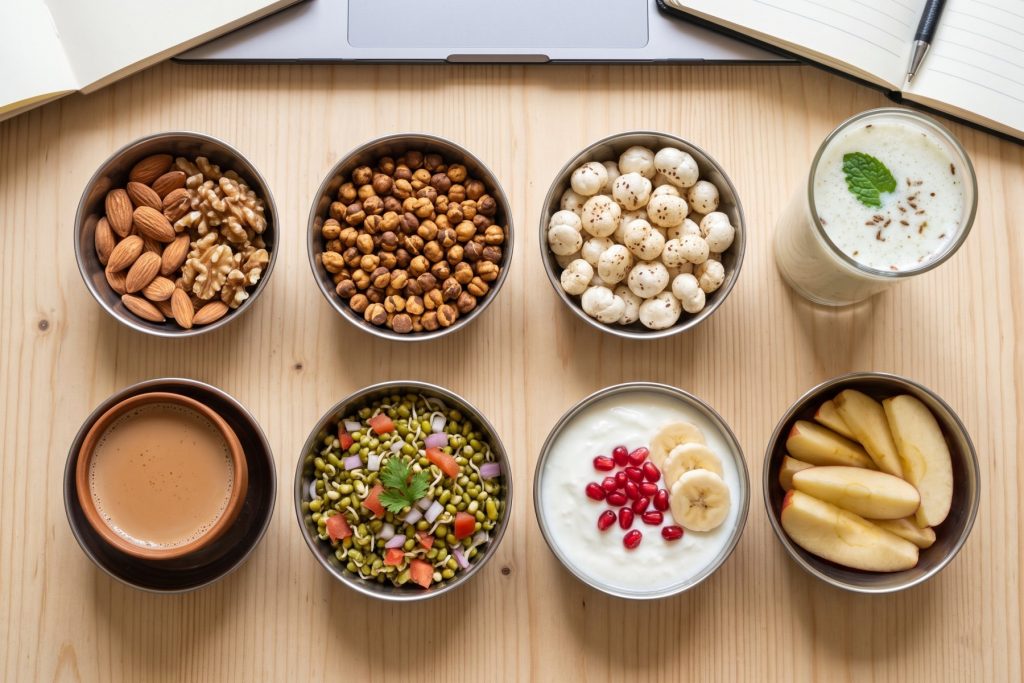
  1. Nuts

Nuts provide healthy fats, protein and fibre that slow digestion and help reduce post-meal glucose spikes.

Choose unsalted varieties such as:

  • Almonds
  • Walnuts
  • Pistachios
  • Pecans
  • Hazelnuts

A small handful makes an excellent snack.

  1. Seeds

Seeds are nutritional powerhouses rich in omega-3 fats, fibre and plant protein.

Include:

  • Flaxseeds
  • Chia seeds
  • Pumpkin seeds
  • Sunflower seeds
  • Sesame seeds

They can be sprinkled over oats, yoghurt, salads or smoothies.

  1. Lean Protein

Protein helps keep you fuller for longer while slowing carbohydrate absorption.

Good choices include:

  • Eggs
  • Fish
  • Chicken
  • Paneer
  • Greek yoghurt
  • Tofu
  • Lentils

Try including a protein source in every meal.

  1. Healthy Fats

Healthy fats improve satiety and help slow digestion.

Choose:

  • Avocados
  • Olive oil
  • Groundnuts
  • Walnuts
  • Seeds

Remember that healthy fats are still calorie-dense, so portion control matters.

  1. Low-Glycaemic Fruits

Fruit can absolutely be part of a diabetes-friendly diet.

Choose whole fruits such as:

  • Apples
  • Pears
  • Berries
  • Guava
  • Oranges

Avoid fruit juices, which remove fibre and cause faster blood sugar rises.

Foods to Limit

No food needs to be completely banned, but these are best enjoyed occasionally:

  • Sugary drinks
  • Packaged fruit juices
  • Sweets
  • Cakes and pastries
  • White bread
  • Refined flour products
  • Sugary breakfast cereals
  • Highly processed snacks
  • Deep-fried foods

Small, consistent changes often produce better long-term results than extreme restrictions.

Smart Eating Habits That Help

It’s not only what you eat but how you eat.

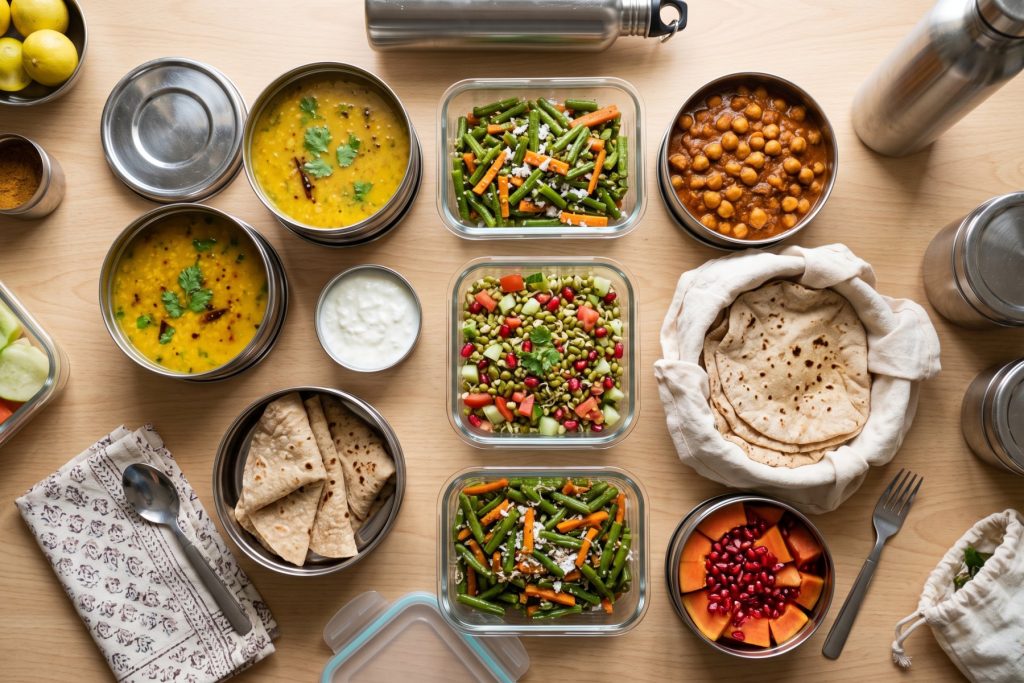
Build a Balanced Plate

Aim for:

  • Half your plate: Non-starchy vegetables
  • One-quarter: Lean protein
  • One-quarter: Whole grains or complex carbohydrates

Eat Slowly

Eating slowly gives your body time to recognise fullness, helping prevent overeating.

Don’t Skip Meals

Skipping meals can lead to larger blood sugar fluctuations later in the day.

Regular, balanced meals are generally more effective than long periods without food.

Watch Portion Sizes

Even healthy carbohydrates can raise blood sugar when consumed in excessive amounts.

Moderation remains important.

Lifestyle Habits That Support Blood Sugar Control

Nutrition is only one part of the equation.

Other habits matter just as much.

Stay Active

A 20–30 minute walk after meals helps muscles use glucose more efficiently.

Strength training also improves insulin sensitivity over time.

Sleep Well

Poor sleep affects hormones that regulate blood sugar and appetite.

Aim for 7–9 hours of quality sleep each night.

Manage Stress

Chronic stress raises cortisol, which can increase blood glucose levels.

Meditation, breathing exercises, yoga and regular physical activity can all help.

Stay Hydrated

Water supports healthy circulation and helps your body function optimally.

Choose water over sugary beverages whenever possible.

What If Your Blood Sugar Drops Too Low?

People taking insulin or certain diabetes medications may occasionally experience hypoglycaemia (low blood sugar).

Common symptoms include:

  • Sweating
  • Shaking
  • Hunger
  • Dizziness
  • Confusion

If this happens, follow your healthcare provider’s advice. A commonly recommended approach is the 15-15 rule:

  • Consume approximately 15 grams of fast-acting carbohydrate (such as glucose tablets, fruit juice or regular soft drink).
  • Recheck your blood sugar after 15 minutes.
  • Repeat if necessary.

Always discuss recurring episodes of low blood sugar with your doctor.

Managing blood sugar isn’t about following a perfect diet—it’s about building sustainable habits that support your metabolism every day.

Focus on fibre-rich vegetables, whole grains, lean proteins, healthy fats and regular physical activity.

Small changes, practised consistently, can make a meaningful difference to your long-term health.

Pro Tip – Understanding how your meals affect your blood sugar is the first step towards better metabolic health. Use the GOQii App to track your meals, activity, hydration and sleep. A GOQii Personalised Health Coach can help you build a nutrition plan tailored to your health goals, lifestyle and medical needs.

Frequently Asked Questions (FAQs)

  1. Which foods help lower blood sugar naturally?

Leafy vegetables, legumes, whole grains, nuts, seeds, lean proteins and healthy fats can support better blood sugar management as part of a balanced diet.

  1. Can people with diabetes eat fruit?

Yes. Whole fruits such as apples, berries, guava and oranges provide fibre, vitamins and antioxidants. Portion control is important, and fruit juices should generally be limited.

  1. Are carbohydrates bad for diabetes?

No. The type and quantity of carbohydrates matter more than eliminating them completely. Choosing fibre-rich whole grains over refined carbohydrates helps support steadier blood sugar levels.

  1. Is walking after meals beneficial?

Yes. Even a short walk after eating can help your muscles use glucose more efficiently and reduce post-meal blood sugar spikes.

  1. Can lifestyle changes help prevent Type 2 diabetes?

For many people with prediabetes, healthy eating, regular physical activity, weight management and quality sleep can significantly reduce the risk of developing Type 2 diabetes.

#BeTheForce 

Disclaimer: This article is intended for educational purposes only and should not replace professional medical advice. Dietary needs vary from person to person. If you have diabetes, prediabetes or any other medical condition, consult your physician or a qualified healthcare professional before making significant dietary or lifestyle changes. Continue taking prescribed medications unless advised otherwise by your healthcare provider.

August 10, 2026 By GOQii Leave a Comment

The Lazy Person’s Guide to Staying Healthy: 5 Micro-Habits That Take Less Than 2 Minutes

The Big Question – Ever have one of those days when even putting on your workout shoes feels like too much effort?

You’re not alone.

Some days, you’re recovering from an intense workout. Other days, work leaves you mentally drained. And sometimes, your body simply needs a break. Yet many of us feel guilty for slowing down, believing that if we’re not exercising, we’re somehow failing our health goals.

Here’s the truth: rest isn’t the opposite of progress—it is part of it.

As we celebrate National Lazy Day (August 10), here’s your reminder that taking it easy doesn’t mean giving up on your health. In fact, a few tiny habits can help you stay active, hydrated and refreshed without needing a gym, workout clothes or even much motivation.

Quick Answer – Can you stay healthy on low-energy days?

Absolutely.

You don’t need an intense workout every day to support your health. Small daily actions known as micro-habits can improve mobility, hydration, circulation and mental wellbeing with very little effort. These habits may seem insignificant on their own, but performed consistently, they can have a meaningful impact over time.

Why Rest Is Part of a Healthy Lifestyle

Modern culture often celebrates being busy, but your body performs some of its most important work while you rest.

Recovery allows your body to:

  • Repair muscles after physical activity
  • Restore energy stores
  • Support brain function and memory
  • Reduce physical and mental fatigue
  • Prepare for your next workout

Taking a recovery day isn’t “being lazy.” It’s giving your body the opportunity to recover, adapt and perform better in the long run.

The key is to stay gently engaged instead of becoming completely inactive.

5 Healthy Micro-Habits for Low-Energy Days

  1. Start With a Two-Minute Bed Stretch

Before reaching for your phone, spend two minutes waking up your body.

Try:

  • Stretching your arms overhead
  • Pointing and flexing your feet
  • Pulling your knees gently towards your chest
  • Rolling your shoulders
  • Taking three slow, deep breaths

Why it helps

Gentle stretching improves circulation, eases overnight stiffness and prepares your muscles and joints for the day ahead.

  1. Keep Water Within Reach

Even mild dehydration can leave you feeling tired, unfocused and sluggish.

Instead of relying on memory, remove the effort.

Fill a large water bottle every morning and keep it beside you while working, reading or watching television.

Make it automatic

Every time you unlock your phone or finish a task, take a sip of water.

Tiny habit.

Big difference.

  1. Let NEAT Do the Heavy Lifting

You don’t have to “exercise” to burn calories.

Scientists call it Non-Exercise Activity Thermogenesis (NEAT) the energy your body uses for everyday movement outside of structured workouts.

Examples include:

  • Standing during phone calls
  • Walking while brushing your teeth
  • Folding laundry
  • Stretching while waiting for your coffee
  • Doing calf raises while cooking
  • Walking around the house during TV advertisements

These movements may seem small, but together they contribute meaningfully to your daily energy expenditure.

  1. Break Up Long Periods of Sitting

Watching your favourite series?

Go ahead.

Just avoid sitting continuously for hours.

Instead, every time an episode ends:

  • Stand up
  • Stretch your arms
  • Roll your shoulders
  • Walk around the room for 30 seconds

That’s it.

Short movement breaks improve circulation, reduce stiffness and help counter the effects of prolonged sitting.

  1. Give Your Mind a Rest Too

Sometimes your body is resting while your brain is still working overtime.

Constant notifications, emails and endless scrolling prevent true recovery.

Give yourself permission to disconnect for just ten minutes.

Close your eyes.

Focus on your breathing.

Listen to calming music.

Or simply sit quietly.

Mental recovery is just as important as physical recovery.

The Secret: Make Healthy Choices Easier

One of the biggest barriers to healthy living isn’t lack of motivation.

It’s friction.

The more effort a habit requires, the easier it becomes to skip.

Instead of relying on willpower, redesign your environment.

For example:

  • Keep your water bottle visible.
  • Place fruit where you’ll see it first.
  • Leave your walking shoes near the door.
  • Charge your phone away from your bed.
  • Keep a resistance band beside the sofa.

When healthy choices become easier, consistency follows naturally.

Remember the Two-Minute Rule

One of the simplest ways to build lasting habits is to make them so small they feel impossible to avoid.

Instead of telling yourself:

“I need to work out for an hour.”

Start with:

  • Two minutes of stretching.
  • Two minutes of walking.
  • Two minutes of breathing exercises.

Once you start, you’ll often feel like doing more.

Even when you don’t, you’ve still kept your habit alive and consistency matters far more than perfection.

Healthy living isn’t built on extraordinary days.

It’s built on ordinary ones.

The habits you maintain when motivation is low often matter more than the workouts you complete when motivation is high.

So this National Lazy Day, give yourself permission to rest but don’t stop taking care of yourself.

Small actions performed consistently create lasting results.

Pro Tip: Building healthy habits doesn’t require perfection it requires consistency. Use the GOQii App to track your daily hydration, steps and sleep. Your GOQii Personalised Health Coach can help you create simple routines that fit your lifestyle, making healthy living easier even on your busiest or laziest days.

Frequently Asked Questions (FAQs)

  1. Is taking a rest day actually healthy?

Yes. Rest days allow your muscles to recover, help reduce fatigue and support long-term fitness. Recovery is an essential part of any healthy lifestyle.

  1. What are micro-habits?

Micro-habits are very small actions that take only a minute or two but become powerful when repeated consistently over time.

  1. What is NEAT?

NEAT (Non-Exercise Activity Thermogenesis) refers to the calories your body burns during everyday activities like walking around the house, standing, cooking or cleaning. These small movements contribute significantly to your overall daily energy expenditure.

  1. How many rest days should I take each week?

Most people benefit from one or two recovery days each week. The exact number depends on your age, fitness level, training intensity and overall health.

  1. Can tiny habits really improve my health?

Yes. Research in behavioural science shows that small, consistent habits are often easier to maintain than dramatic lifestyle changes. Over time, they can contribute to meaningful improvements in physical and mental wellbeing.

#BeTheForce

Disclaimer: This article is intended for educational and informational purposes only. Occasional low-energy days are completely normal. However, persistent fatigue, prolonged lack of motivation or excessive daytime sleepiness may indicate an underlying medical condition such as thyroid disorders, nutritional deficiencies, sleep disorders or depression. Consult a qualified healthcare professional if these symptoms persist.

August 8, 2026 By Urvi Gohil Leave a Comment

Healthy Eating: Comforting Chilli Bean Soup Recipe for the Monsoon

Healthy Eating: Chilli Bean Soup

The Big Question – Looking for a warm, comforting meal that’s both nourishing and satisfying during the rainy season?

Monsoon weather often brings chilly evenings, seasonal fatigue, sore throats, and cravings for comfort food. Unfortunately, many comfort foods are high in refined carbohydrates, unhealthy fats, and excess sodium, leaving you feeling sluggish rather than energized.

The good news? Comfort food can be healthy too.

This hearty Chilli Bean Soup combines protein-rich kidney beans with colourful vegetables, warming spices, and a flavourful broth to create a wholesome meal that keeps you full, supports immunity, and makes rainy days even more enjoyable.

Quick Answer: Why is Chilli Bean Soup an ideal monsoon meal?

Chilli Bean Soup is packed with plant protein, dietary fibre, vitamins, minerals, and antioxidants. Kidney beans provide long-lasting energy, colourful vegetables deliver essential nutrients, while garlic, ginger, and black pepper add natural warmth and flavour. Together, they create a comforting, nutrient-dense meal that’s perfect for cool, rainy days.

Why You’ll Love This Recipe

  • High in plant protein
  • Rich in dietary fibre
  • Naturally filling
  • Great for meal prep
  • Supports digestive health
  • Perfect for rainy evenings
  • Vegetarian and family-friendly

Recipe Snapshot

  • Prep Time: 15 minutes
  • Cook Time: 20 minutes
  • Total Time: 35 minutes
  • Serves: 4
  • Difficulty: Easy

Ingredients

Base

  • 1 cup boiled kidney beans (rajma)
  • 1 medium onion, finely chopped
  • 1 medium tomato, finely chopped
  • ½ cup carrot, chopped
  • ½ cup mixed bell peppers (red, yellow, and green), finely chopped
  • 2 tbsp French beans, chopped

Flavour Builders

  • 1 tbsp ginger-garlic paste
  • 1 green chilli, finely chopped
  • ½ tsp freshly ground black pepper
  • 1 tsp chilli sauce (optional)
  • 1 tsp tomato puree or ketchup
  • Salt to taste

Liquid

  • 2 cups vegetable stock (preferred) or water

Garnish

  • Fresh coriander
  • Freshly cracked pepper
  • Lemon wedge (optional)

Method

  1. Build the Flavour Base: Heat one teaspoon of oil in a deep saucepan. Add the ginger-garlic paste and sauté until fragrant. Add onions and green chilli and cook until the onions become soft and translucent.
  2. Cook the Vegetables: Add tomatoes, carrots, French beans, and bell peppers. Cover and cook for 5–7 minutes until the vegetables begin to soften while still retaining a slight bite.
  3. Add the Protein: Mix in the boiled kidney beans and stir gently to coat them with the vegetable mixture.
  4. Season: Add the black pepper, salt, chilli sauce (optional), and tomato puree. Mix thoroughly.
  5. Simmer: Pour in the vegetable stock. Bring everything to a gentle boil before reducing the heat. Simmer for 8–10 minutes so the flavours combine beautifully.
  6. Finish & Serve: Finish with fresh coriander and a squeeze of lemon juice if desired. Serve immediately while hot.

Why This Soup Is So Nutritious

Ingredient Health Benefit
Kidney Beans Rich in plant protein and fibre that support satiety and steady energy release.
Bell Peppers Excellent source of vitamin C to support immune function.
Carrots Provide beta-carotene, which supports eye health and immunity.
Garlic & Ginger   Naturally rich in compounds known for their anti-inflammatory and antimicrobial properties.
Black Pepper Adds warmth and contains piperine, which may improve nutrient absorption.
Coriander Fresh herbs provide antioxidants while enhancing flavour naturally.

Ways to Make It Even Healthier

Want to customise your soup? Try these simple additions:

  • Stir in spinach during the final two minutes of cooking.
  • Add cooked quinoa for extra fibre and protein.
  • Mix in tofu cubes for a higher-protein vegetarian meal.
  • Use homemade vegetable stock to reduce sodium.
  • Finish with freshly squeezed lemon juice instead of extra salt.

Meal Prep Tips

This soup is ideal for busy weekdays:

  • Refrigerate for up to 3 days in an airtight container.
  • Freeze individual portions for up to 3 months.
  • Reheat gently over low heat, adding a splash of water if required. (The flavours become even richer the following day!)

Monsoon Food Safety Tip

The rainy season increases the risk of food contamination. Always:

  • Wash vegetables thoroughly under running water.
  • Store cooked food promptly in the refrigerator.
  • Avoid leaving soup at room temperature for extended periods.
  • Reheat leftovers until piping hot before serving.

Serving Suggestions

Pair your Chilli Bean Soup with:

  • Whole-grain toast or garlic whole-wheat bread
  • Mixed green salad
  • Roasted seeds
  • Baked sweet potato wedges
  • For a complete meal, add a side of Greek yoghurt or paneer salad.

Healthy comfort food doesn’t have to be bland. This Chilli Bean Soup delivers warmth, flavour, and nutrition in every spoonful. Packed with fibre-rich vegetables and protein-rich kidney beans, it’s a simple recipe that satisfies cravings while supporting your health goals throughout the monsoon season.

Whether you’re looking for a light dinner, a wholesome lunch, or a meal-prep favourite, this soup deserves a place in your kitchen.

Pro Tip: Eating well becomes much easier when your meals are tailored to your lifestyle and health goals. Use the GOQii App to log your meals, monitor your daily nutrition, and connect with a GOQii Personalised Health Coach for customised meal plans, healthy recipes, and expert guidance that fits your unique needs.

Frequently Asked Questions (FAQs)

  1. Is Chilli Bean Soup good for weight management?

Yes. Kidney beans are naturally rich in protein and dietary fibre, helping you stay fuller for longer and reducing unnecessary snacking.

  1. Can I use canned kidney beans?

Absolutely. Rinse canned kidney beans thoroughly under running water to remove excess sodium before adding them to the soup.

  1. Is this soup suitable for meal prep?

Yes. It stores well in the refrigerator for up to three days and freezes beautifully, making it an excellent make-ahead meal.

  1. Can I make this soup vegan?

Yes. Simply use vegetable stock and tomato puree instead of ketchup if preferred. The recipe is naturally vegan when prepared with plant-based ingredients.

  1. Can I increase the protein content?

Certainly. Add tofu, cooked lentils, quinoa, or edamame to make the soup even more protein-rich.

#BeTheForce 

Disclaimer: This recipe is intended for educational and informational purposes only. Individual nutritional requirements vary based on age, activity level, and health conditions. If you have a medical condition requiring a specialised diet, consult your healthcare provider or a registered dietitian before making significant dietary changes.

August 7, 2026 By GOQii Leave a Comment

The Truth About the ‘Beer Belly’: What Alcohol Really Does to Your Metabolism

The Big Question – Can understanding how alcohol affects your metabolism help you make healthier choices?

International Beer Day provides an opportunity to look beyond the social aspect of drinking and better understand what alcohol actually does inside the body. Whether you enjoy an occasional drink or choose not to drink at all, knowing how alcohol influences your metabolism, recovery and overall health can help you make informed lifestyle decisions.

At GOQii, we believe preventive healthcare starts with awareness. Sustainable health isn’t built on extreme restrictions it’s built on understanding your body, making informed choices and staying consistent with healthy habits.

Let’s separate myth from fact and uncover the science behind alcohol, metabolism and the so-called “beer belly.”

Quick Answer – Does drinking beer really cause a beer belly?

A “beer belly” isn’t caused by beer alone. Weight gain occurs when calorie intake consistently exceeds calorie expenditure. Alcohol contributes because it is calorie-dense, temporarily reduces fat oxidation while your body prioritises metabolising alcohol, and often leads to overeating. Over time, these factors can contribute to increased abdominal fat, particularly when combined with poor diet, inactivity and inadequate sleep.

Why Alcohol Changes Your Metabolism

Your body normally uses carbohydrates, fats and proteins as sources of energy.

Alcohol changes that priority.

Unlike carbohydrates or fat, alcohol cannot be stored for later use. Because it is recognised as a substance that needs to be broken down and eliminated, your liver immediately prioritises metabolising alcohol.

During this period, fat oxidation is significantly reduced, meaning your body becomes temporarily less efficient at using fat as fuel.

If you’ve also consumed calorie-rich foods especially fried or processed snacks commonly eaten while drinking those excess calories are more likely to contribute to weight gain over time.

The Hidden Calories in Alcohol

Alcohol contains 7 calories per gram, making it almost as calorie-dense as fat.

Unlike nutrient-rich foods, alcoholic beverages contribute calories with very little nutritional value.

Approximate Calories Per Drink

Beverage Approximate Calories   
Light Beer (330 ml) 100–120
Regular Beer (330 ml) 150–220
Glass of Wine (150 ml) 120–130
Whisky (30 ml) ~70
Sugary Cocktail 250–500+

Three regular beers can easily provide the calories of a full meal without supplying the nutrients your body needs.

Why Drinking Often Leads to Overeating

Alcohol affects more than just calorie intake.

It can also reduce inhibitions and temporarily interfere with your body’s normal appetite regulation, making it easier to overeat.

This is one reason why drinking is often followed by cravings for:

  • Pizza
  • Burgers
  • Fried foods
  • Sugary desserts
  • Late-night takeaways

The combination of alcohol and calorie-dense foods often contributes more to weight gain than alcohol alone.

Alcohol, Exercise and Recovery

Regular exercise supports muscle growth and metabolic health – but alcohol can interfere with recovery.

Muscle Repair

Alcohol may reduce muscle protein synthesis, the process responsible for repairing and rebuilding muscle tissue after exercise.

Glycogen Replenishment

It can also slow the replenishment of muscle glycogen, which is essential for restoring energy after training.

Hydration

Because alcohol has a diuretic effect, it increases fluid loss and can contribute to dehydration, especially if adequate water intake is neglected.

Alcohol and Sleep

Although alcohol may make you feel sleepy initially, it often reduces overall sleep quality.

Research shows alcohol can:

  • Reduce REM sleep
  • Fragment sleep during the second half of the night
  • Affect recovery
  • Reduce concentration the next day
  • Increase fatigue

Quality sleep is one of the foundations of good metabolic health, and regular alcohol consumption can compromise that recovery process.

Can You Drink Alcohol and Still Lose Weight?

Weight loss depends on maintaining a sustainable calorie deficit while supporting your body with healthy lifestyle habits.

Occasional alcohol consumption doesn’t automatically prevent weight loss, but frequent or excessive drinking can make it more difficult by increasing calorie intake, disrupting sleep, affecting recovery and encouraging overeating.

Consistency in your daily habits matters far more than occasional indulgences.

If Alcohol Is Part of Your Lifestyle

From a health perspective, limiting alcohol consumption is the safest choice.

However, if you choose to drink occasionally, these strategies may help reduce some of the short-term health impacts.

Stay Hydrated

Drink a glass of water alongside every alcoholic beverage.

Eat Before Drinking

A balanced meal containing protein, fibre and healthy fats may help slow alcohol absorption and reduce overeating later.

Choose Lower-Calorie Options

If drinking, choose beverages with less added sugar and be mindful of portion sizes.

Plan Ahead

Avoid making food decisions late at night when judgement may be impaired.

Beyond the Beer Belly

Weight gain is only one aspect of alcohol’s impact on health.

Regular excessive alcohol consumption has been linked to an increased risk of:

  • Liver disease
  • High blood pressure
  • Cardiovascular disease
  • Certain cancers
  • Mental health disorders
  • Poor sleep quality

Understanding these risks allows you to make more informed decisions about your long-term wellbeing.

The Bottom Line

Good health isn’t determined by one meal, one workout or one social occasion.

It’s built through consistent choices over time.

Whether you drink alcohol or not, understanding its effects on metabolism, recovery and overall health empowers you to make decisions that support your long-term wellness goals.

At GOQii, our focus isn’t on restriction it’s on helping you make informed lifestyle choices that improve your health, one habit at a time.

Pro Tip: Your overall lifestyle matters far more than a single social occasion. Track your hydration, sleep, activity levels and nutrition using the GOQii App. A GOQii Personalised Health Coach can help you build sustainable habits that support your health goals while fitting into your everyday life.

Frequently Asked Questions (FAQs)

  1. Is light beer healthier than regular beer?

Light beer generally contains fewer calories and a lower alcohol content than regular beer. However, moderation remains important, as alcohol still affects metabolism and recovery.

  1. Does alcohol stop fat burning?

Alcohol temporarily reduces fat oxidation because your liver prioritises metabolising alcohol first. Once the alcohol has been processed, normal metabolism gradually resumes.

  1. Can I exercise after drinking alcohol?

Avoid high-intensity exercise if you’re dehydrated or recovering from alcohol consumption. Focus on hydration and allow your body adequate time to recover before returning to strenuous workouts.

  1. Is non-alcoholic beer a healthier alternative?

Non-alcoholic beer generally contains significantly less alcohol and often fewer calories than regular beer, although nutritional content varies between products.

  1. Is there a completely safe amount of alcohol?

Current evidence suggests that no level of alcohol consumption is entirely risk-free. If you choose to drink, doing so infrequently and in moderation is associated with lower health risks than regular or excessive drinking.

#BeTheForce

Disclaimer: This article is intended for educational and informational purposes only. GOQii does not promote or encourage alcohol consumption. If you choose to drink alcohol, do so responsibly, in moderation and only if you are of legal drinking age in your country. Never drink and drive. Excessive alcohol consumption is associated with serious health conditions, including liver disease, cardiovascular disease, certain cancers and mental health disorders. If you have concerns about your alcohol consumption, seek guidance from a qualified healthcare professional.

  • « Previous Page
  • 1
  • …
  • 8
  • 9
  • 10
  • 11
  • 12
  • …
  • 163
  • Next Page »

Search

Recent Posts

  • Foods to Manage Blood Sugar Naturally: A Complete Guide to Better Blood Sugar Control
  • The Lazy Person’s Guide to Staying Healthy: 5 Micro-Habits That Take Less Than 2 Minutes
  • Healthy Eating: Comforting Chilli Bean Soup Recipe for the Monsoon
  • The Truth About the ‘Beer Belly’: What Alcohol Really Does to Your Metabolism
  • Benefits of Meditation: How One Daily Habit Can Transform Your Mental Wellbeing

Stay Updated

Archives

  • August 2026 (7)
  • July 2026 (25)
  • June 2026 (22)
  • May 2026 (20)
  • April 2026 (24)
  • March 2026 (18)
  • February 2026 (14)
  • January 2026 (14)
  • December 2025 (19)
  • November 2025 (15)
  • October 2025 (20)
  • September 2025 (6)
  • August 2025 (6)
  • July 2025 (9)
  • June 2025 (18)
  • May 2025 (16)
  • April 2025 (22)
  • March 2025 (26)
  • February 2025 (21)
  • January 2025 (25)
  • December 2024 (22)
  • November 2024 (22)
  • October 2024 (20)
  • September 2024 (22)
  • August 2024 (28)
  • July 2024 (15)
  • June 2024 (23)
  • May 2024 (26)
  • April 2024 (27)
  • March 2024 (27)
  • February 2024 (23)
  • January 2024 (21)
  • December 2023 (14)
  • November 2023 (10)
  • October 2023 (19)
  • September 2023 (21)
  • August 2023 (16)
  • July 2023 (16)
  • June 2023 (21)
  • May 2023 (20)
  • April 2023 (19)
  • March 2023 (23)
  • February 2023 (19)
  • January 2023 (15)
  • December 2022 (11)
  • November 2022 (15)
  • October 2022 (15)
  • September 2022 (12)
  • August 2022 (9)
  • July 2022 (17)
  • June 2022 (11)
  • May 2022 (10)
  • April 2022 (6)
  • March 2022 (6)
  • February 2022 (13)
  • January 2022 (11)
  • December 2021 (7)
  • November 2021 (3)
  • October 2021 (6)
  • September 2021 (3)
  • August 2021 (8)
  • July 2021 (7)
  • June 2021 (15)
  • May 2021 (16)
  • April 2021 (10)
  • March 2021 (7)
  • February 2021 (4)
  • January 2021 (4)
  • December 2020 (3)
  • November 2020 (4)
  • October 2020 (10)
  • September 2020 (3)
  • August 2020 (3)
  • July 2020 (2)
  • June 2020 (4)
  • May 2020 (10)
  • April 2020 (12)
  • March 2020 (10)
  • February 2020 (4)
  • January 2020 (4)
  • December 2019 (3)
  • November 2019 (7)
  • October 2019 (5)
  • September 2019 (4)
  • August 2019 (9)
  • July 2019 (9)
  • June 2019 (11)
  • May 2019 (4)
  • April 2019 (8)
  • March 2019 (8)
  • February 2019 (9)
  • January 2019 (8)
  • December 2018 (9)
  • November 2018 (3)
  • October 2018 (3)
  • September 2018 (5)
  • August 2018 (10)
  • July 2018 (6)
  • June 2018 (13)
  • May 2018 (8)
  • April 2018 (18)
  • March 2018 (9)
  • February 2018 (8)
  • January 2018 (15)
  • December 2017 (12)
  • November 2017 (19)
  • October 2017 (13)
  • September 2017 (15)
  • August 2017 (4)
  • July 2017 (8)
  • June 2017 (7)
  • May 2017 (6)
  • April 2017 (8)
  • March 2017 (6)
  • February 2017 (7)
  • January 2017 (9)
  • December 2016 (10)
  • November 2016 (7)
  • October 2016 (7)
  • September 2016 (7)
  • August 2016 (11)
  • July 2016 (9)
  • June 2016 (9)
  • May 2016 (12)
  • April 2016 (17)
  • March 2016 (17)
  • February 2016 (8)
  • January 2016 (6)
  • December 2015 (2)
  • November 2015 (9)
  • October 2015 (7)
  • September 2015 (9)
  • August 2015 (11)
  • July 2015 (9)
  • June 2015 (11)
  • May 2015 (9)
  • April 2015 (13)
  • March 2015 (8)
  • February 2015 (5)
  • January 2015 (12)
  • December 2014 (14)
  • November 2014 (11)
  • October 2014 (6)
  • September 2014 (13)
  • August 2014 (12)
  • July 2014 (6)
  • June 2014 (2)
  • May 2014 (7)
  • April 2014 (4)

From Burnout to Balance: How Dr. Ranjit Reclaimed His Health

Dr Ranjit Bhatt has spent years tending to others. A practising doctor in Odisha, his days were packed with patients, surgeries, and emergencies. From the outside, it looked like a life lived in service. But on the inside, something wasn’t right. “I had no … [Read More...]

From Shimla’s Slopes to Chandigarh’s Sidewalks: Surinder Kaur Bhalla’s Journey from Chaos to Control

Some journeys start with a plan. Others begin with a stumble literally. Surinder Bhalla, a government professional, born and raised in the scenic hill town of Shimla, had always lived a life of movement. “In Shimla, you walked everywhere,” she reflects. “Walking was never an exercise. It was just life.” But after shifting to Chandigarh, […]

“I’ve Challenged Myself to Live 100 Years” – The Story of Chandubhai Savani’s Second Chance at Life

At 67, most people start slowing down. Not Chandubhai Savani. A resident of Surat, Chandubhai, thought life was on track. “My life was going well till I had my bypass surgery,” he says. That surgery, back in 2021, was a wake-up call.  Medication was routine, but exercise wasn’t. His diet? What he calls ‘normal.’ “I […]

Ananda Mukherjee Health Story

From Terminal Illness To Complete Wellness! Ananda Mukherjee Health Story

As we observe World Cancer Day under the powerful theme ‘United by Unique’ (2025-2027)**, we are reminded that every individual’s journey with cancer is distinct, yet united by shared resilience, hope, and the collective fight against this disease. This theme places people at the centre of care and their stories at the heart of the […]

  • HOME
  • HEALTHY LIVING
  • FITNESS
  • HEALTHY RECIPES
  • USER STORIES
  • KARMA
  • BUY GOQii

Copyright ©2016 GOQii