
GOQii

Blog

  • HOME
  • HEALTHY LIVING
  • FITNESS
  • HEALTHY RECIPES
  • USER STORIES
  • KARMA
  • BUY GOQii

Search Results for: mental health

June 3, 2026 By GOQii Leave a Comment

Cycling for a Greener Future: One Habit That Benefits Both You and the Planet

The Big Question: How does cycling benefit both the environment and human longevity?
The World Bicycle Day 2026 theme, “Cycling for a Greener Future,” highlights one of the simplest ways to improve both environmental and personal health. Every time you choose a bicycle over a fuel-powered vehicle, you reduce carbon emissions, support cleaner air, and add more movement to your day. Beyond its environmental benefits, cycling is also one of the most joint-friendly forms of exercise, helping improve cardiovascular fitness, metabolic health, endurance, and healthy ageing.

When most people think about cycling, they think about childhood memories, weekend rides, or professional athletes racing through mountain roads. But the bicycle may be one of the few inventions that improves both human health and environmental health at the exact same time.

Observed globally tomorrow, June 3rd, World Bicycle Day celebrates the bicycle as a simple, affordable, sustainable, and reliable means of transportation. The 2026 theme, “Cycling for a Greener Future,” reminds us that small choices made every day can collectively create a healthier planet.

What’s often overlooked, however, is that the same habit helping reduce pollution and traffic congestion may also be one of the most powerful tools for improving long-term health and longevity.

Why Cycling Matters Beyond Fitness

Unlike many forms of exercise, cycling serves two purposes simultaneously: it acts as transportation, recreation, exercise, and a sustainable lifestyle choice all at once.

A bicycle doesn’t require fuel, produces no emissions, creates minimal noise pollution, and takes up far less urban space than motor vehicles. Replacing even a few short weekly car trips with cycling can contribute to cleaner neighbourhoods, improved air quality, and more active communities. And while you’re helping the environment, you’re also helping your cellular biology.

The Health Benefits Begin With Everyday Movement

One of the biggest barriers to exercise is finding extra time for it. Cycling solves that problem. A ride to work, the grocery store, or a nearby café can become meaningful physical activity without requiring a dedicated, scheduled workout session.

This integration of movement into daily life is one reason cycling is heavily associated with better cardiovascular health, improved fitness levels, and healthy ageing. Unlike intense exercise programmes that are difficult to maintain, cycling is often easier to sustain because it naturally fits into your everyday routines.

The Longevity Secret: Zone 2 Training

In recent years, longevity researchers have increasingly focused on the benefits of Zone 2 cardio. Zone 2 refers to moderate-intensity exercise where your breathing becomes slightly heavier and your heart rate rises steadily, but you can still comfortably hold a conversation.

This specific level of effort helps improve aerobic fitness, endurance, fat metabolism, and mitochondrial efficiency. Mitochondria are the energy-producing structures inside your cells, and maintaining their function is closely linked to healthy ageing.

What makes cycling unique is how easy it is to stay within this ideal training zone. By adjusting your speed, gears, or resistance, you can maintain a steady effort level for extended periods without the stop-start intensity common in many other activities. Supporting your mitochondrial health is one of the absolute key pillars of long-term vitality and resilience.

Cycling vs Running: The Joint-Friendly Advantage

Running is an excellent form of exercise, but it also places significant impact forces on the knees, hips, and ankles. Cycling offers a completely different approach. Because it is a low-impact, non-weight-bearing activity, it allows people to improve cardiovascular fitness while placing far less stress on their cartilage.

Feature Cycling Running
Joint Impact Low Moderate to High
Cardiovascular Benefits Excellent Excellent
Zone 2 Control Easy Moderate
Accessibility High High
Long-Term Joint Comfort     Often Better Tolerated Depends on Individual

This makes cycling particularly appealing for older adults, individuals returning to exercise, people carrying excess weight, or anyone actively managing joint discomfort.

3 Hidden Benefits of Cycling

  1. Improved Metabolic Health

Regular cycling helps improve the body’s ability to use both carbohydrates and fats efficiently for energy. This adaptability, often referred to as metabolic flexibility, supports better energy regulation and insulin sensitivity throughout the day.

  1. Better Stress Management

The rhythmic motion of cycling, particularly outdoors, can help reduce stress and improve mental wellbeing. Spending time in natural environments while moving supports emotional resilience, nervous system recovery, and acts as excellent stress management from daily pressures.

  1. Stronger Legs and Better Balance

Age-related muscle loss (sarcopenia) often affects the lower body first. Pushing against the resistance of the pedals strengthens the quadriceps, glutes, calves, and hamstrings, helping maintain mobility, stability, and physical independence as we age.

Small Rides Can Create Big Change

Many people assume they need expensive equipment or long-distance rides to benefit from cycling. In reality, consistency matters far more than distance. Even short rides can contribute to better cardiovascular fitness, improved energy levels, lower environmental impact, and healthier daily habits.

The bicycle is far more than a recreational tool. It is a practical solution to some of the biggest challenges facing modern society: physical inactivity, urban congestion, environmental pollution, and declining metabolic health. This World Bicycle Day, consider viewing cycling not just as exercise, but as an investment in both your personal wellbeing and a more sustainable future.

Pro Tip: Use your GOQii Smart Vital Tracker and GOQii App to monitor your heart rate during cycling sessions. Tracking your effort levels can help you identify your ideal Zone 2 range and build a sustainable fitness routine that supports cardiovascular health, endurance, and longevity!

Frequently Asked Questions (FAQs)

  1. How does cycling contribute to a greener future?
    Cycling is a zero-emission mode of transport that helps reduce traffic congestion, fuel consumption, and air pollution, directly combating climate change.
  2. How much cycling is needed for health benefits?
    Aim for at least 150 minutes of moderate-intensity cycling per week, spread across multiple days.
  3. Is cycling suitable for older adults?
    Yes. Because cycling is low-impact and non-weight-bearing, it is often perfectly suited for older adults looking to improve cardiovascular fitness while minimising joint stress.
  4. Is cycling better than walking?
    Both are excellent forms of exercise. However, cycling generally allows individuals to sustain a higher cardiovascular intensity (burning more visceral fat) while remaining gentle on the joints.

#BeTheForce

Disclaimer: This article is intended for educational purposes only. If you have a history of severe cardiovascular disease, chronic back pain, or recent joint replacements, please consult your physician or physical therapist before beginning a new exercise regimen.
May 8, 2026 By GOQii Leave a Comment

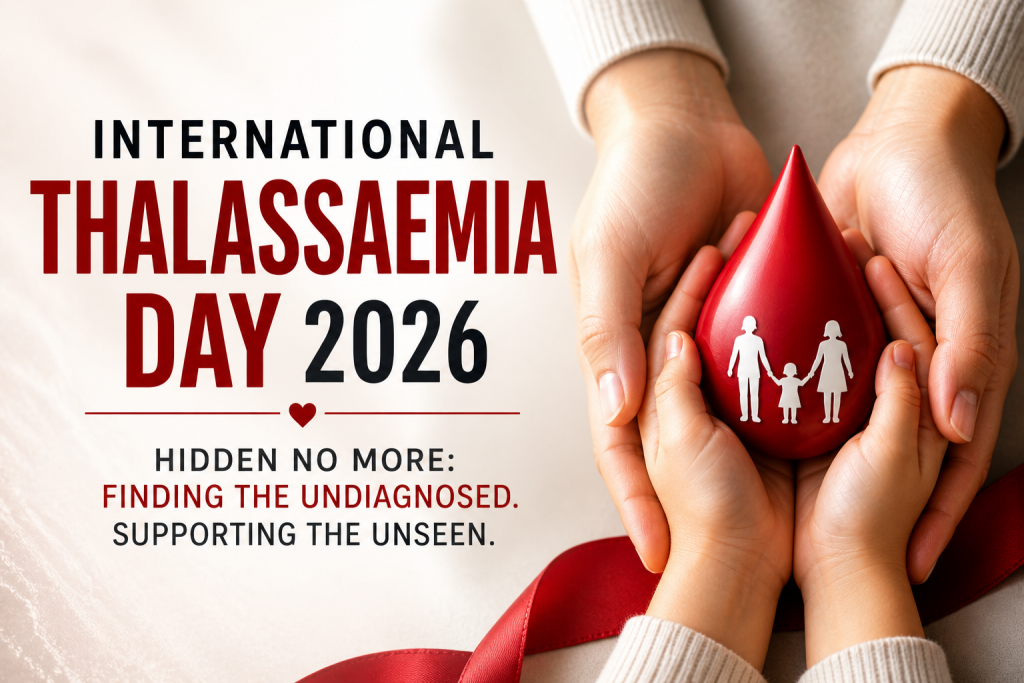
International Thalassaemia Day 2026: Hidden No More

Fatigue, weakness, and pale skin are often dismissed as simple exhaustion or a busy lifestyle. But for millions of people worldwide, these are the silent, everyday symptoms of an inherited genetic blood disorder: Thalassaemia.
Observed globally on May 8th, International Thalassaemia Day is dedicated to raising awareness about this condition, honoring the resilience of patients, and advocating for equitable access to quality healthcare.

This year, the Thalassaemia International Federation (TIF) has announced a powerful 2026 theme: “Hidden No More: Finding the Undiagnosed. Supporting the Unseen.” Here is what you need to know about the 2026 campaign, the importance of early diagnosis, and how we can collectively support those living with this condition.

What is Thalassaemia?

Thalassaemia is a genetic blood disorder that affects the body’s ability to produce normal hemoglobin, the protein in red blood cells that carries oxygen throughout the body. When the body cannot produce enough healthy hemoglobin, it leads to the destruction of red blood cells, resulting in mild to severe anemia.

The condition is generally categorized into two main types:

  • Thalassaemia Minor (Trait): Individuals carry the genetic trait but often experience no symptoms or only mild anemia.
  • Thalassaemia Major: A severe form where individuals inherit the defective gene from both parents. This requires lifelong medical care, including regular blood transfusions and iron chelation therapy.

Why the 2026 Theme Matters

The 2026 theme, “Hidden No More,” shines a crucial light on the gaps in global healthcare.

  1. Finding the Undiagnosed

Millions of people unknowingly carry the Thalassaemia trait (Thalassaemia Minor). Because the symptoms are either absent or very mild, it remains “hidden.” The danger arises when two individuals with the trait have a child, leading to a 25% chance the child will be born with Thalassaemia Major.

Pre-marital and pre-conceptual genetic screening typically a simple blood test called Hb Electrophoresis is the most effective way to identify carriers and make informed family planning decisions.

  1. Supporting the Unseen

Living with Thalassaemia Major is a full-time commitment. Patients spend countless hours in hospitals receiving blood transfusions, which are essential for survival but can lead to severe iron overload in vital organs like the heart and liver. “Supporting the unseen” means advocating for better, more affordable treatment options, comprehensive mental health support, and robust public healthcare infrastructure for these warriors.

How to Support Your Health with Thalassaemia

While medical treatment is non-negotiable, lifestyle plays a highly supportive role in managing the condition safely and effectively.

  • Strictly Managed Nutrition: Unlike typical anemia, people with Thalassaemia (especially those receiving transfusions) must often actively avoid iron-rich foods and Vitamin C supplements. Vitamin C drastically increases iron absorption, which can lead to toxic iron overload in the heart and liver. Always work with a clinical hematologist and nutritionist to build a safe, customized, low-iron meal plan.
  • Prioritize Mental Health: The emotional toll of managing a lifelong chronic illness, frequent hospital visits, and needle fatigue is immense. Supporting the “unseen” means taking care of the mind just as much as the body. Finding community support, practicing daily meditation, and actively managing stress are critical components of long-term care.
  • Gentle Movement: While heavy exertion may cause extreme fatigue, light, low-impact activity helps maintain bone density (which can weaken due to bone marrow expansion in Thalassaemia) and cardiovascular health. Taking short, gentle walks can boost endorphins without overtaxing the body.

How You Can Help: Become a Lifeline

You do not need to be a doctor to save a life. Blood donation is the absolute lifeline for Thalassaemia Major patients, who typically require transfusions every 2 to 4 weeks. By becoming a regular, voluntary blood donor, you are directly supporting the “unseen” individuals fighting this disorder every single day.

Thalassaemia is a lifelong journey, but with the right awareness, timely diagnosis, and consistent medical care, individuals can lead fulfilling lives. This International Thalassaemia Day, let’s pledge to break the silence. Get screened, encourage your loved ones to do the same, and consider donating blood to support the community.

Need guidance on managing a chronic condition through balanced nutrition and lifestyle changes? Subscribe for Personalised Health Coaching directly from a GOQii Coach in the GOQii App for expert, one-on-one support.

Frequently Asked Questions (FAQs)

  1. What is the theme for International Thalassaemia Day 2026?

The 2026 theme is “Hidden No More: Finding the Undiagnosed. Supporting the Unseen,” which focuses on diagnosing hidden carriers and supporting patients who require lifelong care.

  1. How is Thalassaemia diagnosed?

Thalassaemia is diagnosed through specific blood tests, primarily a Complete Blood Count (CBC) and a Hemoglobin Electrophoresis test, which evaluates the types and amounts of hemoglobin in the blood.

  1. Can Thalassaemia be completely cured?

Currently, the only potential cure for severe Thalassaemia is a bone marrow or stem cell transplant from a compatible donor (usually a sibling). However, this procedure carries significant risks. For most, it is a manageable condition through regular blood transfusions and iron chelation therapy.

#BeTheForce

Disclaimer: This article is intended for educational and informational purposes only and should not be considered a substitute for professional medical advice, diagnosis, or treatment. Always consult with your doctor, hematologist, or a qualified healthcare provider regarding specific medical conditions, genetic testing, and treatment protocols.

April 29, 2026 By GOQii Leave a Comment

International Dance Day: Why Dancing is the Ultimate Workout for Your Body and Mind

DancingLet’s be honest: sometimes, the sheer thought of lacing up your shoes, hitting the gym, or staring at a treadmill screen feels like a chore. When you are already exhausted from a long workday or stressed about your to-do list, finding the motivation to “workout” can be incredibly tough.

But what if your workout didn’t feel like a workout at all?

Every year on April 29th, the world celebrates International Dance Day. Created by the International Theatre Institute to revel in the universality of this art form, it is the perfect reminder that movement doesn’t have to be rigid, repetitive, or boring. Dancing is not just an expression of joy—it is a full-body, mind-healing powerhouse of a workout.

If you have been struggling to break free from a sedentary lifestyle, here is why dancing might just be the exact medicine you need.

  1. The Ultimate “Accidental” Cardio

When your favorite song comes on and you start moving to the beat, you aren’t counting reps or watching the clock. Yet, your heart rate is climbing, your lungs are working harder, and your blood is circulating faster.

Dancing is a fantastic cardiovascular workout. Depending on the intensity and style, whether it’s Bhangra, Zumba, Hip-Hop, or just jumping around your living room you can burn anywhere from 200 to 500 calories in an hour. It improves cardiovascular endurance, helping to combat the exact heart health risks associated with sitting at a desk all day.

  1. A Powerful Antidote to Stress and Anxiety

As we highlighted in the GOQii India Fit Report 2026, stress and low mood are reaching alarming levels across the country. Dancing offers an immediate, natural remedy.

When you dance, your brain releases a massive rush of endorphins (the “feel-good” hormones) while simultaneously lowering cortisol (the stress hormone). Furthermore, because dancing requires coordination and rhythm, it forces your brain to stay entirely in the present moment. It is nearly impossible to ruminate over an anxious thought or a stressful email when you are trying to catch the beat.

  1. It Builds Better Balance and Bones

Unlike walking or running, which are linear movements, dancing forces your body to move in all directions forward, backward, side-to-side, and rotational.

This multi-directional movement engages minor muscle groups that traditional workouts often miss. It sharpens your coordination, improves your posture, and actively strengthens your core. Because it is a weight-bearing activity, regular dancing also helps maintain bone density, which is crucial for preventing osteoporosis as we age.

How to Add More Dance to Your Day (No Skills Required!)

The best part about dancing? There is zero barrier to entry. You don’t need a gym membership, you don’t need expensive equipment, and you absolutely do not need to be a “good” dancer.

Here are three simple ways to celebrate International Dance Day and build more joyful movement into your routine:

  • The 10-Minute Morning Playlist: Create a playlist of 3 uplifting songs. Play them while you are making your morning tea or getting dressed, and just let yourself move. It completely changes the trajectory of your day.
  • The “Chores” Dance Party: Sweeping, folding laundry, or cooking? Put on your headphones and turn routine household chores into a mini cardio session.
  • Take a Class: If you thrive on community energy, sign up for a local Zumba, Bollywood aerobics, or salsa class. The shared energy of a group is infectious and keeps you accountable.

Our bodies were designed to move, and our minds were designed to experience joy. Dancing bridges the gap between the two.

This International Dance Day, don’t worry about burning calories, hitting a step count, or looking perfect. Just turn up the volume, let go of the stress of the day, and let your body do what it naturally wants to do.

Takeaway: Dancing is a zero-equipment, highly effective way to boost your cardiovascular health, melt away anxiety, and break the cycle of a sedentary lifestyle.

What is your absolute favorite song to dance to when nobody is watching? Tell us in the comments!

Frequently Asked Questions (FAQs)

  1. When is International Dance Day?
    International Dance Day is celebrated globally every year on April 29th. It was created by the Dance Committee of the International Theatre Institute (ITI) to celebrate the art of dance and its ability to cross all political, cultural, and ethnic barriers.
  2. Is dancing considered a good workout?
    Absolutely! Dancing is a highly effective cardiovascular workout. It elevates your heart rate, burns calories, improves lung capacity, and engages multiple muscle groups. Because it involves multi-directional movement, it also greatly improves your balance, agility, and core strength.
  3. Does dancing help with mental health?
    Dancing is a powerful mood booster. The physical exertion releases endorphins (happiness hormones) and reduces cortisol (stress hormones). Additionally, focusing on rhythm and movement helps distract the mind from anxious thoughts, acting as a form of moving meditation.

#BeTheForce #InternationalDanceDay

Disclaimer: The content provided in this blog is for educational and informational purposes only and should not be construed as professional medical advice, diagnosis, or treatment. Always consult with a qualified healthcare provider or a certified medical professional before starting any new cardiovascular exercise or fitness routine, especially if you have pre-existing joint issues, heart conditions, or other medical concerns.

April 27, 2026 By Parwage Alam 3 Comments

Sitting Too Much? Here’s How It’s Shortening Your Life

How sitting for long hours at work can shorten your lifeSam logs into his 9:30 AM status call with a fresh cup of coffee. “I’ll just clear these emails quickly,” he tells himself as the meeting ends. The next time he looks up from his screen, his stomach is rumbling, and the clock says 2:15 PM. As he finally pushes his chair back to stand, a dull, familiar ache shoots across his lower back, his neck feels incredibly stiff, and his legs are heavy. He hasn’t moved from that chair in nearly five hours.



Does this sound familiar?

Sam isn’t alone. In fact, he represents the new normal. We often hear the phrase “Sitting is the new smoking”, and for good reason. Research suggests that excessive sitting can be just as dangerous as smoking, increasing your risk of serious health issues even if you manage to work out for an hour a day.

According to the GOQii India Fit Report 2026, a staggering 50% of Indians now spend 5 to 8 hours a day sitting down, and a further 26% sit for more than 8 hours. With the modern workplace being largely desk-based, it’s crucial to understand how this creeping stillness affects your body and what you can do to counteract it.

How Sitting For Long Hours Can Affect Your Health

Sitting doesn’t hurt in the moment, which is exactly what makes it so deceptive. Over time, physical stillness translates to metabolic decline. Here is what happens to your body when you sit for too long:

  • Poor Blood Circulation: Sitting for long periods slows down blood flow, pooling blood in your legs and increasing the risk of blood clots and varicose veins.
  • Increased Risk of Diabetes & Heart Disease: Studies show that prolonged sitting doubles the risk of diabetes. The GOQii India Fit Report highlights that heart disease affects over 55% of individuals with prolonged sedentary habits.
  • Eye Strain & Digital Fatigue: Constantly staring at screens causes dry eyes, blurred vision, and persistent tension headaches.
  • Back, Neck & Joint Pain: Poor posture and a lack of movement contribute to chronic pain in the lower back, neck, and hip joints.
  • Weakened Heart & Lung Function: Sitting too long reduces your overall cardiovascular efficiency, making your heart and lungs work much harder during normal physical activities.
  • Digestive Problems: Slouching compresses your abdomen and slows down digestion, leading to bloating, acid reflux, and constipation.
  • Mental Fatigue & Mood Changes: Reduced movement doesn’t just drain the body; it affects mental health, leading to increased stress, anxiety, and a feeling of constant brain fog.

How Can You Stay Active At Your Workplace? 

While it may not be possible to completely avoid your desk, you can incorporate small, intentional changes into your routine to break the cycle of stillness.

  • Take Small & Frequent Breaks – Set a timer to stand up and stretch every 30-45 minutes. This instantly improves circulation and prevents muscle stiffness.
  • Use the Stairs Instead of the Lift – This is a quick and highly effective way to get your heart rate up and strengthen your leg muscles.
  • Take a Walk After Lunch – Even a simple 5-10 minute walk after eating helps regulate blood sugar, aids digestion, and boosts your afternoon energy.
  • Blink & Rinse Your Eyes Regularly – Combat screen fatigue by strictly following the 20-20-20 rule: look away from the screen every 20 minutes, for 20 seconds, at something 20 feet away.
  • Try Simple Desk Exercises – Stretch your neck, roll your shoulders backwards, and extend your legs under the desk to relieve built-up tension.
  • Adjust Your Chair for Better Posture – Keep your back straight, feet flat on the floor, and screen exactly at eye level to avoid the dreaded “tech neck” slouch.
  • Consider a Standing Desk – Alternate between sitting and standing throughout the day to reduce constant compression on your lower spine.
  • Move While You Work – Take your phone calls while pacing around the room, or swap your office chair for a stability ball for an hour a day to engage your core.

Try to avoid it by taking short breaks and being active! If you experience any pain, here’s what you can do to avoid any further injuries.

Sitting for long hours is unavoidable for many, but small lifestyle adjustments can make a massive difference. By being more aware of your sitting habits and actively injecting movement into your daily routine, you can protect your health and drastically improve your overall well-being.

💡 Takeaway: Stand more, move more, and prioritise an active lifestyle to reduce the hidden risks associated with prolonged sitting.

💬 What’s your favourite way to stay active at work? Share your tips in the comments!

Frequently Asked Questions (FAQs)

  1. Why is sitting called “the new smoking”?
    Prolonged sitting is often compared to smoking because of the severe long-term health risks associated with it. Even if you exercise daily, sitting continuously for 8 to 10 hours drastically increases your risk of chronic conditions like heart disease, type 2 diabetes, obesity, and premature death.
  2. How often should I take a break from sitting at my desk?
    Health experts recommend standing up, stretching, or walking around every 30 to 45 minutes. Even a brief 2-minute movement break helps reset your posture, improves blood circulation, and reduces the strain on your back and neck.
  3. Does sitting affect mental health?
    Yes. A sedentary lifestyle is strongly linked to mental fatigue, increased stress, and anxiety. Physical movement releases endorphins and improves blood flow to the brain; without it, you are more likely to experience low moods, brain fog, and emotional exhaustion.

#BeTheForce

Disclaimer: The content provided in this blog is for educational and informational purposes only and should not be construed as professional medical advice, diagnosis, or treatment. Always consult with a qualified healthcare provider or a certified medical professional before making significant changes to your physical activity or if you are experiencing chronic pain or health issues related to a sedentary lifestyle.

  • « Previous Page
  • 1
  • …
  • 28
  • 29
  • 30
  • 31
  • 32
  • …
  • 101
  • Next Page »

Search

Recent Posts

  • 6 Health Benefits of Playing Sports
  • Foods to Manage Blood Sugar Naturally: A Complete Guide to Better Blood Sugar Control
  • The Lazy Person’s Guide to Staying Healthy: 5 Micro-Habits That Take Less Than 2 Minutes
  • Healthy Eating: Comforting Chilli Bean Soup Recipe for the Monsoon
  • The Truth About the ‘Beer Belly’: What Alcohol Really Does to Your Metabolism

Stay Updated

Archives

  • August 2026 (8)
  • July 2026 (25)
  • June 2026 (22)
  • May 2026 (20)
  • April 2026 (24)
  • March 2026 (18)
  • February 2026 (14)
  • January 2026 (14)
  • December 2025 (19)
  • November 2025 (15)
  • October 2025 (20)
  • September 2025 (6)
  • August 2025 (6)
  • July 2025 (9)
  • June 2025 (18)
  • May 2025 (16)
  • April 2025 (22)
  • March 2025 (26)
  • February 2025 (21)
  • January 2025 (25)
  • December 2024 (22)
  • November 2024 (22)
  • October 2024 (20)
  • September 2024 (22)
  • August 2024 (27)
  • July 2024 (15)
  • June 2024 (23)
  • May 2024 (26)
  • April 2024 (27)
  • March 2024 (27)
  • February 2024 (23)
  • January 2024 (21)
  • December 2023 (14)
  • November 2023 (10)
  • October 2023 (19)
  • September 2023 (21)
  • August 2023 (16)
  • July 2023 (16)
  • June 2023 (21)
  • May 2023 (20)
  • April 2023 (19)
  • March 2023 (23)
  • February 2023 (19)
  • January 2023 (15)
  • December 2022 (11)
  • November 2022 (15)
  • October 2022 (15)
  • September 2022 (12)
  • August 2022 (9)
  • July 2022 (17)
  • June 2022 (11)
  • May 2022 (10)
  • April 2022 (6)
  • March 2022 (6)
  • February 2022 (13)
  • January 2022 (11)
  • December 2021 (7)
  • November 2021 (3)
  • October 2021 (6)
  • September 2021 (3)
  • August 2021 (8)
  • July 2021 (7)
  • June 2021 (15)
  • May 2021 (16)
  • April 2021 (10)
  • March 2021 (7)
  • February 2021 (4)
  • January 2021 (4)
  • December 2020 (3)
  • November 2020 (4)
  • October 2020 (10)
  • September 2020 (3)
  • August 2020 (3)
  • July 2020 (2)
  • June 2020 (4)
  • May 2020 (10)
  • April 2020 (12)
  • March 2020 (10)
  • February 2020 (4)
  • January 2020 (4)
  • December 2019 (3)
  • November 2019 (7)
  • October 2019 (5)
  • September 2019 (4)
  • August 2019 (9)
  • July 2019 (9)
  • June 2019 (11)
  • May 2019 (4)
  • April 2019 (8)
  • March 2019 (8)
  • February 2019 (9)
  • January 2019 (8)
  • December 2018 (9)
  • November 2018 (3)
  • October 2018 (3)
  • September 2018 (5)
  • August 2018 (10)
  • July 2018 (6)
  • June 2018 (13)
  • May 2018 (8)
  • April 2018 (17)
  • March 2018 (9)
  • February 2018 (8)
  • January 2018 (15)
  • December 2017 (12)
  • November 2017 (19)
  • October 2017 (13)
  • September 2017 (15)
  • August 2017 (4)
  • July 2017 (8)
  • June 2017 (7)
  • May 2017 (6)
  • April 2017 (8)
  • March 2017 (6)
  • February 2017 (7)
  • January 2017 (9)
  • December 2016 (10)
  • November 2016 (7)
  • October 2016 (7)
  • September 2016 (7)
  • August 2016 (11)
  • July 2016 (9)
  • June 2016 (9)
  • May 2016 (12)
  • April 2016 (17)
  • March 2016 (17)
  • February 2016 (8)
  • January 2016 (6)
  • December 2015 (2)
  • November 2015 (9)
  • October 2015 (7)
  • September 2015 (9)
  • August 2015 (11)
  • July 2015 (9)
  • June 2015 (11)
  • May 2015 (9)
  • April 2015 (13)
  • March 2015 (8)
  • February 2015 (5)
  • January 2015 (12)
  • December 2014 (14)
  • November 2014 (11)
  • October 2014 (6)
  • September 2014 (13)
  • August 2014 (12)
  • July 2014 (6)
  • June 2014 (2)
  • May 2014 (7)
  • April 2014 (4)

From Burnout to Balance: How Dr. Ranjit Reclaimed His Health

Dr Ranjit Bhatt has spent years tending to others. A practising doctor in Odisha, his days were packed with patients, surgeries, and emergencies. From the outside, it looked like a life lived in service. But on the inside, something wasn’t right. “I had no … [Read More...]

From Shimla’s Slopes to Chandigarh’s Sidewalks: Surinder Kaur Bhalla’s Journey from Chaos to Control

Some journeys start with a plan. Others begin with a stumble literally. Surinder Bhalla, a government professional, born and raised in the scenic hill town of Shimla, had always lived a life of movement. “In Shimla, you walked everywhere,” she reflects. “Walking was never an exercise. It was just life.” But after shifting to Chandigarh, […]

“I’ve Challenged Myself to Live 100 Years” – The Story of Chandubhai Savani’s Second Chance at Life

At 67, most people start slowing down. Not Chandubhai Savani. A resident of Surat, Chandubhai, thought life was on track. “My life was going well till I had my bypass surgery,” he says. That surgery, back in 2021, was a wake-up call.  Medication was routine, but exercise wasn’t. His diet? What he calls ‘normal.’ “I […]

Ananda Mukherjee Health Story

From Terminal Illness To Complete Wellness! Ananda Mukherjee Health Story

As we observe World Cancer Day under the powerful theme ‘United by Unique’ (2025-2027)**, we are reminded that every individual’s journey with cancer is distinct, yet united by shared resilience, hope, and the collective fight against this disease. This theme places people at the centre of care and their stories at the heart of the […]

  • HOME
  • HEALTHY LIVING
  • FITNESS
  • HEALTHY RECIPES
  • USER STORIES
  • KARMA
  • BUY GOQii

Copyright ©2016 GOQii
