GOQii

Blog

  • HOME
  • HEALTHY LIVING
  • FITNESS
  • HEALTHY RECIPES
  • USER STORIES
  • KARMA
  • BUY GOQii

Search Results for: mental health

May 25, 2015 By Anushree Ashtekar Leave a Comment

Red Signal to Excess-Part 2 – Moderation is key to Good health

eat in moderation

In Part 1, we saw how good things in excess can adversely affect our health. In this follow up blog, I talk of bad things in excess, which is also not right.

Let’s take a look at some of these bad things in excess and how it could be detrimental to our health.

1) Excessive consumption of junk/processed foods: Fast food means food that can be made and served quickly. These junk foods are mostly processed, containing large amounts of refined carbohydrates, added refined sugars, added salt (sodium) and bad quality fats. They are high on calories but, minimal on nutritional value. Eating junk/processed foods instead of fresh, whole, nutritious food has many adverse effects on the body. Junk foods and drinks are packed with refined sugars which cause insulin spike gradually leading to insulin resistance and Type- 2 diabetes.

The empty calories just go easily go into the body fat store leading to obesity which can further give rise to severe health issues like heart problems, respiratory problems, etc. The trans fats in the junk foods, increase the LDL cholesterol levels and subsequently decrease the HDL cholesterol levels. Lot of salt (sodium) causes water retention, high blood pressure and enlarged heart muscle. Too much sugars cause acidity which destroy the tooth enamel causing dental cavities. MSG (Monosodium Glutamate) found in processed foods create stomach distress. Some of the artificial colors and preservatives used in processed foods are found to be carcinogenic (cancer causing). Drinking too much of soda can leach calcium out of the bones making them soft and brittle. Also, the aluminium soda cans are inwardly lined with an epoxy resin called bisphenol A (BPA) which protects the metal can from the reaction of acids in the sodas. This BPA is found to be disrupting normal hormone functioning that can lead to obesity, diabetes and reproductive cancers.

2) Excessive alcohol consumption: It is no big secret that alcohol consumption has no good effects but, chronic heavy drinking has many bad effects. Researchers have found alcohol to be linked to more than 60 diseases. Alcohol can cause liver cirrhosis. Alcohol is empty calories so, can cause unwanted fat storage in the body. Alcohol disturbs the working of the sympathetic nervous system leading to high blood pressure, heart problems, stroke and kidney disease. Heavy drinking can cause gastritis (stomach irritation), inflammation of pancreas, decrease in immunity, nerve damage (alcoholic neuropathy). As people age, their brains shrink but, heavy drinking can cause faster brain shrinking leading to memory loss and other symptoms of dementia. Depressed people drink to ‘feel good’ but, in fact, drinking leads to further depression. Alcohol can aggravate the condition of gout. It can worsen the condition of an epileptic and cause seizures even in non-epileptic individuals. Chronic heavy drinking can lead to cancer of the mouth, esophagus, liver, breast, and colorectal region.

3) Excessive cigarette smoking/tobacco chewing: Nicotine is a highly addictive drug that alters the brain chemistry making it both, physically and psychologically addictive. According to AHA (American Heart Association), nicotine causes short-term rise in heart-rate, blood flow and blood pressure which, in a long term, can cause cardiovascular complications. Carbon monoxide in cigarette smoke causes fat buildup in arteries leading to hardening of the arterial walls (atherosclerosis). Tobacco smoking and chewing, both, can lead to oral and lung cancers. Smoking/chewing tobacco can also cause tissue damage in various organs of the body and dental diseases.

4) Excessive Tea/Coffee drinking: We all wish to have a cup of tea/coffee to kick-start our day. It’s not too bad to drink tea and coffee. It is the too much drinking that is the concern.

Caffeine is a natural stimulant found in coffee, tea, chocolate, yerba mate and certain herbal teas. Caffeine is generally a very safe stimulant. It improves alertness and is a mood enhancer. Usually, it is 200-300 mg of coffee that can be safely consumed per day (roughly 3 cups) but, this differs from person to person, depending on their own ‘caffeine sensitivity’. Too much coffee consumption can lead to symptoms like irritability, nervousness, headache, dizziness, insomnia, fever, increased heart-rate, increased thirst, stomach upset and muscle tremors. Same is the case with teas. A cup of hot tea in the morning will boost your energy for the day where as a cup of herbal tea at night will help you relax. Tea contains lesser amount of caffeine than coffee but, there are side effects of having too much of it.

Drinking too many cups of tea in a day can lead to symptoms like restlessness, anxiety, disturbed sleep, skeletal fluorosis (a painful bone condition), yellow pigmentation of the teeth. Green tea is no less. Though healthy, if had too much, it can worsen the condition in people suffering from high blood pressure, anxiety and stomach ulcers.

5) Excessive stress: In this fast paced world, stress is become an inevitable part of our lifestyle. Our body reacts/adjusts to outward changes with physical, mental and emotional responses. This response amounts to stress. Stress is a part of our daily, normal lives. Our body is designed to feel and react to 2 kinds of stress; positive and negative stress. Positive stress is the one where the body prepares itself for a ‘fight or flight’ mode. Negative stress is the one in which the body is continuously facing challenges, without time for rest and recovery. As a result, stress related tensions build up. A person going through stress for a very long time without relief, can enter a stage called as ‘distress’. This distress is indicated by many physical symptoms like fatigue, headache, dizziness, disturbed sleep patterns, high blood pressure, stomach upsets. Stress plays a role in aggravating medical conditions like diabetes, blood pressure, heart problems, depression, asthma, anxiety, skin problems, gastrointestinal disorders, Obesity, Alzheimer’s disease. In many cases, chronic, untreated stress can also lead to accelerated ageing and premature death.

Lastly, I would like to end by saying, “too much of anything, is good for nothing”.

December 31, 2014 By Parwage Alam 1 Comment

Geriatric Health Maintenance-A Systematic Approach

healthy-living

I recently participated in the 100 km OxfamTrail walk and the one thing that I was overwhelmed about is the number of senior citizens who were participating in this challenge. It’s nice to see senior people fitter than many youngsters. One fine example was that of Milind Soman’s mother who at 76 years old looked fit and completed the 100 km trail walk in 40 hours along with her daughters. That was commendable.

Growing old is great but along with that maintaining your health is equally important. At some point in our life many of us have faced and dealt with an old parent’s illness. And therefore I feel that staying healthy as a senior citizen is very important.

Your mental and physical health plays a crucial role in the latter years of your life. Staying healthy means eating nutritious foods, exercising, and getting regular medical check-ups. Prevention and early detection are the best defense against illness and disease.

As people get older, physiological changes occur in their body as a natural part of aging.Due to aging mostly all organs are affected and some diseases and co morbid conditions become more prominent in the elderly.

Psychological issues can also play a role in physical and mental health of older adults. At senior stage a balanced diet and regular exercise are strongly linked to better health outcomes. Regular medical checkup and important preventive measures at home help to improve the safety and health of seniors.

As health needs change with age, one thing remains the same: healthy living (healthy lifestyle), one of the best way to avoid disease (related to Skin, Bones, joints, and muscles, mobility and balance, body shape, face, teeth and gums, Hair and nail, memory, immunity, hearing, vision and sleep).

 Living a longer, healthier life can be made easier with these simple steps.

Healthy Eating Habits: Always try to have natural foods, avoid the artificial source and opt for fresh fruits and vegetables, whole grains, fiber-rich foods—bean, spinach, and romaine lettuce, for example—lean cuts of meat, fresh fish, and poultry instead. Processed food usually filled with unhealthy things like high-fructose corn syrup that leads to overconsumption. Secondly, contains lot of artificial Ingredients. Most processed foods are Low in Nutrients.

It requires less energy and time to digest processed foods. Processed foods contain MSG (Monosodium glutamate – to enhance flavor), it also contains lots of sodium and typically all the wrong heart-clogging oils. Therefore it is always good to go with natural food available, if possible go with homemade food.

Activities:Physical activity is vital for developing the strong bones and muscles. This would help in avoiding falls or accidental injuries. Exercise is add on as part of overall healthy lifestyle and to avoid obesity, which is the root cause of other diseases. So if you have not started your activity, please get and include some physical activities into your routine before it gets too late.

Stop Smoking, tobacco:Dump the cigarette/tobacco habit before this dumps you. And stay away from those who do smoke, as second-hand smoking is more dangerous than direct smoking.

Meditation: I personally believe in meditation, as it really help to avoid stress because like obesity – stress is also a main cause of 70% diseases. So Meditation really helps you in terms of Psychological&Physiological. To get more information about Meditation you can also check my blog at:

https://goqii.com/blog/myths-and-health-benefits-of-meditation/

So what are you waiting for get up and change your lifestyle from sedentary to Active and live healthy long life.

June 11, 2014 By Neha Morche 14 Comments

How to lead a Healthy Lifestyle?

Healthy Lifestyle
Living a healthy lifestyle is easy…hmm…really? I am afraid it is not. I have been asked this question an umpteen times and my answer has always remained that one should strive to change their routine or habits to maintain physical and mental health, both of which works simultaneously.

Seldom have we found people doing this. Healthy habits are not taken care of by majority of people. Considering the fast paced techno savvy lives that we all lead money is something that everybody is chasing and in the process forget to take care of themselves and their health.

To lead a healthy life one should eat healthy, exercise regularly, drink lots of water daily and reduce stress.

Here are a few healthy habits that can be practiced in our day to day life with no extra efforts irrespective of what age or gender you are.

In order to live a healthy lifestyle one should have a balance. Here is how you can get a balance in your life:

(i) Exercise for at least 45 mins five times a week

(ii) Consume 2.5 to 3  litres of water daily

(iii) Eat 6 -7 meals a day (breakfast, lunch, and dinner will remain main meals and mid- morning, mid-afternoon, mid-evening will remain small meals).

(iv)  Choose lean meats, poultry, fish, beans, eggs, nuts.

(v)   Choose foods that are low in saturated fats, trans fats, cholesterol, salt (sodium), and added sugars; look at the labels  because the first listed items on the labels.

(vi)  Control portion sizes; eat the smallest portion that can satisfy hunger and then stop eating.

(vii)  Snacks are OK in moderation and should consist of items like fruit, whole grains, or nuts to satisfy hunger,

(viii) Turn the TV off and get 7-8 hours of sleep everyday

(ix)  Follow a food pyramid which is –keep an eye on your portion size,

(x)   include fresh fruits and vegetables in your daily diet

Physical Wellness (For The Body)

  • Good Nutrition, Eating Right
  • Getting Physically Fit, Beneficial Exercise
  • Adequate Rest
  • Stress Management

It is said that ‘a sound mind is in a sound body’. This old adage is true and I am sure most of you will agree with me.

In order to live a mentally healthy lifestyle it is important to have control on our minds and emotions. It’s just not enough to have a positive attitude, mindful eating is equally important.

Do not let stress take over your life. Try to follow your dreams or engage in some kind of a hobby that relaxes you and relieves you of your stress. Try and avoid junk food as much as you can because that satisfies only your taste buds not your system’s hunger. Our body receives zero nutrients from it.

Emotional Wellness (For The Mind)

  • Positive Thoughts and Viewpoints
  • Positive Self-Image
  • Give and receive
  • Forgive
  • Love
  • Laugh
  • Inner calmness
  • Be outgoing

God gifted us super system it’s BODY so let’s nurture it by promising ourselves to sustain it by inculcating good habits.

August 7, 2026 By GOQii Leave a Comment

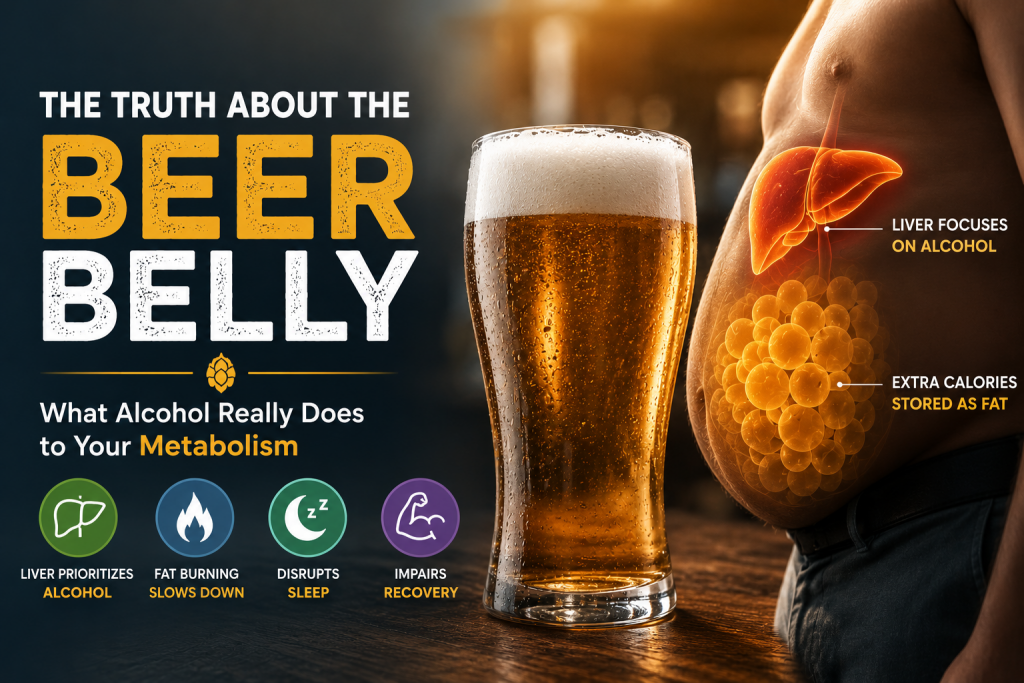
The Truth About the ‘Beer Belly’: What Alcohol Really Does to Your Metabolism

The Big Question – Can understanding how alcohol affects your metabolism help you make healthier choices?



International Beer Day provides an opportunity to look beyond the social aspect of drinking and better understand what alcohol actually does inside the body. Whether you enjoy an occasional drink or choose not to drink at all, knowing how alcohol influences your metabolism, recovery and overall health can help you make informed lifestyle decisions.

At GOQii, we believe preventive healthcare starts with awareness. Sustainable health isn’t built on extreme restrictions it’s built on understanding your body, making informed choices and staying consistent with healthy habits.

Let’s separate myth from fact and uncover the science behind alcohol, metabolism and the so-called “beer belly.”

Quick Answer – Does drinking beer really cause a beer belly?

A “beer belly” isn’t caused by beer alone. Weight gain occurs when calorie intake consistently exceeds calorie expenditure. Alcohol contributes because it is calorie-dense, temporarily reduces fat oxidation while your body prioritises metabolising alcohol, and often leads to overeating. Over time, these factors can contribute to increased abdominal fat, particularly when combined with poor diet, inactivity and inadequate sleep.

Why Alcohol Changes Your Metabolism

Your body normally uses carbohydrates, fats and proteins as sources of energy.

Alcohol changes that priority.

Unlike carbohydrates or fat, alcohol cannot be stored for later use. Because it is recognised as a substance that needs to be broken down and eliminated, your liver immediately prioritises metabolising alcohol.

During this period, fat oxidation is significantly reduced, meaning your body becomes temporarily less efficient at using fat as fuel.

If you’ve also consumed calorie-rich foods especially fried or processed snacks commonly eaten while drinking those excess calories are more likely to contribute to weight gain over time.

The Hidden Calories in Alcohol

Alcohol contains 7 calories per gram, making it almost as calorie-dense as fat.

Unlike nutrient-rich foods, alcoholic beverages contribute calories with very little nutritional value.

Approximate Calories Per Drink

Beverage Approximate Calories   
Light Beer (330 ml) 100–120
Regular Beer (330 ml) 150–220
Glass of Wine (150 ml) 120–130
Whisky (30 ml) ~70
Sugary Cocktail 250–500+

Three regular beers can easily provide the calories of a full meal without supplying the nutrients your body needs.

Why Drinking Often Leads to Overeating

Alcohol affects more than just calorie intake.

It can also reduce inhibitions and temporarily interfere with your body’s normal appetite regulation, making it easier to overeat.

This is one reason why drinking is often followed by cravings for:

  • Pizza
  • Burgers
  • Fried foods
  • Sugary desserts
  • Late-night takeaways

The combination of alcohol and calorie-dense foods often contributes more to weight gain than alcohol alone.

Alcohol, Exercise and Recovery

Regular exercise supports muscle growth and metabolic health – but alcohol can interfere with recovery.

Muscle Repair

Alcohol may reduce muscle protein synthesis, the process responsible for repairing and rebuilding muscle tissue after exercise.

Glycogen Replenishment

It can also slow the replenishment of muscle glycogen, which is essential for restoring energy after training.

Hydration

Because alcohol has a diuretic effect, it increases fluid loss and can contribute to dehydration, especially if adequate water intake is neglected.

Alcohol and Sleep

Although alcohol may make you feel sleepy initially, it often reduces overall sleep quality.

Research shows alcohol can:

  • Reduce REM sleep
  • Fragment sleep during the second half of the night
  • Affect recovery
  • Reduce concentration the next day
  • Increase fatigue

Quality sleep is one of the foundations of good metabolic health, and regular alcohol consumption can compromise that recovery process.

Can You Drink Alcohol and Still Lose Weight?

Weight loss depends on maintaining a sustainable calorie deficit while supporting your body with healthy lifestyle habits.

Occasional alcohol consumption doesn’t automatically prevent weight loss, but frequent or excessive drinking can make it more difficult by increasing calorie intake, disrupting sleep, affecting recovery and encouraging overeating.

Consistency in your daily habits matters far more than occasional indulgences.

If Alcohol Is Part of Your Lifestyle

From a health perspective, limiting alcohol consumption is the safest choice.

However, if you choose to drink occasionally, these strategies may help reduce some of the short-term health impacts.

Stay Hydrated

Drink a glass of water alongside every alcoholic beverage.

Eat Before Drinking

A balanced meal containing protein, fibre and healthy fats may help slow alcohol absorption and reduce overeating later.

Choose Lower-Calorie Options

If drinking, choose beverages with less added sugar and be mindful of portion sizes.

Plan Ahead

Avoid making food decisions late at night when judgement may be impaired.

Beyond the Beer Belly

Weight gain is only one aspect of alcohol’s impact on health.

Regular excessive alcohol consumption has been linked to an increased risk of:

  • Liver disease
  • High blood pressure
  • Cardiovascular disease
  • Certain cancers
  • Mental health disorders
  • Poor sleep quality

Understanding these risks allows you to make more informed decisions about your long-term wellbeing.

The Bottom Line

Good health isn’t determined by one meal, one workout or one social occasion.

It’s built through consistent choices over time.

Whether you drink alcohol or not, understanding its effects on metabolism, recovery and overall health empowers you to make decisions that support your long-term wellness goals.

At GOQii, our focus isn’t on restriction it’s on helping you make informed lifestyle choices that improve your health, one habit at a time.

Pro Tip: Your overall lifestyle matters far more than a single social occasion. Track your hydration, sleep, activity levels and nutrition using the GOQii App. A GOQii Personalised Health Coach can help you build sustainable habits that support your health goals while fitting into your everyday life.

Frequently Asked Questions (FAQs)

  1. Is light beer healthier than regular beer?

Light beer generally contains fewer calories and a lower alcohol content than regular beer. However, moderation remains important, as alcohol still affects metabolism and recovery.

  1. Does alcohol stop fat burning?

Alcohol temporarily reduces fat oxidation because your liver prioritises metabolising alcohol first. Once the alcohol has been processed, normal metabolism gradually resumes.

  1. Can I exercise after drinking alcohol?

Avoid high-intensity exercise if you’re dehydrated or recovering from alcohol consumption. Focus on hydration and allow your body adequate time to recover before returning to strenuous workouts.

  1. Is non-alcoholic beer a healthier alternative?

Non-alcoholic beer generally contains significantly less alcohol and often fewer calories than regular beer, although nutritional content varies between products.

  1. Is there a completely safe amount of alcohol?

Current evidence suggests that no level of alcohol consumption is entirely risk-free. If you choose to drink, doing so infrequently and in moderation is associated with lower health risks than regular or excessive drinking.

#BeTheForce

Disclaimer: This article is intended for educational and informational purposes only. GOQii does not promote or encourage alcohol consumption. If you choose to drink alcohol, do so responsibly, in moderation and only if you are of legal drinking age in your country. Never drink and drive. Excessive alcohol consumption is associated with serious health conditions, including liver disease, cardiovascular disease, certain cancers and mental health disorders. If you have concerns about your alcohol consumption, seek guidance from a qualified healthcare professional.

  • « Previous Page
  • 1
  • …
  • 26
  • 27
  • 28
  • 29
  • 30
  • …
  • 101
  • Next Page »

Search

Recent Posts

  • 6 Health Benefits of Playing Sports
  • Foods to Manage Blood Sugar Naturally: A Complete Guide to Better Blood Sugar Control
  • The Lazy Person’s Guide to Staying Healthy: 5 Micro-Habits That Take Less Than 2 Minutes
  • Healthy Eating: Comforting Chilli Bean Soup Recipe for the Monsoon
  • The Truth About the ‘Beer Belly’: What Alcohol Really Does to Your Metabolism

Stay Updated

Archives

  • August 2026 (8)
  • July 2026 (25)
  • June 2026 (22)
  • May 2026 (20)
  • April 2026 (24)
  • March 2026 (18)
  • February 2026 (14)
  • January 2026 (14)
  • December 2025 (19)
  • November 2025 (15)
  • October 2025 (20)
  • September 2025 (6)
  • August 2025 (6)
  • July 2025 (9)
  • June 2025 (18)
  • May 2025 (16)
  • April 2025 (22)
  • March 2025 (26)
  • February 2025 (21)
  • January 2025 (25)
  • December 2024 (22)
  • November 2024 (22)
  • October 2024 (20)
  • September 2024 (22)
  • August 2024 (27)
  • July 2024 (15)
  • June 2024 (23)
  • May 2024 (26)
  • April 2024 (27)
  • March 2024 (27)
  • February 2024 (23)
  • January 2024 (21)
  • December 2023 (14)
  • November 2023 (10)
  • October 2023 (19)
  • September 2023 (21)
  • August 2023 (16)
  • July 2023 (16)
  • June 2023 (21)
  • May 2023 (20)
  • April 2023 (19)
  • March 2023 (23)
  • February 2023 (19)
  • January 2023 (15)
  • December 2022 (11)
  • November 2022 (15)
  • October 2022 (15)
  • September 2022 (12)
  • August 2022 (9)
  • July 2022 (17)
  • June 2022 (11)
  • May 2022 (10)
  • April 2022 (6)
  • March 2022 (6)
  • February 2022 (13)
  • January 2022 (11)
  • December 2021 (7)
  • November 2021 (3)
  • October 2021 (6)
  • September 2021 (3)
  • August 2021 (8)
  • July 2021 (7)
  • June 2021 (15)
  • May 2021 (16)
  • April 2021 (10)
  • March 2021 (7)
  • February 2021 (4)
  • January 2021 (4)
  • December 2020 (3)
  • November 2020 (4)
  • October 2020 (10)
  • September 2020 (3)
  • August 2020 (3)
  • July 2020 (2)
  • June 2020 (4)
  • May 2020 (10)
  • April 2020 (12)
  • March 2020 (10)
  • February 2020 (4)
  • January 2020 (4)
  • December 2019 (3)
  • November 2019 (7)
  • October 2019 (5)
  • September 2019 (4)
  • August 2019 (9)
  • July 2019 (9)
  • June 2019 (11)
  • May 2019 (4)
  • April 2019 (8)
  • March 2019 (8)
  • February 2019 (9)
  • January 2019 (8)
  • December 2018 (9)
  • November 2018 (3)
  • October 2018 (3)
  • September 2018 (5)
  • August 2018 (10)
  • July 2018 (6)
  • June 2018 (13)
  • May 2018 (8)
  • April 2018 (17)
  • March 2018 (9)
  • February 2018 (8)
  • January 2018 (15)
  • December 2017 (12)
  • November 2017 (19)
  • October 2017 (13)
  • September 2017 (15)
  • August 2017 (4)
  • July 2017 (8)
  • June 2017 (7)
  • May 2017 (6)
  • April 2017 (8)
  • March 2017 (6)
  • February 2017 (7)
  • January 2017 (9)
  • December 2016 (10)
  • November 2016 (7)
  • October 2016 (7)
  • September 2016 (7)
  • August 2016 (11)
  • July 2016 (9)
  • June 2016 (9)
  • May 2016 (12)
  • April 2016 (17)
  • March 2016 (17)
  • February 2016 (8)
  • January 2016 (6)
  • December 2015 (2)
  • November 2015 (9)
  • October 2015 (7)
  • September 2015 (9)
  • August 2015 (11)
  • July 2015 (9)
  • June 2015 (11)
  • May 2015 (9)
  • April 2015 (13)
  • March 2015 (8)
  • February 2015 (5)
  • January 2015 (12)
  • December 2014 (14)
  • November 2014 (11)
  • October 2014 (6)
  • September 2014 (13)
  • August 2014 (12)
  • July 2014 (6)
  • June 2014 (2)
  • May 2014 (7)
  • April 2014 (4)

From Burnout to Balance: How Dr. Ranjit Reclaimed His Health

Dr Ranjit Bhatt has spent years tending to others. A practising doctor in Odisha, his days were packed with patients, surgeries, and emergencies. From the outside, it looked like a life lived in service. But on the inside, something wasn’t right. “I had no … [Read More...]

From Shimla’s Slopes to Chandigarh’s Sidewalks: Surinder Kaur Bhalla’s Journey from Chaos to Control

Some journeys start with a plan. Others begin with a stumble literally. Surinder Bhalla, a government professional, born and raised in the scenic hill town of Shimla, had always lived a life of movement. “In Shimla, you walked everywhere,” she reflects. “Walking was never an exercise. It was just life.” But after shifting to Chandigarh, […]

“I’ve Challenged Myself to Live 100 Years” – The Story of Chandubhai Savani’s Second Chance at Life

At 67, most people start slowing down. Not Chandubhai Savani. A resident of Surat, Chandubhai, thought life was on track. “My life was going well till I had my bypass surgery,” he says. That surgery, back in 2021, was a wake-up call.  Medication was routine, but exercise wasn’t. His diet? What he calls ‘normal.’ “I […]

Ananda Mukherjee Health Story

From Terminal Illness To Complete Wellness! Ananda Mukherjee Health Story

As we observe World Cancer Day under the powerful theme ‘United by Unique’ (2025-2027)**, we are reminded that every individual’s journey with cancer is distinct, yet united by shared resilience, hope, and the collective fight against this disease. This theme places people at the centre of care and their stories at the heart of the […]

  • HOME
  • HEALTHY LIVING
  • FITNESS
  • HEALTHY RECIPES
  • USER STORIES
  • KARMA
  • BUY GOQii

Copyright ©2016 GOQii