GOQii

Blog

  • HOME
  • HEALTHY LIVING
  • FITNESS
  • HEALTHY RECIPES
  • USER STORIES
  • KARMA
  • BUY GOQii

Search Results for: lungs

April 8, 2026 By Kusum Soni Leave a Comment

Do Grains Cause a Leaky Gut? Unpacking the Science and Solutions

leaky gutIf you are suffering from chronic diarrhea, constipation, gas, or bloating coupled with a poor immune system, your issue might be more than just something to do with “what you ate last night.” There is a fair chance that you might be experiencing something known as a leaky gut.

What is a Leaky Gut?

A Leaky Gut, as the phrase suggests, literally means that the gut or intestine is “leaking.”

Technically speaking, the permeability of the intestinal mucosa increases. As a result, a protein called Zonulin is released, and consequently, bacteria, toxins, digestive metabolites, and bacterial toxins leak through the intestinal wall and into the bloodstream.

This increases the toxic build-up in the body, which can manifest across various systems, including the skin, colon, hormones, lungs, liver, lymph, and kidneys. Symptoms often present as bloating, diarrhea, and constipation. This can also trigger an autoimmune response, potentially linking to conditions like rheumatoid arthritis, lupus, Celiac disease, migraines, a weak immune system, and hormonal imbalances.

While the exact cause of a leaky gut is heavily debated, potential triggers include a poor diet, chronic stress, toxin overload, and imbalances in the gut microbiome (dysbiosis).

The Role of Grains: Essential Nutrients or Hidden Hazards?

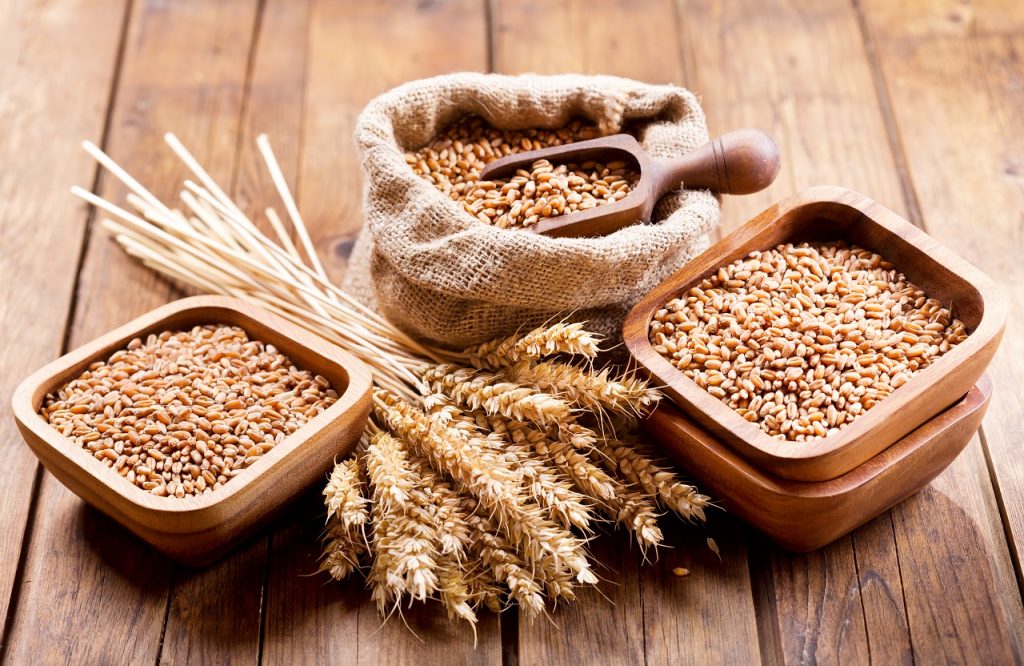
General dietary guidelines advise us to eat adequate amounts of whole grain products daily, promoting them as the fiber-rich foundation of a healthy diet.

Grains are undeniably the main source of our energy for daily activities and brain function. They supply us with Vitamin B Complex and vital minerals like Zinc, Chromium, Iron, Calcium, Magnesium, and Manganese that power numerous biochemical reactions in our bodies.

However, the question remains: Are all grains necessary, or can they sometimes be harmful?

Alongside their nutrients, grains and legumes also contain certain anti-nutritional compounds. For some individuals, these chemicals can trigger inflammation and negatively affect gut health.

What are the Anti-Nutritional Compounds in Grains? 

  1. Gluten

Gluten is the main structural protein complex found in grains like wheat, rye, and barley. It is incredibly widespread in modern diets due to the heavy intake of processed and refined flour products like bread, cakes, pastries, sauces, ready meals, and breakfast cereals.

  • The Impact: For a person with gluten sensitivity, ingesting gluten significantly increases intestinal permeability immediately after consumption.
  • The Science: Studies demonstrate that daily consumption of wheat products can contribute to chronic inflammation. Gliadin (a component of gluten) can release Zonulin and wheat germ agglutinin, which actively increase intestinal permeability and trigger the immune system.
  1. Lectins

Grains contain different types of lectins, but not all are harmful. The problematic ones are Agglutinins and Prolamins.

  • Agglutinins: These act as a natural insecticide to protect crops. To get a higher crop yield, some grains are genetically modified (GM) to produce more of these natural insecticides, which in turn can make the grain highly inflammatory for human digestion.
  • Prolamins: These are tough to digest. Most grains contain a Prolamin similar in structure to gluten (e.g., Orzenin in rice, Avenin in oats, or Gliadins in wheat).
  1. Phytates and Phytic Acid

Found in the seeds of grains, Phytates and Phytic Acid inhibit the digestion and absorption of crucial minerals specifically zinc, iron, and calcium by binding to them in the gut.

  • The Impact: A small amount of Phytates usually does not cause a problem if you are getting adequate nutrients elsewhere. However, if grains form the vast majority of your staple diet, mineral deficiencies can result, directly impacting your immune system.

5 Ways to Manage a Leaky Gut

If you suspect your gut needs healing, here are actionable, science-backed steps you can take to support your intestinal health:

  1. Choose Naturally Gluten-Free Grains: Opt for grains like bajra, rice, maize, and certified gluten-free oats. However, always read nutritional labels! Many commercial “gluten-free” products are packed with food additives, preservatives, and added sugar, which can further damage the gut lining.
  2. Prepare Your Grains Properly: Go for non-GMO and heirloom varieties of seeds. To make them easier to digest, soak your grains overnight in water mixed with a little lemon juice or apple cider vinegar. Sprouting and slow-cooking also activate Phytase, an enzyme that naturally breaks down harmful Phytates.
  3. Chew Your Food Thoroughly: Digestion begins in the mouth. Do not rush through your meals. Chew slowly and thoroughly so that smaller food particles can be easily digested and absorbed by the intestines.
  4. Adopt an Anti-Inflammatory Diet: Fill your plate with colourful fresh fruit, vegetables, seeds, soaked nuts, plant proteins (like beans and lentils), and oily fish. Simultaneously, cut out refined sugar, processed foods, red meat, and alcohol.
  5. Replenish with Fermented Foods: Introduce natural probiotics to rebuild your gut microbiome. Try incorporating curd, traditional fermented pickles, sauerkraut, kefir, or kombucha into your daily routine.

A Note on Nightshades and Autoimmunity: Vegetables from the nightshade family (Solanaceae)—such as tomatoes, peppers, eggplant (brinjal), and potatoes—are high in lectins that can irritate the gut lining, and these lectins do not break down during cooking. Those dealing with severe autoimmune diseases may want to experiment with avoiding these vegetables.

If grains are your primary staple food, they may be obstructing your digestion and contributing to gut permeability. For those with confirmed autoimmune diseases or severe gluten sensitivity, it is often wise to completely exclude grains, pseudo-grains, legumes, and nightshades temporarily. Once the intestinal gaps heal and symptoms disappear, you may be able to reintroduce these foods occasionally.

(Note: Medically, “Leaky Gut Syndrome” is often considered a hypothetical or unrecognized condition by some mainstream medical bodies, though intestinal permeability is a recognized scientifically studied phenomenon. Always consult a healthcare professional for chronic digestive issues.)

We hope this article helps you! Do leave your thoughts and questions in the comments below! For further guidance on elimination diets and gut health, speak to a certified expert by subscribing to GOQii’s Personalised Health Coaching here.

#BeTheForce 

Disclaimer: The information provided in this article is for educational and informational purposes only and is not intended as medical advice, diagnosis, or treatment. Medically, “Leaky Gut Syndrome” is often considered a hypothetical condition by some mainstream medical bodies, though increased intestinal permeability is a recognized scientific phenomenon. Always consult with a qualified healthcare professional, gastroenterologist, or registered dietitian before making any significant changes to your diet especially eliminating entire food groups like grains or nightshades or if you are experiencing chronic digestive or autoimmune symptoms.
March 12, 2026 By GOQii Leave a Comment

Our Kidneys, Our Planet: How Environmental Health Impacts Your Body

Did you know that the health of your kidneys is closely linked to the health of the environment around you?

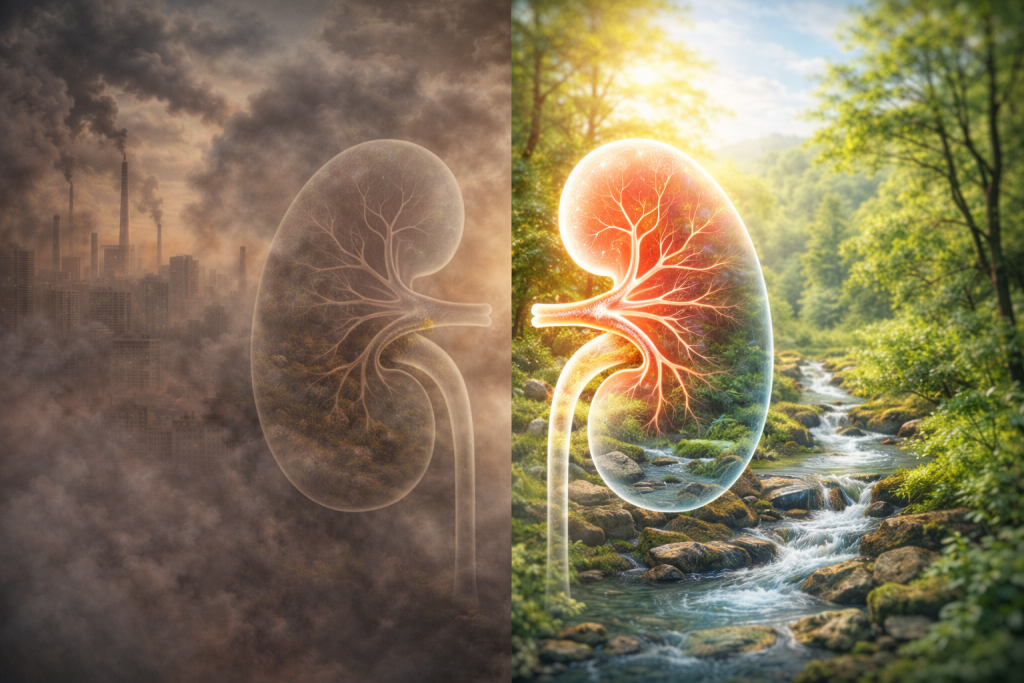
As we mark the 20th anniversary of World Kidney Day on March 12, 2026, the global health conversation is expanding beyond traditional lifestyle factors. This year’s theme “Kidney Health for All – Caring for People, Protecting the Planet” highlights a powerful truth: protecting the environment is also an essential part of protecting our health.

For years, kidney health discussions have focused on diet, exercise, hydration and genetics. While these remain critical, emerging research now shows that climate change, pollution and environmental degradation are placing increasing stress on the kidneys, one of the body’s most vital organs.

Understanding this connection helps us take better care of both our personal health and our planet.

The Environment–Kidney Connection: How Climate Affects Renal Health

Your kidneys function as the body’s natural filtration system. Every day, they filter around 50 gallons of blood, removing toxins, balancing fluids and regulating essential minerals.

However, modern environmental stressors are making this job more difficult.

Here are three ways environmental conditions can impact kidney health.

1. Extreme Heat and Dehydration

As global temperatures rise, heatwaves are becoming more frequent and intense. Excessive heat increases sweating and fluid loss, which can quickly lead to dehydration.

Chronic dehydration places significant stress on the kidneys because the body must concentrate urine to conserve water. Over time, this can increase the risk of:

  • kidney stones
  • urinary tract complications
  • heat-related kidney injury, sometimes referred to as heat stress nephropathy

Staying adequately hydrated becomes even more important in hotter climates and during prolonged outdoor activity. 

2. Air Pollution and Systemic Inflammation

Air pollution is often associated with respiratory diseases, but its impact goes far beyond the lungs.

Fine particulate matter (PM2.5) from vehicle emissions, industrial pollution and urban smog can enter the bloodstream through the lungs. Once inside the circulatory system, these particles can trigger chronic inflammation and damage the tiny blood vessels that help the kidneys filter toxins.

Over time, prolonged exposure to polluted air may contribute to reduced kidney function.

3. Unsafe or Contaminated Water

Access to clean drinking water is essential for maintaining healthy kidney function.

When water sources contain heavy metals, industrial chemicals or environmental toxins, the kidneys must work harder to filter these harmful substances. Continuous exposure to contaminated water may increase the risk of kidney damage or acute kidney injury.

Ensuring access to safe water is therefore both an environmental and a public health priority.

Controlling the Controllables: Your Personal Health Plan

While addressing environmental challenges requires global and policy-level action, individuals can still take steps to protect their kidney health.

One of the key messages of this year’s World Kidney Day campaign is the importance of screening for the two biggest risk factors for kidney disease:

  • High Blood Pressure
  • Diabetes

Both conditions damage the small blood vessels in the kidneys. Over time, uncontrolled blood sugar and high blood pressure can significantly impair the kidneys’ ability to filter waste.

If you have not checked your blood pressure or undergone a routine blood test recently, consider scheduling one. Early detection is one of the most effective ways to prevent kidney damage.

4 Sustainable Habits to Protect Your Kidneys

Taking care of your kidneys and caring for the environment can go hand in hand. Here are four simple habits that support both.

1. Hydrate Sustainably

Adequate hydration helps the kidneys flush toxins efficiently.

Instead of relying on single-use plastic bottles, carry a reusable water bottle made from stainless steel, copper or glass. This supports both hydration and environmental sustainability.

2. Embrace More Plant-Based Meals

Heavy animal proteins can generate more metabolic waste for the kidneys to filter.

Including more plant-based protein sources such as lentils, beans, chickpeas, tofu and nuts can be easier on the kidneys while also reducing your environmental footprint.

3. Choose Active Transport

Whenever possible, consider walking or cycling for short distances.

Physical activity supports cardiovascular health, which helps regulate blood pressure and blood sugar — two major risk factors for kidney disease. At the same time, active commuting reduces air pollution.

4. Dispose of Medicines Responsibly

Improper disposal of medications can contaminate water systems and harm ecosystems.

Never flush unused medicines down the toilet or sink. Instead, return them to pharmacies or authorised disposal centres where they can be handled safely.

Protecting Your Internal Ecosystem

The theme of World Kidney Day 2026 reminds us that human health and environmental health are deeply interconnected.

By protecting the planet, we also protect the systems inside our own bodies.

Small everyday choices drinking enough water, managing blood pressure, choosing sustainable habits and staying physically active can go a long way toward preserving kidney health.

If you are managing conditions like diabetes, hypertension or metabolic health, personalised lifestyle guidance can make a significant difference.

Speak to your GOQii Coach for tailored advice on nutrition, activity and preventive health strategies designed to support your long-term well-being.

Stay proactive, stay healthy and #BeTheForce.

Disclaimer: The information provided in this blog is for general awareness and educational purposes only. It is not intended to replace professional medical advice, diagnosis, or treatment. Always consult a qualified healthcare provider for personalised medical guidance or concerns related to your health. Images shown are for representation purposes only and may not depict the exact recommendations or outcomes.

March 11, 2026 By Luke Coutinho 9 Comments

Caution: Smoking is Injurious to health!!

No Smoking

With No Smoking Day upon us, there is no better time to evaluate the true impact of this habit. We are all incredibly familiar with this warning. Research consistently indicates that smoking is the number one cause of preventable death globally. By now, most of us are acutely aware of the severe toll it takes on the body.

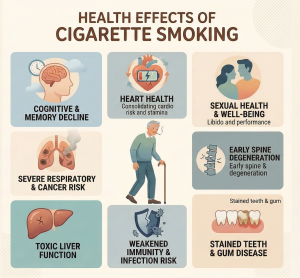
Chronic smoking is directly linked to:

  • Cardiovascular disease
  • Impotence, lack of sexual desire, and inability to perform
  • Various forms of cancer
  • A weakened immune system
  • Severely stained teeth
  • Early degeneration of bones (especially the spine)
  • Reduced lung function and capacity
  • Liver toxicity
  • Reduced stamina and endurance
  • Premature aging

Besides the above, there are several benefits of kicking the butt, apart from of course saving loads of money and time.

Interesting fact: 75% to 85% of smokers want to quit, but simply don’t know how, or find the withdrawal process too daunting.

One of the main reasons it is so hard to stop is because the dangers of continuing, and the benefits of quitting, seem very far away. However, your body begins to heal almost instantly.

The Healing Timeline: What Happens Right Now?

Here is a timeline detailing the immediate and long-term effects of quitting smoking, showing exactly how your body recovers minute by minute, and year by year.

  • In 20 minutes: Your blood pressure and heart rate will drop back down to normal levels.
  • In 8 hours: The carbon monoxide (a toxic gas) levels in your bloodstream will drop by half. Oxygen levels will return to normal, and your metabolism will begin to stabilize.
  • In 48 hours: Your chances of having a heart attack will have already decreased. All nicotine will have left your body. You will also notice your sense of taste and smell returning to normal levels.
  • In 72 hours: Your bronchial tubes will relax. You will notice an increase in your energy levels and lung volume.
  • In 2 weeks: Your blood circulation will increase, and it will continue to improve over the next 10 weeks.
  • In 3 to 9 months: Coughs, wheezing, and breathing problems will dissipate as your lung capacity improves by an impressive 10%.
  • In 1 year: Your risk of suffering a heart attack will have dropped by half compared to a smoker.
  • In 5 years: Your risk of having a stroke returns to that of a non-smoker.
  • In 10 years: Your risk of developing lung cancer will have dropped to that of a non-smoker.
  • In 15 years: Your overall risk of a heart attack will have entirely returned to that of someone who has never smoked.

You have far more immediate benefits to look forward to than you might realize. The healing starts the moment you put out your last cigarette. Make this No Smoking Day the day you finally kick the habit. Quit now!

Nutritional Support for Smokers

If you are currently smoking or in the process of quitting, nutritional support is vital. Smokers should ensure they take Vitamin C regularly, as smoking heavily depletes the body’s natural levels of this crucial antioxidant. Additionally, regular consumption of Curcumin (turmeric extract) is known to help clear nicotine patches from the lungs and is widely studied for its role in possible cancer prevention.

#BeTheForce

Disclaimer: GOQii is committed to providing accurate, up-to-date, and comprehensive health information. This article is intended for informational purposes only and should not be used as a substitute for professional medical advice, diagnosis, or treatment. Always consult a qualified healthcare professional before starting or changing any medication or supplement. Individual responses to treatment may vary.

February 20, 2026 By GOQii 2 Comments

The Weight Loss Link You May Be Missing – Dietary Minerals

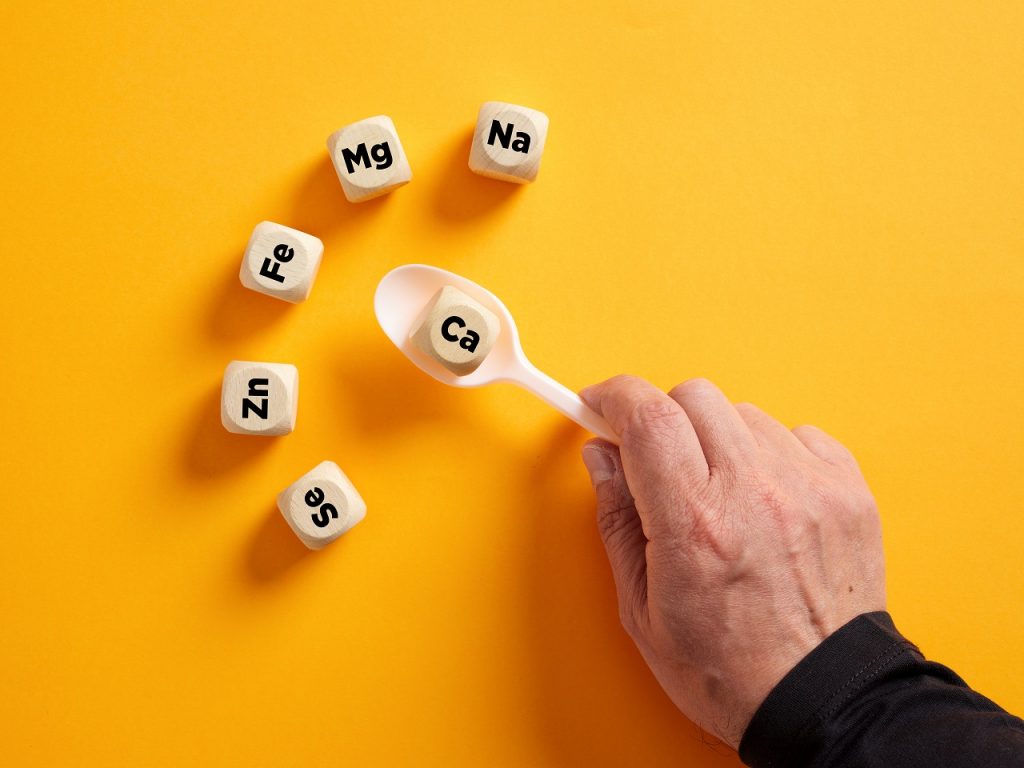
dietary minerals and weight lossThe most challenging case for a Dietitian is perhaps – Weight Loss! Why – because, each case is unique and the most important task is to find out the root cause of weight gain (which, contrary to popular belief, is not always overeating or lack of physical activity). It is prudent that the underlying cause be identified and targeted, not only to ensure sustainable weight loss but also because these reasons are linked to diseases in waiting as well. Genetic predisposition, low BMR, stress, lack of sleep, hormonal disturbance, chronic mild dehydration, lack of certain dietary minerals, etc. are few recognized causes of weight gain.


However, if adjusting your diet, water intake, exercising more and controlling your stress and sleep hasn’t helped you reach a healthy body weight, check your mineral status. Mineral deficiency often happens slowly over time and can be caused by an increased need for one or more dietary minerals, lack of dietary minerals in the diet, or difficulty absorbing minerals from food. You may be suffering from deficiencies because the nutritional value of the produce has been steadily degrading for the last couple of decades. Increased intake of processed foods is another reason which deprives you of not only fiber, but many vitamins and minerals.

4 Major Dietary Minerals Associated With Weight

Since the deficiency symptoms of these minerals are largely general, they go unnoticed and hence get overlooked while diagnosing unexplained weight. Let’s discuss four major dietary minerals (or their deficiencies) that are directly or indirectly associated with your weight.

1. Chromium
It is an essential mineral that regulates insulin action and its effects on metabolism. Insulin is essentially the fat-loss gatekeeper, so anything that improves Insulin efficiency is great for fat loss. Chromium determines the way our body uses Insulin. The Glucose Tolerance Factor (GTF) interacts with Insulin and regulates how much Glucose (sugar) enters a cell. GTF encourages energy production (burns calories) and may also curb feelings of hunger.

Identifying the link between Chromium and weight loss is crucial because someone who is overweight is often at high risk of becoming Insulin Resistant (Diabetic). Chromium is lost in the process of refining foods. For example, when sugarcane is refined into white sugar, 93% of Chromium is lost. Because our soils are depleted of Chromium and because we consume more processed foods nowadays, Chromium deficiency is becoming increasingly prevalent.

2. Iodine
The Thyroid Gland depends on Iodine to manufacture the Thyroid Hormone. The Thyroid’s main function is to manage the body’s metabolism. A shortage of Iodine can cause changes to the Thyroid Gland and an underactive Thyroid Gland slows your metabolism; you thus burn dramatically fewer calories and feel sluggish. Also, an underactive Thyroid Gland promotes excess weight and cellulite by causing water retention.

Inadequate intake of Iodine was once a recognized problem that was solved by universal Iodization of Salt. Salt was fortified with Potassium Iodate to ensure controlled consumption by all sections of society. Once this was done, the obvious symptoms of severe Iodine Deficiency disappeared from view, and little further thought was given to the matter, though sub-clinical symptoms remained. Today’s health conscious consumers have lowered their salt intake and now fail to get even that small amount of Iodine in their diets. Presence of Goitrogens in certain foods is another cause of Iodine deficiency arising from inadequate Iodine utilization.

3. Magnesium
It is needed to extract nutrients from food and for optimal Insulin function. The more nutrients you extract from food, the less you have to eat to feel full. When we aren’t getting what we need from our diet, the body will crave more food in an effort to obtain those vital nutrients. Magnesium is also a vital nutrient for reducing stress, which is one of the most important keys in fighting obesity.

It supports healthy Adrenal Glands that control the release of Adrenaline and Cortisol – two hormones related to stress response. While these hormones are vital to living, too much of them can cause weight gain and other health problems. Magnesium helps regulate these hormones so they are not overproduced.

One of the major causes of Magnesium deficiency is over-medicating with pharmaceutical drugs. They prevent the body from absorbing magnesium.

4. Iron
It is a critical nutrient because it is essential for the synthesis of Hemoglobin – a metalloprotein that carries oxygen from lungs to all the tissues in body. Diminished oxygen carrying capacity can leave you feeling very fatigued, lethargic and irritable. In this state, your body signals you to slow down physical activity and you may find yourself seeking opportunities to sit or lie down, thus leading to weight gain.

Also, low Iron promotes fat storage and cause abnormal blood sugar elevation. Reasons responsible for iron deficiency can be dietary as well as non-dietary. Your excess body weight too can contribute to Iron deficiency. Inflammation associated with excess body weight elevates a hormone Hepcidin, which has the net effect of reducing Iron absorption from digestive tract.

Now, before you finish reading this article and jump to quick fix by googling for these mineral supplements, a word of caution – Overdose of these minerals, especially from synthetic sources, are extremely harmful. Do not take these minerals as supplements without professional guidance. Consult a doctor, nutritionist or a dietitian before making any changes to your diet or taking any supplements.

You may improve your mineral intake by following the golden rule – Go low on processed foods and buy your foods fresh, local and seasonal to remove any possible degradation in nutrient quality. Don’t eat less, eat right and live a healthy and active life!

We hope this article on dietary minerals helps you. For further guidance on nutritional deficiencies and to lose weight in a sustainable manner, reach out to an expert by subscribing for GOQii’s Personalised Health Coaching here.

For more articles on weight loss, check out Healthy Reads.

#BeTheForce

Disclaimer: The information provided in this blog is for general awareness and educational purposes only. It is not intended to replace professional medical advice, diagnosis, or treatment. Always consult a qualified healthcare provider for personalised medical guidance or concerns related to your health.

  • « Previous Page
  • 1
  • …
  • 4
  • 5
  • 6
  • 7
  • 8
  • …
  • 26
  • Next Page »

Search

Recent Posts

  • Vegetarian protein guide
  • Warming winter soups: 3 protein-rich recipes
  • World AMR Awareness Week 2026: when you need antibiotics, and simple steps to prevent AMR
  • PCOS: diet, exercise and the myths to stop believing
  • Cholesterol numbers explained: LDL, HDL and triglycerides

Stay Updated

Archives

  • November 2026 (23)
  • October 2026 (23)
  • September 2026 (5)
  • August 2026 (8)
  • July 2026 (24)
  • June 2026 (22)
  • May 2026 (20)
  • April 2026 (24)
  • March 2026 (18)
  • February 2026 (14)
  • January 2026 (14)
  • December 2025 (19)
  • November 2025 (14)
  • October 2025 (17)
  • September 2025 (6)
  • August 2025 (5)
  • July 2025 (9)
  • June 2025 (18)
  • May 2025 (16)
  • April 2025 (22)
  • March 2025 (25)
  • February 2025 (21)
  • January 2025 (25)
  • December 2024 (21)
  • November 2024 (21)
  • October 2024 (15)
  • September 2024 (22)
  • August 2024 (27)
  • July 2024 (14)
  • June 2024 (23)
  • May 2024 (26)
  • April 2024 (27)
  • March 2024 (27)
  • February 2024 (23)
  • January 2024 (21)
  • December 2023 (14)
  • November 2023 (10)
  • October 2023 (18)
  • September 2023 (20)
  • August 2023 (16)
  • July 2023 (16)
  • June 2023 (21)
  • May 2023 (20)
  • April 2023 (19)
  • March 2023 (23)
  • February 2023 (19)
  • January 2023 (15)
  • December 2022 (11)
  • November 2022 (15)
  • October 2022 (15)
  • September 2022 (12)
  • August 2022 (9)
  • July 2022 (17)
  • June 2022 (11)
  • May 2022 (10)
  • April 2022 (6)
  • March 2022 (6)
  • February 2022 (13)
  • January 2022 (11)
  • December 2021 (7)
  • November 2021 (3)
  • October 2021 (6)
  • September 2021 (3)
  • August 2021 (8)
  • July 2021 (7)
  • June 2021 (15)
  • May 2021 (16)
  • April 2021 (10)
  • March 2021 (7)
  • February 2021 (4)
  • January 2021 (4)
  • December 2020 (3)
  • November 2020 (4)
  • October 2020 (10)
  • September 2020 (3)
  • August 2020 (3)
  • July 2020 (2)
  • June 2020 (4)
  • May 2020 (10)
  • April 2020 (12)
  • March 2020 (10)
  • February 2020 (4)
  • January 2020 (4)
  • December 2019 (3)
  • November 2019 (7)
  • October 2019 (5)
  • September 2019 (4)
  • August 2019 (9)
  • July 2019 (9)
  • June 2019 (11)
  • May 2019 (4)
  • April 2019 (8)
  • March 2019 (8)
  • February 2019 (9)
  • January 2019 (8)
  • December 2018 (9)
  • November 2018 (3)
  • October 2018 (3)
  • September 2018 (5)
  • August 2018 (10)
  • July 2018 (6)
  • June 2018 (13)
  • May 2018 (8)
  • April 2018 (17)
  • March 2018 (9)
  • February 2018 (8)
  • January 2018 (15)
  • December 2017 (12)
  • November 2017 (19)
  • October 2017 (13)
  • September 2017 (15)
  • August 2017 (4)
  • July 2017 (8)
  • June 2017 (7)
  • May 2017 (6)
  • April 2017 (8)
  • March 2017 (6)
  • February 2017 (7)
  • January 2017 (9)
  • December 2016 (10)
  • November 2016 (7)
  • October 2016 (7)
  • September 2016 (7)
  • August 2016 (11)
  • July 2016 (9)
  • June 2016 (9)
  • May 2016 (12)
  • April 2016 (17)
  • March 2016 (17)
  • February 2016 (8)
  • January 2016 (6)
  • December 2015 (2)
  • November 2015 (9)
  • October 2015 (7)
  • September 2015 (9)
  • August 2015 (11)
  • July 2015 (9)
  • June 2015 (11)
  • May 2015 (9)
  • April 2015 (13)
  • March 2015 (8)
  • February 2015 (5)
  • January 2015 (12)
  • December 2014 (14)
  • November 2014 (11)
  • October 2014 (6)
  • September 2014 (13)
  • August 2014 (12)
  • July 2014 (6)
  • June 2014 (2)
  • May 2014 (7)
  • April 2014 (4)

From Burnout to Balance: How Dr. Ranjit Reclaimed His Health

Dr Ranjit Bhatt has spent years tending to others. A practising doctor in Odisha, his days were packed with patients, surgeries, and emergencies. From the outside, it looked like a life lived in service. But on the inside, something wasn’t right. “I had no … [Read More...]

From Shimla’s Slopes to Chandigarh’s Sidewalks: Surinder Kaur Bhalla’s Journey from Chaos to Control

Some journeys start with a plan. Others begin with a stumble literally. Surinder Bhalla, a government professional, born and raised in the scenic hill town of Shimla, had always lived a life of movement. “In Shimla, you walked everywhere,” she reflects. “Walking was never an exercise. It was just life.” But after shifting to Chandigarh, […]

“I’ve Challenged Myself to Live 100 Years” – The Story of Chandubhai Savani’s Second Chance at Life

At 67, most people start slowing down. Not Chandubhai Savani. A resident of Surat, Chandubhai, thought life was on track. “My life was going well till I had my bypass surgery,” he says. That surgery, back in 2021, was a wake-up call.  Medication was routine, but exercise wasn’t. His diet? What he calls ‘normal.’ “I […]

Ananda Mukherjee Health Story

From Terminal Illness To Complete Wellness! Ananda Mukherjee Health Story

As we observe World Cancer Day under the powerful theme ‘United by Unique’ (2025-2027)**, we are reminded that every individual’s journey with cancer is distinct, yet united by shared resilience, hope, and the collective fight against this disease. This theme places people at the centre of care and their stories at the heart of the […]

  • HOME
  • HEALTHY LIVING
  • FITNESS
  • HEALTHY RECIPES
  • USER STORIES
  • KARMA
  • BUY GOQii

Copyright ©2016 GOQii