GOQii

Blog

  • HOME
  • HEALTHY LIVING
  • FITNESS
  • HEALTHY RECIPES
  • USER STORIES
  • KARMA
  • BUY GOQii

Search Results for: lungs

April 21, 2025 By Arooshi Garg Leave a Comment

Improve your immunity with yoga

Interesting facts about yogaOur immune system is constantly working behind the scenes to protect us from illness and infection. But sometimes, it needs a little help. The good news? Yoga can offer that support. Practised regularly, specific yoga poses not only strengthen the body but also stimulate the physiological systems closely linked to immunity—such as the digestive, circulatory, endocrine, and nervous systems.

Let’s explore how yoga can enhance your immunity and the simple poses you can start with today.

How Yoga supports immunity?

  • Stimulates key systems: Yoga activates the digestive, circulatory, endocrine, and nervous systems—each crucial for immune function.
  • Improves detoxification and oxygenation: It boosts lymphatic circulation, helping your body remove toxins more efficiently.
  • Balances body chemistry: Through stimulation of glands like the thymus and thyroid.
  • Reduces stress and fatigue: Chronic stress compromises immunity—yoga counters this by calming the mind and body.
  • Supports digestion: Better digestion leads to improved nutrient absorption and toxin elimination.
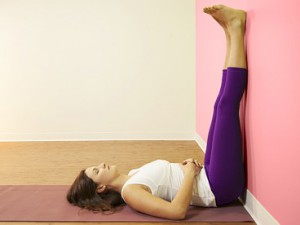
  1. Legs Up The Wall (Viparita Karani)

legs-up-the-wall-pose-viparita-karani

This gentle inversion helps drain lymphatic fluid, refresh tired legs, and ease tension in the lower back.

How to do it:

  • Sit side-on to a wall and swing your legs up as you lie back.
  • Adjust your hips closer to the wall for comfort.
  • Rest your arms by your side or on your belly.
  • Stay for 5–10 minutes, breathing slowly and deeply.

Benefits:

  • Reduces swelling and fatigue
  • Aids circulation and relaxation
  • Calms the nervous system

Avoid if you have: Glaucoma, hernia, hypertension, or serious cardiac issues.

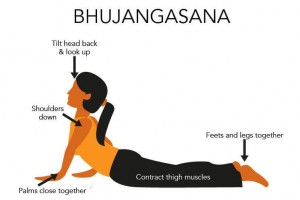
  1. Cobra Pose (Bhujangasana)

Bhujangasana-2

A gentle backbend that stimulates the thymus gland—boosting T-cell production and improving immune response.

How to do it:

  • Lie on your stomach, hands beneath your shoulders.
  • Press into your palms as you lift your chest, engaging your core.
  • Keep your elbows close and neck neutral.
  • Hold for a few breaths, then release.

Benefits:

  • Strengthens the back and spine
  • Improves breathing capacity

Boosts circulation and energy

Precautions: Common postural errors during this asana include overarching the neck and lower back. One recommendation is to keep the gaze directed down at the floor and focus on bringing movement into the area between the shoulder blades (the thoracic area, or middle back).

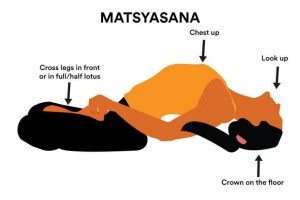
  1. Fish Pose (Matsyasana)

Fishpose-3

This heart-opening posture supports lung health and stimulates the immune-regulating thymus gland.

How to do it:

  • Lie on your back and prop yourself up on your elbows.
  • Gently arch your back and allow the crown of your head to rest lightly on the mat.
  • Breathe deeply and hold for 30 seconds to a minute.

Benefits:

  • Enhances respiratory health
  • Releases chest and sinus congestion

Improves digestion and spinal mobility

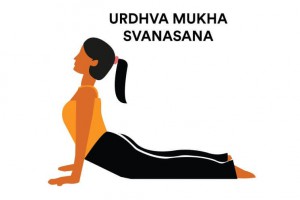
  1. Downward Dog Asana (Urdhav Mukha Svanasana)
Adho Mukha Svanasana-4 - Copy

This classic pose energises the body, stretches key muscles, and improves blood flow—especially to the head and sinuses.

How to do it:

  • Start on all fours.
  • Tuck your toes and lift your hips, forming an inverted “V”.
  • Keep your spine long, arms strong, and heels reaching towards the floor.

Benefits:

  • Strengthens the whole body
  • Drains sinuses and boosts immunity
  • Calms the mind and relieves fatigue
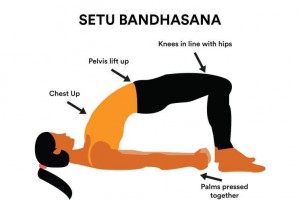
  1. Bridge Pose (Setu Bandhasana)

setu -5

This restorative backbend opens the chest, massages the spine, and relieves stress and tension.

How to do it:

  • Lie on your back, knees bent, feet hip-width apart.
  • Press your feet into the floor and lift your hips.
  • Clasp your hands under your back and roll onto your shoulders.
  • Hold for 30 seconds to 1 minute.

Benefits:

  • Stimulates the lungs and thyroid gland
  • Relieves anxiety and fatigue
  • Encourages spinal flexibility

Yoga is more than physical movement—it’s a tool for resilience. Regular practice can support immunity not only by enhancing the body’s natural defences but also by calming the mind and easing stress, both of which are critical for immune health.

That said, if you have an existing medical condition, are recovering from illness, or are new to yoga, please consult your doctor before beginning any new exercise routine—especially if you’re unsure whether certain poses are safe for you.

Start small. Choose one or two poses that resonate with you and practise them daily. Over time, you’ll feel stronger, calmer, and better equipped to handle whatever life throws your way.

#BeTheForce

Disclaimer: The information provided in this blog is for general awareness and educational purposes only. It is not intended to replace professional medical advice, diagnosis, or treatment. Always consult a qualified healthcare provider for personalised medical guidance or concerns related to your health.
March 22, 2025 By Trupti Hingad 3 Comments

7 Tips To Help You Drink Water The Right Way

7 tips to help you drink water the right way World Water Day 2025 is a timely reminder of the value water holds in our lives—not just globally, but personally. While this year’s theme focuses on glacier preservation, we often overlook a key question: Are we drinking water in the best possible way for our health?

We all know hydration is important. But how you drink water matters just as much as how much you drink. Water is a vital life force—it fuels digestion, flushes out toxins, supports metabolism, and keeps every cell functioning. Yet, many of us are unaware that drinking water incorrectly can impact our health.

How To Drink Water The Right Way 

Let’s explore 7 essential tips to help you hydrate better, smarter, and more mindfully every day.

  1. Sit Down to Drink Water
    When you stand and drink water you upset the balance of fluids in the body and this may lead to more accumulation of fluids in the joints. When you sit and drink, your muscles and nervous system is relaxed and you absorb it nicely. Also, kidney pace of filtration is good when you sit and drink water
  2. Sip, Don’t Gulp Large Quantities
    Avoid drinking large amounts of water in one go. Gulping too much too quickly can block air intake into your lungs and put undue pressure on your heart and lungs. Instead, sip water slowly throughout the day—this helps your body absorb and utilise it more effectively.
  3. Avoid Ice-Cold Water
    Cold or chilled water may feel refreshing, but it disrupts digestion by cooling the internal fire needed to digest food properly. Cold water also reduces blood flow to various organs and can lead to issues like constipation. Try to drink room temperature or warm water instead—it aids digestion, supports metabolism, and even helps control cholesterol levels.
  4. Listen to Your Body’s Thirst Cues
    Your body is smart—it tells you when it’s low on water. Dark yellow urine, dry lips, dry tongue, and persistent fatigue are signs of dehydration. Clear or pale urine means you’re well-hydrated. Pay attention to these signs and hydrate accordingly.
  5. Start Your Day with Water
    Drinking a glass of water first thing in the morning helps flush out toxins and cleanses your digestive system. It supports smoother bowel movements and kickstarts your metabolism—setting a healthy tone for the rest of the day.
  6. Store Water the Right Way
    Traditionally, water stored in copper or silver vessels is believed to balance the body’s energies by positively charging the water. Copper is known for its antioxidant and antibacterial properties, while silver is believed to have a cooling effect on the digestive system.While copper and silver vessels might not be common everywhere, you can opt for glass or stainless steel bottles as safe and eco-friendly alternatives to plastic. These options are free from harmful chemicals like BPA and help maintain the water’s purity.
  7. Drinking Water Isn’t Just to Quench Thirst
    Water is essential for replenishing lost minerals and salts, especially after sweating or physical activity. It hydrates muscles and joints, supports digestion, maintains fluid balance, and prevents acidity. Make water a daily habit of recovery and rejuvenation, not just a thirst response.

Drinking water the right way is about more than just hitting your daily quota. By being mindful of how and when you drink water—and how you store it—you can improve digestion, boost energy, and support overall well-being.

Let this World Water Day inspire a renewed appreciation for water—not only as a global resource but as a vital part of our personal health.

💧 How do you ensure you stay hydrated daily? Share your tips in the comments below!

#BeTheForce

Disclaimer: The information provided in this blog is for general awareness and educational purposes only. It is not intended to replace professional medical advice, diagnosis, or treatment. Always consult a qualified healthcare provider for personalised medical guidance or concerns related to your health.

March 15, 2025 By Dr Manali Rao 5 Comments

Hypertension in Pregnancy: What Every Mother-to-Be Should Know

pregnant-womenPregnancy is a beautiful journey, but it also comes with its share of challenges. Among them, high blood pressure (hypertension) is one of the most common concerns for expectant mothers. Whether it’s your first pregnancy or you’ve experienced complications before, understanding hypertension during pregnancy can help you stay in control and safeguard both your health and your baby’s well-being.

Some women experience pregnancy-induced hypertension (PIH), which can develop after 20 weeks of pregnancy. If left unchecked, it can lead to complications such as pre-eclampsia, placental abruption, or preterm delivery. However, with early detection, lifestyle changes, and medical support, most women can manage their blood pressure effectively and have a healthy pregnancy.

What is Pregnancy Induced Hypertension (PIH)?

PIH refers to newly developed hypertension during pregnancy, without the presence of protein in the urine or other symptoms of pre-eclampsia. Hypertension is defined as blood pressure higher than 140/90 mmHg. It can have serious effects on both mother and baby if not monitored properly.

Causes & Risk Factors of PIH

There is no single cause of PIH, but several factors can increase your risk:

  • Being overweight or obese
  • Lack of physical activity
  • Smoking or alcohol consumption
  • Family history of hypertension or PIH
  • Previous history of PIH in past pregnancies
  • Multiple pregnancy (twins or more)
  • Maternal age (below 18 or over 35 years old)
  • Pre-existing diabetes, kidney disease, or high blood pressure
  • Living with a single kidney
  • IVF pregnancies
  • Placental abnormalities

Types of Hypertension in Pregnancy

  • Gestational Hypertension:​
    Develops after 20 weeks of pregnancy, with high blood pressure but no protein in the urine or organ damage. Some women with gestational hypertension may develop pre-eclampsia later in pregnancy.
  • Chronic Hypertension:​
    High blood pressure present before pregnancy or occurring before 20 weeks of gestation. This type may go undiagnosed if regular BP checks were not done before pregnancy.
  • Chronic Hypertension with Superimposed Pre-Eclampsia:
    Women with chronic hypertension who develop worsening blood pressure, protein in the urine, or other complications during pregnancy.
  • Pre-Eclampsia:​
    A serious pregnancy complication that includes high blood pressure, proteinuria (protein in the urine), and signs of organ damage. If left untreated, it can lead to severe complications for both mother and baby.
  • Eclampsia:
    A severe form of pre-eclampsia that leads to seizures, which can be life-threatening for both mother and baby.

Symptoms of PIH & Pre-Eclampsia

Look out for the following warning signs:

  • Severe headaches
  • Blurred vision or sensitivity to light
  • Pain in the upper abdomen (under the ribs, right side)
  • Nausea or vomiting
  • Sudden swelling in the face, hands, or feet
  • Decreased urine output
  • Shortness of breath (fluid in the lungs)
  • Dizziness or fainting spells
  • Spots or flashes before your eyes
  • Blood in urine
  • Decreased levels of platelets in your blood (thrombocytopenia)
  • Impaired liver function

If you experience any of the symptoms mentioned, immediately report to your Gynecologist or health care provider.

Complications of PIH

If left unmanaged, hypertension in pregnancy can lead to:

  1. Preterm Labour: Premature birth due to complications.
  2. Placental Abruption: The placenta partially or completely separates from the uterus before birth, depriving the baby of oxygen and nutrients.
  3. Intrauterine Growth Restriction (IUGR): The baby may have restricted growth due to reduced blood supply.
  4. Organ Damage: Liver, kidney, and blood clotting issues.
  5. Stillbirth (IUD – Intrauterine Death): In severe, untreated cases.
  6. Postpartum Hypertension: Some women may continue to experience high blood pressure after delivery, requiring continued medical care.

Managing PIH for a Healthy Pregnancy

  • Follow Your Doctor’s Advice – Attend all antenatal appointments and take prescribed medications as directed.
  • Rest as Advised – Your doctor may recommend bed rest depending on your blood pressure.
  • Manage Stress – Meditation, deep breathing, and engaging in relaxing activities can help.
  • Reduce Salt Intake – Cut down on processed foods, salty snacks, and added table salt.
  • Eat a Nutritious Diet – Prioritise whole grains, fruits, vegetables, lean proteins, and healthy fats.
  • Stay Active – Engage in light exercises such as walking or prenatal yoga if approved by your doctor.
  • Stay Hydrated – Drink plenty of water to maintain proper circulation.
  • Monitor Your Blood Pressure – Regularly check your BP at home and report any concerns to your doctor.

Maintaining a healthy blood pressure throughout pregnancy is crucial for both maternal and foetal well-being. Early detection, lifestyle modifications, and regular medical check-ups can help prevent complications.

  1. Start healthy habits before pregnancy to reduce your risk of PIH.
  2. Listen to your body and report any unusual symptoms to your doctor.
  3. Prioritise a balanced lifestyle with a nutritious diet, regular movement, and stress management.
  4. Remember, a Healthy Mother = a Healthy Baby!

💬 Have you experienced hypertension during pregnancy? Share your experience in the comments below!

#BeTheForce 

Disclaimer: The information provided in this blog is for general awareness and educational purposes only. It is not intended to replace professional medical advice, diagnosis, or treatment. Always consult a qualified healthcare provider for personalised medical guidance or concerns related to your health.

February 17, 2025 By Sunita Arora 3 Comments

Deep Breathing Techniques to Help You Beat Stress

deep breathingPicture this: You’re sitting at your desk, tackling mountains of paperwork and crunching numbers on Excel like a keyboard wizard. Just when you thought you had it all under control, bam! You’re summoned to a meeting and bombarded with even more projects. Your desk is now drowning in a sea of paperwork, and you find yourself juggling tasks like a stressed-out circus performer. Deadlines loom ominously, and stress levels skyrocket. It’s like being trapped in a never-ending desk nightmare. Yikes! But fear not, for there is a simple solution to vanquish stress in this chaotic scenario: Deep Breathing!


Deep breathing is the secret weapon you’ve been searching for, and it doesn’t require any fancy equipment or a specific time and place. It’s a stress-busting technique that works wonders! When you take a moment to breathe deeply, your brain sends signals to your body, coaxing it to relax. By incorporating deep breathing into your routine, you can reap all the incredible benefits it has to offer.

What Are These Magical Benefits?

  • Zen-like Calm: Deep breathing has the power to soothe your mind and nervous system. You can literally feel the stress melt away!
  • Oxygen Boost: Ah, sweet oxygen! Deep breathing helps you take in more of this life-giving gas, nourishing your body and brain.
  • Heart Party: Your heart deserves some love, and deep breathing delivers. It lowers your heart rate, respiratory rates, and blood pressure, giving your ticker a much-needed break.
  • Sleepy Time: Need to catch some Z’s? Deep breathing is your go-to sandman. It helps you drift off to dreamland, soothes your muscles, and even speeds up your meditation mojo.
  • Stress Ninja: When tension strikes during exams, interviews, or dreaded deadlines, deep breathing comes to the rescue. Consider it your trusty stress-busting sidekick.
  • Energy Flow: Deep breathing helps clean and rejuvenate your body’s energy channels, like a refreshing spa day for your inner chi. It keeps your heating and cooling cycles in check, so you can stay balanced and invigorated.
  • Breath of Fresh Air: Say goodbye to shortness of breath! Deep breathing prevents pesky air from getting trapped in your lungs, making you feel refreshed, centered, and ready to take on the world.

Now that you’re armed with this knowledge, let’s dive into two simple yet effective deep breathing exercises.

1. Simple Abdominal Breathing Exercise

Feeling anxious? No problem! Try this relaxation technique that you can perform anywhere, anytime – standing, sitting, or lying down.

To practice this technique, you need to:

  • Inhale slowly and deeply through your nose. Keep your shoulders relaxed. Your abdomen should expand and your chest should rise slightly.
  • Exhale slowly through your mouth. As you blow the air out, purse your lips slightly, but keep your jaw relaxed. You may hear a soft “whooshing” sound as you exhale.
  • Repeat this breathing exercise for several minutes.

Begin with just 5 minutes. If you feel 5 minutes are too long, you can start with just 2 minutes. Increase the time when you begin finding it easier and comfortable. You can practice this multiple times a day.

2. Equal Breathing

Now, let’s take deep breathing to the next level with some equal breathing magic. This technique focuses on inhales and exhales of the same duration, usually between 3 and 5 counts. Once you’ve mastered it, you can do it during yoga, or even while conquering your daily activities.

To practice this technique:

  • Take a comfortable seated position and breathe in and out through your nose only.
  • Count during each inhale and exhale to make sure they are even in duration. Alternatively, choose a word or short phrase to repeat during each inhale and exhale.
  • You can take a slight pause after each inhale and exhale if you feel comfortable (normal breathing involves a natural pause).
  • Continue practicing this breathing technique for at least 5 minutes and you can increase the duration up to 10-15 minutes.

So there you have it! Deep breathing is your ticket to a calmer, more relaxed you. Remember, stress may try to trap you at your desk, but with these breathing exercises in your arsenal, you’ll be the master of stress, deadlines, and paperwork mayhem. Take a deep breath and let the relaxation flow through your veins like a cool breeze on a sunny day. You’ve got this!

If this article helped you, let us know your thoughts in the comments below. You can find more articles and techniques to beat stress here. You can also reach out to a GOQii Coach for expert guidance by subscribing to Personalised Health Coaching here.

#BeTheForce  

  • « Previous Page
  • 1
  • …
  • 6
  • 7
  • 8
  • 9
  • 10
  • …
  • 26
  • Next Page »

Search

Recent Posts

  • Vegetarian protein guide
  • Warming winter soups: 3 protein-rich recipes
  • World AMR Awareness Week 2026: when you need antibiotics, and simple steps to prevent AMR
  • PCOS: diet, exercise and the myths to stop believing
  • Cholesterol numbers explained: LDL, HDL and triglycerides

Stay Updated

Archives

  • November 2026 (23)
  • October 2026 (23)
  • September 2026 (5)
  • August 2026 (8)
  • July 2026 (24)
  • June 2026 (22)
  • May 2026 (20)
  • April 2026 (24)
  • March 2026 (18)
  • February 2026 (14)
  • January 2026 (14)
  • December 2025 (19)
  • November 2025 (14)
  • October 2025 (17)
  • September 2025 (6)
  • August 2025 (5)
  • July 2025 (9)
  • June 2025 (18)
  • May 2025 (16)
  • April 2025 (22)
  • March 2025 (25)
  • February 2025 (21)
  • January 2025 (25)
  • December 2024 (21)
  • November 2024 (21)
  • October 2024 (15)
  • September 2024 (22)
  • August 2024 (27)
  • July 2024 (14)
  • June 2024 (23)
  • May 2024 (26)
  • April 2024 (27)
  • March 2024 (27)
  • February 2024 (23)
  • January 2024 (21)
  • December 2023 (14)
  • November 2023 (10)
  • October 2023 (18)
  • September 2023 (20)
  • August 2023 (16)
  • July 2023 (16)
  • June 2023 (21)
  • May 2023 (20)
  • April 2023 (19)
  • March 2023 (23)
  • February 2023 (19)
  • January 2023 (15)
  • December 2022 (11)
  • November 2022 (15)
  • October 2022 (15)
  • September 2022 (12)
  • August 2022 (9)
  • July 2022 (17)
  • June 2022 (11)
  • May 2022 (10)
  • April 2022 (6)
  • March 2022 (6)
  • February 2022 (13)
  • January 2022 (11)
  • December 2021 (7)
  • November 2021 (3)
  • October 2021 (6)
  • September 2021 (3)
  • August 2021 (8)
  • July 2021 (7)
  • June 2021 (15)
  • May 2021 (16)
  • April 2021 (10)
  • March 2021 (7)
  • February 2021 (4)
  • January 2021 (4)
  • December 2020 (3)
  • November 2020 (4)
  • October 2020 (10)
  • September 2020 (3)
  • August 2020 (3)
  • July 2020 (2)
  • June 2020 (4)
  • May 2020 (10)
  • April 2020 (12)
  • March 2020 (10)
  • February 2020 (4)
  • January 2020 (4)
  • December 2019 (3)
  • November 2019 (7)
  • October 2019 (5)
  • September 2019 (4)
  • August 2019 (9)
  • July 2019 (9)
  • June 2019 (11)
  • May 2019 (4)
  • April 2019 (8)
  • March 2019 (8)
  • February 2019 (9)
  • January 2019 (8)
  • December 2018 (9)
  • November 2018 (3)
  • October 2018 (3)
  • September 2018 (5)
  • August 2018 (10)
  • July 2018 (6)
  • June 2018 (13)
  • May 2018 (8)
  • April 2018 (17)
  • March 2018 (9)
  • February 2018 (8)
  • January 2018 (15)
  • December 2017 (12)
  • November 2017 (19)
  • October 2017 (13)
  • September 2017 (15)
  • August 2017 (4)
  • July 2017 (8)
  • June 2017 (7)
  • May 2017 (6)
  • April 2017 (8)
  • March 2017 (6)
  • February 2017 (7)
  • January 2017 (9)
  • December 2016 (10)
  • November 2016 (7)
  • October 2016 (7)
  • September 2016 (7)
  • August 2016 (11)
  • July 2016 (9)
  • June 2016 (9)
  • May 2016 (12)
  • April 2016 (17)
  • March 2016 (17)
  • February 2016 (8)
  • January 2016 (6)
  • December 2015 (2)
  • November 2015 (9)
  • October 2015 (7)
  • September 2015 (9)
  • August 2015 (11)
  • July 2015 (9)
  • June 2015 (11)
  • May 2015 (9)
  • April 2015 (13)
  • March 2015 (8)
  • February 2015 (5)
  • January 2015 (12)
  • December 2014 (14)
  • November 2014 (11)
  • October 2014 (6)
  • September 2014 (13)
  • August 2014 (12)
  • July 2014 (6)
  • June 2014 (2)
  • May 2014 (7)
  • April 2014 (4)

From Burnout to Balance: How Dr. Ranjit Reclaimed His Health

Dr Ranjit Bhatt has spent years tending to others. A practising doctor in Odisha, his days were packed with patients, surgeries, and emergencies. From the outside, it looked like a life lived in service. But on the inside, something wasn’t right. “I had no … [Read More...]

From Shimla’s Slopes to Chandigarh’s Sidewalks: Surinder Kaur Bhalla’s Journey from Chaos to Control

Some journeys start with a plan. Others begin with a stumble literally. Surinder Bhalla, a government professional, born and raised in the scenic hill town of Shimla, had always lived a life of movement. “In Shimla, you walked everywhere,” she reflects. “Walking was never an exercise. It was just life.” But after shifting to Chandigarh, […]

“I’ve Challenged Myself to Live 100 Years” – The Story of Chandubhai Savani’s Second Chance at Life

At 67, most people start slowing down. Not Chandubhai Savani. A resident of Surat, Chandubhai, thought life was on track. “My life was going well till I had my bypass surgery,” he says. That surgery, back in 2021, was a wake-up call.  Medication was routine, but exercise wasn’t. His diet? What he calls ‘normal.’ “I […]

Ananda Mukherjee Health Story

From Terminal Illness To Complete Wellness! Ananda Mukherjee Health Story

As we observe World Cancer Day under the powerful theme ‘United by Unique’ (2025-2027)**, we are reminded that every individual’s journey with cancer is distinct, yet united by shared resilience, hope, and the collective fight against this disease. This theme places people at the centre of care and their stories at the heart of the […]

  • HOME
  • HEALTHY LIVING
  • FITNESS
  • HEALTHY RECIPES
  • USER STORIES
  • KARMA
  • BUY GOQii

Copyright ©2016 GOQii