GOQii

Blog

  • HOME
  • HEALTHY LIVING
  • FITNESS
  • HEALTHY RECIPES
  • USER STORIES
  • KARMA
  • BUY GOQii

Search Results for: immunity

July 27, 2026 By GOQii 1 Comment

How to Improve Sleep Quality Naturally: 12 Science-Backed Tips for Better Sleep

sleepThe Big Question Are you sleeping enough but still waking up tired? Or do you struggle to fall asleep despite feeling exhausted?

Sleep is often the first thing we sacrifice when life gets busy. Between work deadlines, family responsibilities, and endless screen time, many of us don’t get the quality sleep our bodies need. Yet sleep is just as important as eating nutritious food, exercising regularly, and managing stress. It is during sleep that your body repairs tissues, strengthens the immune system, consolidates memories, and restores energy for the day ahead.

If you’re consistently getting poor-quality sleep, it can affect your mood, productivity, metabolism, and long-term health. The good news is that improving your sleep often starts with a few simple lifestyle changes.

How can I improve my sleep quality naturally?

To improve your sleep quality naturally, maintain a consistent sleep schedule (even on weekends), reduce blue light exposure an hour before bed, limit evening caffeine and alcohol, and practice relaxation techniques like deep breathing. Optimising your bedroom for cool, dark, and quiet conditions will also help regulate your body’s natural sleep-wake cycle.

What Is Good Sleep Quality?

Getting enough hours of sleep is important but sleep quality matters just as much. Good sleep generally means:

  • Falling asleep within 20–30 minutes
  • Sleeping through most of the night
  • Waking up feeling refreshed
  • Feeling alert and energetic during the day
  • Sleeping for the recommended duration (7–9 hours for most healthy adults)

Why Quality Sleep Matters

Sleep supports nearly every system in the body. Here are some of its most important benefits:

  • Improves Brain Function: While you sleep, your brain processes and stores new information. Good sleep helps improve learning, memory, concentration, problem-solving, and decision-making.
  • Supports Emotional Wellbeing: Consistently getting enough quality sleep helps improve mood, reduce irritability, lower stress levels, and improve emotional resilience.
  • Strengthens the Immune System: Your immune system performs many important repair and defence functions while you sleep. Especially during seasonal changes, pairing quality rest with natural immunity-boosting kadhas can help your body respond more effectively to infections and support faster recovery.
  • Supports Heart Health: Good sleep helps regulate blood pressure, heart rate, and inflammation.
  • Helps Maintain a Healthy Weight: Sleep influences appetite-regulating hormones. When you lack sleep, ghrelin (the hunger hormone) increases, leptin (the fullness hormone) decreases, and cortisol (the stress hormone) rises increasing cravings for high-calorie foods. Maintaining this hormonal balance is not just vital for sleep, but it is one of the biggest factors in midlife health and longevity as we age.
  • Supports Muscle Recovery: During deep sleep, your body repairs tissues, builds muscle, and releases growth hormone.

12 Science-Backed Ways to Improve Sleep Quality

  1. Follow a Consistent Sleep Schedule Go to bed and wake up at the same time every day—even on weekends. A consistent routine helps regulate your body’s internal clock (circadian rhythm), making it easier to fall asleep naturally.
  2. Create a Relaxing Bedtime Routine Spend the last 30–60 minutes before bed winding down. Try activities like reading a book, gentle stretching, meditation, journaling, or listening to calming music. A predictable routine signals to your brain that it’s time to sleep.
  3. Reduce Screen Time Before Bed Phones, tablets, and televisions emit blue light, which can suppress melatonin—the hormone that helps regulate sleep. Aim to stop using electronic devices at least one hour before bedtime, or use blue-light filters.
  4. Optimise Your Sleep Environment Your bedroom should promote relaxation. Aim for a room that is dark, quiet, cool, and comfortable. Blackout curtains, comfortable bedding, and reducing unnecessary noise can all contribute to better sleep.
  5. Be Mindful of Food and Drinks Heavy meals close to bedtime may interfere with sleep. Try to finish dinner 2–3 hours before bed, limit spicy or very rich meals at night, and stay hydrated without drinking excessive fluids immediately before bedtime.
  6. Limit Caffeine, Alcohol and Nicotine These substances can interfere with sleep quality. Limit caffeine later in the day, and avoid alcohol and nicotine close to bedtime. Even if alcohol initially makes you sleepy, it disrupts sleep later in the night.
  7. Exercise Regularly Regular physical activity can help improve both sleep quality and sleep duration. Aim for at least 150 minutes of moderate-intensity exercise each week. However, avoid vigorous exercise immediately before bedtime if it makes you feel energised.
  8. Practice Deep Breathing or Relaxation Techniques Relaxation exercises help calm the nervous system before sleep. Try deep breathing, progressive muscle relaxation, guided meditation, or gentle, restorative yoga practices. Even 5–10 minutes can make a difference in helping you unwind.
  9. Consider a Warm Shower A warm shower or bath about 1–2 hours before bedtime may help promote relaxation and support better sleep by allowing your body temperature to gradually cool afterwards.
  10. Try Calming Aromatherapy Some people find lavender essential oil relaxing as part of their bedtime routine. While research is mixed, aromatherapy may help create a calming sleep environment for certain individuals.
  11. Include Sleep-Friendly Foods Some foods may support healthy sleep when included as part of an overall balanced diet. Examples include:
    • Tart cherries: Naturally high in melatonin (the sleep hormone).
    • Almonds and Walnuts: Packed with magnesium and melatonin to relax muscles.
    • Kiwi: Rich in serotonin, a brain chemical that helps initiate sleep.
    • Bananas: Contain magnesium and potassium to prevent night-time muscle cramps.
    • Oats: Provide complex carbohydrates that help sleep-inducing amino acids enter the brain.
    • Milk: Contains tryptophan, an amino acid that promotes relaxation.
  1. Don’t Try to “Catch Up” on Sleep Sleeping until noon on weekends might seem tempting after a busy week, but large changes to your sleep schedule can disrupt your body clock. Focus on maintaining a consistent routine throughout the week instead.

When Should You See a Doctor?

Occasional sleepless nights are common. However, consult a healthcare professional if you:

  • Struggle to fall asleep or stay asleep for more than three months
  • Feel excessively sleepy during the day
  • Snore loudly or gasp during sleep
  • Wake up choking or short of breath
  • Experience restless legs that disturb your sleep
  • Feel tired despite getting enough hours of sleep

These symptoms may indicate an underlying sleep disorder such as insomnia or obstructive sleep apnoea that requires medical evaluation.

Quality sleep is one of the most powerful investments you can make in your health. Simple habits—like maintaining a consistent sleep schedule, reducing evening screen time, exercising regularly, and creating a calming bedtime routine—can significantly improve both the quantity and quality of your sleep. Better sleep doesn’t happen overnight, but small, consistent changes can lead to lasting improvements in your energy, mood, and overall wellbeing.

Pro Tip: Want to understand how your daily habits affect your sleep? Use the GOQii App to track your sleep patterns, physical activity, and nutrition. Your GOQii Personalised Health Coach can help you identify lifestyle factors that may be affecting your sleep and create a personalised plan to improve your nightly rest.

Frequently Asked Questions (FAQs)

  1. How many hours of sleep do adults need?
    Most healthy adults need 7–9 hours of sleep each night, although individual needs can vary.
  2. Is taking naps during the day okay?
    Short naps of 20–30 minutes can improve alertness without interfering with nighttime sleep. Long or late-afternoon naps may make it harder to fall asleep at night.
  3. Why do I wake up in the middle of the night?
    Night-time awakenings can be caused by stress, noise, caffeine, alcohol, medical conditions, or an inconsistent sleep schedule. If they become frequent or persistent, consult your healthcare provider.
  4. Does exercise improve sleep?
    Yes. Regular physical activity is associated with better sleep quality, although vigorous exercise immediately before bedtime may not suit everyone.
  5. Is melatonin safe for everyone?
    Melatonin supplements may help certain people with specific sleep problems, but they are not appropriate for everyone. Consult a healthcare professional before taking melatonin or any sleep supplement.

#BeTheForce  

Disclaimer: This article is intended for educational purposes only and should not replace professional medical advice, diagnosis, or treatment. If you have persistent sleep difficulties, excessive daytime sleepiness, or symptoms suggestive of a sleep disorder, consult a qualified healthcare professional for personalised evaluation and treatment.

July 20, 2026 By Bhumi Mehta 3 Comments

Yoga for Seasonal Viral Infections: A 5-Level Approach to Supporting Recovery

yoga therapyThe Big Question: When seasonal changes leave you with a cold, sore throat, or mild viral illness, can yoga help you feel better while your body recovers?
Seasonal weather changes—especially during the monsoon and winter months—often bring an increase in viral infections such as the common cold and other upper respiratory illnesses. While adequate rest, hydration, good nutrition, and medical care remain the cornerstones of recovery, gentle yoga practices may help ease discomfort, reduce stress, and support overall wellbeing during the healing process.

Rather than viewing recovery as purely physical, yoga takes a holistic approach by nurturing the body, breath, mind, and emotional wellbeing. This five-level framework offers simple practices that may help you feel more comfortable while your immune system does what it is naturally designed to do.

Important: If you have a high fever, severe weakness, chest pain, or difficulty breathing, avoid yoga entirely and seek medical advice promptly.

Level 1: Supporting the Physical Body

When you’re recovering from a viral illness, stiffness, fatigue, and nasal congestion can make even simple movements uncomfortable. Gentle yoga postures may help improve mobility, encourage comfortable breathing, and relieve muscular tension.

A. Uttanasana (Standing Forward Bend)yoga therapyThis gentle forward bend may temporarily ease the feeling of nasal congestion for some people while stretching the back of the body. Move slowly and avoid the pose if you feel dizzy.

B. Setu Bandhaasana (Bridge Pose)Bridge Pose gently opens the chest and stretches the front of the body, which some people find helps them breathe more comfortably. Support your hips with a yoga block or cushion if needed.

C. Viparita Karani (Legs-Up-the-Wall Pose)One of the most restorative yoga poses, this encourages deep relaxation and may help reduce feelings of tiredness after a prolonged illness. It also provides gentle relief for tired legs after long periods of inactivity.

D. Adho Mukha Svanasana (Downward-Facing Dog)If your energy levels allow, this pose stretches the spine and shoulders while encouraging gentle chest expansion. Skip this pose if you feel weak, light-headed, or feverish.

E. Ustrasana This asana opens up the chest and clears out all the passages. It is essential to try and breathe as much as you can while you are in this pose. This will help open up all the blocked areas that are causing the cold.



F. Matsyasana (Fish Pose)A supported version of Fish Pose using a cushion or yoga bolster beneath the upper back can encourage gentle chest opening and comfortable breathing.

Level 2: Supporting the Breath

Breathing exercises can help calm the nervous system and encourage slow, comfortable breathing during recovery. The goal here is relaxation—not force.

  • Gentle Diaphragmatic Breathing: Place one hand on your abdomen and breathe slowly through your nose, allowing your belly to rise and fall naturally. Practise for 5–10 minutes.
  • Nadi Shodhana (Alternate Nostril Breathing): If your nose isn’t completely blocked, gentle alternate nostril breathing may promote relaxation and reduce stress. Avoid forcing the breath if you are heavily congested.
  • Ujjayi Breathing: Soft Ujjayi breathing may create a soothing sensation in the throat while encouraging slow, controlled breathing. Keep the breath gentle and comfortable.

Avoid During Acute Illness: Practices such as Kapalabhati and Bhastrika involve forceful breathing and may not be appropriate during an active viral infection, fever, or significant respiratory symptoms. Consider returning to these techniques only after you have fully recovered and under the guidance of a qualified yoga instructor.

Level 3: Supporting the Mind

Being unwell can affect more than just your body. Fatigue, disrupted sleep, and frustration often increase stress, which can make recovery feel even more difficult. Simple meditation practices may help reduce stress and promote emotional wellbeing.

  • Spend 5–10 minutes sitting or lying down comfortably.
  • Focus purely on your breathing without trying to change its rhythm.
  • If your mind wanders, gently and without judgment bring your attention back to your breath.

Level 4: Prioritising Rest and Recovery

One of the biggest mistakes people make is returning to their normal routine too quickly. Recovery requires massive amounts of internal energy.

  • Shavasana (Corpse Pose): Although it appears simple, Shavasana encourages deep physical relaxation and allows your body to rest without unnecessary muscular effort. Even 10–15 minutes of intentional rest can help you feel refreshed during recovery.

Listen to your body and allow yourself ample time to recover fully before returning to intense physical activity.

Level 5: Building Emotional Resilience

Illness can leave you feeling discouraged, especially if symptoms linger longer than expected. Yoga encourages self-awareness and self-compassion.

Whether through quiet reflection, gratitude, gentle chanting, or prayer, taking a few moments to cultivate emotional resilience can help you cope with the temporary challenges of illness. While these practices don’t treat infections directly, they heavily support your overall sense of wellbeing during recovery.

When Should You Avoid Yoga?

Rest is often the best medicine. Stop any physical practice and seek medical advice if you experience:

  • High fever
  • Difficulty breathing or shortness of breath
  • Chest pain
  • Persistent dizziness
  • Severe fatigue
  • Significant dehydration
  • Worsening symptoms or symptoms lasting longer than expected

Resume physical activity gradually only once you begin feeling significantly better.

Yoga cannot cure viral infections, but it can be a highly valuable complementary practice during recovery. Gentle movement, breathing exercises, meditation, and adequate rest may help reduce stress, improve comfort, and support overall wellbeing while your body heals naturally. The key is to practise with strict self-awareness, respect your energy levels, and allow yourself the time you need to recover fully.

Pro Tip: Recovering from an illness is the perfect time to slow down and listen to your body. The GOQii App offers guided yoga sessions suitable for different fitness levels, and your GOQii Personalised Health Coach can help you choose appropriate practices based on your exact recovery stage.

Frequently Asked Questions (FAQs)

  1. Is it safe to practise yoga during a cold?

If your symptoms are mild and you don’t have a fever, gentle restorative yoga may help you relax and ease physical stiffness. Avoid strenuous or heated practice until you feel completely better.

  1. Can yoga boost immunity?

Regular physical activity, including yoga, contributes to overall health and stress management, which are vital components of a healthy immune system. However, yoga should not be considered a direct treatment for viral infections or a replacement for proper medical care.

  1. Which yoga poses are best during recovery?

Restorative poses such as Viparita Karani (Legs-Up-the-Wall), supported Matsyasana (Fish Pose), and Shavasana (Corpse Pose) are generally much better suited to recovery than vigorous, standing Vinyasa sequences.

  1. Should I do Kapalabhati if I have a cold?

No. Forceful breathing exercises such as Kapalabhati and Bhastrika are generally best avoided during an active illness, especially if you have a fever or significant respiratory symptoms, as they can cause dizziness and irritate inflamed airways.

#BeTheForce  

Disclaimer: This article is intended for educational purposes only and should not replace professional medical advice, diagnosis, or treatment. Consult a qualified healthcare provider if your symptoms are severe, worsen, or are accompanied by high fever, chest pain, or difficulty breathing. Yoga should be practised within your comfort level and, where appropriate, under the guidance of a qualified instructor.

July 10, 2026 By Luke Coutinho 8 Comments

Heal Naturally From Monsoon Illnesses: A Scientific Guide to Seasonal Recovery

heal naturally The Big Question: Why does a sudden change in seasonal weather trigger a wave of respiratory virals, and how can we use our body’s built-in immune mechanics to heal rapidly without over-relying on antibiotics?

With the monsoons here in full swing, most of us worry about catching an infection. As the weather shifts, atmospheric humidity spikes, creating an ideal environment for airborne viruses to stabilize and replicate. The resulting wave of colds, fevers, virals, and sore throats becomes widespread.

A strong, highly responsive immune system is your primary defense line, allowing you to recover quickly and often without the need for heavy suppressive medications. The lower your baseline immunity, the longer the internal healing process stalls, frequently forcing you to resort to antibiotics for secondary bacterial infections. Understanding how to support your biology naturally can accelerate your recovery and strengthen your long-term immune resilience.

The Biology of Seasonal Sickness and Healing

When an airborne viral pathogen enters your respiratory tract, your immune system initiates a highly coordinated defense response. Your body deliberately elevates its core temperature—resulting in a fever—to create an environment where viruses cannot easily replicate, while simultaneously ramping up the production of white blood cells.

During this active immune phase, your body undergoes an acute shift in energy allocation. If you work with these natural defense mechanisms rather than suppressing them immediately with over-the-counter medications, your body can clear the infection cleanly and build robust, long-term immune memory.

6 Proactive Natural Remedies to Accelerate Recovery

  1. The Anti-Inflammatory Phytonutrient Concoction

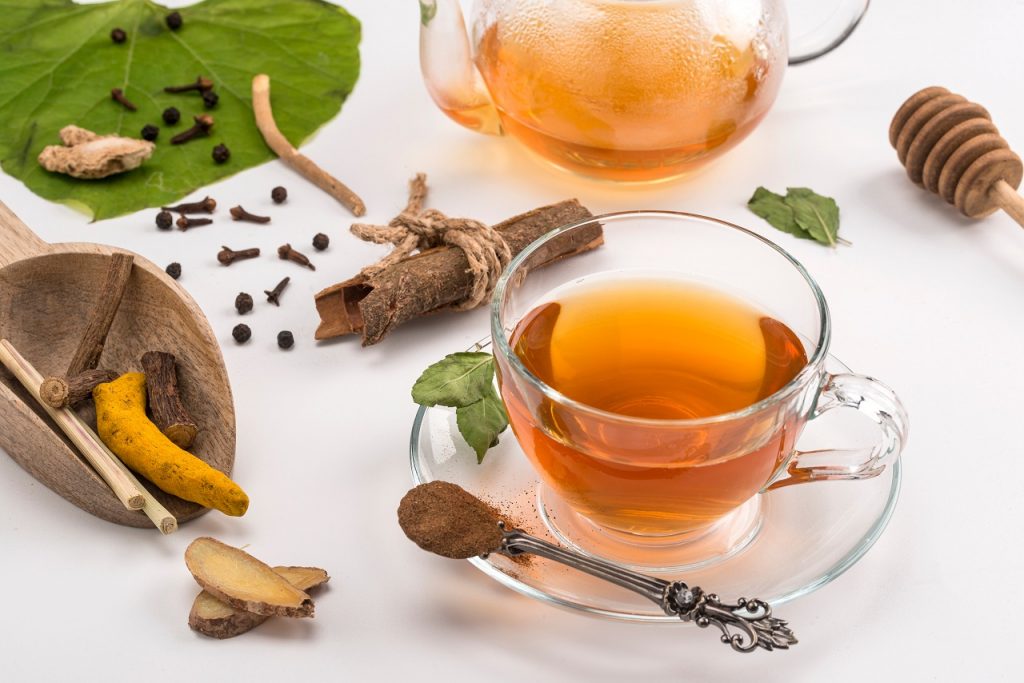
Nature provides incredibly powerful antiviral and antibacterial compounds within common spices. When compiled correctly, these bio-active ingredients work together to soothe irritated mucous membranes, thin out thick mucus, and block viral replication pathways.

  • The Pathogen-Defense Pathway: Spiced Concoction ⇒ Suppresses Viral Pathogens ⇒ Thins Stubborn Mucus ⇒ Soothes Irritated Respiratory Tract.
  • The Healing-Energy Pathway: Mindful Appetite Rest ⇒ Lowers Digestive Demands ⇒ Redirects Cellular Energy ⇒ Accelerates Immune Recovery.
  • The Herbal Recipe: Take a 1-inch piece of fresh mashed ginger, 1 crushed garlic clove, 3 whole black peppercorns, 2 cloves, 2 cardamoms, and a small cinnamon stick. Boil these ingredients in filtered water until the liquid reduces to half. Strain the mixture into a cup and stir in a teaspoon of raw organic honey once it cools slightly. Drink this warm concoction two to three times a day during acute symptoms.
  1. Respect Your Body’s Natural Fasting Signals

When you fall sick, you will often notice a sudden, sharp decline in your appetite. This is a deliberate, protective biological response. Digesting complex, solid food requires an immense amount of cellular energy.

By naturally lowering your appetite, your brain’s hypothalamus redirects that vital energy away from your digestive tract and routes it entirely toward your immune system to repair cells and fight off pathogens. Listen to your body: avoid forcing heavy meals if you do not feel hungry, and wait until your appetite naturally begins to return.

  1. Maintain Core Body Temperature and Block Thermal Shocks

Vascular constriction occurs when your skin is exposed to sudden cold drops or damp drafts, which can reduce the circulation of protective white blood cells to your upper respiratory tract.

  • The Healthier Habit: Keep your body consistently warm by wearing dry clothing and putting on cotton socks, even while resting in bed. When stepping out into the damp evening air, ensure your head and chest are well covered to prevent sudden changes in body temperature from chilling your airways.
  1. Continuous Warm Hydration

Sipping on hot liquids throughout the day serves as a highly effective mechanical therapy for a congested respiratory system. Warm fluids—whether plain boiled water, herbal teas, or clear vegetable broths—help thin out stubborn mucus blockages, keep your throat tissues hydrated, and flush cellular waste smoothly out of your system.

  1. Maximize Deep Oxygenation Through Breathwork

Most seasonal viruses and anaerobic germs thrive in stagnant, low-oxygen cellular environments. Deep, deliberate diaphragmatic breathing is an excellent natural way to alter your internal chemistry.

By consciously expanding your lung capacity through structured deep breathing exercises multiple times a day, you significantly increase oxygen delivery to your cells, creating an unfavorable environment for multiplying germs.

  1. Protect Absolute Physical Rest

Deep, uninterrupted rest is the ultimate natural cure. When your body is completely at rest, your system can optimize its production of cytokines—specialized signaling proteins that target and destroy viral infections. True cellular healing cannot occur if you try to push through seasonal exhaustion. Honor your body’s call to slow down and sleep.

The Seasonal Illness Recovery Matrix

Active Symptom Profile The Subconscious Lifestyle Mistake The Targeted Natural Alternative
Acute Sore Throat & Congestion Drinking iced water; ignoring environmental drafts. Phytonutrient Decoction: Warm ginger, garlic, and peppercorn infusion to clear pathways.
Loss of Appetite & Nausea Forcing heavy, calorie-dense meals during a fever. Mindful Fasting: Rest the digestive tract; prioritize warm broths until hunger returns.
Chills & Body Aches Staying in damp clothes; exposing extremities to cold. Thermal Protection: Wear warm socks and keep your head covered during damp evenings.

Sickness as an Immune Reboot

It can actually be beneficial to experience a mild seasonal illness once in a while. A minor viral challenge serves as a necessary workout for your immune system. It prompts your bone marrow to replenish its supply of red and white blood cells, updates your antibody library, and sharpens your overall immune response.

Stay positive, keep your spirits high, and trust that your body is executing the exact internal protocols it needs to recover and grow stronger.

True wellness is built by listening to and supporting your body’s natural healing design, rather than forcing it to adapt to a hectic schedule. Seasonal monsoon illnesses are highly treatable when approached with patience, thermal care, targeted botanical infusions, and deep physical rest. By avoiding the immediate use of unprescribed antibiotics and allowing your immune system to do its job naturally, you build a foundation of true, lasting health. Protect your body, rest deeply, and let your natural defenses thrive!

Pro Tip: Navigating seasonal recovery is much easier when you can track your health parameters in real-time. Use the GOQii App to log your symptoms, monitor your daily water intake, and track your restorative sleep cycles. You can seamlessly share this health profile with your GOQii Personalised Health Coach to receive customized lifestyle guidance, recovery meal plans, and immune-support protocols tailored perfectly to your unique body composition!

Frequently Asked Questions (FAQs)

  1. Why does my appetite naturally drop when I catch a monsoon viral fever?

Your appetite decreases during a viral infection because your immune system releases inflammatory signaling proteins called cytokines. These proteins signal your brain to downregulate hunger, shifting your body’s energy consumption away from the energy-heavy process of digestion and redirecting it entirely toward fighting off the virus.

  1. How do the ingredients in the ginger-garlic concoction help treat a sore throat?

Ginger contains gingerol, a powerful compound that reduces tissue inflammation and eases throat pain, while garlic contains allicin, a potent antimicrobial that helps fight respiratory pathogens. Together with the warming effects of black pepper and cloves, this infusion helps break down thick mucus, increases local blood circulation, and forms a protective soothe over irritated airways.

  1. Is it safe to take antibiotics immediately when a monsoon cold or fever starts?

No, taking antibiotics at the immediate onset of a cold or flu is ineffective and can be counterproductive. Colds, flu, and typical monsoon fevers are caused by viral pathogens, and antibiotics are designed to target bacteria exclusively. Misusing antibiotics kills off your beneficial gut microbes—which make up 70% of your immune system—and can contribute to global antibiotic resistance.

  1. Why is keeping my feet warm with socks emphasized during a viral recovery?

Keeping your feet warm helps maintain your core body temperature and prevents sudden, reflexive blood vessel constriction in your upper respiratory tract. Protecting your body from temperature drops ensures that your blood circulation remains active, allowing white blood cells to travel efficiently to your respiratory tissues to fight the infection.

#BeTheForce

Disclaimer: This article is intended for educational and informational purposes only. It is not intended to replace professional medical advice, clinical diagnosis, or personalized treatment plans. Always consult a qualified healthcare provider immediately if your fever remains exceptionally high, if symptoms worsen after 5 days, or if you experience severe difficulty breathing.

July 8, 2026 By Urvi Gohil 1 Comment

Your Guide to a Happy Gut: Simple Ways to Beat Bloating, Acidity and Heartburn

Gut health The Big Question: Why should we view occasional episodes of bloating, acidity, and heartburn not merely as minor temporary inconveniences, but as direct warnings that our metabolic and gut ecosystems are off balance?

Our digestive system works quietly in the background every day breaking down food, absorbing nutrients and supporting countless functions that keep us healthy. So when symptoms like bloating, acidity or heartburn begin to appear, it’s easy to dismiss them as occasional inconveniences. However, recurring digestive discomfort can be your body’s way of telling you that something needs attention.

Your gut is home to trillions of microorganisms that influence digestion, metabolism and even immune function. In fact, a significant portion of the body’s immune cells are located within the Gut-Associated Lymphoid Tissue (GALT), highlighting the critical relationship between gut health and overall well-being. The good news? Small, consistent lifestyle changes can go a long way in supporting digestive health and reducing common gastrointestinal symptoms.

Why Do Bloating, Acidity and Heartburn Happen?

Digestive discomfort doesn’t usually have a single cause. Instead, it often results from a combination of dietary habits, lifestyle factors and underlying structural gut mechanics.

Bloating

Bloating typically occurs when excess gas builds up in the digestive tract. When digestion slows or certain carbohydrates aren’t fully broken down, gut bacteria ferment them, producing gas that leads to abdominal distress. Common contributors include:

  • Eating too quickly or overeating
  • Chronic constipation
  • Carbonated beverages
  • Food intolerances or sudden changes in gut microflora

Acidity and Heartburn

Heartburn occurs when stomach contents flow back into the esophagus, irritating its delicate mucosal lining. This often happens when the Lower Esophageal Sphincter (LES)—the muscle that acts as a structural valve between the stomach and esophagus—relaxes inappropriately or becomes weak under stress. Common triggers include:

  • Large, calorie-dense meals
  • Lying down soon after eating
  • Fatty, deeply fried, or overly spicy foods
  • Excess caffeine, smoking, or chronic stress

⚠️ Clinical Note: If heartburn occurs frequently (more than twice a week), it may indicate Gastroesophageal Reflux Disease (GERD) and should be formally evaluated by a healthcare professional.

9 Natural Ways to Support a Healthy Gut

  1. Fennel Seeds (Saunf)

Fennel seeds have a long history of traditional use to support digestion. They contain anethole, a natural volatile compound with documented antispasmodic properties. Anethole helps relax the smooth digestive muscles of the intestinal tract, helping release trapped gas and ease post-meal bloating.

  • How to use: Chew a teaspoon of raw fennel seeds thoroughly after major meals, or steep them in warm water to make a soothing tea.
  1. Basil Seeds (Sabja)

When soaked, basil seeds absorb water rapidly and form a cooling, gel-like coating exceptionally rich in soluble mucilage fiber. This fiber matrix supports optimal intestinal hydration, improves bowel regularity, and promotes smooth digestive transitions.

  • How to use: Soak basil seeds in water for 2–3 hours before adding them to your drinking water, morning smoothies, or probiotic yogurt.
  1. Fenugreek Seeds (Methi)

Fenugreek seeds are loaded with soluble fiber and natural antioxidants that support regular bowel movements. They form a protective layer over irritated stomach linings, helping to soothe mild digestive discomfort.

  • How to use: Soak one teaspoon of fenugreek seeds in a cup of water overnight, and consume the seeds and the water the following morning.

⚠️ Caution: Individuals who are pregnant or taking medications for diabetes or blood thinning should consult their healthcare provider before consuming fenugreek regularly.

  1. Therapeutic Ginger and Lemon Water

Ginger contains powerful, naturally occurring compounds such as gingerol, which accelerates gastric emptying and supports normal stomach motility, helping to reduce nausea and heaviness. While lemon itself does not directly neutralize stomach acid, a warm dilution works beautifully to refresh the palate and stimulate digestive pathways after heavy meals.

  • The Destructive Autopilot Loop: Overeating / Fast Eating ⇒ Delayed Gastric Emptying ⇒ Bacterial Fermentation ⇒ Trapped Gas & Severe Bloating.
  • The Mindful Alternative Loop: Warm Ginger Lemon Water ⇒ Accelerated Stomach Motility ⇒ Stimulated Salivary Secretions ⇒ Light, Comfortable Digestion.
  • How to use: Add one teaspoon each of fresh ginger juice and lemon juice to a glass of lukewarm water post-meals.
  1. Raw Apple Cider Vinegar (ACV)

Some individuals report noticeable relief from digestive discomfort after consuming diluted apple cider vinegar before meals. Many episodes of mild heartburn are actually caused by low stomach acid rather than excess acid; raw ACV helps optimize the stomach’s pH environment to stimulate proper acid secretion.

  • How to use: If well-tolerated, dilute one tablespoon of raw ACV with “The Mother” in approximately 300 ml of water before your largest meal.

⚠️ Caution: Discontinue use immediately if ACV consistently aggravates your symptoms, and never consume it undiluted, as it can irritate the esophagus and erode tooth enamel.

  1. Stay Well Hydrated

Water is the foundational medium for all human digestion. It plays a vital role by helping dissolve essential nutrients, supporting structural bowel movements, and maintaining a healthy stool consistency. Aim for approximately 2–2.5 liters of clean water daily, adjusting your intake upwards based on local climate fluctuations and physical activity levels.

  1. Fill Half Your Plate with Vegetables

Vegetables and whole fruits provide dietary fiber that acts as a vital prebiotic to nourish beneficial gut bacteria. These microbes ferment the fiber to produce Short-Chain Fatty Acids (SCFAs), such as butyrate, which help maintain the integrity of the intestinal barrier and lower systemic inflammation. Choose a vibrant variety of seasonal vegetables and whole fruits rather than drinking strained juices.

  1. Move Your Body Every Day

Regular physical activity stimulates the enteric nervous system and encourages normal bowel motility (peristalsis), drastically reducing the likelihood of chronic constipation. Aim for at least 30–45 minutes of moderate activity such as brisk walking, cycling, yoga, or swimming on most days of the week.

  1. Cut Back on Ultra-Processed Foods

Diets high in added sugars, refined white flour (maida), and industrial trans-fats have been systematically associated with negative changes in the gut microbiome (dysbiosis) and increased intestinal inflammation. Whenever possible, swap out packaged goods for unrefined whole grains, fresh produce, nuts, seeds, legumes, and healthy fats.

Everyday Habits That Protect Your Gut

Alongside healthy food choices, practicing mindful lifestyle habits can improve your baseline digestion:

  • The Destracted Eating Loop: Digital Screen Scrolling ⇒ Rapid Swallowing ⇒ Air Ingestion ⇒ Bloating.
  • The Mindful Eating Loop: Screen-Free Table ⇒ Thorough Chewing ⇒ Salivary Amylase Mix ⇒ Easy Nutrient Absorption.
  • Protect the Sleep Window: Secure 7–9 hours of quality sleep each night and finish your final meal 2–3 hours before bedtime to allow the gut lining to rest and repair.
  • Manage Stress: High mental stress floods the body with cortisol, which downregulates blood flow to the gut. Dedicate a few minutes daily to deep breathing, yoga, or meditation.

Common Digestive Symptoms and Lifestyle Measures

Symptom Common Contributors Targeted Lifestyle Measure
Bloating Eating quickly, overeating, carbonated drinks, gas-producing foods. Chew thoroughly, stay hydrated, take a light walk after meals.
Heartburn Large meals, lying down post-eating, spicy foods, high chronic stress. Eat smaller portions, keep dinner light, finish meals 3 hours before sleep.
Constipation Low dietary fiber, dehydration, prolonged sitting. Increase fiber gradually, drink 2–2.5L water, move for 30–45 minutes daily.

When Should You See a Doctor?

Occasional digestive discomfort is common. However, you should seek professional medical advice immediately if you experience any of the following warning signs:

  • Heartburn occurring more than twice a week
  • Difficulty or pain when swallowing (dysphagia)
  • Blood in vomit or stool, or persistent black stools
  • Chronic, unexplained weight loss or severe abdominal pain
  • Gastrointestinal symptoms lasting longer than 2 to 3 weeks despite positive lifestyle adjustments

A happy, healthy gut is built through consistent everyday habits rather than quick-fix supplement trends. While occasional bloating, acidity, or heartburn can happen to anyone, persistent symptoms deserve mindful attention. Eating a balanced whole-food diet, staying physically active, protecting your sleep, managing chronic stress, and maintaining good hydration all work seamlessly together to support healthy digestion and a thriving gut microbiome. Listening to your body—and responding with conscious choices—is the simplest investment you can make in your long-term health span!

Pro Tip: Building healthy routines becomes effortless when you can track them consistently. Use the GOQii App to log your meals, water intake, physical activity minutes, and digestive symptoms. Your GOQii Personalised Health Coach can help you identify hidden patterns, recommend practical lifestyle modifications, and guide you toward sustainable habits that support better long-term digestive health!

Frequently Asked Questions (FAQs)

  1. Why is gut health considered so vital for my overall health?

Your gut is responsible for breaking down food, absorbing nutrients, and eliminating metabolic waste. Furthermore, because a vast majority of your body’s immune cells reside in the Gut-Associated Lymphoid Tissue (GALT) along the intestinal walls, a balanced gut microbiome is directly associated with strong immunity, stable metabolic health, reduced systemic inflammation, and positive mental well-being through the gut-brain axis.

  1. Can fennel seeds genuinely help reduce abdominal bloating?

Yes. Fennel seeds contain a primary bioactive compound called anethole, which possesses documented antispasmodic properties. Anethole acts as a natural muscle relaxant for the smooth walls of the digestive tract. By reducing intestinal spasms, it allows trapped gas to dissipate smoothly, relieving immediate bloating and cramping after heavy meals.

  1. Is apple cider vinegar universally effective for treating heartburn?

Scientific evidence supporting the routine use of ACV for heartburn remains limited. While some individuals with low stomach acid find relief by taking diluted ACV before meals to optimize their stomach’s pH, others with active ulcers or high acid levels may find their symptoms worsen. Always dilute ACV extensively and discontinue use immediately if it increases your discomfort.

  1. How does regular exercise actively improve daily digestion?

Engaging in regular physical activity increases blood flow to your internal organs and stimulates the enteric nervous system. This mechanical movement encourages regular, wave-like muscular contractions (peristalsis) within your colon, which naturally moves waste material through the digestive tract smoothly and prevents chronic constipation.

#BeTheForce

Disclaimer: This article is intended for educational and informational purposes only and should not be considered medical advice. It is not a substitute for professional diagnosis, treatment, or personalized healthcare recommendations. If you have persistent digestive symptoms or an existing gastrointestinal condition, consult a qualified healthcare professional before making significant dietary or lifestyle changes.

  • « Previous Page
  • 1
  • …
  • 8
  • 9
  • 10
  • 11
  • 12
  • …
  • 72
  • Next Page »

Search

Recent Posts

  • Foods to Manage Blood Sugar Naturally: A Complete Guide to Better Blood Sugar Control
  • The Lazy Person’s Guide to Staying Healthy: 5 Micro-Habits That Take Less Than 2 Minutes
  • Healthy Eating: Comforting Chilli Bean Soup Recipe for the Monsoon
  • The Truth About the ‘Beer Belly’: What Alcohol Really Does to Your Metabolism
  • Benefits of Meditation: How One Daily Habit Can Transform Your Mental Wellbeing

Stay Updated

Archives

  • August 2026 (7)
  • July 2026 (25)
  • June 2026 (22)
  • May 2026 (20)
  • April 2026 (24)
  • March 2026 (18)
  • February 2026 (14)
  • January 2026 (14)
  • December 2025 (19)
  • November 2025 (15)
  • October 2025 (20)
  • September 2025 (6)
  • August 2025 (6)
  • July 2025 (9)
  • June 2025 (18)
  • May 2025 (16)
  • April 2025 (22)
  • March 2025 (26)
  • February 2025 (21)
  • January 2025 (25)
  • December 2024 (22)
  • November 2024 (22)
  • October 2024 (20)
  • September 2024 (22)
  • August 2024 (28)
  • July 2024 (15)
  • June 2024 (23)
  • May 2024 (26)
  • April 2024 (27)
  • March 2024 (27)
  • February 2024 (23)
  • January 2024 (21)
  • December 2023 (14)
  • November 2023 (10)
  • October 2023 (19)
  • September 2023 (21)
  • August 2023 (16)
  • July 2023 (16)
  • June 2023 (21)
  • May 2023 (20)
  • April 2023 (19)
  • March 2023 (23)
  • February 2023 (19)
  • January 2023 (15)
  • December 2022 (11)
  • November 2022 (15)
  • October 2022 (15)
  • September 2022 (12)
  • August 2022 (9)
  • July 2022 (17)
  • June 2022 (11)
  • May 2022 (10)
  • April 2022 (6)
  • March 2022 (6)
  • February 2022 (13)
  • January 2022 (11)
  • December 2021 (7)
  • November 2021 (3)
  • October 2021 (6)
  • September 2021 (3)
  • August 2021 (8)
  • July 2021 (7)
  • June 2021 (15)
  • May 2021 (16)
  • April 2021 (10)
  • March 2021 (7)
  • February 2021 (4)
  • January 2021 (4)
  • December 2020 (3)
  • November 2020 (4)
  • October 2020 (10)
  • September 2020 (3)
  • August 2020 (3)
  • July 2020 (2)
  • June 2020 (4)
  • May 2020 (10)
  • April 2020 (12)
  • March 2020 (10)
  • February 2020 (4)
  • January 2020 (4)
  • December 2019 (3)
  • November 2019 (7)
  • October 2019 (5)
  • September 2019 (4)
  • August 2019 (9)
  • July 2019 (9)
  • June 2019 (11)
  • May 2019 (4)
  • April 2019 (8)
  • March 2019 (8)
  • February 2019 (9)
  • January 2019 (8)
  • December 2018 (9)
  • November 2018 (3)
  • October 2018 (3)
  • September 2018 (5)
  • August 2018 (10)
  • July 2018 (6)
  • June 2018 (13)
  • May 2018 (8)
  • April 2018 (18)
  • March 2018 (9)
  • February 2018 (8)
  • January 2018 (15)
  • December 2017 (12)
  • November 2017 (19)
  • October 2017 (13)
  • September 2017 (15)
  • August 2017 (4)
  • July 2017 (8)
  • June 2017 (7)
  • May 2017 (6)
  • April 2017 (8)
  • March 2017 (6)
  • February 2017 (7)
  • January 2017 (9)
  • December 2016 (10)
  • November 2016 (7)
  • October 2016 (7)
  • September 2016 (7)
  • August 2016 (11)
  • July 2016 (9)
  • June 2016 (9)
  • May 2016 (12)
  • April 2016 (17)
  • March 2016 (17)
  • February 2016 (8)
  • January 2016 (6)
  • December 2015 (2)
  • November 2015 (9)
  • October 2015 (7)
  • September 2015 (9)
  • August 2015 (11)
  • July 2015 (9)
  • June 2015 (11)
  • May 2015 (9)
  • April 2015 (13)
  • March 2015 (8)
  • February 2015 (5)
  • January 2015 (12)
  • December 2014 (14)
  • November 2014 (11)
  • October 2014 (6)
  • September 2014 (13)
  • August 2014 (12)
  • July 2014 (6)
  • June 2014 (2)
  • May 2014 (7)
  • April 2014 (4)

From Burnout to Balance: How Dr. Ranjit Reclaimed His Health

Dr Ranjit Bhatt has spent years tending to others. A practising doctor in Odisha, his days were packed with patients, surgeries, and emergencies. From the outside, it looked like a life lived in service. But on the inside, something wasn’t right. “I had no … [Read More...]

From Shimla’s Slopes to Chandigarh’s Sidewalks: Surinder Kaur Bhalla’s Journey from Chaos to Control

Some journeys start with a plan. Others begin with a stumble literally. Surinder Bhalla, a government professional, born and raised in the scenic hill town of Shimla, had always lived a life of movement. “In Shimla, you walked everywhere,” she reflects. “Walking was never an exercise. It was just life.” But after shifting to Chandigarh, […]

“I’ve Challenged Myself to Live 100 Years” – The Story of Chandubhai Savani’s Second Chance at Life

At 67, most people start slowing down. Not Chandubhai Savani. A resident of Surat, Chandubhai, thought life was on track. “My life was going well till I had my bypass surgery,” he says. That surgery, back in 2021, was a wake-up call.  Medication was routine, but exercise wasn’t. His diet? What he calls ‘normal.’ “I […]

Ananda Mukherjee Health Story

From Terminal Illness To Complete Wellness! Ananda Mukherjee Health Story

As we observe World Cancer Day under the powerful theme ‘United by Unique’ (2025-2027)**, we are reminded that every individual’s journey with cancer is distinct, yet united by shared resilience, hope, and the collective fight against this disease. This theme places people at the centre of care and their stories at the heart of the […]

  • HOME
  • HEALTHY LIVING
  • FITNESS
  • HEALTHY RECIPES
  • USER STORIES
  • KARMA
  • BUY GOQii

Copyright ©2016 GOQii