GOQii

Blog

  • HOME
  • HEALTHY LIVING
  • FITNESS
  • HEALTHY RECIPES
  • USER STORIES
  • KARMA
  • BUY GOQii

Search Results for: immunity

July 4, 2026 By GOQii 3 Comments

Why High-Fibre Foods Are Essential for Better Health

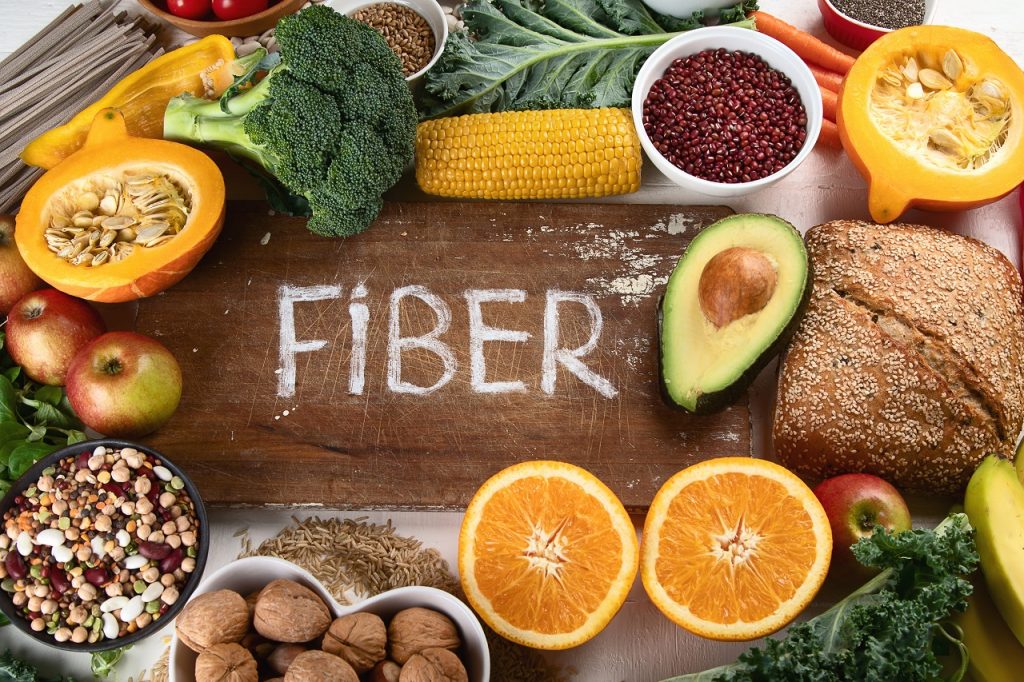
high fiber mealsThe Big Question: Why should we view dietary fibre not merely as an optional remedy for constipation, but as a crucial biological manager that regulates our metabolic, cardiovascular, and immune health?

When you think of dietary fibre, constipation relief is probably the first thing that comes to mind. While fibre certainly supports healthy digestion, its benefits go far beyond keeping your bowel movements regular. A fibre-rich diet can help maintain healthy blood sugar levels, support heart health, improve gut health, aid weight management, and even strengthen your immune system.

Unfortunately, modern diets filled with refined grains, sugary snacks, and ultra-processed foods often fall short of the fibre our bodies need. The good news? Adding more fibre-rich foods to your meals doesn’t require a complete diet overhaul. A few simple changes can make a significant difference to your overall health. Let’s explore why fibre deserves a place on every plate.

What Is Dietary Fibre?

Dietary fibre is a type of carbohydrate found naturally in plant-based foods. Unlike other carbohydrates, fibre isn’t completely digested by the body. Instead, it passes through the digestive system, supporting several important functions along the way.

There are two main types of fibre:

Soluble Fibre

Soluble fibre dissolves in water to form a thick, gel-like substance that slows digestion. This helps regulate blood sugar levels, lowers bad cholesterol, and keeps you feeling full for longer.

  • Good sources include: Oats, apples, citrus fruits, barley, beans, lentils, flaxseeds, and chia seeds.

Insoluble Fibre

Insoluble fibre does not dissolve in water. Instead, it adds physical bulk to your stool and helps food move more efficiently through the digestive tract, promoting regular bowel movements.

  • Good sources include: Whole wheat, brown rice, wheat bran, broccoli, cauliflower, carrots, green beans, and nuts.

Both types of fibre are essential, and eating a colorful variety of plant-based foods helps ensure your body receives the right biological balance.

5 Critical Benefits of Eating High-Fibre Foods

  1. Supports Healthy Digestion and Peristalsis

One of fibre’s most well-known benefits is keeping your digestive system functioning smoothly. Insoluble fibre acts as a natural bulking agent, drawing moisture into the large intestine to soften and add structure to the stool. This mechanical action stimulates regular contraction waves (peristalsis), making bowel movements easier and helping prevent chronic constipation. A healthy digestive system also creates the ideal environment for optimal nutrient absorption.

  1. Helps Manage Blood Sugar Levels and Prevents Insulin Spikes

When you consume refined, stripped carbohydrates, your digestive system breaks them down almost instantly. This rapid absorption floods your bloodstream with glucose, forcing your pancreas to release massive amounts of insulin.

  • The Destructive Autopilot Loop: Refined Grains ⇒ Rapid Glucose Surge ⇒ Insulin Spike ⇒ Fat Storage & Energy Crash.
  • The Mindful Alternative Loop: High-Fibre Whole Foods ⇒ Gel Matrix Formation ⇒ Delayed Glucose Release ⇒ Stable Energy & Metabolic Protection.

Soluble fibre creates a gel-like barrier in the intestines that slows the digestion and absorption of carbohydrates, helping prevent sudden spikes in blood sugar after meals. This is especially helpful for people living with diabetes or those looking to reduce their risk of developing Type 2 diabetes.

  1. Supports Healthy Weight Management and Natural Satiety

Achieving a balanced body composition is much easier when you work with your body’s natural fullness signals. It takes your digestive tract roughly 20 minutes to synthesize and send chemical satiety signals to the brain’s hypothalamus.

Because high-fibre foods require significant mechanical chewing and take longer to digest, they naturally slow your eating pace, giving your brain enough time to register that you are full. This can naturally reduce unnecessary snacking and overeating without making you feel deprived.

  1. Promotes Heart Health and Lowers LDL Cholesterol

Soluble fibre plays a direct, protective role in your cardiovascular system. As it moves through your small intestine, it binds to cholesterol-rich bile acids, trapping them within its gel matrix so they can be eliminated from the body through the stool.

To replace these lost bile acids, your liver pulls circulating LDL (“bad”) cholesterol out of your bloodstream, naturally lowering your total cholesterol profile. A diet rich in fibre has also been associated with better blood pressure management, significantly lowering long-term cardiovascular risks.

  1. Nourishes Your Gut Microbiome and Boosts Immunity

Your digestive system is home to trillions of beneficial bacteria that play an important role in digestion, immunity, and overall health. Many fibre-rich foods act as prebiotics, providing mandatory nourishment for these beneficial gut bacteria.

When these friendly microbes ferment soluble fibre in your colon, they produce health-boosting metabolites called Short-Chain Fatty Acids (SCFAs), like butyrate. These SCFAs help maintain the structural integrity of the intestinal barrier, prevent harmful pathogens from entering the bloodstream, and contribute to overall immune system resilience.

The High-Fibre Nutrient Synergy Matrix

Food Group Component Primary Fiber Type Key Biological Target Preventative Health Outcome
Beans & Lentils Soluble Fibre Intestinal Lining & Liver Lowers circulating LDL cholesterol and supports muscle repair.
Millets & Oats Soluble & Insoluble Blood Glucose Curves Slows down carbohydrate digestion and provides steady energy.
Cruciferous Vegetables Insoluble Fibre Digestive Motility & Colon Softens stool structure to naturally prevent chronic constipation.
Flax & Chia Seeds Soluble (Mucilage) Gut Microbiome & Vascular Feeds beneficial bacteria to synthesize anti-inflammatory SCFAs.

How Much Fibre Do You Need?

Most adults living in urban environments consume less than half of their recommended daily fibre needs. As a general clinical guide:

  • Women: Around 25 grams of fibre per day
  • Men: Around 30–38 grams of fibre per day

Rather than focusing on strict numbers alone, aim to build a colorful, varied plate that naturally includes whole grains, legumes, fruits, vegetables, nuts, and seeds throughout the day.

Simple Ways to Eat More Fibre Every Day

Increasing your daily fibre intake should be a gradual, consistent process to allow your digestive tract time to adapt comfortably. Try these practical lifestyle tips:

  • Start your day with whole oats, millets, or whole-grain breakfast cereals.
  • Replace white rice with brown rice, red rice, or ancient grains occasionally.
  • Include a generous serving of lightly cooked or steamed vegetables with lunch and dinner.
  • Snack on whole seasonal fruits, raw nuts, or roasted chana (chickpeas) instead of packaged, processed snacks.
  • Add beans, sprouts, or lentils to your daily soups, salads, and curries.
  • Sprinkle ground flaxseeds or chia seeds over yogurt or healthy smoothies.
  • Choose whole fruits instead of drinking strained fruit juices, as juicing strips away the essential fiber matrix.

Dietary fibre is one of the most important nutrients for long-term health, yet it’s often overlooked in modern, convenience-driven diets. From supporting healthy digestion and maintaining stable blood sugar levels to promoting heart health, weight management, and a thriving gut microbiome, fibre plays a vital role in keeping your body functioning at its best.

The best part? Getting more fibre doesn’t require expensive supplements or complicated diets. By choosing more unrefined whole grains, fruits, vegetables, legumes, nuts, and seeds, you can naturally increase your fibre intake and enjoy lasting health benefits. Every fibre-rich meal is a step towards better health!

Pro Tip: Building healthier eating habits becomes easier when you monitor your daily nutrition. Use the GOQii App to track your meals, macro balance, and daily water intake. You can seamlessly share this health data with your GOQii Personalised Health Coach to receive customized meal plans, fiber-rich recipes, and expert lifestyle guidance tailored perfectly to help you include more whole foods in your everyday diet!

Frequently Asked Questions (FAQs)

  1. What are the best high-fibre foods to add to my daily diet?

Some of the most nutrient-dense high-fibre foods include steel-cut oats, black beans, lentils, chickpeas, apples, pears, guavas, broccoli, carrots, flaxseeds, chia seeds, raw almonds, walnuts, brown rice, and ancient millets.

  1. How exactly does dietary fibre help with weight management?

Fibre slows down the physical rate of digestion and expands within your stomach, which triggers mechanical stretch receptors that signal fullness to your brain. This naturally prolongs satiety, stabilizes blood glucose curves, and reduces unnecessary snacking and overeating without making you feel restricted.

  1. Can eating more fibre improve chronic digestion and bloating issues?

Yes. Fibre adds necessary bulk and softness to the stool, promoting regular bowel movements and preventing constipation. However, to avoid temporary gas or bloating when increasing your intake, you must add fibre to your diet gradually and accompany it with adequate fluid intake.

  1. Should I explicitly drink more water when increasing my daily fibre intake?

Yes, absolutely. Fibre acts like a natural sponge inside your digestive tract. Insoluble fibre requires water to soften stool structure, while soluble fibre needs fluids to form its protective, gel-like matrix. Increasing your fibre intake without drinking enough water can cause the waste to harden in your colon, leading to bloating, gas, and worsening constipation. Aim for 2 to 3 liters of water daily.

#BeTheForce

Disclaimer: This article is intended for educational and informational purposes only. It is not intended to replace professional medical advice, clinical nutrition diagnosis, or personalized dietary treatment. Always consult your primary care physician or a registered dietitian before making major changes to your eating habits, especially if you manage an underlying gastrointestinal condition or chronic metabolic disorder.

July 3, 2026 By Mrinali Dwivedi 2 Comments

Pre & Post Workout Shots You Can Try At Home

pre & post workout shotsWhether you’re working out indoors or outdoors, hydration is imperative throughout a workout and especially before and after! Here’s how you can improve your hydration game to the optimum benefits on your performance and outcomes of exercising with these pre & post workout shots! 

Pre & Post Workout Shots For Home! 

1. Shot of Beetroot Juice for Pre Workout
Beetroot Juice is a supplement with a high nitrate content, that is said to improve physical performance secondary to nitric oxide, which is a component of human blood that helps dilate your blood vessels and aid faster blood circulation, as to provide greater oxygen supply. Supplementation or dietary ingestion of nitrates is known to reduce oxygen requirements during exercise and reduce VO2 max (which indicates better stamina). In measures of time taken to reach exhaustion, beetroot juice showed an association with a fatigue delay effect and exercise performance enhancement.

A short term supplementation with beetroot juice may reduce VO2, giving an ergogenic effect, at less than or equal to VO2 max intensity that makes it possible to enable increased time-to-exhaustion. In addition to improving efficiency and performance, chronic supplementation with beetroot juice may improve cardiorespiratory performance as well. Consumption of Beetroot juice should be initiated in a period of 90 minutes before athletic effort, since the peak value of nitrates occurs within 2-3 hour after ingestion. At least 6-8 mmol of nitrate i.e. juice of 5 medium sized beetroots intake is required to observe an improvement in athletic performance.

2. Shot of Amla (Indian Gooseberry) Juice for Post Workout
Amla Juice is a reservoir of Vitamin C and essential electrolytes that are of utmost importance for post workout recovery. Post workout is an immunocompromised state where the body is concentrating more on muscle recovery and storage. This makes it imperative to supplement with immune boosting nutrients and electrolytes that may be lost due to sweating, right after a workout session.

Supplementing with amla juice has shown to reduce infection rate in athletes and heavy working out individuals. It also lowers down duration of muscle soreness significantly, which aids early mitigation of muscle cramps. Vitamin C being an antioxidant, reduces inflammation in the body, which is a common after effect of exercising. Chronic supplementation with amla juice is shown to build stronger immunity and improve gut health as well as strengthening the respiratory system.

Intake of amla juice should be initiated within 20 minutes of finishing physical activity as that is when the recovery and restorative activities of the body begin. Juice of 4 medium sized amlas ensures the supply of adequate amounts of Vitamin C and electrolytes.

We hope these pre & post workout shots help you get the most out of your exercises! Do let us know your experience in the comments below.

#BeTheForce 

Disclaimer: The information provided in this blog is for general awareness and educational purposes only. It is not intended to replace professional medical advice, diagnosis, or treatment. Always consult a qualified healthcare provider for personalised medical guidance or concerns related to your health.

June 24, 2026 By Dr. Pragati Godara Leave a Comment

Why Good Nutrition Matters: Benefits of Healthy Eating for a Healthy Life

importance of Good nutritionWe often hear the saying, “You are what you eat,” and for good reason. The food we eat provides our body with the nutrients it needs to function efficiently, stay active, and protect itself from illness.

Good nutrition and good health go hand in hand. A balanced and nutritious diet strengthens your immune system, provides sustained energy, supports brain function, and helps reduce the risk of many lifestyle diseases. It also plays a key role in maintaining a healthy weight, improving mental wellbeing, and supporting healthy ageing.

The good news? Healthy eating doesn’t have to be complicated. Making small, mindful choices every day can have a lasting impact on your overall health.

Let’s explore why good nutrition is one of the strongest foundations for a healthier, happier life.

The Importance Of Good Nutrition 

1. Provides Essential Nutrients for Everyday Health

Your body relies on a variety of nutrients to perform thousands of essential functions every day.

A balanced diet should include:

  • Carbohydrates for energy
  • Proteins to build and repair muscles and tissues
  • Healthy fats to support brain health, hormone production, and vitamin absorption
  • Vitamins and minerals to strengthen immunity, support bone health, and maintain normal body functions
  • Water to regulate body temperature, aid digestion, and transport nutrients

No single food contains every nutrient your body needs. That’s why eating a variety of wholesome foods is so important.

2. Helps Prevent Lifestyle Diseases

One of the biggest benefits of good nutrition is disease prevention.

A diet rich in fruits, vegetables, whole grains, lean proteins, legumes, nuts, and healthy fats provides antioxidants, fibre, vitamins, and minerals that help your body function efficiently.

Healthy eating can help lower the risk of:

  • Heart disease
  • Type 2 diabetes
  • Obesity
  • High blood pressure
  • Certain types of cancer

Replacing highly processed foods with fresh, nutrient-rich options is one of the simplest steps you can take towards better long-term health.

3. Supports Healthy Weight Management

Maintaining a healthy weight isn’t about crash diets or skipping meals—it’s about creating balanced eating habits you can sustain.

Foods rich in fibre and protein help you stay fuller for longer, making it easier to manage hunger and avoid unnecessary snacking.

Simple habits such as:

  • Choosing whole grains over refined grains
  • Eating more vegetables
  • Including protein with every meal
  • Drinking enough water
  • Limiting sugary drinks and ultra-processed foods

can make a significant difference over time.

Remember, healthy weight management is a journey built on consistency not perfection.

4. Supports Brain Health and Mental Wellbeing

The food you eat doesn’t just affect your body it also influences how you think and feel.

Research shows that healthy eating patterns are associated with better mood, improved concentration, and sustained energy levels throughout the day.

Nutrients such as omega-3 fatty acids, B vitamins, magnesium, and zinc support normal brain function, while fibre-rich foods help nourish a healthy gut microbiome, which is increasingly recognised for its connection to overall wellbeing.

Combined with regular exercise, quality sleep, and stress management, a nutritious diet helps support both physical and mental health.

5. Promotes Healthy Ageing and Better Quality of Life

Good nutrition is an investment in your future.

Over time, healthy eating helps preserve muscle strength, supports bone health, protects your heart, and keeps your body functioning efficiently as you age.

Combined with regular physical activity and other healthy lifestyle habits, a balanced diet can help you stay active, independent, and energetic for years to come.

Healthy ageing isn’t simply about living longer it’s about living better.

What Does a Healthy Plate Look Like?

Building balanced meals doesn’t have to be complicated.

A simple way to plan your plate is:

  • Half your plate: Colourful vegetables and salads
  • One-quarter: Protein-rich foods such as dals, beans, eggs, fish, paneer, tofu, or lean chicken
  • One-quarter: Whole grains like brown rice, whole wheat rotis, millets, oats, or quinoa
  • Add a small serving of healthy fats such as nuts, seeds, or healthy cooking oils.
  • Drink enough water throughout the day to stay hydrated.

Simple Healthy Eating Habits You Can Start Today

Healthy eating is built on small, consistent choices.

Try these simple habits:

  • Eat breakfast every day.
  • Include vegetables in every meal.
  • Eat a variety of seasonal fruits.
  • Choose whole grains instead of refined grains.
  • Include a source of protein with each meal.
  • Drink enough water throughout the day.
  • Limit packaged and highly processed foods.
  • Cook more meals at home whenever possible.
  • Practise mindful eating by slowing down and enjoying your meals.

Remember, every healthy choice counts.

Good nutrition is one of the most powerful investments you can make in your health.

The food you eat influences your energy levels, immunity, weight, heart health, brain function, and overall quality of life. By choosing balanced, wholesome meals and building sustainable eating habits, you give your body the support it needs to thrive today and in the future.

Food is more than fuel it’s the foundation of lifelong health.

Pro Tip: Healthy eating becomes easier when you track your habits. Use the GOQii App to log your meals, monitor your water intake, and receive personalised guidance from your GOQii Coach to build a nutrition plan that suits your lifestyle and health goals.

Frequently Asked Questions (FAQs)

  1. What is good nutrition?

Good nutrition means eating a balanced variety of foods that provide your body with essential nutrients, including carbohydrates, proteins, healthy fats, vitamins, minerals, fibre, and water, to support overall health and wellbeing.

  1. Why is good nutrition important?

Good nutrition provides energy, strengthens the immune system, supports growth and repair, helps maintain a healthy weight, improves mental wellbeing, and lowers the risk of many lifestyle diseases.

  1. What should a balanced meal include?

A balanced meal should include vegetables, whole grains, a source of lean protein, healthy fats, and plenty of water. Eating a variety of foods helps ensure your body receives all the nutrients it needs.

  1. Can healthy eating help prevent diseases?

Yes. A balanced diet, combined with regular exercise, adequate sleep, stress management, and avoiding tobacco, can help reduce the risk of heart disease, Type 2 diabetes, obesity, high blood pressure, and several other chronic conditions.

#BeTheForce

Disclaimer: This article is intended for educational and informational purposes only. It is not intended to replace professional medical advice, clinical nutrition diagnosis, or personalized medical treatment. Always consult your primary care physician or a registered dietitian before making major alterations to your dietary architecture, especially if you have an underlying chronic health condition or metabolic disorder.

June 15, 2026 By GOQii Leave a Comment

Train Hard, Sleep Well: The Recovery Secret Most People Ignore

The Big Question: Why is skimping on a good night’s rest the absolute fastest way to destroy your strength, fitness, and weight-loss progress?
When working to improve fitness, build lean muscle, or manage weight, the vast majority of people focus entirely on two metrics: workout intensity and strict nutrition. However, the foundational pillar that dictates the success of those efforts is sleep. While target resistance training and cardiovascular movement provide the necessary stress stimulus for physical improvement, actual physiological adaptation, cellular repair, and tissue rebuilding occur while you rest. Consistently missing your sleep windows shifts your body into a chronic catabolic state, making recovery highly difficult and undermining your hard work in the gym.

When it comes to building a vibrant, high-performing body, mainstream fitness culture teaches us that success rests on a simple, two-part formula: training hard and eating well. Both elements are undeniably critical. Yet, a silent epidemic of under-recovery persists because people routinely neglect the third, equally important pillar of health: high-quality sleep.

In today’s fast-paced world, many individuals treat sleep as an optional luxury. They willingly sacrifice their rest windows to squeeze in early morning high-intensity workouts, finish late-night professional commitments, keep up with social activities, or indulge in endless screen time.

However, poor sleep quality will quietly stall your physical progress, no matter how heavy you lift or how cleanly you eat. The biological reality is straightforward: exercise challenges the body, but sleep is where the body adapts and grows.

The Biological Reality: Why Sleep Matters for Recovery

Sleep is far more than a period of cellular inactivity. While your mind rests, your brain signals your endocrine and immune networks to perform intense, essential maintenance that supports your long-term physical longevity.

  1. Accelerated Muscle Tissue Repair

Intense physical activity creates localized inflammation, metabolic waste accumulation, and microscopic structural tears in your skeletal muscle fibers. Deep sleep is the primary physiological window during which your body accelerates protein synthesis, utilizing circulating amino acids to patch these micro-tears. This recovery process thickens muscle fibers, preserves lean mass, and prepares your connective tissues for future workouts.

  1. Neurological Energy Restoration

Physical movement and cognitive focus rapidly deplete your body’s cellular energy reserves and central nervous system glycogen. Sleep allows your brain to execute a vital metabolic cleanup, restoring neural pathways and clearing away waste products. This ensures that you wake up with the raw physical power and mental stamina required to perform at your peak.

  1. Precision Hormonal Balancing

Your endocrine system is deeply bound to your natural circadian rhythm. Essential hormones that dictate your rate of muscle recovery, metabolic speed, tissue repair, and appetite regulation—such as testosterone, human growth hormone (HGH), leptin, and ghrelin are directly modulated by the quantity and depth of your sleep cycles.

  1. Immune System Maintenance

A resilient immune system requires the restorative downtime of slow-wave sleep to synthesize protective cytokines and white blood cells. Experiencing chronic sleep deficits lowers your baseline immunity, making your tissues highly vulnerable to systemic inflammation, frequent colds, and persistent joint soreness.

  1. Enhanced Cognitive Focus and Reaction Time

Sleep is the primary vehicle for memory consolidation, motor-skill learning, and executive decision-making. Whether you are navigating a high-stakes professional presentation or executing a complex, heavy compound lift on the gym floor, mental sharpness, spatial awareness, and fast reaction times are non-negotiable for avoiding injury.

Can Better Sleep Directly Support Muscle Growth?

A very common question among active individuals is whether sleep directly influences muscle hypertrophy. The answer is a definitive yes but not because spending time in bed magically builds muscle mass overnight.

Muscle hypertrophy is a multi-step biological journey. It begins with progressive training stress loading the frame, which must then be paired with a precise intake of macronutrients. However, these steps are only the preparation. The actual transition into muscle growth requires a dedicated sleep window. Once your brain enters deep, slow-wave sleep states, it activates a natural surge of growth hormones, maximizing muscle protein synthesis and repairing the tissue micro-tears.

Clinical research demonstrates that chronic sleep restriction suppresses muscle protein synthesis pathways and spikes catabolic stress hormones. You can execute the perfect training program and log pristine nutritional macros, but if you are chronically sleep-deprived, you are forcing your body to work in a muscle-wasting environment.

The Compounding Costs of Chronic Sleep Deficits

Missing a few hours of rest on an occasional busy night will not derail your long-term fitness goals. However, allowing chronic sleep restriction to become a lifestyle habit triggers a series of destructive physical consequences:

  • Stagnant Exercise Performance: You will experience a noticeable drop in raw muscular strength, lower cardiovascular endurance, poor spatial coordination, and a total lack of workout motivation.
  • Delayed Recovery Windows: Your muscles and joints will remain sore and tender for several days, indicating that your body is struggling to repair tissue damage between scheduled sessions. This makes recognizing the why recovery matters: signs you’re training too hard guidelines an absolute necessity.
  • Hormonal Hunger Shifts: Sleep deprivation directly disrupts your satiety hormones, blunting leptin (which signals fullness) and spiking ghrelin (which signals hunger). This hormonal imbalance triggers intense, unmanageable cravings for highly processed, calorie-dense foods, which directly complicates long-term weight management.
  • Elevated Systemic Stress: Chronic exhaustion places your body into a perpetual “fight-or-flight” state, causing baseline cortisol to hover at abnormal levels. Understanding how cortisol and chronic stress: what your body is trying to tell you works is vital if you want to protect your metabolism from burning out.

Determining Your Optimal Sleep Window

Most physically active adults require between 7 to 9 hours of high-quality sleep per night to fully counter the cellular stress of daily life and intense training.

Individual recovery needs naturally vary based on your age, baseline health status, and daily exercise volume. If you are engaging in heavy weight training, running long distances, or managing an intense professional schedule, you will experience the greatest health benefits by targeting the upper end of that 9-hour range.

Remember, the ultimate goal is not just spending generic time lying down in bed; it is securing uninterrupted, high-quality sleep cycles.

The Science of the 20-Minute Power Nap

When an unpredictable schedule disrupts your nighttime rest, a strategic daytime power nap can serve as an exceptional recovery tool.

To maximize alertness and lower mental fatigue without disrupting your evening schedule, keep your nap strictly between 20 to 30 minutes. Waking up within this window prevents you from entering the deeper stages of slow-wave sleep. If you cross into deep sleep during the day, you will experience severe sleep inertia, leaving you feeling incredibly groggy, weak, and disoriented upon waking.

5 Practical Habits for Superior Sleep Architecture

To help your central nervous system transition smoothly into deep, slow-wave rest, optimize your evening routine with these five science-backed habits:

  1. Lock In a Consistent Sleep Schedule: Go to bed and wake up at the exact same time every day, including weekends. This consistency anchors your internal circadian clock, optimizing natural hormone release windows.
  2. Set a Hard Digital Curfew: The blue light emitted from smartphones, tablets, and laptops mimics sunlight, tricking your brain into suppressing melatonin production. Turn off all non-essential screens at least one hour before bedtime.
  3. Decompress with an Evening Relaxation Routine: Signal your body that it is safe to unwind by dedicating the final hour of your evening to gentle reading, warm showers, or light mobility work. Utilizing the benefits of mindfulness for better sleep can help calm an overactive nervous system.
  4. Transform Your Bedroom into a Sleep Chamber: Keep your sleeping environment exceptionally cool, dark, and quiet. Use blackout curtains or eye masks to eliminate disruptive light pollution, as your physical environment dictates sleep depth far more than most people realize.
  5. Manage Your Late-Day Caffeine Timing: Caffeine is a powerful stimulant with a long half-life that blocks your brain’s natural sleep-pressure receptors. To protect your sleep architecture, cut off all coffee, tea, and pre-workout drinks at least 6 to 8 hours before bed.

Core Sleep Disruptors to Eliminate Immediately

  • Late-Night Alcohol Consumption: While a drink may help you fall asleep initially, alcohol fragments your sleep architecture, elevates your resting heart rate, and drastically reduces your time spent in REM and deep slow-wave sleep stages.
  • Heavy, Calorie-Dense Dinners: Eating large meals close to bedtime forces your digestive system to work overtime. This elevates your core body temperature and causes nighttime indigestion, leading to a highly restless night.
  • Vigorous Late-Night Workouts: Performing high-intensity interval training or heavy lifting within 2 hours of bedtime floods your bloodstream with adrenaline and raises systemic core heat, making it incredibly difficult for your body to wind down.
  • Bringing Professional Work into Bed: Using your mattress as a home office degrades the psychological association between your bed and rest. Keep your work and sleep spaces completely separate.

The Sleep Optimization Checklist

The Recovery Pillar High-Performance Strategy Physiological Outcome
Nutritional Support Prioritize protein to assist protein and muscle recovery Supplies bone marrow and muscles with repair blocks.
Hydration Discipline Balance evening fluids to optimize hydration and exercise performance Clears metabolic waste without disrupting sleep cycles.
Restorative Movement Integrate low-impact healthy ageing through movement Lowers daily cortisol and relieves joint stiffness.

Sleep is never time lost; it is a fundamental investment in your longevity and physical performance. Whether your personal goal is building lean muscle, maximizing athletic endurance, managing weight, or supporting a lifetime of vibrant health, quality sleep provides the biological foundation that makes all of your other healthy habits work more effectively.

Training hard provides the physical challenge, but recovery is where progress actually happens. Before searching for the next exotic supplement or trend, take a serious look at your sleep habits. Your physical transformation starts long before you ever step foot inside the gym.

Pro Tip: Managing your exercise and recovery balance requires consistent habit tracking. Use the GOQii App to log your daily physical movement, record your nutritional data, and maintain a clear log of your sleep habits. You can seamlessly share this comprehensive data overview with your GOQii Personalised Health Coach to identify hidden lifestyle triggers, eliminate patterns of under-recovery, and create a highly sustainable routine tailored perfectly to your metabolic goals!

Frequently Asked Questions (FAQs)

  1. Can a chronic lack of sleep directly stall my muscle growth progress?

Yes, absolutely. Sleep is the primary physiological window during which your endocrine system releases essential anabolic hormones like human growth hormone and testosterone to repair tissue damage. Consistently missing your sleep windows elevates the catabolic hormone cortisol, which actively accelerates muscle tissue breakdown and suppresses protein synthesis, halting long-term muscle gains.

  1. How much sleep do active adults genuinely need every night?

While sleep needs are highly individualized, the clear clinical recommendation for physically active adults is to secure between 7 to 9 hours of sleep per night. Individuals who participate in regular intense training routines or carry high daily stress loads recover most efficiently when they target the upper end of that range.

  1. Are short daytime naps beneficial for muscle recovery?

Yes. If you have experienced an unavoidable deficit in your nighttime rest, a brief daytime nap of 20 to 30 minutes is excellent for lowering central nervous system fatigue, sharpening mental concentration, and reducing daytime cortisol. However, naps should serve as a helpful complement to, rather than a permanent replacement for, a consistent nighttime sleep schedule.

  1. Is getting high-quality sleep more important than working out?

They are interdependent components of a functional fitness equation. Exercise acts as the necessary physical stimulus that challenges your muscles and bones, while sleep serves as the mandatory recovery window during which your body executes cellular repair and growth. Exercising heavily on a chronically sleep-deprived body is counterproductive and heavily increases your risk of injury.

  1. Can sleeping longer immediately improve my workout performance?

Consistently prioritizing adequate, high-quality sleep directly maximizes your daily cellular energy stores, sharpens mental concentration, stabilizes mood, speeds up tissue healing, and restores neuromuscular coordination. This comprehensive physiological reset directly results in greater power output, endurance, and safety during your workouts.

#BeTheForce

Disclaimer: This article is intended for educational and informational purposes only. It is not intended to replace professional medical advice, clinical diagnosis, or treatment. Always consult a qualified healthcare provider or sports medicine physician before starting an intense exercise regimen or making drastic changes to your therapeutic lifestyle routines.

  • « Previous Page
  • 1
  • …
  • 9
  • 10
  • 11
  • 12
  • 13
  • …
  • 72
  • Next Page »

Search

Recent Posts

  • Foods to Manage Blood Sugar Naturally: A Complete Guide to Better Blood Sugar Control
  • The Lazy Person’s Guide to Staying Healthy: 5 Micro-Habits That Take Less Than 2 Minutes
  • Healthy Eating: Comforting Chilli Bean Soup Recipe for the Monsoon
  • The Truth About the ‘Beer Belly’: What Alcohol Really Does to Your Metabolism
  • Benefits of Meditation: How One Daily Habit Can Transform Your Mental Wellbeing

Stay Updated

Archives

  • August 2026 (7)
  • July 2026 (25)
  • June 2026 (22)
  • May 2026 (20)
  • April 2026 (24)
  • March 2026 (18)
  • February 2026 (14)
  • January 2026 (14)
  • December 2025 (19)
  • November 2025 (15)
  • October 2025 (20)
  • September 2025 (6)
  • August 2025 (6)
  • July 2025 (9)
  • June 2025 (18)
  • May 2025 (16)
  • April 2025 (22)
  • March 2025 (26)
  • February 2025 (21)
  • January 2025 (25)
  • December 2024 (22)
  • November 2024 (22)
  • October 2024 (20)
  • September 2024 (22)
  • August 2024 (28)
  • July 2024 (15)
  • June 2024 (23)
  • May 2024 (26)
  • April 2024 (27)
  • March 2024 (27)
  • February 2024 (23)
  • January 2024 (21)
  • December 2023 (14)
  • November 2023 (10)
  • October 2023 (19)
  • September 2023 (21)
  • August 2023 (16)
  • July 2023 (16)
  • June 2023 (21)
  • May 2023 (20)
  • April 2023 (19)
  • March 2023 (23)
  • February 2023 (19)
  • January 2023 (15)
  • December 2022 (11)
  • November 2022 (15)
  • October 2022 (15)
  • September 2022 (12)
  • August 2022 (9)
  • July 2022 (17)
  • June 2022 (11)
  • May 2022 (10)
  • April 2022 (6)
  • March 2022 (6)
  • February 2022 (13)
  • January 2022 (11)
  • December 2021 (7)
  • November 2021 (3)
  • October 2021 (6)
  • September 2021 (3)
  • August 2021 (8)
  • July 2021 (7)
  • June 2021 (15)
  • May 2021 (16)
  • April 2021 (10)
  • March 2021 (7)
  • February 2021 (4)
  • January 2021 (4)
  • December 2020 (3)
  • November 2020 (4)
  • October 2020 (10)
  • September 2020 (3)
  • August 2020 (3)
  • July 2020 (2)
  • June 2020 (4)
  • May 2020 (10)
  • April 2020 (12)
  • March 2020 (10)
  • February 2020 (4)
  • January 2020 (4)
  • December 2019 (3)
  • November 2019 (7)
  • October 2019 (5)
  • September 2019 (4)
  • August 2019 (9)
  • July 2019 (9)
  • June 2019 (11)
  • May 2019 (4)
  • April 2019 (8)
  • March 2019 (8)
  • February 2019 (9)
  • January 2019 (8)
  • December 2018 (9)
  • November 2018 (3)
  • October 2018 (3)
  • September 2018 (5)
  • August 2018 (10)
  • July 2018 (6)
  • June 2018 (13)
  • May 2018 (8)
  • April 2018 (18)
  • March 2018 (9)
  • February 2018 (8)
  • January 2018 (15)
  • December 2017 (12)
  • November 2017 (19)
  • October 2017 (13)
  • September 2017 (15)
  • August 2017 (4)
  • July 2017 (8)
  • June 2017 (7)
  • May 2017 (6)
  • April 2017 (8)
  • March 2017 (6)
  • February 2017 (7)
  • January 2017 (9)
  • December 2016 (10)
  • November 2016 (7)
  • October 2016 (7)
  • September 2016 (7)
  • August 2016 (11)
  • July 2016 (9)
  • June 2016 (9)
  • May 2016 (12)
  • April 2016 (17)
  • March 2016 (17)
  • February 2016 (8)
  • January 2016 (6)
  • December 2015 (2)
  • November 2015 (9)
  • October 2015 (7)
  • September 2015 (9)
  • August 2015 (11)
  • July 2015 (9)
  • June 2015 (11)
  • May 2015 (9)
  • April 2015 (13)
  • March 2015 (8)
  • February 2015 (5)
  • January 2015 (12)
  • December 2014 (14)
  • November 2014 (11)
  • October 2014 (6)
  • September 2014 (13)
  • August 2014 (12)
  • July 2014 (6)
  • June 2014 (2)
  • May 2014 (7)
  • April 2014 (4)

From Burnout to Balance: How Dr. Ranjit Reclaimed His Health

Dr Ranjit Bhatt has spent years tending to others. A practising doctor in Odisha, his days were packed with patients, surgeries, and emergencies. From the outside, it looked like a life lived in service. But on the inside, something wasn’t right. “I had no … [Read More...]

From Shimla’s Slopes to Chandigarh’s Sidewalks: Surinder Kaur Bhalla’s Journey from Chaos to Control

Some journeys start with a plan. Others begin with a stumble literally. Surinder Bhalla, a government professional, born and raised in the scenic hill town of Shimla, had always lived a life of movement. “In Shimla, you walked everywhere,” she reflects. “Walking was never an exercise. It was just life.” But after shifting to Chandigarh, […]

“I’ve Challenged Myself to Live 100 Years” – The Story of Chandubhai Savani’s Second Chance at Life

At 67, most people start slowing down. Not Chandubhai Savani. A resident of Surat, Chandubhai, thought life was on track. “My life was going well till I had my bypass surgery,” he says. That surgery, back in 2021, was a wake-up call.  Medication was routine, but exercise wasn’t. His diet? What he calls ‘normal.’ “I […]

Ananda Mukherjee Health Story

From Terminal Illness To Complete Wellness! Ananda Mukherjee Health Story

As we observe World Cancer Day under the powerful theme ‘United by Unique’ (2025-2027)**, we are reminded that every individual’s journey with cancer is distinct, yet united by shared resilience, hope, and the collective fight against this disease. This theme places people at the centre of care and their stories at the heart of the […]

  • HOME
  • HEALTHY LIVING
  • FITNESS
  • HEALTHY RECIPES
  • USER STORIES
  • KARMA
  • BUY GOQii

Copyright ©2016 GOQii