GOQii

Blog

  • HOME
  • HEALTHY LIVING
  • FITNESS
  • HEALTHY RECIPES
  • USER STORIES
  • KARMA
  • BUY GOQii

Search Results for: hormone

May 14, 2023 By Nilakhi Nath 1 Comment

Health Tips For New Moms!

Health Tips For New MomsIt is difficult to describe the feeling of ecstasy that a woman experiences when she learns that she is about to become a mother. While most new mothers would be happy, there are a few new moms who wouldn’t be so sure about this “happy” feeling. No, they aren’t necessarily anti-motherhood or anti-babies, they are going through lot of emotions which includes stress and a lot of changes in their body and their lives. Some of them say it out loud and some don’t, but the challenge remains the same for each of them.

While taking care of the new member of the family, a mother often forgets to take care of herself. Challenges that a new mother usually faces are:

  • Weak Back & Core
  • Incontinence
  • Stress 

How Can New Moms Maintain Good Health 

In this article, we are sharing some basic ways to cope with the most common challenges a new mom faces post delivery.

1. For A Weak Back and Core

Start with the easiest and safest exercise

A. Pelvic Tilt

Pelvic Tilt

Lie on the floor or on your bed. Place a pillow under your head. Bend your knees by sliding your feet up towards your bottom. Tighten your pelvic floor and pull in your lower tummy muscles. Hold this for a count of 1-3 and then relax your tummy. Repeat this 10 times. Make sure you are breathing normally, as breathing is the most essential part of any exercise.

B. Pelvic Bridging
Lie on your back with knees bent and feet flat. Pull in your lower tummy muscles and inhale, then exhale as you tighten your buttocks and lift your hips until your body forms a straight line. Do this 5 times and repeat in 3 sets of 5 reps exercise

Not only does this exercise strengthen your major back muscles but also focuses on your small yet very important core muscles.

C. Maintain Correct Posture While Sitting
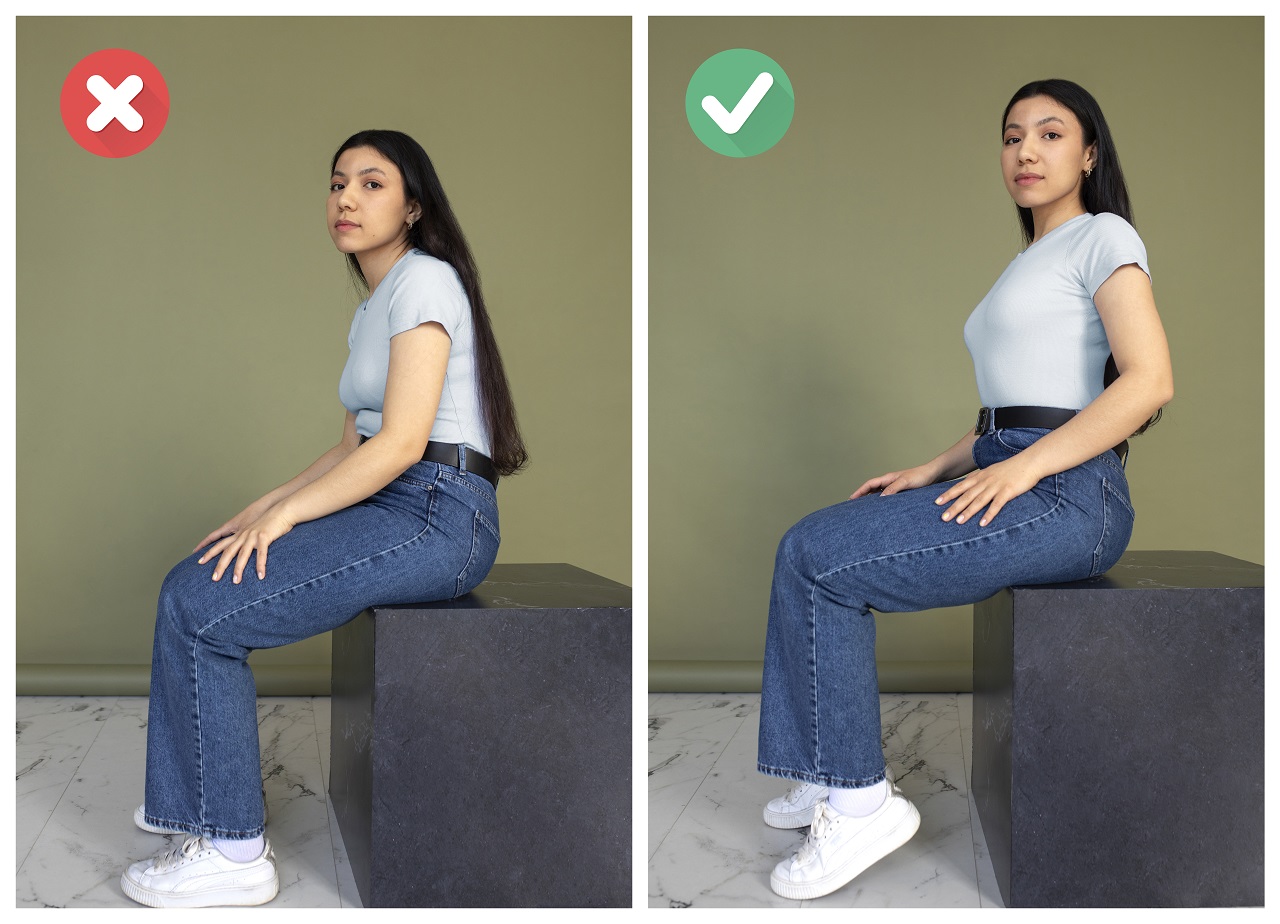
Correct Posture

Posture is an important factor for a new mom and maintaining it is extremely necessary. More often than not, new moms tend to stand, sit or even nurse their babies in an incorrect posture. The right posture is to maintain the arch of the back with the chest and bottom out. Even while nursing the baby, the mother must maintain the correct posture. Back should be supported properly and the baby must be held close to the breast so that the mother doesn’t have to slouch. The mother can keep a pillow under the baby to support her arms while feeding.

2. For Incontinence

Perform the Kegel’s Exercise. If you’re wondering how to do it, you need to first find your pelvic muscles.

How do you find the pelvic muscles?
These are the muscles that form the base of your pelvic floor. The most common way to find them is to try to stop the flow of your urine mid-steam. This tightening is the basic move of a Kegel. Let those muscles go and resume the flow of urine and you’ll have a better sense of where those Kegels are.

Now, let us start the Kegel’s exercise to strengthen your pelvic floor muscles.

You can do this exercise either sitting in a chair or lying on the floor. Make sure your buttock and tummy muscles are relaxed. If you are lying down, then you should be flat on your back with your arms on your sides and your knees up and together. Keep your head down, too, to avoid straining your neck.

 

pelvic

Squeeze your pelvic floor muscles for 5 seconds. You don’t want to strain those muscles too much by squeezing them for too long. If 5 seconds is too long for you, you can begin by squeezing those muscles for just 2-3 seconds. Repeat it 5 times. You can increase the number of repetitions as per your convenience.

Note: Bladder should be empty while doing the Kegel’s exercise

3. For Stress

Stress during and after pregnancy is inevitable. So, what do you do about it? How do you relieve stress? The best way to tackle stress is to be aware of what causes it. In most common cases, it is because of the sudden change in lifestyle and irregular sleep patterns.

Waking up every now and then to feed the baby can be very tiresome. You may also experience stress based on the changes you see in your appearance. There are many factors that may stress you out. Here are some easy ways to copy with it:

  • Deep Breathing Exercises: When stressed, we tend to do Shallow Over-breathing (taking shorter breaths), this prolongs anxiety and stress by raising the stress hormones in our system. Deep abdominal breathing helps reduce the level of stress hormones in your blood and thus, relaxes the body and mind. Breathe in through nose and let the abdomen rise, hold your breath for 3-4 seconds and slowly exhale through the mouth. Repeat it at least 5-10 times in a quiet environment for maximum relaxation.
  • Talk To Your Spouse: Speak to your partner about the challenges you are facing. Talking to your partner not only involves him in this transition phase you are going through but it also strengthens the relationship between you two by many folds.
  • Take a Nap: Do this every time your baby is asleep. Not only your baby but even you need ample of rest. Your little one is going to keep you awake the whole night. So might as well take a nap whenever possible to catch up on the sleep you have missed. Your body needs rest to repair all the cells and tissues that were worn and torn during the day.
  • Give Yourself Time & Attention: Do what you love the most. Listen to music, read a book, catch up with old friends or just about anything that keeps you happy because only a happy mind can nurture a healthy body and a healthy baby.

There it is! Follow these basic tips to stay healthy as a new mom. If you’re looking for more health tips as a new mom or want to manage the transitions you face during pregnancy, speak to one of our experts by subscribing for GOQii’s Personalised Health Coaching here. You can also read more about coping with Women’s Health Issues here.

If this article helped you, let us know in the comments below!

Happy Mother’s Day

#BeTheForce
May 11, 2023 By Hajra Mithani Leave a Comment

5 Eating Habits To Avoid Before You Sleep

eating habits

Did the lockdown, work from home and everything in between during the pandemic, affect our sleep schedule? The GOQii IndiaFit Report found that there was a drop in the overall sleeping hours we experienced. From an average of 7.6 hours of sleep in 2019, we dropped to 6.8 hours in 2022. This change has led to lots of disturbed sleep or even worse – insomnia.

Lack of quality sleep can contribute to issues such as indigestion, acidity and even mental health issues such as anxiety and depression. Apart from practices like meditation, mindfulness, exercise and deep breathing techniques, even what you eat can impact your sleep. So if you’re aiming for a good night’s rest but are unable to achieve it, here are some eating habits you should avoid for a good night’s rest! 

Avoid These 5 Eating Habits Before You Sleep 

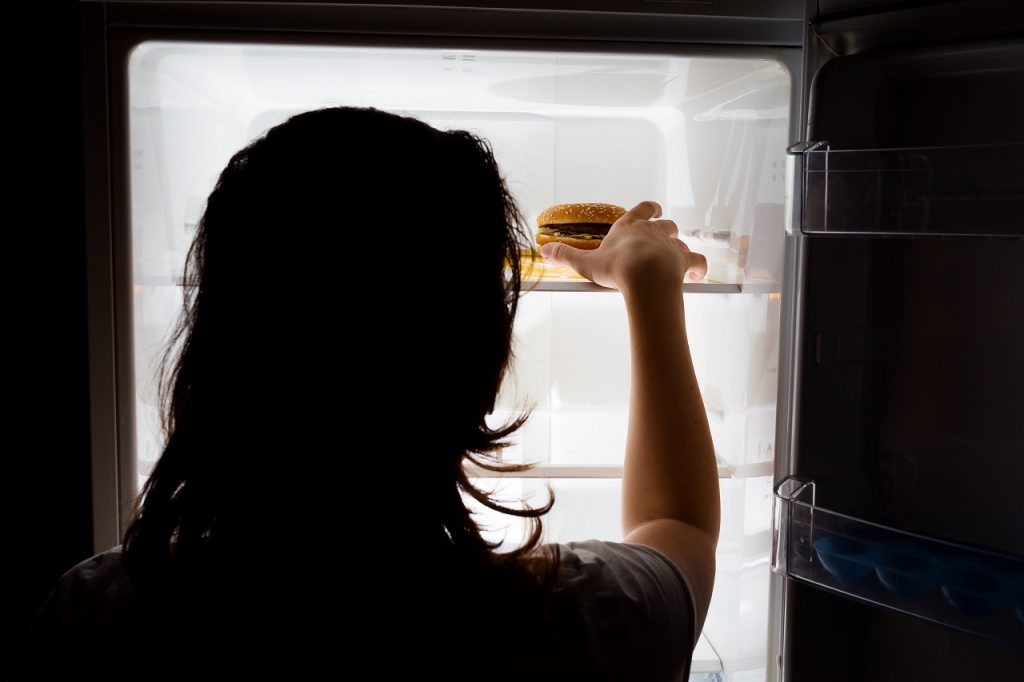
  1. Junk Food: Pizza, burgers and fries, etc. have refined flours and simple sugars which take longer to digest, disturbing your digestive system at night causing disrupted sleep. Because of their high sodium count, they can leave you feeling bloated, causing sleep-stealing discomfort. Also, you might feel thirstier after consuming junk food. Foods high in calories are digested slowly and may cause stomach upset, cramping, bloating or heartburn if eaten before bed.
  2. Sugars: Sugary food gives you an extra dose of unwanted energy, which is not needed at night. When you eat a lot of sugar before bed, your blood sugar climbs high and then falls rapidly as your body releases hormones to bring the levels under control. This swing in hormones and blood sugar levels impairs sleep. The other reason to avoid starchy or sugary food is it gives you immense energy in a very short period making the body highly active.
  3. Spicy food: Eating items like chillies before bedtime can cause indigestion which makes it difficult to sleep well. It is speculated that this may be due to capsaicin, an active ingredient in chili peppers, affecting sleep via changes in body temperature. Eating spicy food too close to bed causes acidity and worsen symptoms of gastroesophageal reflux disease (GERD). Some studies have claimed that spicy food can trigger brain waves that cause nightmares and you end up tossing and turning all night. So it might not be a good idea to gorge on to those peri-peri fries for dinner.
  4. Caffeine: It is a stimulant that increases your heart rate and alertness – the opposite effect you want when you’re trying to sleep. The role of caffeine (found in coffee, tea, chocolate, cocoa) is to make a drowsy soul active and attentive. Caffeine delays and shortens the sleeping duration of individuals. Dark chocolate has polyphenol, but it’s also a surprising source of caffeine. 20gm dark chocolate has about a quarter of the caffeine as a cup of coffee, and about half the caffeine as a cup of green or black tea. It takes 6-10 hours to eliminate caffeine, which means enjoy a dark chocolate treat at around 4 pm if you plan to sleep at 10 pm. 
  5. Alcohol: It suppresses melatonin – the hormone that regulates your internal clock and thus disrupts the circadian rhythm of the body negatively, the reason you wake up in the middle of your sleep. Alcohol also makes you dehydrated and often thirsty in the middle of the night with frequent washroom trips. It interferes with the body’s other sleep-wake regulator – its internal sleep drive. Alcohol increases levels of adenosine, a chemical that regulates sleep by rising naturally in the body. It’s adenosine-boosting effects make you sleep at times other than your natural timings, thus disturbing your natural sleep-wake cycle. 

If this article helped you catch up on your much needed hours of rest, let us know in the comments below! You can learn more about sleep here or you can discuss this topic further with a GOQii Coach by subscribing for Personalised Health Coaching here. 

#BeTheForce 

May 7, 2023 By Sanjana Shah 1 Comment

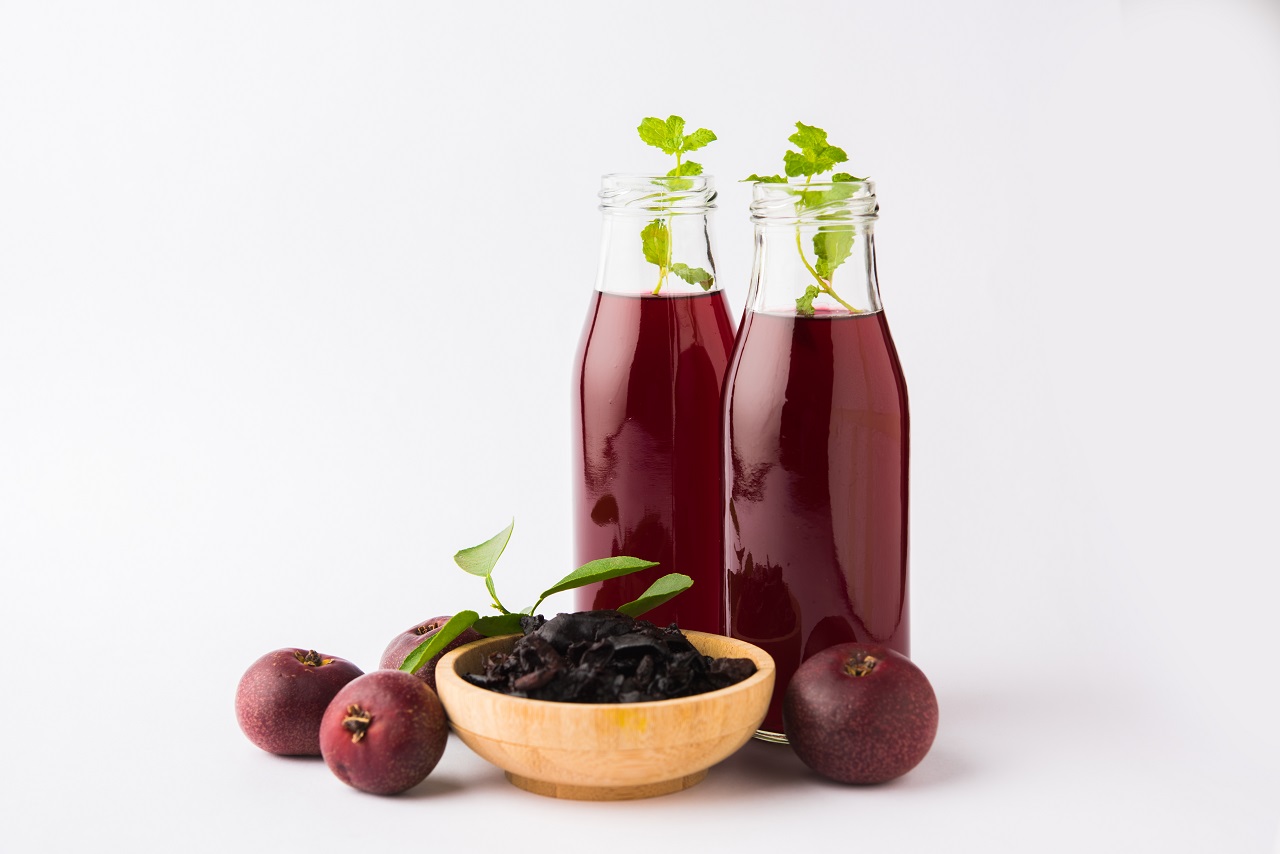
Kokum – The Wonder Fruit That Can Keep You Cool!

Kokum BenefitsWe have all been experiencing the brunt of the unbearable heat this month. With temperatures soaring high, even a walk under the sun can be a strenuous experience. What if we told you that there was a way to cool your body naturally? Would you try it? This fruit, grown only in the coastal regions of South India, has powerful cooling abilities. You are all familiar with it. We are in fact talking about Kokum!



It’s scientific name is Garcinia Indica, and is mostly used in Gujarat, Maharashtra and other Southern regions. The Indian Spice Board has classified it both as a spice as well as a fruit. As a fruit, it is usually broken into half and dried. Colour ranges from purple to dark black. The darker the colour, the better it is. Dried Kokum usually stays for a year if placed in an airtight container.

How Do You Use It?

  • Culinary purpose: It is known for its sour taste. It can be replaced for tamarind in dishes like Sambhar, coconut curries, fish curries, regular yellow Gujarati style dal. Two or three small dried kokums are enough to prepare a single dish.
  • As a coolant in summers: Kokum Sherbet and Solkadhi

1. Kokum Sherbet

A glass of Kokum Sherbet before you step out in the sun or once you come indoors will do wonders. Usually, you get ready-made pulp which needs to be diluted with water OR you can prepare this pulp at home. Here is the short method on how to prepare it at home:

  1. Soak a cup of Kokum in water for 3-4 hours
  2. Once soft, mash them and strain the liquid
  3. In a pan, take the leftover pulp, add sugar (same amount as kokum), 1tsp of cumin seeds powder and salt as per taste
  4. Stir and cook this mixture until sugar melts.
  5. Add the strained Kokum water and cook for 5 more minutes
  6. Let it cool and store the Kokum concentrate in a container

2. Solkadhi

This drink is made from coconut milk and Kokum. It is usually consumed with a rice preparation or it is drunk after meals. Here’s the method to prepare it at home:

  • Soak a cup of Kokum and keep it aside for 30 mins
  • Once soft, mash them and strain the liquid
  • Add half a glass of coconut milk to the liquid and stir well
  • Temper it with cumin seeds if you like

3. Kokum Butter

Used for cosmetic purposes only, Kokum Butter helps to unclog pores, kills bacteria, reduces acne and smoothens skin. It as a whole or its products like Kokum powder, oil, butter or Kokum rinds are all available.

Health Benefits 

  • Ayurvedic Uses: Eases the episodes of diarrhoea, dysentery and piles by fighting against bacteria like E. Coli. The cooling effect of Kokum helps in getting relief from burning sensations due to stomach ulcers. It fights against ulcer-causing bacteria Helicobacter Pylori.
  • Weight Management: Want to lose those extra kilos? Hydroxycitric Acid found in Kokum is an anti-obesity agent. It gives you a feeling of fullness and you end up eating less.
  • Anti-Cancer Effect: Garcinol, an antioxidant found in Kokum inhibits the growth of cancer cells.
  • Relieves Anxiety and Depression: Serotonin is a  hormone. Hydroxycitric Acid in it increases the level of this feel-good hormone, thereby reduces the anxiety.
  • Slows Down Skin Ageing: Kokum butter helps to smoothen the skin. It is found in various lip balms, creams and moisturizers. Ageing happens when an enzyme, Elastase breaks down the Elastin of skin (Elastin keeps your skin supple and intact). It inhibits the action of Elastase and thereby stops the breaking of the pigment Elastin.

What are you waiting for? Go out there and stock up on this wonder Spice! If you found this information helpful, let us know in the comments below!

You can find more articles on beating the summer heat here.  You can also get more great tips from experts by subscribing to GOQii’s Personalised Health Coaching here.

#BeTheForce

May 2, 2023 By Sonal Pradhan 3 Comments

All You Need to Know About Asthma

World Asthma Day

Asthma is a chronic disease that affects the airways that transport air to and from the lungs. Asthma is a condition in which your airways narrow and swells and produce extra mucus. This can make breathing difficult and trigger coughing, wheezing and shortness of breath. Asthma can’t be cured, but its symptoms can be controlled.

Types of Asthma

Many different aspects of a person’s environment and genetic makeup can contribute to the development of asthma.

  1. Extrinsic: This type is associated with and triggered by allergens. Sometimes known as allergic asthma, it is more common and typically develops in childhood. Your immune system reacts to what would normally be a harmless substance by increasing antibodies, increasing mucous and thereby, making airways narrow and inflamed. It can be associated with
    • Pollens
    • Dust mites
    • Pet dander
    • Certain foods like Nuts
  2. Intrinsic Asthma: This is a non-allergic, non-seasonal form. Usually, it first occurs during adulthood. Intrinsic asthma represents a small amount of all cases. It usually develops after the age of 30 and is not typically associated with allergies. Intrinsic asthma can be difficult to treat and symptoms are often chronic and year-round. Substances irritate the airways. It is associated with:
    • Chemicals such as cleaning products, aerosols, air fresheners
    • Exercise-induced
    • Environmental pollution or cigarette smoke
    • Extremes of cold or very hot weather
    • Emotional extremes – such as laughing, stress

What Causes Asthma? 

Many different aspects of a person’s environment and genetic makeup can contribute to the development of asthma.

  • Genetics: It is widely accepted that asthma is a disease that can be inherited. If there’s asthma, eczema, hay fever or other allergies in family, it makes asthma more likely.
  • Persons with allergies can develop asthma. A strong link exists between allergies and asthma.
  • Smoking increases the risk of developing asthma. It has a part to play in adult-onset asthma. Smoking during pregnancy or passive smoking may also increase the risk of developing asthma in children.
  • Exposure to triggers at work: Sometimes asthma triggers present at the workplace which is a reason for causing asthma.
  • Female hormones: Hormones can play a part in triggering late onset asthma and some women first develop asthma during or after the menopause.
  • Pollution plays a part in causing asthma. Environmental pollution, including traffic fumes and chemicals from power plants, can make asthma symptoms worse and may play a part in causing asthma.
  • Childhood Development: The early months and years of a child’s life are critical times during which a baby can develop or become susceptible to developing asthma. The abnormal development and growth of the lungs can increase a person’s risk for developing asthma.

Asthma Triggers

Exposure to various irritants and substances that trigger allergies (allergens), can trigger signs and symptoms of asthma:

  • Airborne substances, such as pollen, dust mites, mold spores, pet dander or particles of cockroach waste
  • Strong emotions and stress
  • Respiratory infections, such as the common cold
  • Physical activity (exercise-induced asthma)
  • Cold air
  • Certain medications, including beta blockers, aspirin, ibuprofen (Advil, Motrin IB, others) and naproxen (Aleve)
  • Sulfites and preservatives added to some types of foods and beverages, including shrimp, dried fruit, processed potatoes, beer and wine
  • Air pollutants and irritants, such as smoke

What Are The Risk Factors Involved?

  • Having a family history with asthma
  • Exposure to occupational triggers, such as chemicals used in farming, hairdressing and manufacturing
  • Having another allergic condition, such as atopic dermatitis or allergic rhinitis (hay fever)
  • Being overweight
  • Exposure to exhaust fumes or other types of pollution
  • Being a smoker
  • Exposure to secondhand smoke

Symptoms Of Asthma

The classic signs and symptoms of asthma are shortness of breath, cough (often worse at night), and wheezing (high-pitched whistling sound produced by turbulent airflow through narrow airways, typically with exhalation). Many patients also report chest tightness. It is important to note that these symptoms are episodic, and individuals with asthma can go long periods of time without any symptoms.

It’s not necessary that every person with asthma shows all of these symptoms. For instance, some people may have disturbed sleep at night due to excessive coughing, while others may experience breathlessness while exercising.

Can It Be Prevented? 

Avoidance of triggers is a key component of improving control and preventing attacks of Asthma. It’s vital to learn to identify your asthma triggers and take steps to avoid them. If you have allergies and asthma, it’s important to minimize your exposure to allergens (substances to which you are allergic). Minimize exposure to all sources of smoke, including tobacco, incense, candles, fires, and fireworks.

Avoid close contact with people who have a cold or the flu, because your asthma symptoms may worsen if you catch the infection from them. Early pet exposure may be useful. Coping with stress can help prevent and control your asthma. Meditation helps a person reduce stress.

Exercise is beneficial in people with stable asthma. Yoga could provide small improvements in quality of life and symptoms in people with asthma. With proper management and prevention of asthma you can minimize your symptoms and enjoy a better quality of life.

If this article helped you, let us know in the comments below! You can find more informative articles here or you can speak directly to a GOQii Coach by subscribing for Personalised Health Coaching here.

#BeTheForce

  • « Previous Page
  • 1
  • …
  • 45
  • 46
  • 47
  • 48
  • 49
  • …
  • 72
  • Next Page »

Search

Recent Posts

  • Foods to Manage Blood Sugar Naturally: A Complete Guide to Better Blood Sugar Control
  • The Lazy Person’s Guide to Staying Healthy: 5 Micro-Habits That Take Less Than 2 Minutes
  • Healthy Eating: Comforting Chilli Bean Soup Recipe for the Monsoon
  • The Truth About the ‘Beer Belly’: What Alcohol Really Does to Your Metabolism
  • Benefits of Meditation: How One Daily Habit Can Transform Your Mental Wellbeing

Stay Updated

Archives

  • August 2026 (7)
  • July 2026 (25)
  • June 2026 (22)
  • May 2026 (20)
  • April 2026 (24)
  • March 2026 (18)
  • February 2026 (14)
  • January 2026 (14)
  • December 2025 (19)
  • November 2025 (15)
  • October 2025 (20)
  • September 2025 (6)
  • August 2025 (6)
  • July 2025 (9)
  • June 2025 (18)
  • May 2025 (16)
  • April 2025 (22)
  • March 2025 (26)
  • February 2025 (21)
  • January 2025 (25)
  • December 2024 (22)
  • November 2024 (22)
  • October 2024 (20)
  • September 2024 (22)
  • August 2024 (28)
  • July 2024 (15)
  • June 2024 (23)
  • May 2024 (26)
  • April 2024 (27)
  • March 2024 (27)
  • February 2024 (23)
  • January 2024 (21)
  • December 2023 (14)
  • November 2023 (10)
  • October 2023 (19)
  • September 2023 (21)
  • August 2023 (16)
  • July 2023 (16)
  • June 2023 (21)
  • May 2023 (20)
  • April 2023 (19)
  • March 2023 (23)
  • February 2023 (19)
  • January 2023 (15)
  • December 2022 (11)
  • November 2022 (15)
  • October 2022 (15)
  • September 2022 (12)
  • August 2022 (9)
  • July 2022 (17)
  • June 2022 (11)
  • May 2022 (10)
  • April 2022 (6)
  • March 2022 (6)
  • February 2022 (13)
  • January 2022 (11)
  • December 2021 (7)
  • November 2021 (3)
  • October 2021 (6)
  • September 2021 (3)
  • August 2021 (8)
  • July 2021 (7)
  • June 2021 (15)
  • May 2021 (16)
  • April 2021 (10)
  • March 2021 (7)
  • February 2021 (4)
  • January 2021 (4)
  • December 2020 (3)
  • November 2020 (4)
  • October 2020 (10)
  • September 2020 (3)
  • August 2020 (3)
  • July 2020 (2)
  • June 2020 (4)
  • May 2020 (10)
  • April 2020 (12)
  • March 2020 (10)
  • February 2020 (4)
  • January 2020 (4)
  • December 2019 (3)
  • November 2019 (7)
  • October 2019 (5)
  • September 2019 (4)
  • August 2019 (9)
  • July 2019 (9)
  • June 2019 (11)
  • May 2019 (4)
  • April 2019 (8)
  • March 2019 (8)
  • February 2019 (9)
  • January 2019 (8)
  • December 2018 (9)
  • November 2018 (3)
  • October 2018 (3)
  • September 2018 (5)
  • August 2018 (10)
  • July 2018 (6)
  • June 2018 (13)
  • May 2018 (8)
  • April 2018 (18)
  • March 2018 (9)
  • February 2018 (8)
  • January 2018 (15)
  • December 2017 (12)
  • November 2017 (19)
  • October 2017 (13)
  • September 2017 (15)
  • August 2017 (4)
  • July 2017 (8)
  • June 2017 (7)
  • May 2017 (6)
  • April 2017 (8)
  • March 2017 (6)
  • February 2017 (7)
  • January 2017 (9)
  • December 2016 (10)
  • November 2016 (7)
  • October 2016 (7)
  • September 2016 (7)
  • August 2016 (11)
  • July 2016 (9)
  • June 2016 (9)
  • May 2016 (12)
  • April 2016 (17)
  • March 2016 (17)
  • February 2016 (8)
  • January 2016 (6)
  • December 2015 (2)
  • November 2015 (9)
  • October 2015 (7)
  • September 2015 (9)
  • August 2015 (11)
  • July 2015 (9)
  • June 2015 (11)
  • May 2015 (9)
  • April 2015 (13)
  • March 2015 (8)
  • February 2015 (5)
  • January 2015 (12)
  • December 2014 (14)
  • November 2014 (11)
  • October 2014 (6)
  • September 2014 (13)
  • August 2014 (12)
  • July 2014 (6)
  • June 2014 (2)
  • May 2014 (7)
  • April 2014 (4)

From Burnout to Balance: How Dr. Ranjit Reclaimed His Health

Dr Ranjit Bhatt has spent years tending to others. A practising doctor in Odisha, his days were packed with patients, surgeries, and emergencies. From the outside, it looked like a life lived in service. But on the inside, something wasn’t right. “I had no … [Read More...]

From Shimla’s Slopes to Chandigarh’s Sidewalks: Surinder Kaur Bhalla’s Journey from Chaos to Control

Some journeys start with a plan. Others begin with a stumble literally. Surinder Bhalla, a government professional, born and raised in the scenic hill town of Shimla, had always lived a life of movement. “In Shimla, you walked everywhere,” she reflects. “Walking was never an exercise. It was just life.” But after shifting to Chandigarh, […]

“I’ve Challenged Myself to Live 100 Years” – The Story of Chandubhai Savani’s Second Chance at Life

At 67, most people start slowing down. Not Chandubhai Savani. A resident of Surat, Chandubhai, thought life was on track. “My life was going well till I had my bypass surgery,” he says. That surgery, back in 2021, was a wake-up call.  Medication was routine, but exercise wasn’t. His diet? What he calls ‘normal.’ “I […]

Ananda Mukherjee Health Story

From Terminal Illness To Complete Wellness! Ananda Mukherjee Health Story

As we observe World Cancer Day under the powerful theme ‘United by Unique’ (2025-2027)**, we are reminded that every individual’s journey with cancer is distinct, yet united by shared resilience, hope, and the collective fight against this disease. This theme places people at the centre of care and their stories at the heart of the […]

  • HOME
  • HEALTHY LIVING
  • FITNESS
  • HEALTHY RECIPES
  • USER STORIES
  • KARMA
  • BUY GOQii

Copyright ©2016 GOQii