
GOQii

Blog

  • HOME
  • HEALTHY LIVING
  • FITNESS
  • HEALTHY RECIPES
  • USER STORIES
  • KARMA
  • BUY GOQii

Search Results for: heart

June 8, 2026 By Divya Thampi 2 Comments

Embracing Tears: The Healing Power of Sadness

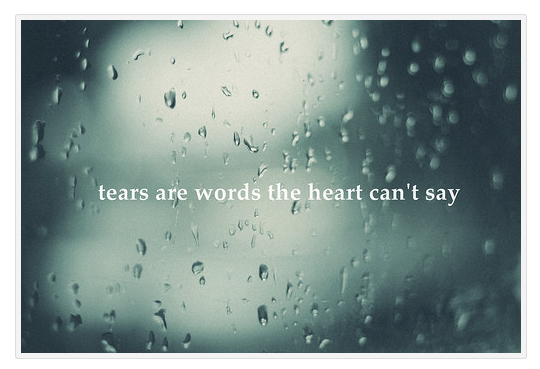
Tears need to be shed -Divya

Her voice quivered as she spoke over the phone and slowly but surely tears emerged. First gradually, then in quick succession, until they became a steady stream. By now she had disconnected the call but her body shook in uncontrollable sobs. I gently put my hand on her shoulder and checked if she was okay. She looked at me through her teary eyes, shaken out of her reverie and gave me an embarrassed nod indicating that she would manage without my help. I sat there next to her on the train, feeling pained, wondering why a stranger’s grief caused me so much suffering.

Sadness is one of the longer lasting emotions and we feel it when we have experienced loss. The loss could be anything – a breakup, death of a loved one, loss of financial security, loss of respect in the eyes of others, feeling rejected, loss of a job, regret about opportunities lost, loss of a body part or loss of health, to mention a few. We not only feel saddened but also feel the need to reach out and help, when we see someone in pain (like I did with the girl in the train), especially if it’s a loved one. According to Dr Paul Ekman, the reputed psychologist who studies emotions, this impulse is fundamental to the sense of community. This feeling is motivated by the suffering we experience when we see someone else’s suffering.
tears

However, expressing sadness and especially doing so through tears is not something that comes easily to a lot of us.

The main reasons why people may try to suppress sadness are:

       1. The fear that if we start crying or expressing sadness, we may get engulfed and may not be able to stop – This is a misconception. The reality is that strong emotions like sadness, when unaddressed, distort our thinking, prevent us from being reasonable and may drive us to make poor judgments. Hence, it is critical that we process these feelings through healthy expression. It is true that sometimes when we feel sad about a particular event, it may trigger off unexpressed pain from earlier times, making us revisit unresolved hurt. It is okay for that to happen. This may become a doorway to re-examine earlier unacknowledged losses of our lives. A good cry allows us to release the hurt and sadness through tears. It lets out the painful emotional energy and makes room for positive thoughts and feelings in our heart.

      2. Sadness can be a difficult and painful emotion to experience and one wants to avoid going through it – The best way to overcome any emotion is to acknowledge and process it, rather than trying to reject or bury it. Trying to reject sadness may lead to additional feelings of anger, shame and helplessness. Every emotion has a role to play in human life. It would help us to remember that experiencing emotions, even the painful ones, is a sign of the compassionate human heart that beats in our chest and that experiencing a healthy dose of any difficult emotion is the pathway to growth.

      3. The Social stigma attached to shedding tears – There is this idea that feeling hurt and crying is a sign of weakness. Crying is often accompanied by feelings of shame and embarrassment because many of us worry about appearing helpless, dependent and powerless. The cultural stigma around men shedding tears explains (to a certain extent) the frequency with which men turn to, substance abuse, angry outbursts, violence, bullying, isolation or emotional numbness. This is not to say that all women are comfortable with expressing sadness. Often women who cry openly are ridiculed or may be treated with indifference, making one feel weak and inferior. This makes women wary of crying as well.

While the first two reasons are something for each of us to work through individually or with a therapist, however, the third one is far more complex than it appears on the surface. Most times when we think of social stigma, we do not think of ourselves as contributors to it, but unfortunately, almost all of us may be contributing to this stigma not just in the way we treat others but more importantly in the way we treat ourselves. When children grow up watching adults shaming each other for crying or adults shying away from shedding tears and/or when they are repeatedly told that strong people don’t cry, the message becomes deeply ingrained, making its way into their words and actions as they grow into adults.

People who try to bury their feelings of sadness are not the only ones who pay the price for doing so. Deep sadness that goes unexpressed could result in long-lasting suffering. It could result in unhealthy behaviours like substance abuse, misplaced anger and may also pave the way for depression, anxiety disorders, obsessive-compulsive disorders (OCD) or mood swings, to name a few. We may withdraw, make ourselves emotionally unavailable, thus reducing our capability to form authentic meaningful relationships and shrinking our ability to experience positive emotions like joy and passion. Our loved ones would invariably feel the distance this creates. We may at times end up behaving inappropriately because these unresolved feelings may be pulling us in different directions, thus leading us away from our goals. Buried feelings lead to health issues that include high blood pressure, increased incidents of diabetes, heart diseases, stiff joints and frequent infections due to lowered immunity.

Though undoing this social stigma can take time, each one of us has the power and choice to start this process of change. Here are a few things we can do towards bringing this much-needed change:

  • Allow yourself to have a good cry when you feel sad and pained, and instead of criticizing, talk compassionately to yourself when you feel sad.
  • When your loved ones shed tears, let them know through a hug, gentle touch or just your quiet presence, that you feel their pain and that you honour their feelings.
  • Become aware of any comments you may be making or any gestures you may be displayed, which implies that crying is a sign of weakness and consciously make an effort to change them.
  • Be an ambassador of healthy expression of emotions by starting off conversations about the social stigma of shedding tears, within your family, workplaces and social circles.

In conclusion, the main function of involuntary expression of sadness through tears is to signal the need for help, so others are moved to help. But that’s not the only purpose. Acknowledging and experiencing our sadness fully, allows us to honour the thing we have lost and acknowledged the importance of what the loss signified. It helps us to process the grief in a healthy way, such that the body can rebalance and heal itself. It is an opportunity for us to connect with ourselves, to hold our experiences sacred and honour our valuable existence as individuals and as part of a community.

#BeTheForce

Disclaimer: This article is intended for educational and informational purposes only. If you are experiencing prolonged sadness, persistent emotional numbness, or symptoms of clinical depression that interfere with your daily life, please reach out to a certified mental health professional or therapist.
June 3, 2026 By GOQii Leave a Comment

Cycling for a Greener Future: One Habit That Benefits Both You and the Planet

The Big Question: How does cycling benefit both the environment and human longevity?
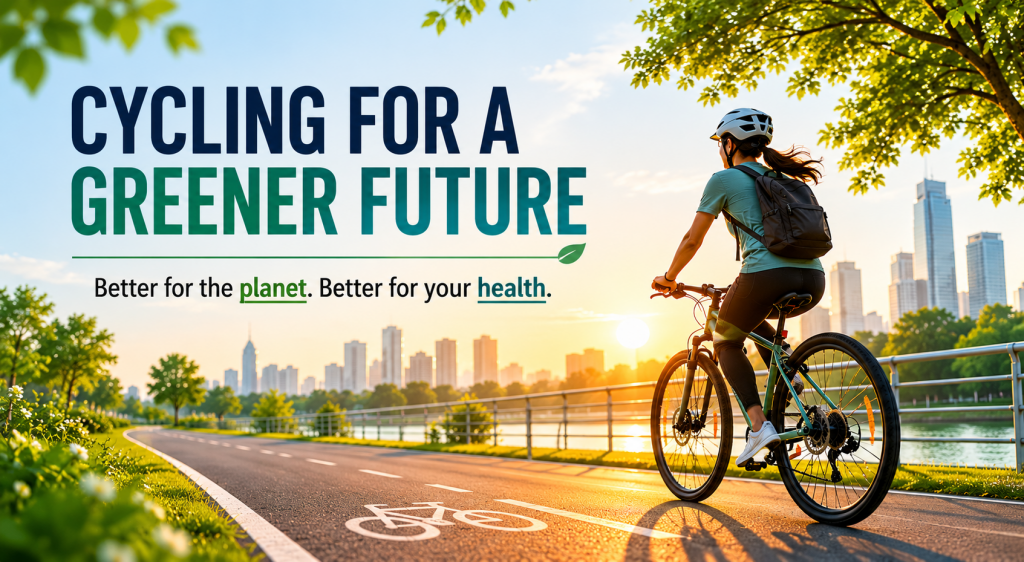
The World Bicycle Day 2026 theme, “Cycling for a Greener Future,” highlights one of the simplest ways to improve both environmental and personal health. Every time you choose a bicycle over a fuel-powered vehicle, you reduce carbon emissions, support cleaner air, and add more movement to your day. Beyond its environmental benefits, cycling is also one of the most joint-friendly forms of exercise, helping improve cardiovascular fitness, metabolic health, endurance, and healthy ageing.

When most people think about cycling, they think about childhood memories, weekend rides, or professional athletes racing through mountain roads. But the bicycle may be one of the few inventions that improves both human health and environmental health at the exact same time.

Observed globally tomorrow, June 3rd, World Bicycle Day celebrates the bicycle as a simple, affordable, sustainable, and reliable means of transportation. The 2026 theme, “Cycling for a Greener Future,” reminds us that small choices made every day can collectively create a healthier planet.

What’s often overlooked, however, is that the same habit helping reduce pollution and traffic congestion may also be one of the most powerful tools for improving long-term health and longevity.

Why Cycling Matters Beyond Fitness

Unlike many forms of exercise, cycling serves two purposes simultaneously: it acts as transportation, recreation, exercise, and a sustainable lifestyle choice all at once.

A bicycle doesn’t require fuel, produces no emissions, creates minimal noise pollution, and takes up far less urban space than motor vehicles. Replacing even a few short weekly car trips with cycling can contribute to cleaner neighbourhoods, improved air quality, and more active communities. And while you’re helping the environment, you’re also helping your cellular biology.

The Health Benefits Begin With Everyday Movement

One of the biggest barriers to exercise is finding extra time for it. Cycling solves that problem. A ride to work, the grocery store, or a nearby café can become meaningful physical activity without requiring a dedicated, scheduled workout session.

This integration of movement into daily life is one reason cycling is heavily associated with better cardiovascular health, improved fitness levels, and healthy ageing. Unlike intense exercise programmes that are difficult to maintain, cycling is often easier to sustain because it naturally fits into your everyday routines.

The Longevity Secret: Zone 2 Training

In recent years, longevity researchers have increasingly focused on the benefits of Zone 2 cardio. Zone 2 refers to moderate-intensity exercise where your breathing becomes slightly heavier and your heart rate rises steadily, but you can still comfortably hold a conversation.

This specific level of effort helps improve aerobic fitness, endurance, fat metabolism, and mitochondrial efficiency. Mitochondria are the energy-producing structures inside your cells, and maintaining their function is closely linked to healthy ageing.

What makes cycling unique is how easy it is to stay within this ideal training zone. By adjusting your speed, gears, or resistance, you can maintain a steady effort level for extended periods without the stop-start intensity common in many other activities. Supporting your mitochondrial health is one of the absolute key pillars of long-term vitality and resilience.

Cycling vs Running: The Joint-Friendly Advantage

Running is an excellent form of exercise, but it also places significant impact forces on the knees, hips, and ankles. Cycling offers a completely different approach. Because it is a low-impact, non-weight-bearing activity, it allows people to improve cardiovascular fitness while placing far less stress on their cartilage.

Feature Cycling Running
Joint Impact Low Moderate to High
Cardiovascular Benefits Excellent Excellent
Zone 2 Control Easy Moderate
Accessibility High High
Long-Term Joint Comfort     Often Better Tolerated Depends on Individual

This makes cycling particularly appealing for older adults, individuals returning to exercise, people carrying excess weight, or anyone actively managing joint discomfort.

3 Hidden Benefits of Cycling

  1. Improved Metabolic Health

Regular cycling helps improve the body’s ability to use both carbohydrates and fats efficiently for energy. This adaptability, often referred to as metabolic flexibility, supports better energy regulation and insulin sensitivity throughout the day.

  1. Better Stress Management

The rhythmic motion of cycling, particularly outdoors, can help reduce stress and improve mental wellbeing. Spending time in natural environments while moving supports emotional resilience, nervous system recovery, and acts as excellent stress management from daily pressures.

  1. Stronger Legs and Better Balance

Age-related muscle loss (sarcopenia) often affects the lower body first. Pushing against the resistance of the pedals strengthens the quadriceps, glutes, calves, and hamstrings, helping maintain mobility, stability, and physical independence as we age.

Small Rides Can Create Big Change

Many people assume they need expensive equipment or long-distance rides to benefit from cycling. In reality, consistency matters far more than distance. Even short rides can contribute to better cardiovascular fitness, improved energy levels, lower environmental impact, and healthier daily habits.

The bicycle is far more than a recreational tool. It is a practical solution to some of the biggest challenges facing modern society: physical inactivity, urban congestion, environmental pollution, and declining metabolic health. This World Bicycle Day, consider viewing cycling not just as exercise, but as an investment in both your personal wellbeing and a more sustainable future.

Pro Tip: Use your GOQii Smart Vital Tracker and GOQii App to monitor your heart rate during cycling sessions. Tracking your effort levels can help you identify your ideal Zone 2 range and build a sustainable fitness routine that supports cardiovascular health, endurance, and longevity!

Frequently Asked Questions (FAQs)

  1. How does cycling contribute to a greener future?
    Cycling is a zero-emission mode of transport that helps reduce traffic congestion, fuel consumption, and air pollution, directly combating climate change.
  2. How much cycling is needed for health benefits?
    Aim for at least 150 minutes of moderate-intensity cycling per week, spread across multiple days.
  3. Is cycling suitable for older adults?
    Yes. Because cycling is low-impact and non-weight-bearing, it is often perfectly suited for older adults looking to improve cardiovascular fitness while minimising joint stress.
  4. Is cycling better than walking?
    Both are excellent forms of exercise. However, cycling generally allows individuals to sustain a higher cardiovascular intensity (burning more visceral fat) while remaining gentle on the joints.

#BeTheForce

Disclaimer: This article is intended for educational purposes only. If you have a history of severe cardiovascular disease, chronic back pain, or recent joint replacements, please consult your physician or physical therapist before beginning a new exercise regimen.

May 31, 2026 By GOQii Leave a Comment

The Hidden Biological Cost of Vaping

The Big Question: If e-cigarettes don’t have tobacco, how do they accelerate biological ageing?
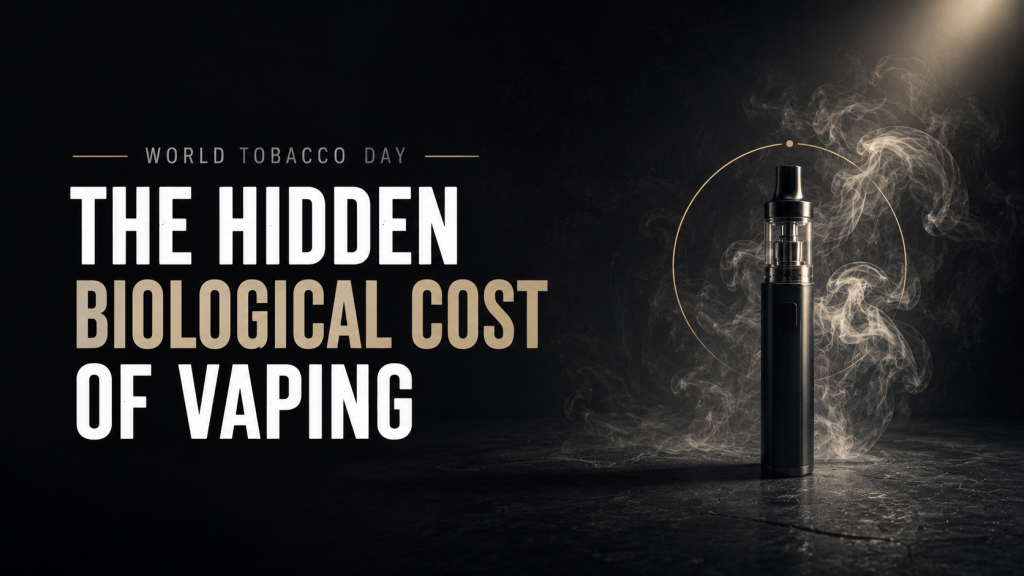
The World No Tobacco Day 2026 theme, “Unmasking the Appeal,” highlights how vaping and modern nicotine products are marketed to younger audiences through sleek branding and social media. While many believe e-cigarettes are safer than smoking, research shows that vaping exposes the body to severe oxidative stress, heavy metals, and ultrafine chemical particles. This combination damages blood vessels, impairs lung function, and accelerates cellular biological ageing, actively reducing your long-term healthspan.

Observed every year on May 31st, World No Tobacco Day is a global initiative led by the World Health Organization (WHO) to raise awareness about the dangers of tobacco and nicotine addiction.

But nicotine culture today no longer looks the way it once did.

The 2026 campaign theme “Unmasking the Appeal” directly challenges how vaping is being normalised among younger generations. Lured by candy flavours, sleek designs, and influencer-driven marketing, many young adults have bought into the biggest myth surrounding vaping: that it is “just harmless water vapour.”

It is not. Here is the hidden biological cost of the modern vaping epidemic.

Vaping Is Banned in India – But the Problem Remains

India took a massive step for public health by banning e-cigarettes in 2019 under the Prohibition of Electronic Cigarettes Act, which prohibits the manufacture, import, sale, distribution, storage, and advertisement of vape products.

However, despite the strict ban, vaping devices remain accessible through illegal online channels and informal retail networks. The danger here is not just nicotine addiction; it is the growing normalisation of vaping among younger populations who are entirely unaware of the oxidative stress, cardiovascular strain, and long-term cellular damage these devices cause.

Why Vaping Is Not Harmless

Unlike traditional combustible cigarettes, vape devices heat chemical liquids into an aerosol that is inhaled deep into the lungs. This aerosol contains a toxic payload of nicotine salts, ultrafine particles, artificial flavouring chemicals, heavy metals, and inflammatory compounds.

While vaping may expose users to fewer combustion-related toxins (like tar) than traditional cigarettes, it still places massive, unnatural stress on the human body.

3 Ways Vaping Accelerates Biological Ageing

Biological age reflects how efficiently your cells and organs function not simply how many birthdays you have had chronologically. Vaping actively accelerates that cellular ageing process in three distinct ways:

  1. Oxidative Stress and Cellular Damage

The heated chemicals inhaled during vaping increase oxidative stress throughout the body. Oxidative stress introduces free radicals that directly damage your DNA, blood vessels, cell membranes, and mitochondrial function. Over time, this accelerates cellular ageing and increases the risk of cardiovascular disease and metabolic dysfunction. Vaping-related oxidative stress also impairs cellular energy production, affecting how efficiently your body recovers and performs.

  1. Blood Vessel and Lung Damage

Nicotine is a potent vasoconstrictor it causes blood vessels to physically shrink and tighten, reducing healthy circulation and increasing strain on the heart. Simultaneously, repeated exposure to heated aerosol particles inflames the lung tissue and reduces oxygen exchange. Over time, this contributes to:

  • Breathlessness and reduced endurance
  • Elevated resting blood pressure
  • Delayed workout recovery
  • Premature skin ageing (due to reduced oxygen flow to the epidermis)
  1. Dopamine Addiction and Constant Nicotine Exposure

Vaping often becomes highly addictive because of how easily and frequently it can be used. Vapes utilize “nicotine salts,” which absorb rapidly into the bloodstream, creating intense, repeated dopamine spikes that reinforce dependency patterns.

Unlike traditional cigarettes, vape devices allow for continuous micro-dosing, discreet indoor usage, and frequent consumption throughout the day. This strengthens behavioural addiction loops linked to stress, boredom, and anxiety. Supporting stress regulation becomes an essential part of long-term nicotine recovery.

What Happens When You Quit?

The most encouraging news is that the human body is remarkably resilient. It begins repairing itself surprisingly quickly after nicotine exposure stops:

  • Within 20 Minutes: Your elevated heart rate and blood pressure begin returning toward normal levels.
  • Within 24 Hours: Nicotine levels in the bloodstream drop significantly, flushing out the toxin.
  • Within 2–12 Weeks: General circulation and lung function begin to measurably improve, making physical movement easier.
  • Within 1–9 Months: Breathing, cardiovascular endurance, and respiratory recovery continue improving as the cilia in your lungs stabilize and clear out mucus.

The Bigger Picture

Modern vaping culture is relentlessly marketed as cleaner, safer, more advanced, and socially acceptable. But beneath the slick branding, vaping exposes the body to severe addiction, systemic inflammation, oxidative stress, and accelerated biological wear.

Protecting your long-term health is not just about avoiding disease decades later. It is about protecting your daily energy, your cardiovascular endurance, and your healthy ageing right now.

Pro Tip: Breaking the cycle of nicotine addiction requires more than just willpower. Use the GOQii App to track your recovery, movement, sleep quality, and heart rate variability (HRV) trends while reducing nicotine use. Your GOQii Personalised Health Coach can help you build healthier routines to manage cravings and support long-term behavioural change naturally!

Frequently Asked Questions (FAQs)

  1. Is vaping safer than smoking?

While vaping may expose users to fewer combustion-related toxins (like tar and carbon monoxide) than traditional cigarettes, it is not harmless. It still carries significant health risks, including severe oxidative stress, lung inflammation, and cardiovascular strain.

  1. Why are vapes so addictive?

Vapes often contain “nicotine salts” that absorb rapidly into the bloodstream without the harsh throat burn of traditional tobacco. This creates faster dopamine reinforcement and stronger, more frequent dependency patterns.

  1. Does vaping affect fitness and workouts?

Yes. Vaping directly reduces lung efficiency, constricts blood vessels, and limits oxygen delivery to the muscles. This severely impairs cardiovascular endurance and delays post-workout recovery.

  1. Can the body recover after quitting vaping?

Yes. Circulation, lung function, and recovery capacity begin improving within just weeks after quitting nicotine exposure, drastically reducing your long-term disease risk.

#BeTheForce

Disclaimer: This article is intended for educational purposes only. Nicotine addiction is a medical condition. If you are struggling with smoking or vaping cessation, consult a healthcare professional for evidence-based support.

May 29, 2026 By Tabassum Parveen Leave a Comment

Healthy & Refreshing Summer Coolers!

summer coolersGetting out of the house has been a task because of the heat. Venturing out means sweating profusely or being dehydrated due to lack of drinking water at continuous intervals. Want to take some extra precautions to keep your body cool and healthy? Try these healthy and refreshing summer coolers to keep you cool and ward off the heat!



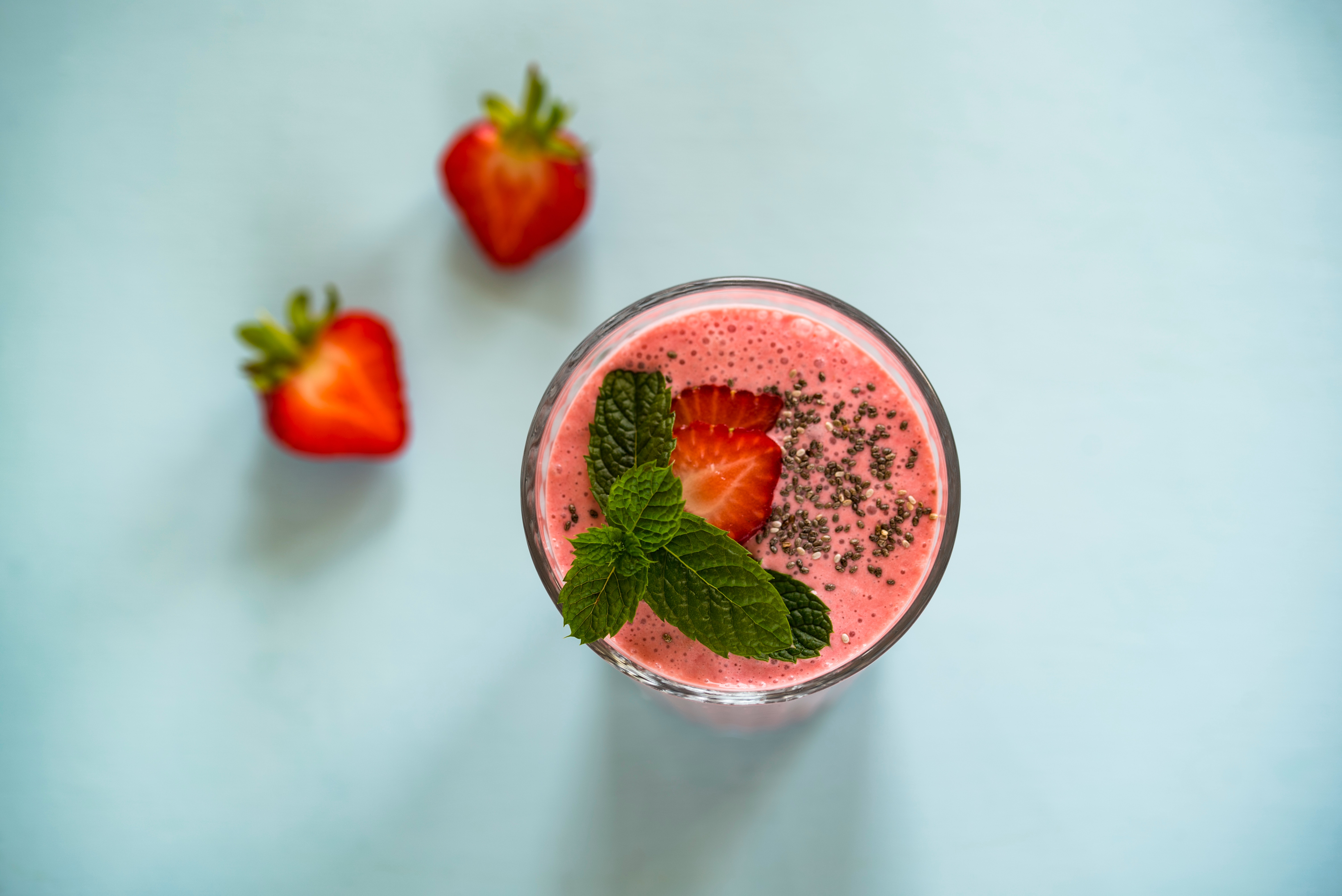
1. Strawberry Pineapple Lemonade

Ingredients:

  • Strawberry – 2 cup fresh small size
  • Pineapple – 3 cup slices
  • Lemon – 1 or ½ cup
  • Ice – Optional
  • Honey – ½ cup
  • Water – 3 ½ cup

Method:

  • Place the strawberries, pineapple and water in a blender and prepare a puree
  • Strain the puree to remove seeds
  • Add lemon juice and honey
  • Add ice cubes and enjoy the drink

Benefits: This healthy, refreshing summer cooler is loaded with antioxidant properties. It supports the immune system, fights diseases and enhances your skin complexion. Its anti-inflammatory properties will help you deal with arthritis, gout, reduced blood pressure and stroke. Adding lemon will enhance its nutritive value by giving a dose of important vitamins to run body functions normally.

2. Mango, Raspberry & Basil Seed Popsicle

Ingredients:

  • Mango    – 3 cup
  • Chia Seed – 2 cup
  • Raspberry – 2 cup
  • Cinnamon Powder – 1 teaspoon
  • Brown Sugar – 1 tablespoon

Method:

  • In a blender, mix the mangoes until it is smooth
  • Pour it in a bowl and add Chia seeds
  • Mix well and let it rest in a refrigerator for 30 minutes
  • In a blender mix raspberries, brown sugar and cinnamon powder until smooth
  • Let it rest for 5 minutes
  • In a popsicle mold, pour 1 tablespoon of mango and chia seed mix. Then 1 tablespoon of raspberry mix.
  • Place in the freezer for at least 2 hrs

Benefits: This Popsicle is one of the best nutrient-rich summer coolers! Mango and Raspberry are packed with nutrients that support the heart, digestion, eye, hair and skin health. Adding Basil Seeds will reduce body heat and boost metabolism. It can relieve constipation and improve the respiratory system.

3. Ginger Cucumber Summer Cooler

Ingredients:

  • Ginger    – ½ Ginger
  • Cucumber – ½ Cucumber
  • Lemon – Few drops
  • Honey – 1 tsp
  • Water – 1 cup

Method:

  • Peel and grate the cucumber and Ginger
  • Blend it well by adding water
  • Strain it and add Honey and lemon
  • Decorate the glass with a slice of Cucumber and enjoy the drink

Benefits: Ginger improves digestive health and blood circulation. Along with Lemon, Ginger acts as an antibiotic. The combination of Cucumber, Ginger and Lemon act as a summer thirst quencher and also helps you lose weight by reducing water retention. It also boosts metabolism and keeps you hydrated!

4. Lemon Barley Water

Ingredients:

  • Barley – 3 cup
  • Lemon    Zest – 2 Lemons
  • Honey – ½ cup
  • Water – 3 cup

Method:

  • Place the barley in a bowl and wash it properly
  • Place it in a pan and add lemon zest and water
  • Bring the mixture to boil and let it simmer for 5-10 minutes
  • Strain the mixture then add honey and stir it well
  • Let the water cool down, transfer it into bottles and refrigerate until it is chilled
  • Serve it and enjoy the drink.

Benefits: It is one of the oldest drinks used by ancient Egyptians to cool their bodies during summer. This summer cooler helps maintain body temperature. It also acts as a natural remedy to reduce kidney stones and clear off Urinary Tract Infection. Due to its fiber content, it aids weight loss, improves metabolism and keeps the digestive system healthy.

5. Gur Sherbet (Jaggery and Chia Seed Drink)

Ingredients:

  • Gur (Jaggery ) – Few pieces
  • Water – 1 liter or 1 cup
  • Lemon – 1 or 2 slices
  • Salt – Optional ( ½ Tea spoon )
  • Ice – Optional
  • Chia seeds – 1 or 2 tsp

Method:

  • Soak chia seeds and jaggery in water for about half an hour or overnight
  • Add few lemon pieces  and serve chilled
  • Carry this drink to the office or if you are going out to stay hydrated

Benefits: One of the traditional summer coolers to replenish oneself. Jaggery is well known for its iron content. It also boosts immunity and reduces constipation. Adding chia seeds to it enhances this drink’s nutritive content by becoming a good source of fats that protect the heart and improve brain functioning.

Do try these healthy and refreshing summer coolers and let us know about your experience. Do you have recipes of your own? Share them with us in the comments below!

If you enjoyed these recipes, you can find more here. You can also get them directly from a GOQii Coach by subscribing for Personalised Health Coaching here.

#BeTheForce

  • « Previous Page
  • 1
  • …
  • 8
  • 9
  • 10
  • 11
  • 12
  • …
  • 150
  • Next Page »

Search

Recent Posts

  • 6 Health Benefits of Playing Sports
  • Foods to Manage Blood Sugar Naturally: A Complete Guide to Better Blood Sugar Control
  • The Lazy Person’s Guide to Staying Healthy: 5 Micro-Habits That Take Less Than 2 Minutes
  • Healthy Eating: Comforting Chilli Bean Soup Recipe for the Monsoon
  • The Truth About the ‘Beer Belly’: What Alcohol Really Does to Your Metabolism

Stay Updated

Archives

  • August 2026 (8)
  • July 2026 (25)
  • June 2026 (22)
  • May 2026 (20)
  • April 2026 (24)
  • March 2026 (18)
  • February 2026 (14)
  • January 2026 (14)
  • December 2025 (19)
  • November 2025 (15)
  • October 2025 (20)
  • September 2025 (6)
  • August 2025 (6)
  • July 2025 (9)
  • June 2025 (18)
  • May 2025 (16)
  • April 2025 (22)
  • March 2025 (26)
  • February 2025 (21)
  • January 2025 (25)
  • December 2024 (22)
  • November 2024 (22)
  • October 2024 (20)
  • September 2024 (22)
  • August 2024 (27)
  • July 2024 (15)
  • June 2024 (23)
  • May 2024 (26)
  • April 2024 (27)
  • March 2024 (27)
  • February 2024 (23)
  • January 2024 (21)
  • December 2023 (14)
  • November 2023 (10)
  • October 2023 (19)
  • September 2023 (21)
  • August 2023 (16)
  • July 2023 (16)
  • June 2023 (21)
  • May 2023 (20)
  • April 2023 (19)
  • March 2023 (23)
  • February 2023 (19)
  • January 2023 (15)
  • December 2022 (11)
  • November 2022 (15)
  • October 2022 (15)
  • September 2022 (12)
  • August 2022 (9)
  • July 2022 (17)
  • June 2022 (11)
  • May 2022 (10)
  • April 2022 (6)
  • March 2022 (6)
  • February 2022 (13)
  • January 2022 (11)
  • December 2021 (7)
  • November 2021 (3)
  • October 2021 (6)
  • September 2021 (3)
  • August 2021 (8)
  • July 2021 (7)
  • June 2021 (15)
  • May 2021 (16)
  • April 2021 (10)
  • March 2021 (7)
  • February 2021 (4)
  • January 2021 (4)
  • December 2020 (3)
  • November 2020 (4)
  • October 2020 (10)
  • September 2020 (3)
  • August 2020 (3)
  • July 2020 (2)
  • June 2020 (4)
  • May 2020 (10)
  • April 2020 (12)
  • March 2020 (10)
  • February 2020 (4)
  • January 2020 (4)
  • December 2019 (3)
  • November 2019 (7)
  • October 2019 (5)
  • September 2019 (4)
  • August 2019 (9)
  • July 2019 (9)
  • June 2019 (11)
  • May 2019 (4)
  • April 2019 (8)
  • March 2019 (8)
  • February 2019 (9)
  • January 2019 (8)
  • December 2018 (9)
  • November 2018 (3)
  • October 2018 (3)
  • September 2018 (5)
  • August 2018 (10)
  • July 2018 (6)
  • June 2018 (13)
  • May 2018 (8)
  • April 2018 (17)
  • March 2018 (9)
  • February 2018 (8)
  • January 2018 (15)
  • December 2017 (12)
  • November 2017 (19)
  • October 2017 (13)
  • September 2017 (15)
  • August 2017 (4)
  • July 2017 (8)
  • June 2017 (7)
  • May 2017 (6)
  • April 2017 (8)
  • March 2017 (6)
  • February 2017 (7)
  • January 2017 (9)
  • December 2016 (10)
  • November 2016 (7)
  • October 2016 (7)
  • September 2016 (7)
  • August 2016 (11)
  • July 2016 (9)
  • June 2016 (9)
  • May 2016 (12)
  • April 2016 (17)
  • March 2016 (17)
  • February 2016 (8)
  • January 2016 (6)
  • December 2015 (2)
  • November 2015 (9)
  • October 2015 (7)
  • September 2015 (9)
  • August 2015 (11)
  • July 2015 (9)
  • June 2015 (11)
  • May 2015 (9)
  • April 2015 (13)
  • March 2015 (8)
  • February 2015 (5)
  • January 2015 (12)
  • December 2014 (14)
  • November 2014 (11)
  • October 2014 (6)
  • September 2014 (13)
  • August 2014 (12)
  • July 2014 (6)
  • June 2014 (2)
  • May 2014 (7)
  • April 2014 (4)

From Burnout to Balance: How Dr. Ranjit Reclaimed His Health

Dr Ranjit Bhatt has spent years tending to others. A practising doctor in Odisha, his days were packed with patients, surgeries, and emergencies. From the outside, it looked like a life lived in service. But on the inside, something wasn’t right. “I had no … [Read More...]

From Shimla’s Slopes to Chandigarh’s Sidewalks: Surinder Kaur Bhalla’s Journey from Chaos to Control

Some journeys start with a plan. Others begin with a stumble literally. Surinder Bhalla, a government professional, born and raised in the scenic hill town of Shimla, had always lived a life of movement. “In Shimla, you walked everywhere,” she reflects. “Walking was never an exercise. It was just life.” But after shifting to Chandigarh, […]

“I’ve Challenged Myself to Live 100 Years” – The Story of Chandubhai Savani’s Second Chance at Life

At 67, most people start slowing down. Not Chandubhai Savani. A resident of Surat, Chandubhai, thought life was on track. “My life was going well till I had my bypass surgery,” he says. That surgery, back in 2021, was a wake-up call.  Medication was routine, but exercise wasn’t. His diet? What he calls ‘normal.’ “I […]

Ananda Mukherjee Health Story

From Terminal Illness To Complete Wellness! Ananda Mukherjee Health Story

As we observe World Cancer Day under the powerful theme ‘United by Unique’ (2025-2027)**, we are reminded that every individual’s journey with cancer is distinct, yet united by shared resilience, hope, and the collective fight against this disease. This theme places people at the centre of care and their stories at the heart of the […]

  • HOME
  • HEALTHY LIVING
  • FITNESS
  • HEALTHY RECIPES
  • USER STORIES
  • KARMA
  • BUY GOQii

Copyright ©2016 GOQii
