GOQii

Blog

  • HOME
  • HEALTHY LIVING
  • FITNESS
  • HEALTHY RECIPES
  • USER STORIES
  • KARMA
  • BUY GOQii

Search Results for: heart health

May 17, 2026 By GOQii Leave a Comment

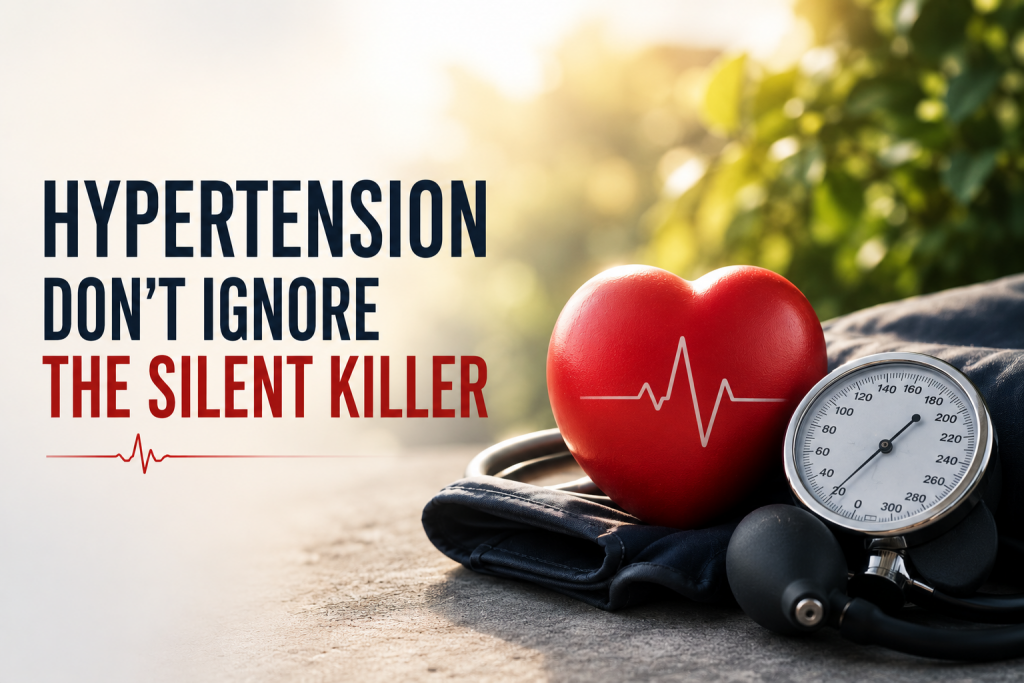
World Hypertension Day 2026: The Silent Killer & 5 Natural Ways to Lower Your Blood Pressure

You wake up feeling fine. You go to work, exercise, and eat relatively well. But beneath the surface, your blood vessels could be under immense, constant pressure without you ever knowing it.

This is why hypertension (high blood pressure) is globally known as the “Silent Killer.” Observed every year on May 17th, World Hypertension Day serves as a critical reminder that you cannot rely on symptoms to tell you if your heart is at risk. Millions of people live with high blood pressure for years without a single warning sign, silently damaging their arteries, heart, and kidneys until a major health event occurs.

The good news? Blood pressure is highly responsive to lifestyle changes. Even small, consistent daily habits can dramatically lower your numbers and protect your heart. Here are 5 natural, scientifically backed ways to manage your blood pressure.

Why Is It Called the “Silent Killer”?

Blood pressure is the force of your blood pushing against the walls of your arteries. When this force is consistently too high (usually above 130/80 mmHg), it forces your heart to work overtime.

Unlike a cold or a twisted ankle, hypertension does not usually cause headaches, dizziness, or chest pain until it reaches a severe, life-threatening stage. The only way to know if you have it is to measure it regularly.

5 Natural Ways to Lower Your Blood Pressure

If your numbers are creeping up, medication isn’t the only answer. Here is how you can take control naturally:

  1. Balance Your Sodium with Potassium

Everyone knows that too much salt (sodium) raises blood pressure by causing the body to retain water. But simply cutting out salt isn’t the whole story.

You need potassium to help your kidneys flush out that excess sodium and ease the tension in your blood vessel walls.

  • The Action Step: Instead of just obsessing over low-sodium labels, actively add potassium-rich foods to your diet, such as bananas, spinach, sweet potatoes, avocados, and coconut water.
  1. Move More, Sit Less

Your heart is a muscle. The more you work it out, the stronger it gets. A stronger heart can pump more blood with less effort, which directly decreases the force on your arteries.

  • The Action Step: You do not need to run a marathon. Aim for 150 minutes of moderate aerobic exercise a week. Brisk walking, cycling, or even swimming can lower your blood pressure by 5 to 8 mmHg. Use your GOQii tracker to ensure you are hitting at least 8,000 to 10,000 steps daily!
  1. Manage Your Waistline

Blood pressure often increases as weight increases. Being overweight can cause disrupted breathing while you sleep (sleep apnea), which further spikes blood pressure. Visceral fat, the fat stored around your waist and internal organs is particularly dangerous for heart health.

  • The Action Step: Losing even 2 to 4 kilograms can make a significant difference in your blood pressure readings. Focus on a balanced diet rich in protein and fiber to manage your weight sustainably.
  1. Break the Chronic Stress Cycle

When you are stressed, your body produces a surge of hormones (like cortisol and adrenaline) that temporarily increase your blood pressure by causing your heart to beat faster and your blood vessels to narrow. When stress becomes chronic, this temporary spike becomes your baseline.

  • The Action Step: Find a daily decompression tool that works for you. Whether it is 10 minutes of deep breathing, guided meditation on GOQii Play, or a walk in nature without your phone giving your nervous system a break is non-negotiable for heart health.
  1. Prioritize Deep Sleep

Your blood pressure naturally dips while you are sleeping. If you are constantly getting less than 6 hours of sleep, or if your sleep is frequently interrupted, your blood pressure stays elevated for longer periods throughout the 24-hour cycle.

  • The Action Step: Establish a strict sleep routine. Keep your bedroom cool and dark, avoid heavy meals right before bed, and ditch the screens an hour before you sleep.

You have the power to change your health trajectory. This World Hypertension Day, do not just read about it measure it.

Get your blood pressure checked, understand your numbers, and start making small lifestyle adjustments today. Your heart will thank you for years to come.

Pro Tip: Keep a log of your blood pressure readings and daily habits in the GOQii App. Sharing this data with your GOQii Personalised Health Coach allows them to create a custom nutrition and fitness plan tailored specifically to your heart health!

Frequently Asked Questions (FAQs)

  1. What is considered a normal blood pressure reading?

A normal blood pressure reading is generally around 120/80 mmHg. Elevated blood pressure is 120-129 systolic and less than 80 diastolic. Anything consistently over 130/80 mmHg is typically classified as hypertension.

  1. Can I lower my blood pressure without medication?

Yes, in many cases of mild to moderate hypertension, lifestyle changes like losing weight, exercising, reducing sodium, and managing stress can bring your numbers back to a normal range. Always consult your doctor before making changes to your treatment plan.

  1. Does drinking water help lower blood pressure?

Staying properly hydrated helps your heart pump blood more easily and helps your kidneys flush out excess sodium, both of which support healthy blood pressure levels.

#BeTheForce

Disclaimer: This article is intended for educational purposes only. Hypertension is a serious medical condition. Do not stop taking prescribed blood pressure medication without consulting your doctor.

April 29, 2026 By GOQii Leave a Comment

International Dance Day: Why Dancing is the Ultimate Workout for Your Body and Mind

DancingLet’s be honest: sometimes, the sheer thought of lacing up your shoes, hitting the gym, or staring at a treadmill screen feels like a chore. When you are already exhausted from a long workday or stressed about your to-do list, finding the motivation to “workout” can be incredibly tough.
But what if your workout didn’t feel like a workout at all?

Every year on April 29th, the world celebrates International Dance Day. Created by the International Theatre Institute to revel in the universality of this art form, it is the perfect reminder that movement doesn’t have to be rigid, repetitive, or boring. Dancing is not just an expression of joy—it is a full-body, mind-healing powerhouse of a workout.

If you have been struggling to break free from a sedentary lifestyle, here is why dancing might just be the exact medicine you need.

  1. The Ultimate “Accidental” Cardio

When your favorite song comes on and you start moving to the beat, you aren’t counting reps or watching the clock. Yet, your heart rate is climbing, your lungs are working harder, and your blood is circulating faster.

Dancing is a fantastic cardiovascular workout. Depending on the intensity and style, whether it’s Bhangra, Zumba, Hip-Hop, or just jumping around your living room you can burn anywhere from 200 to 500 calories in an hour. It improves cardiovascular endurance, helping to combat the exact heart health risks associated with sitting at a desk all day.

  1. A Powerful Antidote to Stress and Anxiety

As we highlighted in the GOQii India Fit Report 2026, stress and low mood are reaching alarming levels across the country. Dancing offers an immediate, natural remedy.

When you dance, your brain releases a massive rush of endorphins (the “feel-good” hormones) while simultaneously lowering cortisol (the stress hormone). Furthermore, because dancing requires coordination and rhythm, it forces your brain to stay entirely in the present moment. It is nearly impossible to ruminate over an anxious thought or a stressful email when you are trying to catch the beat.

  1. It Builds Better Balance and Bones

Unlike walking or running, which are linear movements, dancing forces your body to move in all directions forward, backward, side-to-side, and rotational.

This multi-directional movement engages minor muscle groups that traditional workouts often miss. It sharpens your coordination, improves your posture, and actively strengthens your core. Because it is a weight-bearing activity, regular dancing also helps maintain bone density, which is crucial for preventing osteoporosis as we age.

How to Add More Dance to Your Day (No Skills Required!)

The best part about dancing? There is zero barrier to entry. You don’t need a gym membership, you don’t need expensive equipment, and you absolutely do not need to be a “good” dancer.

Here are three simple ways to celebrate International Dance Day and build more joyful movement into your routine:

  • The 10-Minute Morning Playlist: Create a playlist of 3 uplifting songs. Play them while you are making your morning tea or getting dressed, and just let yourself move. It completely changes the trajectory of your day.
  • The “Chores” Dance Party: Sweeping, folding laundry, or cooking? Put on your headphones and turn routine household chores into a mini cardio session.
  • Take a Class: If you thrive on community energy, sign up for a local Zumba, Bollywood aerobics, or salsa class. The shared energy of a group is infectious and keeps you accountable.

Our bodies were designed to move, and our minds were designed to experience joy. Dancing bridges the gap between the two.

This International Dance Day, don’t worry about burning calories, hitting a step count, or looking perfect. Just turn up the volume, let go of the stress of the day, and let your body do what it naturally wants to do.

Takeaway: Dancing is a zero-equipment, highly effective way to boost your cardiovascular health, melt away anxiety, and break the cycle of a sedentary lifestyle.

What is your absolute favorite song to dance to when nobody is watching? Tell us in the comments!

Frequently Asked Questions (FAQs)

  1. When is International Dance Day?
    International Dance Day is celebrated globally every year on April 29th. It was created by the Dance Committee of the International Theatre Institute (ITI) to celebrate the art of dance and its ability to cross all political, cultural, and ethnic barriers.
  2. Is dancing considered a good workout?
    Absolutely! Dancing is a highly effective cardiovascular workout. It elevates your heart rate, burns calories, improves lung capacity, and engages multiple muscle groups. Because it involves multi-directional movement, it also greatly improves your balance, agility, and core strength.
  3. Does dancing help with mental health?
    Dancing is a powerful mood booster. The physical exertion releases endorphins (happiness hormones) and reduces cortisol (stress hormones). Additionally, focusing on rhythm and movement helps distract the mind from anxious thoughts, acting as a form of moving meditation.

#BeTheForce #InternationalDanceDay

Disclaimer: The content provided in this blog is for educational and informational purposes only and should not be construed as professional medical advice, diagnosis, or treatment. Always consult with a qualified healthcare provider or a certified medical professional before starting any new cardiovascular exercise or fitness routine, especially if you have pre-existing joint issues, heart conditions, or other medical concerns.

April 15, 2026 By Sunita Arora Leave a Comment

Top 10 Foods For Diabetics: What to Eat to Manage Blood Sugar

Foods For DiabeticsYour food choices matter a lot when you are managing diabetes. While it is difficult to find single foods that completely prevent diabetes complications like heart disease, kidney issues, or sudden sugar spikes, there are powerful, nutrient-dense foods that can help you reduce your overall carbohydrate intake and keep your blood sugar in check.

Let’s take a look at the top 10 dietary additions that can make a massive difference in your daily diabetes management.

Top 10 Foods For Diabetics 

  1. Cinnamon
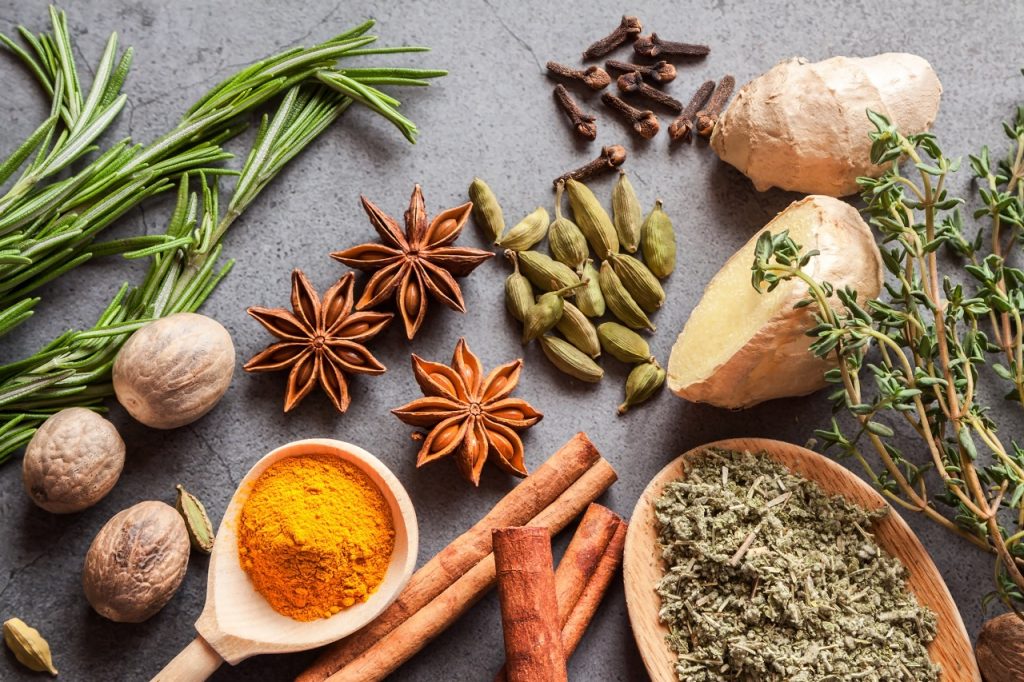
    This fragrant golden spice helps in controlling sugar, cholesterol, and triglyceride levels in Type 2 Diabetes. It adds a natural, warm flavour to food and can easily be sprinkled on tea, coffee, oatmeal, and smoothies. Studies have shown that just ¼ teaspoon of cinnamon daily can improve fasting blood sugar and boost insulin sensitivity.
  2. Extra Virgin Olive OilExtra-virgin olive oil contains antioxidants called polyphenols which are extremely beneficial for heart health. Olive oil is one of the best sources of MUFA (Monounsaturated Fatty Acids) when it comes to managing diabetes. Several studies have shown that MUFAs help keep blood sugar in check by lowering insulin resistance. It also keeps you full, minimizes spikes, and aids in the absorption of vital nutrients. A healthy daily intake is about 1-2 tsp (5ml-10 ml).
  3. Nuts
    Nuts are the ultimate snacking food for managing diabetes because they are delicious, satisfying, and highly nutritious. Nuts like walnuts, almonds, cashews, and pistachios are a boon because they are low in digestible carbohydrates but high in protein and healthy fats. This unique macronutrient profile helps stabilize blood sugar and reduce LDL (bad) cholesterol. Aim for a small handful (approx. 20-30 gm) daily, but be sure to avoid heavily salted or roasted-in-oil varieties.
  4. Beans
    Beans are complex carbohydrates loaded with fiber and rich in protein, which gives you a prolonged feeling of satiety. They are inexpensive, easily available, and incredibly versatile. Having beans in your diet regularly can control blood sugar and lower blood pressure. You can add approximately one bowl (25-30 gm raw) daily to your salads, soups, or vegetable curries to help regulate your levels.
  5. Quinoa
    Quinoa is considered a complete protein because it contains all nine essential amino acids needed to build muscle, and it is rich in minerals such as iron and magnesium. This protein-rich whole grain is a fantastic substitute for white rice. Because it is rich in fiber, it digests slowly, preventing sudden blood sugar spikes. Taking 20-30 gm of quinoa daily whether in a salad or mixed with vegetables is highly effective for both sugar control and weight loss.
  6. Fenugreek Seeds
    Fenugreek seeds are widely known for their effectiveness in traditional diabetes management. They are incredibly rich in soluble fiber, which lowers blood sugar levels by slowing down the digestion and absorption of carbohydrates. Studies suggest a daily dose of about 10 gm of fenugreek seeds, soaked overnight in water, helps significantly in controlling Type 2 Diabetes.
  7. Oatmeal
    Oatmeal is one of the best breakfast foods as it easily fits into any healthy meal plan. Oats have a low glycemic index and are packed with fiber, doing a miraculous job of regulating blood sugar while providing steady energy. Steel-cut or rolled oats (approx. 20-30 gm daily) made with low-fat milk or cooked with vegetables are the best choice, as they are the least processed.
  8. Garlic
    Garlic is a potent herb that helps reduce inflammation, blood sugar, and LDL cholesterol in people living with Type 2 Diabetes. It is also known to reduce blood pressure and boost overall immunity. You can crush 1-2 cloves of raw garlic and consume them with water early in the morning, or simply use them generously in your daily cooking.
  9. Turmeric
    Turmeric is a powerful spice with numerous health benefits. It contains an active compound called curcumin, which lowers inflammation, reduces blood sugar, and specifically benefits kidney and heart health in diabetics. As a staple in Indian cuisine, it is easy to include. Adding ¼ to ½ tsp in warm water or milk can boost immunity and help regulate your levels.
  10. Chia seeds
    Chia seeds are a powerhouse of nutrients and an absolutely wonderful food for managing diabetes. They are exceptionally high in viscous fiber, which lowers blood sugar and helps maintain a healthy weight by keeping you full for hours. They also decrease blood pressure and systemic inflammation. Try adding 10 gm of soaked chia seeds daily to your smoothies, shakes, or a bowl of fresh curd.

Frequently Asked Questions (FAQs)

1. Can I eat all 10 of these foods every day?
While all these foods are excellent for managing diabetes, portion control is key. You don’t need to eat all 10 every single day. Instead, focus on incorporating a variety of them into a balanced weekly diet plan to get a wide range of nutrients without exceeding your daily caloric limits.

2. Are oats good for diabetes, and does the type of oat matter?
Yes, oats are great for diabetes, but the type matters significantly. Steel-cut oats and rolled oats are complex carbohydrates that digest slowly. Avoid highly processed, sugary instant oatmeal packets, as these will cause rapid spikes in your blood sugar.

3. Should I consult a doctor before adding supplements like fenugreek or cinnamon?
Absolutely. If you are already on diabetes medication or insulin, adding potent natural remedies like fenugreek or high doses of cinnamon can sometimes cause your blood sugar to drop too low (hypoglycemia). Always consult your doctor or health coach before making concentrated dietary changes.

We hope incorporating these 10 foods helps you make a wonderful and positive shift toward a healthier life. (Note: Always consult with your doctor, nutritionist, or dietitian before drastically altering your diet.)

For more articles on managing your health, check out our Healthy Reads on Diabetes.

Managing diabetes is easier when you don’t have to do it alone. For the right guidance and daily motivation from certified experts, subscribe to GOQii’s Personalised Health Coaching here.

#BeTheForce 

Disclaimer: The information provided in this article is for educational and general informational purposes only. It is not intended to serve as professional medical advice, diagnosis, or treatment. Always consult with your physician or a certified GOQii health professional before making any drastic changes to your diet, especially if you are on diabetes medication.

March 31, 2026 By Yogita Agarwal 1 Comment

Eat to Defy Age: Top 5 Foods to Fight Wrinkles and Premature Ageing

We all want healthy and glowing skin, but do you know that your skin reflects what you eat? Healthy skin needs vital nutrients, a balanced diet, enough water, and quality sleep. When these aspects are balanced, it truly shows on our skin. While we cannot stop or avoid wrinkles entirely as they are a natural sign of ageing we can significantly delay them with healthy food choices and a supportive lifestyle.



When it comes to premature ageing or wrinkles, it often happens due to Sun damage and the loss of two crucial proteins: collagen and elastin. These two proteins take care of our skin and keep it healthy, young and firm. When UV rays hit our skin, it reduces the production of these proteins, increasing free radicals and leading to premature ageing. As we age, the skin starts losing its firmness and elasticity. Other factors that contribute to this process are pollution, smoking, stress, dehydration, lack of sleep and unhealthy food habits.

5 Powerful Foods Help Fight Wrinkles and Premature Ageing

  1. Avocado:
    Avocado is a fruit with healthy fats. It has fiber and many nutrients like Folate, Magnesium, Potassium, Riboflavin (Vitamin B2), Niacin (Vitamin B3), Pantothenic Acid (Vitamin B5), Pyridoxine (Vitamin B6), Vitamin C, Vitamin E and Vitamin K. Vitamin E aids skin nourishment, reduces scars and fights free radicals. Avocado is high in the antioxidant glutathione, which helps the body to detoxify and keeps skin clear of acne and wrinkles.
  2. Berries:
    All the berries are extremely rich in antioxidants, are a good source of Fiber, Vitamin C, Manganese, Vitamin K1, Copper and Folate. Those are rich in Flavonoids, Vitamins and Polyphenol. So berries are perfect food to fight wrinkles and fine lines. Berries not only help in reducing wrinkles but also help in the regeneration of new skin cells. Add berries to your breakfast or morning smoothies.
  3. Buckwheat:
    It is gluten free, rich in fiber, Iron, provides B1, is a rich source of Magnesium and Calcium, Folate, helps in heart health and controls blood sugar levels and also reduces the signs of premature ageing. It has Bioflavonoid Rutin which helps to maintain the production of collagen in the skin and encourage the body’s utilization of Vitamin C.
  4. Papaya:
    Papaya is rich in a variety of antioxidants, vitamins and minerals like Vitamin A, C, K and E, Calcium, Potassium, Magnesium, Phosphorus and Vitamin B. These help to improve skin elasticity and minimize the fine lines and wrinkles. Papaya is rich in the enzyme papain and chymopapain which helps to reduce inflammation. It helps to reduce acne by removing dead skin cells, and remove damaged keratin which can build up on the skin and form small bumps.
  5. Sweet Potatoes:
    Sweet Potatoes are rich in Vitamin A, B, C, D, Calcium, Iron, Magnesium, Potassium, Phosphorus, Thiamine, Zinc. It has the antioxidant beta-carotene which is converted into Vitamin A and helps in restoring skin elasticity, prompts skin cell turnover, which means healthy glowing skin. The Vitamin C and E in it helps in protection of skin from free radicals and keeps complexion radiant. Both the Vitamins are crucial to keep skin healthy, glowing and supple. Vitamin C boosts collagen and promotes tightening of skin.

Unlocking Your 10-Year Younger Skin Routine

In addition to including these specific foods to your diet, make sure that you consume healthy fats, a variety of veggies and fruits, especially different colour veggies and fruits. Keep yourself well hydrated, do regular exercise, learn to manage stress and sleep well.

Simultaneously, make it a priority to reduce the consumption of:

  • Alcohol
  • Tea and coffee
  • Preserved canned food
  • Processed food

Our body does not have a voice, but it talks to us through signs and symptoms, so pay attention to the health of your skin to be healthy and fit. With good food habits, a healthy lifestyle, proper hydration, quality sleep and stress management, we can turn the clock on our skin to look 10 years younger.

We hope this article helps you fight wrinkles! Do leave your thoughts in the comments below. For more tips on skincare, check out Healthy Reads or ask a GOQii Coach by subscribing for Personalised Health Coaching here.

#BeTheForce

Frequently Asked Questions (FAQs)

  1. What is the main cause of premature skin ageing?
    While factors like pollution, stress, and poor sleep contribute, the two single biggest hidden threats to youthful skin are Sun damage (UV exposure) and chronic inflammation. Over time, these destroy healthy skin cells and severely degrade the production of collagen and elastin, the proteins that keep skin healthy and firm.
  2. Why is collagen so important for preventing wrinkles?
    Collagen (and elastin) are vital structural proteins that act as the scaffolding of your skin. They are responsible for its texture, firmness, and flexibility. As you age, your body produces less collagen naturally. Foods that support collagen specifically those high in Vitamin C and antioxidants like the ones listed above are essential for maintaining that firmness and delaying the onset of wrinkles.
  3. Does hydration alone really make you look younger?
    Hydration is non-negotiable for skin longevity. Water acts as the medium for all cellular processes, including the ones that clear toxins and repair cells. Dehydrated skin looks dull, lacks “plumpness,” and causes existing fine lines to appear much deeper. For a radiant complexion, regular hydration must be combined with nutrient-dense foods that feed your skin from the inside out.

Disclaimer: The information provided in this article is for general educational and informational purposes only and is not intended as medical advice, diagnosis, or treatment. Always consult your doctor, dermatologist, or a qualified nutritionist before making any significant changes to your diet, skincare routine, or lifestyle, especially if you have per-existing health conditions.

  • « Previous Page
  • 1
  • …
  • 40
  • 41
  • 42
  • 43
  • 44
  • …
  • 144
  • Next Page »

Search

Recent Posts

  • Foods to Manage Blood Sugar Naturally: A Complete Guide to Better Blood Sugar Control
  • The Lazy Person’s Guide to Staying Healthy: 5 Micro-Habits That Take Less Than 2 Minutes
  • Healthy Eating: Comforting Chilli Bean Soup Recipe for the Monsoon
  • The Truth About the ‘Beer Belly’: What Alcohol Really Does to Your Metabolism
  • Benefits of Meditation: How One Daily Habit Can Transform Your Mental Wellbeing

Stay Updated

Archives

  • August 2026 (7)
  • July 2026 (25)
  • June 2026 (22)
  • May 2026 (20)
  • April 2026 (24)
  • March 2026 (18)
  • February 2026 (14)
  • January 2026 (14)
  • December 2025 (19)
  • November 2025 (15)
  • October 2025 (20)
  • September 2025 (6)
  • August 2025 (6)
  • July 2025 (9)
  • June 2025 (18)
  • May 2025 (16)
  • April 2025 (22)
  • March 2025 (26)
  • February 2025 (21)
  • January 2025 (25)
  • December 2024 (22)
  • November 2024 (22)
  • October 2024 (20)
  • September 2024 (22)
  • August 2024 (28)
  • July 2024 (15)
  • June 2024 (23)
  • May 2024 (26)
  • April 2024 (27)
  • March 2024 (27)
  • February 2024 (23)
  • January 2024 (21)
  • December 2023 (14)
  • November 2023 (10)
  • October 2023 (19)
  • September 2023 (21)
  • August 2023 (16)
  • July 2023 (16)
  • June 2023 (21)
  • May 2023 (20)
  • April 2023 (19)
  • March 2023 (23)
  • February 2023 (19)
  • January 2023 (15)
  • December 2022 (11)
  • November 2022 (15)
  • October 2022 (15)
  • September 2022 (12)
  • August 2022 (9)
  • July 2022 (17)
  • June 2022 (11)
  • May 2022 (10)
  • April 2022 (6)
  • March 2022 (6)
  • February 2022 (13)
  • January 2022 (11)
  • December 2021 (7)
  • November 2021 (3)
  • October 2021 (6)
  • September 2021 (3)
  • August 2021 (8)
  • July 2021 (7)
  • June 2021 (15)
  • May 2021 (16)
  • April 2021 (10)
  • March 2021 (7)
  • February 2021 (4)
  • January 2021 (4)
  • December 2020 (3)
  • November 2020 (4)
  • October 2020 (10)
  • September 2020 (3)
  • August 2020 (3)
  • July 2020 (2)
  • June 2020 (4)
  • May 2020 (10)
  • April 2020 (12)
  • March 2020 (10)
  • February 2020 (4)
  • January 2020 (4)
  • December 2019 (3)
  • November 2019 (7)
  • October 2019 (5)
  • September 2019 (4)
  • August 2019 (9)
  • July 2019 (9)
  • June 2019 (11)
  • May 2019 (4)
  • April 2019 (8)
  • March 2019 (8)
  • February 2019 (9)
  • January 2019 (8)
  • December 2018 (9)
  • November 2018 (3)
  • October 2018 (3)
  • September 2018 (5)
  • August 2018 (10)
  • July 2018 (6)
  • June 2018 (13)
  • May 2018 (8)
  • April 2018 (18)
  • March 2018 (9)
  • February 2018 (8)
  • January 2018 (15)
  • December 2017 (12)
  • November 2017 (19)
  • October 2017 (13)
  • September 2017 (15)
  • August 2017 (4)
  • July 2017 (8)
  • June 2017 (7)
  • May 2017 (6)
  • April 2017 (8)
  • March 2017 (6)
  • February 2017 (7)
  • January 2017 (9)
  • December 2016 (10)
  • November 2016 (7)
  • October 2016 (7)
  • September 2016 (7)
  • August 2016 (11)
  • July 2016 (9)
  • June 2016 (9)
  • May 2016 (12)
  • April 2016 (17)
  • March 2016 (17)
  • February 2016 (8)
  • January 2016 (6)
  • December 2015 (2)
  • November 2015 (9)
  • October 2015 (7)
  • September 2015 (9)
  • August 2015 (11)
  • July 2015 (9)
  • June 2015 (11)
  • May 2015 (9)
  • April 2015 (13)
  • March 2015 (8)
  • February 2015 (5)
  • January 2015 (12)
  • December 2014 (14)
  • November 2014 (11)
  • October 2014 (6)
  • September 2014 (13)
  • August 2014 (12)
  • July 2014 (6)
  • June 2014 (2)
  • May 2014 (7)
  • April 2014 (4)

From Burnout to Balance: How Dr. Ranjit Reclaimed His Health

Dr Ranjit Bhatt has spent years tending to others. A practising doctor in Odisha, his days were packed with patients, surgeries, and emergencies. From the outside, it looked like a life lived in service. But on the inside, something wasn’t right. “I had no … [Read More...]

From Shimla’s Slopes to Chandigarh’s Sidewalks: Surinder Kaur Bhalla’s Journey from Chaos to Control

Some journeys start with a plan. Others begin with a stumble literally. Surinder Bhalla, a government professional, born and raised in the scenic hill town of Shimla, had always lived a life of movement. “In Shimla, you walked everywhere,” she reflects. “Walking was never an exercise. It was just life.” But after shifting to Chandigarh, […]

“I’ve Challenged Myself to Live 100 Years” – The Story of Chandubhai Savani’s Second Chance at Life

At 67, most people start slowing down. Not Chandubhai Savani. A resident of Surat, Chandubhai, thought life was on track. “My life was going well till I had my bypass surgery,” he says. That surgery, back in 2021, was a wake-up call.  Medication was routine, but exercise wasn’t. His diet? What he calls ‘normal.’ “I […]

Ananda Mukherjee Health Story

From Terminal Illness To Complete Wellness! Ananda Mukherjee Health Story

As we observe World Cancer Day under the powerful theme ‘United by Unique’ (2025-2027)**, we are reminded that every individual’s journey with cancer is distinct, yet united by shared resilience, hope, and the collective fight against this disease. This theme places people at the centre of care and their stories at the heart of the […]

  • HOME
  • HEALTHY LIVING
  • FITNESS
  • HEALTHY RECIPES
  • USER STORIES
  • KARMA
  • BUY GOQii

Copyright ©2016 GOQii
