GOQii

Blog

  • HOME
  • HEALTHY LIVING
  • FITNESS
  • HEALTHY RECIPES
  • USER STORIES
  • KARMA
  • BUY GOQii

Search Results for: heart health

July 30, 2025 By GOQii Leave a Comment

Be Sugar Smart: A Simple Shift That Changes Everything

Go Sugar-Free for a Month. Come Back Smarter. It’s not about quitting forever, it’s about learning what your body needs, when it needs it.

You don’t need a crisis to start taking care of your health. Sometimes, all it takes is one small decision, like cutting down the sugar in your chai.

If you’re tired of the energy crashes, the unexplained weight gain, or feeling like you’re always chasing your next meal, chances are sugar has more to do with it than you think.

The GOQii Sugar Smart Challenge, running from 1st to 30th August, is built around one simple idea that small, consistent actions can help you reclaim control of your health without giving up everything you love. And it starts with awareness.

It’s important to know what being Sugar Smart means.

Truth be told, everyone is well aware how sugar has quietly crept into our daily routine, not just in the obvious sweets, but in flavoured yoghurts, breakfast cereals, packaged juices, energy bars, and yes, that chai you can’t live without. We don’t even register it anymore.

Being sugar smart isn’t only about cutting sugar out completely. It’s about learning:

  • Where it hides
  • How it affects your blood sugar and insulin
  • And what you can do instead, without feeling deprived

Especially if you’re managing diabetes, dealing with insulin resistance, or struggling with weight loss, these shifts matter.

Be Sugar Smart: Keep it Simple

To be sugar smart, just turn good intentions into daily actions, through simple tasks that take minutes a day and build real habits over time.

From August 1st to 30th, participate in the challenge and complete sugar-smart activities and also get rewarded

Here are the daily activities you can indulge in and derive benefits from them 

  • Walk 6000+ Steps
    • Lowers blood sugar by helping your body use glucose more effectively.
    • Boosts insulin sensitivity, reducing the risk of insulin resistance.
    • Supports heart health and weight management with minimal effort.
    • Easy to fit into your day: short walks after meals or during breaks add up.
  • Post-Meal Walks
    • Walking after meals helps lower blood sugar by using glucose for energy before it spikes.
    • A 20-minute walk after lunch or dinner is especially helpful for those with insulin resistance or prediabetes.
    • Timing matters: Start your walk within 30 minutes of finishing your meal for best results.
    • Leads to steadier energy levels and fewer post-meal crashes or cravings.
  • Eat an Early Breakfast before 9 am
    • Helps kickstart your metabolism and supports steady energy throughout the day.
    • A balanced breakfast stabilises blood sugar and curbs overeating later.
    • Aim to eat within 30 minutes of waking to prevent energy dips and cravings.
    • Choose whole grains, protein, and healthy fats over sugary or processed options.
  • Eat Healthy and log your food
    • Food logging increases awareness of what, when, and how much you’re eating, especially sugar intake.
    • Tracking meals at least three times a day helps you stay mindful of portion sizes and added sugars.
    • Identifying eating patterns can highlight triggers for cravings or blood sugar spikes.
    • This insight empowers better choices, making it easier to cut down on sugar and build healthier habits.
  • Watch and Learn
    • Get expert insights by watching videos on managing diabetes, nutrition, fitness, and lifestyle habits.
    • Learn at your pace with short, practical videos that fit easily into your day.
    • Strengthen your knowledge about sugar control, insulin resistance, and healthy living.
    • Stay motivated by watching real coaches share tips, strategies, and science-backed guidance.
  • Practice Mindfulness
    • Just 10 minutes a day can reduce stress, improve sleep, and boost emotional resilience.
    • Lower stress means lower cortisol, which helps stabilise blood sugar levels.
    • Meditation supports overall health and can help prevent chronic conditions linked to stress.
    • Simple practices like mindful breathing in a quiet space can make a noticeable difference.
  • No Sugar Habit
    • Identify your sugar triggers, such as post-meal cravings, stress, or specific times of day.
    • Swap sugary snacks with healthier alternatives like fruits, nuts, or yoghurt.
    • Manage stress in healthier ways through exercise, meditation, or outdoor time.
    • Cut back gradually to let your taste buds adjust and reduce cravings over time.

It takes 21 days to change a habit. With the Sugar Smart Challenge, over 30 days, you’ll build habits that stick, not because they’re forced, but because they fit into your life.

Why Sugar Smart Habits Matter

Here’s what the research tells us:

  • Over 101 million Indians live with diabetes.
  • Another 25 million are pre-diabetic.
  • NFHS-5 reports that 1 in 4 Indian adults is overweight or obese.

High sugar intake, even in “healthy” forms, plays a major role in rising insulin resistance, PCOS, weight gain, and fatigue. But the good news? It’s reversible.

You don’t need extreme diets. You don’t need to give up all your favourites. You just need to know when, how much, and why.

You don’t have to be perfect to feel better. You just need to start noticing. One less sugar-laden drink. One balanced plate. One decision is not to eat on autopilot. Over time, these small wins become your new normal.

Being Sugar Smart is your chance to put knowledge into action and be rewarded for it. Speak to your coach, join the challenge by visiting the Challenge Page on the GOQii app, track your progress, and learn how to live a life where sugar doesn’t control you.

Your body’s not broken. It just needs a little less sugar and a little more support.

Let’s get smart about it.

#BeTheForce

Disclaimer: The information provided in this blog is for general awareness and educational purposes only. It is not intended to replace professional medical advice, diagnosis, or treatment. Always consult a qualified healthcare provider for personalised medical guidance or concerns related to your health. Images shown are for representation purposes only and may not depict the exact recommendations or outcomes.
April 4, 2025 By GOQii Leave a Comment

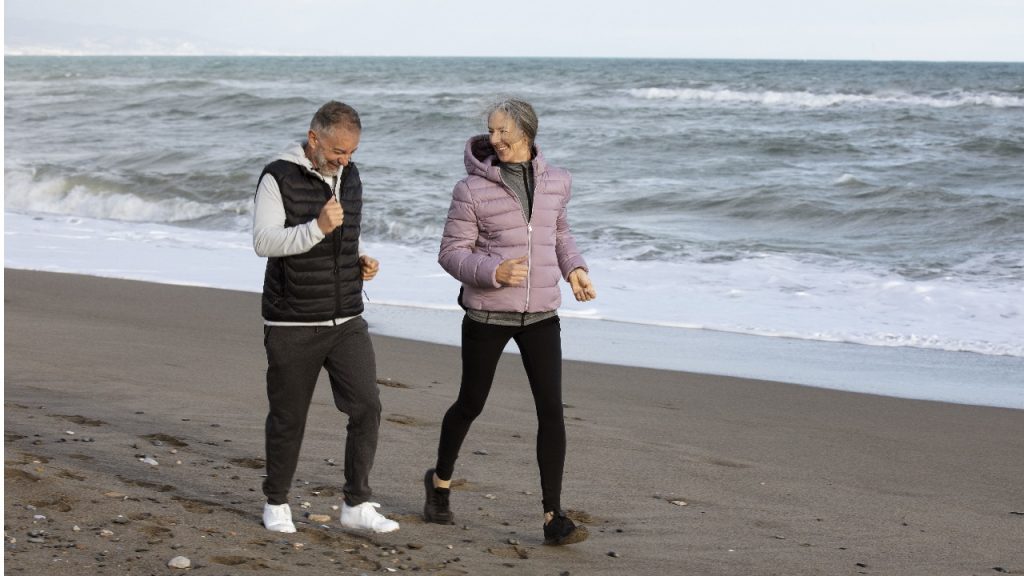
Everyday Fitness Made Easy: Walk More, Move Better with the 3–5 Method

Exercise—it’s not a bad word, and it certainly doesn’t need to be complicated or time-consuming. In fact, some of the simplest movements can deliver the greatest benefits.
By weaving daily walking and the 3–5 doorway push–pull–squat routine into your week, you can improve strength, boost energy, and enhance your overall well-being—no gym, no equipment, no excuses.

Why Walking Matters

Walking is often overlooked, but it’s one of the most effective and sustainable forms of movement. Just 20 to 30 minutes of brisk walking a day can make a world of difference to both your physical and mental health.

💡 Tip: A good walking pace is one where you’re slightly breathless but still able to hold a full conversation.

Benefits of Daily Walking:

  • Supports heart health
  • Improves mood and helps manage stress
  • Aids in weight management
  • Keeps joints mobile and muscles active
  • Promotes better sleep and digestion

Whether it’s a lap around your block, a stroll in the park, or a few laps indoors on a rainy day—it all counts. The goal is to move, not be perfect.

The 3–5 Doorway Regime: Simple Strength at Home

Fancy workout routines aren’t always necessary. The 3–5 doorway method gives you an easy, adaptable strength training solution using just your body weight and a doorway.

It’s designed around the core functional movements—push, pull, squat—the essential building blocks of strength and mobility.

This method is perfect for:

  • Beginners easing into strength training
  • Busy professionals who need a quick workout
  • Older adults looking for low-impact strength work
  • Anyone wanting to stay active at home

The 3–5 Method, Simplified:

  • Choose 3 to 5 exercises (push, pull, squat, or a mix)
  • Do 3 to 5 reps of each per set
  • Complete 3 to 5 sets in total
  • Rest for 3 to 5 minutes between sets
  • Repeat this routine 3 to 5 times a week

Feeling energetic? Push for the full 5. Low on energy? A quick 3-round session still keeps your habit going.

Suggested Doorway Exercises

✅ Push:

Doorway Push-Ups – Stand facing the doorframe, place your hands on either side, and push away from the frame as if performing a standing push-up.

✅ Pull:

Doorway Rows – Use a towel looped around a doorknob or resistance band. Hold both ends, lean back, and pull towards the door.

✅ Squat:

Bodyweight Squats – Use the doorframe for support and balance as you squat down slowly and rise back up.

These exercises are functional, joint-friendly, and easily modified based on your strength level.

Why Consistency Beats Intensity

The magic isn’t in how hard you go—it’s in how often. The real key to lifelong fitness is regularity.

✔ You don’t need 60-minute sweat sessions.
✔ You don’t need expensive gear.
✔ You just need to keep moving—most days of the week.

By starting gently and being consistent, you’ll build strength, stamina, and energy without overwhelming your body.

Movement is one of the most powerful prescriptions for long-term health. And it doesn’t have to be complicated.

By committing to daily walking and including a few minutes of strength training using the 3–5 method, you’re building a foundation for a healthier, more resilient you.

So, grab your trainers, open that doorway, and move your way to better health—one step, one rep at a time.

💬 Do you walk regularly or have a favourite home exercise? Share your routine or tips in the comments below!

#BeTheForce

March 24, 2025 By GOQii Leave a Comment

How to Lower Blood Pressure Naturally Through Diet & Lifestyle

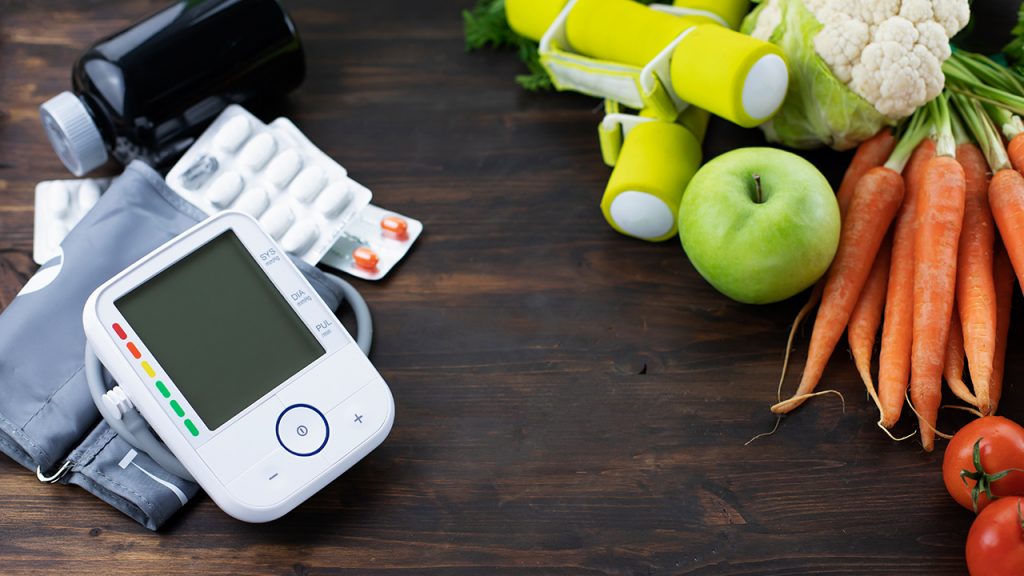
High blood pressure—also known as hypertension—affects millions of people around the world. Often called the “silent killer,” it usually has no obvious symptoms but significantly raises your risk of heart disease, stroke, and kidney issues if left unchecked.
While medication can help control blood pressure, it’s not the only way. In fact, simple, consistent changes in your diet and lifestyle can go a long way in reducing your blood pressure naturally—improving your health and overall quality of life.

Let’s explore proven, practical ways to lower your blood pressure through everyday habits.

1. Eat More Whole, Unprocessed Foods 

A balanced, nutrient-rich diet forms the foundation for blood pressure control. Focus on:

  • Fruits & Vegetables – Rich in potassium, magnesium, and antioxidants. Potassium helps balance sodium levels and relax blood vessel walls.
  • Whole Grains – Oats, brown rice, quinoa, and wholemeal bread are high in fibre, which supports heart health.
  • Lean Proteins – Include fish (especially fatty fish like salmon), chicken, tofu, lentils, and beans.
  • Healthy Fats – Avocados, nuts, seeds, and olive oil offer heart-protective fats.

🧂 Tip: Cut down on salt (sodium). Aim for less than 5g of salt (or 2g sodium) per day. Use herbs, spices, lemon, and garlic to add flavour instead.

2. Move More – Stay Active 

Regular physical activity strengthens the heart, enabling it to pump blood with less effort, lowering the pressure on your arteries.

  • Aim for at least 30 minutes of moderate exercise (like brisk walking, swimming, or cycling) on most days.
  • Incorporate strength training 2-3 times a week.

🚶‍♀️ Short on time? Even walking during breaks, taking stairs, or stretching regularly can help!

3. Watch Your Weight 

Excess weight, especially around the abdomen, puts pressure on your heart and blood vessels.

  • Losing even 5-10% of your current weight can significantly lower your blood pressure.
  • Combine a calorie-controlled diet with increased activity for sustainable weight loss.

4. Reduce Stress Levels 

Chronic stress can trigger temporary spikes in blood pressure—and over time, lead to lasting effects.

  • Practise deep breathing, meditation, or mindfulness daily.
  • Engage in hobbies, connect with loved ones, or simply take time for yourself.
  • Try journaling or spending time in nature to unwind.

5. Limit Alcohol & Quit Smoking 

  • If you drink alcohol, stick to recommended limits—no more than 14 units per week (UK guideline), spread out over several days.
  • Smoking damages blood vessels and immediately raises blood pressure—quitting can improve heart health dramatically.

6. Stay Hydrated 

Water supports kidney function and helps flush out excess sodium. Aim for 2-3 litres of water daily unless advised otherwise by a healthcare professional.

7. Cut Down on Caffeine

While moderate caffeine may be fine, too much can cause spikes in blood pressure in some individuals.

  • Limit to 1-2 cups of coffee or tea per day.
  • Monitor how your body responds and adjust accordingly.

8. Sleep Well 

Poor sleep is linked to higher blood pressure and increased risk of chronic conditions.

  • Aim for 7-9 hours of quality sleep each night.
  • Create a bedtime routine—avoid screens before bed, keep your room dark and cool, and wind down with relaxing activities.

Managing your blood pressure isn’t just about medication—it’s about taking daily actions that support your heart and overall health. Small, consistent lifestyle changes can lead to big improvements.

💬 Have you made changes to manage your blood pressure naturally? Share your experience in the comments below!

#BeTheForce

Disclaimer: The information provided in this blog is for general awareness and educational purposes only. It is not intended to replace professional medical advice, diagnosis, or treatment. Always consult a qualified healthcare provider for personalised medical guidance or concerns related to your health.

March 12, 2025 By GOQii Leave a Comment

Early Detection & Prevention: Protecting Your Kidneys for Life

Your kidneys work tirelessly behind the scenes, filtering waste, balancing fluids, and keeping your body in check. But how often do you think about your kidney health? With chronic kidney disease (CKD) on the rise and many cases going undiagnosed until it’s too late, early detection is key to preventing serious complications.



On World Kidney Day, the theme “Are Your Kidneys OK? Detect Early, Protect Kidney Health” reminds us that simple lifestyle choices and regular screenings can make all the difference in maintaining kidney health and preventing long-term damage.

Why Early Detection Matters

Kidney disease is often called a “silent killer” because symptoms may not appear until significant damage has already occurred. This is why early screening and awareness are crucial. Here’s how you can detect potential kidney issues early:

  • Monitor Blood Pressure & Sugar Levels – High blood pressure and diabetes are the leading causes of kidney disease. Regular monitoring can help prevent complications.
  • Check for Warning Signs – Symptoms like swollen feet, frequent urination, foamy urine, persistent fatigue, or lower back pain could indicate kidney trouble.
  • Go for Regular Kidney Function Tests – Simple blood (creatinine & eGFR) and urine tests can detect kidney issues early before they become serious.
  • Know Your Risk Factors – If you have a family history of kidney disease, diabetes, hypertension, or obesity, prioritise regular check-ups.

How to Protect Your Kidney Health

While early detection is crucial, prevention is even better. Follow these kidney-friendly habits to support long-term health:

  1. Stay Hydrated 💧

Drinking enough water helps your kidneys flush out toxins and prevent kidney stones. Aim for 8-10 glasses per day, adjusting based on your activity levels and climate.

  1. Limit Salt & Processed Foods 🧂

Excess sodium leads to high blood pressure, which strains the kidneys. Avoid processed snacks, canned foods, and ready-to-eat meals. Instead, use natural herbs and spices for flavour.

  1. Eat a Balanced, Kidney-Friendly Diet 🥦

Focus on whole foods rich in antioxidants and fibre:
✅ Leafy greens (spinach, kale, cabbage) – Nutrient-rich and low in potassium.
✅ Berries (blueberries, strawberries, raspberries) – High in antioxidants to protect kidney cells.
✅ Fatty fish (salmon, mackerel, sardines) – Omega-3s help reduce inflammation.
✅ Garlic & Turmeric – Natural anti-inflammatory properties support kidney function.
✅ Whole grains & legumes – Maintain steady blood sugar levels.
❌ Avoid excess red meat, processed foods, and sugary drinks, which burden kidney function.

  1. Keep Blood Pressure & Sugar in Check 🩸

High blood pressure and diabetes damage kidney blood vessels over time. A combination of exercise, healthy eating, and regular monitoring can help keep these levels stable.

  1. Exercise Regularly 🏃‍♂️

Physical activity improves heart health, blood circulation, and metabolic balance, all of which support kidney function. Aim for at least 30 minutes of moderate exercise, 5 times a week.

  1. Avoid Overuse of Painkillers 💊

Excessive use of NSAIDs (like ibuprofen) can cause kidney damage over time. Always consult a doctor before prolonged use.

  1. Quit Smoking & Limit Alcohol 🚭🍷

Both smoking and heavy drinking increase the risk of kidney disease, high blood pressure, and kidney damage. Cutting down can significantly improve kidney health.

Your kidneys play a vital role in keeping your body functioning smoothly, but they need your support to stay healthy. Regular check-ups, a balanced diet, hydration, and an active lifestyle can go a long way in preventing kidney disease.

This World Kidney Day, ask yourself: “Are Your Kidneys OK?” Take action today to detect issues early and protect your kidney health for life.

💬 How do you take care of your kidneys? Share your tips in the comments!

#BeTheForce

Disclaimer: The information provided in this blog is for general awareness and educational purposes only. It is not intended to replace professional medical advice, diagnosis, or treatment. Always consult a qualified healthcare provider for personalised medical guidance or concerns related to your health.

  • « Previous Page
  • 1
  • …
  • 42
  • 43
  • 44
  • 45
  • 46
  • …
  • 144
  • Next Page »

Search

Recent Posts

  • Foods to Manage Blood Sugar Naturally: A Complete Guide to Better Blood Sugar Control
  • The Lazy Person’s Guide to Staying Healthy: 5 Micro-Habits That Take Less Than 2 Minutes
  • Healthy Eating: Comforting Chilli Bean Soup Recipe for the Monsoon
  • The Truth About the ‘Beer Belly’: What Alcohol Really Does to Your Metabolism
  • Benefits of Meditation: How One Daily Habit Can Transform Your Mental Wellbeing

Stay Updated

Archives

  • August 2026 (7)
  • July 2026 (25)
  • June 2026 (22)
  • May 2026 (20)
  • April 2026 (24)
  • March 2026 (18)
  • February 2026 (14)
  • January 2026 (14)
  • December 2025 (19)
  • November 2025 (15)
  • October 2025 (20)
  • September 2025 (6)
  • August 2025 (6)
  • July 2025 (9)
  • June 2025 (18)
  • May 2025 (16)
  • April 2025 (22)
  • March 2025 (26)
  • February 2025 (21)
  • January 2025 (25)
  • December 2024 (22)
  • November 2024 (22)
  • October 2024 (20)
  • September 2024 (22)
  • August 2024 (28)
  • July 2024 (15)
  • June 2024 (23)
  • May 2024 (26)
  • April 2024 (27)
  • March 2024 (27)
  • February 2024 (23)
  • January 2024 (21)
  • December 2023 (14)
  • November 2023 (10)
  • October 2023 (19)
  • September 2023 (21)
  • August 2023 (16)
  • July 2023 (16)
  • June 2023 (21)
  • May 2023 (20)
  • April 2023 (19)
  • March 2023 (23)
  • February 2023 (19)
  • January 2023 (15)
  • December 2022 (11)
  • November 2022 (15)
  • October 2022 (15)
  • September 2022 (12)
  • August 2022 (9)
  • July 2022 (17)
  • June 2022 (11)
  • May 2022 (10)
  • April 2022 (6)
  • March 2022 (6)
  • February 2022 (13)
  • January 2022 (11)
  • December 2021 (7)
  • November 2021 (3)
  • October 2021 (6)
  • September 2021 (3)
  • August 2021 (8)
  • July 2021 (7)
  • June 2021 (15)
  • May 2021 (16)
  • April 2021 (10)
  • March 2021 (7)
  • February 2021 (4)
  • January 2021 (4)
  • December 2020 (3)
  • November 2020 (4)
  • October 2020 (10)
  • September 2020 (3)
  • August 2020 (3)
  • July 2020 (2)
  • June 2020 (4)
  • May 2020 (10)
  • April 2020 (12)
  • March 2020 (10)
  • February 2020 (4)
  • January 2020 (4)
  • December 2019 (3)
  • November 2019 (7)
  • October 2019 (5)
  • September 2019 (4)
  • August 2019 (9)
  • July 2019 (9)
  • June 2019 (11)
  • May 2019 (4)
  • April 2019 (8)
  • March 2019 (8)
  • February 2019 (9)
  • January 2019 (8)
  • December 2018 (9)
  • November 2018 (3)
  • October 2018 (3)
  • September 2018 (5)
  • August 2018 (10)
  • July 2018 (6)
  • June 2018 (13)
  • May 2018 (8)
  • April 2018 (18)
  • March 2018 (9)
  • February 2018 (8)
  • January 2018 (15)
  • December 2017 (12)
  • November 2017 (19)
  • October 2017 (13)
  • September 2017 (15)
  • August 2017 (4)
  • July 2017 (8)
  • June 2017 (7)
  • May 2017 (6)
  • April 2017 (8)
  • March 2017 (6)
  • February 2017 (7)
  • January 2017 (9)
  • December 2016 (10)
  • November 2016 (7)
  • October 2016 (7)
  • September 2016 (7)
  • August 2016 (11)
  • July 2016 (9)
  • June 2016 (9)
  • May 2016 (12)
  • April 2016 (17)
  • March 2016 (17)
  • February 2016 (8)
  • January 2016 (6)
  • December 2015 (2)
  • November 2015 (9)
  • October 2015 (7)
  • September 2015 (9)
  • August 2015 (11)
  • July 2015 (9)
  • June 2015 (11)
  • May 2015 (9)
  • April 2015 (13)
  • March 2015 (8)
  • February 2015 (5)
  • January 2015 (12)
  • December 2014 (14)
  • November 2014 (11)
  • October 2014 (6)
  • September 2014 (13)
  • August 2014 (12)
  • July 2014 (6)
  • June 2014 (2)
  • May 2014 (7)
  • April 2014 (4)

From Burnout to Balance: How Dr. Ranjit Reclaimed His Health

Dr Ranjit Bhatt has spent years tending to others. A practising doctor in Odisha, his days were packed with patients, surgeries, and emergencies. From the outside, it looked like a life lived in service. But on the inside, something wasn’t right. “I had no … [Read More...]

From Shimla’s Slopes to Chandigarh’s Sidewalks: Surinder Kaur Bhalla’s Journey from Chaos to Control

Some journeys start with a plan. Others begin with a stumble literally. Surinder Bhalla, a government professional, born and raised in the scenic hill town of Shimla, had always lived a life of movement. “In Shimla, you walked everywhere,” she reflects. “Walking was never an exercise. It was just life.” But after shifting to Chandigarh, […]

“I’ve Challenged Myself to Live 100 Years” – The Story of Chandubhai Savani’s Second Chance at Life

At 67, most people start slowing down. Not Chandubhai Savani. A resident of Surat, Chandubhai, thought life was on track. “My life was going well till I had my bypass surgery,” he says. That surgery, back in 2021, was a wake-up call.  Medication was routine, but exercise wasn’t. His diet? What he calls ‘normal.’ “I […]

Ananda Mukherjee Health Story

From Terminal Illness To Complete Wellness! Ananda Mukherjee Health Story

As we observe World Cancer Day under the powerful theme ‘United by Unique’ (2025-2027)**, we are reminded that every individual’s journey with cancer is distinct, yet united by shared resilience, hope, and the collective fight against this disease. This theme places people at the centre of care and their stories at the heart of the […]

  • HOME
  • HEALTHY LIVING
  • FITNESS
  • HEALTHY RECIPES
  • USER STORIES
  • KARMA
  • BUY GOQii

Copyright ©2016 GOQii
