GOQii

Blog

  • HOME
  • HEALTHY LIVING
  • FITNESS
  • HEALTHY RECIPES
  • USER STORIES
  • KARMA
  • BUY GOQii

Search Results for: fat

January 31, 2026 By Mrinali Dwivedi Leave a Comment

Carrots, Beetroots and Tomatoes For Good Health!

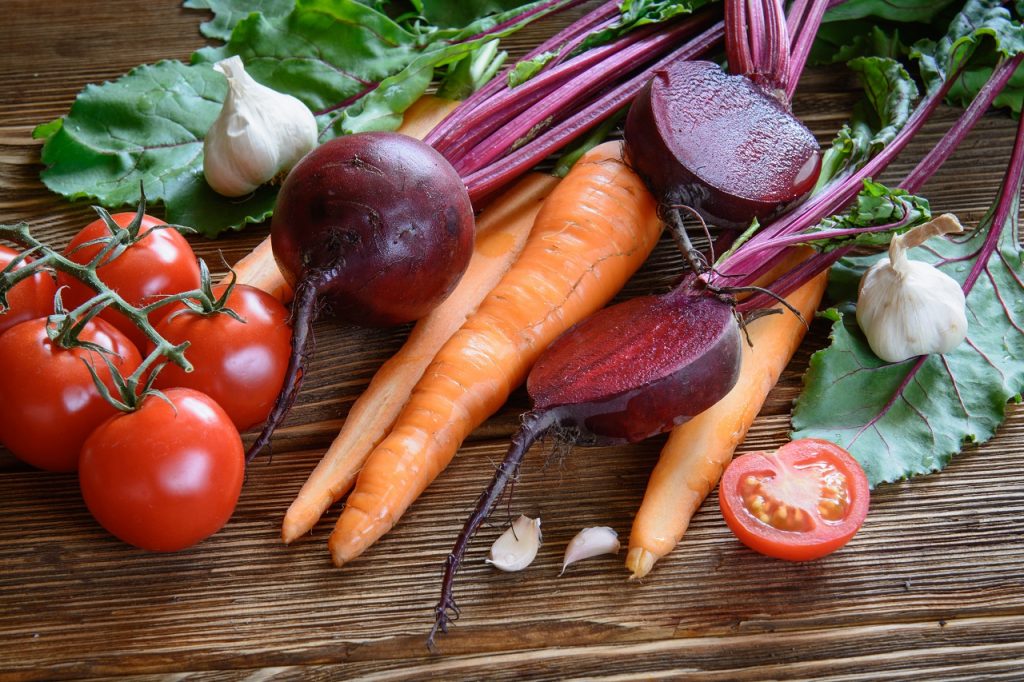
carrots, beetroots and tomatoesStress, oily foods, greasy foods, smoke, smog and air pollution give rise to free radicals in our body. These free radicals cause cell damage and bring about aging in us. Antioxidants capture these free radicals and protect our cells and blood vessels from the damage caused by them. Thus, antioxidants are great for our skin, heart, metabolism and are anti-aging. Carrots, Beetroots and Tomatoes are among the vegetables that have the highest amount of these antioxidants. Carrots are rich in Vitamin A that helps build immunity and eyesight, while beetroots have blood pressure lowering properties and tomatoes are heart healthy and skin brightening!

The combination of carrots, beetroots and tomatoes helps in weight loss and curb constipation as well. The nutrients of these are best absorbed when taken in combination with each other. Though available throughout the year, they’re the best during winter! Here are some easy ways to make very low calories, yet satiating recipes with this wonderful combination. 

3 Healthy Recipes Using Carrots, Beetroots and Tomatoes

1. CBT Juice
Want to get rid of toxins? Employ Carrots, Beetroots and Tomatoes for a cleansing, detox drink that will flush out all those toxins! 

What you will need: 

  • Carrot – 1 medium sized 
  • Beetroot – 1 
  • Tomato – 1 
  • Mint – 5-6 leaves
  • Coriander – 2-3 twigs 
  • Rock salt and lemon juice – to taste 

Method:

  1. Peel and roughly chop the carrot, beetroot and tomato
  2. Blend them along with mint and coriander leaves in a blender/juicer
  3. Add some water if required while blending to bring a juice like consistency.
  4. Add lemon juice, rock salt and mix well

Important: Do not strain, or you’ll lose all the good fiber. Drink the juice within 15 minutes of preparation or else the juice gets oxidised and may lose most of its healthy goodness. The best time to have this is on an empty stomach in the morning – do not eat anything for the next half an hour. 

2. CBT Salad
Confused about what to eat for lunch? Want something that’s filling and low on calories? Let this CBT Salad be your go-to recipe! 

What you will need: 

  • Carrot – ½ cup grated
  • Beetroot – ½ cup 
  • Tomato – ½ cup finely chopped            
  • Onion – ¼ cup 
  • Coriander leaves – 1 tablespoon chopped
  • Mint leaves – 1 tablespoon 
  • Lemon juice – 1 tablespoon 
  • Sesame seeds – 1 teaspoon 
  • Salt to taste 
  • You can also add: Yoghurt, chopped walnuts, feta cheese

Method:

  • Mix and toss all the chopped and grated vegetables
  • Add lemon juice and salt.
  • Garnish with chopped coriander and mint leaves
  • You can pour a temper of curry leaves and mustard seeds over this salad
  • Yoghurt can be mixed with this salad
  • Add some finely chopped walnuts or sesame seeds for a nutty flavour and the good fats.
  • Feta cheese will add some first class protein

Important: Wash all the vegetables properly. Squeeze the lemon just before consuming the salad. Salad should be consumed within 20-25 minutes of preparation to avoid the nutrients getting oxidised. Start lunch with this salad as it will curb post-meal glucose excursion. Aids weight loss, as it is filling and has less calories.

3. Soup
In the mood for soup? Here’s something we’re sure you haven’t tried before! 

  • Tomatoes – 5 
  • Carrots – 2 
  • Beetroot – 1 
  • Ginger garlic paste – 1 tablespoon 
  • Cinnamon stick – 1 inch 
  • Bay leaf – 1 
  • Ghee (Clarified butter) – 1 tablespoon 
  • Salt, cumin powder, chili flakes, fresh pepper, dry herbs (oregano, basil, parsley) to taste.

Method:

  1. Pressure cook the carrots, beetroots and tomatoes with the cinnamon stick, bay leaf and enough water to soak for 2 whistles
  2. Cool down the boiled vegetables. Discard the cinnamon stick, bay leaf and the skin from the tomatoes. Puree the rest in a blender
  3. Heat 1 tablespoon ghee (clarified butter) in a medium pot. Add the ginger garlic paste and be sure to not burn it
  4. Carefully pour the puree in the pot
  5. Add cumin powder, salt, chili flakes and fresh ground pepper as per taste
  6. Bring to a boil on medium high heat, stirring the mixture a few times
  7. Sprinkle some dry herbs and serve hot! 

Important: The best time to have this soup is for a light dinner or a healthy evening snack. 

We hope you enjoy all the amazing benefits offered by this healthy combination of Carrots, Beetroots and Tomatoes! Do try out all the recipes and let us know in the comments below! For more on nutrition, check out Healthy Reads or ask a GOQii Coach by subscribing for Personalised Health Coaching here.

Eat healthy and #BeTheForce  

Disclaimer: The information provided in this blog is for general awareness and educational purposes only. It is not intended to replace professional medical advice, diagnosis, or treatment. Always consult a qualified healthcare provider for personalised medical guidance or concerns related to your health.


January 30, 2026 By Roopa Tandur 2 Comments

Why Do We Gain Weight During Winter?

gain weight during winterHave you noticed that you tend to gain weight during winter? While there are many factors at play here, is it true for everybody? If you’re one of those who gain weight during winter, it is best to know why it happens and take necessary measures to prevent it!

Let’s Analyse Why We Gain Weight During Winter

  1. Less Water Intake: As we aren’t thirsty and neither do we sweat as much as we do during summer, we tend to drink very little water which makes us lethargic and fatigued. The usual signs like dry and flaky skin is an indicator that one is not having enough water. We use moisturisers instead and not increase water intake which gives more room for frequent infection and dehydration leading to headache and dry cough
  2. Not Exercising Enough: With the pleasant winter chills, it is a little difficult to get off the couch or bed. This leads to fewer calories being burned and as a result, weight gain!
  3. Increased Production of Melatonin: Less sunlight and shorter days affect our hormones and some people tend to produce more of the hormone melatonin which controls our sleep-wake cycle. This increased production of melatonin induces sleep when it is not the time to sleep, making one lazy, lacking motivation and energy. It also increases appetite and leads to eating more.
  4. Increase in Metabolism: While this sounds great, it doesn’t really support your weight loss goals during winter. The sudden increase in metabolism will burn more calories to keep you warm but it will also make you hungrier.
  5. Staying Indoors: makes us lazy and bored. When bored, we begin binge-watching followed by binge-eating comfort or fried food which is high in sugar and salt. It doesn’t take a genius to figure that this contributes to weight gain as well.  

How Do We Prevent Gaining Weight This Season?

There is an effective way to break the vicious cycle of more sleep, less healthy food and little to no exercise! Here’s how you can avoid gaining weight during winter.

  1. Choose Foods Wisely: Choose healthy, home-cooked meals such as soups. Opt for green tea. You can even add natural spices to your meals which are warm and benefit your health. Choose foods which can be paired with others or can be eaten any time of the day. Swap options like sauces available in markets to homemade hummus or dips.
  2. Pick a Hobby: Concentrate on other things like hobbies, sports, painting or reading books. You can even clean your house if you’ve been postponing it. Do something that engages you instead of finding comfort in food.
  3. Time Your Sleep: Maintain sleep timings which will set your circadian rhythm and help you stay active through the day or take power naps in the afternoon instead of sleeping for long hours
  4. Exercise: Plan indoor activities and exercises like yoga, skipping, stair activities which will help you be active more regularly. In fact, you can tune in to GOQii Play and browse some indoor workouts by fitness experts or yoga and meditation by yoga specialists. You can even opt for making group plans which have less chances of failure. If you can’t find a group, join our LIVE, interactive, GOQii PRO sessions conducted by experts within the GOQii App. 

That’s all! Mind what you eat, sleep on time and exercise regularly to not gain weight during winter. We hope you found this article useful! Please leave your thoughts in the comments below.

For more on weight loss, fitness and being healthy, check out Healthy Reads or ask a GOQii Coach by subscribing for Personalised Health Coaching here.

#BeTheForce 

Disclaimer: The information provided in this blog is for general awareness and educational purposes only. It is not intended to replace professional medical advice, diagnosis, or treatment. Always consult a qualified healthcare provider for personalised medical guidance or concerns related to your health.

January 28, 2026 By GOQii Leave a Comment

The Hidden Longevity Divide in India: How Urban Health Expectations Are Declining

The life expectancy in India has steadily increased over the years. We live longer lives compared to our past generations, and that is something to be proud of. However, a hidden reality lies beneath these figures.
The years that remain free from illness known as Healthy Life Expectancy haven’t increased at the same rate as our lifespan.

World Health Organisation (WHO) data from 2021 indicates that our healthy life expectancy at birth was approximately 58 years, a slight increase from 54 years in 2000, despite our overall life expectancy rising much faster.

The implication is clear: Urban Indians are living an increasingly larger portion of their lives afflicted by diseases. We aren’t just adding years to life; we are adding years of life with conditions like diabetes, hypertension, and cardiac issues.

To understand the forces creating this hidden divide and how to close it, let’s look at the “Four Horsemen” of urban health.

  1. Pollution: The Invisible Ager

The air pollution problem in India is vast. According to the landmark Global Burden of Disease (GBD) Study, an estimated 1.67 million deaths in India were associated with air pollution.

The effects of breathing toxic air in cities like Delhi, Mumbai, and Kolkata are not restricted to the lungs. It leads to systemic inflammation, accelerating ageing from within. It increases the risk of:

  • Heart attacks and strokes
  • Insulin resistance
  • Metabolic disturbances

Toxic air is an everyday stress factor that your body fights 24/7.

  1. The Urban Plate: Stuffed with Calories, Starved of Nutrients

The food environment in our cities has transformed. Traditional, home-cooked meals are being replaced by ultra-processed foods, sugary drinks, and industrial bakery products.

These foods interfere with your metabolism long before you see changes on the weighing scale. They cause spikes in insulin and inflammation—major drivers of Metabolic Syndrome.

In select cities, over 30% of the adult population faces metabolic syndrome (a combination of obesity, hypertension, and high cholesterol). This isn’t just a statistic; it is a warning that the disease burden looms large.

  1. The “Sitting” Epidemic

Physical inactivity is a public health crisis. Worldwide, almost 31% of adults do not fulfil the lowest standards of physical activity. In India, the urban corporate culture of long commutes and desk jobs exacerbates this.

Inactivity accelerates:

  • Glucose metabolism deterioration
  • Muscle wasting
  • Obesity

A 30-minute workout is great, but it cannot fully reverse the consequences of sitting in a chair for 10 hours. We need to move throughout the day, not just at the gym.

  1. The Reactive Trap: Late Diagnosis

The most devious aspect of this health shift is its timing. Issues like fatty liver or insulin resistance can lie latent for years before symptoms appear.

Most urban Indians visit a doctor only after symptoms develop. This “reactive approach” means we miss the golden window for early intervention and reversal.

Flipping the Script: How Digital Health Can Help

Here is where the picture stops being dark. Digital health isn’t just a tech trend; it is the tool we need to close the longevity gap.

  • Wearables & AI: Continuous Glucose Monitors (CGM) and fitness trackers make invisible patterns visible. You can see exactly how that samosa or that stressful meeting affects your body in real-time.
  • Upstream Care: We need to move from episodic care (hospital visits) to daily awareness. Postponing the progression of diabetes by even a few years can drastically improve your quality of life.

Conclusion: From “Living Longer” to “Living Well”

There is a strong urge to celebrate increased life expectancy, but a lifespan without vitality is not a success. A nation that lives longer but stays sick for longer incurs a heavy cost—both financial and physical.

Closing this gap demands broad changes: cleaner cities, better food choices, and intelligent workplaces. But it also requires you.

India’s hidden longevity divide is not inevitable. It is the consequence of choices we can change. The goal is to ensure your Healthspan (years of health) increases at the same rate as your Lifespan.

That is the point when “to live longer” will finally mean “to live well.”

Ready to close the gap and take control of your healthspan? Reach out to our certified experts by subscribing to GOQii’s Personalised Health Coaching here.

#BeTheForce

Disclaimer: The information provided in this blog is for general awareness and educational purposes only. It is not intended to replace professional medical advice, diagnosis, or treatment. Always consult a qualified healthcare provider for personalised medical guidance or concerns related to your health.

January 10, 2026 By GOQii Leave a Comment

The Longevity Bank Account: Daily Deposits, Daily Withdrawals

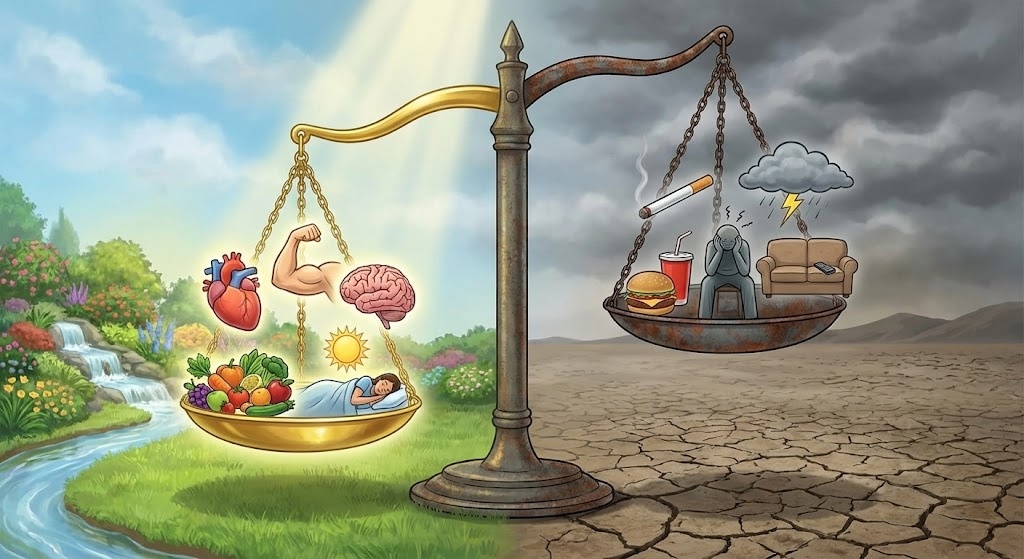
Think about your healthspan the years of your life when you are actually healthy as a bank account.


Every single day, you are making deposits or withdrawals. These aren’t financial transactions; they are biological transactions. Every choice you make influences your balance. The goal should always be to keep the account in the green and, ideally, build enough reserves so that when life gets hard, your body and mind can draw from a well-nourished, resilient foundation.

Visualising Your Longevity Bank

Your body is like a lifetime savings account. Just as early and consistent financial investments create wealth over time, your daily health habits build up (or drain) your vitality.

The beauty of this metaphor is its simplicity. Instead of chasing complex routines or fleeting wellness trends, it brings your focus back to the basics: consistency, awareness, and balance.

You don’t have to get it all right 100% of the time. But you do need to keep checking in with your account and adjusting your inputs.

Daily Deposits: What Adds to Your Longevity Bank

Here are the habits that build your resilience and energy over time. Think of these as small, consistent investments:

  • Sleep: Quality sleep is non-negotiable. It’s when your body heals, your brain resets, and your hormones rebalance. It is the most underrated superpower for health.
  • Strength Training: Muscle is your retirement fund for health. It supports balance, metabolism, bone density, and mobility—all of which are crucial as you age.
  • Fibre-Rich Foods: Colourful vegetables, legumes, and whole grains fuel your gut microbiome, reduce inflammation, and stabilise your metabolism.
  • Sunlight: A few minutes of natural morning light helps set your circadian rhythm, boost mood, and top up your vitamin D stores.
  • Community & Connection: Meaningful relationships are essential. Loneliness is now seen as a health risk comparable to smoking.

Daily Withdrawals: What Drains Your Account

These are the habits that chip away at your resilience and increase the risk of chronic issues. Not all can be avoided, but they can be managed.

  • Ultra-Processed Foods: Foods that come in packages, full of additives and low in nutrients, disrupt your gut, promote inflammation, and leave you nutritionally bankrupt.
  • Chronic Stress Spikes: Stress isn’t inherently bad, but when it becomes your baseline, it accelerates cellular ageing and hormonal imbalances.
  • Sitting for Hours: Prolonged inactivity impacts everything from heart health to mental well-being. Movement isn’t optional; it’s essential.
  • Sleep Debt: Skipping sleep may seem harmless in the short term, but the interest compounds quickly in the form of fatigue, brain fog, and immune dysfunction.

The Real Challenge: Modern Life

The world we live in makes it easy to overspend. Fast food is more accessible than fresh food. Digital life replaces face-to-face connection. Work bleeds into rest.

The trick isn’t perfection; it’s awareness. Start by identifying your biggest daily withdrawals. Then, gently balance the ledger with deposits that feel sustainable.

Balancing the Ledger: Simple Shifts

These are not grand gestures. They are small, steady contributions to your future self:

  1. Replace one processed meal a day with real, whole food.
  2. Get 15–20 minutes of natural morning light.
  3. Add two strength-training sessions a week.
  4. Treat rest like an appointment, and keep it.
  5. Reach out to someone you care about once a week.

Your Body Is a Lifetime Investment

The Longevity Bank Account isn’t just a metaphor; it’s a mindset. Every laugh, every step, every nutrient-rich meal, and every restful night of sleep is a deposit toward a richer, fuller life.

Yes, there will be withdrawals. That’s part of being human. But when your deposits are consistent and intentional, you build a buffer of health and resilience that carries you through.

Treat your body like your most valuable savings account, because that’s exactly what it is. Daily deposits. Mindful withdrawals. That’s the real secret to a life well lived.

We hope this article helps you. For further information or guidance, reach out to our certified experts by subscribing to GOQii’s Personalised Health Coaching here.

#BeTheForce

Disclaimer: The information provided in this blog is for general awareness and educational purposes only. It is not intended to replace professional medical advice, diagnosis, or treatment. Always consult a qualified healthcare provider for personalised medical guidance or concerns related to your health. Images shown are for representation purposes only and may not depict the exact recommendations or outcomes.

  • « Previous Page
  • 1
  • …
  • 40
  • 41
  • 42
  • 43
  • 44
  • …
  • 220
  • Next Page »

Search

Recent Posts

  • PCOS: diet, exercise and the myths to stop believing
  • Cholesterol numbers explained: LDL, HDL and triglycerides
  • International Men’s Day 2026: why men’s health is everyone’s business
  • World COPD Day 2026: Short of Breath? Think COPD – Why Early Diagnosis Matters
  • National Epilepsy Day 2026: Seizure First Aid – What to Do (and Not Do) When Someone Has a Seizure

Stay Updated

Archives

  • November 2026 (20)
  • October 2026 (23)
  • September 2026 (5)
  • August 2026 (8)
  • July 2026 (24)
  • June 2026 (22)
  • May 2026 (20)
  • April 2026 (24)
  • March 2026 (18)
  • February 2026 (14)
  • January 2026 (14)
  • December 2025 (19)
  • November 2025 (14)
  • October 2025 (17)
  • September 2025 (6)
  • August 2025 (5)
  • July 2025 (9)
  • June 2025 (18)
  • May 2025 (16)
  • April 2025 (22)
  • March 2025 (25)
  • February 2025 (21)
  • January 2025 (25)
  • December 2024 (21)
  • November 2024 (21)
  • October 2024 (15)
  • September 2024 (22)
  • August 2024 (27)
  • July 2024 (14)
  • June 2024 (23)
  • May 2024 (26)
  • April 2024 (27)
  • March 2024 (27)
  • February 2024 (23)
  • January 2024 (21)
  • December 2023 (14)
  • November 2023 (10)
  • October 2023 (18)
  • September 2023 (20)
  • August 2023 (16)
  • July 2023 (16)
  • June 2023 (21)
  • May 2023 (20)
  • April 2023 (19)
  • March 2023 (23)
  • February 2023 (19)
  • January 2023 (15)
  • December 2022 (11)
  • November 2022 (15)
  • October 2022 (15)
  • September 2022 (12)
  • August 2022 (9)
  • July 2022 (17)
  • June 2022 (11)
  • May 2022 (10)
  • April 2022 (6)
  • March 2022 (6)
  • February 2022 (13)
  • January 2022 (11)
  • December 2021 (7)
  • November 2021 (3)
  • October 2021 (6)
  • September 2021 (3)
  • August 2021 (8)
  • July 2021 (7)
  • June 2021 (15)
  • May 2021 (16)
  • April 2021 (10)
  • March 2021 (7)
  • February 2021 (4)
  • January 2021 (4)
  • December 2020 (3)
  • November 2020 (4)
  • October 2020 (10)
  • September 2020 (3)
  • August 2020 (3)
  • July 2020 (2)
  • June 2020 (4)
  • May 2020 (10)
  • April 2020 (12)
  • March 2020 (10)
  • February 2020 (4)
  • January 2020 (4)
  • December 2019 (3)
  • November 2019 (7)
  • October 2019 (5)
  • September 2019 (4)
  • August 2019 (9)
  • July 2019 (9)
  • June 2019 (11)
  • May 2019 (4)
  • April 2019 (8)
  • March 2019 (8)
  • February 2019 (9)
  • January 2019 (8)
  • December 2018 (9)
  • November 2018 (3)
  • October 2018 (3)
  • September 2018 (5)
  • August 2018 (10)
  • July 2018 (6)
  • June 2018 (13)
  • May 2018 (8)
  • April 2018 (17)
  • March 2018 (9)
  • February 2018 (8)
  • January 2018 (15)
  • December 2017 (12)
  • November 2017 (19)
  • October 2017 (13)
  • September 2017 (15)
  • August 2017 (4)
  • July 2017 (8)
  • June 2017 (7)
  • May 2017 (6)
  • April 2017 (8)
  • March 2017 (6)
  • February 2017 (7)
  • January 2017 (9)
  • December 2016 (10)
  • November 2016 (7)
  • October 2016 (7)
  • September 2016 (7)
  • August 2016 (11)
  • July 2016 (9)
  • June 2016 (9)
  • May 2016 (12)
  • April 2016 (17)
  • March 2016 (17)
  • February 2016 (8)
  • January 2016 (6)
  • December 2015 (2)
  • November 2015 (9)
  • October 2015 (7)
  • September 2015 (9)
  • August 2015 (11)
  • July 2015 (9)
  • June 2015 (11)
  • May 2015 (9)
  • April 2015 (13)
  • March 2015 (8)
  • February 2015 (5)
  • January 2015 (12)
  • December 2014 (14)
  • November 2014 (11)
  • October 2014 (6)
  • September 2014 (13)
  • August 2014 (12)
  • July 2014 (6)
  • June 2014 (2)
  • May 2014 (7)
  • April 2014 (4)

From Burnout to Balance: How Dr. Ranjit Reclaimed His Health

Dr Ranjit Bhatt has spent years tending to others. A practising doctor in Odisha, his days were packed with patients, surgeries, and emergencies. From the outside, it looked like a life lived in service. But on the inside, something wasn’t right. “I had no … [Read More...]

From Shimla’s Slopes to Chandigarh’s Sidewalks: Surinder Kaur Bhalla’s Journey from Chaos to Control

Some journeys start with a plan. Others begin with a stumble literally. Surinder Bhalla, a government professional, born and raised in the scenic hill town of Shimla, had always lived a life of movement. “In Shimla, you walked everywhere,” she reflects. “Walking was never an exercise. It was just life.” But after shifting to Chandigarh, […]

“I’ve Challenged Myself to Live 100 Years” – The Story of Chandubhai Savani’s Second Chance at Life

At 67, most people start slowing down. Not Chandubhai Savani. A resident of Surat, Chandubhai, thought life was on track. “My life was going well till I had my bypass surgery,” he says. That surgery, back in 2021, was a wake-up call.  Medication was routine, but exercise wasn’t. His diet? What he calls ‘normal.’ “I […]

Ananda Mukherjee Health Story

From Terminal Illness To Complete Wellness! Ananda Mukherjee Health Story

As we observe World Cancer Day under the powerful theme ‘United by Unique’ (2025-2027)**, we are reminded that every individual’s journey with cancer is distinct, yet united by shared resilience, hope, and the collective fight against this disease. This theme places people at the centre of care and their stories at the heart of the […]

  • HOME
  • HEALTHY LIVING
  • FITNESS
  • HEALTHY RECIPES
  • USER STORIES
  • KARMA
  • BUY GOQii

Copyright ©2016 GOQii

