GOQii

Blog

  • HOME
  • HEALTHY LIVING
  • FITNESS
  • HEALTHY RECIPES
  • USER STORIES
  • KARMA
  • BUY GOQii

Search Results for: chocolate

March 3, 2024 By Urvashi Sareen 2 Comments

Fluid Replacement and Athletic Performance

water_intake

I am not sure how many of you know that hydration and athletic performance is connected? In this blog, I am precisely going to tell you this aspect. Adequate fluid replacement helps maintain hydration and, therefore, promotes the health, safety, and optimal physical performance of individuals participating in the regular physical activity.

Dehydration can compromise athletic performance and increase the risk of exertion heat injury. Athletes do not voluntarily drink sufficient water to prevent dehydration during physical activity.

The two main factors influencing early fatigue and impaired performance (both physical and mental) in all types of sports and exercise are depletion of body levels of Carbohydrate and/or fluid. Fluid replacement is probably the most important nutritional concern for athletes. As an athlete exercise, fluid is lost through the skin as sweat and through lungs when an athlete breathes. If this fluid is not replaced at regular intervals during exercise, the athlete can become dehydrated bringing about metabolic changes.

Hypohydration (total body water below normal) impairs the body’s ability to regulate heat resulting in increased body temperature and an elevated heart rate. Perceived exertion is increased causing the athlete to feel more fatigued than usual at a given work rate. Mental function is reduced which can have negative implications for motor control, decision making and concentration.

Gastric emptying is slowed, resulting in stomach discomfort. All these effects lead to impairment in exercise performance. Most types of exercise are adversely affected by hypohydration, especially when they are undertaken in hot conditions, and negative effects have been detected when fluid deficits are as low as 2 %

Recommended water intake before, during and after sport/workout

Before Sports

Drinking fluids prior to exercise appear to reduce or delay the detrimental effects of dehydration.

  • 1 to 2 hours before sports: 4 to 8 ounces of cold water
  • 10 to 15 minutes before sports: 4 to 8 ounces of cold water
  • A good meal with containing water (e.g. fruits).

During Sports

  • Every 20 minutes: 5 to 9 ounces of a sports drink, depending on weight (5 for a child weighing 88 pounds, 9 ounces for a child weighing 132 pounds)
  • Any time a child feels thirsty
  • Encourage drinking fluids during timeouts and breaks
  • Encourage drinking from their own fluid container and avoid sharing with others
  • Encourage the ability to drink whenever they want and not to wait until they are told to take a break
  • Adjust fluid needs during practice according to the weather, the amount of equipment worn, and practice duration and intensity.

After Sports

Post-exercise hydration should aim to correct any fluid lost during the practice and help the body to recover from the sports activity:

  • Within the first 30 minutes after exercise, drink chocolate milk or a specially formulated sports drink containing protein and carbohydrates such as Gatorade G3 Recover.  Not only do they hydrate but, the protein helps the body recover from exercise by enhancing muscle repair, and the carbohydrate replenishes glycogen stores in muscles, which are a source of fuel during prolonged exercise of an hour or more.
  • Within two hours: 20-24 ounces of a sports drink for every pound (16 ounces) of weight loss
  • Replace all fluids lost during exercise plus any lost after exercise through urination
  • Eat a good meal with foods containing water

Given the above before, during and after sports water intake recommendations, one should follow these properly for healthy and active life

Proper hydration is the cornerstone of athletic excellence. Understanding the connection between fluid balance and performance can significantly enhance your physical and mental well-being during sports activities. Follow these recommended water intake strategies to fuel your body for peak performance and sustained health. For further information or guidance, reach out to our certified experts by subscribing to GOQii’s Personalised Health Coaching here.

#BeTheForce

February 22, 2024 By Madhu Soni 1 Comment

6 Foods That Trigger Migraine

migraine

Migraine is a severe headache accompanied by nausea, dizziness and vomiting. Initially the pain may be very mild, but gradually builds up to a throbbing pain. You may experience pain in one area or the pain may shift and sometimes, affect the entire head. It varies from person to person. The pain can go on for hours or even days. 

What Triggers A Migraine? 

It is difficult to pinpoint the exact triggers for a Migraine. Medical science states that inflammation of the neurotransmitters causes migraine. Hormonal imbalance, stress, change in season, change in physical activity, etc. are all possible causes for this debilitating condition. However, certain foods have shown to play a major role in provoking the migraine. 

  1. Alcohol: High consumption of alcohol causes dehydration and this causes the brain to react in a different way. This could be a major trigger. Apart from other alcohols, red wine, which is considered to be good for health, can cause migraine.
  2. Chocolate: Although nitric oxide is very good for the heart and blood vessels, nitrates present in chocolates tend to cause migraine as dilation of blood vessels can activate this condition.
  3. Processed Food: Most fast food, chinese food, ready to cook meals, instant noodles, pasta, oats, chips and other fried snacking options have an active ingredient called monosodium glutamate (MSG) which is considered safe to eat, but is said to be linked with migraine.
  4. Fermented Food: contains histamine which may be a possible reason. Cheese, pickled vegetables and fruits, dry fruits, sauerkraut, kimchi and vinegar come under the umbrella of fermented food. The high salt content in most of these foods may act as a trigger.
  5. Citrus Fruits: like oranges, lemons, melons etc. are also known to trigger this condition. These citrus fruits may cause gas formation which may kickstart the migraine
  6. Leftover food: Stale food is said to be one of the reasons for igniting a migraine as the tyramine content increases  during the storage period, hence making one more vulnerable to this pain. If food is not stored at the right temperature, it can trigger the pain.

 We hope this article helps you! Stay away from these foods if you have a migraine condition. Do consult your doctor and stay safe! For more on nutrition, what to eat and what to avoid, check out Healthy Reads or speak to a certified expert by subscribing to GOQii’s Personalised Health Coaching here.

#BeTheForce 

February 16, 2024 By Sonal Pradhan 5 Comments

Healthcare for Children During Exams

Exam time is quite a stressful ordeal for students and parents alike. Wouldn’t a successful examination without the stress be great? Healthy habits can build that foundation for you! Just follow these simple yet important parameters and it will help you and your kids during exams!

1. Nutrition During Exams

Though a good practice to maintain at all times, healthy eating assumes greater significance during exams. Food fuels the mind and body. The quality of food you eat largely determines your overall health and mental acuity.

  • Eat Smaller, Frequent Meals
    If you feed your child a large meal, then he/she will experience a dip in energy and the alertness to study for hours on end. Small meals provide a steady supply of energy to the exam fatigued brain. Keep a steady supply of glucose (energy) throughout the day. This will ensure that your child is focused during study time as well as the exam. Avoid keeping long gaps between meals.
    Opt for healthy snacks such as fresh fruit, popcorn, fruit scones, dried fruit, yogurt or nuts. This will keep your child going throughout the day. They are a better option than cakes, biscuits, chocolates and sweets. The refined sugars in these products will only give your child a ‘sugar rush’ after eating them but will leave them feeling flat and in a bit of a slump shortly afterwards.
  • Food For The Brain
    Vitamin B strengthens brain functioning. Good food sources of Vitamin B are meats (red meat, poultry, fish), eggs and dairy products (milk, cheese), Legumes (beans, lentils), seeds and nuts (sunflower seeds, almonds), whole grains (brown rice, barley, millet), dark leafy vegetables (broccoli, spinach), fruits (citrus fruits, avocados, bananas).
  • Omega 3 Fats
    You may have heard the mention of Omega-3 fats as heart-protective. However, they also play an important role in memory, concentration, and relieving depression. Omega 3 has been shown to help brain function and increase concentration. It also helps to improve your immune system when your body and mind are stressed. To get your omega-3 fats, you can eat oily fish like salmon, mackerel, tuna, halibut and trout. You can also give flax, chia, melon and sunflower seeds to your kids.
  • Avoid Junk and Oily Foods
    Junk and oily foods slow your body down. Be sure to avoid it. Include good quality proteins such as fish, eggs, milk products, sprouts, etc. Munch fruits and vegetables in between as to keep going for long hours.
  • Never Skip Meals During Exams
    Simply put, your brain needs the energy from food to work efficiently. Your child needs to keep his/her mental focus on the exam and not on hunger. A light meal before the exam will ensure that your child has the energy to pull through the long exam hours. A meal that includes wholegrain carbohydrates will suffice but ensure that it is in small portions. This is to avoid feeling too lethargic or sleepy.

2. Sleep During Exams

To function on an exam day, your child does not only need the energy that comes from nutrition but also the energy that comes from adequate sleep. Sleep deprivation can bring in several health repercussions, especially when coupled with stress. Adequate sleep ensures that your child can recall all the information he/she has worked so hard to learn. Sleep also leaves room to absorb new information that he/she may read. Students preparing for their exams should get at least 6-8 hours of sleep every night to maintain good mental and physical health.

Avoid caffeine-containing drinks late at night. A milky or herbal drink such as chamomile tea can ensure a calm and good night’s sleep.

3. Hydration During Exams

It is important to stay hydrated. Not just during exams but all the time. Dehydration can make a person feel lethargic, irritable and tired. Worst of all, it affects concentration. This affects an individual’s ability to focus, study or perform. Do not wait till your child is thirsty. If you wait till he/she is thirsty, it means his/her body is already a little dehydrated. Even mild dehydration can lead to tiredness, headaches, reduced alertness and diminished concentration.

Keep a glass of liquid (fruit juice, coconut water, water) within easy reach while studying and ensure your child has a bottle of water with him/her during the exam. Aim for 1.5 to 2L of fluid per day.

4. Managing Stress During Exams

Unmanaged stress can cause sleep disruption, headaches, poor concentration, and over consumption of junk food. All of these can contribute to impaired test performance. While stress is inevitable, finding appropriate ways to deal with it is the key to staying healthy during exams.

Being active is one of the best things your child can do to stay sane during exam week. Exercising releases endorphins, which make you feel happy and reduce stress. Physical activity is an effective tool to improve academic performance. Exercise also helps in improving memory and thinking ability for students by increasing oxygen flow to the brain. To help relieve stress, clear mind and lift mood, break up study with short bursts of exercise. Your child could go for a jog, a swim, a cycle, or even just walk to your local shop. Listening to music can also create a positive and productive environment by elevating mood and encouraging your child to study more effectively for a longer period of time.

To sum everything up – your child needs to eat well-balanced, healthy meals regularly. He/She needs to drink plenty of water to avoid dehydration. A well-ventilated room, regular breaks and sound sleep will ensure that your child performs at his/her best during the exams!

Was this article helpful? Let us know in the comments below!

#BeTheForce

February 6, 2024 By Yogita Agarwal 1 Comment

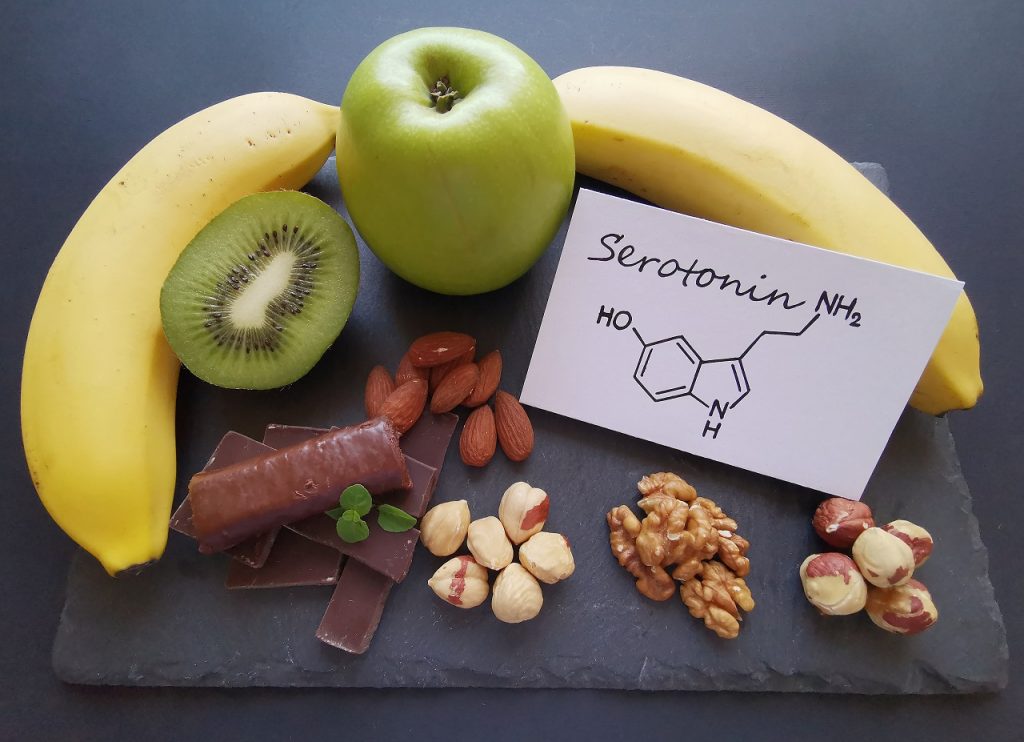
Foods That Help You Boost Your Mood

boost your mood

When we feel emotionally low, feel sad, anxious or frustrated, we get tempted to eat food that can lift our spirit. But in the bargain of improving our mood, we end up binging on sweets and junk food. These unhealthy foods can have negative outcomes of their own. So, to avoid those unwanted outcomes on your body, let’s look at healthy food sources that can help you boost your mood! 

Foods To Help You Boost Your Mood 

  1. Fermented Foods: The fermentation process allows the bacteria to thrive in foods, being able to convert sugars into alcohol and acids, creating probiotics. This helps increase serotonin levels. Kimchi, kefir, yogurt, kombucha and kanji are the sources of probiotics that support gut health and a healthy gut can help you boost your mood! 
  2. Fatty Fish: are rich sources of 2 types of Omega 3 – DHA (Docosahexaenoic acid) and E (eicosapentaenoic acid), both help lower the levels of depression. Salmon and albacore tuna are fishes we can include in our diet.
  3. Dark Chocolate: helps to improve mood as it may release a cascade of feel-good compounds such as caffeine, theobromine and N-acylethanolamine which is a substance chemically similar to cannabinoids that have been linked to improved mood. It is high in health-promoting flavonoids, which have been shown to increase blood flow to your brain, reduce inflammation, and boost brain health, all of which may support mood regulation.
  4. Banana: is a rich source of vitamin B6. It helps in the synthesis of neurotransmitters dopamine and serotonin. It is an excellent source of natural sugar and good probiotics, so it helps in keeping our mood up. 
  5. Whole Grains: like steel-cut oatmeal, quinoa, brown rice, amaranth, millet, bulgur and wild rice are important sources of B vitamins, nutrients vital for brain health. Vitamin B1 (Thiamine) helps in turning glucose into energy, vitamin B5 (pantothenic acid) helps in the production of the neurotransmitter acetylcholine (involved in learning and memory), vitamin B6 is needed to convert the amino acid tryptophan into serotonin, and vitamin B12 helps in the production of neurotransmitters serotonin and dopamine, which can boost your mood. 
  6. Berries: are packed with a wide range of antioxidants and phenolic compounds, which play a key role in combating oxidative stress and an imbalance of harmful compounds in our body. They are a good source of anthocyanins – the pigment in blue-purple colored berries, which helps lift the mood.
  7. Nuts and Seeds: are a good source of plant protein, healthy fats, and fiber. They are a good source of amino acids, which help in the production of serotonin. Seeds like sesame, pumpkin and sunflower aid brain function and can help in making you feel better.
  8. Coffee: Caffeine has been found to trigger the release of brain chemicals such as dopamine, which is important for performance and mood. Caffeine helps in the prevention of a naturally occurring compound called adenosine from attaching to the brain receptors that promote tiredness, therefore, increasing alertness and attention.
  9. Beans and Lentils: are high in fiber and plant-based protein. They are full of feel-good nutrients. They are an excellent source of B vitamins, which help improve mood by increasing levels of neurotransmitters like serotonin, dopamine, norepinephrine, and gamma-aminobutyric acid (GABA), all of which are important for regulating mood. Vitamin B plays a key role in nerve signaling, which allows proper communication between nerve cells. Low levels of these vitamins, especially B12 and folate, can make us feel low.
  10. Leafy Green Vegetables: Spinach and other green vegetables contain folate. Green leafy veggies are an amazing source of vitamin B, fibre, iron, and folate which can help in improving brain function and produce neurotransmitters that help in boosting mood. Adding a good amount of green veggies to your diet will not only boost your mood but your overall health as well. 

With the above food, you should also exercise regularly, sleep for 7-8 hours and focus on the quality of sleep, manage stress and stay hydrated! We hope this article helps you. For more on nutrition, check out Healthy Reads or reach out to our certified experts by subscribing to GOQii’s Personalised Health Coaching here.

#BeTheForce 

  • « Previous Page
  • 1
  • …
  • 10
  • 11
  • 12
  • 13
  • 14
  • …
  • 29
  • Next Page »

Search

Recent Posts

  • World AMR Awareness Week 2026: when you need antibiotics, and simple steps to prevent AMR
  • PCOS: diet, exercise and the myths to stop believing
  • Cholesterol numbers explained: LDL, HDL and triglycerides
  • International Men’s Day 2026: why men’s health is everyone’s business
  • World COPD Day 2026: Short of Breath? Think COPD – Why Early Diagnosis Matters

Stay Updated

Archives

  • November 2026 (21)
  • October 2026 (23)
  • September 2026 (5)
  • August 2026 (8)
  • July 2026 (24)
  • June 2026 (22)
  • May 2026 (20)
  • April 2026 (24)
  • March 2026 (18)
  • February 2026 (14)
  • January 2026 (14)
  • December 2025 (19)
  • November 2025 (14)
  • October 2025 (17)
  • September 2025 (6)
  • August 2025 (5)
  • July 2025 (9)
  • June 2025 (18)
  • May 2025 (16)
  • April 2025 (22)
  • March 2025 (25)
  • February 2025 (21)
  • January 2025 (25)
  • December 2024 (21)
  • November 2024 (21)
  • October 2024 (15)
  • September 2024 (22)
  • August 2024 (27)
  • July 2024 (14)
  • June 2024 (23)
  • May 2024 (26)
  • April 2024 (27)
  • March 2024 (27)
  • February 2024 (23)
  • January 2024 (21)
  • December 2023 (14)
  • November 2023 (10)
  • October 2023 (18)
  • September 2023 (20)
  • August 2023 (16)
  • July 2023 (16)
  • June 2023 (21)
  • May 2023 (20)
  • April 2023 (19)
  • March 2023 (23)
  • February 2023 (19)
  • January 2023 (15)
  • December 2022 (11)
  • November 2022 (15)
  • October 2022 (15)
  • September 2022 (12)
  • August 2022 (9)
  • July 2022 (17)
  • June 2022 (11)
  • May 2022 (10)
  • April 2022 (6)
  • March 2022 (6)
  • February 2022 (13)
  • January 2022 (11)
  • December 2021 (7)
  • November 2021 (3)
  • October 2021 (6)
  • September 2021 (3)
  • August 2021 (8)
  • July 2021 (7)
  • June 2021 (15)
  • May 2021 (16)
  • April 2021 (10)
  • March 2021 (7)
  • February 2021 (4)
  • January 2021 (4)
  • December 2020 (3)
  • November 2020 (4)
  • October 2020 (10)
  • September 2020 (3)
  • August 2020 (3)
  • July 2020 (2)
  • June 2020 (4)
  • May 2020 (10)
  • April 2020 (12)
  • March 2020 (10)
  • February 2020 (4)
  • January 2020 (4)
  • December 2019 (3)
  • November 2019 (7)
  • October 2019 (5)
  • September 2019 (4)
  • August 2019 (9)
  • July 2019 (9)
  • June 2019 (11)
  • May 2019 (4)
  • April 2019 (8)
  • March 2019 (8)
  • February 2019 (9)
  • January 2019 (8)
  • December 2018 (9)
  • November 2018 (3)
  • October 2018 (3)
  • September 2018 (5)
  • August 2018 (10)
  • July 2018 (6)
  • June 2018 (13)
  • May 2018 (8)
  • April 2018 (17)
  • March 2018 (9)
  • February 2018 (8)
  • January 2018 (15)
  • December 2017 (12)
  • November 2017 (19)
  • October 2017 (13)
  • September 2017 (15)
  • August 2017 (4)
  • July 2017 (8)
  • June 2017 (7)
  • May 2017 (6)
  • April 2017 (8)
  • March 2017 (6)
  • February 2017 (7)
  • January 2017 (9)
  • December 2016 (10)
  • November 2016 (7)
  • October 2016 (7)
  • September 2016 (7)
  • August 2016 (11)
  • July 2016 (9)
  • June 2016 (9)
  • May 2016 (12)
  • April 2016 (17)
  • March 2016 (17)
  • February 2016 (8)
  • January 2016 (6)
  • December 2015 (2)
  • November 2015 (9)
  • October 2015 (7)
  • September 2015 (9)
  • August 2015 (11)
  • July 2015 (9)
  • June 2015 (11)
  • May 2015 (9)
  • April 2015 (13)
  • March 2015 (8)
  • February 2015 (5)
  • January 2015 (12)
  • December 2014 (14)
  • November 2014 (11)
  • October 2014 (6)
  • September 2014 (13)
  • August 2014 (12)
  • July 2014 (6)
  • June 2014 (2)
  • May 2014 (7)
  • April 2014 (4)

From Burnout to Balance: How Dr. Ranjit Reclaimed His Health

Dr Ranjit Bhatt has spent years tending to others. A practising doctor in Odisha, his days were packed with patients, surgeries, and emergencies. From the outside, it looked like a life lived in service. But on the inside, something wasn’t right. “I had no … [Read More...]

From Shimla’s Slopes to Chandigarh’s Sidewalks: Surinder Kaur Bhalla’s Journey from Chaos to Control

Some journeys start with a plan. Others begin with a stumble literally. Surinder Bhalla, a government professional, born and raised in the scenic hill town of Shimla, had always lived a life of movement. “In Shimla, you walked everywhere,” she reflects. “Walking was never an exercise. It was just life.” But after shifting to Chandigarh, […]

“I’ve Challenged Myself to Live 100 Years” – The Story of Chandubhai Savani’s Second Chance at Life

At 67, most people start slowing down. Not Chandubhai Savani. A resident of Surat, Chandubhai, thought life was on track. “My life was going well till I had my bypass surgery,” he says. That surgery, back in 2021, was a wake-up call.  Medication was routine, but exercise wasn’t. His diet? What he calls ‘normal.’ “I […]

Ananda Mukherjee Health Story

From Terminal Illness To Complete Wellness! Ananda Mukherjee Health Story

As we observe World Cancer Day under the powerful theme ‘United by Unique’ (2025-2027)**, we are reminded that every individual’s journey with cancer is distinct, yet united by shared resilience, hope, and the collective fight against this disease. This theme places people at the centre of care and their stories at the heart of the […]

  • HOME
  • HEALTHY LIVING
  • FITNESS
  • HEALTHY RECIPES
  • USER STORIES
  • KARMA
  • BUY GOQii

Copyright ©2016 GOQii