GOQii

Blog

  • HOME
  • HEALTHY LIVING
  • FITNESS
  • HEALTHY RECIPES
  • USER STORIES
  • KARMA
  • BUY GOQii

Search Results for: chocolate

May 13, 2024 By Megha Mahajan 1 Comment

10 Dietary Changes That Can Help Manage Diabetes

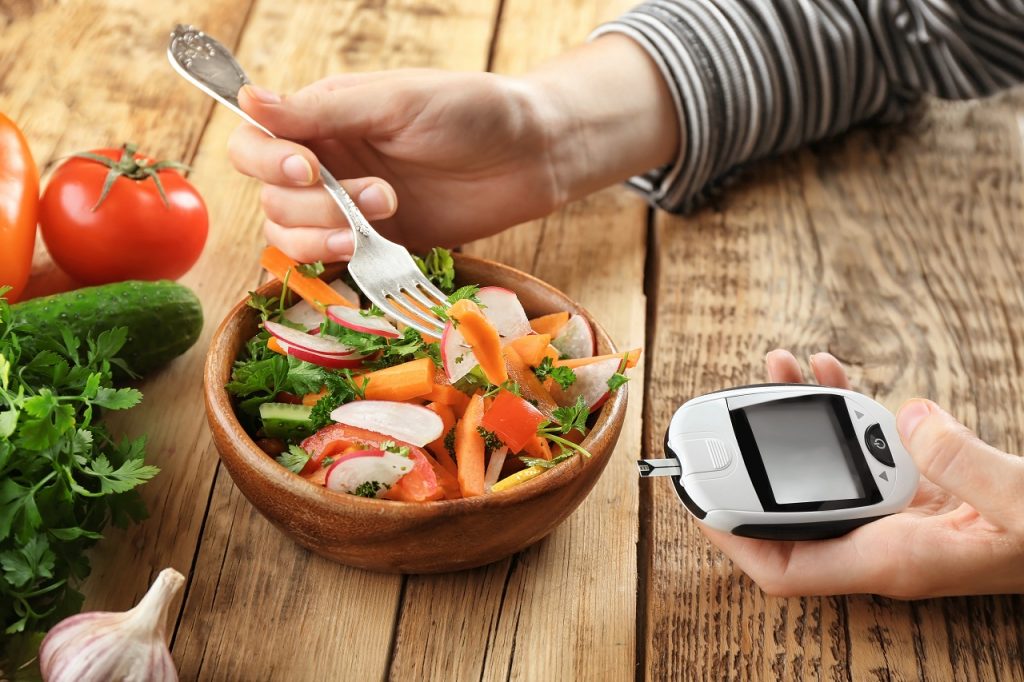
manage diabetesDiabetes – the one word that makes your mind wander in so many directions! You find yourself asking questions like: Will this last for ever? Will I ever get better? How can I manage my diabetes? Well, these are smart questions that anyone should ask. And, yes, you can and will get better! You just need to make a few tweaks in your lifestyle and you should be fine.

While it may seem like an insurmountable hurdle or a wall that cannot be breached, there are thousands of diabetics with good testimonies. Aged people who have lived with diabetes so much so that they sometimes forget that they have diabetes. How can this be your testimony? Well, the pointers below show some of the things you can do to kickstart your own journey to overcome diabetes.

Of course it’s not going to be easy to let go of all your favorite meals. But, no one is saying you have to get rid of them all at once. You’ve just got to be smart about it. Do not make diabetes “complex”,  make eating “complex” to keep diabetes “simple”. Just as in everything else, a lot of effort has to go into your overall lifestyle if you are to conquer diabetes. Just be conscious and you’ll make headway. To eliminate diabetes, take a step towards improving your eating habits and you’ll feel a lot better generally.

Some Dietary Changes To Help You Manage Diabetes

1. Eat Complex To Live Simple: Eating complex doesn’t mean you have to stop eating everything. It simply means you have to make your carbs complex over simple ones, as these are the best type of carbohydrates for diabetics. Complex carbohydrates digest slowly and maintain steady glucose levels in the body.

2. Make fiber an important part of your diet: Fiber refers to plant-based food that slows down the breaking of carbohydrates and keeps you full for longer periods of time. Yes, fiber can go a long way in improving your situation. You don’t have to go over and under in search of fiber rich foods. You can get your fiber fix by following these simple tips:

  • Do not sieve the flour
  • Eat whole fruits over a glass of juice
  • Choose whole grains and whole pulses
  • Eat more vegetables
  • Do not peel the edible portion of the fruit for example – apple, guava, pear, peaches
  • Make soups and salads your best friends

3. Choose healthier versions of your favorite food

Instead of these Choose these
White bread Brown bread
Normal roti Bran roti/multigrain roti
Meat Fish
Normal rice/parboiled rice Brown rice
Sugary or flavored cornflakes Plain cornflakes/oats
Sugar Jaggery/honey
Mayonnaise veg sandwich Hungcurd vegetable sandwich
Normal chocolate Dark chocolate
Creamy cheesy dip Salsa dip
Whole milk Skimmed milk
Salted nuts Unsalted nuts
Soda Salted fresh lime
Potato sticks Raw veggie sticks
Fried chicken Grilled chicken
White pasta Whole wheat pasta
Fruit juices Whole fruits

It surely can be very difficult to do away with all your favorite meals. Instead of doing away totally, you can instead opt for close alternatives as shown above. Choose the healthier version of your favorite meals and you’ll thank yourself for it.

4. Say “NEVER AGAIN” to Trans-fat: Trans-fat is basically obtained chemically by the hydrogenation of oils. It will make your condition worse! To avoid trans-fats, avoid chips, cookies, pastries and margarine. Incorporate healthy fats by following these simple methods:

  • Introduce olive oil or rice bran over butter or ghee
  • Remove the skin from chicken before cooking it
  • Prefer healthy ways of cooking such as grilling, baking and roasting over frying
  • Enhance flavour of food by using more of herbs and spices instead of oil. It will not only give you good taste but also prevent you from consuming extra oil as well as provide you the benefits of antioxidants
  • Prefer fish over red meat as it is full of good fat
  • Eat fish 2 or 3 times week instead of red meat
  • Use hung curd as dressing instead of mayonnaise
  • Prefer baked chips over fried ones

5. Choose Low-glycemic index foods: Glycemic Index refers to the rate at which a particular food raises our blood glucose levels. Foods with high GI spike our blood glucose level and vice-a-versa. Again, fiber is your hero! Fiber rich foods have lower glycemic index – another reason why you should take them.

Some Low GI Sources include whole nuts, whole cereals, cherries, oatmeal, apple, vermicelli, whole dals, prunes, plain yoghurt, soymilk, whole milk, peaches, channa dal and peanuts.

6. Eat small but frequently: The logic here is, heavy meals spike our glucose levels. So small frequent meals will keep our metabolism high, while maintaining glucose levels.

7. Walking and Exercise are your best friends: Exercise is important as it helps to maintain your ideal Body Weight which is very important for diabetics. Exercising helps your weight loss efforts, and is especially important in maintaining an ideal body weight.

8. Limit only high caloric fruits: Except for some fruits like mango, banana and chikoo, one can eat any fruit but  in prescribed amounts only.

9. Use functional foods in the diet: These foods provide “extra benefits” to your diet. Apart from nutrition, it provides you a number of benefits. Functional foods are full of antioxidants, unsaturated fatty acids and are also rich in fiber. Some of them include mustard seeds, flax seeds, fenugreek seeds, curry leaves, cinnamon, cloves and chia seeds.

10. Before sleeping ask yourself the following questions:

  • Am I taking too much of alcohol? If the answer is no, then you are okay
  • Am I taking medication properly? If yes, give yourself a pat on the back
  • My feet are clean? No? Then rush to the bathroom!
  • Am I feeling stressed? If your answer is yes? Chill with music and take deep breaths. Remember nothing comes at the cost of your health and ensure you feel some relief.
  • Have I checked my weight?
  • Did I walk for 45 minutes today? If yes, you’ve done well. Feel good about it because you are on track to manage diabetes
  • Now, time for sleep…Proper timing is essential. Get good sleep.

You can manage diabetes by living healthy. Eating in moderation and eating healthy can go a long way in giving you really good results!

We hope this article helps you manage diabetes effectively. For more help to manage diabetes, get the right guidance and motivation by certified experts, join the GOQii Diabetes Care program. It’s India’s only diabetes program that is driven by Smart Science and Personal Coaching to improve Fasting Blood Sugar (FBS), Postprandial Blood Sugar (PP), reduce HbA1c levels. You can subscribe here: https://store.goqii.com/diabetescare.

To read more on how to manage Diabetes, check out Healthy Reads.

Let’s #DefeatDiabetes and #BeTheForce!

April 17, 2024 By Urvashi Malhotra - GOQii Coach 4 Comments

Embracing the Sun: Unlocking the Benefits of Vitamin D

“Mrs. Sharma has been prescribed vitamin shots by the doctor”, gossiped my maid. She explained this both with surprise and fantasy with little clue of what the issue was with Mrs. Sharma. All she knew was Mrs. Sharma had been complaining of constant pain in most bones of her body

My 9 year old nephew, Phagun, pesters his mom to give him chocolate flavored supplement in his milk. He loves chocolate flavor, but he claims that adding this supplement to his milk would enhance the “power of milk” – a clear case of impact of television on children. But, is there any truth in what Phagun is claiming? Let’s understand.

The common thread between the 2 stories above is an essential nutrient called Vitamin D. Also known as the sunshine Vitamin, it is produced by the body in response to sunlight. Latitude, cultural dress habits, season, sun avoidance, and sunscreen protection can all limit Vitamin D production. Hence the sedentary lifestyle of Mrs. Sharma could be the reason of her problems today. Dietary source of Vitamin D comes from fortified foods such as milk, juices, margarines, yogurts, cereals, and soy, animal foods (oily fish, eggs, and liver). Vitamin D is constantly being used for calcium metabolism and bone and hence its connection to calcium absorption in the body which means Phagun was right.

Vitamin D deficiency has been shown to play a role in almost every major disease like Osteoporosis, Osteopenia, Osteoarthritis, Rheumatoid Arthritis. Research has shown that there is a correlation between low Vitamin D levels, insulin resistance, and inflammation, all of which contribute to PCOS and other hormonal disorders

The best and natural way to get Vitamin D is to sit in sun for short period of time for about 10 to 15 minutes – one doesn’t need to tan or burn our skin to get Vitamin D. The more skin you expose the more Vitamin D is produced. Vitamin D supplements is also a good way to get Vitamin D particularly if you can’t get enough sunlight for some reason, or if you’re already deficient and is then recommended by physicians. Supplementation with 800 to 1000 IU/day of Vitamin D is safe for most people and can ensure levels of Vitamin D within the optimal range.

So next time, if you are trying to avoid sun to save yourselves from tanning or to avoid a risk of an additional pimple, think twice. Absorb the sun, its free and can free you from lot of troubles. For more informative articles such as this, check out Healthy Reads or you can get this information directly from a GOQii Coach by subscribing for personalized health coaching here.

#BeTheForce

April 15, 2024 By Kajree Korade 2 Comments

Get To Know Your Emotional Hunger

Emotional hungerHave you ever made room for dessert even though you’re already full? Out of nowhere in the middle of doing something important, you start feeling hungry? Do you feel hungry before any important meeting? If yes, then you should check your emotional status as this might be due to emotional hunger!

What Is Emotional Hunger or Emotional Eating? 

Emotional hunger or emotional eating is the practice of consuming large quantities of food, usually ‘comfort’ or junk foods in response to feelings instead of hunger. Emotional eating is a maladaptive coping strategy used by many of us to deal with negative emotions. Emotional eating can be caused by many reasons which include stress, tension, depression, boredom, and sometimes due to excitement.

Under high stress, your biological age can be 30 times higher than your calendar age. Modern life is full of frustrations, deadlines, and demands. For many people, stress has become a way of life. When stress becomes overwhelming, it can damage your health, mood, relationships and quality of life.

Stress also affects our food preferences. Emotional distress increases the intake of food high in fat and sugar, and you sleep excessively under stress. Also, some people consume alcohol and all this leads to gaining weight around your abdomen and unfortunately, abdominal obesity puts you at risk for several lifestyle diseases such as diabetes, hypertension and heart related issues.

In stress, adrenal glands release a hormone called cortisol, which makes you crave for carbohydrates, sugar and fatty foods. Food is soothing due to the chemical changes it creates in your body. Chocolate is an excellent example. When junk food is calling your name, it’s possible to put boundaries on your emotional eating habits. Ready to break free from stress eating?

The Solution To Beat Emotional Eating 

  • When you’re tempted to snack for emotional reasons, try moving instead. Just walk for 10 minutes.
  • Try a quick breathing exercise: Slowing down your breathing can trick your body into thinking you are going to sleep, which in turn relaxes your body. Close your eyes and slowly breathe in and out.
  • Sip black tea: A study in the journal of Psychopharmacology found that subjects who consumed black tea, experienced a 47% drop in their cortisol levels.
  • Try self-massage: It can be as simple as sitting down, rubbing your feet, one at a time, over the top of the heel, until you feel relaxed.

You’ll eat better and healthier foods if you don’t let your emotions guide your food choices! So be mindful about your choices. For more on stress, you can check Healthy Reads. To help you cope with emotional hunger or help you manage stress better, reach out to a GOQii Coach by subscribing for Personalised Health Coaching here.

Do leave your thoughts in the comments below!

#BeTheForce

March 3, 2024 By Urvashi Sareen 2 Comments

Fluid Replacement and Athletic Performance

water_intake

I am not sure how many of you know that hydration and athletic performance is connected? In this blog, I am precisely going to tell you this aspect. Adequate fluid replacement helps maintain hydration and, therefore, promotes the health, safety, and optimal physical performance of individuals participating in the regular physical activity.

Dehydration can compromise athletic performance and increase the risk of exertion heat injury. Athletes do not voluntarily drink sufficient water to prevent dehydration during physical activity.

The two main factors influencing early fatigue and impaired performance (both physical and mental) in all types of sports and exercise are depletion of body levels of Carbohydrate and/or fluid. Fluid replacement is probably the most important nutritional concern for athletes. As an athlete exercise, fluid is lost through the skin as sweat and through lungs when an athlete breathes. If this fluid is not replaced at regular intervals during exercise, the athlete can become dehydrated bringing about metabolic changes.

Hypohydration (total body water below normal) impairs the body’s ability to regulate heat resulting in increased body temperature and an elevated heart rate. Perceived exertion is increased causing the athlete to feel more fatigued than usual at a given work rate. Mental function is reduced which can have negative implications for motor control, decision making and concentration.

Gastric emptying is slowed, resulting in stomach discomfort. All these effects lead to impairment in exercise performance. Most types of exercise are adversely affected by hypohydration, especially when they are undertaken in hot conditions, and negative effects have been detected when fluid deficits are as low as 2 %

Recommended water intake before, during and after sport/workout

Before Sports

Drinking fluids prior to exercise appear to reduce or delay the detrimental effects of dehydration.

  • 1 to 2 hours before sports: 4 to 8 ounces of cold water
  • 10 to 15 minutes before sports: 4 to 8 ounces of cold water
  • A good meal with containing water (e.g. fruits).

During Sports

  • Every 20 minutes: 5 to 9 ounces of a sports drink, depending on weight (5 for a child weighing 88 pounds, 9 ounces for a child weighing 132 pounds)
  • Any time a child feels thirsty
  • Encourage drinking fluids during timeouts and breaks
  • Encourage drinking from their own fluid container and avoid sharing with others
  • Encourage the ability to drink whenever they want and not to wait until they are told to take a break
  • Adjust fluid needs during practice according to the weather, the amount of equipment worn, and practice duration and intensity.

After Sports

Post-exercise hydration should aim to correct any fluid lost during the practice and help the body to recover from the sports activity:

  • Within the first 30 minutes after exercise, drink chocolate milk or a specially formulated sports drink containing protein and carbohydrates such as Gatorade G3 Recover.  Not only do they hydrate but, the protein helps the body recover from exercise by enhancing muscle repair, and the carbohydrate replenishes glycogen stores in muscles, which are a source of fuel during prolonged exercise of an hour or more.
  • Within two hours: 20-24 ounces of a sports drink for every pound (16 ounces) of weight loss
  • Replace all fluids lost during exercise plus any lost after exercise through urination
  • Eat a good meal with foods containing water

Given the above before, during and after sports water intake recommendations, one should follow these properly for healthy and active life

Proper hydration is the cornerstone of athletic excellence. Understanding the connection between fluid balance and performance can significantly enhance your physical and mental well-being during sports activities. Follow these recommended water intake strategies to fuel your body for peak performance and sustained health. For further information or guidance, reach out to our certified experts by subscribing to GOQii’s Personalised Health Coaching here.

#BeTheForce
  • « Previous Page
  • 1
  • …
  • 8
  • 9
  • 10
  • 11
  • 12
  • …
  • 28
  • Next Page »

Search

Recent Posts

  • World IBD Day 2026: Why IBD Is More Than Just a Gut Problem
  • World Hypertension Day 2026: The Silent Killer & 5 Natural Ways to Lower Your Blood Pressure
  • Eat Healthy At Work: Quick & Easy Snacks You Can Eat In The Office
  • The Great Summer Mango Debate: Can You Eat Mangoes While Trying to Lose Weight?
  • Metabolic Flexibility: Why Your Body Struggles to Burn Fat Efficiently

Stay Updated

Archives

  • May 2026 (15)
  • April 2026 (24)
  • March 2026 (18)
  • February 2026 (14)
  • January 2026 (14)
  • December 2025 (19)
  • November 2025 (15)
  • October 2025 (20)
  • September 2025 (6)
  • August 2025 (6)
  • July 2025 (12)
  • June 2025 (18)
  • May 2025 (16)
  • April 2025 (22)
  • March 2025 (27)
  • February 2025 (21)
  • January 2025 (25)
  • December 2024 (22)
  • November 2024 (23)
  • October 2024 (21)
  • September 2024 (23)
  • August 2024 (30)
  • July 2024 (21)
  • June 2024 (25)
  • May 2024 (28)
  • April 2024 (27)
  • March 2024 (27)
  • February 2024 (24)
  • January 2024 (21)
  • December 2023 (14)
  • November 2023 (10)
  • October 2023 (19)
  • September 2023 (22)
  • August 2023 (18)
  • July 2023 (22)
  • June 2023 (23)
  • May 2023 (22)
  • April 2023 (19)
  • March 2023 (23)
  • February 2023 (19)
  • January 2023 (15)
  • December 2022 (11)
  • November 2022 (15)
  • October 2022 (15)
  • September 2022 (12)
  • August 2022 (10)
  • July 2022 (17)
  • June 2022 (11)
  • May 2022 (10)
  • April 2022 (6)
  • March 2022 (6)
  • February 2022 (13)
  • January 2022 (11)
  • December 2021 (7)
  • November 2021 (3)
  • October 2021 (6)
  • September 2021 (3)
  • August 2021 (8)
  • July 2021 (7)
  • June 2021 (15)
  • May 2021 (16)
  • April 2021 (10)
  • March 2021 (7)
  • February 2021 (4)
  • January 2021 (4)
  • December 2020 (3)
  • November 2020 (4)
  • October 2020 (10)
  • September 2020 (3)
  • August 2020 (3)
  • July 2020 (2)
  • June 2020 (4)
  • May 2020 (10)
  • April 2020 (12)
  • March 2020 (10)
  • February 2020 (4)
  • January 2020 (4)
  • December 2019 (3)
  • November 2019 (7)
  • October 2019 (5)
  • September 2019 (4)
  • August 2019 (9)
  • July 2019 (9)
  • June 2019 (11)
  • May 2019 (4)
  • April 2019 (8)
  • March 2019 (8)
  • February 2019 (9)
  • January 2019 (8)
  • December 2018 (9)
  • November 2018 (3)
  • October 2018 (3)
  • September 2018 (5)
  • August 2018 (10)
  • July 2018 (6)
  • June 2018 (13)
  • May 2018 (8)
  • April 2018 (18)
  • March 2018 (9)
  • February 2018 (8)
  • January 2018 (15)
  • December 2017 (12)
  • November 2017 (19)
  • October 2017 (13)
  • September 2017 (15)
  • August 2017 (4)
  • July 2017 (8)
  • June 2017 (7)
  • May 2017 (6)
  • April 2017 (8)
  • March 2017 (6)
  • February 2017 (7)
  • January 2017 (9)
  • December 2016 (10)
  • November 2016 (7)
  • October 2016 (7)
  • September 2016 (7)
  • August 2016 (11)
  • July 2016 (9)
  • June 2016 (9)
  • May 2016 (12)
  • April 2016 (17)
  • March 2016 (17)
  • February 2016 (8)
  • January 2016 (6)
  • December 2015 (2)
  • November 2015 (9)
  • October 2015 (7)
  • September 2015 (9)
  • August 2015 (11)
  • July 2015 (9)
  • June 2015 (11)
  • May 2015 (9)
  • April 2015 (13)
  • March 2015 (8)
  • February 2015 (5)
  • January 2015 (12)
  • December 2014 (14)
  • November 2014 (11)
  • October 2014 (6)
  • September 2014 (13)
  • August 2014 (12)
  • July 2014 (6)
  • June 2014 (2)
  • May 2014 (7)
  • April 2014 (4)

From “Laddu Nawin” to Fit and Fierce: How a 25-Year-Old Insurance Advisor Shed 20 Kilos and Gained His Life Back

When 25-year-old Nawin Yadav from Hyderabad walked into his office every morning, he carried more than just his files and policy papers. He had the weight of fatigue, sluggish energy, and an ever-growing belly that was becoming the butt of jokes. “People … [Read More...]

“I’ve Challenged Myself to Live 100 Years” – The Story of Chandubhai Savani’s Second Chance at Life

At 67, most people start slowing down. Not Chandubhai Savani. A resident of Surat, Chandubhai, thought life was on track. “My life was going well till I had my bypass surgery,” he says. That surgery, back in 2021, was a wake-up call.  Medication was routine, but exercise wasn’t. His diet? What he calls ‘normal.’ “I […]

From Shimla’s Slopes to Chandigarh’s Sidewalks: Surinder Kaur Bhalla’s Journey from Chaos to Control

Some journeys start with a plan. Others begin with a stumble literally. Surinder Bhalla, a government professional, born and raised in the scenic hill town of Shimla, had always lived a life of movement. “In Shimla, you walked everywhere,” she reflects. “Walking was never an exercise. It was just life.” But after shifting to Chandigarh, […]

Ananda Mukherjee Health Story

From Terminal Illness To Complete Wellness! Ananda Mukherjee Health Story

As we observe World Cancer Day under the powerful theme ‘United by Unique’ (2025-2027)**, we are reminded that every individual’s journey with cancer is distinct, yet united by shared resilience, hope, and the collective fight against this disease. This theme places people at the centre of care and their stories at the heart of the […]

  • HOME
  • HEALTHY LIVING
  • FITNESS
  • HEALTHY RECIPES
  • USER STORIES
  • KARMA
  • BUY GOQii

Copyright ©2016 GOQii