GOQii

Blog

  • HOME
  • HEALTHY LIVING
  • FITNESS
  • HEALTHY RECIPES
  • USER STORIES
  • KARMA
  • BUY GOQii

Search Results for: carb

June 14, 2026 By GOQii Leave a Comment

World Blood Donor Day: The Lifesaving Gift That Science Still Cannot Create

The Big Question: In an era of artificial intelligence and organ transplants, why can’t scientists manufacture a single drop of human blood?
Every year, millions of patients around the world rely on blood transfusions to survive catastrophic accidents, invasive surgeries, cancer treatments, childbirth complications, and chronic illnesses. Despite breathtaking breakthroughs in modern medicine, a complete functional substitute for human blood does not exist. On World Blood Donor Day, we honor the extraordinary individuals whose simple act of voluntary donation keeps the global healthcare system from collapsing.

Imagine a patient being rushed into emergency surgery after a major road accident. A child undergoing intensive chemotherapy for leukemia. A mother experiencing sudden, severe postpartum hemorrhaging during childbirth. Or a patient with thalassemia whose entire life depends on regular, lifelong blood transfusions.

Now, imagine that the one resource all of these individuals urgently need to stay alive cannot be manufactured in a laboratory. It cannot be bio-printed using advanced technology, and it cannot be mass-produced in a pharmaceutical factory. That resource is human blood.

In a world driven by rapid scientific innovation, human blood remains one of the few medical resources that cannot be artificially replicated. Every drop used in hospitals comes from one source alone: another human being. This is why World Blood Donor Day, observed globally on June 14, remains one of the most critical healthcare awareness initiatives on the planet.

Why Blood Donation Matters

Blood is the ultimate fluid of life. It acts as a highly specialized transport system, delivering oxygen, essential nutrients, hormones, and immune cells to every tissue in the body while carrying away cellular waste products. When severe blood loss occurs due to trauma, or when a chronic medical condition impairs the bone marrow’s ability to produce healthy cells, a transfusion is the only viable solution.

Donated blood is a structural pillar for patients who:

  • Experience severe physical trauma or major accidents
  • Undergo complex cardiothoracic, orthopedic, or neurological surgeries
  • Receive chemotherapy treatments that temporarily suppress bone marrow function
  • Live with genetic blood disorders such as thalassemia and sickle cell disease
  • Require organ transplants, which inherently involve significant blood loss
  • Face unexpected acute complications during pregnancy and childbirth

For these individuals, a steady supply of blood is not simply beneficial—it is the thin line between life and death.

The One Resource Science Still Cannot Create

Medical science has transformed human longevity in remarkable ways. Today, surgeons can replace failing joints with titanium implants, transplant hearts and kidneys, utilize robotic-assisted surgical fields, and develop highly targeted immunotherapies.

Yet, despite decades of heavily funded international research, scientists have not been able to engineer a complete synthetic replacement for human blood that safely performs all of its vital biological functions. Blood is too chemically complex. It requires a perfect balance of fluid dynamics, oxygen-binding capacities, immune defenses, and clotting mechanisms.

This means every emergency room, trauma center, intensive care unit, and operating theater depends entirely on the goodwill of voluntary blood donors. Without them, there is no blood supply. And without a stable blood supply, modern life-saving treatments simply cannot happen.

One Donation, Multiple Saved Lives

A common misconception among first-time donors is that their single unit of donated blood (about 350ml to 450ml) helps only one person. In reality, modern blood banking utilizes a process where a single donation is separated into three distinct, highly potent components:

  • Red Blood Cells (Packed RBCs): Primarily used for patients experiencing acute blood loss from trauma, major surgeries, or individuals suffering from severe anemia.
  • Platelets: Frequently administered to cancer patients undergoing chemotherapy, whose platelet counts drop dangerously low, and individuals with severe blood clotting disorders.
  • Plasma: The liquid portion of the blood, packed with proteins and clotting factors, used in emergency trauma care, severe burn treatments, and the management of complex bleeding conditions.

Because these components can be distributed to entirely different wards, your single act of generosity can save up to three separate lives.

Demolishing Common Blood Donation Myths

Fear and misinformation are the primary reasons why eligible adults hesitate to donate. Let’s look directly at what clinical science says:

  • Myth 1: Donating blood permanently weakens your body.
    • The Reality: Most healthy adults can donate without a single long-term side effect. While you may feel temporarily tired immediately afterward, your body replaces the lost fluid volume within 24 to 48 hours, provided you drink enough fluids. Your red blood cells are fully replenished within a few weeks.
  • Myth 2: Blood donation is incredibly painful.
    • The Reality: Aside from a brief, minor needle prick when the sterile line is inserted, the actual process of blood collection causes zero pain or major discomfort.
  • Myth 3: My blood type is common, so it isn’t needed.
    • The Reality: Common blood types (like O+ or A+) are precisely the ones in the highest demand because the majority of patients requiring transfusions share those exact blood groups. Hospitals require a non-stop, steady stream of all blood types to prevent critical shortages.
  • Myth 4: A single donation doesn’t make a dent.
    • The Reality: Every single unit counts. Blood banking relies on a steady accumulation of individual donations. Because blood products have a limited shelf life, a steady, daily influx of donors is the only way to maintain a safe public net.

What to Expect: The Simple Step-by-Step Process

If you are stepping up to donate for the first time, you will find that the entire medical protocol is incredibly straightforward and efficient:

[1. Registration] ──►[2. Health Screening] ──►[3. Safe Donation] ──►[4. Rest & Refreshments]

(Info Check)                     (Mini-Physical)                  (Takes 8-10 Mins)              (Fluid Rebalancing)

  1. Registration: You will fill out a basic questionnaire regarding your personal details, recent travel history, and overall lifestyle habits.
  2. The Mini Health Check: A healthcare professional will perform a brief clinical screening. They will check your blood pressure, pulse rate, body temperature, and test a tiny drop of blood to verify your hemoglobin levels. This ensures that donating is completely safe for your body.
  3. The Donation: You will relax in a comfortable chair. The actual collection of a single unit of blood takes a mere 8 to 10 minutes.
  4. Recovery & Refreshment: After the needle is safely removed, you will rest for 10 to 15 minutes while enjoying a light snack and a hydrating beverage to instantly kickstart your fluid rebalancing.

An Unexpected Personal Benefit

While altruism is the driving force behind World Blood Donor Day, the process serves as an excellent tool for preventative health awareness. The standardized screening acts as a free, mini-physical that catches undiagnosed issues like high blood pressure or low hemoglobin early.

Furthermore, your blood sample undergoes strict laboratory testing for infectious diseases (including Hepatitis, HIV, and malaria) before it can ever be cleared for hospital use, offering you an extra layer of personal health security.

How to Prepare for a Perfect Donation Experience

To ensure your body transitions smoothly and recovers rapidly on the day of your donation, implement these simple preparatory steps:

  • Secure a full 7 to 8 hours of high-quality sleep the night before.
  • Stay exceptionally well-hydrated by drinking water or coconut water leading up to your appointment.
  • Eat a clean, balanced meal containing complex carbohydrates and iron within 2 to 3 hours of donating; never donate on an empty stomach.
  • Avoid drinking alcohol for 24 hours prior to your session.
  • Post-donation, avoid strenuous physical exercise or heavy weight-lifting for the remainder of the day to protect your blood volume, focusing instead on restful recovery.

World Blood Donor Day highlights a humbling medical truth: the most advanced hospital treatments in the world still depend entirely on a simple, timeless human act of compassion. Blood cannot be synthesized in a lab, nor can it be ordered from a factory when supplies run low. It can only be given from one human heart to another.

If you meet the medical eligibility criteria, choosing to donate blood is one of the most powerful contributions you can make to community wellness. Your choice can grant a second chance at life, a future, and hope to a patient you may never meet. When it comes to saving lives, every single drop truly counts.

Pro Tip: Maintaining a vibrant, healthy body is the best way to ensure you are always eligible to give the gift of life. Use the GOQii App to log your daily water intake, track your nutrient-dense meals, and log your sleep habits. You can consult with your GOQii Personalised Health Coach to optimize your baseline nutrition and wellness metrics, helping you build a strong foundation for long-term health and vitality!

Frequently Asked Questions (FAQs)

  1. How often can an individual safely donate blood?

The safe medical interval for whole blood donations is typically every 56 days (8 weeks) for men and every 90 days (12 weeks) for women. This window allows your bone marrow ample time to completely regenerate your red blood cell count and safely rebuild your iron stores.

  1. Is the blood donation process completely safe?

Yes, absolutely. Blood donation is conducted under strict clinical protocols at licensed blood banks. Every single needle, bag, and tube used during the extraction is 100% sterile and completely disposable. It is physically impossible to contract any bloodborne virus or infection by donating blood.

  1. How long does it take for my body to replace the donated blood volume?

Your blood volume (the liquid plasma portion) is completely restored within 24 to 48 hours through adequate fluid intake. However, it takes your bone marrow approximately 4 to 6 weeks to fully synthesize and replace the actual red blood cell count.

  1. Can individuals taking regular medications donate blood?

It depends entirely on the specific medication. Individuals taking standard medications for controlled high blood pressure or thyroid conditions are typically cleared to donate. However, if you are taking blood thinners, antibiotics for an active infection, or certain acne medications, you will face a temporary deferral period. Always disclose your full medication list to the screening staff.

  1. Why does blood have such a critical, non-stop demand?

Unlike frozen plasma, whole blood and packed red blood cells have a very strict, fragile shelf life—they can only be stored safely for up to 42 days. Platelets are even more volatile, expiring within just 5 days of collection. Because blood components degrade quickly, continuous daily donations are mandatory to prevent bank shortages.

#BeTheForce

Disclaimer: This article is intended for educational and informational purposes only. It is not intended to replace professional medical advice, diagnosis, or treatment. Always consult the medical personnel at a certified blood donation center to verify your specific personal eligibility before donating blood.

June 11, 2026 By GOQii Leave a Comment

Are You Overtraining? 6 Signs Your Body Needs More Recovery

The Big Question: Why is pushing harder in your workouts sometimes the exact reason your progress has completely stalled?

Exercise is only one half of the physical fitness equation; the other, often neglected half is structural recovery. While an intense training session physically challenges your tissues, the recovery window is where microscopic muscle tears repair, cellular energy stores are replenished, and true physiological improvements occur. When the balance between training volume and rest is broken, your body enters a state of persistent fatigue. Learning to recognize the subtle warning signs of under-recovery is the ultimate solution to staying consistent, avoiding injuries, and achieving long-term fitness success.

In today’s mainstream fitness culture, “more” is almost always marketed as better. More daily workouts, higher intensity, more sweat, and more hours spent lifting inside the gym. While consistency is undeniably a pillar of health, there comes a strict biological tipping point where pushing harder will actively work against your physical progress.

Many people incorrectly assume that if their fat loss or muscle gains slow down, they simply need to force themselves to train more. In reality, the underlying problem is rarely a lack of effort it is a critical lack of recovery. Your body does not grow stronger during the workout itself; it adapts and rebuilds during the dedicated recovery periods that follow. Understanding the boundary between productive training stress and inadequate recovery is one of the most vital lessons in preventive healthcare and sports medicine.

Why Cellular Recovery Matters

Every single workout creates a temporary, acute stress response inside the body. This is a completely normal part of lifestyle medicine. Physical exercise deliberately challenges your:

  • Skeletal muscle fibers
  • Tendons, ligaments, and joints
  • Cellular energy reserves (glycogen stores)
  • Central nervous system (CNS)

In a healthy environment, your body responds to this micro-damage by adapting, super compensating, and returning stronger, fitter, and more resilient than before. However, these positive metabolic adaptations can only take place when you provide sufficient recovery resources. Without adequate rest, your system struggles to repair structural tissues, restore depleted glycogen, and maintain baseline training performance. This is why intelligent recovery must be viewed as a mandatory core component of your fitness programming.

6 Major Signs Your Body Needs More Recovery

  1. Your Resting Heart Rate Is Higher Than Usual

Your cardiovascular system provides excellent, real-time insight into your internal autonomic nervous system stress. If you notice that your morning resting heart rate is consistently elevated by 10 to 15 beats per minute (bpm) above your normal personal baseline for several consecutive days, your sympathetic nervous system (“fight-or-flight”) is struggling to turn off. This persistent elevation is a clear indicators that your body is operating under an unsustainable systemic load.

  1. Persistent Muscle Soreness and Stiffness

Experiencing standard muscle soreness (Delayed Onset Muscle Soreness, or DOMS) for 24 to 48 hours after a tough workout is completely normal. However, structural soreness that lingers deeply for several days without noticeable improvement signals that protein synthesis is failing to keep up with cellular damage. If you are experiencing ongoing joint stiffness, localized muscle tenderness to the touch, and reduced physical strength during normal daily movements, your body is begging for an active rest window.

  1. Your Performance Starts Going Backwards

One of the most defining hallmarks of overtraining is a clear, stagnant decline in physical performance despite putting in the exact same or even greater physical effort. You may notice:

  • Significantly slower running or cycling times
  • A sudden reduction in your maximum weight-lifting capacity
  • Lower cardiovascular endurance during standard intervals
  • An inability to complete your usual workout sets

When progress reverses, forcing yourself to train more is the worst possible answer. Your neuromuscular pathways simply need more time to clear systemic fatigue.

[Excessive Training + Zero Rest] ──► CNS Burnout ──► Cortisol Spikes ──► Performance Drops

│

[Intelligent Rest + Smart Fueling] ──► Super compensation ──► Tissue Repair  ──► Performance Gains

  1. Sleep Quality Begins to Suffer

Many people assume that exhausting themselves through intense physical exercise automatically guarantees deep, restful sleep. In reality, excessive training stress over-stimulates your adrenal glands, causing nocturnal cortisol spikes that completely disrupt your natural sleep architecture.

Signs of this hormonal imbalance include struggling to fall asleep despite feeling physically wiped out, experiencing frequent night waking, or waking up in the morning feeling profoundly unrefreshed. This makes prioritizing why quality sleep matters an absolute prerequisite for physical transformation.

  1. Frequent Illness or Slow Healing Rates

Physical recovery is not merely a musculoskeletal process; your immune system draws heavily from the exact same systemic energy pool. If you find yourself catching minor head colds frequently, taking a prolonged time to recover from simple respiratory viruses, or feeling constantly run down, your body is diverting its immune resources to deal with ongoing workout-induced tissue inflammation.

  1. Mood Fluctuations and a Loss of Motivation

A well-balanced exercise routine should leave you feeling mentally energized, accomplished, and sharp. When your body enters a state of chronic under-recovery, the persistent stress impacts your neurotransmitters. This presents as uncharacteristic irritability, low workout motivation, persistent mental fatigue, difficulty concentrating during the workday, and a complete loss of enjoyment in your physical hobbies. These psychological signs are often the absolute earliest warning indicators of overtraining syndrome.

Common Lifestyle Causes of Poor Recovery

Skeletal recovery is influenced by a wide variety of factors outside of your actual workout split. Fatigue accumulates rapidly when combined with these everyday lifestyle pitfalls:

  • Inadequate Nutritional Fueling: Rebuilding muscle tissue requires a steady supply of lean proteins, complex carbohydrates, healthy fats, and cellular micronutrients. Consistently under-eating or cutting calories too drastically while training intensely leaves your cells starved of the raw materials needed for tissue repair. Understanding protein and muscle recovery is crucial to keeping this cycle going.
  • Unmanaged Environmental Stress: High-pressure work demands, financial worries, and emotional strain all place a heavy physiological burden on your body. Your metabolism does not separate gym stress from life stress; it all processes through the exact same pathways. Applying dedicated stress management for better health is vital to lowering this total burden.
  • Severe Dehydration: Water is the primary medium for nutrient transport and waste removal inside human tissue. Falling short on fluids causes blood volume to drop, which delays the clearance of cellular waste products like lactic acid. Ensuring you optimize your hydration and exercise performance speeds up structural recovery.
  • A Complete Lack of Rest Days: Skipping rest days due to a “no days off” mindset prevents your joints, tendons, and central nervous system from completing a full cycle of cellular restoration.

6 Actionable Ways to Recover Smarter

To protect your longevity and optimize your fitness goals, transform your rest into a strategic habit with these six principles:

Recovery Pillar Daily Actionable Strategy Physiological Target
1. Sleep Optimization Secure 7–9 hours in a cool, dark room Restores central nervous system pathways.
2. Targeted Nutrition Pair clean proteins with whole carbohydrates Replenishes glycogen and repairs micro-tears.
3. Scheduled Rest Integrate 1–2 active recovery days weekly Promotes local blood flow without joint loading.
4. Auto-Regulation Listen to your morning energy and mood trends Prevents overactivation of the fight-or-flight system.
  1. Prioritize Quality Sleep Architecture

Aim for 7 to 9 hours of uninterrupted sleep per night. Maintain highly consistent sleep and wake times even on weekends and completely eliminate evening screen time to protect your body’s natural melatonin production.

  1. Fuel Your Body with Macro-Nutrient Synergy

Support cellular repair by eating balanced meals filled with clean proteins, whole grains, and antioxidant-rich vegetables. Ensure you eat a nourishing post-workout meal within two hours of training to instantly jumpstart muscle glycogen replenishment.

  1. Schedule Active Recovery Days

Rest days are a sign of elite training intelligence, not physical weakness. Instead of staying completely sedentary, engage in low-impact movement. Utilizing active recovery: the benefits of walking or enjoying light yoga increases localized blood circulation, flushing out cellular metabolic debris without placing extra strain on your joints.

  1. Progress Your Training Volumne Gradually

Avoid making sudden, dramatic leaps in your workout weights, weekly running distance, or total training frequency. Utilizing small, progressive, and incremental increases (no more than 10% week-over-week) allows your structural tissues to adapt smoothly without risking acute tendonitis.

  1. Manage Mental Stress Outside the Gym

Decompress your mind daily. Incorporate simple practices like 10 minutes of deep diaphragmatic breathing, meditation, spending time outdoors in green spaces, or journaling to help shift your body into a restorative, parasympathetic state.

  1. Listen to Your Biological Signals

The absolute best fitness program in the world will fail if you ignore what your body is trying to tell you. Pay close attention to your daily energy trends, sleep quality, and performance markers. If you wake up feeling completely exhausted, have the confidence to swap an intense weight session for a restorative stretching block.

The Bottom Line

Exercise is simply the tool that challenges your body; recovery is the exact space where your progress actually happens. If you are currently dealing with persistent fatigue, stagnant performance markers, fragmented sleep, or ongoing joint soreness, your body is not asking you to push harder—it is openly asking for more rest. Balance your physical effort with intelligent recovery to ensure long-term healthy ageing through exercise. Train hard, recover smart, and protect your longevity!

Pro Tip: Managing your exercise and recovery balance requires consistent habit tracking. Use the GOQii App to log your daily physical movement, monitor your sleep durations, and track your hydration habits. You can easily share this comprehensive lifestyle data overview with your GOQii Personalised Health Coach to identify hidden patterns of under-recovery and create a highly customized, sustainable routine built perfectly around your health goals!

Frequently Asked Questions (FAQs)

  1. What is the fundamental difference between standard fatigue and overtraining?

Temporary fatigue is a normal, localized response to strenuous physical exercise that typically resolves within 24 to 48 hours of rest and proper nutrition. True Overtraining Syndrome (OTS) is a much more severe, systemic condition affecting the neuroendocrine system. It develops after weeks or months of continuous excessive training paired with inadequate recovery, and can take months of complete clinical rest to fully reverse.

  1. How many rest days should I ideally take each week?

While individual recovery capacity varies based on genetics, age, and lifestyle stress, the general rule of thumb for most fitness enthusiasts is to schedule one to two dedicated recovery days per week. This ensures your central nervous system can reset and prevents long-term cumulative fatigue.

  1. Can poor sleep directly affect my muscle mass gains?

Absolutely. Deep sleep is the primary physiological window during which your body releases human growth hormone (HGH) and testosterone, both of which are required for protein synthesis and muscle repair. Chronic poor sleep elevates the catabolic hormone cortisol, which actively accelerates muscle tissue breakdown and stalls lean mass development.

  1. Is it okay to work out when my muscles are still mildly sore?

If the soreness is very mild and fades completely once you complete a thorough, active warm-up, it is generally fine to engage in moderate exercise. However, if the muscle group is significantly tender to the touch, has a reduced range of motion, or feels physically weak, you should avoid heavy training and prioritize active rest or shift your focus to a completely different muscle group.

#BeTheForce

Disclaimer: This article is intended for educational and informational purposes only. It is not intended to replace professional medical advice, physical therapy diagnosis, or treatment. Always consult a qualified healthcare provider or physical therapist before starting an intense exercise regimen or if you suspect you are suffering from chronic overtraining syndrome.

June 7, 2026 By GOQii Leave a Comment

Unmasking the Label: What Hidden Additives May Be Doing to Your Gut

The Big Question: How do highly processed foods and hidden additives affect long-term gut health?

The World Food Safety Day 2026 theme, “From burden to solutions – safe food everywhere,” encourages us to think beyond bacterial food contamination and consider the overall biological quality of the food we eat. While food additives help improve texture, shelf life, and consistency, research suggests that certain chemicals commonly found in ultra-processed foods negatively influence gut health, gut barrier function, and the balance of beneficial bacteria in our digestive system. Understanding food labels and choosing minimally processed foods is the ultimate solution to support long-term digestive health and healthy weight management.

Observed globally on June 7th, World Food Safety Day is led by the World Health Organization (WHO) and the Food and Agriculture Organization (FAO) to raise awareness about safe food practices.

Traditionally, food safety has focused on preventing food-borne illnesses, bacterial contamination, and improper food handling. These remain incredibly important concerns. However, modern food environments present another massive challenge: understanding what is actually inside the packaged foods we consume every day.

Many products aggressively marketed as “high protein,” “low fat,” “vegan,” “gluten-free,” or simply “healthy” often contain long ingredient lists filled with stabilisers, emulsifiers, sweeteners, preservatives, and flavour enhancers. While this doesn’t automatically make them acutely toxic, it does raise an important biological question regarding how these ultra-processed foods affect our cellular health over decades.

Safe Food Isn’t Just About What You Avoid

Food safety isn’t only about avoiding spoiled or expired food. It is also about proactively choosing foods that support long-term health and wellbeing.

One of the most useful habits you can build is learning to look beyond the slick marketing claims on the front of a package and paying strict attention to the ingredient list on the back. The shorter and more recognisable the ingredient list, the easier it is to understand exactly what you are putting into your body.

Why Reading the Ingredient List Matters

Food manufacturers use various additives to improve texture, appearance, shelf life, and consistency. Some commonly used chemical ingredients include:

  • Polysorbate 80
  • Carboxymethylcellulose (CMC)
  • Carrageenan
  • Xanthan Gum & Guar Gum
  • Maltodextrin

Many of these ingredients have been approved for use within regulatory guidelines. However, researchers continue to study how frequent consumption of certain additives may affect the human microbiome, particularly when they are consumed regularly through highly processed diets. The concern is often not a single ingredient in isolation, but rather the cumulative, compounding effect of consuming large amounts of ultra-processed foods day after day.

Ultra-Processed Foods and Gut Health

Ultra-processed foods (UPFs) are products that typically contain multiple ingredients and chemicals not commonly used in a standard home kitchen. Examples include packaged snacks, flavoured yogurts, ready-to-drink beverages, protein bars, instant meals, and many convenience foods.

Not all packaged foods are unhealthy. The key question is how heavily processed the product is and whether it still biologically resembles real food. Emerging research suggests that diets high in ultra-processed foods may be associated with reduced microbial diversity, increased systemic inflammation, poorer dietary quality, and severe disruptions to normal digestive function.

Supporting your gut becomes increasingly important in a food environment dominated by convenience products.

Understanding Gut Barrier Function

The digestive tract contains a highly protective mucosal lining that acts as a barrier between the contents of the gut and your bloodstream. This barrier helps absorb microscopic nutrients, support immune function, and maintain digestive health.

Researchers are continuing to explore how dietary patterns, chemical food additives, mindful eating habits, and lifestyle factors may influence gut barrier function. When this barrier becomes compromised, people may experience chronic symptoms such as bloating, digestive discomfort, irregular bowel habits, or sudden increased food sensitivities.

Digestive health is rarely influenced by a single food. Instead, it reflects the combined impact of your diet, lifestyle, sleep, stress management, and overall health habits.

The “Healthy” Packaged Food Trap

One of the biggest misconceptions in modern nutrition is assuming that health claims automatically mean a product is nutritious. A food can be high protein, vegan, low fat, or sugar-free while still being heavily, chemically processed.

Rather than focusing solely on marketing labels, ask yourself: How many ingredients are listed? Can I recognise most of them? Does this product still resemble real food?

Packaged Option

What to Watch For (The Additives)   Simpler Alternative
Flavoured Yogurt Added sugars, stabilisers, artificial dyes Plain curd or unsweetened yogurt with fresh fruit
Protein Bars Syrups, maltodextrin, artificial sweeteners Nuts, seeds, fresh fruit, or boiled eggs
Packaged Plant Milks Long ingredient lists, gums, seed oils Unsweetened varieties with minimal ingredients
Ready-Made Dressings Preservatives, emulsifiers, added sugars Olive oil, fresh lemon juice, and herbs

3 Simple Rules for Everyday Food Safety

  1. Prioritise Whole Foods

Foods that look close to their natural form are often easier to evaluate and generally provide far more nutritional value. Examples include fruits, vegetables, legumes, nuts, seeds, eggs, and minimally processed dairy products. Incorporating clean, single-ingredient foods into your healthy meal prep routine is the fastest way to upgrade your health.

  1. Read Beyond the Front Label

Marketing claims tell only part of the story. The ingredient list provides a much clearer, legally accurate picture of what a product actually contains.

  1. Support Your Gut Daily

A healthy gut thrives on fibre-rich foods, diverse plant foods, fermented foods, proper hydration, daily movement, and adequate sleep. Building strong digestive health organically is usually much more effective than chasing quick-fix “detox” solutions.

Food safety is evolving. Today, it isn’t just about avoiding foodborne illness it is also about understanding how modern, ultra-processed food choices influence your long-term cellular health. While research into food additives and gut health continues to develop, one principle remains consistent: the closer food is to its natural form, the easier it is to understand, evaluate, and incorporate into a healthy lifestyle.

This World Food Safety Day, take a closer look at the labels in your kitchen. Because informed food choices are one of the most practical ways to support both your digestive health and natural immunity!

Pro Tip: Use the GOQii App to track your meals and monitor how different foods affect your digestion, energy levels, and overall wellbeing. Your GOQii Personalised Health Coach can help you identify highly processed foods and suggest practical whole-food alternatives that fit seamlessly into your lifestyle.

Frequently Asked Questions (FAQs)

  1. Are all food additives harmful?

No. Many food additives are approved for use and serve important functions such as preserving freshness (like Vitamin C or citric acid) and improving food safety. The concern is generally around the frequent, cumulative consumption of highly synthetic chemicals in ultra-processed foods rather than any single natural additive.

  1. What are ultra-processed foods (UPFs)?

Ultra-processed foods are products that contain multiple ingredients, artificial additives, flavourings, or industrial processing methods not commonly used in home cooking.

  1. Can highly processed foods affect gut health?

Yes. Emerging clinical research suggests that diets high in ultra-processed foods may heavily influence gut microbiome diversity, trigger systemic inflammation, and impair long-term digestive health.

  1. What is the easiest way to improve gut health?

Focus on eating more fibre-rich whole foods, consuming a wide variety of plant foods, staying hydrated, getting enough quality sleep, and actively managing daily stress.

#BeTheForce

Disclaimer: This article is intended for educational purposes only. If you suffer from chronic gastrointestinal issues, severe bloating, or suspect you have a metabolic disorder, please consult a clinical nutritionist or gastroenterologist for personalized dietary intervention.

June 6, 2026 By GOQii 14 Comments

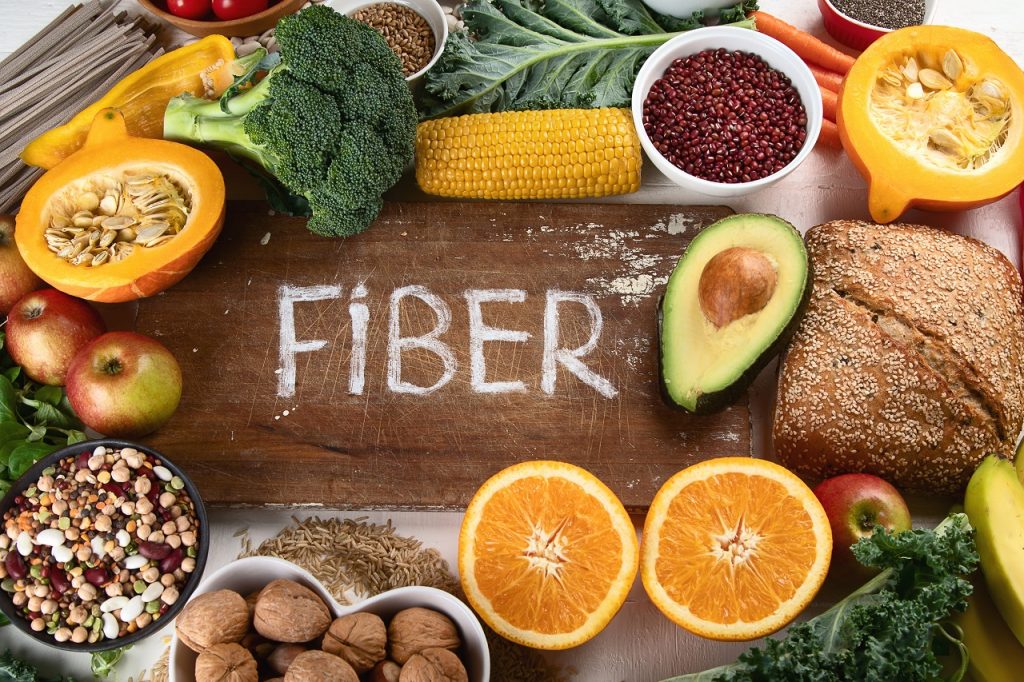
5 Healthy Smoothies to Support Weight Loss: The Power of Fiber

Juices for weight lossThe Big Question: Are liquid blends actually effective for weight loss?

While no single drink can directly cause weight loss, nutrient-dense smoothies are a highly effective tool when used correctly. The key is to blend whole fruits and vegetables rather than juicing them. Blending retains the essential dietary fiber, which prevents rapid blood sugar spikes, promotes early satiety, and supports healthy digestion. When combined with a balanced diet and regular movement, these high-fiber smoothies provide vital hydration and micronutrients while safely supporting a caloric deficit.

One of the absolute simplest ways to increase your daily intake of fresh fruits and vegetables is through homemade smoothies.

However, a common pitfall in many weight-loss journeys is relying heavily on commercially extracted fruit juices. Traditional juicing strips away the fibrous pulp, leaving you with a highly concentrated glass of fructose that can spike your blood sugar and stall your progress.

Smoothies, on the other hand, retain the whole plant. This means you consume all the gut-friendly fiber, keeping you full and stabilizing your energy levels. Here are five nutrient-rich, healthy smoothie recipes that perfectly complement an active lifestyle and support sustainable weight management.

The Smoothie Quick Guide

Smoothie Key Ingredients Primary Health Benefit
1. Clean & Green Kale, Celery, Apple, Basil High fiber; excellent for daily hydration and antioxidants.
2. The Red Engine Beetroot, Carrot, Strawberry Vitamin C boost; provides natural energy for active days.
3. Hydration Station Watermelon, Mint, Kale Highly hydrating; mint adds a refreshing, light finish.
4. Green Lemon Spinach, Lemon, Apple Lemon provides a low-calorie flavor boost alongside essential iron.
5. Kiwi Cooler Kiwi, Cucumber, Lemon High water content; helps you feel fuller for longer.

5 Nutrient-Rich Blends for Your Journey

1. Clean & Green Smoothie

juices for weight lossThis smoothie is packed with fiber, antioxidants, and hydration-supporting ingredients. The apple adds a touch of natural sweetness, while the kale and basil contribute valuable, leafy micronutrients.

Ingredients:

  • 1 Apple
  • 1 cup Kale
  • 1 Celery stalk
  • 1/2 Cucumber
  • A handful of fresh Basil leaves
  • 1/4 cup Water

Method:

  1. Wash and roughly chop the produce.
  2. Add all ingredients to a blender.
  3. Blend on high until completely smooth. Add extra water or ice to adjust the consistency to your liking.

2. Beetroot, Carrot & Strawberry Smoothie

Beetroot and carrots provide excellent dietary fiber and earthy antioxidants, while the strawberries add a burst of Vitamin C and natural sweetness. This brightly colored smoothie is a fantastic, energizing addition to an active lifestyle.

Ingredients:

  • 1 small Beetroot
  • 2 Carrots
  • 5 to 6 Strawberries
  • 1/4 cup Water

Method:

  1. Peel and chop the beetroot and carrots into small pieces to help them blend easily.
  2. Add the chopped root vegetables, strawberries, and water to a blender.
  3. Blend until smooth, adding ice if you prefer a chilled drink.

3. Mint, Watermelon and Kale Smoothie

Watermelon is naturally hydrating and serves as a fantastic, low-calorie liquid base. The mint adds a crisp freshness, while the kale ensures you are sneaking in a serving of dark leafy greens. It is a brilliant, light option for warmer days.

Ingredients:

  • 1.5 to 2 cups Watermelon
  • A handful of fresh Mint leaves
  • 3 Kale leaves
  • 1/4 cup Water

Method:

  1. Wash the kale and mint thoroughly.
  2. Chop the watermelon and remove any hard black seeds.
  3. Blend all ingredients together until perfectly smooth.

4. Green Spinach Lemonade Smoothie

Spinach provides a massive dose of essential nutrients, while the apple (keep the skin on!) adds pectin fiber and natural sweetness. The lemon juice adds a zesty, refreshing flavor without adding any excess calories.

Ingredients:

  • Juice of 1/2 Lemon
  • 1 cup Spinach
  • 1 Apple (with skin)
  • 1/2 cup Water

Method:

  1. Core and chop the apple.
  2. Add the spinach, freshly squeezed lemon juice, apple, and water to the blender.
  3. Blend until smooth, adding extra water if the mixture is too thick.

5. Cucumber Kiwi Smoothie

This smoothie is incredibly light, hydrating, and rich in Vitamin C. Because cucumbers have such a high water content, this blend helps physically fill your stomach, signaling early satiety without breaking your caloric goals.

Ingredients:

  • 2 Kiwis
  • 1 Cucumber
  • Juice of 1/2 Lemon
  • 1/4 cup Water

Method:

  1. Peel and chop both the kiwis and the cucumber.
  2. Place them in a blender along with the fresh lemon juice and water.
  3. Blend until smooth and serve chilled over ice.

Smoothies are a highly convenient way to increase your intake of plant foods, but they work best when combined with a balanced diet, regular exercise, adequate sleep, and healthy stress management. Remember, sustainable weight loss is not about quick fixes or liquid diets, it is about building foundational habits that you can maintain for the long term.

Pro Tip: To make your smoothies more filling and balance your blood sugar, consider adding a source of protein and healthy fats! Dropping in a scoop of Greek yogurt, unsweetened curd, tofu, or a handful of chia seeds and walnuts will drastically improve satiety and support your weight management goals.

Which recipe did you like the most? Leave your thoughts in the comments below! Get more healthy recipes here. To get more tips and guidance on your weight loss journey, speak with a GOQii Coach by subscribing for Personalised Health Coaching here.

Frequently Asked Questions (FAQs)

  1. Is it better to juice or blend my fruits and vegetables?

For weight management and metabolic health, blending is superior. Juicing removes the fibrous pulp, leaving you with concentrated natural sugars that can spike your blood glucose. Blending keeps the whole food intact, providing the dietary fiber necessary to keep you full and support digestion.

  1. When is the best time to drink these smoothies?

These blends are fantastic as a mid-morning snack or an hour before a workout. The natural carbohydrates provide an excellent energy boost, while the fiber keeps you satiated until your next full meal.

  1. Can I use these smoothies as a complete meal replacement?

No. While these specific recipes are highly nutritious, they lack the adequate protein and complex carbohydrates required to constitute a full, balanced meal. If you want to use them as a meal, you must add a substantial protein source (like whey, tofu, or Greek yogurt) and a healthy fat (like almonds or flaxseeds).

#BeTheForce

Disclaimer: This article is intended for educational purposes only. If you have any food allergies, irritable bowel syndrome (IBS), or are managing a metabolic condition like diabetes, please consult your physician or a clinical nutritionist before altering your diet.

  • « Previous Page
  • 1
  • …
  • 7
  • 8
  • 9
  • 10
  • 11
  • …
  • 100
  • Next Page »

Search

Recent Posts

  • Immunity-Boosting Kadhas: Why Natural Defense Matters During the Monsoon
  • Healthy Eating: Crispy Monsoon Corn Tikkis
  • Antenatal Exercises: Your Guide to a Fit and Healthy Pregnancy
  • Managing Type 2 Diabetes: Dietary Choices and Lifestyle Adjustments for Better Blood Sugar Control
  • Hormones and Longevity: Why Midlife Health Depends on Hormonal Balance

Stay Updated

Archives

  • July 2026 (22)
  • June 2026 (22)
  • May 2026 (20)
  • April 2026 (24)
  • March 2026 (18)
  • February 2026 (14)
  • January 2026 (14)
  • December 2025 (19)
  • November 2025 (15)
  • October 2025 (20)
  • September 2025 (6)
  • August 2025 (6)
  • July 2025 (10)
  • June 2025 (18)
  • May 2025 (16)
  • April 2025 (22)
  • March 2025 (26)
  • February 2025 (21)
  • January 2025 (25)
  • December 2024 (22)
  • November 2024 (22)
  • October 2024 (20)
  • September 2024 (22)
  • August 2024 (28)
  • July 2024 (16)
  • June 2024 (23)
  • May 2024 (26)
  • April 2024 (27)
  • March 2024 (27)
  • February 2024 (23)
  • January 2024 (21)
  • December 2023 (14)
  • November 2023 (10)
  • October 2023 (19)
  • September 2023 (22)
  • August 2023 (16)
  • July 2023 (18)
  • June 2023 (21)
  • May 2023 (20)
  • April 2023 (19)
  • March 2023 (23)
  • February 2023 (19)
  • January 2023 (15)
  • December 2022 (11)
  • November 2022 (15)
  • October 2022 (15)
  • September 2022 (12)
  • August 2022 (9)
  • July 2022 (17)
  • June 2022 (11)
  • May 2022 (10)
  • April 2022 (6)
  • March 2022 (6)
  • February 2022 (13)
  • January 2022 (11)
  • December 2021 (7)
  • November 2021 (3)
  • October 2021 (6)
  • September 2021 (3)
  • August 2021 (8)
  • July 2021 (7)
  • June 2021 (15)
  • May 2021 (16)
  • April 2021 (10)
  • March 2021 (7)
  • February 2021 (4)
  • January 2021 (4)
  • December 2020 (3)
  • November 2020 (4)
  • October 2020 (10)
  • September 2020 (3)
  • August 2020 (3)
  • July 2020 (2)
  • June 2020 (4)
  • May 2020 (10)
  • April 2020 (12)
  • March 2020 (10)
  • February 2020 (4)
  • January 2020 (4)
  • December 2019 (3)
  • November 2019 (7)
  • October 2019 (5)
  • September 2019 (4)
  • August 2019 (9)
  • July 2019 (9)
  • June 2019 (11)
  • May 2019 (4)
  • April 2019 (8)
  • March 2019 (8)
  • February 2019 (9)
  • January 2019 (8)
  • December 2018 (9)
  • November 2018 (3)
  • October 2018 (3)
  • September 2018 (5)
  • August 2018 (10)
  • July 2018 (6)
  • June 2018 (13)
  • May 2018 (8)
  • April 2018 (18)
  • March 2018 (9)
  • February 2018 (8)
  • January 2018 (15)
  • December 2017 (12)
  • November 2017 (19)
  • October 2017 (13)
  • September 2017 (15)
  • August 2017 (4)
  • July 2017 (8)
  • June 2017 (7)
  • May 2017 (6)
  • April 2017 (8)
  • March 2017 (6)
  • February 2017 (7)
  • January 2017 (9)
  • December 2016 (10)
  • November 2016 (7)
  • October 2016 (7)
  • September 2016 (7)
  • August 2016 (11)
  • July 2016 (9)
  • June 2016 (9)
  • May 2016 (12)
  • April 2016 (17)
  • March 2016 (17)
  • February 2016 (8)
  • January 2016 (6)
  • December 2015 (2)
  • November 2015 (9)
  • October 2015 (7)
  • September 2015 (9)
  • August 2015 (11)
  • July 2015 (9)
  • June 2015 (11)
  • May 2015 (9)
  • April 2015 (13)
  • March 2015 (8)
  • February 2015 (5)
  • January 2015 (12)
  • December 2014 (14)
  • November 2014 (11)
  • October 2014 (6)
  • September 2014 (13)
  • August 2014 (12)
  • July 2014 (6)
  • June 2014 (2)
  • May 2014 (7)
  • April 2014 (4)

From Burnout to Balance: How Dr. Ranjit Reclaimed His Health

Dr Ranjit Bhatt has spent years tending to others. A practising doctor in Odisha, his days were packed with patients, surgeries, and emergencies. From the outside, it looked like a life lived in service. But on the inside, something wasn’t right. “I had no … [Read More...]

From Shimla’s Slopes to Chandigarh’s Sidewalks: Surinder Kaur Bhalla’s Journey from Chaos to Control

Some journeys start with a plan. Others begin with a stumble literally. Surinder Bhalla, a government professional, born and raised in the scenic hill town of Shimla, had always lived a life of movement. “In Shimla, you walked everywhere,” she reflects. “Walking was never an exercise. It was just life.” But after shifting to Chandigarh, […]

“I’ve Challenged Myself to Live 100 Years” – The Story of Chandubhai Savani’s Second Chance at Life

At 67, most people start slowing down. Not Chandubhai Savani. A resident of Surat, Chandubhai, thought life was on track. “My life was going well till I had my bypass surgery,” he says. That surgery, back in 2021, was a wake-up call.  Medication was routine, but exercise wasn’t. His diet? What he calls ‘normal.’ “I […]

Ananda Mukherjee Health Story

From Terminal Illness To Complete Wellness! Ananda Mukherjee Health Story

As we observe World Cancer Day under the powerful theme ‘United by Unique’ (2025-2027)**, we are reminded that every individual’s journey with cancer is distinct, yet united by shared resilience, hope, and the collective fight against this disease. This theme places people at the centre of care and their stories at the heart of the […]

  • HOME
  • HEALTHY LIVING
  • FITNESS
  • HEALTHY RECIPES
  • USER STORIES
  • KARMA
  • BUY GOQii

Copyright ©2016 GOQii