GOQii

Blog

  • HOME
  • HEALTHY LIVING
  • FITNESS
  • HEALTHY RECIPES
  • USER STORIES
  • KARMA
  • BUY GOQii

Search Results for: carb

March 16, 2026 By Roopa Tandur Leave a Comment

Nutritional Deficiencies That Can Cause Hair Loss (And How to Fix Them)

hair lossHair is a tough protein made primarily of Keratin. The hair bulbs at the base of your hair follicles divide and grow to build the hair shaft, while blood vessels nourish the bulb and deliver the hormones that regulate growth.

It is perfectly normal to shed around 50 to 200 hairs every day. However, hair loss happens at different rates for different people due to various reasons: heredity, hormonal changes (like hypothyroidism), medical conditions, stress, or even post-pregnancy calorie imbalances.

But one of the most common and highly treatable causes of sudden hair thinning is a lack of essential nutrients. When your body is deprived of specific vitamins and minerals, it restricts the nutrient supply to non-essential tissues like hair follicles to protect your vital organs. Let’s explore exactly which nutritional deficiencies lead to hair loss and how you can reverse them.

5 Nutritional Deficiencies Linked to Hair Loss

  1. Vitamin D DeficiencyVitamin D is crucial for hair growth because it stimulates hair follicles and helps maintain the thickness of each strand. Keratinocytes in the skin metabolise Vitamin D into Keratin (the structural protein of your hair). Low levels of Vitamin D make it difficult for these cells to regulate hair growth and shedding. Furthermore, Vitamin D deficiency is often linked to higher stress levels, which further accelerates hair fall.
    • The Fix: Aim for 400-800 IU of Vitamin D a day. This is easily achieved with 10-30 minutes of direct daily sun exposure or through regular supplementation.
  2. Vitamin B7 or Biotin DeficiencyWhile severe biotin deficiency is relatively rare, it is a well-known culprit for hair loss. It can occur due to genetics, excessive alcohol consumption, smoking, or in people with inflammatory bowel disease. Interestingly, frequently consuming raw egg whites can also cause this deficiency, as they contain a protein called avidin that blocks the absorption of biotin in the gut.
    • Food Sources: Bananas, carrots, cooked egg yolks, legumes, and nuts.
  3. Iron Deficiency (Anaemia)When you have an iron deficiency, your body produces less haemoglobin. This results in less oxygen being transported throughout your body. Because the body prioritizes vital organs, the oxygen supply to your hair follicles is severely restricted. Without adequate oxygen, hair follicles cease to function properly, switch to a resting phase, and eventually fall out. If you notice an unusual amount of hair in your shower drain, it is time to get your haemoglobin levels tested.
    • Food Sources: Whole wheat grains, beans, chickpeas, tofu, peas, nuts, raisins, spinach, and lean meats like chicken.
  4. Vitamin C Deficiency
    Vitamin C deficiency directly impacts hair health because this vitamin is essential for the absorption of iron from your intestines. Even if you consume enough iron, a lack of Vitamin C can lead to secondary iron deficiency and subsequent hair loss. Common risk factors include a poor diet, smoking, and chronic illness.

    • Food Sources: Citrus fruits (oranges, sweet lime, lemon), strawberries, guava, sweet potatoes, chillies, thyme, kale, and broccoli.
  5. Vitamin E Deficiency
    Vitamin E possesses powerful antioxidant properties that reduce oxidative stress on the scalp. It fights free radical damage that can destroy hair cells. Additionally, Vitamin E supports a healthy scalp by protecting the lipid layer, locking in moisture, and reducing dryness and scaling.

    • Food Sources: Almonds, walnuts, pumpkin seeds, sunflower seeds, wheat germ oil, peanuts, avocados, mangoes, and spinach.

Top Tips To Reduce Hair Fall Naturally

  • Eat Balanced Meals: Ensure your daily diet contains adequate protein, complex carbohydrates, and healthy fats.
  • Stay Hydrated: Drink at least 8-10 glasses of water a day to aid the digestion and absorption of the nutrients from your food.
  • Snack Smart: Include healthy snacks between meals to maintain energy levels and prevent calorie deficits.
  • Eat the Rainbow: Include a variety of whole-grain cereals, eggs, nuts, leafy vegetables, tofu, legumes, quinoa, and dairy to cover all your nutritional bases.
  • Maintain Scalp Hygiene: Wash your hair using a mild shampoo at least twice a week to keep the follicles clear of buildup.
  • Manage Stress: Keep cortisol (stress hormone) levels in check through meditation, hobbies, or yoga, as high stress forces hair follicles into the shedding phase.
  • Prioritize Rest: Get good quality sleep and exercise at least 4-5 days a week to improve overall blood circulation to your scalp.

Frequently Asked Questions (FAQs)

Can hair grow back after a nutritional deficiency? Yes. In most cases, hair loss caused by a nutritional deficiency is temporary. Once you identify the missing nutrient (like Iron or Vitamin D) through a blood test and correct it via diet or supplements, your hair growth cycle will typically return to normal within a few months.

Which vitamin is most responsible for hair loss? Deficiencies in Vitamin D, Iron, and Vitamin B12/B7 (Biotin) are the most common nutritional culprits behind excessive hair shedding and thinning.

How much hair fall is normal daily? It is perfectly normal to shed between 50 to 200 hair strands per day as part of the natural hair growth and renewal cycle.

We hope this article on nutritional deficiencies that can cause hair loss helps you! For more on hair loss and hair care, check out Healthy Reads or speak to a certified expert by subscribing to GOQii’s Personalised Health Coaching here. 

#BeTheForce 

Disclaimer: GOQii is committed to providing accurate, up-to-date, and comprehensive health information. This article is intended for informational purposes only and should not be used as a substitute for professional medical advice, diagnosis, or treatment. Always consult a qualified healthcare professional before starting or changing any medication, or sleep routine. Individual responses to lifestyle changes may vary.

March 11, 2026 By Luke Coutinho 9 Comments

Caution: Smoking is Injurious to health!!

No Smoking

With No Smoking Day upon us, there is no better time to evaluate the true impact of this habit. We are all incredibly familiar with this warning. Research consistently indicates that smoking is the number one cause of preventable death globally. By now, most of us are acutely aware of the severe toll it takes on the body.

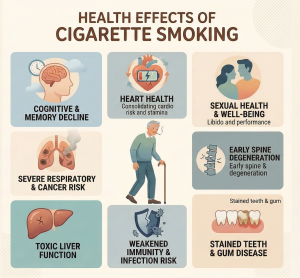
Chronic smoking is directly linked to:

  • Cardiovascular disease
  • Impotence, lack of sexual desire, and inability to perform
  • Various forms of cancer
  • A weakened immune system
  • Severely stained teeth
  • Early degeneration of bones (especially the spine)
  • Reduced lung function and capacity
  • Liver toxicity
  • Reduced stamina and endurance
  • Premature aging

Besides the above, there are several benefits of kicking the butt, apart from of course saving loads of money and time.

Interesting fact: 75% to 85% of smokers want to quit, but simply don’t know how, or find the withdrawal process too daunting.

One of the main reasons it is so hard to stop is because the dangers of continuing, and the benefits of quitting, seem very far away. However, your body begins to heal almost instantly.

The Healing Timeline: What Happens Right Now?

Here is a timeline detailing the immediate and long-term effects of quitting smoking, showing exactly how your body recovers minute by minute, and year by year.

  • In 20 minutes: Your blood pressure and heart rate will drop back down to normal levels.
  • In 8 hours: The carbon monoxide (a toxic gas) levels in your bloodstream will drop by half. Oxygen levels will return to normal, and your metabolism will begin to stabilize.
  • In 48 hours: Your chances of having a heart attack will have already decreased. All nicotine will have left your body. You will also notice your sense of taste and smell returning to normal levels.
  • In 72 hours: Your bronchial tubes will relax. You will notice an increase in your energy levels and lung volume.
  • In 2 weeks: Your blood circulation will increase, and it will continue to improve over the next 10 weeks.
  • In 3 to 9 months: Coughs, wheezing, and breathing problems will dissipate as your lung capacity improves by an impressive 10%.
  • In 1 year: Your risk of suffering a heart attack will have dropped by half compared to a smoker.
  • In 5 years: Your risk of having a stroke returns to that of a non-smoker.
  • In 10 years: Your risk of developing lung cancer will have dropped to that of a non-smoker.
  • In 15 years: Your overall risk of a heart attack will have entirely returned to that of someone who has never smoked.

You have far more immediate benefits to look forward to than you might realize. The healing starts the moment you put out your last cigarette. Make this No Smoking Day the day you finally kick the habit. Quit now!

Nutritional Support for Smokers

If you are currently smoking or in the process of quitting, nutritional support is vital. Smokers should ensure they take Vitamin C regularly, as smoking heavily depletes the body’s natural levels of this crucial antioxidant. Additionally, regular consumption of Curcumin (turmeric extract) is known to help clear nicotine patches from the lungs and is widely studied for its role in possible cancer prevention.

#BeTheForce

Disclaimer: GOQii is committed to providing accurate, up-to-date, and comprehensive health information. This article is intended for informational purposes only and should not be used as a substitute for professional medical advice, diagnosis, or treatment. Always consult a qualified healthcare professional before starting or changing any medication or supplement. Individual responses to treatment may vary.

February 27, 2026 By Dhwani Bagadia 1 Comment

Leaky Gut: Symptoms and Causes

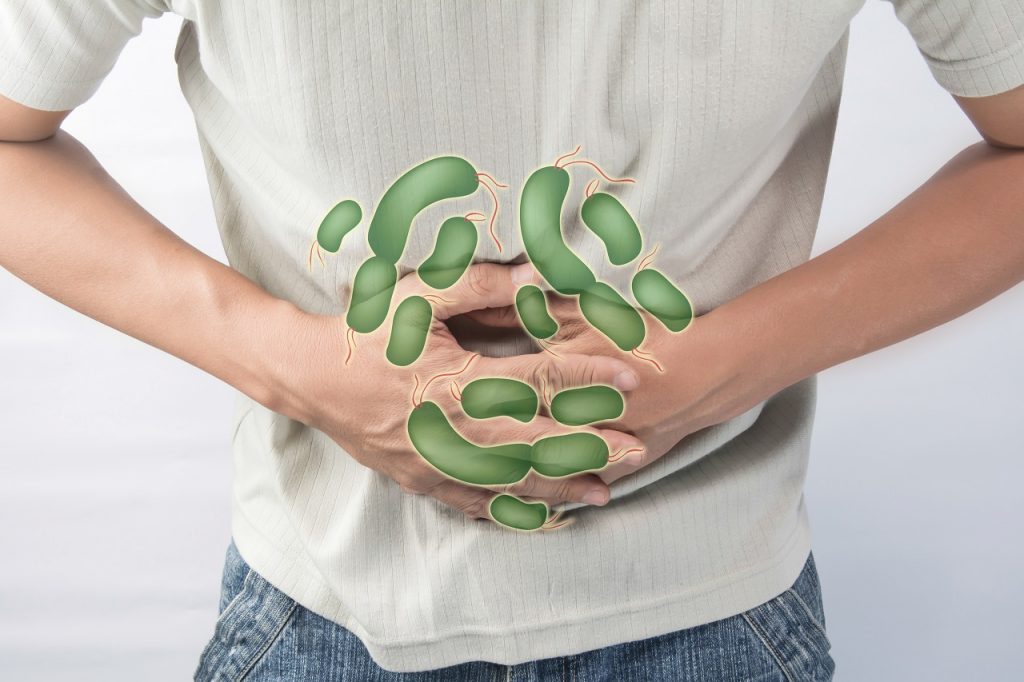
leaky gutThe gut is considered to be the “Gateway to Health”. It consists of approximately 80% of the immune system. 95% of “serotonin”, the “feel-good” hormone, is also produced in the Gut. Healing and improving your gut is of the utmost importance to lead a healthy and happy life. Your gut is responsible for stomach conditions, pain and even eagerness. Poor gut health can cause various issues such as a Leaky Gut.

A Leaky Gut is one of the most puzzling illnesses/diseases to be diagnosed and to get treated. It is a very puzzling disease or illness majorly due to the gut having a very extensive and complex structure. “There is still so much science that proceeds with finding newly developed methods, where the gut can have an impact on the health of the heart to brains being young and active,” says Dr. Alessio Fasano, Director of the Center for Celiac Research and Treatment with Harvard-affiliated Massachusetts General Hospital.

What is Leaky Gut?

The digestive system is where food is broken down and nutrients are absorbed. It also plays a major role in safeguarding your body from detrimental or dangerous substances. The intestinal walls act as a barrier/hurdle to check what is passing into the bloodstream, to be carried to different organs of the body.

Water and nutrients are passed into and out of the small holes (tight junctions) in the walls of the intestine when obstructing the movement of detrimental substances. Intestinal Permeability is defined as an easy passage of the substances through the walls of the intestine. When the small holes (tight junction) of the intestinal wall become loose, the permeability of the gut increases and results in bacteria and toxins passing from the gut into the bloodstream. This event is termed as “Leaky Gut”.  

Due to Leaky Gut, toxins and bacteria enter the blood-stream, resulting in inflammation and activating a reaction from the immunity. Proponents declare that it is one of the major causes of several medical conditions such as chronic fatigue syndrome, migraine, multiple sclerosis, fibromyalgia, food sensitivities, thyroid abnormalities, mood swings, skin conditions, and autism.

Many Health-care professionals say that an increase in the permeability of the intestine occurs in a few chronic diseases. It is a challenge to calculate the strength of an individual’s gut barrier, so it becomes difficult to identify whether a person has a leaky gut and what impact it will have on the body.

Symptoms to Watch Out For

As per Dr. Leo Galland, the director of the Foundation for Integrated Medicine, the symptoms below could indicate a Leaky Gut.

  • Digestive issues such as chronic diarrhea, constipation, gas or bloating or IBS (Irritable Bowel Syndrome)
  • Nutritional Deficiencies such as anemia, omega-3 fatty acids, vitamin deficiencies
  • Excess weight, obesity, diabetes
  • Poor immunity such as frequent cold, flu, and infection. Auto-immune disease such as rheumatoid arthritis, lupus, celiac disease or chron’s disease, Hashimoto’s thyroiditis
  • Brain: Headaches, brain fog and memory loss and Depression/Eagerness/ADHD (Attention Deficient Hyperactive Disorder)
  • Excessive tiredness or fatigue
  • Rashes on skin such as acne, eczema
  • Cravings for refined carbs or sugar
  • Bones: Arthritis or Joint Pain and Osteoporosis
  • Seasonal Allergies or Asthma
  • Imbalance in the hormones such as PMS or PCOD i.e. Pre-menstrual Syndrome and Polycystic Ovarian Syndrome
  • Diagnosis of candida overgrowth
  • Food Allergies, food sensitivities or intolerances

What Causes a Leaky Gut?

There are several factors that can cause a Leaky Gut. Gluten, food, infection and toxins being a few of them. The following factors can also be considered.

  • Food Sensitivities, Candida or yeast over-growth, Parasites, Medications and Drugs
  • Excessive sugar intake and other un-healthy food affect the barrier of the wall of the intestine
  • Non-steroidal anti-inflammatory drugs (NSAID’s): Excess and too much use of NSAID’s like ibuprofen leads to leaky gut due to an increase in the wall of intestinal permeability
  • Excess alcohol intake may also cause intestinal permeability
  • Nutritional Deficiencies: Deficiencies of Vitamins such as A, D and Zinc result in increases intestinal permeability
  • Inflammation: Can also result in the leaky gut
  • Stress: Excess Stress also results in gastro-intestinal disorder, leading to leaky gut
  • Poor Gut Condition: There is a mix of good and harmful bacteria which are almost in millions in the gut. If the balance of the good and harmful bacteria is affected, it can affect the intestinal wall.
  • Yeast Overgrowth: Natural existence of yeast is there in the gut, but excess growth of yeast can lead to leaky gut

Stay tuned and stay healthy. For more topics on Gut Health, click here. If you’re experiencing any of the above symptoms, consult a doctor or speak to our experts for lifestyle changes that will help you heal. 

#BeTheForce

Disclaimer: The information provided in this blog is for general awareness and educational purposes only. It is not intended to replace professional medical advice, diagnosis, or treatment. Always consult a qualified healthcare provider for personalised medical guidance or concerns related to your health.

February 2, 2026 By GOQii Leave a Comment

The Longevity Plate: A Guide to Assembling a Functional Diet at 80 Years Old

Most dietary advice seems to be fixated on labels: “keto”, “vegan”, “paleo”, “low fat”, “high protein”, “clean eating.”


But let’s be honest. If your actual aim in eating better is to be 80 years old and still be able to climb stairs, carry groceries, get up from the floor, and travel with confidence, then you must look at food through another filter.

Longevity food isn’t about looking like you’re following a strict plan on Instagram. It is about defending two things that ageing takes first: Muscle Mass and Metabolic Flexibility.

The meal that helps you accomplish that objective is not deserving of a name. It is deserving of a structure.

Here are the 5 Non-Negotiables for a longevity plate. These can be incorporated into an everyday Indian diet without turning your kitchen into a laboratory.

  1. Protein Target: Your “Retirement Fund”

Past middle age, muscle tissue has a purpose that reaches beyond strength. It is your glycogen storehouse, your stabiliser, and your protector against frailty. Older people actually need more protein than the standard recommendations.

While studies suggest at least 1.0 to 1.2 g/kg/day for those over 65, it should be higher if you are physically active.

Make It Practical:

  • Target a protein intake of 25 to 35 grams in a major meal most days.
  • Do not flood the dinner plate. Distribute protein throughout the day to send your body the repeated signal to build muscle.

Indian Plate Examples:

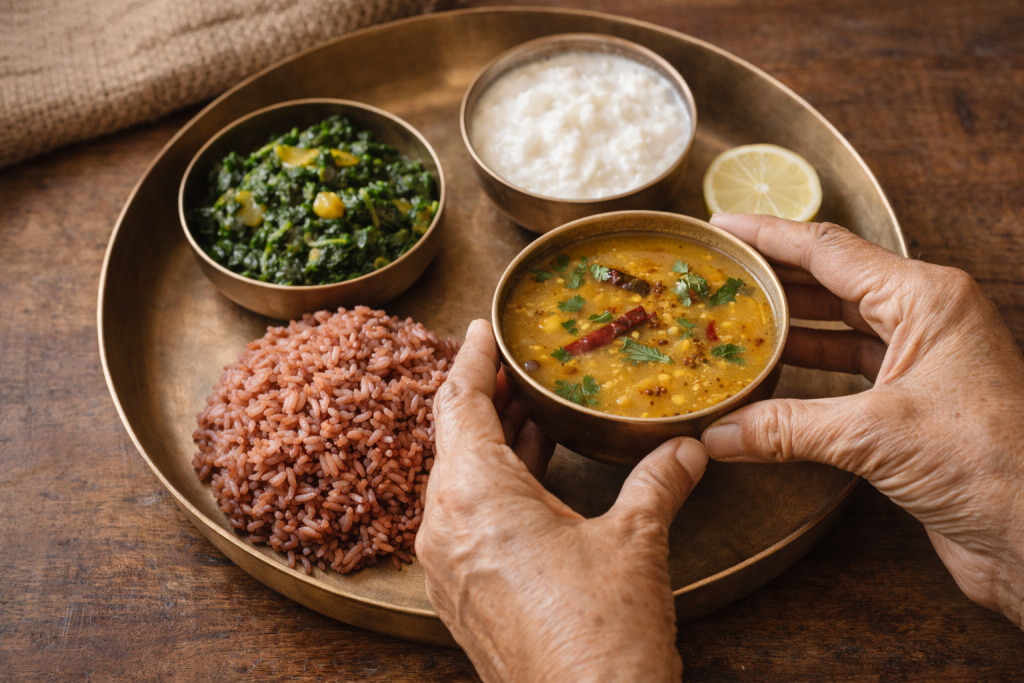
  • Dal + Curd: Add a bowl of sabzi and top with a tsp of roasted seeds or peanuts.
  • Paneer or Tofu Bhurji: Mix with veggies and have with one roti.
  • Eggs: Scrambled with sautéed greens and a serving of sprouts.
  • Non-Veg: Fish or chicken with plenty of curry veggies; go easy on the rice/roti.
  1. Colour Variety: Micronutrients Run the System

To make a longevity plate look like it’s had a life, you must include greens, reds, oranges, and purple foods. Colour is a shortcut for diversity in nutrients—polyphenols, carotenoids, and folate—that support your heart, brain, and immune system.

Make It Practical:

  • Aim for 3 colours in a single meal (not just in a week).
  • Use what is local and seasonal. It is less expensive and more nutritious.

Indian Plate Examples:

  • Palak or methi, tomato, and carrots in one mixed sabzi.
  • Beetroot raita with cucumber and sautéed capsicum.
  • Vegetable sambar with drumstick, pumpkin, and brinjal.
  • Fruits: Berries are great, but so are Guava, Amla, Jamun, and Pomegranate.
  1. Slow Carbs: Stable Sugar Protects Your Future Self

Carbs don’t make you fat. Fast, refined carbs are the problem. They act like sugar in your system, forcing insulin levels on a rollercoaster ride. Harvard guidelines specifically recommend whole grains over refined ones to prevent rapid blood sugar spikes.

Make It Practical:

  • Choose one slow carb per meal, NOT five sources of carbs in one sitting.
  • This is not calorie counting. This is glycaemic common sense.

Better Slow Carb Choices:

  • Millets (Jowar, Bajra, Ragi), Brown Rice, Quinoa, or Oats.
  • Legumes: Chana, Rajma, Lobia, and Lentils (these count as both protein and slow carbs!).
  • Sweet potato instead of white bread/aloo when you can.
  1. Anti-Inflammatory Spices: Managing the “Background Noise”

Low-grade chronic inflammation is associated with almost every age-related disease. Spices won’t replace medical treatment, but they are the simplest, most powerful daily “input” you can make.

Curcumin (in Turmeric) has been clinically proven to fight oxidative stress.

Make It Practical:

  • Consume Turmeric + Black Pepper + Fat (ghee/oil) regularly. The pepper helps absorption by 2000%.
  • Think of spices as everyday protective maintenance, not just flavour.

Easy Additions:

  • Ginger-Garlic paste in generous amounts for curries.
  • Cinnamon in your morning oats or curd bowl.
  • Jeera, Ajwain, Hing for digestion.
  1. Fermented Foods: Train Your Gut

If you wish to age well, you must have a gut that is resilient to stress, antibiotics, and travel. A Stanford Medicine study revealed that a high-fermented-food diet increased microbiome diversity and reduced inflammation.

Make It Practical:

  • Add a little bit a day. You don’t need a massive “cleanse.”
  • “Fermented food is not about a trend. It is about resilience.”

Indian Friendly Options:

  • Curd, Chaas, Lassi (without added sugar).
  • Idli & Dosa batter (properly fermented).
  • Kanji: The traditional tangy probiotic drink made from black carrots/beetroot and mustard seeds.

Putting It All Together: The Check-In

Do this quick check at each main meal:

  1. Where is my Protein?
  2. Where are my Colours?
  3. What is my Slow Carb (and is it portioned)?
  4. Did I add Spices?
  5. Where is the Fermented part?

You will notice something: This method crowds out ultra-processed foods without you having to fight yourself.

Eat For Capability, Not Control

The biggest nutrition myth is that ageing is controlled by willpower. It is controlled by systems.

The Longevity Plate is a system you can replicate in any city, any cuisine, and at any price range. Put that plate together most days of the week, and you’re not just eating for the next weigh-in. You’re eating for the “You” at 80 who still has a life to live.

Need help building a diet plan that fits your lifestyle? Reach out to our certified experts by subscribing to GOQii’s Personalised Health Coaching here.

#BeTheForce

Disclaimer: The information provided in this blog is for general awareness and educational purposes only. It is not intended to replace professional medical advice, diagnosis, or treatment. Always consult a qualified healthcare provider for personalised medical guidance or concerns related to your health.

  • « Previous Page
  • 1
  • …
  • 16
  • 17
  • 18
  • 19
  • 20
  • …
  • 104
  • Next Page »

Search

Recent Posts

  • World AMR Awareness Week 2026: when you need antibiotics, and simple steps to prevent AMR
  • PCOS: diet, exercise and the myths to stop believing
  • Cholesterol numbers explained: LDL, HDL and triglycerides
  • International Men’s Day 2026: why men’s health is everyone’s business
  • World COPD Day 2026: Short of Breath? Think COPD – Why Early Diagnosis Matters

Stay Updated

Archives

  • November 2026 (21)
  • October 2026 (23)
  • September 2026 (5)
  • August 2026 (8)
  • July 2026 (24)
  • June 2026 (22)
  • May 2026 (20)
  • April 2026 (24)
  • March 2026 (18)
  • February 2026 (14)
  • January 2026 (14)
  • December 2025 (19)
  • November 2025 (14)
  • October 2025 (17)
  • September 2025 (6)
  • August 2025 (5)
  • July 2025 (9)
  • June 2025 (18)
  • May 2025 (16)
  • April 2025 (22)
  • March 2025 (25)
  • February 2025 (21)
  • January 2025 (25)
  • December 2024 (21)
  • November 2024 (21)
  • October 2024 (15)
  • September 2024 (22)
  • August 2024 (27)
  • July 2024 (14)
  • June 2024 (23)
  • May 2024 (26)
  • April 2024 (27)
  • March 2024 (27)
  • February 2024 (23)
  • January 2024 (21)
  • December 2023 (14)
  • November 2023 (10)
  • October 2023 (18)
  • September 2023 (20)
  • August 2023 (16)
  • July 2023 (16)
  • June 2023 (21)
  • May 2023 (20)
  • April 2023 (19)
  • March 2023 (23)
  • February 2023 (19)
  • January 2023 (15)
  • December 2022 (11)
  • November 2022 (15)
  • October 2022 (15)
  • September 2022 (12)
  • August 2022 (9)
  • July 2022 (17)
  • June 2022 (11)
  • May 2022 (10)
  • April 2022 (6)
  • March 2022 (6)
  • February 2022 (13)
  • January 2022 (11)
  • December 2021 (7)
  • November 2021 (3)
  • October 2021 (6)
  • September 2021 (3)
  • August 2021 (8)
  • July 2021 (7)
  • June 2021 (15)
  • May 2021 (16)
  • April 2021 (10)
  • March 2021 (7)
  • February 2021 (4)
  • January 2021 (4)
  • December 2020 (3)
  • November 2020 (4)
  • October 2020 (10)
  • September 2020 (3)
  • August 2020 (3)
  • July 2020 (2)
  • June 2020 (4)
  • May 2020 (10)
  • April 2020 (12)
  • March 2020 (10)
  • February 2020 (4)
  • January 2020 (4)
  • December 2019 (3)
  • November 2019 (7)
  • October 2019 (5)
  • September 2019 (4)
  • August 2019 (9)
  • July 2019 (9)
  • June 2019 (11)
  • May 2019 (4)
  • April 2019 (8)
  • March 2019 (8)
  • February 2019 (9)
  • January 2019 (8)
  • December 2018 (9)
  • November 2018 (3)
  • October 2018 (3)
  • September 2018 (5)
  • August 2018 (10)
  • July 2018 (6)
  • June 2018 (13)
  • May 2018 (8)
  • April 2018 (17)
  • March 2018 (9)
  • February 2018 (8)
  • January 2018 (15)
  • December 2017 (12)
  • November 2017 (19)
  • October 2017 (13)
  • September 2017 (15)
  • August 2017 (4)
  • July 2017 (8)
  • June 2017 (7)
  • May 2017 (6)
  • April 2017 (8)
  • March 2017 (6)
  • February 2017 (7)
  • January 2017 (9)
  • December 2016 (10)
  • November 2016 (7)
  • October 2016 (7)
  • September 2016 (7)
  • August 2016 (11)
  • July 2016 (9)
  • June 2016 (9)
  • May 2016 (12)
  • April 2016 (17)
  • March 2016 (17)
  • February 2016 (8)
  • January 2016 (6)
  • December 2015 (2)
  • November 2015 (9)
  • October 2015 (7)
  • September 2015 (9)
  • August 2015 (11)
  • July 2015 (9)
  • June 2015 (11)
  • May 2015 (9)
  • April 2015 (13)
  • March 2015 (8)
  • February 2015 (5)
  • January 2015 (12)
  • December 2014 (14)
  • November 2014 (11)
  • October 2014 (6)
  • September 2014 (13)
  • August 2014 (12)
  • July 2014 (6)
  • June 2014 (2)
  • May 2014 (7)
  • April 2014 (4)

From Burnout to Balance: How Dr. Ranjit Reclaimed His Health

Dr Ranjit Bhatt has spent years tending to others. A practising doctor in Odisha, his days were packed with patients, surgeries, and emergencies. From the outside, it looked like a life lived in service. But on the inside, something wasn’t right. “I had no … [Read More...]

From Shimla’s Slopes to Chandigarh’s Sidewalks: Surinder Kaur Bhalla’s Journey from Chaos to Control

Some journeys start with a plan. Others begin with a stumble literally. Surinder Bhalla, a government professional, born and raised in the scenic hill town of Shimla, had always lived a life of movement. “In Shimla, you walked everywhere,” she reflects. “Walking was never an exercise. It was just life.” But after shifting to Chandigarh, […]

“I’ve Challenged Myself to Live 100 Years” – The Story of Chandubhai Savani’s Second Chance at Life

At 67, most people start slowing down. Not Chandubhai Savani. A resident of Surat, Chandubhai, thought life was on track. “My life was going well till I had my bypass surgery,” he says. That surgery, back in 2021, was a wake-up call.  Medication was routine, but exercise wasn’t. His diet? What he calls ‘normal.’ “I […]

Ananda Mukherjee Health Story

From Terminal Illness To Complete Wellness! Ananda Mukherjee Health Story

As we observe World Cancer Day under the powerful theme ‘United by Unique’ (2025-2027)**, we are reminded that every individual’s journey with cancer is distinct, yet united by shared resilience, hope, and the collective fight against this disease. This theme places people at the centre of care and their stories at the heart of the […]

  • HOME
  • HEALTHY LIVING
  • FITNESS
  • HEALTHY RECIPES
  • USER STORIES
  • KARMA
  • BUY GOQii

Copyright ©2016 GOQii