GOQii

Blog

  • HOME
  • HEALTHY LIVING
  • FITNESS
  • HEALTHY RECIPES
  • USER STORIES
  • KARMA
  • BUY GOQii

Search Results for: carb

December 20, 2025 By Anushree Ashtekar 2 Comments

Water Intake Pre, During and Post Workout

Woman staying hydrated during a workoutWater is an indispensable part of our daily diet. It is a chemical component that makes up about 70% of our total body weight. It is also a component that is very easily taken for granted. Staying well hydrated is one of our body’s basic needs. In fact, for people who perform rigorous workouts and play a sport, optimum hydration is a must.

Thirst is a late indicator of dehydration; when thirsty, our body is already dehydrated at cellular level. The color of the urine can also determine our hydration status. Dark yellow urine indicates dehydration whereas clear urine indicates a well-hydrated body. Along with the diet, we must also pay attention to what and how much water we drink.

But, why is it so important?

  • Pre-workout water intake: If we start our workout in a dehydrated state, it will adversely affect our performance. We would feel low on energy, stiff muscles and also get cramped easily. That is essential because water forms a major part of our muscles and also helps in keeping the joints well lubricated. The water intake must start well 2 to 3 hours before a workout or any sporting activity. The water intake also depends upon the intensity of activity and the individual’s own body condition.

If a person sweats too much or works out in scorching heat, he must have at least 500-600 ml of water 2-3 hours prior to exercise. This will ensure good hydration status. If the workout lasts for a longer time, like over an hour, then it would be advisable to consume a carbohydrate drink (up to 8% concentration). This will help to prevent fatigue and dehydration.

  • Water intake during workout: The consumption here depends on the duration of the activity. If the exercise or sports event lasts for less than an hour, then there won’t be a chance to ingest too much fluid within the duration of the activity. Here, we can consume 1 small glass (180-200 ml) of plain cold water every 15-20 minutes. Cold water would make a better choice over water at room temperature because cold water has a faster gastric emptying time. Also, if the person has consumed enough dietary carbohydrates, the glycogen stores in his muscles and liver will suffice for providing energy to sustain the activity. In the case of a high-intensity workout or sports event (marathon, a game of football, etc) that goes for over 1 hour, the individual is at a risk of decreased performance due to dehydration, fatigue and hypoglycemia. Their fluid intake must include carbohydrates and electrolytes. Carbohydrate will prevent hypoglycemia. The electrolytes like sodium and chloride need to be replenished due to sweating. Also, sodium will help in water retention.
  • Post-workout water intake: After exercise or any sports event, we need to pay good attention to eating and drinking right. There arises a need to replenish the carbohydrates, salts and water that are lost during the activity. Immediately after the exercise/event, for the next few hours work on improving your hydration status. Do not start with any new activity without attaining good hydration levels. Replenishing the salt reserves must be your top priority as sodium has good fluid retention capacity which keeps up the urge to drink water. Fluid consumption, containing carbohydrates, salts and water, must continue up to 5-6 hours after the activity. The best way to ensure that you are hydrating yourself well is, to weigh yourself before and after the exercise/event and drink at least 400-500 ml of water for every 1 pound lost. Fluid intake needs to be planned and distributed at regular intervals.

It would always be better to carry a bottle of water with you wherever you go and sip on it regularly. Many times, your performance in workouts and sports can be improved only with optimum hydration.

Lastly, whatever may be your goals, remember to consult a sports nutritionist about it.

We hope this article provides you with valuable insights into the importance of proper water intake for your workouts and overall health. If you found this information helpful, we’d love to hear your thoughts in the comments below. For personalised guidance on your fitness journey, reach out to our certified experts by subscribing to GOQii’s Personalised Health Coaching here.

Stay hydrated, stay healthy!

#BeTheForce

Disclaimer: The information provided in this blog is for general awareness and educational purposes only. It is not intended to replace professional medical advice, diagnosis, or treatment. Always consult a qualified healthcare provider for personalised medical guidance or concerns related to your health. Images shown are for representation purposes only and may not depict the exact recommendations or outcomes.

December 8, 2025 By Saaimah Parkar 1 Comment

ALL ABOUT VERTIGO!

It came across as strange initially when I said that the world around me was spinning and that my entire room seemed to be in constant motion. Basically, I used to find the floor of my bedroom, the bed, and the room itself were in constant motion (not literally spinning or in constant motion, but I felt that way). I had to walk around supporting myself using the wall, furniture, anything that was close by, and if nothing was available, I literally had to crawl. Finally, I was diagnosed with something called Vertigo.

Vertigo is the feeling that you or your environment is moving or spinning. It differs from dizziness in that vertigo describes an illusion of movement. When you feel as if you are moving, it’s called subjective vertigo, and the perception that your surroundings are moving is called objective vertigo.

A few causes and types of Vertigo:

Benign Paroxysmal Positional Vertigo (BPPV): Tiny calcium particles called canaliths clump up in the canals of the inner ear. This could also be caused due to sudden movement of the head, resulting in the dislodgement of the crystalline structures in the ear’s balance detectors.

Meniere’s Disease: This is an inner ear disorder caused by changing pressure in the ear and a buildup of fluid in the ear.

Labrynthitis: Inner ear viral or bacterial infection

Bleeding in the brain: Vertigo can be caused by decreased blood flow to the base of the brain. Bleeding into the back of the brain (cerebellar hemorrhage) is characterized by vertigo, headache, difficulty walking, and an inability to look toward the side of the bleed. The result is that the person’s eyes gaze away from the side with the problem. Walking is also extremely impaired.

Some other less evident causes: 

Head or neck injury.

Stroke, tumour, diabetes mellitus, atherosclerosis

Migraine

Certain medications

Hormonal fluctuations in menopausal women.

Most common symptoms are: Spinning, loss of balance, headache, sweating, nausea, and yes I have experienced all of this at one go.

Treatment for Vertigo:  Treatment depends mainly on what’s causing it. There are a variety of treatments for vertigo, including self-care remedies, medications, and physical therapy maneuvers.

Let us look at some of the treatments

Benign Paroxysmal Positional Vertigo: Posture correction exercises, head and neck strengthening exercises help with this type of vertigo. It has helped me too. Apart from this, Vitamin D supplementation may be beneficial for patients diagnosed with benign paroxysmal positional vertigo. However, before that, you need to check if you have a Vitamin D deficiency.

Meniere’s Disease and Labyrinthitis: These two are usually treated with anti-inflammatory and diuretic medicines. However, natural foods like ginger root and curcumin aid in speeding up the recovery process.

Stroke, Atherosclerosis, Diabetes, Hypertension: Dietary modifications like avoiding junk, simple sugars, refined flours, and incorporating complex carbohydrates, more fruits and vegetables, and whole grains can help improve symptoms of vertigo.

Avoiding red meats, packaged and preserved foods like frozen meats like salamis and sausages, various sauces, chips and wafers (foods high in sodium), and replacing them with fatty fish and lean meats can improve both vertigo and any of the cardiovascular and lifestyle diseases mentioned above.

Understanding vertigo and its various causes can help in managing and treating it effectively. By incorporating lifestyle changes and seeking appropriate medical care, individuals can find relief from the discomfort and distress caused by vertigo. Remember, with the right approach, you can manage vertigo and lead a healthier, more balanced life.

#BeTheForce

Disclaimer: The information provided in this blog is for general awareness and educational purposes only. It is not intended to replace professional medical advice, diagnosis, or treatment. Always consult a qualified healthcare provider for personalised medical guidance or concerns related to your health.
December 2, 2025 By Parveen Nake 3 Comments

What Gestational Diabetes Can Do To You & Your Unborn Child

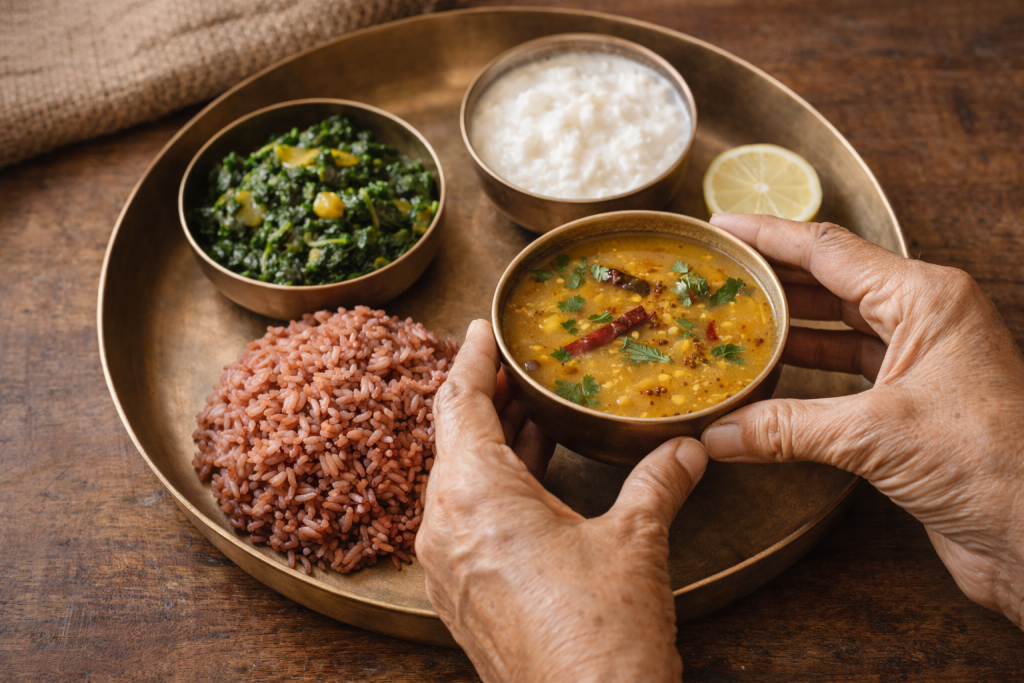
Gestational DiabetesWe all know about Diabetes Mellitus to some extent as Diabetes Mellitus is a chronic metabolic disorder that prevents the body from utilising glucose completely or partially. It is characterised by raised glucose concentration in the blood and alterations in carbohydrate, protein and fat metabolism. But have you ever heard of Gestational Diabetes or Pregnancy Diabetes?

Gestational Diabetes is a high blood sugar (glucose) condition that develops during pregnancy and usually disappears after giving birth. It can happen at any stage of pregnancy, but is more common in the second or third trimester. Insulin requirements goes up one to three times in pregnancy. During normal pregnancy the level of plasma insulin is raised by the action of placental hormones thus placing a burden on the insulin secreting cells of the pancreatic islets. The pancreas may be unable to meet these demands in women genetically predisposed to develop both types of diabetes. Long term studies show that some 80% of women with gestational diabetes ultimately develop permanent clinical diabetes requiring treatment.

What Causes Gestational Diabetes?

The causes of Gestational Diabetes is not known clearly yet. Some, but not all women with gestational diabetes are found to be overweight before getting pregnant or have a family history of diabetes. It is more common in Native American, Alaskan Native, Asian and Black women, but white women may develop it due to poor lifestyle.

Are There Tests to Determine it?

Oral glucose tolerance test (OGTT) is a confirmatory test. The OGTT measures blood glucose after you fast for at least 8 hours. Firstly, the blood sample is drawn in fasting state. Then, 75g of glucose dissolved in 250-300 ml of water is given, Lemon juice may be added for flavour and to prevent nausea. Then the blood specimens are collected every 30 mins for 2-3 hours after the administration of glucose.

High blood glucose levels at any two or more blood test times – Fasting, 1 hour, 2 hours or 3 hours – mean you have Gestational diabetes.

Complications During Pregnancy

If blood sugar is not controlled, it can lead to problems for both maternal and foetal health. Uncontrolled diabetes during the first trimester of pregnancy increases the risk of abortions and congenital malfunctions in the foetus. Some of the major consequences are:

  • High Blood Pressure (Preeclampsia): Preeclampsia is a potentially dangerous pregnancy complication characterised by high blood pressure. Due to the high blood pressure levels of the mother, the protein in urine spikes up and swelling in fingers and toes and lower body persists. High blood pressure can be harmful to both – the mother and the unborn baby. It might lead to the baby being born early and also could cause seizures or a stroke (a blood clot or a bleed in the brain that can lead to brain damage) in the woman during labour or delivery.
  • An Extra Large Baby: Uncontrolled Diabetes in the mother causes the baby’s blood sugar to be high. The baby tends to “overfeed” and grows extra-large. Besides, causing discomfort to the mother, it can lead to problems during delivery causing prolonged labour pain which might need a C-section to deliver the baby. The baby can be born with nerve damage due to pressure on the shoulder during delivery.
  • Low Blood Sugar (Hypoglycaemia): People with diabetes who take insulin or other medications can develop blood sugar that is too low or hypoglycaemia. Low blood sugar can be very serious and even fatal if not treated quickly.

How to Manage Gestational Diabetes

The main modes of treatment of Gestational Diabetes include:

1. Eating a Healthy Diet: Dietary measures are an essential part of the treatment of diabetic patients whether they are on diet alone or on metformin drug or insulin. Carbohydrate restriction impairs insulin sensitivity and reversed by high carbohydrate diet but it needs to be maintained between 60-65% of total calories. So include more complex carbohydrates or polysaccharides like Multi-grain flour, Oats, Muesli, Granola, Amaranth, Pearl Millet (Bajra), Finger Millet (Ragi), Quinoa, etc. Studies have shown that raising carbohydrates does not adversely affect the fasting blood glucose levels, glucose tolerance or insulin requirements provided that total calories are not increased.

Along with carbs, include more protein-rich foods like pulses and lentils, Kidney beans (Rajma), Soya Bean, peas, beans, peanuts, milk and dairy products like yogurt, buttermilk, cottage cheese (paneer), eggs, chicken, etc. to ensure weight gain and prevent osteomalacia during pregnancy. Inclusion of fibre like fruits and green leafy vegetables are must as it improves glucose metabolism without increasing insulin secretion. It increases the intestinal transit-time, delay gastric emptying slow glucose absorption.

2. Drugs or Insulin Treatment: Metformin or Insulin therapy is the accepted medical management of gestational diabetes. Insulin is the first drug of choice and metformin can be considered after 20 weeks of gestation. Insulin must be taken without delay if it is suggested by the doctor.

3. Exercise: Stay Active to help keep your blood sugar under control. Exercise regularly – before, during and after pregnancy. Moderate exercise such as brisk walking for 30mins a day for 5 times a week is a good goal to set.

4. Monitoring Blood Sugar Often: Be aware that your blood sugar can change very quickly, becoming too high or too low depending on what you eat and how much you exercise and your growing baby’s blood sugar also varies several times during the day. Check your blood sugar level as often as directed by the doctor and any time you have symptoms.

By adopting these measures one can enjoy a healthy Antenatal period. For more articles on managing Diabetes, check out Healthy Reads or for further information or guidance, reach out to our certified experts by subscribing to GOQii’s Personalised Health Coaching here.

#BeTheForce

Disclaimer: The information provided in this blog is for general awareness and educational purposes only. It is not intended to replace professional medical advice, diagnosis, or treatment. Always consult a qualified healthcare provider for personalised medical guidance or concerns related to your health. Images shown are for representation purposes only and may not depict the exact recommendations or outcomes.

November 25, 2025 By Arooshi Garg Leave a Comment

Is It Possible To Lose Weight Through Diet?

is it possible to lose weight through dietWhen it comes to weight loss, the first thing that comes to mind is slaving away on the treadmill, going for long jogs or joining a gym. But apart from physical activity, there are other factors that influence weight loss like nutrition, quality of sleep and how well you manage stress. Let’s look at some nutritional factors and determine if it is possible to lose weight through diet. 

1. Burning more calories than you consume
The most helpful approach for weight loss is to reduce the number of calories you eat and increase the number of calories you burn through physical activity. One should aim on getting into a negative calorie balance. i.e. you eat less calories and burn more calories and give a chance to stored fats to get metabolized. This can be achieved by taking small steps such as cutting down on carbs, while increasing protein rich food in your diet to meet the daily nutrition requirements. Avoiding packaged foods, high salt and sugar foods, and focussing more on seasonal fruits, vegetables and local native millets can go a long way.

2. Calorie Deficit and What You Need To Keep In Mind
Our body weight is determined by the amount of calories we consume as food and the amount of calories we burn through physical activities. If you’re gaining weight over time, most likely your daily calorie intake is more than the number of calories you are burning through your daily activities.

In order to counteract this, it is important to cut back on calorie intake and burn more calories. Over a period of time, this strategy helps in burning the stored fats and ultimately helps in weight loss. For instance, there are 7,700kcals of energy in 1kg of fat. That means in order to burn 1kg of fat, you should have a calorie deficit of 7,700 i.e. either burn this through exercise or eat less calories on a daily basis. A combination of both these ways is most successful and stable over a long period of time. Changing our eating habits along with regular exercise is the most effective way to lose weight over a period of time. It is also the best way to ensure that the weight does not bounce back with slight deviations.

3. Balancing Diet With Activity
One needs a proper combination of diet, cardio workouts and weight training. Diet definitely plays a huge role in managing weight, however, without proper training or physical activity, the weight lost will keep bouncing back. So one needs proper calorie burn though cardio activities and also lean muscle gain that can happen through weight training.

4. Include More Fiber In Your Diet
Fiber is extremely important in a weight loss journey. Fiber makes up the bulk of your meals. It helps in keeping you full for longer – not starving or feeling hungry all the time is extremely important in a weight loss journey. Eating more fiber also prevents spikes in blood sugar levels. Soluble fiber present in oats, apples, carrots and beans forms a gel-like structure in the gut and slows the absorption of sugars which helps in preventing fat build up.

Is It Possible To Lose Weight Through Diet Alone? 

A simple answer to this would be no. It is not possible to lose weight through diet alone. By eating lesser calories, you are creating a deficit but usually it is not sufficient to lose weight. Even if one loses weight by extreme dieting or food restriction, the weight quickly bounces back as what you have lost in a short period is just body water and muscle. In order to have sustainable weight loss, it is important to combine calorie deficit through reduced dietary intake and also a minimum 60 minutes’ combination of daily cardio and strength or weight training workouts to lose fat and gain lean muscle.

We hope this article helps you! For more on weight loss, check out Healthy Reads. To get expert advice and guidance on weight loss, reach out to our experts by subscribing for personalised health coaching here.

#BeTheForce

Disclaimer: The information provided in this blog is for general awareness and educational purposes only. It is not intended to replace professional medical advice, diagnosis, or treatment. Always consult a qualified healthcare provider for personalised medical guidance or concerns related to your health. Images shown are for representation purposes only and may not depict the exact recommendations or outcomes.

  • « Previous Page
  • 1
  • …
  • 13
  • 14
  • 15
  • 16
  • 17
  • …
  • 100
  • Next Page »

Search

Recent Posts

  • Immunity-Boosting Kadhas: Why Natural Defense Matters During the Monsoon
  • Healthy Eating: Crispy Monsoon Corn Tikkis
  • Antenatal Exercises: Your Guide to a Fit and Healthy Pregnancy
  • Managing Type 2 Diabetes: Dietary Choices and Lifestyle Adjustments for Better Blood Sugar Control
  • Hormones and Longevity: Why Midlife Health Depends on Hormonal Balance

Stay Updated

Archives

  • July 2026 (22)
  • June 2026 (22)
  • May 2026 (20)
  • April 2026 (24)
  • March 2026 (18)
  • February 2026 (14)
  • January 2026 (14)
  • December 2025 (19)
  • November 2025 (15)
  • October 2025 (20)
  • September 2025 (6)
  • August 2025 (6)
  • July 2025 (10)
  • June 2025 (18)
  • May 2025 (16)
  • April 2025 (22)
  • March 2025 (26)
  • February 2025 (21)
  • January 2025 (25)
  • December 2024 (22)
  • November 2024 (22)
  • October 2024 (20)
  • September 2024 (22)
  • August 2024 (28)
  • July 2024 (16)
  • June 2024 (23)
  • May 2024 (26)
  • April 2024 (27)
  • March 2024 (27)
  • February 2024 (23)
  • January 2024 (21)
  • December 2023 (14)
  • November 2023 (10)
  • October 2023 (19)
  • September 2023 (22)
  • August 2023 (16)
  • July 2023 (18)
  • June 2023 (21)
  • May 2023 (20)
  • April 2023 (19)
  • March 2023 (23)
  • February 2023 (19)
  • January 2023 (15)
  • December 2022 (11)
  • November 2022 (15)
  • October 2022 (15)
  • September 2022 (12)
  • August 2022 (9)
  • July 2022 (17)
  • June 2022 (11)
  • May 2022 (10)
  • April 2022 (6)
  • March 2022 (6)
  • February 2022 (13)
  • January 2022 (11)
  • December 2021 (7)
  • November 2021 (3)
  • October 2021 (6)
  • September 2021 (3)
  • August 2021 (8)
  • July 2021 (7)
  • June 2021 (15)
  • May 2021 (16)
  • April 2021 (10)
  • March 2021 (7)
  • February 2021 (4)
  • January 2021 (4)
  • December 2020 (3)
  • November 2020 (4)
  • October 2020 (10)
  • September 2020 (3)
  • August 2020 (3)
  • July 2020 (2)
  • June 2020 (4)
  • May 2020 (10)
  • April 2020 (12)
  • March 2020 (10)
  • February 2020 (4)
  • January 2020 (4)
  • December 2019 (3)
  • November 2019 (7)
  • October 2019 (5)
  • September 2019 (4)
  • August 2019 (9)
  • July 2019 (9)
  • June 2019 (11)
  • May 2019 (4)
  • April 2019 (8)
  • March 2019 (8)
  • February 2019 (9)
  • January 2019 (8)
  • December 2018 (9)
  • November 2018 (3)
  • October 2018 (3)
  • September 2018 (5)
  • August 2018 (10)
  • July 2018 (6)
  • June 2018 (13)
  • May 2018 (8)
  • April 2018 (18)
  • March 2018 (9)
  • February 2018 (8)
  • January 2018 (15)
  • December 2017 (12)
  • November 2017 (19)
  • October 2017 (13)
  • September 2017 (15)
  • August 2017 (4)
  • July 2017 (8)
  • June 2017 (7)
  • May 2017 (6)
  • April 2017 (8)
  • March 2017 (6)
  • February 2017 (7)
  • January 2017 (9)
  • December 2016 (10)
  • November 2016 (7)
  • October 2016 (7)
  • September 2016 (7)
  • August 2016 (11)
  • July 2016 (9)
  • June 2016 (9)
  • May 2016 (12)
  • April 2016 (17)
  • March 2016 (17)
  • February 2016 (8)
  • January 2016 (6)
  • December 2015 (2)
  • November 2015 (9)
  • October 2015 (7)
  • September 2015 (9)
  • August 2015 (11)
  • July 2015 (9)
  • June 2015 (11)
  • May 2015 (9)
  • April 2015 (13)
  • March 2015 (8)
  • February 2015 (5)
  • January 2015 (12)
  • December 2014 (14)
  • November 2014 (11)
  • October 2014 (6)
  • September 2014 (13)
  • August 2014 (12)
  • July 2014 (6)
  • June 2014 (2)
  • May 2014 (7)
  • April 2014 (4)

From Burnout to Balance: How Dr. Ranjit Reclaimed His Health

Dr Ranjit Bhatt has spent years tending to others. A practising doctor in Odisha, his days were packed with patients, surgeries, and emergencies. From the outside, it looked like a life lived in service. But on the inside, something wasn’t right. “I had no … [Read More...]

From Shimla’s Slopes to Chandigarh’s Sidewalks: Surinder Kaur Bhalla’s Journey from Chaos to Control

Some journeys start with a plan. Others begin with a stumble literally. Surinder Bhalla, a government professional, born and raised in the scenic hill town of Shimla, had always lived a life of movement. “In Shimla, you walked everywhere,” she reflects. “Walking was never an exercise. It was just life.” But after shifting to Chandigarh, […]

“I’ve Challenged Myself to Live 100 Years” – The Story of Chandubhai Savani’s Second Chance at Life

At 67, most people start slowing down. Not Chandubhai Savani. A resident of Surat, Chandubhai, thought life was on track. “My life was going well till I had my bypass surgery,” he says. That surgery, back in 2021, was a wake-up call.  Medication was routine, but exercise wasn’t. His diet? What he calls ‘normal.’ “I […]

Ananda Mukherjee Health Story

From Terminal Illness To Complete Wellness! Ananda Mukherjee Health Story

As we observe World Cancer Day under the powerful theme ‘United by Unique’ (2025-2027)**, we are reminded that every individual’s journey with cancer is distinct, yet united by shared resilience, hope, and the collective fight against this disease. This theme places people at the centre of care and their stories at the heart of the […]

  • HOME
  • HEALTHY LIVING
  • FITNESS
  • HEALTHY RECIPES
  • USER STORIES
  • KARMA
  • BUY GOQii

Copyright ©2016 GOQii