
GOQii

Blog

  • HOME
  • HEALTHY LIVING
  • FITNESS
  • HEALTHY RECIPES
  • USER STORIES
  • KARMA
  • BUY GOQii

Search Results for: breathing techniques

June 21, 2026 By GOQii Leave a Comment

Yoga for Healthy Ageing: Simple Practices to Add Life to Your Years

Every year, people around the world celebrate the International Day of Yoga, highlighting the many ways yoga supports physical, mental, and emotional wellbeing. This year’s theme, “Yoga for Healthy Ageing,” is especially relevant as more people focus not just on living longer, but on living healthier.

After all, healthy ageing isn’t about adding more years to your life it’s about adding more life to your years.

As we grow older, our bodies naturally undergo changes. Muscle strength declines, joints become stiffer, balance may weaken, and recovery takes longer. While ageing is inevitable, losing your mobility and independence doesn’t have to be.

A regular yoga practice can help you stay active, flexible, and confident at every stage of life.

Why Yoga Is Good for Healthy Ageing

Yoga is much more than stretching or improving flexibility.

It combines mindful movement, controlled breathing, and relaxation techniques that work together to support your body and mind.

Practising yoga regularly may help:

  • Improve flexibility and joint mobility
  • Build strength and support healthy bones
  • Improve balance and reduce the risk of falls
  • Relieve stress and promote better sleep
  • Support better posture and breathing
  • Enhance focus and emotional wellbeing

Unlike high-impact workouts, yoga is gentle on the joints and can be adapted for people of different ages and fitness levels.

Four Simple Yoga Poses for Healthy Ageing

  1. Tadasana (Mountain Pose)

Tadasana may look simple, but it forms the foundation of many yoga postures.

Standing tall with proper alignment helps improve posture, strengthens your core, and creates greater body awareness.

How to practise:

  • Stand with your feet hip-width apart.
  • Keep your spine tall and shoulders relaxed.
  • Distribute your weight evenly on both feet.
  • Take five slow, deep breaths while maintaining good posture.

Benefits:

  • Improves posture
  • Enhances balance
  • Builds body awareness
  1. Vrikshasana (Tree Pose)

Balance naturally declines with age, increasing the risk of falls.

Tree Pose strengthens the muscles around your ankles, knees, and hips while improving stability and concentration.

How to practise:

  • Stand tall and shift your weight onto one foot.
  • Place the opposite foot on your ankle, calf, or inner thigh (avoid the knee).
  • Bring your palms together at your chest.
  • Focus on a fixed point and breathe slowly.
  • Repeat on the other side.

If needed, perform the pose beside a wall or sturdy chair for support.

Benefits:

  • Improves balance
  • Strengthens the lower body
  • Enhances focus
  1. Sukhasana with a Gentle Twist

Spinal mobility is essential for maintaining good posture and performing everyday activities comfortably.

A gentle seated twist helps improve flexibility while encouraging better posture.

How to practise:

  • Sit comfortably with crossed legs or on a cushion.
  • Lengthen your spine.
  • Gently twist to one side while breathing deeply.
  • Return to the centre and repeat on the opposite side.

Benefits:

  • Improves spinal mobility
  • Encourages better posture
  • Supports comfortable movement
  1. Bhujangasana (Cobra Pose)

Many daily activities encourage us to lean forward, whether we’re working at a desk or looking at our phones.

Bhujangasana gently strengthens the back muscles while opening the chest.

How to practise:

  • Lie on your stomach.
  • Place your palms beneath your shoulders.
  • Slowly lift your chest while keeping your elbows slightly bent.
  • Keep your shoulders relaxed and your neck long.
  • Lower gently after a few breaths.

Benefits:

  • Strengthens the back
  • Opens the chest
  • Supports better posture

Healthy Ageing Starts Earlier Than You Think

One of the biggest misconceptions about ageing is that it’s something to think about after retirement.

In reality, healthy ageing begins much earlier.

The habits you build in your 30s, 40s, and 50s influence how active and independent you’ll be later in life.

Regular movement, nutritious eating, quality sleep, stress management, and yoga all work together to support long-term health.

Think of yoga as an investment in your future self. Every session helps build strength, flexibility, balance, and resilience that can benefit you for years to come.

Simple Ways to Make Yoga Part of Your Routine

Getting started doesn’t have to be overwhelming.

Try these simple habits:

  • Begin with just 15–20 minutes a day.
  • Focus on consistency rather than perfection.
  • Listen to your body and avoid forcing any movement.
  • Use props or a chair if needed.
  • Combine yoga with mindful breathing for added relaxation.

Even a short daily practice can make a meaningful difference over time.

Ageing is a natural part of life, but staying active, independent, and confident is something we can actively work towards.

Yoga offers a simple and sustainable way to care for both your body and mind. Whether you’re just beginning your wellness journey or have been practising for years, every session contributes to better mobility, balance, strength, and overall wellbeing.

This International Day of Yoga, celebrate by taking a few moments to move, breathe, and reconnect with yourself.

Because the goal isn’t simply to live longer—it’s to live better.

Pro Tip: Make yoga a part of your everyday wellness routine by tracking your practice, activity levels, sleep, and recovery in the GOQii App. Your GOQii Coach can help you build a personalised plan that supports healthy ageing based on your fitness level, health goals, and lifestyle.

Frequently Asked Questions (FAQs)

  1. Is yoga suitable for older adults who have never practised before?

Yes. Yoga can be adapted for beginners and older adults. Chair yoga and modified poses are excellent starting points. If you have an existing medical condition, consult your healthcare provider before beginning.

  1. Can yoga help improve balance as we age?

Yes. Many yoga poses strengthen the muscles that support balance and improve body awareness, which may help reduce the risk of falls.

  1. How often should I practise yoga for healthy ageing?

Aim for at least 15–20 minutes most days of the week. Consistency is more beneficial than occasional long sessions.

  1. Is yoga enough on its own for healthy ageing?

Yoga is an excellent foundation, but it works best alongside other healthy habits such as strength training, walking, balanced nutrition, quality sleep, and regular health check-ups.

#BeTheForce

Disclaimer: This article is intended for educational and informational purposes only. It is not intended to replace professional medical advice, clinical diagnosis, or specialized physical therapy. Always consult a qualified physician or your healthcare provider before introducing a new exercise routine, especially if you are managing an underlying cardiovascular, metabolic, or musculoskeletal condition.

June 10, 2026 By GOQii Leave a Comment

Cortisol and Chronic Stress: What Your Body Is Trying to Tell You

The Big Question: What happens to your body when your biological stress response refuses to switch off?
Cortisol is often called the “stress hormone,” but it plays an essential role in helping your body function properly. It helps regulate energy, supports your natural circadian rhythm, manages blood pressure, and enables you to respond to immediate daily challenges. Problems arise when psychological or physical stress becomes chronic, causing the body’s stress response to remain switched on for too long. Over time, this persistent hormonal elevation can severely affect sleep architecture, mood stability, daily energy levels, food cravings, tissue recovery, and weight management.

Have you ever felt completely exhausted despite getting what felt like enough sleep? Found yourself reaching for sugary snacks or highly processed comfort foods during a chaotic day at work? Or perhaps you have struggled to switch off your mind at night, staring at the ceiling even when your body feels physically tired?

If any of these scenarios sound familiar, cortisol is likely playing a major role beneath the surface. In today’s fast-paced world, stress has become so common that many people simply accept it as a normal part of life. While occasional acute stress is unavoidable, chronic stress can have a massive impact on both physical and mental wellbeing. Understanding how cortisol works inside your body is the first step towards managing stress more effectively and supporting your long-term health.

What Is Cortisol?

Cortisol is a vital glucocorticoid hormone produced and released by the adrenal glands, which sit right on top of your kidneys. It is frequently referred to as the body’s primary stress hormone because it orchestrates your “fight-or-flight” survival mechanisms during physical and emotional challenges.

However, cortisol is not inherently harmful. In a balanced state, it performs several critical housekeeping functions, including regulating daily energy levels, supporting macronutrient metabolism, maintaining healthy blood pressure, and managing your baseline immune response and inflammation.

Cortisol follows a natural daily rhythm tied to light exposure. Levels are typically highest in the morning to help you wake up and feel alert, then gradually decline throughout the day, reaching their lowest point at night to support deep, cellular recovery. This natural curve is essential for keeping the body functioning efficiently.

[Morning: Cortisol Peaks] ──► Sharp Awakening Alertness

│

▼

[Mid-Day: Steady Decline] ──► Sustained Energy & Focus

│

▼

[Night: Cortisol Drops]    ──► Deep Rest, Sleep & Cellular Recovery

When Stress Becomes Chronic

Stress is not always a bad thing. In short bursts, an acute stress response helps us meet tough deadlines, perform well under pressure, and navigate difficult environments safely. The biological problem begins when that stress becomes constant.

Unlike our ancestors, who experienced short-lived, immediate physical threats, modern stressors often linger for weeks, months, or even years. Common culprits include:

  • Non-stop workplace pressure and professional burnout
  • Prolonged financial concerns and family caregiving responsibilities
  • Chronic sleep deprivation and a lack of downtime
  • Constant digital connectivity and information overload

When these factors dominate your life, the brain keeps the body’s stress response activated far longer than intended, which can negatively impact almost every major organ system.

Subtle Signs Your Body Is Under Chronic Adrenal Strain

Chronic stress rarely announces itself loudly; instead, it whispers through a series of progressive, interconnected physical symptoms:

  • Poor Sleep Quality: You may experience difficulty falling asleep due to an overactive mind, frequent nighttime waking, or waking up feeling completely unrefreshed because your body was blocked from entering deep-stage recovery. This makes understanding why quality sleep matters an absolute priority.
  • Increased Food Cravings: High cortisol levels trigger a strong desire for quick-energy foods. This manifests as intense, unmanageable cravings for sugary treats, salty snacks, and highly processed items.
  • Persistent Fatigue: You are left feeling physically and mentally drained, experiencing chronic brain fog that a cup of coffee can no longer fix.
  • Mood Fluctuations: Chronic cortisol elevation heavily impacts your neurotransmitters, contributing to constant irritability, generalized anxiety, difficulty concentrating, and a feeling of being completely overwhelmed.
  • Reduced Tissue Recovery: Your body struggles to recover efficiently from exercise, minor illnesses, or the everyday physical demands of daily life.

Can Stress Affect Weight Management?

One of the most common questions people ask is whether chronic stress makes it harder to lose weight. The answer is a definitive yes—but the mechanisms are much more complex than just a simple calorie equation. Weight management is a multifaceted process influenced by nutrition, physical activity, genetics, and hormone behavior. Chronic stress complicates this puzzle by skewing your baseline habits.

First, elevated cortisol alters your appetite hormones, increasing the emotional desire for calorie-dense foods that provide a temporary dopamine reward. Second, poor sleep directly disrupts ghrelin and leptin (your hunger and fullness hormones), leading to increased calorie intake the next day. Third, feeling chronically exhausted severely reduces your physical motivation for daily movement and healthy meal preparation.

Over time, elevated cortisol can also be associated with increased abdominal fat accumulation in certain individuals. However, stress is only one piece of the puzzle. Rather than fearing a single hormone, it is far more effective to look at the overall lifestyle factors that dictate your health outcomes.

6 Science-Backed Ways to Support Healthy Cortisol Levels

To help your nervous system switch off, focus on deploying practical, daily habits that promote physical and mental de-escalation.

  1. Prioritize Restorative Sleep

Quality sleep is the single most powerful tool for resetting your adrenal rhythm. Aim for 7 to 9 hours of uninterrupted sleep per night by maintaining a consistent sleep schedule and keeping your environment cool and dark.

  1. Move Your Body Mindfully Every Day

Regular movement is exceptional for lowering stress hormones, but you do not need exhausting, high-intensity workouts to reap the benefits. Gentle, low-impact activities like swimming, cycling, strength training, or walking: the most underrated exercise can drastically lower your baseline tension.

  1. Practice Dedicated Mindfulness and Relaxation

Consciously calming your nervous system can fundamentally re-train your biological response to daily triggers. Dedicate at least 10 minutes a day to structured meditation, deep diaphragmatic breathing exercises, or journaling to help reduce internal stress. Mastering these stress management techniques is essential for long-term emotional resilience.

  1. Focus on Well-Balanced Nutrition

What you eat directly impacts how your brain perceives stress. Avoid heavy sugar spikes by focusing your meals around whole grains, fresh fruits, vegetables, lean proteins, and healthy fats. Keeping your blood sugar stable directly supports your overall energy levels, which plays a massive role in improving your metabolic flexibility explained.

Furthermore, a balanced diet directly supports your microbiome. The enteric nervous system is intimately tied to your brain, meaning that taking care of the gut-brain connection can radically improve how your body handles emotional anxiety.

  1. Establish Firm Digital Boundaries

Constant exposure to work emails, social media feeds, and breaking news keeps your brain in a state of continuous, unnatural stimulation. Practice turning off non-essential notifications, limiting daily doomscrolling, and scheduling dedicated screen-free blocks every evening so your mind has a genuine opportunity to recharge.

  1. Foster Meaningful Human Connections

Human connection is an incredibly potent, evolutionary tool for stress reduction. Spending quality time interacting with family, friends, support groups, or community networks releases oxytocin, which acts as a natural buffer against the damaging cellular effects of cortisol.

The Bottom Line

Cortisol is not a chemical you need to fear or fight. It is a completely normal, essential hormone designed to help your body adapt to the challenges of living. The ultimate goal is not to eliminate cortisol, but to build a supportive lifestyle that allows your stress response to switch off smoothly when it is no longer needed.

By prioritizing quality sleep, daily movement, proper nutrition, and intentional digital downtime, you allow your body to naturally find its balance again securing your physical vitality, mental wellbeing, and long-term healthy ageing through lifestyle habits. Stress management is not a luxury; it is a fundamental investment in your future health.

Pro Tip: Managing your stress response requires consistent lifestyle tracking. Use the GOQii App to log your daily nutritional choices, active movement minutes, and sleep logs. You can share this comprehensive data overview directly with your GOQii Personalised Health Coach to identify hidden lifestyle triggers, build healthier daily routines, and create a highly practical plan to support your long-term wellness goals!

Frequently Asked Questions (FAQs)

  1. Is cortisol a bad hormone?

No. Cortisol is an absolutely essential hormone required for human survival. It helps regulate your morning energy levels, macronutrient metabolism, blood pressure, and immune function. Biological problems only occur when psychological or physical stress becomes chronic, causing cortisol to remain elevated for prolonged periods without a break.

  1. Can stress make it harder to lose weight?

Yes. Chronic stress can alter your baseline appetite and intensify cravings for calorie-dense foods. Additionally, poor sleep quality and high fatigue levels can disrupt your hunger-regulating hormones and sap your daily motivation for physical activity, making long-term weight management more difficult.

  1. What are the most common signs of chronic stress?

Chronic stress commonly manifests as poor sleep quality, daytime fatigue, heightened sugar or processed food cravings, increased irritability, generalized anxiety, difficulty concentrating, and a frequent feeling of being emotionally overwhelmed.

  1. What is the fastest way to lower stress levels?

While there is no instant fix for chronic strain, taking slow, deep diaphragmatic breaths for 5 minutes is the fastest way to manually stimulate your vagus nerve and shift your body from a sympathetic (“fight-or-flight”) to a parasympathetic (“rest-and-digest”) state. Regular physical movement, spending time outdoors in nature, and prioritizing sleep are also highly effective long-term strategies.

#BeTheForce

Disclaimer: This article is intended for educational and informational purposes only. It is not intended to replace professional medical advice, diagnosis, or treatment. Always consult a qualified endocrinologist or healthcare provider for any concerns regarding your hormonal health.

May 19, 2026 By GOQii Leave a Comment

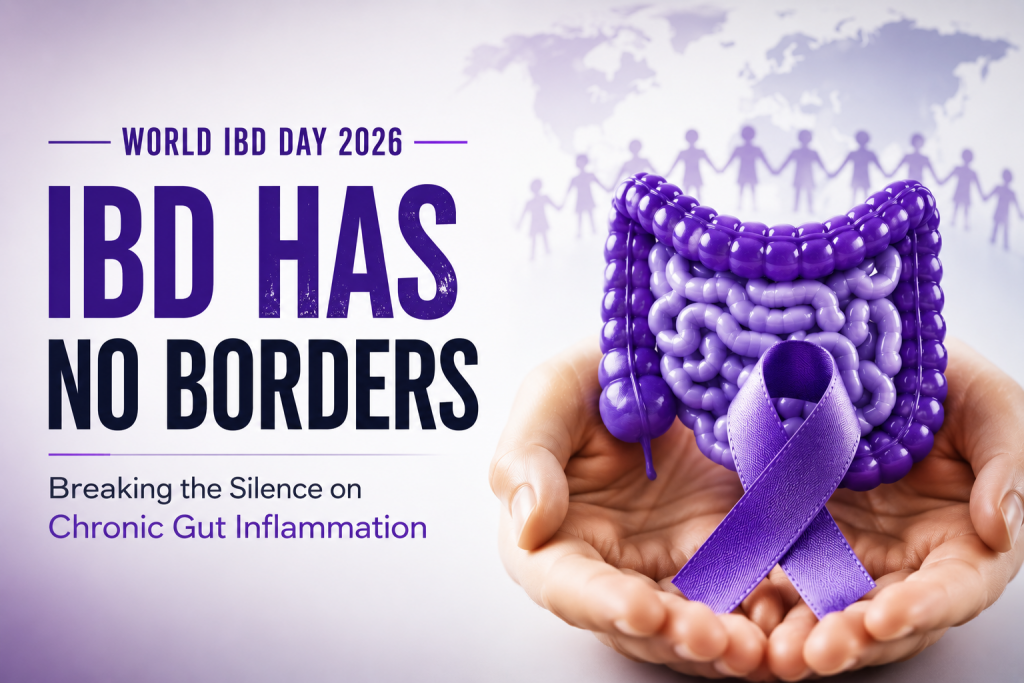
World IBD Day 2026: Why IBD Is More Than Just a Gut Problem

We often hear conversations around “gut health” today – probiotics, digestion, bloating, and healthy eating have become part of mainstream wellness culture. But for millions of people living with Inflammatory Bowel Disease (IBD), gut health is not a trend. It is a lifelong medical condition that affects nearly every aspect of daily life.

Observed every year on May 19th, World IBD Day aims to raise awareness about chronic inflammatory bowel diseases like Crohn’s disease and Ulcerative Colitis, conditions that are often misunderstood, misdiagnosed, or ignored because their symptoms are largely invisible to others.

The official World IBD Day 2026 theme, “IBD Has No Borders: Access to IBD Care,” highlights an important global reality: everyone deserves timely diagnosis, quality treatment, and long-term support regardless of where they live.

And while medical care remains the foundation of IBD treatment, managing the condition daily also depends heavily on lifestyle, stress management, recovery, movement, and sustainable health habits.

What Exactly Is IBD?

Inflammatory Bowel Disease (IBD) is a chronic autoimmune condition in which the immune system mistakenly attacks healthy tissue in the digestive tract, causing ongoing inflammation and damage.

The two most common forms of IBD are:

  • Crohn’s Disease: Can affect any part of the digestive tract, from the mouth to the intestines.
  • Ulcerative Colitis: Primarily affects the lining of the large intestine (colon) and rectum.

Unlike occasional digestive discomfort, IBD involves chronic inflammation that can significantly impact nutrient absorption, energy levels, immunity, and overall quality of life.

Common symptoms may include:

  • Persistent diarrhoea
  • Abdominal pain or cramping
  • Fatigue
  • Unexplained weight loss
  • Rectal bleeding
  • Reduced appetite
  • Nutritional deficiencies

For many individuals, flare-ups can be unpredictable and physically exhausting.

IBD vs IBS: Understanding the Difference

IBD and IBS (Irritable Bowel Syndrome) are often confused, but they are not the same condition.

IBS is a functional digestive disorder, meaning the digestive system does not function optimally despite there being no visible inflammation or structural damage.

IBD, however, is a structural inflammatory disease. It causes visible damage to the digestive tract, including ulcers and tissue inflammation, and requires specialised medical care and long-term monitoring.

Understanding this difference is important because symptoms may overlap, but the long-term health implications are very different.

IBD Is More Than a Digestive Condition

One of the biggest misconceptions about IBD is that it only affects the stomach or intestines.

In reality, chronic inflammation can affect the entire body.

Many people living with IBD also experience:

  • Severe fatigue
  • Joint pain
  • Sleep disturbances
  • Anxiety and emotional stress
  • Nutrient deficiencies
  • Reduced immunity
  • Skin or eye inflammation

This is why managing IBD requires a more holistic approach that supports both physical and mental wellbeing—not just symptom control.

5 Lifestyle Habits That Can Support IBD Management

While IBD requires medical treatment and professional supervision, daily habits can play a major role in reducing flare triggers, supporting recovery, and improving overall quality of life.

  1. Identify Personal Food Triggers

There is no universal “IBD diet.”

Foods that work well for one person may worsen symptoms for another. Common triggers may include spicy foods, high-fat meals, dairy, caffeine, excessive processed foods, or artificial sweeteners.

The Action Step:

Keep a detailed food and symptom journal. Tracking meals alongside symptoms can help identify patterns and trigger foods more effectively over time.

During remission phases, focusing on balanced nutrition and overall gut health may help support microbiome diversity and digestive recovery.

  1. Support the Gut-Brain Connection

The gut and brain are deeply connected through the gut-brain axis. Chronic stress can directly influence inflammation, digestion, bowel sensitivity, and flare severity.

According to the GOQii India Fit Report 2026, 21% of women and 10% of men reported feeling chronic stress “always or very often.” Persistent stress keeps the body in a prolonged fight-or-flight state, which may aggravate inflammatory conditions over time.

The Action Step:

Prioritise nervous system recovery daily. Deep breathing, meditation, restorative yoga, journaling, nature walks, or simply disconnecting from screens can help calm the body and support digestive health.

Managing stress is not optional in chronic inflammatory conditions—it is part of the treatment ecosystem. Learn more about effective stress management techniques that can support long-term wellbeing.

  1. Stay Hydrated During Flare-Ups

IBD-related diarrhoea can increase the risk of dehydration and electrolyte imbalance, especially during active flare periods.

The Action Step:

Sip fluids consistently throughout the day instead of consuming large amounts at once. Coconut water, homemade oral rehydration solutions (ORS), and electrolyte-rich fluids may help replenish sodium and potassium levels more effectively.

  1. Avoid a Completely Sedentary Lifestyle

Movement plays an important role in circulation, digestion, mood, insulin sensitivity, and inflammation management.

The GOQii India Fit Report 2026 revealed that nearly 50% of Indians spend 5–8 hours sitting daily, while another 26% remain sedentary for even longer durations. Prolonged inactivity may worsen fatigue, digestive sluggishness, and systemic inflammation.

The Action Step:

Focus on gentle, sustainable movement. Walking, stretching, cycling, swimming, or light yoga can help support recovery without placing excessive physical stress on the body.

During flare-ups, the goal is not intense performance—it is maintaining mobility and supporting overall wellbeing.

  1. Prioritise Sleep and Recovery

Sleep is one of the most overlooked pillars of inflammatory health.

Poor sleep increases stress hormones, disrupts immune regulation, and may worsen inflammatory responses throughout the body. Many people living with IBD already struggle with interrupted sleep due to pain, discomfort, or fatigue.

The Action Step:

Create a consistent sleep routine. Reduce screen exposure before bed, avoid heavy late-night meals, and prioritise recovery habits that allow the body to rest and repair more effectively.

The Bigger Goal: Protecting Your Healthspan

Living with IBD can feel physically exhausting, emotionally isolating, and unpredictable. But awareness, support, and proactive management can significantly improve long-term quality of life.

The GOQii India Fit Report 2026 highlighted a growing concern: while average life expectancy in India has increased to 70.4 years, Healthy Life Expectancy (HALE) remains only 59 years. This means many people spend over a decade managing chronic health conditions that affect daily functioning and wellbeing.

World IBD Day is not just about awareness. It is about recognising that chronic inflammation, stress, sedentary lifestyles, poor recovery, and delayed diagnosis all influence long-term healthspan.

Supporting gut health is not simply about digestion—it is about protecting energy, immunity, resilience, and quality of life for the future.

Pro Tip: Use the GOQii App to track meals, hydration, symptoms, movement, sleep, and stress levels. Sharing this data with your GOQii Personalised Health Coach can help identify flare triggers faster and support more personalised lifestyle management.

Frequently Asked Questions (FAQs)

  1. Is there a cure for IBD?

Currently, there is no cure for Crohn’s disease or Ulcerative Colitis. However, many individuals successfully manage symptoms and achieve long-term remission through a combination of medical treatment, nutrition, stress management, and lifestyle support.

  1. Can stress worsen IBD symptoms?

Yes. While stress does not directly cause IBD, chronic stress may aggravate inflammation and trigger flare-ups through the gut-brain connection.

  1. What foods should people with IBD avoid?

Triggers vary from person to person. Common trigger foods may include spicy foods, high-fat meals, caffeine, alcohol, dairy, processed foods, or high-fibre foods during active flare-ups.

  1. Why is fatigue so common in IBD?

Ongoing inflammation, poor nutrient absorption, disrupted sleep, and immune system stress can all contribute to severe fatigue in people living with IBD.

#BeTheForce

Disclaimer: This article is intended for educational purposes only. IBD is a serious chronic medical condition. Always consult your gastroenterologist or healthcare provider before making changes to your diet, medication, or exercise routine.

October 29, 2025 By GOQii Leave a Comment

Exhausted At Work? Here’s Everything You Need To Know About Burnout!

Everything You Need To Know About BurnoutHave you ever woken up on time and still felt tired? You reach work but can’t stop yawning. Random bouts of sleepiness take control as concentration slowly slips away! Ever wondered why even a short commute made you feel like you ran a 200m race? What you’re feeling might be more than just “because I slept late last night”. In fact, what you’re experiencing might be burnout. Not the tyre burnout, but a medical condition that many people face on a daily basis.



WHO recently has declared ‘Burnout’ as a medical condition.

What Is Burnout?

Burnout is a syndrome conceptualized as resulting from chronic workplace stress that has not been successfully managed. In simple words, burnout is a state of emotional or physical exhaustion at a workplace.

What Causes Burnout? What Can It Result In?

  • Stress due to the inability to meet demands
  • Lack of concentration due to the overwhelming amount of work
  • Performance issues due to the lack of control over tasks
  • Sleeping problems due to an imbalance of work and life
  • Mental problems due to a lack of social support at home or at the office

Even though these are just some of the causes and effects of burnout, what really matters is how we treat this occupational phenomenon.

Burnout Can Be Treated In Several Simple Ways

  • Take some time off work: You could use up your ‘sick days’ or simply ask for a ‘medical leave’. During your leave you shouldn’t have any contact with your workplace as the entire point of the leave is to relax and clear your mind.
  • Set aside time for relaxation: Certain techniques of relaxation like yoga, meditation, and deep breathing exercises are known to be de-stressing and can clear your mind of troubles.
  • Know your work-limits. Learn to say ‘no’ when you’re already burdened with work.
  • Most importantly, you must keep your cool by doing what relaxes you.
  • Remember, that burnout causes one to feel negativity, so always stay positive!

A Long-Term Solution

Alexander Den Heijer, an inspirational speaker who aims to help people flourish once said, “When a flower doesn’t bloom, you fix the environment in which it grows, not the flower.” In this case, it is not the person that must be treated, but the workplace environment.

  • A workplace with a casual dress code, fun and positive environment can be a very effective in eliminating burnout.
  • Stress-busting activities are an easy way to create a feeling of positivity. These activities could be going for walks, having flexible schedules or laughing with your colleagues.

These types of environments are known to increase workplace efficiency and decrease stress and exhaustion. If the workplace can successfully be turned into a fun environment, it can reduce, if not completely eliminate burnout.

Your Health Is More Important Than Work

Even though burnout can lead to some serious emotional and physical conditions, it can, fortunately, be treated easily. With the right care and attention, your workplace can be swiftly converted from a place where you feel burdened with work, to a place that brings you positivity.

If you feel like you might be getting burned out, try these simple relaxation techniques. More so, you can also practice yoga to improve focus, build concentration and beat stress.

If nothing works and you need help, reach out to our experts by subscribing for Personalised Health Coaching here.

Was this article helpful? Let us know in the comments below!

#BeTheForce

Disclaimer: The information provided in this blog is for general awareness and educational purposes only. It is not intended to replace professional medical advice, diagnosis, or treatment. Always consult a qualified healthcare provider for personalised medical guidance or concerns related to your health. Images shown are for representation purposes only and may not depict the exact recommendations or outcomes.

  • « Previous Page
  • 1
  • …
  • 6
  • 7
  • 8
  • 9
  • 10
  • …
  • 14
  • Next Page »

Search

Recent Posts

  • How to Improve Sleep Quality Naturally: 12 Science-Backed Tips for Better Sleep
  • Immunity-Boosting Kadhas: Why Natural Defense Matters During the Monsoon
  • Healthy Eating: Crispy Monsoon Corn Tikkis
  • Antenatal Exercises: Your Guide to a Fit and Healthy Pregnancy
  • Managing Type 2 Diabetes: Dietary Choices and Lifestyle Adjustments for Better Blood Sugar Control

Stay Updated

Archives

  • July 2026 (23)
  • June 2026 (22)
  • May 2026 (20)
  • April 2026 (24)
  • March 2026 (18)
  • February 2026 (14)
  • January 2026 (14)
  • December 2025 (19)
  • November 2025 (15)
  • October 2025 (20)
  • September 2025 (6)
  • August 2025 (6)
  • July 2025 (10)
  • June 2025 (18)
  • May 2025 (16)
  • April 2025 (22)
  • March 2025 (26)
  • February 2025 (21)
  • January 2025 (25)
  • December 2024 (22)
  • November 2024 (22)
  • October 2024 (20)
  • September 2024 (22)
  • August 2024 (28)
  • July 2024 (16)
  • June 2024 (23)
  • May 2024 (26)
  • April 2024 (27)
  • March 2024 (27)
  • February 2024 (23)
  • January 2024 (21)
  • December 2023 (14)
  • November 2023 (10)
  • October 2023 (19)
  • September 2023 (22)
  • August 2023 (16)
  • July 2023 (18)
  • June 2023 (21)
  • May 2023 (20)
  • April 2023 (19)
  • March 2023 (23)
  • February 2023 (19)
  • January 2023 (15)
  • December 2022 (11)
  • November 2022 (15)
  • October 2022 (15)
  • September 2022 (12)
  • August 2022 (9)
  • July 2022 (17)
  • June 2022 (11)
  • May 2022 (10)
  • April 2022 (6)
  • March 2022 (6)
  • February 2022 (13)
  • January 2022 (11)
  • December 2021 (7)
  • November 2021 (3)
  • October 2021 (6)
  • September 2021 (3)
  • August 2021 (8)
  • July 2021 (7)
  • June 2021 (15)
  • May 2021 (16)
  • April 2021 (10)
  • March 2021 (7)
  • February 2021 (4)
  • January 2021 (4)
  • December 2020 (3)
  • November 2020 (4)
  • October 2020 (10)
  • September 2020 (3)
  • August 2020 (3)
  • July 2020 (2)
  • June 2020 (4)
  • May 2020 (10)
  • April 2020 (12)
  • March 2020 (10)
  • February 2020 (4)
  • January 2020 (4)
  • December 2019 (3)
  • November 2019 (7)
  • October 2019 (5)
  • September 2019 (4)
  • August 2019 (9)
  • July 2019 (9)
  • June 2019 (11)
  • May 2019 (4)
  • April 2019 (8)
  • March 2019 (8)
  • February 2019 (9)
  • January 2019 (8)
  • December 2018 (9)
  • November 2018 (3)
  • October 2018 (3)
  • September 2018 (5)
  • August 2018 (10)
  • July 2018 (6)
  • June 2018 (13)
  • May 2018 (8)
  • April 2018 (18)
  • March 2018 (9)
  • February 2018 (8)
  • January 2018 (15)
  • December 2017 (12)
  • November 2017 (19)
  • October 2017 (13)
  • September 2017 (15)
  • August 2017 (4)
  • July 2017 (8)
  • June 2017 (7)
  • May 2017 (6)
  • April 2017 (8)
  • March 2017 (6)
  • February 2017 (7)
  • January 2017 (9)
  • December 2016 (10)
  • November 2016 (7)
  • October 2016 (7)
  • September 2016 (7)
  • August 2016 (11)
  • July 2016 (9)
  • June 2016 (9)
  • May 2016 (12)
  • April 2016 (17)
  • March 2016 (17)
  • February 2016 (8)
  • January 2016 (6)
  • December 2015 (2)
  • November 2015 (9)
  • October 2015 (7)
  • September 2015 (9)
  • August 2015 (11)
  • July 2015 (9)
  • June 2015 (11)
  • May 2015 (9)
  • April 2015 (13)
  • March 2015 (8)
  • February 2015 (5)
  • January 2015 (12)
  • December 2014 (14)
  • November 2014 (11)
  • October 2014 (6)
  • September 2014 (13)
  • August 2014 (12)
  • July 2014 (6)
  • June 2014 (2)
  • May 2014 (7)
  • April 2014 (4)

From Burnout to Balance: How Dr. Ranjit Reclaimed His Health

Dr Ranjit Bhatt has spent years tending to others. A practising doctor in Odisha, his days were packed with patients, surgeries, and emergencies. From the outside, it looked like a life lived in service. But on the inside, something wasn’t right. “I had no … [Read More...]

From Shimla’s Slopes to Chandigarh’s Sidewalks: Surinder Kaur Bhalla’s Journey from Chaos to Control

Some journeys start with a plan. Others begin with a stumble literally. Surinder Bhalla, a government professional, born and raised in the scenic hill town of Shimla, had always lived a life of movement. “In Shimla, you walked everywhere,” she reflects. “Walking was never an exercise. It was just life.” But after shifting to Chandigarh, […]

“I’ve Challenged Myself to Live 100 Years” – The Story of Chandubhai Savani’s Second Chance at Life

At 67, most people start slowing down. Not Chandubhai Savani. A resident of Surat, Chandubhai, thought life was on track. “My life was going well till I had my bypass surgery,” he says. That surgery, back in 2021, was a wake-up call.  Medication was routine, but exercise wasn’t. His diet? What he calls ‘normal.’ “I […]

Ananda Mukherjee Health Story

From Terminal Illness To Complete Wellness! Ananda Mukherjee Health Story

As we observe World Cancer Day under the powerful theme ‘United by Unique’ (2025-2027)**, we are reminded that every individual’s journey with cancer is distinct, yet united by shared resilience, hope, and the collective fight against this disease. This theme places people at the centre of care and their stories at the heart of the […]

  • HOME
  • HEALTHY LIVING
  • FITNESS
  • HEALTHY RECIPES
  • USER STORIES
  • KARMA
  • BUY GOQii

Copyright ©2016 GOQii