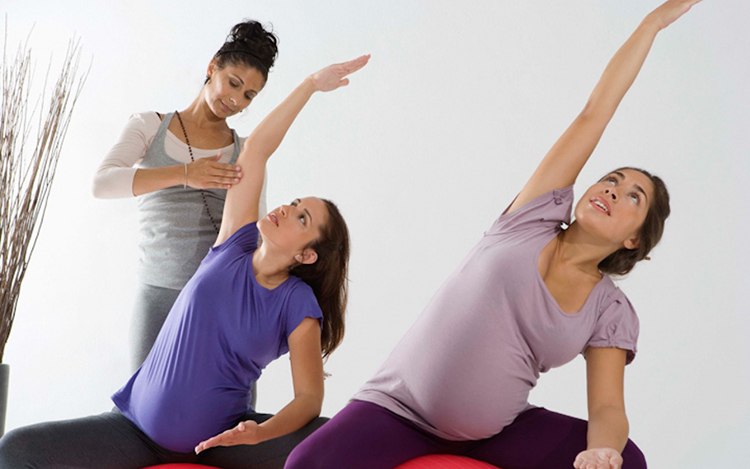
 The Big Question: Is it safe to exercise during pregnancy, and can staying active help ease the aches, pains and challenges that come with expecting a baby?
Pregnancy is one of the most transformative journeys in a woman’s life. Along with the excitement of welcoming a new life, it brings significant physical and emotional changes. For many expectant mothers especially first-time mothers it also raises an important question: Is it safe to exercise during pregnancy?
For most women with an uncomplicated pregnancy, the answer is yes. Regular, moderate physical activity can help reduce common pregnancy discomforts, improve overall fitness, prepare your body for labour, and support both maternal and fetal health. The key is choosing safe activities, exercising at an appropriate intensity, and following your healthcare provider’s advice.
Always consult your obstetrician or healthcare provider before starting or continuing any exercise programme during pregnancy.
Why Does Pregnancy Affect Your Body So Much?
Pregnancy triggers remarkable hormonal and physical changes. One important hormone is relaxin, which helps prepare your body for childbirth by relaxing the ligaments and connective tissues around the pelvis.
While this increased flexibility is essential for delivery, it can also contribute to:
- Pelvic discomfort
- Lower back pain
- Joint instability
- Changes in posture and balance
As your baby grows, your centre of gravity shifts, placing additional strain on your back, hips, and knees. A well-planned antenatal exercise routine can help your body adapt to these changes more comfortably.
The Benefits of Antenatal Exercise
Current health guidelines recommend that women with an uncomplicated pregnancy aim for at least 150 minutes of moderate-intensity physical activity each week, spread across several days. Here are some of the benefits of staying active during pregnancy:
- Reduces Aches and Pains: Gentle strengthening and stretching exercises support your muscles and joints, helping reduce back pain, pelvic discomfort, and stiffness.
- Boosts Energy: Regular movement improves circulation and cardiovascular fitness, helping combat pregnancy-related fatigue.
- Improves Sleep and Posture: Exercise can help relieve muscle tension, improve posture, and promote better sleep quality.
- Supports Healthy Weight Gain: Combined with a balanced diet, physical activity helps support healthy weight gain throughout pregnancy.
- Prepares Your Body for Labour: Maintaining muscular strength, flexibility, and endurance may help prepare your body for the physical demands of labour and recovery after childbirth.
- May Reduce the Risk of Certain Pregnancy Complications: Regular physical activity has been associated with a lower risk of gestational diabetes, gestational hypertension, and excessive pregnancy weight gain in women with uncomplicated pregnancies.
- Supports Mental Wellbeing: Exercise stimulates the release of endorphins, which can improve mood and help reduce stress and anxiety during pregnancy.
Safe Exercises During Pregnancy
The safest exercises are generally low-impact and easy to modify as your pregnancy progresses. Good options include:
- Walking
- Swimming
- Water aerobics
- Stationary cycling
- Prenatal yoga
- Prenatal Pilates
- Light resistance training under professional guidance
Aim for an intensity where you can comfortably carry on a conversation while exercising.
Exercise Through Each Trimester
First Trimester Fatigue and nausea are common. Focus on gentle walks, stretching, breathing exercises, and staying hydrated. If you feel unusually tired, reduce the intensity and listen to your body.
Second Trimester Many women experience improved energy levels. This is often a good time to continue moderate aerobic exercise, improve posture, strengthen your back and hips, and begin pelvic floor exercises if advised. Avoid lying flat on your back for prolonged periods after the first trimester.
Third Trimester As your baby’s weight increases, choose activities that prioritise comfort and mobility. Walking, gentle stretching, pelvic floor exercises, and relaxation techniques can help prepare your body for labour.
Don’t Forget Your Pelvic Floor
Your pelvic floor muscles support the bladder, uterus, and bowel. Pregnancy places additional pressure on these muscles. Regular pelvic floor (Kegel) exercises may help:
- Support bladder control
- Improve pelvic stability
- Prepare for childbirth
- Aid postpartum recovery
Ask your healthcare provider or physiotherapist how to perform these exercises correctly.
Essential Safety Tips
If your doctor has cleared you for exercise, remember these important guidelines:
- Always warm up before exercising and cool down afterwards.
- Drink plenty of water before, during, and after exercise.
- Avoid exercising in very hot or humid weather.
- Wear comfortable clothing and supportive footwear.
- Avoid exercising until exhaustion.
- Avoid holding your breath during strength exercises.
- Exercise in a well-ventilated environment.
If you attend prenatal yoga or Pilates classes, make sure your instructor is certified in prenatal fitness and knows which trimester you’re in.
When Should You Seek Medical Advice Before Exercising?
Some pregnancies require additional precautions. Speak to your obstetrician before exercising if you have:
- Placenta previa after 26 weeks
- Cervical insufficiency
- Severe anaemia
- Significant heart or lung disease
- Persistent vaginal bleeding
- Pregnancy-induced hypertension requiring close monitoring
- A high-risk multiple pregnancy
- A history of preterm labour
Your healthcare provider will advise which activities are appropriate for you.
Stop Exercising Immediately If You Experience:
Exercise should feel comfortable not distressing. Stop immediately and contact your healthcare provider if you notice:
- Vaginal bleeding or spotting
- Leakage of amniotic fluid
- Painful uterine contractions
- Chest pain or severe shortness of breath
- Dizziness or fainting
- Persistent headache
- Severe abdominal or pelvic pain
- Calf pain or swelling
- Reduced fetal movement (once movements have been established)
Exercise during pregnancy isn’t about maintaining your pre-pregnancy fitness level or trying to lose weight. It’s about supporting your changing body, improving comfort, preparing for labour, and promoting a healthier pregnancy for both you and your baby. With your healthcare provider’s approval, regular antenatal exercise can help you move through pregnancy with greater confidence, strength, and wellbeing.
Pro Tip: Every pregnancy is unique, which is why your exercise routine should be too. Use the Women’s Care feature on the GOQii App to track your pregnancy milestones, activity levels, and overall wellbeing. Your GOQii Personalised Health Coach can work alongside your healthcare provider to help you build safe exercise routines, healthy eating habits, and sustainable lifestyle practices throughout every trimester.
Frequently Asked Questions (FAQs)
- Is it safe to start exercising if I wasn’t active before pregnancy?
Yes. After receiving approval from your obstetrician, begin gradually with low-impact activities such as walking or prenatal yoga. Increase activity slowly based on your comfort and fitness level.
- What are the safest exercises during pregnancy?
Walking, swimming, stationary cycling, prenatal yoga, prenatal Pilates and supervised light resistance training are generally considered safe for women with uncomplicated pregnancies.
- Why do my joints feel looser during pregnancy?
Pregnancy hormones particularly relaxin increase ligament flexibility to prepare your body for childbirth. This may also make your joints feel less stable and contribute to aches and pains.
- Can I continue strength training during pregnancy?
Many women can safely continue modified strength training after medical clearance. Avoid heavy lifting that requires breath-holding, and work with a qualified trainer experienced in prenatal exercise.
- Which exercises should I avoid during pregnancy?
Avoid contact sports, activities with a high risk of falling, scuba diving, hot yoga and prolonged exercises lying flat on your back after the first trimester unless specifically advised by your healthcare provider.
#BeTheForce
Disclaimer: The information provided in this article is intended for educational purposes only and should not replace professional medical advice, diagnosis or treatment. Every pregnancy is different. Always consult your obstetrician or qualified healthcare provider before starting, modifying or continuing any exercise programme during pregnancy.



