GOQii

Blog

  • HOME
  • HEALTHY LIVING
  • FITNESS
  • HEALTHY RECIPES
  • USER STORIES
  • KARMA
  • BUY GOQii

Search Results for: breathing techniques

June 19, 2026 By Vandana Juneja Leave a Comment

Calming Your Mind: Breathing Techniques for ADHD

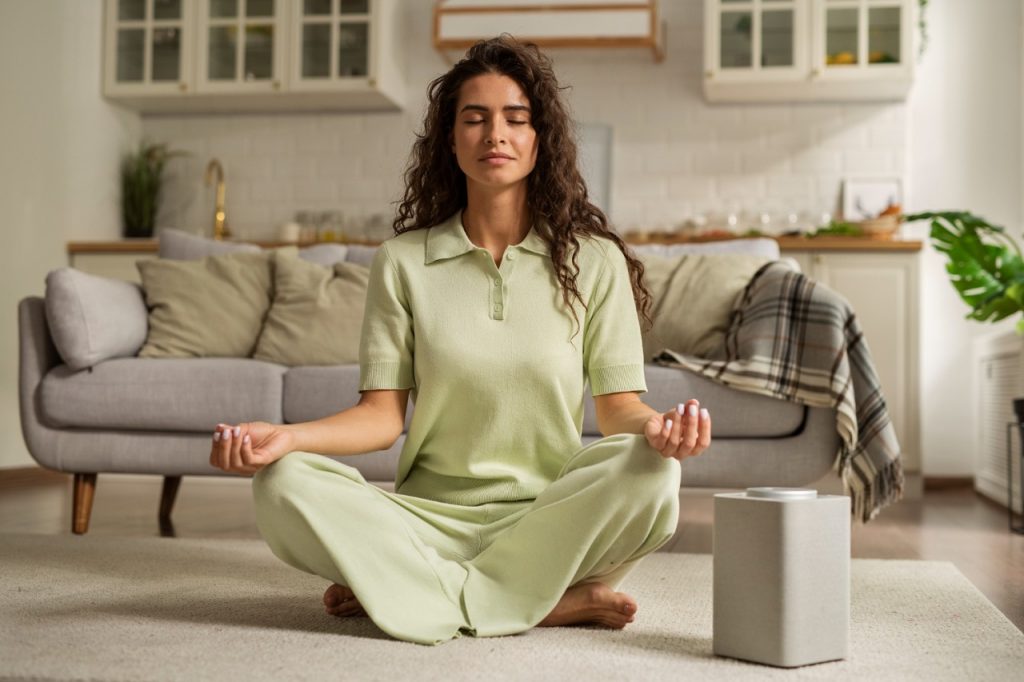
breathing exercises to relieve anxietyLiving with Attention-Deficit/Hyperactivity Disorder (ADHD) often means managing more than just distractibility or restlessness. Many people with ADHD also experience anxiety, emotional overwhelm, and difficulty switching off a constantly active mind.

Whether it’s racing thoughts before an important meeting, feeling overwhelmed by multiple tasks, or struggling to settle down at the end of the day, these moments can make everyday life feel exhausting.

While breathing exercises aren’t a replacement for medical treatment or therapy, they can be a simple and effective way to calm your mind, regulate your emotions, and bring your attention back to the present.

The best part? You can practice them almost anywhere at your desk, before an exam, during a stressful moment, or even before going to bed.

Why Breathing Matters

When we’re anxious or overwhelmed, our breathing naturally becomes faster and shallower. This signals the body to stay alert, increasing muscle tension, heart rate, and feelings of stress.

Slow, controlled breathing does the opposite.

It activates your body’s natural relaxation response, helping slow your heart rate, relax tense muscles, and create a greater sense of calm. For people with ADHD, this can make it easier to pause, refocus, and respond thoughtfully instead of reacting impulsively.

While breathing exercises won’t eliminate ADHD symptoms, they can become valuable tools for managing stress and emotional regulation.

  1. Diaphragmatic Breathing (Belly Breathing)

Also known as belly breathing, this technique encourages slow, deep breathing using your diaphragm rather than your chest.

How to Practice

  • Sit comfortably or lie on your back.
  • Place one hand on your chest and the other on your abdomen.
  • Slowly inhale through your nose, allowing your belly to rise.
  • Exhale gently through your mouth, letting your belly fall.
  • Continue for 3–5 minutes while focusing on the movement of your breath.

Best for: Feeling overwhelmed, anxious, or emotionally drained.

  1. Box Breathing

Box breathing uses equal counts for inhaling, holding, exhaling, and pausing. Its simple rhythm makes it especially helpful when your thoughts feel scattered.

How to Practice

  • Sit comfortably with your back straight.
  • Inhale through your nose for 4 counts.
  • Hold your breath for 4 counts.
  • Exhale slowly for 4 counts.
  • Pause for another 4 counts.
  • Repeat for several rounds.

Best for: Stressful meetings, studying, or regaining focus after distractions.

  1. Coherent Breathing

This technique focuses on slowing your breathing into a smooth, steady rhythm.

How to Practice

  • Sit comfortably and relax your shoulders.
  • Inhale gently through your nose for 5 seconds.
  • Exhale slowly for 6 seconds.
  • Continue this breathing pattern for about 5 minutes.

If five seconds feels too long initially, begin with shorter counts and gradually increase them.

Best for: Reducing stress and creating a sense of calm.

  1. Alternate Nostril Breathing

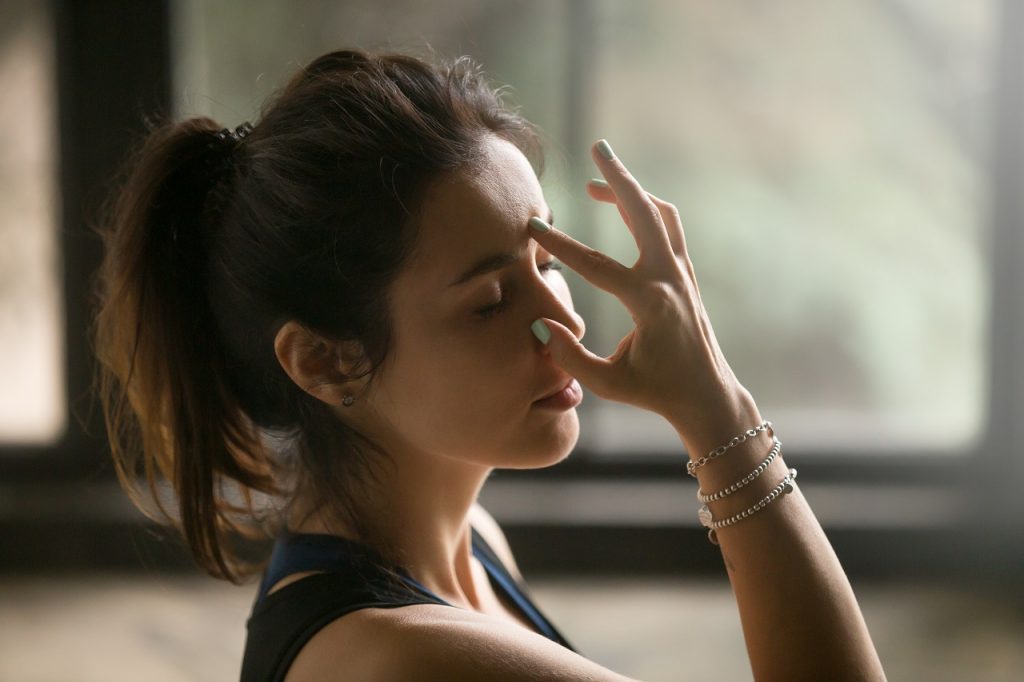
A traditional yogic breathing technique, alternate nostril breathing encourages mindful attention and can help quiet a busy mind.

How to Practice

  • Sit comfortably with your spine straight.
  • Close your right nostril with your thumb.
  • Inhale slowly through your left nostril.
  • Close your left nostril with your ring finger.
  • Release your right nostril and exhale.
  • Inhale through the right nostril.
  • Switch again and exhale through the left.

Repeat for 5–10 cycles.

Best for: Mental clutter, racing thoughts, and preparing for focused work.

  1. Victory Breath (Ujjayi Breath)

Often called Ocean Breath, this technique creates a gentle sound that helps maintain focus while encouraging slow, controlled breathing.

How to Practice

  • Sit comfortably with relaxed shoulders.
  • Inhale slowly through your nose while gently narrowing the back of your throat.
  • Exhale slowly through your nose, maintaining the same gentle sound.
  • Continue for 5–10 breaths.

Best for: Winding down after a stressful day or preparing for meditation.

When Can These Techniques Help?

Breathing exercises can be useful during many everyday situations, including:

  • Before an important presentation or exam
  • During work-related stress
  • When you feel emotionally overwhelmed
  • Before difficult conversations
  • While experiencing sensory overload
  • Before bedtime to help you relax
  • During moments when you find it difficult to concentrate

Remember, they don’t need to take a lot of time. Even two to five minutes of mindful breathing can help you reset.

Breathing Is Only One Piece of the Puzzle

Managing ADHD and anxiety isn’t about relying on a single strategy.

Regular exercise, quality sleep, balanced nutrition, structured routines, and mindfulness all play an important role in supporting emotional wellbeing and focus.

Think of breathing exercises as one tool in your wellbeing toolkit—simple, accessible, and available whenever you need a moment to pause.

Living with ADHD can sometimes feel like your mind is constantly moving from one thought to the next. While you may not be able to control every distraction, you can learn techniques that help you respond more calmly when life feels overwhelming.

Breathing exercises are simple, practical, and require no equipment. Whether you choose belly breathing, box breathing, or alternate nostril breathing, practising for just a few minutes each day can help you feel calmer, more centred, and better equipped to handle everyday challenges.

The next time stress begins to build, pause for a moment.

Take a slow breath in.

Then breathe out.

Sometimes, that’s the reset your mind has been waiting for.

Pro Tip: Make breathing exercises part of your daily routine by pairing them with existing habits, such as after waking up, before meals, or before bedtime. Use the GOQii App to track your mindfulness sessions, sleep quality, activity levels, and stress patterns. Your GOQii Coach can help you build simple daily habits that support both your physical and mental wellbeing.

Frequently Asked Questions (FAQs)

  1. Can breathing exercises help people with ADHD?

Breathing exercises may help reduce stress, improve emotional regulation, and promote relaxation. While they don’t treat ADHD itself, they can be a useful part of an overall management plan.

  1. How long should I practise breathing exercises?

Even 2–5 minutes can help during stressful moments. For long-term benefits, aim to practise regularly as part of your daily routine.

  1. Can breathing exercises replace ADHD medication?

No. Breathing exercises are a complementary self-care strategy and should not replace medication or treatment prescribed by your healthcare provider.

  1. Which breathing technique is best for beginners?

Diaphragmatic (belly) breathing is often the easiest place to start because it’s simple, calming, and easy to practise almost anywhere.

#BeTheForce

Disclaimer: The information provided in this blog is for general awareness and educational purposes only. It is not intended to replace professional medical advice, diagnosis, or treatment. Always consult a qualified healthcare provider for personalised medical guidance or concerns related to your health.
February 17, 2025 By Sunita Arora 3 Comments

Deep Breathing Techniques to Help You Beat Stress

deep breathingPicture this: You’re sitting at your desk, tackling mountains of paperwork and crunching numbers on Excel like a keyboard wizard. Just when you thought you had it all under control, bam! You’re summoned to a meeting and bombarded with even more projects. Your desk is now drowning in a sea of paperwork, and you find yourself juggling tasks like a stressed-out circus performer. Deadlines loom ominously, and stress levels skyrocket. It’s like being trapped in a never-ending desk nightmare. Yikes! But fear not, for there is a simple solution to vanquish stress in this chaotic scenario: Deep Breathing!

Deep breathing is the secret weapon you’ve been searching for, and it doesn’t require any fancy equipment or a specific time and place. It’s a stress-busting technique that works wonders! When you take a moment to breathe deeply, your brain sends signals to your body, coaxing it to relax. By incorporating deep breathing into your routine, you can reap all the incredible benefits it has to offer.

What Are These Magical Benefits?

  • Zen-like Calm: Deep breathing has the power to soothe your mind and nervous system. You can literally feel the stress melt away!
  • Oxygen Boost: Ah, sweet oxygen! Deep breathing helps you take in more of this life-giving gas, nourishing your body and brain.
  • Heart Party: Your heart deserves some love, and deep breathing delivers. It lowers your heart rate, respiratory rates, and blood pressure, giving your ticker a much-needed break.
  • Sleepy Time: Need to catch some Z’s? Deep breathing is your go-to sandman. It helps you drift off to dreamland, soothes your muscles, and even speeds up your meditation mojo.
  • Stress Ninja: When tension strikes during exams, interviews, or dreaded deadlines, deep breathing comes to the rescue. Consider it your trusty stress-busting sidekick.
  • Energy Flow: Deep breathing helps clean and rejuvenate your body’s energy channels, like a refreshing spa day for your inner chi. It keeps your heating and cooling cycles in check, so you can stay balanced and invigorated.
  • Breath of Fresh Air: Say goodbye to shortness of breath! Deep breathing prevents pesky air from getting trapped in your lungs, making you feel refreshed, centered, and ready to take on the world.

Now that you’re armed with this knowledge, let’s dive into two simple yet effective deep breathing exercises.

1. Simple Abdominal Breathing Exercise

Feeling anxious? No problem! Try this relaxation technique that you can perform anywhere, anytime – standing, sitting, or lying down.

To practice this technique, you need to:

  • Inhale slowly and deeply through your nose. Keep your shoulders relaxed. Your abdomen should expand and your chest should rise slightly.
  • Exhale slowly through your mouth. As you blow the air out, purse your lips slightly, but keep your jaw relaxed. You may hear a soft “whooshing” sound as you exhale.
  • Repeat this breathing exercise for several minutes.

Begin with just 5 minutes. If you feel 5 minutes are too long, you can start with just 2 minutes. Increase the time when you begin finding it easier and comfortable. You can practice this multiple times a day.

2. Equal Breathing

Now, let’s take deep breathing to the next level with some equal breathing magic. This technique focuses on inhales and exhales of the same duration, usually between 3 and 5 counts. Once you’ve mastered it, you can do it during yoga, or even while conquering your daily activities.

To practice this technique:

  • Take a comfortable seated position and breathe in and out through your nose only.
  • Count during each inhale and exhale to make sure they are even in duration. Alternatively, choose a word or short phrase to repeat during each inhale and exhale.
  • You can take a slight pause after each inhale and exhale if you feel comfortable (normal breathing involves a natural pause).
  • Continue practicing this breathing technique for at least 5 minutes and you can increase the duration up to 10-15 minutes.

So there you have it! Deep breathing is your ticket to a calmer, more relaxed you. Remember, stress may try to trap you at your desk, but with these breathing exercises in your arsenal, you’ll be the master of stress, deadlines, and paperwork mayhem. Take a deep breath and let the relaxation flow through your veins like a cool breeze on a sunny day. You’ve got this!

If this article helped you, let us know your thoughts in the comments below. You can find more articles and techniques to beat stress here. You can also reach out to a GOQii Coach for expert guidance by subscribing to Personalised Health Coaching here.

#BeTheForce  

December 20, 2023 By Trupti Hingad Leave a Comment

Breathe Easy Through Pregnancy: A Guide to Prenatal Breathing Techniques

As you enter motherhood after conceiving, there are a lot of tips given to pregnant women on what to eat, how to stand, sit, how to sleep and so on.

But, one of the most important things to learn during pregnancy is how to breathe. The correct breathing technique makes a world of a difference because it helps every cell. Hence mother-to-be can master the techniques throughout pregnancy. Breathing is very important during pregnancy as it ensures efficient removal of waste from the body as well as get a plentiful supply of oxygen for both the mother and child. Effective breathing purifies and calms the nervous system and induces a feeling of pleasant well-being.

One can learn the following practices throughout pregnancy so that at the time of labour they become second nature.

Let me list down the types of breathing that can be practised during pregnancy.

Equal Breathing: While standing, sitting or lying down, breathe in fully, slowly and rhythmically, without jerks, using the whole respiratory system of the abdomen, chest, pharynx and nose. Breathe out an equal number of counts. Concentrate on breathing in = life-giving air and breathing out. A feeling of peacefulness or quietness floods in. This technique has a great advantage to relax during labour. This gentle breathing helps to relax the uterine muscles and diverts the mind.

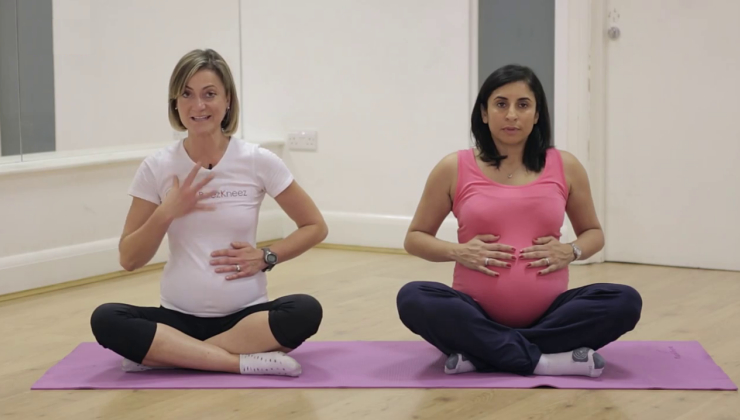
Diaphragmatic Breathing: While lying down on the back, flex the knees and keep the feet flat on the ground or bed. Keep one hand on the abdomen and keep one beside you. Slowly concentrate on the abdomen rising rhythmically with each inhalation and relaxation during exhalation. Thus, feel the abdomen rising and falling with breathing. Count up to ten seconds. Do not use force or jerks while inhaling. It helps to deal with stress for the Mother-to-be. The diaphragm muscle is supposed to rhythmically massage the organs of the body. The massage gently encourages blood flow, lymph flow, nutrient delivery, and waste removal in the organs and all tissues of the body, including tissues in the womb.  It also helps one deal with Shortness of Breath.

Chest Level Breathing: Place your hands on your chest, below your collarbone. In addition, you can have your partner place one hand at the same level on your back. Now breathe in and out through your mouth up to your hands, a shallow, slow and gentle breath. The rib cage and thoracic cavity expand to the sides, front and back for each inhalation and exhalation.  Do about 10-12 breaths in 30 seconds. If you exceed 12 breaths, then slow down.

Jaw Level Breathing – “OUT”: The jaw level breathing entails simply saying the word OUT with stress on T. Do not worry about your breathing; it will take care of itself as you say the word. Count about 20-25 breaths in 30 seconds.

Rechaka Pranayam or Expulsion Breathing: Breathing out and maximizing exhalation is a secret of relaxation while in labour. Breathe in for a count of four seconds or as convenient and slowly breath out for double the count. Again, take one breath in and breathe out for double the count. This can be done whenever a contraction is felt in the first stage of labour, while the opening of the cervix is dilating. An alternative to the same is to breathe in air and while exhaling, hum Aum or any pleasing sound. Singing works on the same principle of exhalation. Mental relaxation and peace are felt.

Blowing: At times breathing in from the nose, blowing out through the mouth and repeating the whole procedure, helps a great deal. Retaining breath and thrashing around with anxiety and clutching onto things can cause tension, exhaustion and discomfort. The secret is to LET GO! You are in a partnership with your baby to help them to emerge gracefully.

The Second Stage of Labour: When the mouth of the uterus is dilated completely, is the time of actual active pushing, not before that. When the contractions come, the breathing technique at that time would be to take a breath, hold it in and push down hard as if one is expelling a hard bowel movement. While the contraction lasts, again take in a deep breath, hold it in and push as long as possible. Do these two or three times during a contraction. Between contraction, the mother should relax in abdominal breathing. Continue till the baby is out. Soon you will hear the cry of your baby.

During the Third Stage of Labour: This stage of delivery is of the placenta. Breathe normally. It usually separates and comes within five or fifteen minutes. Slight uterine contractions may be felt during this period as the placenta slips out. This is the time to relax well. There should be relaxed joyful feeling throughout.

Benefits of Breathing Exercise:

  1. Calm deep breathing can help you deal with morning sickness in early pregnancy
  2. Deep breathing can help you fall in deep and rejuvenating sleep. Deep breathing with active visualization of images of your muscle groups relaxing can put your body in a state of relaxation. After this, one can imagine the healthy growth of both the mother and the child to help you fall into a happy sleep.
  3. Regular and proper breathing can help you deal with labour pain easily.
  4. Breathing can help transport nutrients and oxygen well to the baby and result in healthy baby growth
  5. Breathing can help you deal with, stress, depression, feeling low and unwanted advice from others during pregnancy as well.

NOTE: If you every feels dizzy during breathing practices, cover your nose and mouth with your palms and blow out once. Then breath normally. This will re-establish the proper balance of oxygen and carbon dioxide in your body and relieve dizziness if it is experienced.

If this article helped you, let us know your thoughts in the comments below. You can find more articles on women’s care here. To keep a track of your pregnancy, you can also download the GOQii App here and access the Women’s Care Feature.

For more tips on how to manage your health during pregnancy, reach out to your GOQii Coach by subscribing for Personalised Health Coaching here.

#BeTheForce 

September 11, 2023 By GOQii 9 Comments

2 Breathing Techniques For Better Sleep

breathing techniques for better sleep

Do you have trouble getting sleep despite the fact that you are tired? Sleeping well is an art. It needs a perfect blend of healthy habits and control of mind. A clean body and mind, relaxed mood, physical exercises, and perfect dietary control are some of the basic sleep-inducing methods. However, one of the best ways to bring the body into its relaxed state is – BREATHING! How do breathing techniques for better sleep work? Let’s find out!

Breathing Techniques For Better Sleep

Breathing deeply has been proven to affect the heart, the brain, digestion, the immune system and even the expression of genes. Research has shown that breathing exercises like Pranayama can have immediate effects by altering the pH of the blood, or changing blood pressure. But, more importantly, they can be used as a method to train the body’s reaction to stressful situations and dampen the production of harmful stress hormones and help induce sleep.

Here are 2 important breathing methods to calm the mind and induce sleep naturally.

1.  The 4-7-8 Technique

How To Do It?
This process is recommended by Dr. Andrew Weil, a practitioner and teacher of integrative medicine for the last thirty years. To do this exercise, sit up in bed with your back straight or lie down on a straight back and press the tip of your tongue on the roof of your mouth right behind your front teeth. Maintaining that position, close your mouth and inhale through your nose for four counts, hold that breath for seven counts, and then exhale through your mouth around your tongue for eight counts. Repeat this pattern until you have completed four full breaths.

How It Works?
The 4-7-8 breathing technique is effective because it encourages the fast removal of carbon dioxide. Doing so equates into a better preservation of the bicarbonate pool; our reservoirs for helping maintain an appropriate pH balance. Also, it allows the lungs to become fully charged with air, allowing more oxygen into the body, which promotes a state of calm.

2. Left Nostril Breathing 

How To Do It?
Simply take your right hand and with your fingers outstretched, block off your right nostril by putting gentle pressure on it with your right thumb.  Be sure to keep the rest of your fingers straight and pointing up. With a long, slow, deep breath, gently inhale through your left nostril.  Then, just as gently, exhale long, slowly and completely, again through the left nostril. Do this for at least 3 minutes; chances are you might doze of even before that!

How It Works?
When we’re under stress or feeling anxious, we tend to breathe mostly out of our right nostril, which is connected to our left brain. This activates our sympathetic nervous system, the channel responsible for the classic stress response – dilated pupils, increased core temperature, sweating, and increased heart rate and blood pressure. And when we start breathing through the left nostril the parasympathetic system gets activated which slows us down and helps our body automatically run its day to day jobs of digestion, elimination, sleep cycles and more.

Apart from these 2 breathing techniques for better sleep, you can also try meditation or mindfulness by just observing your breath as it goes in and as it comes out. Connecting with this rise and fall of the breath, and noticing where you feel that breath move within the body can help you begin the process of relaxing tense muscles and create a coherent heart pattern which brings an instant state of tranquil and helps you drift off to peaceful deep sleep.

We hope this article helps you sleep better! Do you meditate before you go to bed? What helps you sleep better? Leave your thoughts in the comments below! For more articles on sleep, check out Healthy Reads or you can get tips directly from a GOQii Coach by subscribing for Personalised Health Coaching here.

#BeTheForce

  • 1
  • 2
  • 3
  • …
  • 14
  • Next Page »

Search

Recent Posts

  • National Ice Cream Day: A Guide to Mindful & Healthy Indulgence
  • From Burnout to Balance: How Dr. Ranjit Reclaimed His Health
  • 7 Tips to Prevent Diarrhea During Monsoons: Protect Your Gut This Rainy Season
  • Healthy Eating: The Power-Packed Quinoa Chickpea Salad
  • Sitting for Hours? Try These Simple Office Workouts to Stay Active!

Stay Updated

Archives

  • July 2026 (16)
  • June 2026 (22)
  • May 2026 (20)
  • April 2026 (24)
  • March 2026 (18)
  • February 2026 (14)
  • January 2026 (14)
  • December 2025 (19)
  • November 2025 (15)
  • October 2025 (20)
  • September 2025 (6)
  • August 2025 (6)
  • July 2025 (10)
  • June 2025 (18)
  • May 2025 (16)
  • April 2025 (22)
  • March 2025 (26)
  • February 2025 (21)
  • January 2025 (25)
  • December 2024 (22)
  • November 2024 (22)
  • October 2024 (20)
  • September 2024 (22)
  • August 2024 (29)
  • July 2024 (18)
  • June 2024 (23)
  • May 2024 (26)
  • April 2024 (27)
  • March 2024 (27)
  • February 2024 (23)
  • January 2024 (21)
  • December 2023 (14)
  • November 2023 (10)
  • October 2023 (19)
  • September 2023 (22)
  • August 2023 (17)
  • July 2023 (19)
  • June 2023 (21)
  • May 2023 (20)
  • April 2023 (19)
  • March 2023 (23)
  • February 2023 (19)
  • January 2023 (15)
  • December 2022 (11)
  • November 2022 (15)
  • October 2022 (15)
  • September 2022 (12)
  • August 2022 (9)
  • July 2022 (17)
  • June 2022 (11)
  • May 2022 (10)
  • April 2022 (6)
  • March 2022 (6)
  • February 2022 (13)
  • January 2022 (11)
  • December 2021 (7)
  • November 2021 (3)
  • October 2021 (6)
  • September 2021 (3)
  • August 2021 (8)
  • July 2021 (7)
  • June 2021 (15)
  • May 2021 (16)
  • April 2021 (10)
  • March 2021 (7)
  • February 2021 (4)
  • January 2021 (4)
  • December 2020 (3)
  • November 2020 (4)
  • October 2020 (10)
  • September 2020 (3)
  • August 2020 (3)
  • July 2020 (2)
  • June 2020 (4)
  • May 2020 (10)
  • April 2020 (12)
  • March 2020 (10)
  • February 2020 (4)
  • January 2020 (4)
  • December 2019 (3)
  • November 2019 (7)
  • October 2019 (5)
  • September 2019 (4)
  • August 2019 (9)
  • July 2019 (9)
  • June 2019 (11)
  • May 2019 (4)
  • April 2019 (8)
  • March 2019 (8)
  • February 2019 (9)
  • January 2019 (8)
  • December 2018 (9)
  • November 2018 (3)
  • October 2018 (3)
  • September 2018 (5)
  • August 2018 (10)
  • July 2018 (6)
  • June 2018 (13)
  • May 2018 (8)
  • April 2018 (18)
  • March 2018 (9)
  • February 2018 (8)
  • January 2018 (15)
  • December 2017 (12)
  • November 2017 (19)
  • October 2017 (13)
  • September 2017 (15)
  • August 2017 (4)
  • July 2017 (8)
  • June 2017 (7)
  • May 2017 (6)
  • April 2017 (8)
  • March 2017 (6)
  • February 2017 (7)
  • January 2017 (9)
  • December 2016 (10)
  • November 2016 (7)
  • October 2016 (7)
  • September 2016 (7)
  • August 2016 (11)
  • July 2016 (9)
  • June 2016 (9)
  • May 2016 (12)
  • April 2016 (17)
  • March 2016 (17)
  • February 2016 (8)
  • January 2016 (6)
  • December 2015 (2)
  • November 2015 (9)
  • October 2015 (7)
  • September 2015 (9)
  • August 2015 (11)
  • July 2015 (9)
  • June 2015 (11)
  • May 2015 (9)
  • April 2015 (13)
  • March 2015 (8)
  • February 2015 (5)
  • January 2015 (12)
  • December 2014 (14)
  • November 2014 (11)
  • October 2014 (6)
  • September 2014 (13)
  • August 2014 (12)
  • July 2014 (6)
  • June 2014 (2)
  • May 2014 (7)
  • April 2014 (4)

From Burnout to Balance: How Dr. Ranjit Reclaimed His Health

Dr Ranjit Bhatt has spent years tending to others. A practising doctor in Odisha, his days were packed with patients, surgeries, and emergencies. From the outside, it looked like a life lived in service. But on the inside, something wasn’t right. “I had no … [Read More...]

From Shimla’s Slopes to Chandigarh’s Sidewalks: Surinder Kaur Bhalla’s Journey from Chaos to Control

Some journeys start with a plan. Others begin with a stumble literally. Surinder Bhalla, a government professional, born and raised in the scenic hill town of Shimla, had always lived a life of movement. “In Shimla, you walked everywhere,” she reflects. “Walking was never an exercise. It was just life.” But after shifting to Chandigarh, […]

“I’ve Challenged Myself to Live 100 Years” – The Story of Chandubhai Savani’s Second Chance at Life

At 67, most people start slowing down. Not Chandubhai Savani. A resident of Surat, Chandubhai, thought life was on track. “My life was going well till I had my bypass surgery,” he says. That surgery, back in 2021, was a wake-up call.  Medication was routine, but exercise wasn’t. His diet? What he calls ‘normal.’ “I […]

Ananda Mukherjee Health Story

From Terminal Illness To Complete Wellness! Ananda Mukherjee Health Story

As we observe World Cancer Day under the powerful theme ‘United by Unique’ (2025-2027)**, we are reminded that every individual’s journey with cancer is distinct, yet united by shared resilience, hope, and the collective fight against this disease. This theme places people at the centre of care and their stories at the heart of the […]

  • HOME
  • HEALTHY LIVING
  • FITNESS
  • HEALTHY RECIPES
  • USER STORIES
  • KARMA
  • BUY GOQii

Copyright ©2016 GOQii


