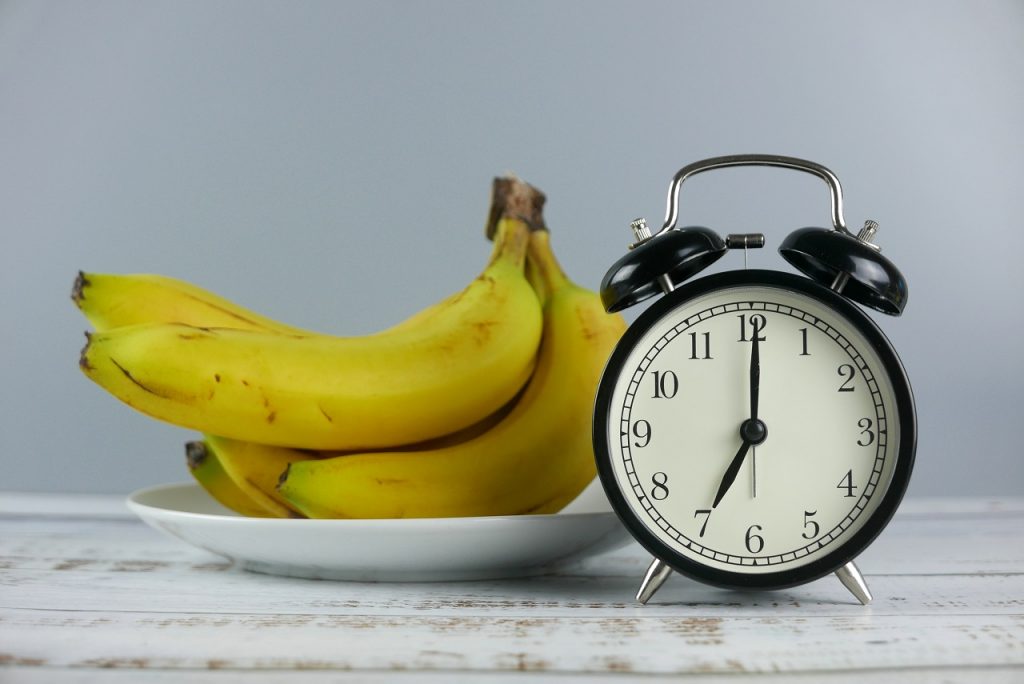
 The Big Question: What if the secret to permanent metabolic health and deep sleep isn’t strictly what you eat, but the precise time that you eat it?
Most of us pay close attention to what we eat—but have you ever thought about when you eat? Emerging research suggests that meal timing can influence how our body uses energy, regulates blood sugar, supports digestion, and even affects sleep quality. This idea forms the basis of the Circadian Rhythm Diet, also known as the Body Clock Diet.
Rather than focusing on calorie counting or restrictive food rules, this approach encourages eating in sync with your body’s natural biological clock. The goal is simple: enjoy most of your meals during the day, when your body is naturally more active, and give your digestive system enough time to rest overnight.
What Is the Circadian Rhythm?
Your circadian rhythm is your body’s internal 24-hour clock that is controlled by a master pacemaker in the brain. This internal clock responds primarily to natural light and darkness, regulating a vast array of critical daily processes:
- Sleep and wake cycles
- Hormone production (like cortisol and melatonin)
- Digestive enzyme secretions
- Core body temperature fluctuations
- Cellular repair and energy levels
- Baseline metabolic rate
During the day, your body prepares for activity, digestion, and energy use. As evening approaches, it gradually shifts into rest and recovery mode. Eating in harmony with this natural rhythm helps support optimal metabolic health.
What Is the Circadian Rhythm Diet?
The Circadian Rhythm Diet is a form of time-based eating that encourages consuming most of your daily calories during daylight hours and avoiding late-night eating whenever possible. Unlike many popular fad diets, it doesn’t eliminate entire food groups or require strict calorie restriction.
- The Destructive Autopilot Loop: Late-Night Snacks ⇒ Melatonin Suppression ⇒ High Overnight Glucose ⇒ Stalled Fat Burning & Poor Sleep.
- The Mindful Alternative Loop: Daylight Meal Windows ⇒ High Insulin Sensitivity ⇒ Early Clean Digestion ⇒ Deep Overnight Cellular Repair.
Instead, it focuses on building a simple daily routine that supports your body’s natural biological rhythm: eating a balanced breakfast after waking up, making breakfast and lunch your larger meals, keeping dinner light, and finishing it 2–3 hours before bed.
Why Does Meal Timing Matter?
Our bodies don’t process food exactly the same way throughout the day. Research suggests that earlier in the day, the body is significantly better equipped to digest food efficiently, regulate blood sugar, and use glucose for active energy.
As the day progresses and we prepare for sleep, insulin sensitivity naturally drops and digestion slows. Consuming large, late-night meals forces your digestive system to work when it should be resting, which can disrupt your sleep architecture, impair digestion, and alter appetite regulation the following morning.
5 Benefits of the Circadian Rhythm Diet
-
Supports Healthy Weight Management
Eating larger meals earlier in the day and limiting late-night snacking helps optimize appetite regulation by balancing your hunger hormones, ghrelin and leptin. Combined with regular physical activity and a whole-food diet, aligning your eating window with daylight hours helps your body use calories for immediate fuel rather than storing them as fat.
-
Helps Maintain Stable Blood Sugar Levels
Your body handles glucose far more efficiently during daylight hours. By eating your carbohydrate-rich meals earlier in the day when insulin sensitivity is at its peak, you avoid the severe blood sugar spikes and subsequent crashes that stress the pancreas. This is incredibly helpful for optimizing long-term metabolic health and reducing the risk of Type 2 diabetes.
-
Supports Better Digestion
Large meals eaten close to bedtime put a heavy strain on a slowing gastrointestinal tract. Allowing at least 2–3 hours between dinner and sleep gives your stomach ample opportunity to process food comfortably, eliminating common issues like chronic bloating, gas, and nighttime acid reflux.
-
May Improve Sleep Quality
Late-night eating—especially meals high in refined fats or sugars—interferes with your body’s ability to enter deep, restorative sleep phases. Finishing your final meal early ensures that your body can route its energy away from heavy digestion and toward tissue repair, growth hormone release, and metabolic recovery while you sleep.
-
Encourages Consistent Healthy Habits
One of the biggest strengths of the Circadian Rhythm Diet is its simplicity. Following regular, predictable meal timings creates a positive domino effect, naturally encouraging better sleep schedules, more mindful eating practices, and a drastic reduction in impulsive, emotional late-night snacking.
The Circadian Timing Matrix
| Eating Window Phase | Ambient Light Status | Primary Endocrine Focus | Dominant Metabolic State |
| Morning Activation | Sunrise / Early Light | High Cortisol; Low Melatonin | High digestive enzyme availability; peak insulin sensitivity. |
| Mid-Day Peak | Bright Daylight | Stable Cortisol & Metabolism | Optimal calorie utilization; ideal for your largest meal. |
| Evening Wind-Down | Sunset / Fading Light | Falling Cortisol; Rising Melatonin | Digestion slows; optimal window for a light, easily digested dinner. |
| Overnight Recovery | Darkness | Peak Melatonin; Low Insulin | Active cellular repair, tissue rejuvenation, and fat-burning. |
How to Follow the Circadian Rhythm Diet
Shifting your lifestyle habits is most sustainable when done progressively. Start with these foundational steps:
- Eat a balanced breakfast within a couple of hours of waking up to set your metabolic baseline.
- Try to keep your meal schedules consistent throughout the week to anchor your internal clock.
- Make lunch your most substantial meal of the day whenever your routine allows.
- Keep your dinner portions significantly lighter than your lunch.
- Secure a strict fasting buffer of 2–3 hours between your last bite of dinner and bedtime.
- Avoid mindless, late-night snacking after dinner to protect your overnight healing window.
Foods That Work Well with Your Body Clock
While the primary focus of this lifestyle is when you eat, what you put on your plate still matters profoundly for long-term vitality. Build your daylight meals around nutrient-dense whole foods:
- Fiber-Rich Whole Grains: Oats, millets, and brown rice for steady, slow-release daytime energy.
- Clean Proteins: Eggs, pulses, paneer, tofu, fish, or lean chicken to support tissue repair and satiety.
- Healthy Fats: Raw nuts, seeds, avocados, and cold-pressed oils to maintain cell membrane health.
- Probiotic Support: Fresh curd or unsweetened yogurt to feed a resilient, balanced gut microbiome.
Who Should Be Careful?
Because metabolic rates and medical needs vary, the Circadian Rhythm Diet may not be suitable for everyone without professional, customized adjustments. Speak with your doctor or a registered dietitian before altering your eating schedule if you:
- Have Type 1 or Type 2 diabetes and take glucose-lowering medications or insulin.
- Are pregnant or currently breastfeeding.
- Work permanent night shifts or rotating lifestyle shifts.
- Have a history of disordered eating or restrictive eating patterns.
- Manage a specific clinical condition that requires strict, frequent meal timings.
The Circadian Rhythm Diet isn’t about eating less—it’s about eating smarter. By aligning your meals with your body’s natural daily rhythm, you give your systems the exact environment they need to optimize digestion, balance blood sugar, manage weight, and improve sleep quality. While meal timing alone won’t replace the foundational importance of balanced nutrition and regular physical movement, it serves as an incredibly powerful, natural tool for lifelong wellness.
Pro Tip: Building a sustainable daily routine becomes effortless when you track your habits accurately. Use the GOQii App to log your meal timings, monitor your fluid intake, and track your sleep stages. You can seamlessly share this data with your GOQii Personalised Health Coach to co-create a personalized lifestyle plan that complements your doctor’s guidance and keeps you moving toward your long-term health goals!
Frequently Asked Questions (FAQs)
- What exactly is the Circadian Rhythm Diet?
The Circadian Rhythm Diet is an intentional eating pattern focused on aligning your meal times with your body’s internal 24-hour biological clock. It encourages consuming the majority of your calories and larger meals during daylight hours when metabolism is high, while enforcing a fasting window at night to allow your digestive tract to rest.
- Can I eat any food I want on this diet since the focus is only on timing?
While timing is the primary pillar of this approach, food quality remains critical for cellular health. To achieve optimal weight management and sustained energy, you should focus on a balanced diet rich in vegetables, fruits, clean proteins, whole grains, and healthy fats, while actively minimizing highly processed foods and sugary drinks.
- Do I strictly need to eat between a rigid schedule like 7 AM and 7 PM?
Not necessarily. There is no single universal schedule that works for everyone. The goal is simply to maintain a consistent daytime eating window that matches your personal daily routine, allows for a substantial overnight digestive rest, and ensures dinner is completely finished 2–3 hours before you sleep.
- How does the Circadian Rhythm Diet support healthy weight loss?
Consuming your larger meals earlier in the day takes advantage of your peak metabolic rates and highest insulin sensitivity. This ensures your body uses food efficiently for daytime energy rather than storing it as fat. Additionally, eliminating late-night snacking helps lower your total daily calorie intake and promotes overnight fat-burning.
#BeTheForce
Disclaimer: This article is intended for educational and informational purposes only. It is not intended to replace professional medical advice, clinical diagnosis, or personalized dietary treatment. Always consult your primary care physician or a qualified healthcare specialist before making major changes to your eating patterns, especially if you manage an underlying chronic health condition.
 Whether you’re working out indoors or outdoors, hydration is imperative throughout a workout and especially before and after! Here’s how you can improve your hydration game to the optimum benefits on your performance and outcomes of exercising with these pre & post workout shots!
 Living with Attention-Deficit/Hyperactivity Disorder (ADHD) often means managing more than just distractibility or restlessness. Many people with ADHD also experience anxiety, emotional overwhelm, and difficulty switching off a constantly active mind.


