GOQii

Blog

  • HOME
  • HEALTHY LIVING
  • FITNESS
  • HEALTHY RECIPES
  • USER STORIES
  • KARMA
  • BUY GOQii

July 22, 2026 By Swati Savla Leave a Comment

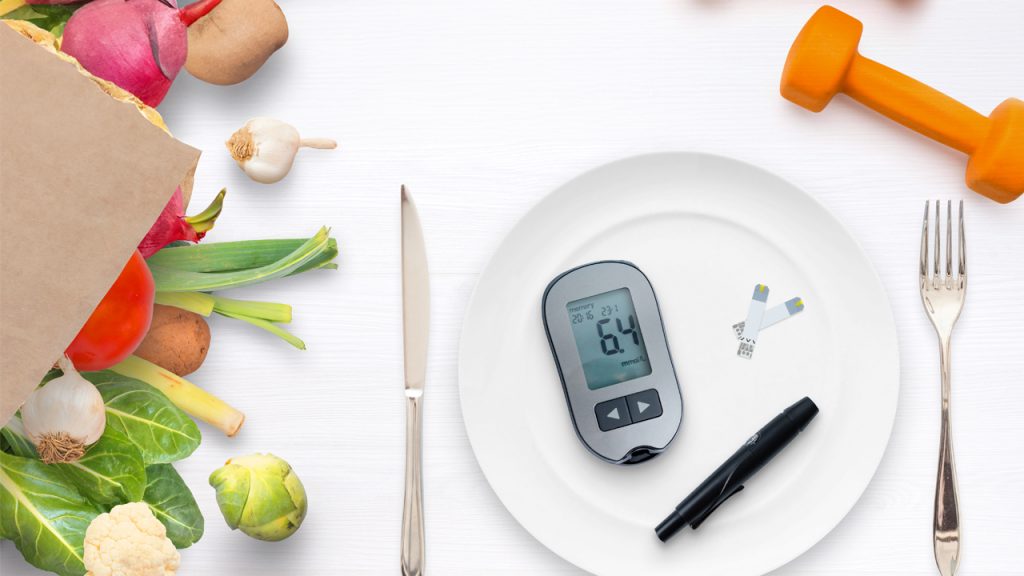
Managing Type 2 Diabetes: Dietary Choices and Lifestyle Adjustments for Better Blood Sugar Control

The Big Question: If you’ve been diagnosed with prediabetes or Type 2 diabetes, can lifestyle changes really improve your blood sugar or are medications your only option?
A diagnosis of Type 2 diabetes can feel overwhelming, but it doesn’t mean you’ve lost control of your health. While medications play an important role for many people, everyday choices around food, physical activity, sleep, and stress management can significantly improve blood sugar control and reduce the risk of long-term complications.

For some people particularly those diagnosed early who achieve meaningful weight loss under medical supervision Type 2 diabetes may even go into clinical remission. However, remission isn’t possible for everyone, and maintaining healthy habits remains essential regardless of medication use.

The goal isn’t perfection it’s building sustainable habits that help you live well with diabetes.

Understanding Type 2 Diabetes

Type 2 diabetes is a chronic metabolic condition in which the body becomes resistant to insulin or doesn’t produce enough insulin to maintain healthy blood sugar levels.

Over time, persistently elevated blood glucose can increase the risk of complications affecting the:

  • Heart
  • Kidneys
  • Eyes
  • Nerves
  • Blood vessels

The encouraging news is that many of these risks can be significantly reduced through good blood sugar management and proactive lifestyle choices.

Build Your Plate for Better Blood Sugar

Food remains one of the most powerful tools for managing diabetes. Rather than eliminating entire food groups, focus on choosing foods that provide steady energy, adequate nutrition, and sustained fullness.

Complex Carbohydrates – Choose carbohydrates that are naturally rich in fibre. Compared with refined grains, these foods generally produce a slower rise in blood glucose because they contain more fibre and digest more gradually:

  • Oats
  • Brown rice
  • Millets
  • Buckwheat
  • Quinoa
  • Whole wheat

Lean Protein- Protein helps increase satiety and supports muscle maintenance. Good choices include:

  • Eggs, fish, and skinless chicken
  • Lentils, beans, and chickpeas
  • Low-fat paneer and tofu
  • Unsweetened Greek yoghurt
  • Nuts and seeds (Fatty fish such as salmon, sardines, and mackerel also provide omega-3 fatty acids that support cardiovascular health.)

Non-Starchy Vegetables – Fill at least half your plate with vegetables such as:

  • Spinach, broccoli, and cauliflower
  • Capsicum, cucumber, and zucchini
  • Bottle gourd, ridge gourd, and mushrooms (These foods are naturally rich in fibre, vitamins, and minerals while being relatively low in carbohydrates. Starchy vegetables like potatoes, corn, and sweet potatoes can still be included but in appropriately controlled portions.)

Healthy Fats – Healthy fats support overall nutrition and make meals more satisfying. Although nutritious, these foods are calorie-dense, so portion size still matters. Include foods such as:

  • Avocados and olive oil
  • Walnuts, almonds, and pistachios
  • Flaxseeds and chia seeds

Fruits – People living with diabetes do not need to avoid fruit completely. Instead:

  • Choose: Apples, pears, berries, guava, and oranges.
  • Eat fruit whole rather than as juice to preserve its fibre.
  • Pair fruit with a protein source such as Greek yoghurt, cottage cheese, or unsalted nuts. This combination may help slow digestion and improve satiety.

The Diabetes Plate Method

One of the simplest ways to plan balanced meals is the Diabetes Plate Method. This approach naturally increases fibre intake while helping manage portion sizes. Fill your plate with:

  • đŸ„Š 50% Non-starchy vegetables
  • 🍗 25% Lean protein
  • đŸŒŸ 25% Whole grains or other healthy carbohydrates
  • đŸ„œ Add a small serving of healthy fats

Portion Size Still Matters

Even nutritious foods can raise blood glucose when eaten in large quantities. Helpful strategies include:

  • Eat slowly.
  • Use smaller plates.
  • Avoid second servings unless genuinely hungry.
  • Stop eating when comfortably satisfied rather than overly full.

Is Meal Timing Important?

Consistency often matters more than rigid rules. Some people do well with three balanced meals each day, while others benefit from smaller meals depending on their medication schedule, activity levels, and individual preferences. Work with your healthcare provider or dietitian to find a meal pattern that supports stable blood sugar throughout the day.

Can Certain Spices Help?

Several commonly used spices are being studied for their potential role in metabolic health:

  • Cinnamon: Some studies suggest cinnamon may modestly improve insulin sensitivity in certain individuals, although results remain mixed. It should never replace prescribed diabetes treatment.
  • Garlic: Garlic contains bioactive compounds with antioxidant properties and can be an excellent part of an overall healthy eating pattern.
  • Turmeric: Curcumin, the active compound in turmeric, has anti-inflammatory properties that continue to be studied for their potential role in metabolic health.

Lifestyle Matters Just As Much As Diet

Managing diabetes goes far beyond food choices alone.

Stay Physically Active – Physical activity helps muscles use glucose more efficiently and supports insulin sensitivity. Aim for:

  • At least 150 minutes of moderate-intensity activity each week.
  • 2–3 sessions of strength training weekly.
  • Light movement or a 10–15 minute walk after meals whenever possible.

Prioritise Sleep – Poor sleep can make blood sugar management more difficult. Aim for:

  • 7–9 hours of quality sleep.
  • A consistent bedtime.
  • Reduced screen time before bed.

Manage Stress – Chronic stress may contribute to higher blood glucose in some people. Helpful strategies include:

  • Yoga and meditation.
  • Walking and spending time outdoors.
  • Deep breathing exercises.
  • Connecting with family and friends.

Monitor Your Numbers & Protect Your Feet

Regular Monitoring – Regular monitoring helps you understand how your lifestyle affects your diabetes. Tracking trends over time is often more useful than focusing on a single reading. Discuss these targets with your healthcare provider:

  • HbA1c and fasting blood glucose
  • Post-meal blood glucose
  • Blood pressure and cholesterol
  • Waist circumference and body weight

Don’t Forget Foot Care – High blood sugar can affect circulation and nerve function. Protect your feet by:

  • Checking them daily for cuts or blisters.
  • Wearing properly fitting footwear.
  • Keeping feet clean and dry.
  • Seeking prompt medical attention for wounds that don’t heal.

Managing Type 2 diabetes isn’t about following a perfect diet or eliminating every favourite food. It’s about creating sustainable habits that support healthy blood sugar, protect your organs, and improve your quality of life. Small, consistent improvements in nutrition, physical activity, sleep, and stress management can make a meaningful difference over time. Remember, diabetes management is a journey—and every healthy choice counts.

Pro Tip: Understanding how your meals, activity, and sleep affect your blood sugar is the first step towards better diabetes management. Use the GOQii App to track your nutrition, daily movement, and sleep patterns. Your GOQii Personalised Health Coach can help you interpret your progress, build balanced meal plans, and stay motivated with practical, personalised guidance.

#BeTheForce 

Frequently Asked Questions (FAQs)

  1. Can Type 2 diabetes be reversed?
    Type 2 diabetes may go into clinical remission for some people, particularly with significant weight loss and sustained lifestyle changes under medical supervision. However, remission isn’t guaranteed, and ongoing healthy habits remain essential.
  2. Can people with diabetes eat fruit?
    Yes. Whole fruits provide fibre, vitamins, and antioxidants. Choose whole fruits over fruit juice and enjoy them in appropriate portions.
  3. Can people with diabetes eat rice?
    Yes. Portion size matters more than completely avoiding rice. Brown rice, hand-pounded rice, and millets may provide more fibre than polished white rice. Pair rice with vegetables and protein for a more balanced meal.
  4. Why do sleep and stress affect blood sugar?
    Poor sleep and chronic stress can influence hormones that affect insulin sensitivity and glucose regulation, making blood sugar management more challenging.
  5. Are all vegetables equally good for diabetes?
    Most vegetables are nutritious. Non-starchy vegetables generally have less impact on blood glucose, while starchy vegetables such as potatoes and corn should be eaten in appropriate portions as part of a balanced meal.

Disclaimer: The information provided in this blog is for general awareness and educational purposes only. It is not intended to replace professional medical advice, diagnosis, or treatment. Always consult a qualified healthcare provider for personalised medical guidance or concerns related to your health.

February 5, 2026 By Swati Savla Leave a Comment

Nutrition Guidelines For Seniors During Winter

nutrition guidelines for seniors

Maintaining immunity during winter is imperative, especially for seniors. It’s quite crucial to take care of their nutritional needs as they face the greatest risk of cold and flu viruses and issues like joint pain, hypothermia (which may also lead to stroke or heart attack), dry skin, aggravation of asthmatic attacks or respiratory problems. So, let’s look at some nutrition guidelines for seniors during winter! 

Nutrition Guidelines For Seniors 

Some daily dietary nourishment tips that can help seniors tackle common winter problems include:

  • Omega-3 fatty acids: Fatty fish like salmon, tuna, mackerel, walnuts, flaxseeds, chia seeds and avocado are some excellent sources of Omega-3 fatty acids.  Omega-3 fatty acids are beneficial in reducing inflammation especially in arthritis, curbing heart disease and they also play a role in cognitive development in elderly. 
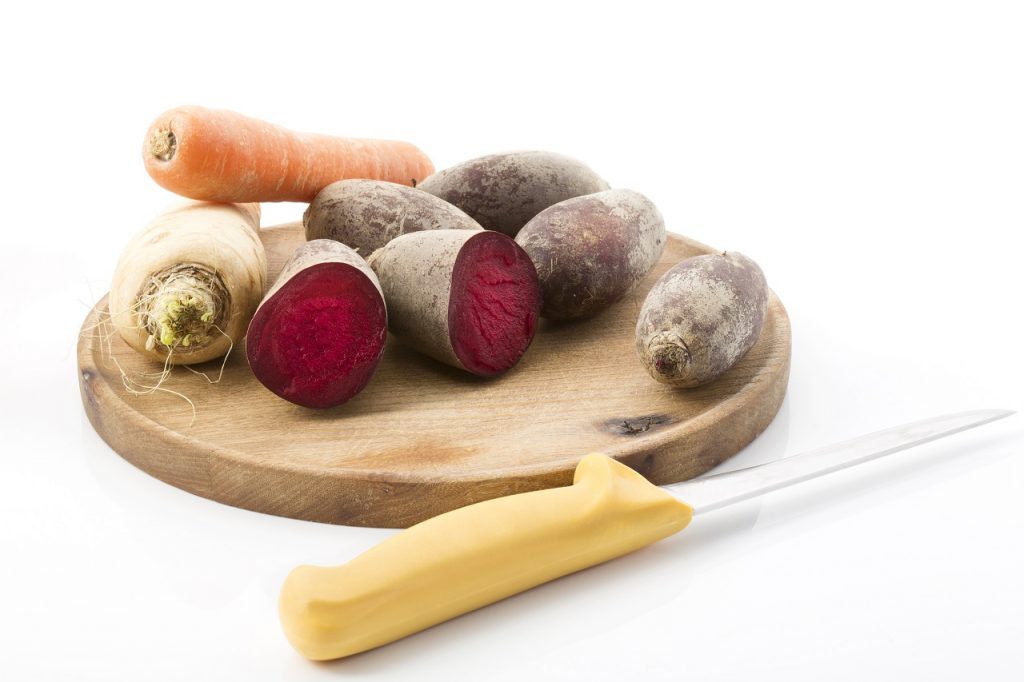
  • Seasonal fruits and vegetables like all the leafy greens, berries, citrus fruits, root vegetables like beetroot, carrots and sweet potatoes. All of these are high in antioxidants, vitamins, minerals and dietary fiber which help easing the bowels. 
  • Winters mean less exposure to the sun which may be a reason for Vitamin D deficiency and impaired calcium absorption which affects bone health further. Hence, Vitamin D fortified cereals, egg yolk, milk and milk products need to be a part of the diet regularly.
  • The cold climate leads to less water intake due to the urge to urinate frequently which can act as a hindrance to our elders to maintain optimal fluid intake. Inclusion of warm soups, decaffeinated beverages, warm milk, vegetable juices, citrus fruits and gourd vegetables help them in maintaining the hydration status. A well hydrated body aids good digestion, helps in transport of nutrients and also improves the performance of joints and muscles.
  • Habituate elders to have 5-6 small but frequent meals. It is essential for improving metabolism, regulating insulin levels and improving calorie intake in older individuals who face a diminished appetite. 

Apart from good nutrition, maintaining some basic physical activity within the vicinity of the house is equally important to reduce joint pains and muscle stiffness by improving blood flow to all parts of the body and aiding better digestion and good metabolism.

We hope these nutrition guidelines for seniors during winter helps you take care of the elderly in your family and around you. Do leave your thoughts in the comments below. For more on healthy living for senior citizens, check out Healthy Reads or ask a GOQii Coach by subscribing for Personalised Health Coaching here.

#BeTheForce 

Disclaimer: The information provided in this blog is for general awareness and educational purposes only. It is not intended to replace professional medical advice, diagnosis, or treatment. Always consult a qualified healthcare provider for personalised medical guidance or concerns related to your health. Images shown are for representation purposes only and may not depict the exact recommendations or outcomes.
November 19, 2025 By Swati Savla Leave a Comment

5 Healthy Winter Vegetables For A Healthier You!

healthy winter vegetables

The chilly winters are here. This season brings us the most colorful fruits and vegetables in the market. All of them are rich in a variety of nutrients and flavors. The major reason for increasing our intake of this fresh produce is to build our immunity against the flu and cold viruses as well as stock our body with enough nutrients to last a few months post winter as well! Here’s my list of the 5 must have healthy winter vegetables! 

Must Have Healthy Winter Vegetables 

1. Mustard Greens
The famous ‘sarson ka saag’ is our go-to-immunity winter dish. Ever thought why? This low calorie, high fiber leafy green is also an excellent source of Vitamins B1, B2, B6, C, E, K, folic acid and minerals like calcium, carotenes, manganese, copper, magnesium, protein, potassium, and iron. This wide variety of Vitamins and Minerals perform many essential functions like blood clotting which makes it heart healthy, improving bone health and thus, reducing the risk of arthritis and osteoporosis. It also improves eyesight. The folic acid content is at par with levels needed for a healthy pregnancy and menopause. Last but not the least, the high fiber aids good bowel movements, easing hemorrhoids and constipation. Some other leafy greens like spinach and methi are also at their best in this season. 

2. Carrots
This crunchy powerfood, especially the red variety available during winter, contains a good amount of vitamins and nutrients such as Vitamin A, B2, B3, C, D, E and K. We all know about it’s benefits for a good eyesight and healthy skin because of it’s beta carotene. Little do we know that it contains high amounts of Lycopene, an antioxidant which helps prevent cancer, diabetes and heart diseases. Eating raw carrots or drinking carrot juice can help regularise blood flow, provide relief from pain and make you feel less fatigued during menstruation days owing to the carotene and iron content – making it a must have healthy winter vegetable. 

3. White Radish
Do you enjoy relishing hot Mooli ke Parathe in winter? Then you’re definitely benefiting from the Vitamins A, B6, C & E and minerals like potassium, phosphorus and zinc present in White Radish. This entire range of Vitamins and minerals gives our whole body an immunity boost. It has shown to have anti-congestive properties, which clear mucus from the throat and respiratory tract due to the common cold and cough in this season. The combination of phosphorus and zinc, helps get rid of dryness, acne and rashes on the skin and the high water content of radish keeps you well hydrated. Don’t forget to use the green leaves of this root vegetable to perk up the health benefits!

4. Beetroot
This vibrant and colorful veggie contains essential nutrients like folate (Vitamin B9), manganese, potassium, iron, and Vitamin C.  Plus, they’re one of the most delicious, healthy winter vegetables out there! The red color which indicates the high iron content which helps in improving the total blood count and Vitamin C boosts immunity and improves our WBC’s.

Very importantly, Betaine present in beets can protect the liver from inflammation and damage caused by toxins and chronic alcohol consumption. It helps break down fatty acids in the liver and may help in treating non-alcoholic fatty liver disease. To add to it, they’re completely safe for consumption by diabetics as well! Puzzled? Well, yes. The Glycemic Index of beets is of medium range (61) but the glycemic load they provide is only 5. Which means although they release blood sugar levels slightly fast after consumption, the total carbs present in them are comparatively very low. 

5. Sweet Potato
Winter comes and you get to see hand carts on the streets filled with this excellent and inexpensive food item. These orange-hued delights are loaded with twice the fiber when compared to other types of potatoes. B6 content in it reduces homocysteine which has been linked to heart attacks. Vitamin C and antioxidants protect us from flu viruses and common colds. They also aid in the formation of blood cells. Sweet potatoes contain a good amount of Magnesium, essential for blood pressure regulation and nerve relaxation which in turn helps reduce stress. Plus, since they’re fairly low on the glycemic index, they’re beneficial for diabetics and also great for filling up without getting weighed down. 

We hope these healthy winter vegetables help you level up your health and build immunity during this season! For more on nutrition and winter, check out Healthy Reads or reach out to our certified experts by subscribing to GOQii’s Personalised Health Coaching here.

Eat healthy and #BeTheForce 

Disclaimer: The information provided in this blog is for general awareness and educational purposes only. It is not intended to replace professional medical advice, diagnosis, or treatment. Always consult a qualified healthcare provider for personalised medical guidance or concerns related to your health. Images shown are for representation purposes only and may not depict the exact recommendations or outcomes.

May 20, 2024 By Swati Savla Leave a Comment

Top 5 Foods To Help You Fight Allergies Naturally

allergiesAllergies can be best explained as an exaggerated response of our immune system. The trigger point could be anything as harmless as particles of dust, pollens, some foods or even cosmetic products which cause symptoms like sneezing, itchy throat, itchiness/rashes on skin or redness of the eyes, etc. 

With the onset of an allergic reaction, we typically resort to taking a corticosteroid (anti-inflammatory) or an Antihistamine (the chemical causing the inflammation), but these anti-allergy medicines have some long-term side effects. So why not think about including certain specific foods which will help us build immunity and manage these allergy symptoms as well?

5 Foods To Help You Fight Allergies 

  1. Star Anise: Among spices, it contains the highest amount of Vit. C and E which are strong antioxidants, essential for reducing inflammation and improving immunity. Polyphenols present in Star Anise possess anti inflammatory properties. They work as a natural decongestant. Flavonoids like Quercetin and Shikimic acid in this spice help in increasing immune cells. Thus, adding 1-2 star anise in a cup of hot tea or bowl of soup will kick out your allergy symptoms like a runny nose, sore throat or congestion. These reasons also contribute to the importance of Star Anise as a part of many medications to treat flu and infections as well.
  2. Pineapple: This seasonal fruit is a powerhouse of many Vitamins and minerals mainly Vitamin C, Manganese and an enzyme called Bromelain. Bromelain has anti-inflammatory properties, which is beneficial to people with asthma or other allergic airway diseases. It’s also effective in alleviation of swelling and congestion associated with chronic Sinusitis. Manganese plays an important role in enzymatic reactions which help break down Histamine, thus controlling immune responses.
  3. Red Onions: have the highest Quercetin levels among all fruits and vegetables even when compared to white onions, which are relatively lower in value. Quercetin is a natural bioflavonoid which stabilizes mast cells (specialized immune cells) to keep them from releasing histamine. It helps in suppression of inflammatory mediators in allergies, asthma, sinusitis and bronchitis.
  4. Almonds: They are rich sources of Magnesium. Magnesium works as a Bronchodilator, as it has a calming effect on the bronchial tubes, which gives allergy relief. It also helps control levels of histamine in the blood. Almonds also contain Vit. E which have antioxidant properties, thus reducing inflammation. Albeit, avoid almonds if you are allergic to nuts. 
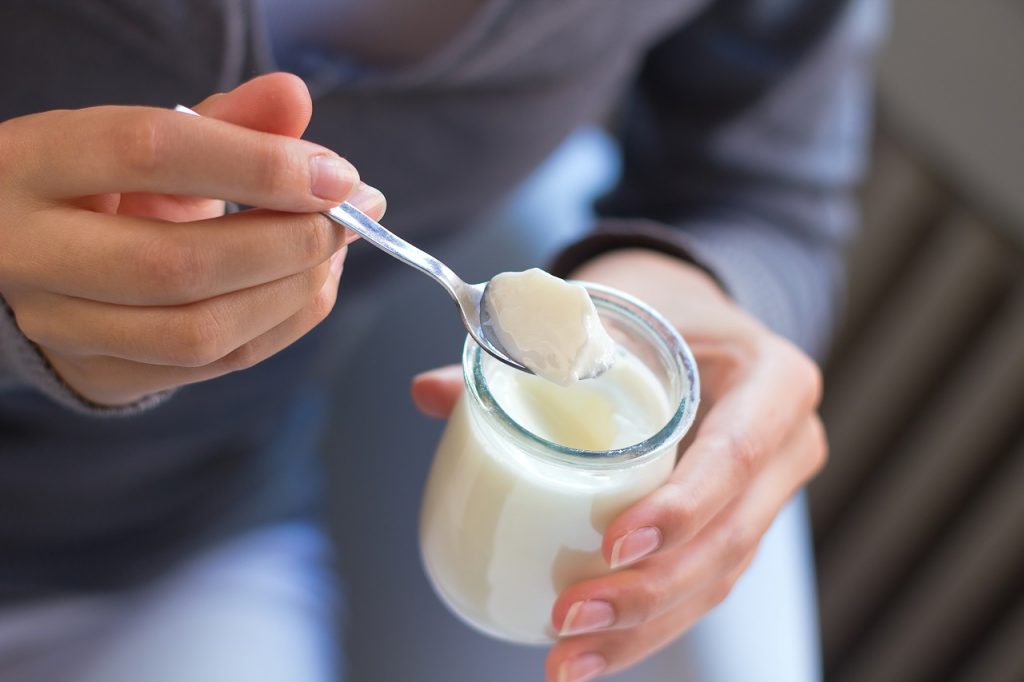
  5. Probiotics: Allergies are the result of an imbalance in the immune system. Probiotics modify the intestinal flora in the gut, support the immune system and can alter the natural course of an allergy. This is an umbrella of foods ranging from curd/yoghurt, Apple Cider Vinegar, Sauerkraut to Kefir. Include any one of them in your regular meals for optimum effects.

We hope this article helps you fight allergies naturally with food. Before trying any of these, do consult with your doctor. For more topics on combating allergies, check out LIVE sessions by experts on GOQii Play. Subscribe now! 

#BeTheForce 

  • 1
  • 2
  • Next Page »

Search

Recent Posts

  • World Hepatitis Day 2026: “Let’s Break It Down” – 6 Habits to Protect Your Liver
  • How to Improve Sleep Quality Naturally: 12 Science-Backed Tips for Better Sleep
  • Immunity-Boosting Kadhas: Why Natural Defense Matters During the Monsoon
  • Healthy Eating: Crispy Monsoon Corn Tikkis
  • Antenatal Exercises: Your Guide to a Fit and Healthy Pregnancy

Stay Updated

Archives

  • July 2026 (24)
  • June 2026 (22)
  • May 2026 (20)
  • April 2026 (24)
  • March 2026 (18)
  • February 2026 (14)
  • January 2026 (14)
  • December 2025 (19)
  • November 2025 (15)
  • October 2025 (20)
  • September 2025 (6)
  • August 2025 (6)
  • July 2025 (10)
  • June 2025 (18)
  • May 2025 (16)
  • April 2025 (22)
  • March 2025 (26)
  • February 2025 (21)
  • January 2025 (25)
  • December 2024 (22)
  • November 2024 (22)
  • October 2024 (20)
  • September 2024 (22)
  • August 2024 (28)
  • July 2024 (16)
  • June 2024 (23)
  • May 2024 (26)
  • April 2024 (27)
  • March 2024 (27)
  • February 2024 (23)
  • January 2024 (21)
  • December 2023 (14)
  • November 2023 (10)
  • October 2023 (19)
  • September 2023 (22)
  • August 2023 (16)
  • July 2023 (18)
  • June 2023 (21)
  • May 2023 (20)
  • April 2023 (19)
  • March 2023 (23)
  • February 2023 (19)
  • January 2023 (15)
  • December 2022 (11)
  • November 2022 (15)
  • October 2022 (15)
  • September 2022 (12)
  • August 2022 (9)
  • July 2022 (17)
  • June 2022 (11)
  • May 2022 (10)
  • April 2022 (6)
  • March 2022 (6)
  • February 2022 (13)
  • January 2022 (11)
  • December 2021 (7)
  • November 2021 (3)
  • October 2021 (6)
  • September 2021 (3)
  • August 2021 (8)
  • July 2021 (7)
  • June 2021 (15)
  • May 2021 (16)
  • April 2021 (10)
  • March 2021 (7)
  • February 2021 (4)
  • January 2021 (4)
  • December 2020 (3)
  • November 2020 (4)
  • October 2020 (10)
  • September 2020 (3)
  • August 2020 (3)
  • July 2020 (2)
  • June 2020 (4)
  • May 2020 (10)
  • April 2020 (12)
  • March 2020 (10)
  • February 2020 (4)
  • January 2020 (4)
  • December 2019 (3)
  • November 2019 (7)
  • October 2019 (5)
  • September 2019 (4)
  • August 2019 (9)
  • July 2019 (9)
  • June 2019 (11)
  • May 2019 (4)
  • April 2019 (8)
  • March 2019 (8)
  • February 2019 (9)
  • January 2019 (8)
  • December 2018 (9)
  • November 2018 (3)
  • October 2018 (3)
  • September 2018 (5)
  • August 2018 (10)
  • July 2018 (6)
  • June 2018 (13)
  • May 2018 (8)
  • April 2018 (18)
  • March 2018 (9)
  • February 2018 (8)
  • January 2018 (15)
  • December 2017 (12)
  • November 2017 (19)
  • October 2017 (13)
  • September 2017 (15)
  • August 2017 (4)
  • July 2017 (8)
  • June 2017 (7)
  • May 2017 (6)
  • April 2017 (8)
  • March 2017 (6)
  • February 2017 (7)
  • January 2017 (9)
  • December 2016 (10)
  • November 2016 (7)
  • October 2016 (7)
  • September 2016 (7)
  • August 2016 (11)
  • July 2016 (9)
  • June 2016 (9)
  • May 2016 (12)
  • April 2016 (17)
  • March 2016 (17)
  • February 2016 (8)
  • January 2016 (6)
  • December 2015 (2)
  • November 2015 (9)
  • October 2015 (7)
  • September 2015 (9)
  • August 2015 (11)
  • July 2015 (9)
  • June 2015 (11)
  • May 2015 (9)
  • April 2015 (13)
  • March 2015 (8)
  • February 2015 (5)
  • January 2015 (12)
  • December 2014 (14)
  • November 2014 (11)
  • October 2014 (6)
  • September 2014 (13)
  • August 2014 (12)
  • July 2014 (6)
  • June 2014 (2)
  • May 2014 (7)
  • April 2014 (4)

From Burnout to Balance: How Dr. Ranjit Reclaimed His Health

Dr Ranjit Bhatt has spent years tending to others. A practising doctor in Odisha, his days were packed with patients, surgeries, and emergencies. From the outside, it looked like a life lived in service. But on the inside, something wasn’t right. “I had no … [Read More...]

From Shimla’s Slopes to Chandigarh’s Sidewalks: Surinder Kaur Bhalla’s Journey from Chaos to Control

Some journeys start with a plan. Others begin with a stumble literally. Surinder Bhalla, a government professional, born and raised in the scenic hill town of Shimla, had always lived a life of movement. “In Shimla, you walked everywhere,” she reflects. “Walking was never an exercise. It was just life.” But after shifting to Chandigarh, […]

“I’ve Challenged Myself to Live 100 Years” – The Story of Chandubhai Savani’s Second Chance at Life

At 67, most people start slowing down. Not Chandubhai Savani. A resident of Surat, Chandubhai, thought life was on track. “My life was going well till I had my bypass surgery,” he says. That surgery, back in 2021, was a wake-up call.  Medication was routine, but exercise wasn’t. His diet? What he calls ‘normal.’ “I […]

Ananda Mukherjee Health Story

From Terminal Illness To Complete Wellness! Ananda Mukherjee Health Story

As we observe World Cancer Day under the powerful theme ‘United by Unique’ (2025-2027)**, we are reminded that every individual’s journey with cancer is distinct, yet united by shared resilience, hope, and the collective fight against this disease. This theme places people at the centre of care and their stories at the heart of the […]

  • HOME
  • HEALTHY LIVING
  • FITNESS
  • HEALTHY RECIPES
  • USER STORIES
  • KARMA
  • BUY GOQii

Copyright ©2016 GOQii


