GOQii

Blog

  • HOME
  • HEALTHY LIVING
  • FITNESS
  • HEALTHY RECIPES
  • USER STORIES
  • KARMA
  • BUY GOQii

Archives for May 2026

May 13, 2026 By GOQii Leave a Comment

Metabolic Flexibility: Why Your Body Struggles to Burn Fat Efficiently

Ever noticed how some people can go for hours without eating and still feel energetic, focused, and active while others feel tired, irritable, and desperate for sugar every few hours?

The difference is often not about willpower. It is about metabolic flexibility.

Your body is beautifully designed to switch between different fuel sources depending on what is available. After a meal, it primarily uses glucose from carbohydrates for energy. Between meals, during exercise, or while sleeping, it should naturally shift toward using stored fat for fuel.

When this system works well, energy levels stay stable, cravings reduce, and the body manages blood sugar more efficiently. But when this flexibility is lost, the body becomes overly dependent on constant food intake especially sugar and refined carbohydrates to function normally.

Over time, this can contribute to weight gain, fatigue, insulin resistance, and poor metabolic health.

What Is Metabolic Flexibility?

Metabolic flexibility refers to your body’s ability to efficiently switch between burning glucose and burning fat based on energy demand.

In a metabolically healthy person, this transition happens naturally:

  • After eating: The body uses glucose from food for immediate energy.
  • Between meals or during activity: Insulin levels begin to fall, allowing the body to access stored fat for fuel.

This ability to “switch fuels” is controlled by several systems working together, including insulin sensitivity, muscle health, mitochondrial function, sleep quality, and physical activity levels.

Healthy mitochondria the energy-producing structures inside your cells play a major role here. They help your body efficiently convert both glucose and fat into usable energy. However, poor sleep, chronic stress, inactivity, and constant overeating can gradually reduce this metabolic adaptability.

As a result, the body becomes less efficient at accessing stored fat, leading to frequent hunger, energy crashes, and increased fat storage especially around the abdomen.

Why Modern Lifestyles Are Damaging Metabolic Flexibility

The human body was never designed for constant eating.

Today, many people snack continuously, consume sugary beverages regularly, stay seated for long hours, and sleep poorly. This creates an environment where insulin levels remain elevated for most of the day.

When insulin stays consistently high, the body struggles to efficiently access stored fat for energy. Over time, cells become less responsive to insulin signals a condition known as insulin resistance.

This is one of the biggest drivers behind:

  • Weight gain
  • Visceral fat accumulation
  • Fatty liver
  • Type 2 diabetes
  • Energy instability

According to the International Diabetes Federation, over 537 million adults worldwide are currently living with diabetes, much of which is linked to long-term metabolic dysfunction and insulin resistance.

Poor sleep further worsens the problem. Research shows that inadequate sleep reduces insulin sensitivity and disrupts hormones linked to hunger and cravings. Late-night eating and irregular schedules can also interfere with the body’s natural circadian rhythm, making glucose regulation less efficient.

The Link Between Metabolic Flexibility and Longevity

Metabolic flexibility is not just about weight loss. It is increasingly being associated with healthy aging and long-term metabolic resilience.

When the body efficiently manages energy:

  • Blood sugar fluctuations reduce
  • Inflammation remains lower
  • Recovery improves
  • Energy production becomes more stable

Poor metabolic flexibility, on the other hand, is often linked with accelerated biological aging because the body becomes less efficient at handling stress, inflammation, and energy demands over time.

This is why habits like strength training, movement, quality sleep, and balanced eating patterns are now considered critical not just for fitness but for healthspan and longevity.

Signs Your Metabolism May Be Inflexible

Many people live with poor metabolic flexibility without realizing it. Some common signs include:

  • Feeling “hangry” (hungry and angry) if meals are delayed
  • Frequent sugar or caffeine cravings
  • Mid-afternoon energy crashes
  • Difficulty losing weight despite calorie restriction
  • Constant snacking throughout the day
  • Elevated fasting glucose or HbA1c levels
  • Excess abdominal fat
  • Brain fog or irritability between meals

These are often direct signals that your body is struggling to efficiently access and utilize stored energy.

How to Improve Metabolic Flexibility Naturally

The good news is that metabolic flexibility can improve significantly through simple, sustainable lifestyle changes.

  1. Build Muscle Through Strength Training

Muscle tissue plays a major role in glucose management. Strength training improves insulin sensitivity by helping muscles absorb and utilize glucose more effectively. It also increases mitochondrial efficiency and enhances the body’s ability to use both carbohydrates and fat as fuel. Even 2–3 sessions per week can make a meaningful difference over time.

  1. Reduce Constant Snacking

Frequent eating keeps insulin levels elevated throughout the day. Creating natural gaps between meals allows insulin levels to gradually fall, giving the body an opportunity to access stored fat for energy. This does not mean starving yourself or following extreme fasting protocols.

In many cases, simply:

  • Avoiding late-night snacking
  • Spacing meals 4–5 hours apart
  • Reducing ultra-processed foods

…can help restore metabolic balance.

  1. Prioritise Daily Movement

Sedentary lifestyles reduce the body’s ability to efficiently process glucose. Regular walking, exercise, mobility work and movement throughout the day help improve insulin sensitivity and overall metabolic health. Even short walks after meals can support better glucose control.

  1. Improve Sleep Quality

Sleep is one of the most underrated factors affecting metabolism. Poor sleep increases cravings, disrupts hunger hormones, elevates stress hormones, and reduces insulin sensitivity. Consistent sleep schedules and better recovery habits directly support metabolic flexibility.

  1. Focus on Protein and Whole Foods

Meals rich in protein, fibre, and minimally processed foods help stabilize blood sugar and improve satiety. This reduces sudden energy crashes and excessive cravings while supporting healthier metabolic function.

Metabolic flexibility is one of the clearest indicators of how efficiently your body produces and uses energy. When your body can smoothly switch between glucose and fat for fuel, energy becomes more stable, cravings reduce, fat loss becomes easier, and long-term metabolic health improves.

The solution is not extreme dieting or chasing shortcuts. It is about helping the body return to what it was naturally designed to do:

  • Move regularly
  • Build muscle
  • Recover well
  • Avoid constant metabolic overload

Small, consistent lifestyle changes can dramatically improve how your body manages energy—and that directly impacts not just weight, but long-term health and longevity.

Pro Tip: Track your activity, meals, sleep, and lifestyle habits on the GOQii App. Working with a GOQii Personalised Health Coach can help you build sustainable routines that improve insulin sensitivity, energy levels, and overall metabolic health.

Frequently Asked Questions (FAQs)

  1. Can metabolic flexibility be restored?

Yes. The body is highly adaptable. Improving sleep, increasing physical activity, building muscle, reducing ultra-processed foods, and avoiding constant snacking can gradually improve metabolic flexibility and insulin sensitivity.

  1. Does fasting automatically improve metabolic flexibility?

Not necessarily. Fasting is only helpful when done sensibly and sustainably. The goal is not starvation—it is giving the body periodic breaks from constant eating so insulin levels can naturally reduce.

  1. Why do I crave sugar when I feel tired?

When the body struggles to efficiently access stored fat for energy, it becomes heavily dependent on quick glucose sources. This often triggers cravings for sugar, refined carbohydrates, or caffeine during energy dips.

  1. Is metabolic flexibility connected to biological aging?

Yes. Emerging research suggests that poor metabolic health and insulin resistance may contribute to accelerated biological aging by increasing inflammation, oxidative stress, and energy inefficiency within the body.

#BeTheForce

Disclaimer: This article is intended for educational purposes only. If you have diabetes, metabolic syndrome, or any medical condition, consult your healthcare provider before making major dietary, fasting, or exercise-related changes.

May 11, 2026 By GOQii Leave a Comment

Mental Health Awareness Week 2026: Small Actions, Real Change

When we think about improving our health, we often focus on physical goals first – eating better, exercising more, or losing weight. But true wellness does not work in isolation. Your physical health and mental wellbeing are deeply connected, and one cannot thrive while the other is neglected.

This year, Mental Health Awareness Week is being observed from 11th to 17th May 2026, with a simple but powerful theme:

Take Action.

Because awareness alone is not enough anymore.

Most people do not suddenly “burn out” overnight. Mental exhaustion builds quietly over time through poor sleep, constant stress, emotional fatigue, overstimulation, and lack of recovery. And because these signs are subtle at first, we often continue functioning while mentally running on empty.

The good news? Mental wellbeing is not built through one dramatic change. It is built through small, consistent daily actions.

Why Mental Health Is More Than “Feeling Fine”

Mental health affects:

  • sleep quality
  • focus and productivity
  • stress response
  • energy levels
  • eating habits
  • relationships
  • physical health

Chronic stress can increase cortisol levels, disrupt sleep, elevate blood pressure, and even weaken immunity. Similarly, poor physical health can negatively affect emotional wellbeing, creating a cycle that becomes difficult to break.

Your mind and body are not separate systems. Stress in one always shows up in the other.

That is why mental wellbeing should never be treated as an optional part of health.

Burnout Doesn’t Always Look Dramatic

Most people imagine burnout as complete emotional collapse. But often, it looks much quieter than that.

It can show up as:

  • constantly feeling tired despite sleeping
  • irritability over small things
  • emotional numbness
  • struggling to switch off from work
  • endlessly scrolling late into the night

You may still be productive. You may still be meeting deadlines and showing up every day.

But internally, your nervous system may already be overloaded.

Just because you are coping does not mean you are okay.

Many people today are functioning while dealing with silent burnout and chronic under-recovery without even realising it.

The Problem With Modern Living

Today’s lifestyle keeps the brain in a constant state of stimulation.

Notifications. Emails. Deadlines. Social media. Endless content.

Your mind rarely gets a chance to recover.

And without recovery:

  • stress accumulates
  • focus weakens
  • emotional resilience drops

Rest is not laziness. It is nervous system recovery.

That is why taking action for mental health does not always mean doing something big. Sometimes, it means creating small moments of recovery throughout your day.

5 Actions That Actually Support Mental Health

Mental wellbeing is built through daily behaviours, not temporary motivation. Here are 5 practical actions that can genuinely support your mental health.

  1. Take Action on Your Sleep

Sleep is emotional recovery.

Even a few nights of poor sleep can increase anxiety, worsen stress response, and reduce emotional resilience. Yet sleep is often the first thing people sacrifice.

Start by:

  • reducing screen time before bed
  • maintaining a consistent sleep schedule
  • avoiding over stimulation late at night

If improving sleep has been a challenge, these simple ways to improve sleep quality can help create healthier night time habits.

Your brain cannot recover if your sleep never does.

  1. Take Action Through Movement

Exercise is not only about fitness or weight loss. Movement directly impacts mood, stress regulation, and emotional wellbeing.

Physical activity helps:

  • release endorphins
  • reduce cortisol
  • improve blood circulation
  • support better sleep

You do not need intense workouts. Even:

  • walking
  • yoga
  • stretching
  • light strength training

can positively affect mental wellbeing.

Movement is one of the most underused mental health tools.

  1. Take Action on Your Nutrition

Mental health is also connected to what you eat.

Your gut and brain constantly communicate with each other, which is why poor nutrition often affects mood, focus, and energy levels.

Highly processed foods and dehydration may contribute to:

  • fatigue
  • brain fog
  • low mood
  • poor concentration

Supporting gut health through fibre-rich foods, probiotics, and hydration can positively influence emotional wellbeing too.

Try focusing on:

  • fibre-rich foods
  • probiotic foods like curd and buttermilk
  • regular hydration

What you feed your body also affects what you feel mentally.

  1. Take Action Through Connection

Isolation quietly affects emotional wellbeing more than most people realise.

Human beings are wired for connection, support, and shared experiences.

Simple actions matter:

  • calling a friend
  • spending uninterrupted time with family
  • having honest conversations
  • asking for help when needed

Strong social connections play a major role in emotional resilience and long-term wellbeing.

Connection is emotional protection.

And sometimes, the strongest thing you can do is reach out to a professional for support.

  1. Take Action by Reducing Digital Noise

Your nervous system was never designed to process information all day without pause.

Constant scrolling and digital overload keep the brain in a heightened stress state.

Create small digital boundaries:

  • phone-free mornings
  • screen-free meals
  • social media breaks
  • avoiding doomscrolling before bed

Not every quiet moment needs to be filled with content.

Mental Health Is Built Daily

There is no single habit that suddenly “fixes” mental health.

But small daily actions compound over time.

Better sleep.
More movement.
Healthier boundaries.
More recovery.
More connection.

That is how resilience is built.

You do not need to change your entire life overnight. You just need to stop neglecting your mind every day.

Mental Health Awareness Week should not end with social media posts or temporary motivation.

Awareness matters. But action changes outcomes.

This week, instead of asking:
👉 “How stressed am I?”

Ask:
👉 “What am I doing daily to support my mental wellbeing?”

Because mental health is not built in crisis moments.

It is built in the small choices you repeat consistently.

Takeaway

Start small.

  • sleep better
  • move more
  • reduce over stimulation
  • reconnect with people
  • create recovery time

Small actions create real mental health change.

Frequently Asked Questions (FAQs)

  1. What is the theme for Mental Health Awareness Week 2026?

The 2026 theme is “Take Action”, encouraging people to take practical daily steps to support mental wellbeing.

  1. Can lifestyle habits really affect mental health?

Yes. Sleep, movement, nutrition, stress management, and social connection all directly influence emotional wellbeing.

  1. What are early signs of burnout?

Common signs include emotional fatigue, irritability, poor sleep, constant exhaustion, lack of motivation, and difficulty mentally switching off.

#BeTheForce

Disclaimer: This article is intended for educational purposes only and should not replace professional mental health support or medical advice. If you are struggling with persistent stress, anxiety, depression, or emotional distress, consult a qualified healthcare professional.

May 10, 2026 By GOQii Leave a Comment

Mother’s Day 2026: 5 Meaningful Ways to Give the Gift of Health

Mothers are the ultimate caregivers. From the moment we are born, they spend their lives prioritizing our needs, our schedules, and our well-being often putting their own health on the back burner in the process.

Every year, we celebrate Mother’s Day with beautiful bouquets, greeting cards, and boxes of chocolate. While these gestures are sweet, flowers fade and chocolates disappear. What if, this year, you gave her something that truly lasts? What if you gave her the gift of health?

This Mother’s Day, let’s shift the focus toward empowering the women we love to take care of themselves. Here are 5 practical, meaningful ways to help your mom prioritize her physical and mental well-being.

  1. Schedule a Comprehensive Health Check-Up

As women age, their bodies undergo significant hormonal and metabolic changes, particularly during and after menopause. Unfortunately, many mothers skip their routine doctor visits because they are too busy taking care of everyone else.

The Gift: Take the initiative to book a comprehensive health screening for her. Depending on her age, this should include a lipid profile, thyroid panel, blood sugar tests, a mammogram, and a bone mineral density (BMD) test to check for osteoporosis. Offer to drive her to the appointment and take her out for a healthy lunch afterward!

  1. Upgrade Her Daily Nutrition (By Helping Out!)

Mothers often spend hours in the kitchen cooking meals that cater to the family’s preferences, sometimes neglecting their own nutritional needs. As they age, women need higher amounts of high-quality protein, calcium, and Vitamin D to maintain muscle mass and bone health.

The Gift: Take over the kitchen duties a few times a week, or subscribe her to a healthy meal delivery service. You can also work together to stock the pantry with nutrient-dense superfoods like roasted makhana, mixed nuts, and seeds so she always has healthy snacking options on hand.

  1. Create a Shared Fitness Routine

Telling someone to “exercise more” rarely works, but inviting them to spend quality time with you while being active is highly effective. Regular movement helps improve cardiovascular health, boosts mood, and prevents age-related mobility issues.

The Gift: Instead of buying her a gym membership she might not use, create a shared routine.

  • Schedule a 30-minute evening walk together after dinner.
  • Enroll in a local beginner’s yoga or water aerobics class together.
  • Plan weekend nature hikes. By making fitness a bonding activity, she is much more likely to stay consistent and enjoy the process.
  1. Prioritize Her ‘Me-Time’ and Mental Health

The mental load of motherhood is heavy, and chronic stress severely impacts physical health, leading to poor sleep, weight gain, and high blood pressure. Real wellness is not just about moving the body; it is about resting the mind.

The Gift: Give her the gift of uninterrupted time. Take over her weekend chores so she can sleep in. Set up a relaxing corner in the house with her favorite books, or treat her to a professional massage or spa day. Encourage her to engage in hobbies that have nothing to do with managing the household.

  1. Introduce Smart Health Tracking

Sometimes, the best way to motivate someone is to give them the tools to see their own progress. Wearable technology makes health tracking fun, interactive, and highly insightful.

The Gift: Equip her with a smart fitness tracker (like the GOQii Smart Vital) so she can effortlessly monitor her daily step count, heart rate, blood oxygen levels, and sleep quality. It is a fantastic way for her to stay mindful of her daily habits and take control of her fitness journey.

The greatest way to say “I love you” this Mother’s Day is to ensure your mom has the support, resources, and encouragement she needs to live a long, healthy, and vibrant life.

If you want to give her the ultimate health upgrade, consider gifting her a subscription for Personalised Health Coaching directly in the GOQii App. A dedicated coach can guide her through fitness, nutrition, and stress management at her own pace!

Frequently Asked Questions (FAQs)

  1. What are the most important health check-ups for women over 50?

Women over 50 should prioritize regular blood pressure checks, comprehensive cholesterol panels, blood glucose tests, mammograms (for breast cancer screening), bone density scans (to check for osteoporosis), and routine eye and dental exams.

  1. How can I motivate my mom to start exercising if she has never been active?

Start small and focus on activities she enjoys. Do not push for intense gym sessions. Instead, suggest light walking, gardening, or gentle stretching. The key is to join her having a workout buddy makes the process feel less intimidating and more like quality time.

  1. What dietary changes are most beneficial for older women?

Older women should focus on increasing their calcium and Vitamin D intake for bone health, consuming adequate lean protein to prevent muscle loss, and eating plenty of fiber-rich fruits and vegetables to support digestion and heart health.

#BeTheForce #MothersDay2026

Disclaimer: This article is intended for educational and informational purposes only and should not be considered a substitute for professional medical advice, diagnosis, or treatment. Always consult with a qualified healthcare provider before starting any new fitness routine, diet plan, or undergoing medical screenings.

May 9, 2026 By Madhu Soni Leave a Comment

Recipes With Seasonal Vegetables

recipes with seasonal vegetablesWhen the temperatures rise and the summer heat sets in, there is a simple, natural way to help your body regulate its temperature and stay nourished: your diet!

Eating seasonal vegetables is one of the best ways to ensure your body gets peak nutritional value. Seasonal produce is naturally loaded with essential micronutrients and high water content. Incorporating these into your daily meals not only helps you stay hydrated but also strengthens your immunity and keeps you feeling light and energetic throughout the day.

Let’s step into the kitchen and try these two delicious, healthy recipes using seasonal vegetables that are easily available in the market right now!

1. Creamy Spiced Pumpkin Soup

pumpkin soupPumpkin is a fantastic seasonal vegetable packed with Vitamin A, which is crucial for eye health and immunity. This spiced soup is comforting, deeply nourishing, and incredibly easy to make.

Ingredients:

  • Olive oil: 2 tbsp
  • Onion: 1 (finely chopped)
  • Leek: 1 (white part only, finely sliced)
  • Garlic: 1 clove (crushed)
  • Ground coriander: ½ tsp
  • Ground cumin: 1 tsp
  • Freshly grated nutmeg: ½ tsp
  • Peeled pumpkin: 1 kg (diced)
  • Potato: 1 kg (peeled and diced)
  • Vegetable liquid stock: 1 Liter
  • Thin cream: ½ cup / 125ml (Healthy Swap: Use coconut milk or unsweetened Greek yogurt!)

Method:

  1. Heat the olive oil in a large saucepan over low heat. Add the chopped onion and leek, cooking for 2-3 minutes until softened but not colored.
  2. Stir in the crushed garlic, ground coriander, and ground cumin. Cook while stirring for about 30 seconds until fragrant.
  3. Add the diced pumpkin, diced potato, and vegetable stock to the pot. Bring the mixture to a gentle boil.
  4. Reduce the heat to low, cover the saucepan, and let it simmer for 30 minutes until the vegetables are completely tender.
  5. Allow the soup to cool slightly, then carefully blend it in batches until smooth and creamy.
  6. Return the blended soup to the pan, stir through the cream (or your healthy alternative), and reheat gently without boiling.
  7. Season with salt and pepper to taste, and add a little more freshly grated nutmeg if desired.

2. Roasted Brinjal Baba Ganoush

baba ganoushBrinjal (eggplant) is incredibly rich in fiber and antioxidants. Baba Ganoush is a classic Middle Eastern dip that transforms the humble brinjal into a smoky, creamy, and highly nutritious snack—perfect for a warm afternoon.

Ingredients:

  • Brinjal (Eggplant): 2 large
  • Garlic: 2-3 cloves
  • Tahini paste: 3-4 tsp (sesame seed paste)
  • Lemon juice: 1 tsp
  • Yogurt: 2 tsp
  • Olive oil: 4-5 tsp
  • Salt: To taste
  • Garnish: Finely chopped parsley, red chili flakes, and olives

Method:

  1. Roast the whole brinjals directly over an open gas flame, turning them occasionally, until the skin is completely charred and the inside is soft and tender.
  2. Allow them to cool slightly, then carefully peel off and discard the charred skin. Mash the roasted inner pulp.
  3. Transfer the mashed pulp to a mixer or food processor. Add the garlic cloves, tahini paste, lemon juice, yogurt, salt, and half of the olive oil.
  4. Pulse until you reach a smooth, creamy consistency.
  5. Transfer the dip to a serving bowl. Drizzle with the remaining olive oil and garnish with finely chopped parsley, red chili flakes, and olives.

Serving Suggestion: Enjoy your Baba Ganoush with toasted multigrain bread, whole-wheat pita, or fresh vegetable sticks (like carrots and cucumbers). You can also top it with finely chopped onions and tomatoes for extra crunch!

We hope you enjoy these recipes with seasonal vegetables. Cooking with seasonal vegetables is a wonderful way to reconnect with your food and nourish your body from the inside out.

Do try them out, upload your pics on social media or the GOQii Arena and tag us! Find more healthy recipes here. 

Need more advice on healthy recipes, balanced nutrition, and diet tips? Subscribe to GOQii’s Personalised Health Coaching in the GOQii App to get expert, one-on-one guidance.

Frequently Asked Questions (FAQs)

  1. Why is it important to eat seasonal vegetables?

Eating seasonal vegetables ensures you are consuming produce at its peak nutritional value and flavor. Because they are harvested at the right time and do not travel long distances or sit in cold storage for months, they retain a higher concentration of essential vitamins, minerals, and antioxidants. Plus, they are usually more affordable!

  1. Can I make the Pumpkin Soup ahead of time and freeze it?

Absolutely! Pumpkin soup is excellent for meal prep. You can store it in an airtight container in the refrigerator for up to 4 days. If you want to freeze it, let the soup cool completely before storing it in freezer-safe containers for up to 3 months. (Pro-tip: If you are freezing it, wait to add the cream until you reheat it!).

  1. What can I use if I don’t have tahini for the Baba Ganoush?

Tahini (which is simply a paste made from toasted sesame seeds and olive oil) gives Baba Ganoush its signature nutty flavor. If you don’t have a jar on hand, you can make a quick substitute by blending toasted sesame seeds with a little olive oil. If you don’t have sesame seeds, you can just leave it out! The dip will still taste wonderfully smoky and garlicky.

Eat Healthy and #BeTheForce 

Disclaimer: This article is intended for educational and informational purposes only. If you have specific dietary restrictions, allergies, or medical conditions, please consult with your doctor or a qualified nutritionist before making significant changes to your diet.healthy recipes

  • « Previous Page
  • 1
  • 2
  • 3
  • 4
  • Next Page »

Search

Recent Posts

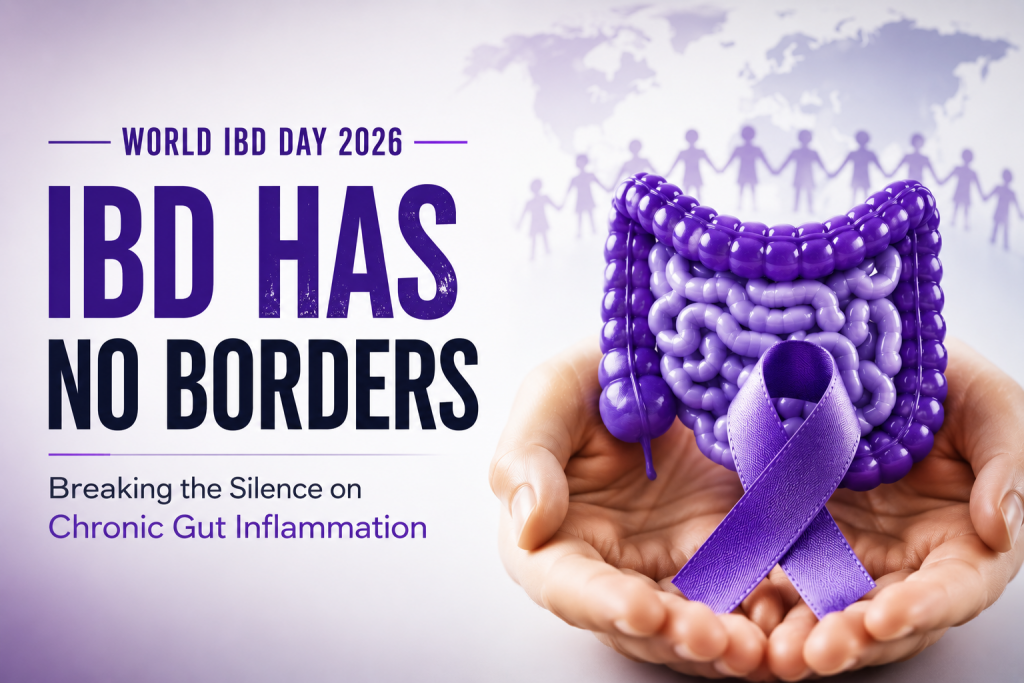
  • World IBD Day 2026: Why IBD Is More Than Just a Gut Problem
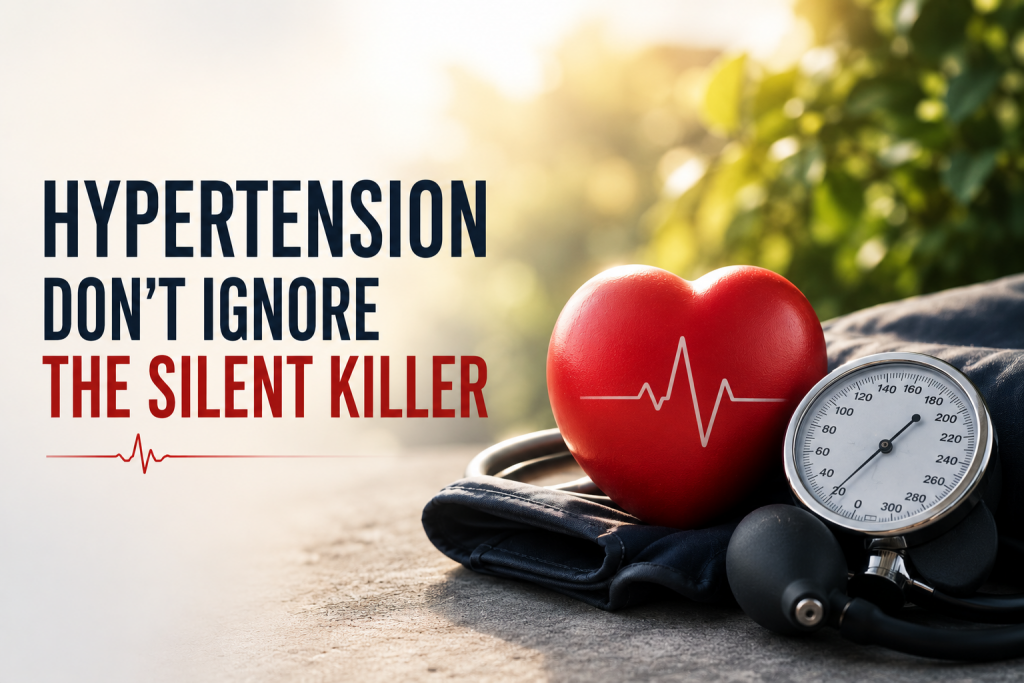
  • World Hypertension Day 2026: The Silent Killer & 5 Natural Ways to Lower Your Blood Pressure
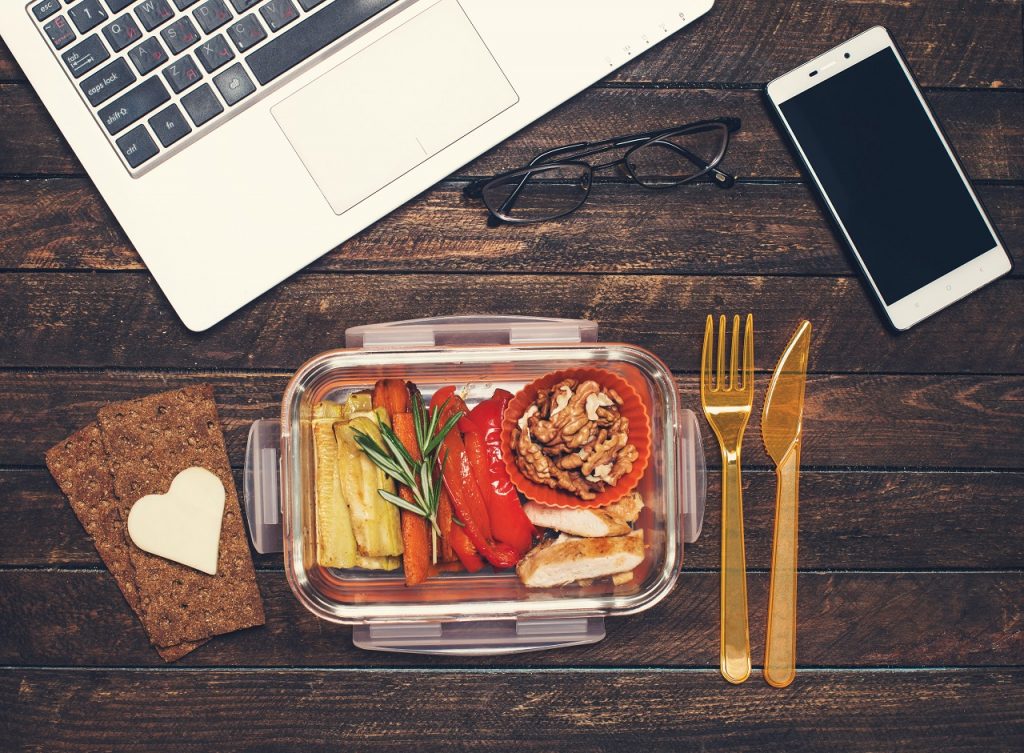
  • Eat Healthy At Work: Quick & Easy Snacks You Can Eat In The Office
  • The Great Summer Mango Debate: Can You Eat Mangoes While Trying to Lose Weight?
  • Metabolic Flexibility: Why Your Body Struggles to Burn Fat Efficiently

Stay Updated

Archives

  • May 2026 (15)
  • April 2026 (24)
  • March 2026 (18)
  • February 2026 (14)
  • January 2026 (14)
  • December 2025 (19)
  • November 2025 (15)
  • October 2025 (20)
  • September 2025 (6)
  • August 2025 (6)
  • July 2025 (12)
  • June 2025 (18)
  • May 2025 (16)
  • April 2025 (22)
  • March 2025 (27)
  • February 2025 (21)
  • January 2025 (25)
  • December 2024 (22)
  • November 2024 (23)
  • October 2024 (21)
  • September 2024 (23)
  • August 2024 (30)
  • July 2024 (21)
  • June 2024 (25)
  • May 2024 (28)
  • April 2024 (27)
  • March 2024 (27)
  • February 2024 (24)
  • January 2024 (21)
  • December 2023 (14)
  • November 2023 (10)
  • October 2023 (19)
  • September 2023 (22)
  • August 2023 (18)
  • July 2023 (22)
  • June 2023 (23)
  • May 2023 (22)
  • April 2023 (19)
  • March 2023 (23)
  • February 2023 (19)
  • January 2023 (15)
  • December 2022 (11)
  • November 2022 (15)
  • October 2022 (15)
  • September 2022 (12)
  • August 2022 (10)
  • July 2022 (17)
  • June 2022 (11)
  • May 2022 (10)
  • April 2022 (6)
  • March 2022 (6)
  • February 2022 (13)
  • January 2022 (11)
  • December 2021 (7)
  • November 2021 (3)
  • October 2021 (6)
  • September 2021 (3)
  • August 2021 (8)
  • July 2021 (7)
  • June 2021 (15)
  • May 2021 (16)
  • April 2021 (10)
  • March 2021 (7)
  • February 2021 (4)
  • January 2021 (4)
  • December 2020 (3)
  • November 2020 (4)
  • October 2020 (10)
  • September 2020 (3)
  • August 2020 (3)
  • July 2020 (2)
  • June 2020 (4)
  • May 2020 (10)
  • April 2020 (12)
  • March 2020 (10)
  • February 2020 (4)
  • January 2020 (4)
  • December 2019 (3)
  • November 2019 (7)
  • October 2019 (5)
  • September 2019 (4)
  • August 2019 (9)
  • July 2019 (9)
  • June 2019 (11)
  • May 2019 (4)
  • April 2019 (8)
  • March 2019 (8)
  • February 2019 (9)
  • January 2019 (8)
  • December 2018 (9)
  • November 2018 (3)
  • October 2018 (3)
  • September 2018 (5)
  • August 2018 (10)
  • July 2018 (6)
  • June 2018 (13)
  • May 2018 (8)
  • April 2018 (18)
  • March 2018 (9)
  • February 2018 (8)
  • January 2018 (15)
  • December 2017 (12)
  • November 2017 (19)
  • October 2017 (13)
  • September 2017 (15)
  • August 2017 (4)
  • July 2017 (8)
  • June 2017 (7)
  • May 2017 (6)
  • April 2017 (8)
  • March 2017 (6)
  • February 2017 (7)
  • January 2017 (9)
  • December 2016 (10)
  • November 2016 (7)
  • October 2016 (7)
  • September 2016 (7)
  • August 2016 (11)
  • July 2016 (9)
  • June 2016 (9)
  • May 2016 (12)
  • April 2016 (17)
  • March 2016 (17)
  • February 2016 (8)
  • January 2016 (6)
  • December 2015 (2)
  • November 2015 (9)
  • October 2015 (7)
  • September 2015 (9)
  • August 2015 (11)
  • July 2015 (9)
  • June 2015 (11)
  • May 2015 (9)
  • April 2015 (13)
  • March 2015 (8)
  • February 2015 (5)
  • January 2015 (12)
  • December 2014 (14)
  • November 2014 (11)
  • October 2014 (6)
  • September 2014 (13)
  • August 2014 (12)
  • July 2014 (6)
  • June 2014 (2)
  • May 2014 (7)
  • April 2014 (4)

From “Laddu Nawin” to Fit and Fierce: How a 25-Year-Old Insurance Advisor Shed 20 Kilos and Gained His Life Back

When 25-year-old Nawin Yadav from Hyderabad walked into his office every morning, he carried more than just his files and policy papers. He had the weight of fatigue, sluggish energy, and an ever-growing belly that was becoming the butt of jokes. “People … [Read More...]

“I’ve Challenged Myself to Live 100 Years” – The Story of Chandubhai Savani’s Second Chance at Life

At 67, most people start slowing down. Not Chandubhai Savani. A resident of Surat, Chandubhai, thought life was on track. “My life was going well till I had my bypass surgery,” he says. That surgery, back in 2021, was a wake-up call.  Medication was routine, but exercise wasn’t. His diet? What he calls ‘normal.’ “I […]

From Shimla’s Slopes to Chandigarh’s Sidewalks: Surinder Kaur Bhalla’s Journey from Chaos to Control

Some journeys start with a plan. Others begin with a stumble literally. Surinder Bhalla, a government professional, born and raised in the scenic hill town of Shimla, had always lived a life of movement. “In Shimla, you walked everywhere,” she reflects. “Walking was never an exercise. It was just life.” But after shifting to Chandigarh, […]

Ananda Mukherjee Health Story

From Terminal Illness To Complete Wellness! Ananda Mukherjee Health Story

As we observe World Cancer Day under the powerful theme ‘United by Unique’ (2025-2027)**, we are reminded that every individual’s journey with cancer is distinct, yet united by shared resilience, hope, and the collective fight against this disease. This theme places people at the centre of care and their stories at the heart of the […]

  • HOME
  • HEALTHY LIVING
  • FITNESS
  • HEALTHY RECIPES
  • USER STORIES
  • KARMA
  • BUY GOQii

Copyright ©2016 GOQii