GOQii

Blog

  • HOME
  • HEALTHY LIVING
  • FITNESS
  • HEALTHY RECIPES
  • USER STORIES
  • KARMA
  • BUY GOQii

Archives for May 2026

May 9, 2026 By Madhu Soni Leave a Comment

Recipes With Seasonal Vegetables

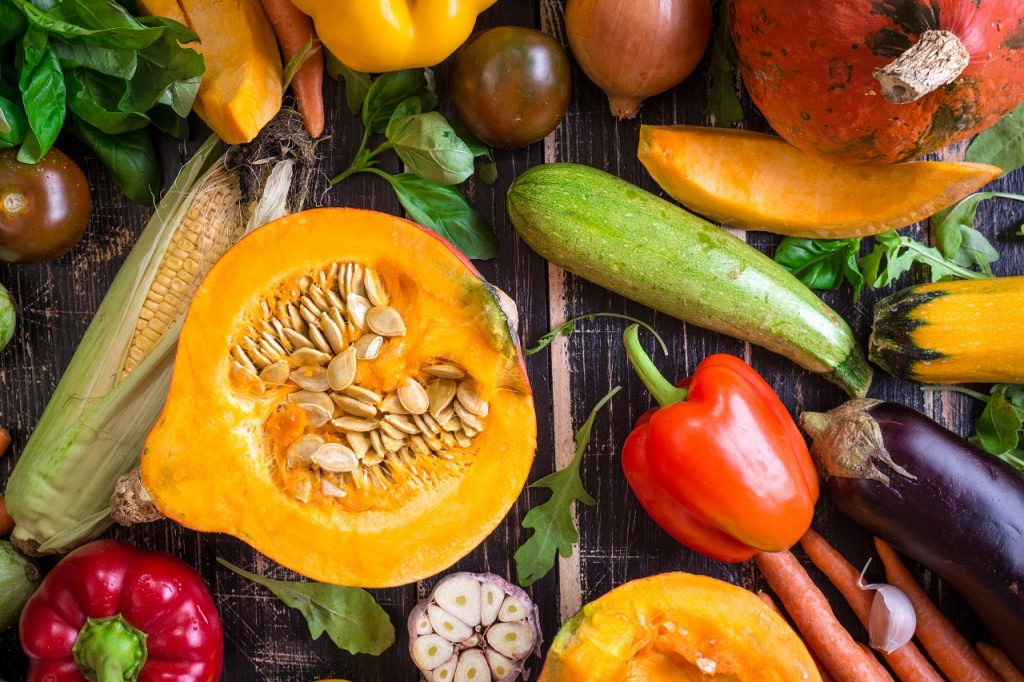
recipes with seasonal vegetablesWhen the temperatures rise and the summer heat sets in, there is a simple, natural way to help your body regulate its temperature and stay nourished: your diet!

Eating seasonal vegetables is one of the best ways to ensure your body gets peak nutritional value. Seasonal produce is naturally loaded with essential micronutrients and high water content. Incorporating these into your daily meals not only helps you stay hydrated but also strengthens your immunity and keeps you feeling light and energetic throughout the day.

Let’s step into the kitchen and try these two delicious, healthy recipes using seasonal vegetables that are easily available in the market right now!

1. Creamy Spiced Pumpkin Soup
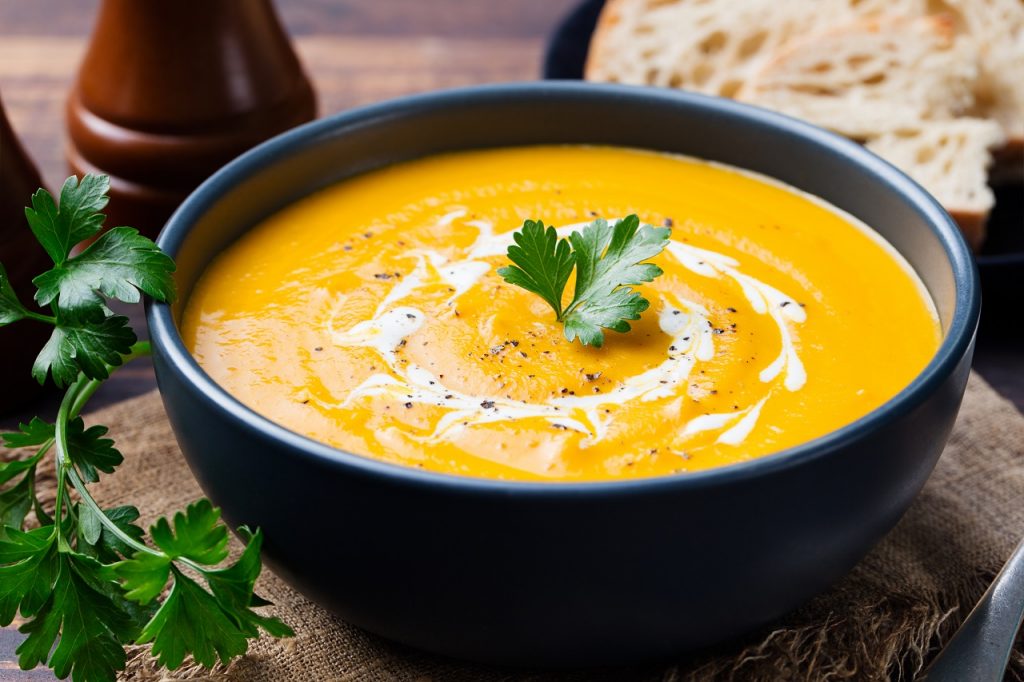
pumpkin soupPumpkin is a fantastic seasonal vegetable packed with Vitamin A, which is crucial for eye health and immunity. This spiced soup is comforting, deeply nourishing, and incredibly easy to make.

Ingredients:

  • Olive oil: 2 tbsp
  • Onion: 1 (finely chopped)
  • Leek: 1 (white part only, finely sliced)
  • Garlic: 1 clove (crushed)
  • Ground coriander: ½ tsp
  • Ground cumin: 1 tsp
  • Freshly grated nutmeg: ½ tsp
  • Peeled pumpkin: 1 kg (diced)
  • Potato: 1 kg (peeled and diced)
  • Vegetable liquid stock: 1 Liter
  • Thin cream: ½ cup / 125ml (Healthy Swap: Use coconut milk or unsweetened Greek yogurt!)

Method:

  1. Heat the olive oil in a large saucepan over low heat. Add the chopped onion and leek, cooking for 2-3 minutes until softened but not colored.
  2. Stir in the crushed garlic, ground coriander, and ground cumin. Cook while stirring for about 30 seconds until fragrant.
  3. Add the diced pumpkin, diced potato, and vegetable stock to the pot. Bring the mixture to a gentle boil.
  4. Reduce the heat to low, cover the saucepan, and let it simmer for 30 minutes until the vegetables are completely tender.
  5. Allow the soup to cool slightly, then carefully blend it in batches until smooth and creamy.
  6. Return the blended soup to the pan, stir through the cream (or your healthy alternative), and reheat gently without boiling.
  7. Season with salt and pepper to taste, and add a little more freshly grated nutmeg if desired.

2. Roasted Brinjal Baba Ganoush
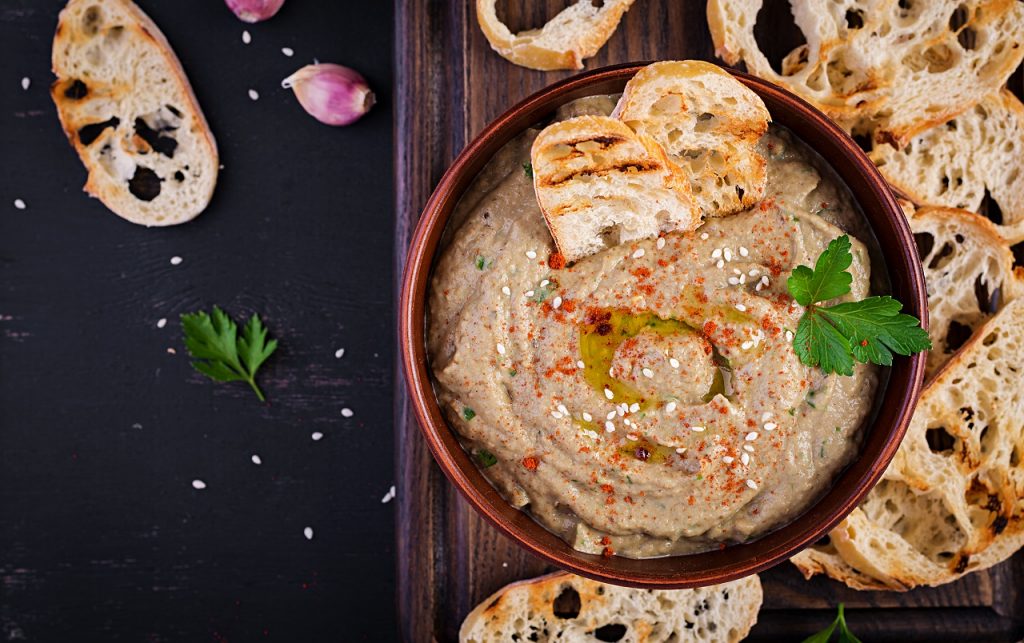
baba ganoushBrinjal (eggplant) is incredibly rich in fiber and antioxidants. Baba Ganoush is a classic Middle Eastern dip that transforms the humble brinjal into a smoky, creamy, and highly nutritious snack—perfect for a warm afternoon.

Ingredients:

  • Brinjal (Eggplant): 2 large
  • Garlic: 2-3 cloves
  • Tahini paste: 3-4 tsp (sesame seed paste)
  • Lemon juice: 1 tsp
  • Yogurt: 2 tsp
  • Olive oil: 4-5 tsp
  • Salt: To taste
  • Garnish: Finely chopped parsley, red chili flakes, and olives

Method:

  1. Roast the whole brinjals directly over an open gas flame, turning them occasionally, until the skin is completely charred and the inside is soft and tender.
  2. Allow them to cool slightly, then carefully peel off and discard the charred skin. Mash the roasted inner pulp.
  3. Transfer the mashed pulp to a mixer or food processor. Add the garlic cloves, tahini paste, lemon juice, yogurt, salt, and half of the olive oil.
  4. Pulse until you reach a smooth, creamy consistency.
  5. Transfer the dip to a serving bowl. Drizzle with the remaining olive oil and garnish with finely chopped parsley, red chili flakes, and olives.

Serving Suggestion: Enjoy your Baba Ganoush with toasted multigrain bread, whole-wheat pita, or fresh vegetable sticks (like carrots and cucumbers). You can also top it with finely chopped onions and tomatoes for extra crunch!

We hope you enjoy these recipes with seasonal vegetables. Cooking with seasonal vegetables is a wonderful way to reconnect with your food and nourish your body from the inside out.

Do try them out, upload your pics on social media or the GOQii Arena and tag us! Find more healthy recipes here. 

Need more advice on healthy recipes, balanced nutrition, and diet tips? Subscribe to GOQii’s Personalised Health Coaching in the GOQii App to get expert, one-on-one guidance.

Frequently Asked Questions (FAQs)

  1. Why is it important to eat seasonal vegetables?

Eating seasonal vegetables ensures you are consuming produce at its peak nutritional value and flavor. Because they are harvested at the right time and do not travel long distances or sit in cold storage for months, they retain a higher concentration of essential vitamins, minerals, and antioxidants. Plus, they are usually more affordable!

  1. Can I make the Pumpkin Soup ahead of time and freeze it?

Absolutely! Pumpkin soup is excellent for meal prep. You can store it in an airtight container in the refrigerator for up to 4 days. If you want to freeze it, let the soup cool completely before storing it in freezer-safe containers for up to 3 months. (Pro-tip: If you are freezing it, wait to add the cream until you reheat it!).

  1. What can I use if I don’t have tahini for the Baba Ganoush?

Tahini (which is simply a paste made from toasted sesame seeds and olive oil) gives Baba Ganoush its signature nutty flavor. If you don’t have a jar on hand, you can make a quick substitute by blending toasted sesame seeds with a little olive oil. If you don’t have sesame seeds, you can just leave it out! The dip will still taste wonderfully smoky and garlicky.

Eat Healthy and #BeTheForce 

Disclaimer: This article is intended for educational and informational purposes only. If you have specific dietary restrictions, allergies, or medical conditions, please consult with your doctor or a qualified nutritionist before making significant changes to your diet.healthy recipes
May 8, 2026 By GOQii Leave a Comment

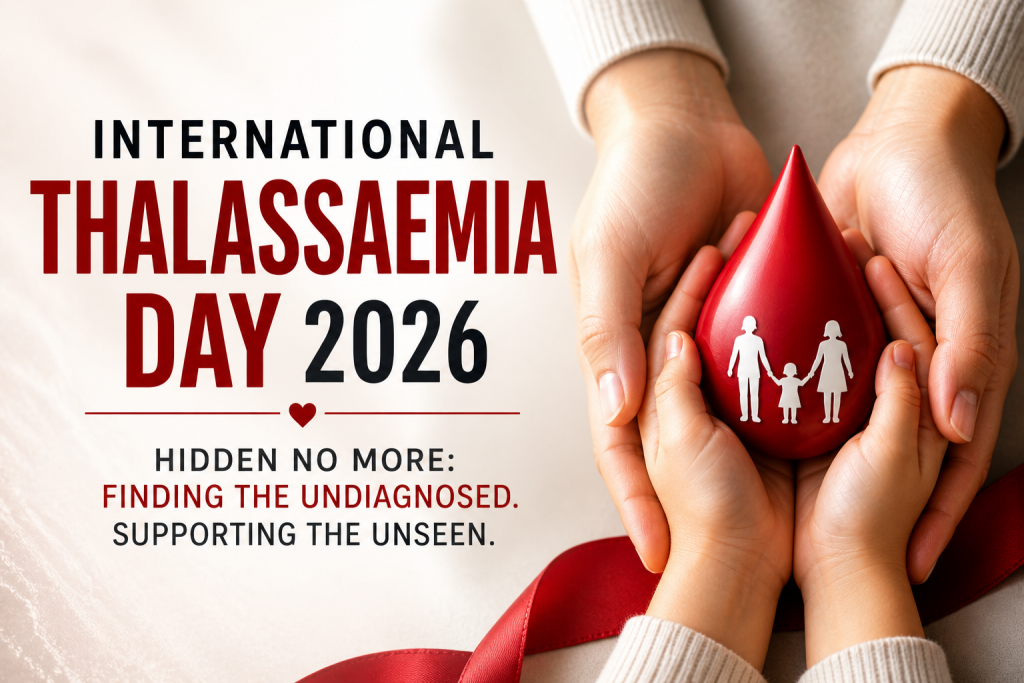
International Thalassaemia Day 2026: Hidden No More

Fatigue, weakness, and pale skin are often dismissed as simple exhaustion or a busy lifestyle. But for millions of people worldwide, these are the silent, everyday symptoms of an inherited genetic blood disorder: Thalassaemia.
Observed globally on May 8th, International Thalassaemia Day is dedicated to raising awareness about this condition, honoring the resilience of patients, and advocating for equitable access to quality healthcare.

This year, the Thalassaemia International Federation (TIF) has announced a powerful 2026 theme: “Hidden No More: Finding the Undiagnosed. Supporting the Unseen.” Here is what you need to know about the 2026 campaign, the importance of early diagnosis, and how we can collectively support those living with this condition.

What is Thalassaemia?

Thalassaemia is a genetic blood disorder that affects the body’s ability to produce normal hemoglobin, the protein in red blood cells that carries oxygen throughout the body. When the body cannot produce enough healthy hemoglobin, it leads to the destruction of red blood cells, resulting in mild to severe anemia.

The condition is generally categorized into two main types:

  • Thalassaemia Minor (Trait): Individuals carry the genetic trait but often experience no symptoms or only mild anemia.
  • Thalassaemia Major: A severe form where individuals inherit the defective gene from both parents. This requires lifelong medical care, including regular blood transfusions and iron chelation therapy.

Why the 2026 Theme Matters

The 2026 theme, “Hidden No More,” shines a crucial light on the gaps in global healthcare.

  1. Finding the Undiagnosed

Millions of people unknowingly carry the Thalassaemia trait (Thalassaemia Minor). Because the symptoms are either absent or very mild, it remains “hidden.” The danger arises when two individuals with the trait have a child, leading to a 25% chance the child will be born with Thalassaemia Major.

Pre-marital and pre-conceptual genetic screening typically a simple blood test called Hb Electrophoresis is the most effective way to identify carriers and make informed family planning decisions.

  1. Supporting the Unseen

Living with Thalassaemia Major is a full-time commitment. Patients spend countless hours in hospitals receiving blood transfusions, which are essential for survival but can lead to severe iron overload in vital organs like the heart and liver. “Supporting the unseen” means advocating for better, more affordable treatment options, comprehensive mental health support, and robust public healthcare infrastructure for these warriors.

How to Support Your Health with Thalassaemia

While medical treatment is non-negotiable, lifestyle plays a highly supportive role in managing the condition safely and effectively.

  • Strictly Managed Nutrition: Unlike typical anemia, people with Thalassaemia (especially those receiving transfusions) must often actively avoid iron-rich foods and Vitamin C supplements. Vitamin C drastically increases iron absorption, which can lead to toxic iron overload in the heart and liver. Always work with a clinical hematologist and nutritionist to build a safe, customized, low-iron meal plan.
  • Prioritize Mental Health: The emotional toll of managing a lifelong chronic illness, frequent hospital visits, and needle fatigue is immense. Supporting the “unseen” means taking care of the mind just as much as the body. Finding community support, practicing daily meditation, and actively managing stress are critical components of long-term care.
  • Gentle Movement: While heavy exertion may cause extreme fatigue, light, low-impact activity helps maintain bone density (which can weaken due to bone marrow expansion in Thalassaemia) and cardiovascular health. Taking short, gentle walks can boost endorphins without overtaxing the body.

How You Can Help: Become a Lifeline

You do not need to be a doctor to save a life. Blood donation is the absolute lifeline for Thalassaemia Major patients, who typically require transfusions every 2 to 4 weeks. By becoming a regular, voluntary blood donor, you are directly supporting the “unseen” individuals fighting this disorder every single day.

Thalassaemia is a lifelong journey, but with the right awareness, timely diagnosis, and consistent medical care, individuals can lead fulfilling lives. This International Thalassaemia Day, let’s pledge to break the silence. Get screened, encourage your loved ones to do the same, and consider donating blood to support the community.

Need guidance on managing a chronic condition through balanced nutrition and lifestyle changes? Subscribe for Personalised Health Coaching directly from a GOQii Coach in the GOQii App for expert, one-on-one support.

Frequently Asked Questions (FAQs)

  1. What is the theme for International Thalassaemia Day 2026?

The 2026 theme is “Hidden No More: Finding the Undiagnosed. Supporting the Unseen,” which focuses on diagnosing hidden carriers and supporting patients who require lifelong care.

  1. How is Thalassaemia diagnosed?

Thalassaemia is diagnosed through specific blood tests, primarily a Complete Blood Count (CBC) and a Hemoglobin Electrophoresis test, which evaluates the types and amounts of hemoglobin in the blood.

  1. Can Thalassaemia be completely cured?

Currently, the only potential cure for severe Thalassaemia is a bone marrow or stem cell transplant from a compatible donor (usually a sibling). However, this procedure carries significant risks. For most, it is a manageable condition through regular blood transfusions and iron chelation therapy.

#BeTheForce

Disclaimer: This article is intended for educational and informational purposes only and should not be considered a substitute for professional medical advice, diagnosis, or treatment. Always consult with your doctor, hematologist, or a qualified healthcare provider regarding specific medical conditions, genetic testing, and treatment protocols.

May 7, 2026 By Tabassum Parveen 4 Comments

Beat the Heat With Simple Lifestyle Changes!

lifestyle changes for summerIf you are a kid, summer is the most awaited season of the year because it spells the beginning of long vacations. But as an adult, the scorching summer heat brings a completely different set of worries.

Between commuting to work and managing daily chores, the extreme heat puts you at risk for dehydration, heat exhaustion, and sun damage. However, surviving the summer does not mean you have to stay locked indoors all day.

By understanding how the heat impacts your system and making a few strategic lifestyle adjustments, you can stay cool, energized, and healthy all season long.

What Happens to Your Body During Summer?

Your body works overtime in the heat to maintain its core temperature. When the mercury rises, you might experience:

  • Dehydration: Sweating depletes your body of water and essential electrolytes, which can cause headaches, confusion, dry eyes, heart palpitations, and disrupted sleep.
  • Low Blood Pressure: Heat causes your blood vessels to dilate (expand). Your heart has to work much harder to pump blood throughout the body, which can leave you feeling dizzy or lightheaded.
  • Muscle Cramps & Lethargy: Because your body is utilizing so much energy just to keep your core temperature down, you may feel unusually exhausted or experience muscle spasms.
  • Skin Irritation: Trapped sweat under the skin can lead to heat rashes, prickly heat, and severe itchiness.
  • Nausea & Heatstroke: Prolonged exposure to extreme heat can overwhelm your body’s cooling system, putting dangerous pressure on your cardiovascular system and leading to heat exhaustion.

Fortunately, these issues can be easily avoided by adopting a few simple, daily habits.

4 Lifestyle Tweaks to Stay Cool

  1. Upgrade Your Hydration Strategy

Drinking water is the absolute key to summer health, but plain water is not always enough.

  • Drink at least 2 to 3 liters of fluid a day. Keep a bottle handy and ensure you are drinking water the right way by sipping slowly rather than gulping.
  • Replenish lost electrolytes naturally by opting for fresh fruit juices, sugarcane juice, buttermilk, or coconut water.
  • Pro-Tip: Make your own natural ORS (Oral Rehydration Solution) drink by adding a pinch of salt, a piece of jaggery, basil seeds, and a squeeze of lemon to your water bottle.
  1. Dress for the Weather

Choosing the right clothes will significantly help your body regulate its temperature.

  • Stick to light, breathable fabrics like pure cotton, khadi, or linen, which absorb sweat and allow air to circulate.
  • Opt for light colors that reflect the sun’s rays, and avoid dark colors that absorb and trap heat.
  • Avoid synthetic fabrics like silk, nylon, or polyester, which trap heat against your skin and increase the risk of fungal infections.
  1. Adjust Your Face and Skincare Routine

The sun’s harmful UV rays can cause severe tanning, premature aging, and pigmentation if proper care isn’t taken.

  • Avoid direct sun exposure between 10:00 AM and 4:00 PM, as this is when UV radiation is at its strongest.
  • If you must step out, apply a broad-spectrum sunscreen and wear physical protection like a wide-brimmed hat or sunglasses to maintain healthy, glowing skin.
  • The best time to venture outdoors is early in the morning or late in the evening. Safe sun exposure during these times is actually essential for Vitamin D synthesis, bone strength, and mood regulation!
  1. Be Gentle With Your Hair

Your scalp sweats heavily during the summer, leaving your hair frizzy and dry. While washing your hair every single day might feel refreshing, it actually strips the natural oils from your scalp, resulting in dryness, dandruff, and unwanted hair fall. Wash your hair every alternate day with a mild shampoo, and try massaging your scalp with cooling oils to increase blood flow to the roots.

Foods That Help You Beat the Heat

Your diet plays a massive role in your internal body temperature. Load up on these natural coolants:

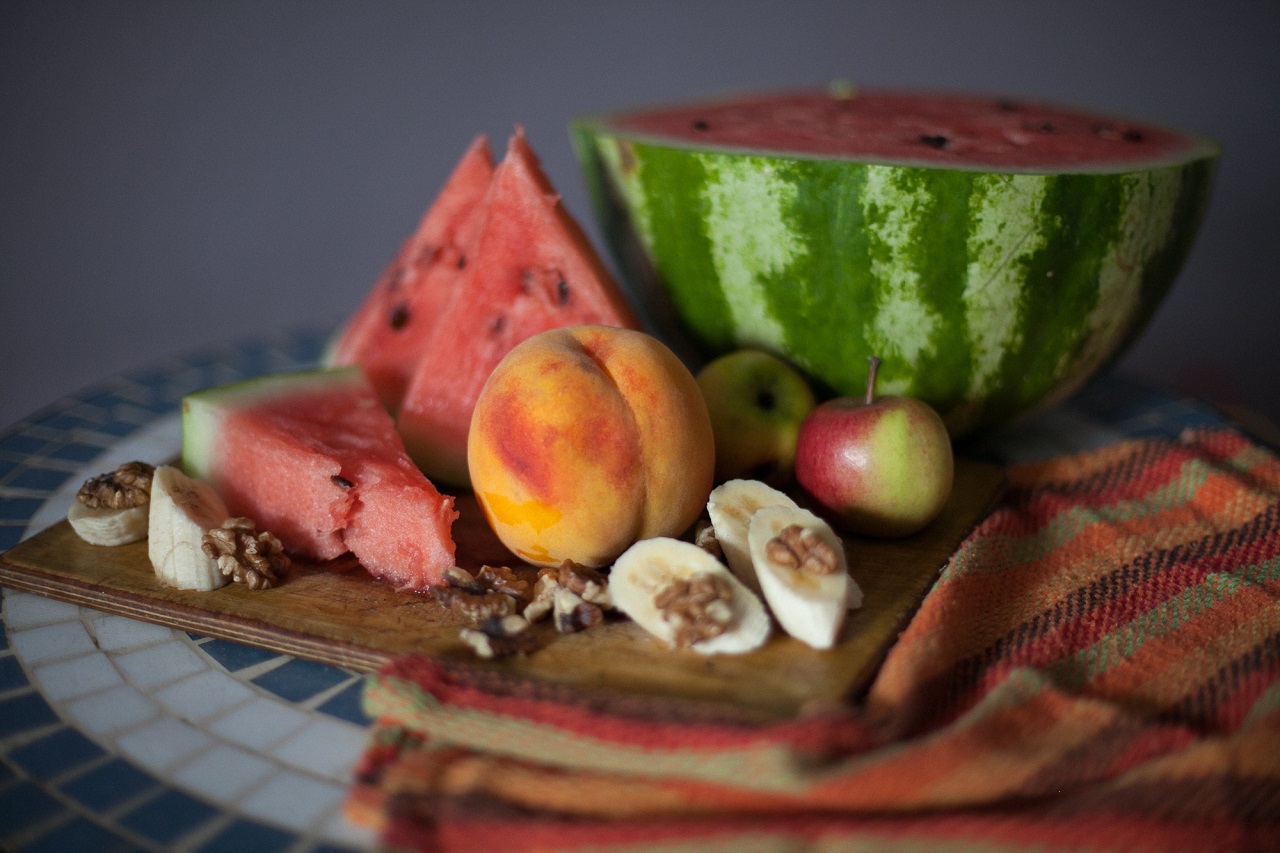
  • Watermelon: Containing over 90% water and rich in Vitamins A and C, it keeps you hydrated and protects your cardiovascular system.
  • Cucumber: Made up of 95% water, cucumbers act as a natural body coolant while delivering essential minerals like potassium and magnesium.
  • Onion: You may have heard the old myth about carrying an onion in your pocket to prevent heatstroke. While keeping it in your pocket won’t do much, eating raw onions definitely helps! Onions contain quercetin, an antioxidant that helps soothe heat rashes and regulates body temperature.
  • Coconut Water: The ultimate summer drink! It is loaded with essential minerals like potassium, calcium, manganese, and magnesium, making it the perfect natural way to stay hydrated and replenish lost electrolytes.
  • Basil Seeds (Sabja): These tiny seeds have a powerful cooling effect on the digestive tract and boast excellent anti-inflammatory properties.
  • Yoghurt & Curd: A strong gut equals strong immunity. Consuming 2-3 servings of yogurt, lassi, or buttermilk cools the stomach and provides healthy probiotics.
  • Barley Water: A glass of barley water with a drop of lemon is an excellent summer coolant and provides a great amount of dietary fiber.

Foods to Avoid During Summer

The scorching heat drastically slows down your digestive system. Give your gut a break by limiting:

  • Heavy Spices: Spices like nutmeg, excessive chilies, ginger, pepper, and cinnamon are “thermogenic” (heat-generating) and can cause stomach upset in the summer.
  • Junk and Deep-Fried Foods: Heavy, oily foods are difficult to digest and increase the risk of indigestion and lethargy.
  • High-Fat Dairy: Limit heavy cheeses or excessive ghee, which can slow digestion and trigger acne breakouts in sweaty weather.
  • Dehydrating Beverages: Limit excessive tea, coffee, and aerated soft drinks. Caffeine acts as a diuretic, which flushes essential water out of your body when you need it most.

Surviving the summer heat is all about working with your body, not against it. By switching to breathable fabrics, prioritizing electrolyte-rich hydration, and choosing water-dense, cooling foods, you can sail through the season feeling fresh and energetic.

Incorporate these changes and you’re all geared to beat the heat this Summer! Get more summer tips here or speak to a GOQii Coach by subscribing for Personalised Health Coaching here.

Frequently Asked Questions (FAQs)

  1. Why do I feel so tired during the summer?
    Lethargy during summer is very common. Your body uses a massive amount of energy trying to regulate its internal core temperature by sweating and dilating blood vessels. Combined with mild dehydration, this energy drain makes you feel sluggish.
  2. Is it bad to drink ice-cold water when coming in from the heat?
    Yes. Chugging ice-cold water when your body temperature is highly elevated can shock your system, cause a sudden sore throat, and disrupt your digestion by constricting blood vessels in the stomach. It is always better to drink cool or room-temperature water.
  3. Does eating raw onion actually prevent heatstroke?
    While carrying an onion in your pocket is a myth, consuming raw onions in salads or meals is highly beneficial in summer. Onions contain quercetin, which acts as a natural antihistamine, and they help cool the body internally while protecting against heat-induced ailments.

#BeTheForce

Disclaimer: This article is intended for educational and informational purposes only and should not be considered a substitute for professional medical advice. If you experience symptoms of severe heat exhaustion or heatstroke such as a lack of sweating, confusion, vomiting, or a rapid pulse seek emergency medical attention immediately.

May 6, 2026 By Trishala Chopra 11 Comments

Hot vs. Cold Shower After a Workout: Which is Better?

Man ShowerWhat is the first thing you want to do after getting home from a grueling gym session, a long run, or an intense home workout?
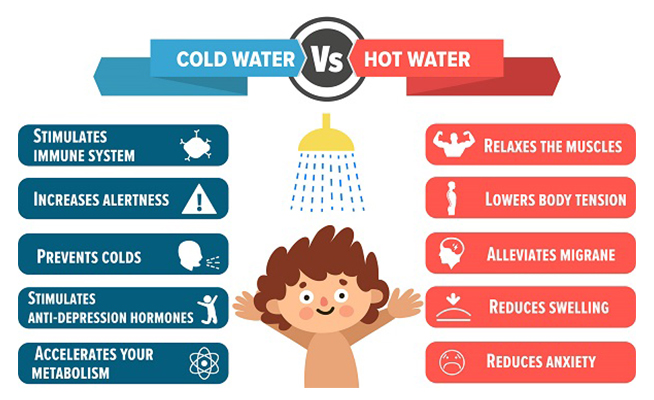
Your mind might scream, “Drink water!” while your body begs, “Please, go take a shower!” Nobody likes sitting around in their own sweat, but when you step into the bathroom, a common dilemma arises: should you turn the dial to hot or cold? Many fitness enthusiasts swear by an ice-cold plunge, while others prefer the soothing comfort of a hot shower.

Does the temperature of your bathing water actually impact your health and recovery? Yes, it does. Let’s break down the science behind what happens to your body when you choose a hot versus a cold shower post-workout.

The Case for the Cold Shower

Taking a cold shower after a hot, sweaty workout is a shock to the system, but it is a shock with highly specific benefits.

When cold water hits your skin, it causes vasoconstriction, the rapid constriction (narrowing) of your blood vessels. This immediate drop in surface temperature directs blood flow inward toward your vital organs.

The Benefits:

  • Acts Like a Full-Body Ice Pack: Cold water prevents severe swelling and numbs the typical pain associated with strenuous, high-impact workouts.
  • Reduces Inflammation: If you suspect you have slightly tweaked a muscle or are dealing with a minor post-workout injury, cold water helps cool down the damaged tissue and mitigate acute inflammation.

⚠️ Important Precautions for Cold Showers:

  • High Blood Pressure Caution: Because vasoconstriction naturally increases blood pressure, individuals with hypertension should generally avoid extreme post-workout cold showers.
  • Keep it Reasonable: You do not need freezing water to get the benefits; room temperature or comfortably cool water is often enough to aid recovery without shocking your heart.

The Case for the Hot Shower

If cold water causes vasoconstriction, warm water does the exact opposite: vasodilation. This means the warm temperatures cause your blood vessels to dilate (widen), which decreases blood pressure and invites blood to rush back toward your skin and muscles.

The Benefits:

  • Soothes Muscle Tension: Hot water stimulates rich, oxygenated blood flow directly to your fatigued muscles.
  • Flushes Metabolic Waste: This increased blood circulation helps disperse metabolic waste (like lactic acid) that accumulates during exercise, significantly reducing general post-workout soreness and physical uneasiness.
  • Promotes Relaxation: A warm shower acts as a natural muscle relaxant, easing the nervous system after a highly stimulating workout.

⚠️ Important Precautions for Hot Showers:

  • Not for Acute Injuries: If you have pulled a muscle, sprained a joint, or damaged tissue during your workout, do not use hot water. Heat will increase inflammation and swelling in the damaged area. Go for cold water and an ice pack instead.
  • Keep it Warm, Not Boiling: Scalding hot water will strip your skin of its natural oils and can cause dizziness after a workout. Stick to a soothing, warm temperature just above room level.

The Verdict: Which Should You Choose?

Hotvs ColdThe debate between hot and cold will always exist, but the right choice depends entirely on your current physical condition.



  • Choose COLD if you want to reduce inflammation, soothe a potential minor injury, or quickly bring your core temperature down after a very sweaty, high-intensity session.
  • Choose HOT if you want to relax stiff, tense muscles, reduce general delayed onset muscle soreness (DOMS), and wind down.

Listen to your body, choose what suits your specific recovery needs for the day, and enjoy that well-deserved post-workout cleanse!

Need help optimizing your fitness and recovery routine? Reach out to our certified experts by subscribing to GOQii’s Personalised Health Coaching in the GOQii App today.

Frequently Asked Questions (FAQs)

  1. Can I switch between hot and cold water?
    Yes! This is known as “contrast therapy.” Alternating between hot water (to open blood vessels and clear out waste) and cold water (to flush the blood back out) can be an excellent way to speed up muscle recovery.
  1. Should people with high blood pressure take cold showers?
    No, it is generally advised that individuals with high blood pressure avoid sudden cold showers, especially after a workout, as the sudden constriction of blood vessels can temporarily spike blood pressure levels. 
  1. How soon after a workout should I shower?
    It is best to wait about 15 to 20 minutes after your workout before jumping into the shower. This gives your body time to naturally lower its heart rate and stop the active sweating process.

#BeTheForce 

Disclaimer: This article is intended for educational and informational purposes only and should not be considered a substitute for professional medical advice, diagnosis, or treatment. Always consult with your doctor or a qualified healthcare provider regarding recovery protocols, especially if you have pre-existing conditions like hypertension or cardiovascular disease.

  • « Previous Page
  • 1
  • 2
  • 3
  • 4
  • 5
  • Next Page »

Search

Recent Posts

  • Are You Overtraining? 6 Signs Your Body Needs More Recovery
  • Cortisol and Chronic Stress: What Your Body Is Trying to Tell You
  • Menopause and Bone Health: How to Prevent Osteoporosis Before It’s Too Late
  • Embracing Tears: The Healing Power of Sadness
  • Unmasking the Label: What Hidden Additives May Be Doing to Your Gut

Stay Updated

Archives

  • June 2026 (10)
  • May 2026 (20)
  • April 2026 (24)
  • March 2026 (18)
  • February 2026 (14)
  • January 2026 (14)
  • December 2025 (19)
  • November 2025 (15)
  • October 2025 (20)
  • September 2025 (6)
  • August 2025 (6)
  • July 2025 (12)
  • June 2025 (18)
  • May 2025 (16)
  • April 2025 (22)
  • March 2025 (27)
  • February 2025 (21)
  • January 2025 (25)
  • December 2024 (22)
  • November 2024 (23)
  • October 2024 (21)
  • September 2024 (23)
  • August 2024 (30)
  • July 2024 (20)
  • June 2024 (25)
  • May 2024 (28)
  • April 2024 (27)
  • March 2024 (27)
  • February 2024 (23)
  • January 2024 (21)
  • December 2023 (14)
  • November 2023 (10)
  • October 2023 (19)
  • September 2023 (22)
  • August 2023 (18)
  • July 2023 (22)
  • June 2023 (23)
  • May 2023 (20)
  • April 2023 (19)
  • March 2023 (23)
  • February 2023 (19)
  • January 2023 (15)
  • December 2022 (11)
  • November 2022 (15)
  • October 2022 (15)
  • September 2022 (12)
  • August 2022 (10)
  • July 2022 (17)
  • June 2022 (11)
  • May 2022 (10)
  • April 2022 (6)
  • March 2022 (6)
  • February 2022 (13)
  • January 2022 (11)
  • December 2021 (7)
  • November 2021 (3)
  • October 2021 (6)
  • September 2021 (3)
  • August 2021 (8)
  • July 2021 (7)
  • June 2021 (15)
  • May 2021 (16)
  • April 2021 (10)
  • March 2021 (7)
  • February 2021 (4)
  • January 2021 (4)
  • December 2020 (3)
  • November 2020 (4)
  • October 2020 (10)
  • September 2020 (3)
  • August 2020 (3)
  • July 2020 (2)
  • June 2020 (4)
  • May 2020 (10)
  • April 2020 (12)
  • March 2020 (10)
  • February 2020 (4)
  • January 2020 (4)
  • December 2019 (3)
  • November 2019 (7)
  • October 2019 (5)
  • September 2019 (4)
  • August 2019 (9)
  • July 2019 (9)
  • June 2019 (11)
  • May 2019 (4)
  • April 2019 (8)
  • March 2019 (8)
  • February 2019 (9)
  • January 2019 (8)
  • December 2018 (9)
  • November 2018 (3)
  • October 2018 (3)
  • September 2018 (5)
  • August 2018 (10)
  • July 2018 (6)
  • June 2018 (13)
  • May 2018 (8)
  • April 2018 (18)
  • March 2018 (9)
  • February 2018 (8)
  • January 2018 (15)
  • December 2017 (12)
  • November 2017 (19)
  • October 2017 (13)
  • September 2017 (15)
  • August 2017 (4)
  • July 2017 (8)
  • June 2017 (7)
  • May 2017 (6)
  • April 2017 (8)
  • March 2017 (6)
  • February 2017 (7)
  • January 2017 (9)
  • December 2016 (10)
  • November 2016 (7)
  • October 2016 (7)
  • September 2016 (7)
  • August 2016 (11)
  • July 2016 (9)
  • June 2016 (9)
  • May 2016 (12)
  • April 2016 (17)
  • March 2016 (17)
  • February 2016 (8)
  • January 2016 (6)
  • December 2015 (2)
  • November 2015 (9)
  • October 2015 (7)
  • September 2015 (9)
  • August 2015 (11)
  • July 2015 (9)
  • June 2015 (11)
  • May 2015 (9)
  • April 2015 (13)
  • March 2015 (8)
  • February 2015 (5)
  • January 2015 (12)
  • December 2014 (14)
  • November 2014 (11)
  • October 2014 (6)
  • September 2014 (13)
  • August 2014 (12)
  • July 2014 (6)
  • June 2014 (2)
  • May 2014 (7)
  • April 2014 (4)

From “Laddu Nawin” to Fit and Fierce: How a 25-Year-Old Insurance Advisor Shed 20 Kilos and Gained His Life Back

When 25-year-old Nawin Yadav from Hyderabad walked into his office every morning, he carried more than just his files and policy papers. He had the weight of fatigue, sluggish energy, and an ever-growing belly that was becoming the butt of jokes. “People … [Read More...]

“I’ve Challenged Myself to Live 100 Years” – The Story of Chandubhai Savani’s Second Chance at Life

At 67, most people start slowing down. Not Chandubhai Savani. A resident of Surat, Chandubhai, thought life was on track. “My life was going well till I had my bypass surgery,” he says. That surgery, back in 2021, was a wake-up call.  Medication was routine, but exercise wasn’t. His diet? What he calls ‘normal.’ “I […]

From Shimla’s Slopes to Chandigarh’s Sidewalks: Surinder Kaur Bhalla’s Journey from Chaos to Control

Some journeys start with a plan. Others begin with a stumble literally. Surinder Bhalla, a government professional, born and raised in the scenic hill town of Shimla, had always lived a life of movement. “In Shimla, you walked everywhere,” she reflects. “Walking was never an exercise. It was just life.” But after shifting to Chandigarh, […]

Ananda Mukherjee Health Story

From Terminal Illness To Complete Wellness! Ananda Mukherjee Health Story

As we observe World Cancer Day under the powerful theme ‘United by Unique’ (2025-2027)**, we are reminded that every individual’s journey with cancer is distinct, yet united by shared resilience, hope, and the collective fight against this disease. This theme places people at the centre of care and their stories at the heart of the […]

  • HOME
  • HEALTHY LIVING
  • FITNESS
  • HEALTHY RECIPES
  • USER STORIES
  • KARMA
  • BUY GOQii

Copyright ©2016 GOQii
