GOQii

Blog

  • HOME
  • HEALTHY LIVING
  • FITNESS
  • HEALTHY RECIPES
  • USER STORIES
  • KARMA
  • BUY GOQii

Archives for August 2024

August 4, 2024 By Divya Thampi Leave a Comment

Suicidal Thinking: Facts You Must Know To Save a Life!

suicidal thinking“Psychache” – It is a term coined by experts studying suicide. It refers to the unbearable psychological pain experienced by people, who consider suicide. Contrary to popular belief, suicide is less about attention seeking, manipulation or selfishness and more about an attempt to save oneself from excruciating pain (mostly psychological). People in the throes of suicide ideation, engage in such thinking especially when they are flooded by feelings of guilt, shame, worthlessness, inadequacy, social exclusion, anxiety, humiliation and ending their own life seems like the only way to save themselves from what appears to be inescapable suffering.

When feeling this way, the individual’s perception of reality is constricted and sometimes collapsing, thus making it hard for them to access logical thinking and rational consideration of the pros and cons of suicide. This probably answers some of the questions that pop up in our heads about suicide, like – How can people ignore their survival instinct? Why can’t they see that things will get better? What stops them from reaching out for help?

Most people are tempted to argue and attempt to convince a suicidal person that suicide is not a solution to their problems. Unfortunately, the more we argue using cold logic, the more we deny the pain experienced by the person, aggravating the feelings of isolation and hopelessness they experience and thus the argument has the exact opposite effect, almost adding to the person’s conviction that they should go ahead with the suicide.

suicidal thinking

Some Common Myths About Suicidal Thinking

The key to understanding suicide is to understand suicidal thinking. The following myths and facts might help you save a life!

Myth #1: People who say that they are going to suicide are looking for attention.
Fact: Suicide is an extreme step that a person is driven to by deep feelings of helplessness, hopelessness and desolation. If someone says that they plan to suicide, believe them, and do not dismiss it as attention seeking behavior. Threatening suicide is a way of asking for help. Support them by listening and offering to help. The support may prevent them from taking this step.

Myth #2: All suicidal people have some or the other mental illness.
Fact
: Though some people are diagnosed with a mental disorder, concluding that an individual is suicidal because of depression or other mental illnesses, is actually overlooking the real issue. Not all people with mental illnesses attempt suicide and not all who attempt suicide have had a history of mental illness.

Myth #3: The only people who can help a suicidal person are mental health professionals.
Fact: Any person who can listen non-judgmentally and provide support can effectively intervene. Professionals often involve friends and family for interventions.

Myth #4: If a person tells you about their suicidal thinking, you shouldn’t betray their confidence by telling others about it.
Fact: If you become aware that someone is considering suicide, you must inform a family member or friends who care, so that they can provide support. Informing loved ones is an important step in preventing suicides. Knowing that others care for them and that they are valued and wanted, discourages people from taking the extreme step.

Myth #5: If you suspect that a person may be considering suicide, never directly ask them whether they have had suicidal thoughts.
Fact: People worry that asking a person whether they have had suicidal thoughts can plant the idea of suicide in their head. On the contrary, asking to find out whether a person is thinking about suicide may allow the person to share their concerns and worries, and prevent them from deciding to die. It also lets them know that you care and worry about their safety.

Myth #6: Once a person decides to suicide nothing can stop them.
Fact: Most people who consider suicide are unsure about the choice. More than 90% of suicides are preventable. “Should I hang in there for one more day?” is a question that they end up asking themselves often. If one feels supported while feeling suicidal, and gets help in finding therapy or other support services, it can prevent them from taking such a decision now and in the future.

Myth #7: Improvement after a suicidal crisis, is equal to no more suicide risk.
Fact:
The weeks and months that follow a suicidal crisis are the most high-risk period because when the person who attempted suicide starts to feel stronger, they feel more capable of taking actions required to carry through the suicidal intention.

In the next part of this blog, we will help you understand suicidal thinking and ways to provide support to those who need it. Keep your loved ones close!

#BeTheForce

August 3, 2024 By Jyoti Dhawan 5 Comments

Varicose Veins – Facts You Should Know

vericose veins

Varicose veins are a relatively common condition, often inherited, and women are at least twice as likely as men to develop them.

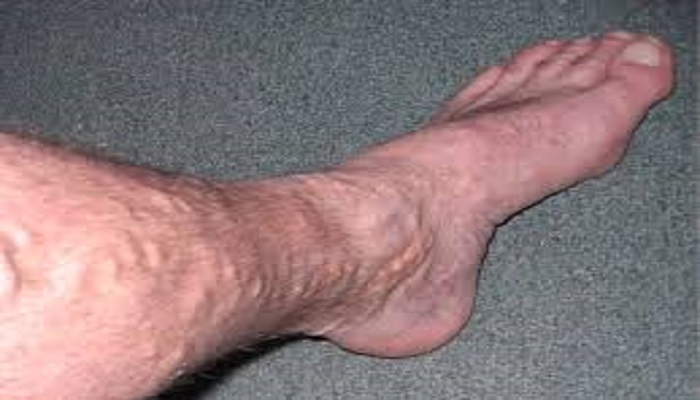
Varicose veins are enlarged, twisted, gnarled superficial veins that appear just under the skin’s surface. These can form in any part of the body but most commonly affect the legs.
Let’s explore what causes varicose veins and how to manage this condition.

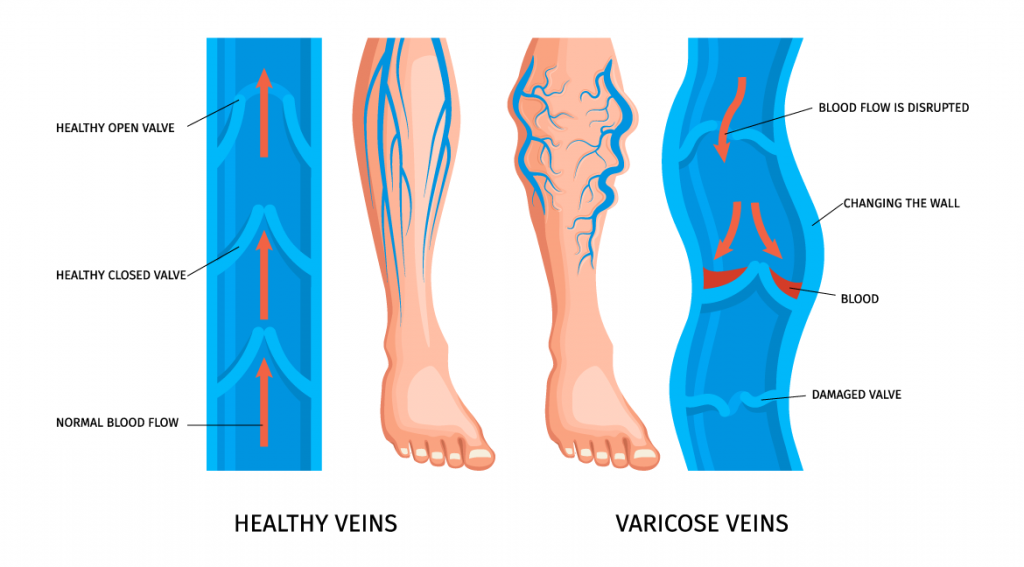
  1. Veins are blood vessels responsible for carrying blood from body tissues back to the heart, a challenging task since the blood here is moving upwards against gravity. To facilitate this, veins have small one-way valves that keep blood flowing towards the heart. When these valves become weak or damaged, blood can back up and pool in the veins, causing them to swell, widen, and bulge.
  2. A variant of varicose veins is known as spider veins, which are smaller red, purple, and blue vessels that also twist and turn. Spider veins are easily visible through the skin, typically on the legs and face.
  3. Varicose veins are primarily genetic which means the condition runs in families and certain factors like hormonal changes can increase the risk (as occurs in pregnancy).
  4. Did you always think that varicose veins affected women only? The truth is women are more commonly affected because female hormones tend to relax the walls and valves of the veins, however men get them too!
  5. Aging definitely worsens the problem of varicose veins, but young people can get it too!
  6. Are varicose veins only a cosmetic issue? On the contrary, they can be much more than that! A significant number of people with varicose veins eventually develop symptoms, most common being dull achiness, heaviness, throbbing, cramping and swelling of legs. Severe dryness and itchiness of skin near varicose veins is also common. Bleeding, skin discoloration, skin thickening and ulcers are other less common symptoms, but once skin damage occurs it is usually permanent.
  7. What to do if you have varicose veins? A visit to your doctor should be the first step. The doctor will examine any visible veins and may also do an ultrasound, which is a non-invasive test that utilizes high frequency waves and allows the doctor to see how blood is flowing in the veins.

Angiogram is another test where a dye is injected into veins and X-rays taken to get a better view of blood flow in these veins.

  1. Is there a way to prevent this condition? Yes, and the answer lies in your lifestyle. Lifestyle does matter! Obesity can worsen or cause onset in people with genetic predisposition. So getting down to a healthy weight, calf-strengthening exercises and elevating legs can prevent onset as well as aggravation of symptoms.
  2. Let’s also talk about available treatment options. Minor varicose veins can be treated by laser and sclerotherapy. Endothermal ablation involves closing a vein by applying heat through a needle to numb the vein.

Some new procedures involve scelrosing agents (which are medications that numb veins by causing irritation) and adhesive agents that seal a vein shut.

  1. Treatments are available and effective but remember these aren’t a cure! Another set of varicose veins may pop out at another or the same place.

Thus, it is worth reiterating that a healthy active lifestyle goes a long way in keeping varicose veins from appearing as well as worsening further.

We hope this article has provided valuable insights into varicose veins. If you have tips or experiences on managing varicose veins, share them in the comments below. For further information or guidance, reach out to our certified experts by subscribing to GOQii’s Personalised Health Coaching here.

#BeTheForce 

Disclaimer: The information provided in this blog is for general awareness and educational purposes only. It is not intended to replace professional medical advice, diagnosis, or treatment. Always consult a qualified healthcare provider for personalised medical guidance or concerns related to your health.


August 2, 2024 By Aqsa Shaikh 3 Comments

Effects of ALCOHOL on your health..?

Effects of alcohol

Today, most of are used to late night parties – whether it’s an office party, a birthday celebration, a marriage anniversary or similar events. Partying is often seen as a way to relieve stress and enjoy ourselves.

One of the most common beverage at parties is ALCOHOL. Any celebration is often marked by the presence of beer, vodka, champagne, tequila, rum, whisky, etc., flowing like water. Some people enjoy drinking alcohol, whether it’s hard liquor or beer, while others are social drinkers who drink to enjoy and celebrate. Many drink under the guise of being stressed or overworked, which can lead to become an alcoholic.

The harmful effects of alcohol on our body and immune system are well-known, but there is still a constant desire to drink at every opportunity.

The real fact is that many people are not completely aware of the dangerous side effects of alcohol and how it can lead to addiction, which is harmful to one’s immune system and the liver.

A good immune system helps our body fight diseases and virus that enter our body. However, excessive alcohol consumption deprives the body of valuable immune-boosting nutrients, such as Vitamin A, and can impair white blood cells, which are our body’s defense against illness and disease, making them less able to kill germs.

Damage to the immune system increases with the level of alcohol consumed. For those who are addicted to alcohol, there are several immediate issues such as:

  • Slurred speech
  • Drowsiness
  • Vomiting
  • Diarrhea
  • Upset stomach
  • Headaches
  • Breathing difficulties
  • Distorted vision and hearing
  • Impaired judgment
  • Decreased perception and coordination
  • Unconsciousness
  • Anemia (loss of red blood cells)
  • Coma
  • Blackouts (memory lapses, where the drinker cannot remember events that occurred while under the influence)

LONG-TERM EFFECTS OF ALCOHOL

Binge drinking and continued alcohol use in large amounts are associated with numerous health issues and heart problems, including:

  • Unintentional injuries such as car crashes, falls, burns, drowning
  • Intentional injuries such as firearm injuries, domestic violence
  • Increased on-the-job injuries and loss of productivity
  • Increased family problems, broken relationships
  • Alcohol poisoning
  • High blood pressure, stroke, and other heart-related diseases
  • Liver disease
  • Nerve damage
  • Sexual problems
  • Permanent damage to the brain
  • Vitamin B1 deficiency, which can lead to a disorder characterized by amnesia, apathy, and disorientation
  • Ulcers
  • Gastritis (inflammation of stomach walls)
  • Malnutrition
  • Cancer of the mouth and throat

Alcohol is not just harmful to your body and its systems; it can also lead to weight gain. Research shows that calories from alcohol are “empty calories,” meaning they have no nutritional value. Most alcoholic drinks contain traces of vitamins and minerals, but not usually in amounts that significantly contribute to our diet.

Drinking alcohol also reduces the amount of fat your body burns for energy. While we can store nutrients, protein, carbohydrates, and fat in our bodies, we can’t store alcohol. So our systems want to get rid of it, and doing so takes priority. All of the other processes that should be taking place (including absorbing nutrients and burning fat) are thus interrupted due to alcohol.

Here are some common alcoholic beverage and the alcohol content:

  • Beer: 2-6% alcohol
  • Wine: 8-20% alcohol
  • Tequila: 40% alcohol
  • Rum: 40% or more alcohol
  • Brandy: 40% or more alcohol
  • Gin: 40–47% alcohol
  • Whiskey: 40–50% alcohol
  • Vodka: 40–50% alcohol 

These are some calories counts for various drinks:

  1. Beer contains 43 calories per 100 ml
  2. Wine contain 83 calories per 100 ml
  3. Tequila contains 96 calories in one jigger (shot)
  4. Rum contains 231 calories per 100 ml
  5. Brandy contains 104 calories in one jigger (shot)
  6. Gin contains 222 calories per 100grams
  7. Whisky contains 700 calories per 100 ml
  8. Vodka contains 231 calories per 100 ml

Having said all this, would you still want to consume alcohol? Think twice.

We hope this article helps you understand the effects of alcohol on your health. If you have any tips or experiences to share about managing alcohol consumption, let us know in the comments below. For more health tips and information, check out Healthy Reads or speak to a certified expert by subscribing to GOQii’s Personalised Health Coaching here.

#BeTheForce

Disclaimer: The information provided in this blog is for general awareness and educational purposes only. It is not intended to replace professional medical advice, diagnosis, or treatment. Always consult a qualified healthcare provider for personalised medical guidance or concerns related to your health.

August 1, 2024 By Saba Mirza 2 Comments

6 Ways To Keep Your Kids From Falling Sick During Monsoon

keep kids from falling sick

You can’t deny the fact that children love the monsoon. The sheer joy of getting drenched or playing a game of football on a mucky field is an out of the world experience for them. Whereas for parents, it brings in a little worry. How can you keep your kids from falling sick during monsoons?

During this season, you can often find an increased rush at a pediatrician’s clinic and pharmacies while attendance at school slowly drops. Many new parents aren’t aware that with a few disciplinary measures and conscious effort, we can keep our kids from falling sick and enjoy the monsoon to the fullest.

Tips To Keep Kids From Falling Sick During Monsoon

Here are a few simple yet effective measures and home remedies to help you keep your kids from falling sick.

1. Keep Them Hydrated

Frequent intake of water is needed to flush the toxins accumulated in the body out. Ensure that your kids are drinking clean, filtered water. Contaminated water is the most common reason for monsoon infections. Keep their sippers and water bottles ready with boiled or filtered water well within their reach. If the weather is cold, encourage them to drink lukewarm water as cold water can cause mucosal spam in the respiratory muscles which can make it prone to various respiratory disorders like throat infections, cold, cough, etc.

2. Appropriate Clothing and Footwear

Plan their outfits according to the weather. For instance, during humid days, make them wear loose cotton clothes. This will help their skin breathe without obstructing sweat glands. On cold, rainy days, warm clothing is a must. For a rainy outing, apart from an umbrella and a raincoat, don’t forget to make them wear knee or calf-length gumboots which can prevent their feet from catching infections from collected rainwater on the road or the park.

3. Keep Your House Free of Mosquitoes

Along with netting your windows and doors, ensure that you avoid any kind of water logging or storage in and around your house. This includes swimming pools, flowerpots, coolers, etc. Accumulated water is the most common breeding ground for mosquitoes. This can help your kid steer clear of dengue and malaria which are common during monsoons.

4. Nutritious, Well-Balanced Meals and Healthy Snacks

Restrict the intake of street food as much as possible. Not just street food but also ordering from restaurants as rampant incorporation of infected vegetables or infected water are very high during this season. These are primary sources of illnesses during monsoon. Give your kids fresh home-cooked food and nutritious monsoon snacks such as steamy masala corn, roasted groundnuts, sandwiches, etc. You can also opt for healthy snacking options designed specifically for kids from the GOQii Health Store within the GOQii App.

5. Maintain Personal Hygiene

Regular baths, cutting nails, keeping yourself as well as the kids dry and cleaning/washing the hands before eating are basics. Apart from that, keep the house clean and sanitized at all times. These small measures go a long way in keeping monsoon bacteria and viruses away!

6. Boost Immunity With Superfoods

Include Vitamin C rich food daily in your kid’s routine. Squeeze a lemon in their curries or snacks. Give them steamed/stir-fried sprouted pulses as snacks. Make their meals and snacks vibrant i.e. colourful veggies such as cucumber, carrot, tomatoes and seasonal fruits for antioxidant power! Antioxidants in these will help destroy harmful toxins accumulated in the body. More colour in food means higher detoxification rate and a stronger defense against infections.

Instead of getting attracted towards commercial probiotics, look for the richest probiotic in your kitchen. Give them curd along with meals. Blend it to make Lassi or a smoothie with fruits. Don’t forget to incorporate Turmeric Milk before bed-time as Turmeric is an effective anti-inflammatory agent and an immunity booster.

Ginger, a naturally potent antibiotic and antiviral, is very effective in fighting the infections of the gut such as Typhoid. Give it mixed with honey or boiled in water with Tulsi (Holy Basil) and mint leaves. Asafoetida (Hing) is also very effective in strengthening gut health and treating different gastrointestinal infections. Add it to Pulses (Dal), curries or while cooking vegetables.

We hope these tips to keep your kids from falling sick this monsoon were helpful! Do you have special remedies you use to help your kids recover or stay healthy? Share your thoughts in the comments below!

To help your child get healthier and monitor their vitals on the go, you can opt for the GOQii Smart Vital Junior. It helps you track their vitals, step count, sleep patterns, etc. and you also get a personal coach who can monitor these activities and suggest changes. Explore all the features of the Smart Vital Junior here.

#BeTheForce

  • « Previous Page
  • 1
  • …
  • 5
  • 6
  • 7

Search

Recent Posts

  • World Hepatitis Day 2026: “Let’s Break It Down” – 6 Habits to Protect Your Liver
  • How to Improve Sleep Quality Naturally: 12 Science-Backed Tips for Better Sleep
  • Immunity-Boosting Kadhas: Why Natural Defense Matters During the Monsoon
  • Healthy Eating: Crispy Monsoon Corn Tikkis
  • Antenatal Exercises: Your Guide to a Fit and Healthy Pregnancy

Stay Updated

Archives

  • July 2026 (24)
  • June 2026 (22)
  • May 2026 (20)
  • April 2026 (24)
  • March 2026 (18)
  • February 2026 (14)
  • January 2026 (14)
  • December 2025 (19)
  • November 2025 (15)
  • October 2025 (20)
  • September 2025 (6)
  • August 2025 (6)
  • July 2025 (10)
  • June 2025 (18)
  • May 2025 (16)
  • April 2025 (22)
  • March 2025 (26)
  • February 2025 (21)
  • January 2025 (25)
  • December 2024 (22)
  • November 2024 (22)
  • October 2024 (20)
  • September 2024 (22)
  • August 2024 (28)
  • July 2024 (16)
  • June 2024 (23)
  • May 2024 (26)
  • April 2024 (27)
  • March 2024 (27)
  • February 2024 (23)
  • January 2024 (21)
  • December 2023 (14)
  • November 2023 (10)
  • October 2023 (19)
  • September 2023 (22)
  • August 2023 (16)
  • July 2023 (18)
  • June 2023 (21)
  • May 2023 (20)
  • April 2023 (19)
  • March 2023 (23)
  • February 2023 (19)
  • January 2023 (15)
  • December 2022 (11)
  • November 2022 (15)
  • October 2022 (15)
  • September 2022 (12)
  • August 2022 (9)
  • July 2022 (17)
  • June 2022 (11)
  • May 2022 (10)
  • April 2022 (6)
  • March 2022 (6)
  • February 2022 (13)
  • January 2022 (11)
  • December 2021 (7)
  • November 2021 (3)
  • October 2021 (6)
  • September 2021 (3)
  • August 2021 (8)
  • July 2021 (7)
  • June 2021 (15)
  • May 2021 (16)
  • April 2021 (10)
  • March 2021 (7)
  • February 2021 (4)
  • January 2021 (4)
  • December 2020 (3)
  • November 2020 (4)
  • October 2020 (10)
  • September 2020 (3)
  • August 2020 (3)
  • July 2020 (2)
  • June 2020 (4)
  • May 2020 (10)
  • April 2020 (12)
  • March 2020 (10)
  • February 2020 (4)
  • January 2020 (4)
  • December 2019 (3)
  • November 2019 (7)
  • October 2019 (5)
  • September 2019 (4)
  • August 2019 (9)
  • July 2019 (9)
  • June 2019 (11)
  • May 2019 (4)
  • April 2019 (8)
  • March 2019 (8)
  • February 2019 (9)
  • January 2019 (8)
  • December 2018 (9)
  • November 2018 (3)
  • October 2018 (3)
  • September 2018 (5)
  • August 2018 (10)
  • July 2018 (6)
  • June 2018 (13)
  • May 2018 (8)
  • April 2018 (18)
  • March 2018 (9)
  • February 2018 (8)
  • January 2018 (15)
  • December 2017 (12)
  • November 2017 (19)
  • October 2017 (13)
  • September 2017 (15)
  • August 2017 (4)
  • July 2017 (8)
  • June 2017 (7)
  • May 2017 (6)
  • April 2017 (8)
  • March 2017 (6)
  • February 2017 (7)
  • January 2017 (9)
  • December 2016 (10)
  • November 2016 (7)
  • October 2016 (7)
  • September 2016 (7)
  • August 2016 (11)
  • July 2016 (9)
  • June 2016 (9)
  • May 2016 (12)
  • April 2016 (17)
  • March 2016 (17)
  • February 2016 (8)
  • January 2016 (6)
  • December 2015 (2)
  • November 2015 (9)
  • October 2015 (7)
  • September 2015 (9)
  • August 2015 (11)
  • July 2015 (9)
  • June 2015 (11)
  • May 2015 (9)
  • April 2015 (13)
  • March 2015 (8)
  • February 2015 (5)
  • January 2015 (12)
  • December 2014 (14)
  • November 2014 (11)
  • October 2014 (6)
  • September 2014 (13)
  • August 2014 (12)
  • July 2014 (6)
  • June 2014 (2)
  • May 2014 (7)
  • April 2014 (4)

From Burnout to Balance: How Dr. Ranjit Reclaimed His Health

Dr Ranjit Bhatt has spent years tending to others. A practising doctor in Odisha, his days were packed with patients, surgeries, and emergencies. From the outside, it looked like a life lived in service. But on the inside, something wasn’t right. “I had no … [Read More...]

From Shimla’s Slopes to Chandigarh’s Sidewalks: Surinder Kaur Bhalla’s Journey from Chaos to Control

Some journeys start with a plan. Others begin with a stumble literally. Surinder Bhalla, a government professional, born and raised in the scenic hill town of Shimla, had always lived a life of movement. “In Shimla, you walked everywhere,” she reflects. “Walking was never an exercise. It was just life.” But after shifting to Chandigarh, […]

“I’ve Challenged Myself to Live 100 Years” – The Story of Chandubhai Savani’s Second Chance at Life

At 67, most people start slowing down. Not Chandubhai Savani. A resident of Surat, Chandubhai, thought life was on track. “My life was going well till I had my bypass surgery,” he says. That surgery, back in 2021, was a wake-up call.  Medication was routine, but exercise wasn’t. His diet? What he calls ‘normal.’ “I […]

Ananda Mukherjee Health Story

From Terminal Illness To Complete Wellness! Ananda Mukherjee Health Story

As we observe World Cancer Day under the powerful theme ‘United by Unique’ (2025-2027)**, we are reminded that every individual’s journey with cancer is distinct, yet united by shared resilience, hope, and the collective fight against this disease. This theme places people at the centre of care and their stories at the heart of the […]

  • HOME
  • HEALTHY LIVING
  • FITNESS
  • HEALTHY RECIPES
  • USER STORIES
  • KARMA
  • BUY GOQii

Copyright ©2016 GOQii


