
GOQii

Blog

  • HOME
  • HEALTHY LIVING
  • FITNESS
  • HEALTHY RECIPES
  • USER STORIES
  • KARMA
  • BUY GOQii

October 3, 2025 By Nilakhi Nath Leave a Comment

4 Reasons Why Rest Is As Important As Training

4 Reasons Why Rest Is As Important As TrainingOur world is becoming healthier with people opting for a healthier lifestyle that involves clean eating and staying active. The first attempt to keep ourselves healthy begins by being active. However, being active also means taking good rest after any physical activity. Our body requires a rest period between our workout days. But, there are a few who tend to overdo it. You may see this group of people working out all seven days intensely without a rest day.

Why Is Rest So Important?

Rest means a state when the body is inactive. Inactivity helps the body relax and gives it time to recover strength after any kind of exertion. Our body requires rest because every time we workout, we are tearing our muscles and continuous workout without a rest period may cause further injury to the muscles.

Why Is It Important To Rest After Training?

Resting your body helps in repairing and healing of the torn muscle fibers and enhances the performance. If you don’t rest, you could be prone to facing any of the issues below:

  1. Injuries & drop in performance: Muscle sustains tiny tears when we workout. Rest after training helps in healing those tears. When we do not give rest to the muscle and over-train, then it leads to serious injuries. What happens when you do not sleep for more than 24 hours? You are drowsy, concentration drops and so does your performance. This is exactly what happens with your body when you over train it. The performance drops due to injuries and inadequate rest of the muscles.
  2. Longer recovery time: Due to over training of a muscle, the amount of time taken for recovery increases. If you are working out 4-5 days a week and taking rest for 2-3 days, the time taken to recover is shorter. Whereas, when you do not take rest, the body needs extra time to repair the damages caused by over training. Bigger the damage, longer the recovery time. You can keep your rest period short by taking adequate rest in between your training sessions.
  3. Loss of motivation to train: As you over train the muscles, the performance drops and it also affects your motivation level. Due to inadequate rest, the muscle loses the capacity to grow and instead bear severe injuries. These negative changes in the body affect a person’s motivation levels and leads to loss of interest in the training program. With low interest, one might feel forced to do the workout instead of looking forward to it.
  4. Immunity: When your muscles are over trained and injured, the energy reserved for the proper functioning of your immune system is directed towards the repair of the damaged muscles and bones. As a result your immune system doesn’t function optimally.

To train at your optimum level, take a break and relax your muscles. If this article helped you, let us know your thoughts in the comments below. You can find more articles on fitness and training here. You can also speak to our experts to develop a training schedule as per your needs by subscribing to GOQii’s Personalised Health Coaching here.

Train Smart and #BeTheForce 

Disclaimer: The information provided in this blog is for general awareness and educational purposes only. It is not intended to replace professional medical advice, diagnosis, or treatment. Always consult a qualified healthcare provider for personalised medical guidance or concerns related to your health. Images shown are for representation purposes only and may not depict the exact recommendations or outcomes.

July 29, 2025 By Yogita Agarwal 7 Comments

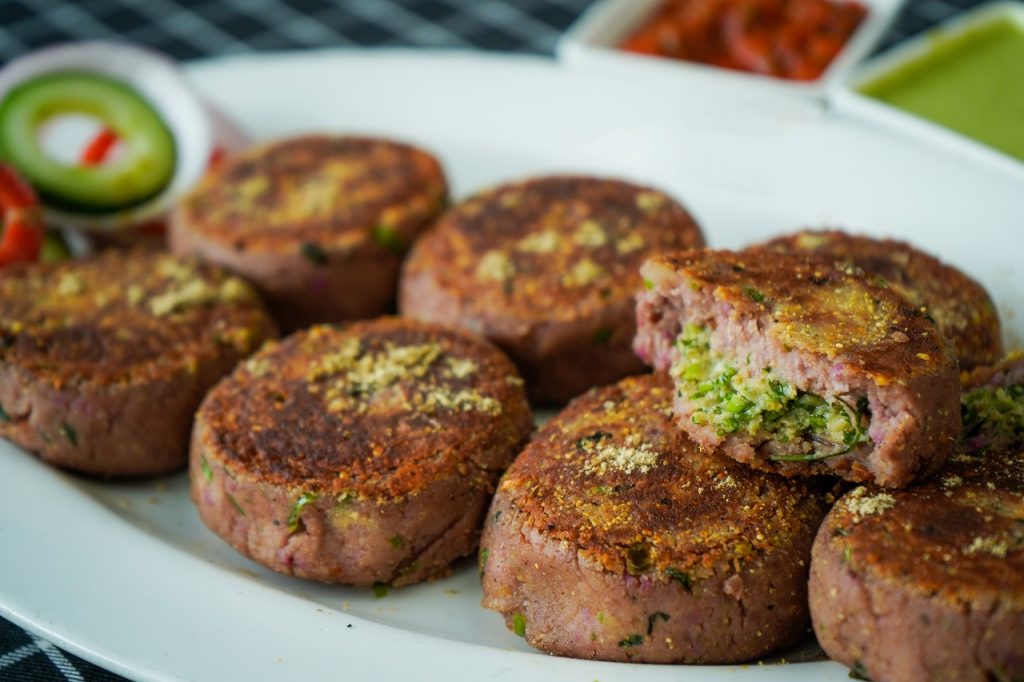
Healthy Eating: Sweet Potato Sprouts Tikki

Healthy Eating: Sweet Potato Sprouts Tikki
If you’re all out of breakfast ideas or are tired of the repetitive choices you have, let’s take your breakfast or evening snacks up a notch with this Sweet Potato Sprouts Tikki recipe! This mouthwatering delight is rich in healthy carbs and protein – just the kind of kick you need to get your day started! 

What You Will Need 

  • Sweet potato – 1 cup (mashed)
  • Boiled sprouts – ½  cup
  • Broccoli – 1 cup (cut into florets) 
  • Grated homemade  Paneer (chenna) – 3 tablespoon
  • Sattu powder – 2 tbsp
  • Chaat masala – ¾th tsp
  • Turmeric – ¼  tsp
  • Ajwain or carom seeds – ¼ tsp 
  • Roasted cumin powder – ½  tsp
  • Black pepper powder – ½  tsp
  • Coriander – 2 tsp
  • Salt – as per taste
  • Olive oil – as needed.

How To Prepare

  1. Place sweet potato in a pressure cooker and cook it for 3-4 whistles. 
  2. Meanwhile, boil water and add broccoli florets to it. Cook for 2 mins and drain the water completely (or you can steam it for 5-7 min). 
  3. Grind the broccoli in a blender coarsely (just for a few seconds. It should not be like a paste). Squeeze the excess water from the grounded broccoli. 
  4. Take one peeled potato in the mixing bowl and mash it well without any lumps. 
  5. Then, add the grounded broccoli, grated paneer (chena), sattu powder, turmeric, chaat masala, boiled sprouts, cumin powder, black pepper, ajwain, coriander and salt.
  6. Mix well into a dough and divide into equal portions. Make equal sized balls and flatten them into tikkis. 
  7. Heat a pan with a few drops of oil and place the tikkis over it. Cook it on medium to low flame from both the sides till it turns golden. 
  8. Serve hot with green chutney!  

Highlight of the Sweet Potato Sprouts Tikki

  • The Sweet Potato Sprouts Tikki is rich in healthy carbs, protein, fiber and low in fat. It’s a complete meal.
  • Good choice for kids, pregnant & lactating mothers too. 
  • It is made up of sweet potato, which has several health benefits. It is rich in Antioxidant called beta carotene, which helps increase Vitamin A . 
  • It has a good amount of soluble and insoluble fiber along with vitamins and minerals like Vitamin C, Potassium, Manganese, Vitamin B6, Vitamin B5 and Vitamin E.
  • The added sprouts, homemade paneer (chenna) and sattu are good sources of protein.
  • The added broccoli and coriander adds a good amount of fiber content.

If you enjoyed this recipe, let us know in the comments below. If you try it out, take some pictures and share it with us on your social media channels tagging GOQii! You can find more healthy recipes here or you can get them directly from your GOQii Coach by subscribing to Personalised Health Coaching here.

#BeTheForce 

Disclaimer: The information provided in this blog is for general awareness and educational purposes only. It is not intended to replace professional medical advice, diagnosis, or treatment. Always consult a qualified healthcare provider for personalised medical guidance or concerns related to your health. Images shown are for representation purposes only and may not depict the exact recommendations or outcomes.

June 18, 2025 By Soni Thakur 2 Comments

Reasons Why You Are Not Losing Weight!

losing weightHas your scale been stuck at the same number? No matter how hard you try, it doesn’t budge? Staying motivated becomes difficult when you’re eating healthy, exercising regularly, and still not seeing results. There may be several hidden factors working against your weight loss journey. Let’s explore them.


Factors That Prevent You From Losing Weight 

  1. You Are Not Eating Enough: Your body needs fuel to function—just like a car. You cannot expect it to work efficiently or burn fat if you’re running on empty. Under-eating, just like overeating, can disrupt metabolism and stall weight loss. Stick to a realistic calorie budget that supports your activity level and health.
  2. Compromised Gut Health: Nutrition isn’t just about what you eat – it’s also about what your body absorbs. A healthy gut is essential for digestion, nutrient uptake, and overall metabolic efficiency. Poor gut health can block your progress despite eating the right foods.
  3. Less Supply Of Fat To The Body: Fats are essential – not enemies. They aid in vitamin absorption and support brain, heart, and cell health. Choose plant-based sources like avocados, olives, almonds, walnuts, and flaxseeds, which provide healthy fatty acids your body needs.
  4. You Are Stressed: Chronic stress increases cortisol, which raises blood sugar and leads to insulin spikes. More insulin means more fat storage. Managing stress through mindfulness, physical activity, or breathing exercises can positively impact weight loss.
  5. You Aren’t Sleeping Enough: Sleep is when the body repairs, detoxifies, and balances hormones. Without adequate rest, the body prioritises fighting inflammation over fat loss. Aim for 7–9 hours of quality sleep per night to support metabolism and recovery.
  6. You Are Overtraining: More isn’t always better. Exercising rigorously for over an hour daily without rest can lead to inflammation and stress, slowing down weight loss. A balanced routine of 45–60 minutes, six days a week with one rest day is optimal.
  7. Vitamin D3 and B12 Deficiencies: Low levels of these vitamins are common, especially during winter. Vitamin D helps reduce fat accumulation, while B12 supports energy and metabolism. Consider checking your levels and supplementing appropriately.
  8. Underactive Thyroid: An underactive thyroid slows down metabolism, making weight loss more difficult. If you’re struggling despite lifestyle changes, a thyroid test may reveal underlying issues.
  9. Food Sensitivities: Many individuals experience sensitivity to dairy or gluten, leading to inflammation that can block weight loss. If you often feel bloated, fatigued, or inflamed after meals, consider speaking to a nutritionist about elimination diets or testing.
  10. Unbalanced Meals: Fad diets may offer short-term weight loss, but cutting out entire food groups can damage your metabolism. A balanced plate with complex carbohydrates, protein, healthy fats, and fibre is key for long-term results and better energy levels.
  11. Unrealistic Expectations:It’s common to want quick results—but healthy, sustainable weight loss takes time. Setting unrealistic deadlines increases stress and often leads to disappointment. If it took months or years to gain the weight, it will take time and consistency to lose it too.

We hope this article helps you uncover the real reasons behind your weight loss plateau.

To read more articles on weight loss, click here. 

#BeTheForce 

Disclaimer: The information provided in this blog is for general awareness and educational purposes only. It is not intended to replace professional medical advice, diagnosis, or treatment. Always consult a qualified healthcare provider for personalised medical guidance or concerns related to your health. Images shown are for representation purposes only and may not depict the exact recommendations or outcomes.

June 2, 2025 By Meenakshi Sharma 2 Comments

What Is Visceral Fat & Why It Is Dangerous

visceral fat

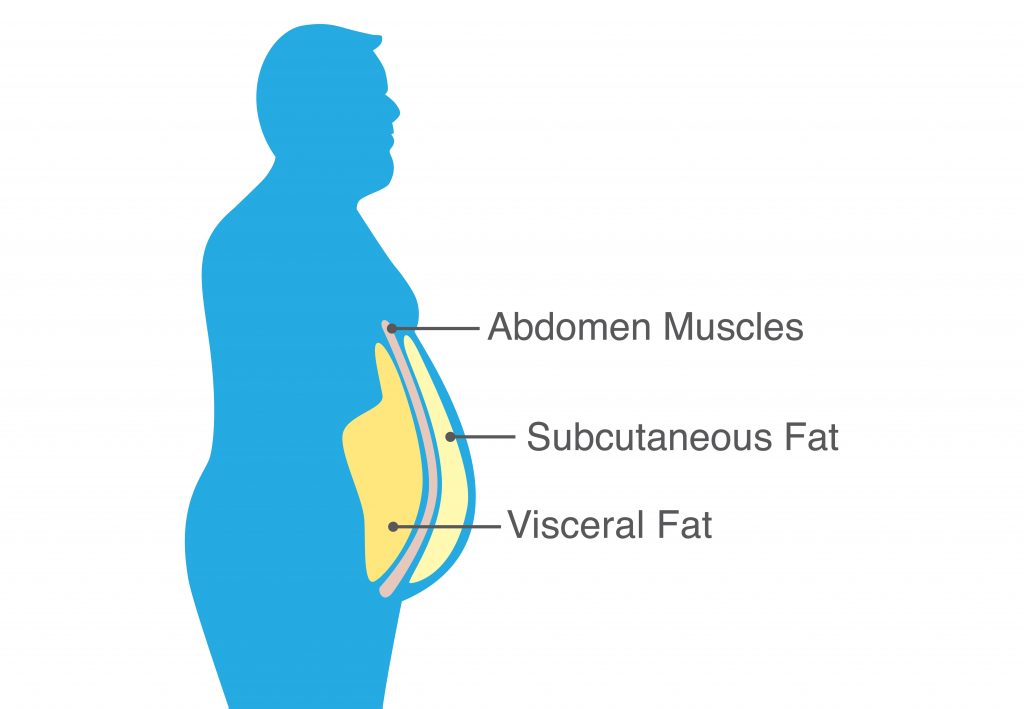
You might have heard of the term belly fat, but you might not be aware of terms like subcutaneous and visceral fat. Subcutaneous fat is the kind you can grasp with your hand on any part of your body. It sits under the skin. Belly fat, or what experts call visceral fat, is a particularly dangerous type of fat that forms inside the abdomen. It surrounds internal organs like the liver and intestines, and is also known as ‘active fat’ because it influences how hormones function in the body.

You can have too much belly fat even with a normal BMI. So, pay attention to your waist circumference rather than the number on the scale.

How To Measure It

  1. Waist size: This is an easy way to get a rough estimate. Wrap a tape measure around your waist over your belly button (don’t suck in your stomach). For women, 35 inches or more is a sign of visceral fat. For men, it’s 40 inches.
  2. BMI: Body mass index is a formula for how much you weigh relative to your height. A BMI of 30 or higher is overweight. That could be a sign of visceral fat. In Asia, a BMI of 23 or higher could be a concern.
  3. Waist-to-hip ratio: Divide your waist size by your hip size. Some doctors think this gives a good indication of your risk for visceral fat. But studies suggest it may be no better than a simple waist measurement.
  4. Body shape: Look in the mirror. If you’re an apple – a big trunk and slimmer legs – it often means more visceral fat, which is more common among men. Women are more likely to be pears with bigger hips and thighs. Research shows that upper body fat is more dangerous to your health, which might be one reason why women usually live longer than men.
  5. Imaging tests: These scans are the only way to check the exact amount of visceral fat you have. If your doctor orders a CT scan or an MRI for another medical condition, they can also assess your visceral fat.

Risks & Dangers Of Excess Visceral Fat

  • Increased Inflammation: If you have more fat stored than needed, especially around visceral organs like the liver, heart, kidneys, pancreas, and intestines, your body becomes inflamed. This fat stores inflammatory white blood cells and is linked with cognitive decline, arthritis, diabetes, and more.
  • Higher Risk of Diabetes: Visceral fat plays a significant role in insulin resistance, heightening the risk of developing diabetes. Abdominal fat is viewed as a bigger health risk than hip or thigh fat. While men are more likely to store visible visceral fat, women are also at risk.
  • Makes It Harder to Lose Weight: Stored body fat, especially visceral fat, affects hunger levels. Leptin, a hormone released by stored fat, regulates appetite, metabolism, and weight. When you eat refined carbs such as white flour and sugar, fat-storing hormones are produced in excess, raising your body’s “set point” and making it hard to follow a moderate, healthy diet.
  • Higher Risk for Heart Disease and Strokes: Inflammatory cytokines produced by fat contribute to heart disease and other inflammatory disorders. Visceral fat is linked to cardiovascular risk factors like high triglycerides, high blood pressure, and high cholesterol.
  • More Likely to Battle Dementia: Studies show that people with larger waistlines have a higher risk of dementia. In fact, many experts believe visceral fat levels (rather than BMI) are a more relevant risk factor in dementia development.
  • Increased Risk of Depression and Mood Disorders: Visceral fat is metabolically active and can interfere with hormones and neurotransmitter function. Depression is especially associated with greater fat storage in women. In one study, visceral fat – not subcutaneous belly fat or waist circumference – was linked with depressive symptoms in women over 50.

How Can You Reduce Visceral Fat? 

  • Exercise: A mix of cardiovascular exercise (e.g. running, cycling, swimming, aerobics, circuit training) and strength training (e.g. squats, weights, push-ups) helps reduce visceral fat.
  • Manage Stress: Chronic stress raises cortisol, which increases fat storage around the abdomen. Relaxation techniques like meditation, deep breathing, and other stress management practices can support fat loss.
  • Balance Diet: Focus on whole foods—fruits, vegetables, whole grains (quinoa, millets, oats), and lean proteins (skinless chicken, fish, eggs, beans). Calcium and Vitamin D are also associated with lower visceral fat. Include leafy greens, tofu, sardines, and low-fat dairy products.

Boiling, steaming, baking, and grilling are healthier cooking methods. Avoid trans fats (often found in processed foods and deep-fried items) and reduce sugar intake. Check labels for ingredients like “partially hydrogenated oils” or “high-fructose corn syrup.”

We hope this article helps you! If you are keen on losing weight in a healthy, sustainable way, you can reach out to an expert by subscribing for Personalised Health Coaching here.

For more articles on weight loss, check out Healthy Reads.

#BeTheForce 

Disclaimer: The information provided in this blog is for general awareness and educational purposes only. It is not intended to replace professional medical advice, diagnosis, or treatment. Always consult a qualified healthcare provider for personalised medical guidance or concerns related to your health. Images shown are for representation purposes only and may not depict the exact recommendations or outcomes.

  • « Previous Page
  • 1
  • …
  • 6
  • 7
  • 8
  • 9
  • 10
  • …
  • 53
  • Next Page »

Search

Recent Posts

  • Foods to Manage Blood Sugar Naturally: A Complete Guide to Better Blood Sugar Control
  • The Lazy Person’s Guide to Staying Healthy: 5 Micro-Habits That Take Less Than 2 Minutes
  • Healthy Eating: Comforting Chilli Bean Soup Recipe for the Monsoon
  • The Truth About the ‘Beer Belly’: What Alcohol Really Does to Your Metabolism
  • Benefits of Meditation: How One Daily Habit Can Transform Your Mental Wellbeing

Stay Updated

Archives

  • August 2026 (7)
  • July 2026 (25)
  • June 2026 (22)
  • May 2026 (20)
  • April 2026 (24)
  • March 2026 (18)
  • February 2026 (14)
  • January 2026 (14)
  • December 2025 (19)
  • November 2025 (15)
  • October 2025 (20)
  • September 2025 (6)
  • August 2025 (6)
  • July 2025 (9)
  • June 2025 (18)
  • May 2025 (16)
  • April 2025 (22)
  • March 2025 (26)
  • February 2025 (21)
  • January 2025 (25)
  • December 2024 (22)
  • November 2024 (22)
  • October 2024 (20)
  • September 2024 (22)
  • August 2024 (28)
  • July 2024 (15)
  • June 2024 (23)
  • May 2024 (26)
  • April 2024 (27)
  • March 2024 (27)
  • February 2024 (23)
  • January 2024 (21)
  • December 2023 (14)
  • November 2023 (10)
  • October 2023 (19)
  • September 2023 (21)
  • August 2023 (16)
  • July 2023 (16)
  • June 2023 (21)
  • May 2023 (20)
  • April 2023 (19)
  • March 2023 (23)
  • February 2023 (19)
  • January 2023 (15)
  • December 2022 (11)
  • November 2022 (15)
  • October 2022 (15)
  • September 2022 (12)
  • August 2022 (9)
  • July 2022 (17)
  • June 2022 (11)
  • May 2022 (10)
  • April 2022 (6)
  • March 2022 (6)
  • February 2022 (13)
  • January 2022 (11)
  • December 2021 (7)
  • November 2021 (3)
  • October 2021 (6)
  • September 2021 (3)
  • August 2021 (8)
  • July 2021 (7)
  • June 2021 (15)
  • May 2021 (16)
  • April 2021 (10)
  • March 2021 (7)
  • February 2021 (4)
  • January 2021 (4)
  • December 2020 (3)
  • November 2020 (4)
  • October 2020 (10)
  • September 2020 (3)
  • August 2020 (3)
  • July 2020 (2)
  • June 2020 (4)
  • May 2020 (10)
  • April 2020 (12)
  • March 2020 (10)
  • February 2020 (4)
  • January 2020 (4)
  • December 2019 (3)
  • November 2019 (7)
  • October 2019 (5)
  • September 2019 (4)
  • August 2019 (9)
  • July 2019 (9)
  • June 2019 (11)
  • May 2019 (4)
  • April 2019 (8)
  • March 2019 (8)
  • February 2019 (9)
  • January 2019 (8)
  • December 2018 (9)
  • November 2018 (3)
  • October 2018 (3)
  • September 2018 (5)
  • August 2018 (10)
  • July 2018 (6)
  • June 2018 (13)
  • May 2018 (8)
  • April 2018 (18)
  • March 2018 (9)
  • February 2018 (8)
  • January 2018 (15)
  • December 2017 (12)
  • November 2017 (19)
  • October 2017 (13)
  • September 2017 (15)
  • August 2017 (4)
  • July 2017 (8)
  • June 2017 (7)
  • May 2017 (6)
  • April 2017 (8)
  • March 2017 (6)
  • February 2017 (7)
  • January 2017 (9)
  • December 2016 (10)
  • November 2016 (7)
  • October 2016 (7)
  • September 2016 (7)
  • August 2016 (11)
  • July 2016 (9)
  • June 2016 (9)
  • May 2016 (12)
  • April 2016 (17)
  • March 2016 (17)
  • February 2016 (8)
  • January 2016 (6)
  • December 2015 (2)
  • November 2015 (9)
  • October 2015 (7)
  • September 2015 (9)
  • August 2015 (11)
  • July 2015 (9)
  • June 2015 (11)
  • May 2015 (9)
  • April 2015 (13)
  • March 2015 (8)
  • February 2015 (5)
  • January 2015 (12)
  • December 2014 (14)
  • November 2014 (11)
  • October 2014 (6)
  • September 2014 (13)
  • August 2014 (12)
  • July 2014 (6)
  • June 2014 (2)
  • May 2014 (7)
  • April 2014 (4)

From Burnout to Balance: How Dr. Ranjit Reclaimed His Health

Dr Ranjit Bhatt has spent years tending to others. A practising doctor in Odisha, his days were packed with patients, surgeries, and emergencies. From the outside, it looked like a life lived in service. But on the inside, something wasn’t right. “I had no … [Read More...]

From Shimla’s Slopes to Chandigarh’s Sidewalks: Surinder Kaur Bhalla’s Journey from Chaos to Control

Some journeys start with a plan. Others begin with a stumble literally. Surinder Bhalla, a government professional, born and raised in the scenic hill town of Shimla, had always lived a life of movement. “In Shimla, you walked everywhere,” she reflects. “Walking was never an exercise. It was just life.” But after shifting to Chandigarh, […]

“I’ve Challenged Myself to Live 100 Years” – The Story of Chandubhai Savani’s Second Chance at Life

At 67, most people start slowing down. Not Chandubhai Savani. A resident of Surat, Chandubhai, thought life was on track. “My life was going well till I had my bypass surgery,” he says. That surgery, back in 2021, was a wake-up call.  Medication was routine, but exercise wasn’t. His diet? What he calls ‘normal.’ “I […]

Ananda Mukherjee Health Story

From Terminal Illness To Complete Wellness! Ananda Mukherjee Health Story

As we observe World Cancer Day under the powerful theme ‘United by Unique’ (2025-2027)**, we are reminded that every individual’s journey with cancer is distinct, yet united by shared resilience, hope, and the collective fight against this disease. This theme places people at the centre of care and their stories at the heart of the […]

  • HOME
  • HEALTHY LIVING
  • FITNESS
  • HEALTHY RECIPES
  • USER STORIES
  • KARMA
  • BUY GOQii

Copyright ©2016 GOQii


