GOQii

Blog

  • HOME
  • HEALTHY LIVING
  • FITNESS
  • HEALTHY RECIPES
  • USER STORIES
  • KARMA
  • BUY GOQii

January 9, 2025 By Palak Mittal Leave a Comment

Why Do We Feel Hungrier During Winter?

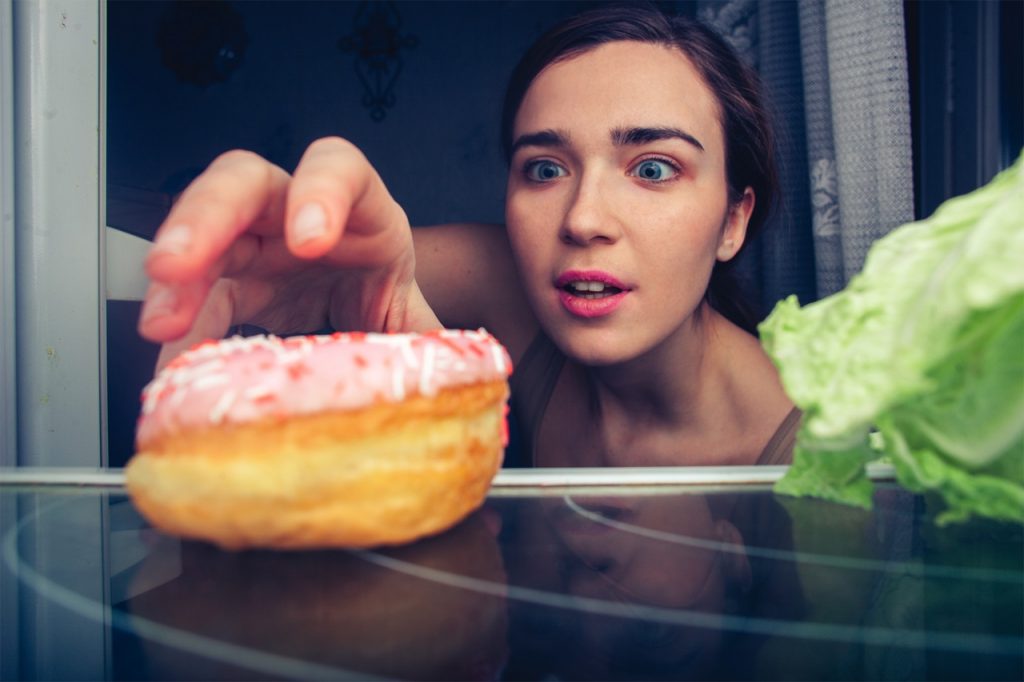
hungrier during winterIt’s normal to find a nice thick blanket, cozy up to a pillow and snack away on something warm to quell those hunger pangs that don’t seem to end during winter. This is often complemented with sudden weight gain and you’re left wondering where that excess weight came from. Well, there are several reasons for feeling hungrier during winter and we’re about to explore them.

Reasons for Feeling Hungrier During Winter

  1. High metabolism: During winter, our metabolism is quite high as the body tries to keep itself warm due to those teeth sputtering chill. The body produces more heat in order to combat the chill outside which is known as thermogenesis. To carry out this function, it requires extra calories which get burnt during the process, hence need extra food.
  2. Food Produces Heat: In cold weather, our body needs more calories to keep itself warm with the help of some involuntary activities like shivering. Hence, the body craves more food. When these extra calories start burning, it makes the body warm. Here, we need to remember not to satisfy the cravings with high sugar or high-fat foods as they raise blood sugar levels causing weight gain.
  3. Winter Comes With Multiple Choices: It’s the best time of the year for multiple reasons. One of those being food! Vegetables and fruits flood the markets. Plus, a lot of winter recipes are prepared with rich ingredients which induce weight gain. One can’t help but indulge in sweets this season brings. Not feeling hungry is definitely not an option
  4. Seasonal Affective Disorder (SAD): As the days are shorter, we generally prefer staying indoors which can lead to Vitamin D deficiency and also lower levels of serotonin (happy hormone which generates because of exposure to daylight). These deficiencies typically causes Seasonal Emotional Disturbance or Seasonal Affective Disorder – SAD : a sort of depression related to the shorter days of winter, which affects many of us. It is seen that individuals stricken from SAD crave more carbohydrates, as these facilitate the body’s use of tryptophan (amino acid) which can be converted into serotonin to spike up lower levels in the blood.
  5. Lazy Mornings: It becomes really difficult to get out of your cozy bed during winter mornings to go out for a walk, workout or even work. People prefer lying comfortably in bed, watching a TV show while binging on snacks endlessly. This increase in snacking and lack of physical activity make us gain extra kilos.

 Tips to Avoid Eating More  

  • Whenever you crave for food, try choosing some healthy options like salads, soups, sautéed veggies combined with proteins as these are high in fibre and gives a feeling of fullness.
  • Go out during the day to expose your body to the sun for some vitamin D and to boost your serotonin levels.
  • Perform your regular exercises as it helps in boosting your mood and avoids indulgence in unnecessary snacking.
  • Go out with friends or play with a pet if you are stressed. Don’t look at food as an alternative coping mechanism. 

The bottom line is – eat mindfully and enjoy winters! We hope this article helps you make healthier choices. For more winter tips, check out Healthy Reads or ask a GOQii Coach by subscribing for Personalised Health Coaching here.

#BeTheForce
January 3, 2025 By Tabassum Parveen 1 Comment

How to Burn Body Fat & Keep it Off!

body fatHow many times have we pushed ourselves to our physical limits in order to get rid of excess body fat, only to end up gaining it all over again? Keeping body fat off is a difficult task, but it is not impossible. All you need is the right knowledge and this article has it!
Need to Burn Body Fat

Many articles explain the need to burn body fat. However, they often overlook the fact that muscle behavior changes when body fat is burned. When you’re on a journey to lose weight, it is important to burn body fat as well as restore body muscles to gain control over important body functions.

How to Burn Body Fat

1. Increase Protein Intake:

The theory behind increasing protein intake is that more muscles result in more fat burning. It’s best to start your day with good carbs and proteins, as adding protein to breakfast works on hunger hormones, making you feel fuller for longer.

This is why including protein helps in losing weight and keeping it off. If you don’t have a good protein source, add it. But remember, only consuming protein without good carbs, fiber, vitamins, and minerals may result in weight gain, as extra protein will get deposited.

Sources of protein that can be included in your daily lifestyle are quinoa, moringa, peanut butter, almond butter, nuts, seeds, legumes, beans, lean meat, fish, eggs, and dairy products like curd, yogurt, cottage cheese, paneer, and soy products like tofu.

2. Water Intake:

The average water intake of a person is 2.17 liters. Water intake can be increased to 3 liters per day to prevent sunstroke and dehydration, especially in hot weather. Hydration is crucial because your body will not burn fat when it is dehydrated.

Drinking a glass of water before meals acts as an appetite suppressant, helping you keep extra fats from food at bay. Avoid sugary drinks like colas or other carbonated beverages. Instead, carry a chilled bottle of water containing chia seeds or basil seeds, mint leaves, a little salt, and a piece of jaggery to stay hydrated and refreshed!

3. Foods with Fiber:

Gut health is the key to maintaining body weight and shedding extra fat. Fiber helps in maintaining a healthy weight and reducing cholesterol and diabetes levels.

If you’re looking for low-calorie foods, try broccoli, lettuce, cabbage, cauliflower, mushrooms, green beans, zucchini, apples, popcorn, cucumber, spinach, oats, and brown rice. These are good sources of fiber and keep you full for longer.

Psyllium husk (Isapgol) is great for detoxing the system. It also helps eliminate cholesterol and fat globules from the body. However, it needs to be consumed in moderation—half a teaspoon or 2 grams per day is sufficient.

4. Cut down on Salt, Sugar and Refined Carbs:

Everything in excess is harmful. Salt and sugar are basic needs of our lifestyle as they help maintain the pH level of blood. Excess salt results in water retention and can make it difficult to lose weight. Similarly, excess sugar affects your metabolism and can cause joint pain and fatty liver problems.

This doesn’t mean you need to go tasteless! Moderation is the key to a healthier lifestyle. Avoid extra salts and sugars from processed food, junk food, and refined carbs like white bread, white flour, sweetened beverages, and bakery products. Instead, carry healthy snacks like fox nuts, goji berries, dry fruits, mixed seeds, and popcorn. Also, cut off any additional salt in your curds or salads.

Foods That Help in Burning Body Fat Faster

  • Apple Cider Vinegar: Mix 1 or 2 tsp of apple cider vinegar in lukewarm water for a healthy morning drink. It helps burn extra fats.
  • Extra Virgin Coconut Oil: Reducing normal oil intake while consuming extra virgin cold-pressed coconut oil benefits thyroid functioning and increases the body’s metabolic rate due to medium-chain triglycerides. This helps burn fat faster. Add it to your salads or cooked curry (avoid heating it to retain its nutrients).
  • Beverages: Green coffee, black coffee, oolong tea, green tea, chamomile tea, and goji berry tea all improve metabolism and help burn fat faster. However, 2-3 cups a day is advised, as anything in excess is harmful.

Stress and Lack of Sleep Can Result in Weight Gain

Stress and sleep are often neglected during fat-burning journeys. Overindulging in workouts can lead to stress and weight gain. Working out 3-4 times a week is sufficient. Jumping jacks, HIIT, planks, crunches, lunges with stretching, and yoga help maintain body shape without stress while promoting good-quality sleep.

If mediation or deep breathing dosen’t help you relax, try stress-busting foods like dark chocolate, nuts, seeds, bananas, and avocados. Ensure you get enough sleep. Lack of sleep and stress can slow down metabolism and cause weight gain. To sleep peacefully, keep your room dark, avoid heavy workouts before bedtime and stay off screens at least an hour before sleeping.

By working on these small lifestyle changes, you can effectively lose body fat and keep it off!

We hope this article helps you. For more information or tips on weight loss, check out Healthy Reads or speak to an expert by subscribing for GOQii’s Personalised Health Coaching here.

#BeTheForce

Disclaimer: The information provided in this blog is for general awareness and educational purposes only. It is not intended to replace professional medical advice, diagnosis, or treatment. Always consult a qualified healthcare provider for personalised medical guidance or concerns related to your health.

September 18, 2023 By Rashmi Deshpande 2 Comments

Types of Fat and Fat Composition

fat composition“I can’t lose weight no matter how hard I try!” – this sentence is pretty common, isn’t it? Ever wondered why? The answer lies in the extra fat deposition on our bones and organs which become an obstacle for our weight loss journey. The key to slimming down is understanding that fat loss is more important than weight loss. Let’s study about how we gain fat and fat composition in detail!
What is Fat?

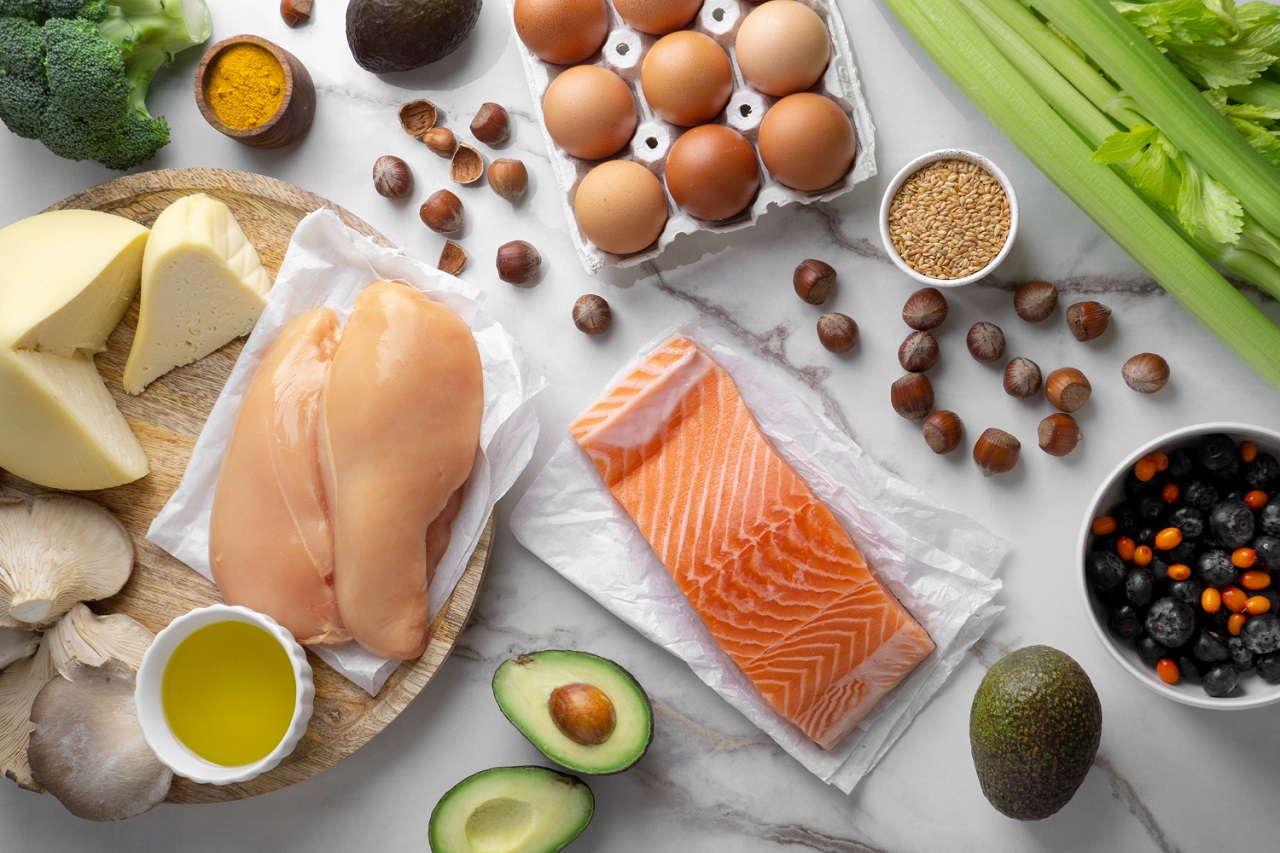
Fats are substances that help the body use some vitamins and keep the skin healthy. They also help the body store energy. In food, there are different types of fats such as saturated, unsaturated, polyunsaturated, monounsaturated, and trans fats. Most people consume too much of the wrong kinds of fat, putting their health at risk.

Good Fat vs. Bad Fat

Daily diet contains fat such as different oils (sunflower, peanut, rice bran, olive oil, sesame etc.), ghee (clarified butter), butter, cheese, avocados, eggs, nuts, seeds, milk, curd etc. (these are good fats). All these give us essential fats and 9kcal/g which helps the body function smoothly. They aid joint rotation, absorption of fat soluble Vitamins A, D, E and K. They’re the biggest source of energy.

The questions is where are we going wrong? How are we getting those chubby cheeks, round bellies, heavy arms and bulky thighs?

Do we consider how much fat we’re consuming when eating a 100g pack of chips? One packet of chips contains 100g but in serving portion, the manufacturer will only write 10g calories which amounts to approx. 20-28 pieces of chips which contain 160kcal, 7g fats and 16g carbohydrates. But do we only eat 28 pieces? It’s the same with burgers, pizzas, white paste, 2 minute noodles, biscuits, cookies and more. It has been shown that fat intake of the wrong kind will result in fat gain. As the body typically burns carbs for fuel and uses proteins for repair, it makes sense to cut back on bad fat while increasing good fat.

Different Types of Fat

The word “Fat” is broadly used to describe all body fats but that’s not true. There are several different types. Some fats can have a negative impact on health while others are necessary for good health. They can be stored as essential, subcutaneous or visceral fat. Each type of fat serves a different role. Some promote healthy metabolism and hormone levels, while others contribute to life-threatening diseases, including Type 2 Diabetes, Heart Disease, High Blood Pressure and even Cancer.

  1. Essential Fat: Essential fat is exactly that – essential for life and a healthy body. This fat is found in our brain, bone marrow, nervous system and membranes that protect the organs. Essential fat plays a major role in hormone regulation, including the hormones that control fertility, vitamin absorption, and temperature regulation. Women need at least 10-13% of their body composition to come from essential fat to be in good health, while men require at least 2-5%.
  2. Subcutaneous Fat: This is the fat which is stored under the skin. It covers a major portion of our body fat. This is the fat we can squeeze or pinch on our arms, belly, thighs, and buttocks. We can measure subcutaneous fat as a way of estimating total body fat percentage. A certain amount of subcutaneous fat is normal and healthy, but too much can lead to imbalanced hormone levels and sensitivity.
  3. Visceral Fat: This type is also known as belly fat. It is the white fat that’s stored in your abdomen and around all the major organs such as the liver, kidneys, pancreas, intestines, and heart. High visceral fat levels can increase your risk for diabetes, heart disease, stroke, artery disease, and some cancers.

Body Fat Composition

The proper body fat composition and distribution of fat will protect us from various risk factors and diseases. Women have different sights of fat deposition such as thighs, arms, buttocks, below the belly button, etc. Men experience this on their chest, belly, and waist. This deposition is different because of the varying percentage of testosterone (male hormone) and estrogen (female hormone).

In males, mean percentage body fat ranges from 22.9% at age 16-19 to 30.9% at 60-79 years of age. In females, mean percentage body fat ranges from 32% at age 8-11 to 42.4% at age 60-79. There is a close relation between fat and physical exercise as regular exercises helps you burn stored fat. Exercise helps you turn deposited fat into an energy source.

We hope this article helps you. To know more about fats, check out Healthy Reads or ask a GOQii Coach by subscribing for Personalised Health Coaching here.

#BeTheForce 

June 30, 2023 By Palak Mittal 11 Comments

How To Break a Weight Loss Plateau

weight loss plateau

You have been working hard on your weight loss journey by following a healthy, low-calorie diet and improving your exercise habits. Your reward has been watching your weight go down on the weighing scale. Now, at some point, your weight stops decreasing! The weighing scale doesn’t tip in your favor anymore and you’re left frustrated! Don’t worry. You’ve just hit a weight loss plateau.

It’s pretty common and nothing to get discouraged about. It is normal for weight loss to slow down and even stall. But, by understanding what causes a weight loss plateau, you can decide how to respond and avoid backsliding on your new healthy habits.

Here are some ways you can overcome a weight loss plateau to stay on track and keep going!

How Can You Overcome a Weight Loss Plateau?

When you reach a plateau, you may have lost all of the weight you can on your current diet and exercise plan. Ask yourself if you’re satisfied with your current weight or if you want to lose more. In which case, you’ll need to adjust your weight loss program.

If you’re committed to lose more weight, try these tips for getting past the plateau:

1. Drop Your Calorie Intake

To cut down fat, a calorie deficit diet is needed. Consume fewer calories than you burn per day. Maintain a food journal to track your calories. Then slowly reduce your calorie intake by 500 calories per day to boost fat loss. Fat percentage can be measured either by using callipers or with the BCA machine.

2. Rotate Your Workout Routine

Have you been addicted to the treadmill and cross training for the past 4 months? It’s time to switch! Once your muscles become familiar with the same old workout, it makes your regular routine less effective. To see a change in body fat, you have to get outside your fitness comfort zone. Introduce High Intensity Interval Training (HIIT) to burn body fat effectively. Try a total-body circuit. Instead of a basic sprint interval, you’ll work your entire body which will boost your metabolism. Also note that you need to progress slowly and deliberately when incorporating high-intensity exercise into your routine. Doing too much too fast can leave you too sore, tired or even injured.

3. Eat More Protein

Weight Loss Plateau - Eat more proteinProtein is essential to fat loss, as it maintains your muscle during a calorie deficit. It keeps you satiated, which prevents overeating and snacking on junk food. Also, it boosts your calorie burn throughout the day because takes more energy to digest as compared to carbs or fat. Eat at least one gram of protein per pound of bodyweight every day and get your protein from whole sources like nuts, eggs, lean meats, yogurts, and quality protein powders.
4. Eat More Healthy Fats

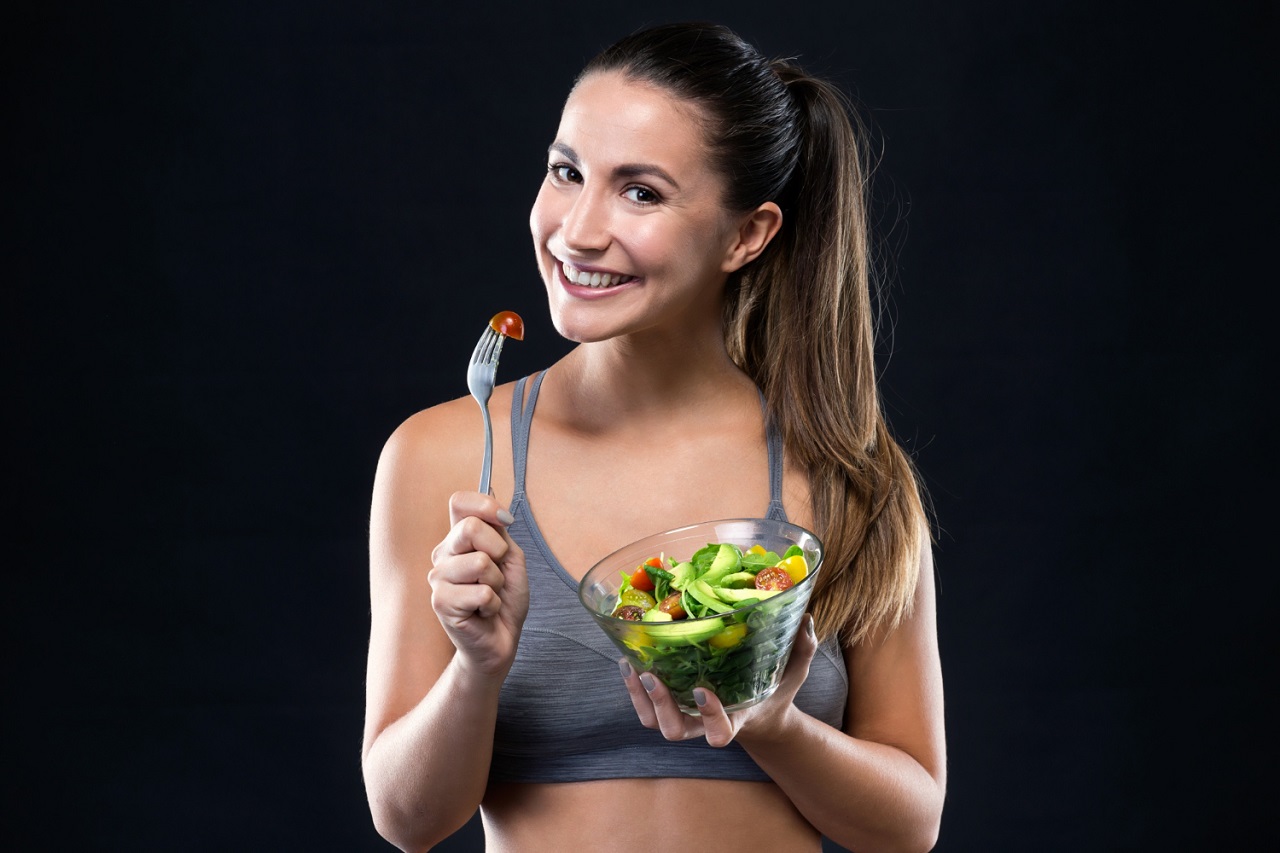
To lose more fat, eat more fat. This might seem absurd but healthy fats such as animal fats, real butter, coconut oil, nuts, and avocados actually make you leaner and more muscular—they keep you full & maintain your good testosterone levels. Eating healthy fats force you to lower your carbohydrate intake. Get at least 30 percent of your calories from good sources of fat and never consume artificial fats, which can cause health problems like heart disease.

5. Stay Hydrated

Hydration is important as your body often craves food even when you are mildly dehydrated. We are often confused whether we are thirsty or hungry because the symptoms of hunger and thirst are similar. Aim to drink 2-3L of water per day plus additional fluids lost during activity.

6. Try Intermittent Fasting

Intermittent fasting increases fat oxidation, which promotes more fat loss. Also, fasting along with exercise boosts the insulin sensitivity, helping your body send nutrients to muscle rather than fat. Fasting during a calorie-restricted diet can lead to weight loss.

7. Get Plenty of Sleep

Insufficient sleep can interfere with weight loss by reducing your metabolic rate and shifting your hormone levels to promote hunger and fat storage. Hence, have at least 7-8hrs of good quality sleep.

8. Eat Your Veggies

Breaking weight loss - Eat more veggiesVegetables are loaded with important nutrients and are low in calories and carbs. The fiber in your greens aids digestion and also provide your body the essential antioxidants it needs. Including them might help you break through the weight loss plateau.


9. Don’t Rely on a Weighing Scale

The numbers flashing on your weighing scale might be misleading because it does not reflect the loss of body fat. Instead, focus on how you feel, whether your old clothes fit you or if your measurements have changed.

10. Check for Medical Conditions

If you’re still stuck on the weight loss plateau despite all your efforts, then you might need to check for a medical condition. Check your thyroid levels, hormonal imbalance, PCOD, or for Vitamin deficiencies such as Vitamin D or B12. You will first need to correct a medical issue to lose more weight.

Stress also plays a part in weight loss as it raises the level of cortisol in the body which in turn increases weight. Most important of all, don’t get demotivated and work towards your goals. The weight loss plateau is a part of the journey and with the right direction, you can overcome it!

If this article helped you, let us know your thoughts in the comments below! You can also find more articles on weight loss here. If you want to overcome a weight loss plateau and need some advice or guidance, reach out to our experts by subscribing to GOQii’s Personalised Health Coaching here.

#BeTheForce

  • « Previous Page
  • 1
  • 2
  • 3
  • 4
  • 5
  • 6
  • Next Page »

Search

Recent Posts

  • Healthy Eating: Vegetable and Paneer Kathi Roll
  • The Science of Power Naps: How Long is Too Long?
  • 7 Reasons Why Pulses Are Good For You!
  • How Exercise Impacts Mental Health
  • Dussehra 2026: 10 Unhealthy Habits to Leave Behind

Stay Updated

Archives

  • October 2026 (17)
  • September 2026 (5)
  • August 2026 (8)
  • July 2026 (25)
  • June 2026 (22)
  • May 2026 (20)
  • April 2026 (24)
  • March 2026 (18)
  • February 2026 (14)
  • January 2026 (14)
  • December 2025 (19)
  • November 2025 (15)
  • October 2025 (20)
  • September 2025 (6)
  • August 2025 (5)
  • July 2025 (9)
  • June 2025 (18)
  • May 2025 (16)
  • April 2025 (22)
  • March 2025 (25)
  • February 2025 (21)
  • January 2025 (25)
  • December 2024 (21)
  • November 2024 (21)
  • October 2024 (15)
  • September 2024 (22)
  • August 2024 (27)
  • July 2024 (15)
  • June 2024 (23)
  • May 2024 (26)
  • April 2024 (27)
  • March 2024 (27)
  • February 2024 (23)
  • January 2024 (21)
  • December 2023 (14)
  • November 2023 (10)
  • October 2023 (18)
  • September 2023 (20)
  • August 2023 (16)
  • July 2023 (16)
  • June 2023 (21)
  • May 2023 (20)
  • April 2023 (19)
  • March 2023 (23)
  • February 2023 (19)
  • January 2023 (15)
  • December 2022 (11)
  • November 2022 (15)
  • October 2022 (15)
  • September 2022 (12)
  • August 2022 (9)
  • July 2022 (17)
  • June 2022 (11)
  • May 2022 (10)
  • April 2022 (6)
  • March 2022 (6)
  • February 2022 (13)
  • January 2022 (11)
  • December 2021 (7)
  • November 2021 (3)
  • October 2021 (6)
  • September 2021 (3)
  • August 2021 (8)
  • July 2021 (7)
  • June 2021 (15)
  • May 2021 (16)
  • April 2021 (10)
  • March 2021 (7)
  • February 2021 (4)
  • January 2021 (4)
  • December 2020 (3)
  • November 2020 (4)
  • October 2020 (10)
  • September 2020 (3)
  • August 2020 (3)
  • July 2020 (2)
  • June 2020 (4)
  • May 2020 (10)
  • April 2020 (12)
  • March 2020 (10)
  • February 2020 (4)
  • January 2020 (4)
  • December 2019 (3)
  • November 2019 (7)
  • October 2019 (5)
  • September 2019 (4)
  • August 2019 (9)
  • July 2019 (9)
  • June 2019 (11)
  • May 2019 (4)
  • April 2019 (8)
  • March 2019 (8)
  • February 2019 (9)
  • January 2019 (8)
  • December 2018 (9)
  • November 2018 (3)
  • October 2018 (3)
  • September 2018 (5)
  • August 2018 (10)
  • July 2018 (6)
  • June 2018 (13)
  • May 2018 (8)
  • April 2018 (17)
  • March 2018 (9)
  • February 2018 (8)
  • January 2018 (15)
  • December 2017 (12)
  • November 2017 (19)
  • October 2017 (13)
  • September 2017 (15)
  • August 2017 (4)
  • July 2017 (8)
  • June 2017 (7)
  • May 2017 (6)
  • April 2017 (8)
  • March 2017 (6)
  • February 2017 (7)
  • January 2017 (9)
  • December 2016 (10)
  • November 2016 (7)
  • October 2016 (7)
  • September 2016 (7)
  • August 2016 (11)
  • July 2016 (9)
  • June 2016 (9)
  • May 2016 (12)
  • April 2016 (17)
  • March 2016 (17)
  • February 2016 (8)
  • January 2016 (6)
  • December 2015 (2)
  • November 2015 (9)
  • October 2015 (7)
  • September 2015 (9)
  • August 2015 (11)
  • July 2015 (9)
  • June 2015 (11)
  • May 2015 (9)
  • April 2015 (13)
  • March 2015 (8)
  • February 2015 (5)
  • January 2015 (12)
  • December 2014 (14)
  • November 2014 (11)
  • October 2014 (6)
  • September 2014 (13)
  • August 2014 (12)
  • July 2014 (6)
  • June 2014 (2)
  • May 2014 (7)
  • April 2014 (4)

From Burnout to Balance: How Dr. Ranjit Reclaimed His Health

Dr Ranjit Bhatt has spent years tending to others. A practising doctor in Odisha, his days were packed with patients, surgeries, and emergencies. From the outside, it looked like a life lived in service. But on the inside, something wasn’t right. “I had no … [Read More...]

From Shimla’s Slopes to Chandigarh’s Sidewalks: Surinder Kaur Bhalla’s Journey from Chaos to Control

Some journeys start with a plan. Others begin with a stumble literally. Surinder Bhalla, a government professional, born and raised in the scenic hill town of Shimla, had always lived a life of movement. “In Shimla, you walked everywhere,” she reflects. “Walking was never an exercise. It was just life.” But after shifting to Chandigarh, […]

“I’ve Challenged Myself to Live 100 Years” – The Story of Chandubhai Savani’s Second Chance at Life

At 67, most people start slowing down. Not Chandubhai Savani. A resident of Surat, Chandubhai, thought life was on track. “My life was going well till I had my bypass surgery,” he says. That surgery, back in 2021, was a wake-up call.  Medication was routine, but exercise wasn’t. His diet? What he calls ‘normal.’ “I […]

Ananda Mukherjee Health Story

From Terminal Illness To Complete Wellness! Ananda Mukherjee Health Story

As we observe World Cancer Day under the powerful theme ‘United by Unique’ (2025-2027)**, we are reminded that every individual’s journey with cancer is distinct, yet united by shared resilience, hope, and the collective fight against this disease. This theme places people at the centre of care and their stories at the heart of the […]

  • HOME
  • HEALTHY LIVING
  • FITNESS
  • HEALTHY RECIPES
  • USER STORIES
  • KARMA
  • BUY GOQii

Copyright ©2016 GOQii

