GOQii

Blog

  • HOME
  • HEALTHY LIVING
  • FITNESS
  • HEALTHY RECIPES
  • USER STORIES
  • KARMA
  • BUY GOQii

March 30, 2024 By GOQii 3 Comments

GOQii Doctor Consultations: All You Need to Know!

GOQii DoctorWouldn’t it be great to have a doctor assess your health or medical conditions online? Imagine having an online consultation with a doctor who is familiar with your issues, knows your medical history and is proficient enough to tackle the issues with simple lifestyle changes. You don’t have to look far! All you need to do is download the GOQii app and subscribe to get your own GOQii Doctor!

How Does It Work?

With the GOQii Doctor, users can have an online consultation. Before you begin with the consultation, an appointment is scheduled. GOQii Doctors acquaint themselves with the patient’s history, medical conditions and current lifestyle. Patients can also share their blood reports.

With this info, the consult with patients becomes thorough, which further promotes follow-ups and new appointments. After detailed research, if the issue is in the patient’s lifestyle, the GOQii Doctor can suggest lifestyle changes that will help. A GOQii Doctor will not prescribe medicines online.

What Can the GOQii Doctor Help With?

A GOQii Doctor can help you with a myriad of disorders. The issues handled by a GOQii Doctor fall in the following categories:

  • General Medicine: fever, cough, cold, weakness, fatigue, headache, anaemia, etc.
  • Lifestyle Medicine: weight management, stamina and immunity building, sleep issues, etc.
  • Endocrinology: Diabetes, thyroid, PCOD, Vitamin D deficiency, Osteoporosis, etc.
  • Orthopaedics: Joint pains, knee/back pain, exercise-induced injuries, spondylitis, etc.
  • Mental Health: Depression, anxiety, anger management, OCD, etc.
  • Cardiovascular: Heart care, high cholesterol, hypertension, etc.
  • Gastroenterology: Gut care, acidity, constipation, irritable bowel syndrome, GERD, etc.
  • Dermatology: Skincare, acne, hair fall, rashes, psoriasis, eczema, etc.
  • Gynaecology: Women’s health, pregnancy, fibroids, menses, menopause, etc.
  • Ophthalmology: Eye health, blurring of vision, retinopathy, etc.
  • Other cases like piles, kidney stones, prostatomegaly, oral care, etc.

According to the IndiaFit Report, there has been an increase in the number of consultations for sexual health. As consults happen over a call, it is much easier for people to clarify their doubts on an issue considered a taboo otherwise.

Chronic disorders such as diabetes, high cholesterol, thyroid and gut issues like acidity, constipation are the most sought after in the list of appointments. Poor and unhealthy lifestyle is the reason for these disorders and closely inspecting and making small alterations in the patient’s routine helps in providing long term benefits.

Do you agree that online consultation is the need of the hour? Want to know what else a GOQii Doctor can do for you? Drop us a message in the comments below!

#BeTheForce
January 7, 2024 By Unnati Chheda 2 Comments

Are Cruciferous Vegetables Bad For Thyroid?

cruciferous vegetables

Vegetables have always been considered healthy and they can be consumed by everyone. As vegetables are loaded with vitamins, minerals, antioxidants, fiber and the best part is they are low in calories as well, we assume that we can eat liberal amounts of this food group. But, have we ever thought that any of these vegetables can interfere or play around with our hormones as well? Yes, they do! Let’s talk about Cruciferous vegetables and how it impacts thyroid function. 

What Is Thyroid & How Does It Affect Our Health?

Thyroid hormones carry out a large number of functions in our body, like maintaining body temperature, regulating other body organs like the brain, heart and muscles as well as body metabolism which in turn regulates our body weight. The most common disorders related to the thyroid gland are hypothyroidism and hyperthyroidism.

  • Hypothyroidism: is a condition in which the thyroid gland is unable to produce a sufficient amount of thyroid hormones. One of the reasons for hypothyroidism is iodine deficiency. Iodine is required for synthesis of thyroid hormones, thus its deficiency can cause hypothyroidism. Lack of thyroid hormones leads to weight gain, feeling lethargic, constipation, hair loss, impaired memory and sensitivity to cold.
  • Hyperthyroidism: is a condition in which there is increased production and release of thyroid hormones. Excess of thyroid hormones leads to weight loss, restlessness, irritability, hair fall, muscle weakness and intolerance to heat.

How Do Cruciferous Vegetables Affect Thyroid? 

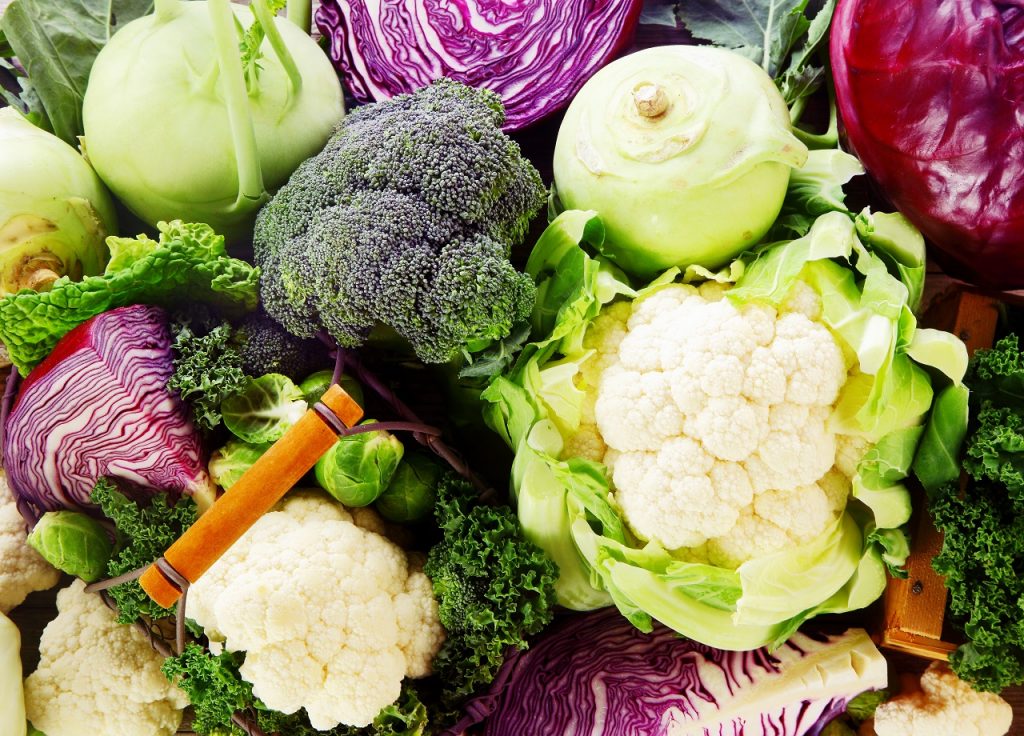
Cruciferous, also known as Brassica vegetables, come from the plant family known as Cruciferae or Brassicaceae. Most commonly consumed cruciferous vegetables include  broccoli, brussel sprouts, cabbage, cauliflower, collard greens, kale, mustard greens, turnips, bok choy, Chinese cabbage, radish, watercress, rutabagas, spinach and lettuce. These nutrient packed vegetables are loaded with Vitamin A, Vitamin C, Vitamin K and they are also good sources of antioxidants and fiber. These vegetables are beneficial for weight loss, fighting cancers and reducing inflammation. But, when we talk about thyroid, it has a negative role to play with respect to hypothyroidism.

Goitrogens are naturally occurring chemicals found in cruciferous vegetables when consumed in raw form. They are healthy and vitamin rich. But, if you have a thyroid condition, you should be aware of it. Goitrogens in cruciferous vegetables interfere with thyroid function by reducing the body’s ability to use iodine. As discussed earlier, our body needs iodine for production of thyroid hormones, hence, iodine deficiency can lead to hypothyroidism. Consumption of cruciferous vegetables increases the symptoms of hypothyroidism and people suffering from this condition should  avoid consuming cruciferous vegetables.

But, in the case of hyperthyroidism, they have a positive role to play by inhibiting the production of thyroid hormone and keeping it in check. So people suffering from hyperthyroidism can consume cruciferous vegetables without restrictions.

You Can Still Enjoy Them With Small Adjustments 

Or we can say we can minimise the negative effects of cruciferous vegetables and even people suffering from hypothyroidism can consume them in moderation. Just follow these simple tips:

  • Cooking cruciferous vegetables, instead of consuming them raw, helps in reducing the levels of goitrogens. Cooking methods like steaming, blanching and fermenting can be used.
  • Increasing iodine intake by adding iodine-rich sources like seafood, eggs, dairy products and iodized salt (less than half a teaspoon of iodized salt can fulfill our daily iodine requirement).
  • Increasing selenium intake as selenium helps in removing free radicals generated in the thyroid gland, preventing any damage to the thyroid gland. Some of the selenium-rich sources include brazil nuts, fish, meat, sunflower seeds, tofu, baked beans, portobello mushrooms, whole grain pasta and cheese.

Please Note: Even after having cooked goitrogens in the diet, if it gets difficult to balance your thyroid condition, you may have to cut out cruciferous vegetables from your diet. It is  better to consult your doctor, nutritionist or dietitian to make sure your diet is well balanced. Apart from avoiding cruciferous vegetables, maintaining an active lifestyle, a protein and fiber rich diet will help us boost metabolism and shed down extra weight gained due to hypothyroidism.

We hope this article was informative and helps you. To know more about how to manage thyroid issues with lifestyle changes, speak to an expert by subscribing for GOQii’s Personalised Health Coaching here.

#BeTheForce 

Disclaimer: The information provided in this blog is for general awareness and educational purposes only. It is not intended to replace professional medical advice, diagnosis, or treatment. Always consult a qualified healthcare provider for personalised medical guidance or concerns related to your health.

December 8, 2023 By Yogita Agarwal 5 Comments

The Effect Of Complex Carbs On High Cholesterol

complex carbs

The ill effects of high cholesterol is not alien knowledge to us. We all know how it impacts our health and wellbeing. Before we delve into the role complex carbs play with regards to high cholesterol, let’s understand what cholesterol is. It is a waxy substance which our body needs to build cells and make vitamins and other hormones. But, too much cholesterol is a problem. There is good cholesterol and there is bad cholesterol. Good cholesterol is HDL, which is heart friendly fat and bad cholesterol is LDL, Triglycerides which should be within limit. If it increases, it can cause cardiac issues. 

Cholesterol comes from two sources in our body:

  1. From the food we eat like meat, poultry, dairy products, etc.
  2. Our liver makes and releases it in our body

The Correlation of Complex Carbs and Cholesterol  

Carbohydrates is a group of chemical substances made up of carbon, oxygen and hydrogen. They include starches, sugars, glycogen, dextrins and celluloses. There are 2 types of Carbohydrates: Simple carbs and Complex Carbs. Both affect our cholesterol levels differently. 

  1. Simple Carbs: are refined, processed and have less fiber in it. They have a high glycemic index and affect blood sugar. Increased blood sugar will raise insulin levels which may increase cholesterol. Simple carbs are found in sugar, soda, white rice, white bread, pasta, pizza, noodles,cakes, cookies, snacks such as chips, nachos, etc.
  2. Complex Carbs: are high in fiber, Vitamins, and Minerals. The body will take time to break down and release energy/glucose. As complex carbs are high in fiber, it helps reduce bad cholesterol and triglycerides, helps in healthy heart function, and improves bowel movements. Oatmeal, oat bran, kidney beans, and brussels sprouts are good carbs; they have more soluble fiber, which helps to reduce the amount of cholesterol that gets absorbed into the bloodstream. We should include at least 5 to 10 gms of soluble fiber per day to see beneficial effects. Good sources of complex carbs include whole grains, beans, legumes, fruits, and vegetables.

You should include complex carbs in their natural form. For example: 

  • Have whole fruit instead of fruit juice, soft drinks.
  • Go with whole grain instead of processed flours or refined flours.
  • Limit foods that are high in processed, refined food, simple sugar, which provides calories but has fewer nutrients in it.
  • Have more veggies and fruits which have more fiber and packed vitamins and minerals.
  • Focus on whole grains, cereals, legumes, pulses, sprouts, beans, lentils, and dried peas, etc.

Complex carbs help us reduce bad cholesterol. Always choose it over simple carbs. We hope this article helps you make healthy food choices. Do leave your thoughts in the comments below. For more on nutrition, check out Healthy Reads or for further guidance, speak to our certified experts by subscribing to GOQii’s Personalised Health Coaching here. 

Eat healthy and #BeTheForce 

July 5, 2023 By Neha Sharma Leave a Comment

Healthy Heart Diet: 8 Steps to Prevent Heart Disease

Prevent Heart Disease 2The heart plays a very vital role in the well-being of an individual. It supplies oxygenated blood to all organs of the body and also carries nutrients, fuel, hormones, and other components.
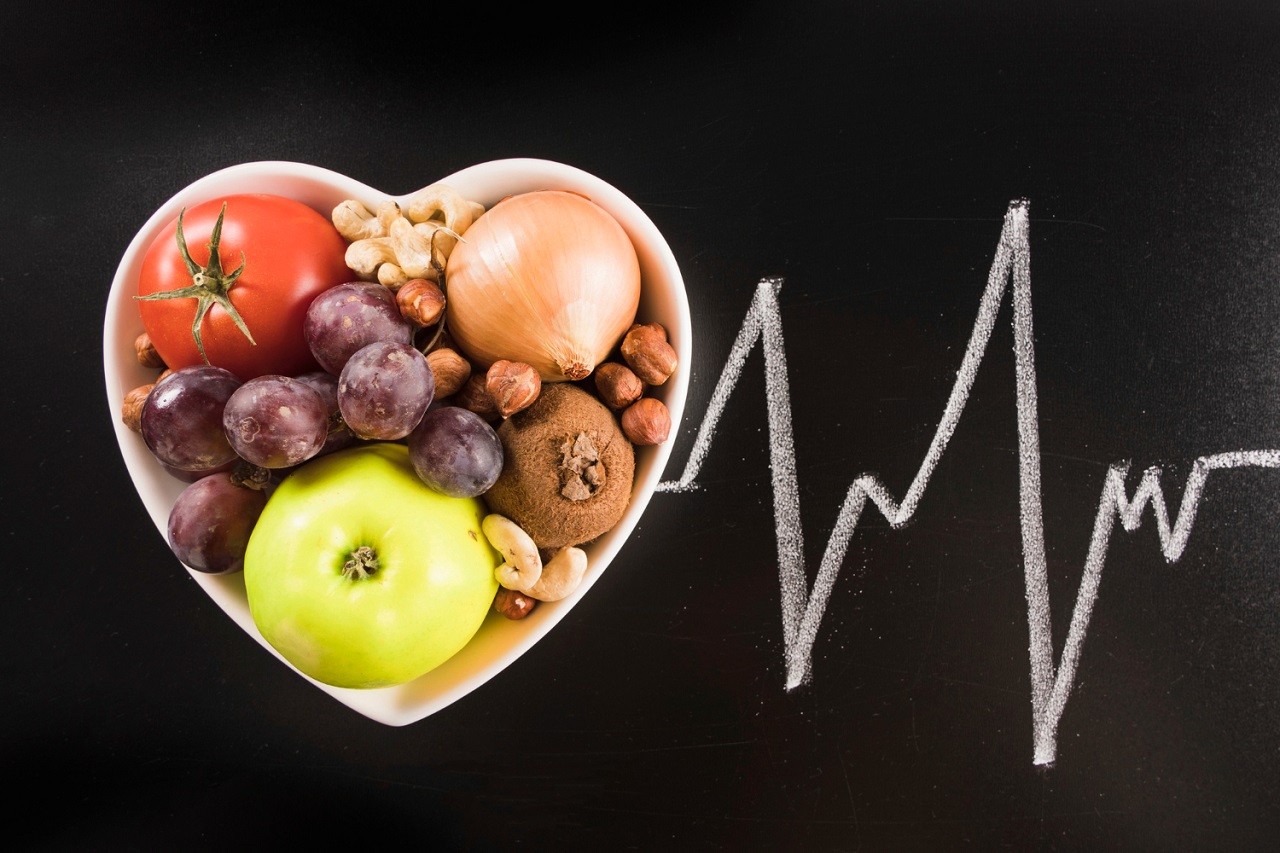
Its tremendous work pressure is never-ending but meritorious. But sometimes, just because of negligence and ignorance, we cannot pay attention to the well-being of our hearts. Lack of proper diet, eating fried foods, inactive lifestyle, smoking, and infection give rise to malfunctioning of the heart.

How Can You Prevent Heart Disease?

Changes in lifestyle and modification of diet are the key factors in improving the functioning of the heart and its long life. By following these 8 simple steps, you can have a healthy heart to lead a healthy life!

1. Include more Fruits, Vegetables and Whole grains

Prevent Heart DiseaseFruits & vegetables are rich in vitamins & minerals and low in calories. They also keep a check on cholesterol levels as they are very rich in dietary fiber. A diet rich in dietary fiber maintains weight as well as the gut. You need to select whole grains over refined grains as whole grains are rich in complex carbohydrates and control blood pressure and are good for the heart. Include quinoa, broken wheat, barley, oats, and whole wheat flour.

2. Keep a Check on Foods Containing Sodium

Sodium plays an important role in elevating blood pressure, increasing the risk of heart disease. Limiting salt intake is very important as in every meal, sodium is introduced and the total count increases unknowingly.

Canned food, pickles, chutneys, sauces, soups, and market mixtures are all loaded with salt and increase the total intake of salt. It’s always advised to keep an eye on evening snacks too, which are generally filled with biscuits, cookies, and mixtures.

Salads and fruits should be taken without salt and as these are rich in potassium – which can help to keep sodium on the lower front. The habit of table salt should be discouraged.

3. Choose Healthy Fats

Healthy fats should be an integral part of a heart-healthy diet. One should limit fat intake to 2-3 tsp per day including visible and non-visible fats. Butter, mayonnaise, and cheese can be replaced with homemade healthy spreads.

Poly and mono-unsaturated fats are good choices over saturated fats but all should be taken in limited amounts as all fats are high in calories. Nuts, seeds, and olive oil are good choices.

4. Make Portion Control a Habit

Portion ControlQuality and quantity both are important while having meals. Portion control is very important as it maintains and controls calories and weight. Utensils are selected for portion control and all food groups should be included to make it a balanced diet.



5. Never Skip Breakfast

Skipping breakfast and having unhealthy foods for breakfast is not at all good. As breakfast is the first meal of the day, it should be healthy and should contain a combination of proteins & complex carbohydrates. Skipping breakfast lowers the metabolism and makes the next meal heavier.  A healthy breakfast makes a healthy heart and mind too.

6. Choose Low-Fat Sources of Protein

Try to incorporate protein in every meal as it maintains weight and as the body is made up of protein, the requirement of protein is more. Pulses, seeds, and nuts are good low-fat sources of protein and should be included in daily routines.

Toned milk & milk products are preferred over whole-fat milk to keep a check on cholesterol levels. Lean meat, poultry, fish & eggs are also some of the best sources of protein that can be taken.

7. Menu Planning Should Be Done Prior & Keep One Day for a Treat

A menu can be made so that all options are at your doorstep and you don’t need to think daily about what to have in meals. Include all veggies, fruits, pulses, grains, nuts, seeds, milk & milk products.

Any one day, you can add a little cheat meal so that overindulgence will not happen and your taste buds will get satisfied as a little fun is important as well.

8. Set a 30 min Physical Activity Goal

To maintain proper functioning of the heart, one should do daily 30 min of physical activity that could be anything including brisk walking, yoga, cardio, or strength training. Walking is an overall exercise that improves blood supply, improves lung capacity and is also good for the gut. Take out 30 min of time for walking either in the evening or morning.

The above points, if kept in accordance with daily routine, will make the heart stronger and happier for a long period of time. If your heart is happy, you are happy!

If this article helped you, let us know in the comments below! Find more tips on living a healthy life here. If you want to make these habits a part of your daily life and need help, reach out to a GOQii Coach by subscribing to Personalised Health Coaching here.

#BeTheForce 

  • « Previous Page
  • 1
  • 2
  • 3
  • 4
  • 5
  • Next Page »

Search

Recent Posts

  • 6 Health Benefits of Playing Sports
  • Foods to Manage Blood Sugar Naturally: A Complete Guide to Better Blood Sugar Control
  • The Lazy Person’s Guide to Staying Healthy: 5 Micro-Habits That Take Less Than 2 Minutes
  • Healthy Eating: Comforting Chilli Bean Soup Recipe for the Monsoon
  • The Truth About the ‘Beer Belly’: What Alcohol Really Does to Your Metabolism

Stay Updated

Archives

  • August 2026 (8)
  • July 2026 (25)
  • June 2026 (22)
  • May 2026 (20)
  • April 2026 (24)
  • March 2026 (18)
  • February 2026 (14)
  • January 2026 (14)
  • December 2025 (19)
  • November 2025 (15)
  • October 2025 (20)
  • September 2025 (6)
  • August 2025 (6)
  • July 2025 (9)
  • June 2025 (18)
  • May 2025 (16)
  • April 2025 (22)
  • March 2025 (26)
  • February 2025 (21)
  • January 2025 (25)
  • December 2024 (22)
  • November 2024 (22)
  • October 2024 (20)
  • September 2024 (22)
  • August 2024 (27)
  • July 2024 (15)
  • June 2024 (23)
  • May 2024 (26)
  • April 2024 (27)
  • March 2024 (27)
  • February 2024 (23)
  • January 2024 (21)
  • December 2023 (14)
  • November 2023 (10)
  • October 2023 (19)
  • September 2023 (21)
  • August 2023 (16)
  • July 2023 (16)
  • June 2023 (21)
  • May 2023 (20)
  • April 2023 (19)
  • March 2023 (23)
  • February 2023 (19)
  • January 2023 (15)
  • December 2022 (11)
  • November 2022 (15)
  • October 2022 (15)
  • September 2022 (12)
  • August 2022 (9)
  • July 2022 (17)
  • June 2022 (11)
  • May 2022 (10)
  • April 2022 (6)
  • March 2022 (6)
  • February 2022 (13)
  • January 2022 (11)
  • December 2021 (7)
  • November 2021 (3)
  • October 2021 (6)
  • September 2021 (3)
  • August 2021 (8)
  • July 2021 (7)
  • June 2021 (15)
  • May 2021 (16)
  • April 2021 (10)
  • March 2021 (7)
  • February 2021 (4)
  • January 2021 (4)
  • December 2020 (3)
  • November 2020 (4)
  • October 2020 (10)
  • September 2020 (3)
  • August 2020 (3)
  • July 2020 (2)
  • June 2020 (4)
  • May 2020 (10)
  • April 2020 (12)
  • March 2020 (10)
  • February 2020 (4)
  • January 2020 (4)
  • December 2019 (3)
  • November 2019 (7)
  • October 2019 (5)
  • September 2019 (4)
  • August 2019 (9)
  • July 2019 (9)
  • June 2019 (11)
  • May 2019 (4)
  • April 2019 (8)
  • March 2019 (8)
  • February 2019 (9)
  • January 2019 (8)
  • December 2018 (9)
  • November 2018 (3)
  • October 2018 (3)
  • September 2018 (5)
  • August 2018 (10)
  • July 2018 (6)
  • June 2018 (13)
  • May 2018 (8)
  • April 2018 (17)
  • March 2018 (9)
  • February 2018 (8)
  • January 2018 (15)
  • December 2017 (12)
  • November 2017 (19)
  • October 2017 (13)
  • September 2017 (15)
  • August 2017 (4)
  • July 2017 (8)
  • June 2017 (7)
  • May 2017 (6)
  • April 2017 (8)
  • March 2017 (6)
  • February 2017 (7)
  • January 2017 (9)
  • December 2016 (10)
  • November 2016 (7)
  • October 2016 (7)
  • September 2016 (7)
  • August 2016 (11)
  • July 2016 (9)
  • June 2016 (9)
  • May 2016 (12)
  • April 2016 (17)
  • March 2016 (17)
  • February 2016 (8)
  • January 2016 (6)
  • December 2015 (2)
  • November 2015 (9)
  • October 2015 (7)
  • September 2015 (9)
  • August 2015 (11)
  • July 2015 (9)
  • June 2015 (11)
  • May 2015 (9)
  • April 2015 (13)
  • March 2015 (8)
  • February 2015 (5)
  • January 2015 (12)
  • December 2014 (14)
  • November 2014 (11)
  • October 2014 (6)
  • September 2014 (13)
  • August 2014 (12)
  • July 2014 (6)
  • June 2014 (2)
  • May 2014 (7)
  • April 2014 (4)

From Burnout to Balance: How Dr. Ranjit Reclaimed His Health

Dr Ranjit Bhatt has spent years tending to others. A practising doctor in Odisha, his days were packed with patients, surgeries, and emergencies. From the outside, it looked like a life lived in service. But on the inside, something wasn’t right. “I had no … [Read More...]

From Shimla’s Slopes to Chandigarh’s Sidewalks: Surinder Kaur Bhalla’s Journey from Chaos to Control

Some journeys start with a plan. Others begin with a stumble literally. Surinder Bhalla, a government professional, born and raised in the scenic hill town of Shimla, had always lived a life of movement. “In Shimla, you walked everywhere,” she reflects. “Walking was never an exercise. It was just life.” But after shifting to Chandigarh, […]

“I’ve Challenged Myself to Live 100 Years” – The Story of Chandubhai Savani’s Second Chance at Life

At 67, most people start slowing down. Not Chandubhai Savani. A resident of Surat, Chandubhai, thought life was on track. “My life was going well till I had my bypass surgery,” he says. That surgery, back in 2021, was a wake-up call.  Medication was routine, but exercise wasn’t. His diet? What he calls ‘normal.’ “I […]

Ananda Mukherjee Health Story

From Terminal Illness To Complete Wellness! Ananda Mukherjee Health Story

As we observe World Cancer Day under the powerful theme ‘United by Unique’ (2025-2027)**, we are reminded that every individual’s journey with cancer is distinct, yet united by shared resilience, hope, and the collective fight against this disease. This theme places people at the centre of care and their stories at the heart of the […]

  • HOME
  • HEALTHY LIVING
  • FITNESS
  • HEALTHY RECIPES
  • USER STORIES
  • KARMA
  • BUY GOQii

Copyright ©2016 GOQii