GOQii

Blog

  • HOME
  • HEALTHY LIVING
  • FITNESS
  • HEALTHY RECIPES
  • USER STORIES
  • KARMA
  • BUY GOQii

March 18, 2025 By GOQii Leave a Comment

Obesity & Its Impact on Your Health: Why It’s More Than Just Weight

Obesity is often seen as just a number on the scales, but in reality, it’s far more than that. It’s a complex health condition that affects every aspect of your well-being, from your heart to your mental health. In a world where fast food is abundant, sedentary lifestyles are the norm, and stress levels are constantly high, obesity has become a growing global concern.

But here’s the good news—it’s preventable and reversible with the right lifestyle changes. Let’s explore how obesity affects your health, what causes it, and, most importantly, how you can take control of your body and well-being.

What is Obesity?

Obesity is defined as having an excess amount of body fat that poses health risks. A common way to measure it is the Body Mass Index (BMI), which calculates weight in relation to height:

BMI Categories:

  • Healthy weight: 18.5 – 24.9
  • Overweight: 25 – 29.9
  • Obese: 30 or above

However, BMI doesn’t tell the full story—where the fat is stored matters too. Visceral fat (fat around the organs) is more harmful than subcutaneous fat (under the skin), increasing the risk of serious diseases.

How Obesity Impacts Your Health

Carrying excess weight isn’t just about appearance—it’s about how your body functions. Here’s how obesity can impact your health:

  1. Increases the Risk of Chronic Diseases

Obesity is linked to some of the most serious health conditions, including:

  • Heart Disease & High Blood Pressure – Excess fat increases strain on the heart, leading to hypertension and an increased risk of heart attacks and strokes.
  • Type 2 Diabetes – Obesity is a key driver of insulin resistance, making blood sugar levels harder to control.
  • Liver Disease (Fatty Liver) – Excess fat can accumulate in the liver, leading to inflammation and scarring (cirrhosis).
  • Certain Cancers – Studies show obesity is linked to an increased risk of cancers, including breast, colon, and liver cancer.
  1. Impacts Mental Health & Well-being

Obesity isn’t just about physical health—it affects mental and emotional well-being too. Many individuals with obesity experience:

  • Low self-esteem & body image concerns
  • Increased risk of anxiety & depression
  • Social stigma & discrimination

The mind-body connection is real, and feeling good about yourself plays a huge role in overall health.

  1. Affects Joint & Bone Health

Excess weight puts extra pressure on your joints, particularly in the knees, hips, and lower back, increasing the risk of:

  • Osteoarthritis (joint wear and tear)
  • Chronic back pain
  • Reduced mobility & flexibility
  1. Disrupts Sleep & Increases Fatigue

Obesity is a leading cause of sleep apnoea, a condition where breathing repeatedly stops and starts during sleep. This can lead to:

  • Poor-quality sleep & daytime fatigue
  • Increased risk of heart disease
  • Difficulty concentrating & lower productivity

Quality sleep is essential for energy levels, brain function, and overall health.

What Causes Obesity?

While diet and lack of exercise play major roles, obesity is often a combination of multiple factors:

  1. Poor Diet Choices – High-calorie, processed, and sugary foods contribute to weight gain.
  2. Lack of Physical Activity – A sedentary lifestyle means fewer calories burned, leading to excess fat storage.
  3. Genetics & Metabolism – Some individuals are genetically predisposed to store fat more easily.
  4. Hormonal Imbalances – Conditions like hypothyroidism & PCOS can make weight management harder.
  5. Stress & Emotional Eating – Many people turn to food as a way to cope with stress, boredom, or emotions.

Understanding these factors is key to making sustainable lifestyle changes.

How to Prevent & Manage Obesity

The best approach to tackling obesity is a holistic lifestyle change—not just crash diets or quick fixes. Here’s how to take control of your health:

  1. Eat Mindfully & Nutrient-Dense Foods 🍏
    • Swap processed foods for whole, natural foods.
    • Focus on lean proteins, healthy fats, and fibre-rich foods.
    • Reduce sugar & refined carbs—they spike insulin and lead to fat storage.
    • Practise portion control and avoid emotional eating.
  1. Move More, Sit Less 🏃‍♀️
    • Aim for 30-45 minutes of movement daily—it doesn’t have to be intense! Walking, cycling, yoga, or swimming all help.
    • Strength training boosts metabolism and burns fat long after exercise.
    • Take the stairs, stand more, and find ways to be active throughout the day.
  1. Prioritise Sleep & Stress Management 😴
    • Get 7-9 hours of quality sleep—it helps regulate hunger hormones.
    • Practise relaxation techniques like meditation, deep breathing, or journaling.
    • Avoid late-night snacking—it often leads to unnecessary calorie intake.
  1. Stay Hydrated 💧
    • Drinking enough water helps digestion, metabolism, and fat loss.
    • Sometimes, thirst is mistaken for hunger—stay hydrated to avoid overeating.
  1. Seek Professional Support If Needed
    • A nutritionist, doctor, or health coach can create a personalised plan.
    • Mental health support can help with emotional eating and motivation.
    • Consider a buddy system—staying accountable makes a difference!

Obesity isn’t just about weight—it’s about long-term health, energy, and well-being. The good news is that even small lifestyle changes can make a big difference.

✅ Start with one healthy habit at a time.
✅ Focus on progress, not perfection.
✅ Remember—your body is capable of amazing things!

💬 Have you made changes to improve your health? Share your journey in the comments!

#BeTheForce

Disclaimer: The information provided in this blog is for general awareness and educational purposes only. It is not intended to replace professional medical advice, diagnosis, or treatment. Always consult a qualified healthcare provider for personalised medical guidance or concerns related to your health.
August 20, 2024 By Rashmi Deshpande 8 Comments

5 Hormones That Have a Big Impact on Your Health

hormones that affect healthEver experienced a sudden mood swing? Or, have you been dealing with a lot of fatigue or sleepless nights? Your body undergoes many changes from birth to adolescence and into adulthood. Most of these changes, both physical and mental, are regulated by the hormones present in our body.

Hormones are the chemical messengers of our body. They travel through our bloodstream and hold the key to optimum health. In essence, they affect metabolism, sexual function, reproduction, growth and development and even our mood.

A better understanding of the hormones that influence our well-being and how to activate them will help us live better and healthier lives.

Let’s take a closer look!

1. Thyroid Stimulating Hormone (TSH)

We are quite familiar with this hormone nowadays! It is a pituitary hormone that stimulates the thyroid gland to produce thyroxine T4 and triiodothyronine T3, which stimulate the metabolism of almost every tissue in our body.

Abnormalities in this hormone can manifest as sudden weight gain, weight loss, dry skin, mood swings, severe sensitivity to cold or heat, depression with weak metabolism, and even an enlarged gland in the form of goiter.

The abnormalities in this hormone can be effectively managed with lifestyle modification, medication, yoga, exercises, and regular checkups of hormone. It has mainly two types: Hypo & Hyper. The Normal range is:

  • TSH: 0.5 – 4.15 mU/L
  • T4: 6 – 12 ug/dL
  • T3: 240 – 280 ug/dL

2. Insulin

“Hey! I am on insulin!”

At some point, we have all heard this from a diabetic person. Insulin is released by the pancreas, a leaf-like gland situated in the abdominal cavity behind the stomach. It regulates the body’s glucose or sugar levels, which are derived from carbohydrates.

It also allows the body to store and utilize glucose for energy. When insulin is released into the bloodstream, it can cause either hyper or hypo glycemia.

Abnormalities in insulin levels can lead to weight gain or weight loss, frequent urination, constant hunger, fatigue, wounds taking longer to heal, etc. These changes are due to insulin either not being produced in sufficient quantity or not functioning properly.

The most effective treatment include lifestyle modifications, healthy eating habits, staying active, managing stress and medication. The referred range is:

  • Random blood glucose: 70 – 100 mg/dl
  • Fasting: 70 – 110 mg/dl
  • After meals: <140 mg/dl

3. Cortisol (Stress Hormone)

There’s a fair chance that every second person you meet might be stressed! The stress hormone, called Cortisol, is produced by the adrenal gland. It helps us stay healthy and energetic. Its main role is to control physical and psychological stress.

Excess secretion of cortisol causes a number of side effects such as increased heart rate, blood pressure, respiration, sweating, and shivering. At stressful times, the body secretes cortisol to help cope with the situation. High level of cortisol consistently can lead to ulcers, high blood pressure, anxiety, high levels of cholesterol, etc.

Similarly, low levels of cortisol in the body causes weakness, fatigue and low blood pressure. This can be managed by sharing your feelings, meditating, pursuing hobbies, listening to music, spending time with  family, going on vacations, prayers, and, if necessary, psychiatric treatment with medication.

4. Sex Hormones

This hormone are categorized into male and female hormones:

  • Testosterone: This is the primary male sex hormone. An anabolic steroid by nature, it helps in building body muscles. In males, it plays an important role in the development of male reproductive tissues like the testes and prostate. It also promotes secondary sexual characteristics like increased  muscle and bone mass, body hair growth, etc. If testosterone secretion is insufficient in men, then it may lead to abnormalities, including frailty and bone loss. This can be treated with medication.
  • Progesterone: This hormone is produced in the ovaries, the placenta and the adrenal glands when a woman gets pregnant. It stimulates and regulates various functions. Progesterone plays an important role in maintaining pregnancy by helping the body prepare for conception, pregnancy and regulating the monthly cycle. When pregnancy doesn’t occur, progesterone levels drop, and menstrual cycle occurs. It also plays a role in sexual desire. Any abnormalities can be treated with home remedies and medication.

5. Serotonin

We all need this happy hormone during stressful days! It is associated with learning and memory, sleep regulation, digestion, mood regulation, some muscular functions, etc. An imbalance in this hormone may affect the brain’s ability to control stress levels and mood effectively.

Low level of serotonin can lead to depression, migraines, weight gain, insomnia, carbohydrate cravings, etc. Excess levels of serotonin in the body causes agitation, stage of confusion, sedation, etc.

After learning about the 5 hormones which are essential for good health, it is clear that the key to keeping them in balance is healthy eating, an active lifestyle, and good rest with meditation. Make sure to check with your doctor for any imbalances or irregularities in your hormones and take the necessary actions as suggested by your doctor. For further information or guidance, reach out to our certified experts by subscribing to GOQii’s Personalised Health Coaching here.

Do share your thoughts and queries in the comments below!

Be balanced! Be happy! #BeTheForce!  

August 13, 2024 By Luke Coutinho 6 Comments

Why Your Body Needs Curcumin or Turmeric Extract!

CurcuminMany mails, white papers and journals have been written on the power of turmeric extract, now termed as ‘Yellow Gold’ in the west. The fascinating part is that the consumption of Curcumin has been linked to positive benefits in almost every possible disease or ailment one can think of. From cancer to arthritis, to the possible prevention of Parkinson’s and Alzheimer’s.

How Curcumin Eases Disease

Cardiovascular Disease
Numerous studies show that it may have a protective role in cardiovascular diseases. Since cardiovascular disease is the number one cause of death, one can argue that everyone should include turmeric in their diet, or perhaps take a turmeric supplement. One study discusses how the antioxidant effects of Curcumin may prevent diabetic cardiovascular complications.

The same study shows that the anti-thrombotic, anti-proliferative, and anti-inflammatory effects of Curcumin and the effect of it decreasing the serum cholesterol level may protect against the pathological changes occurring with atherosclerosis.

Another study demonstrates how dietary Curcumin is effective at inhibiting maladaptive cardiac repair and preserving cardiac function after ischemia and reperfusion. It also goes on to say that it has potential as a treatment for patients who have had a heart attack.

Diabetes
This, of course, also ties into cardiovascular health but there have been separate studies which show how Curcumin can help with diabetes. One study involved people in a pre-diabetic population who were taking Curcumin (or a placebo) for 9 months. The study concluded by showing that it significantly lowered the number of pre-diabetic individuals who eventually developed Type-2 diabetes. The same study also showed that it appeared to improve overall function of beta cells. Another study concluded that Curcumin supplementation could improve diabetes-induced endothelial dysfunction significantly. Yet, another study demonstrated how it attenuates diabetic neuropathic pain.

Asthma and Allergies
A few studies have shown that it might be beneficial for people with asthma and allergies. One study showed that Curcumin treatments markedly attenuated the inflammation in asthma by regulating T regulatory/Th17 balance. The findings supported the possible use of Curcumin as a therapeutic drug for patients with allergic asthma. Another study showed that it alleviates the pathological changes of chronic asthma, and might be a promising therapy for asthma in the future

Skin Diseases
It can even help with certain skin conditions! One study discusses how it protects the skin by quenching free radicals and reducing inflammation. The same study also mentioned how it reduces wound-healing time, improved collagen deposition and increased fibroblast and vascular density in wounds, thereby enhancing both normal and impaired wound-healing. The study concluded by suggesting that Curcumin might be a potent nontoxic agent for treating skin diseases. Another study suggests that Oral Curcumin might be beneficial in the treatment of moderate to severe psoriasis, although it concluded by stating that large placebo-controlled studies are necessary before recommending Oral Curcumin as a psoriasis treatment.

Autoimmunity
To no surprise, because it can help greatly with inflammation, this herb can be extremely valuable in the treatment of certain autoimmune conditions, including Graves’ Disease and Hashimoto’s Thyroiditis. Thyroid cancer is the most common type of cancer when it comes to the endocrine system. A recent study reported that Curcumin inhibits multiple metastasis steps of K1 papillary thyroid cancer cells. These findings showed that it might be effective for the treatment of aggressive papillary thyroid carcinomas.

Other Benefits
There are even more potential benefits of taking Curcumin. One study discussed how dietary Curcumin is a strong candidate for use in the prevention or treatment of major disabling age-related neurodegenerative diseases like Alzheimer’s, Parkinson’s, and stroke. Another study suggested that it has enormous potential in the prevention and therapy of cancer. It might also be useful as a treatment for ulcerative colitis as well as benefit people with osteoarthritis.

Want to know more about Curcumin or Turmeric Extract? Ask a GOQii Coach by subscribing for Personalised Health Coaching here.

For more articles on nutrition, tune in to Healthy Reads.

#BeTheForce

Disclaimer: The information provided in this blog is for general awareness and educational purposes only. It is not intended to replace professional medical advice, diagnosis, or treatment. Always consult a qualified healthcare provider for personalised medical guidance or concerns related to your health.

August 3, 2024 By Jyoti Dhawan 5 Comments

Varicose Veins – Facts You Should Know

vericose veins

Varicose veins are a relatively common condition, often inherited, and women are at least twice as likely as men to develop them.

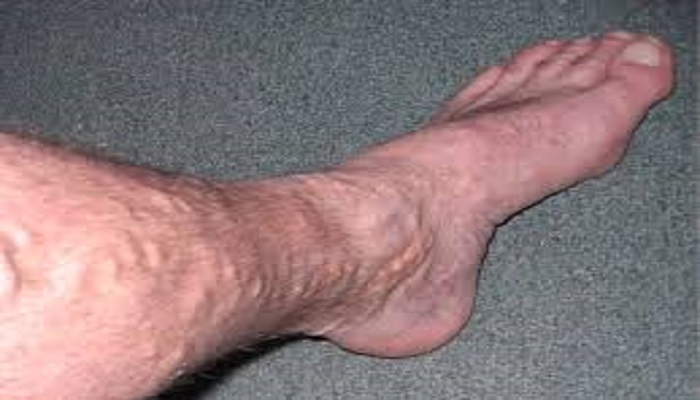
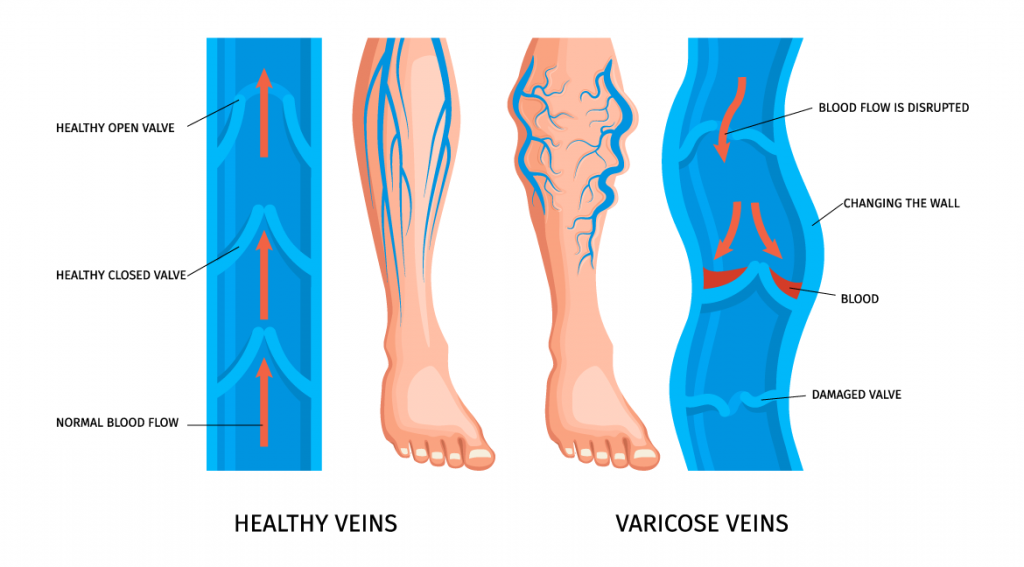
Varicose veins are enlarged, twisted, gnarled superficial veins that appear just under the skin’s surface. These can form in any part of the body but most commonly affect the legs.

Let’s explore what causes varicose veins and how to manage this condition.

  1. Veins are blood vessels responsible for carrying blood from body tissues back to the heart, a challenging task since the blood here is moving upwards against gravity. To facilitate this, veins have small one-way valves that keep blood flowing towards the heart. When these valves become weak or damaged, blood can back up and pool in the veins, causing them to swell, widen, and bulge.
  2. A variant of varicose veins is known as spider veins, which are smaller red, purple, and blue vessels that also twist and turn. Spider veins are easily visible through the skin, typically on the legs and face.
  3. Varicose veins are primarily genetic which means the condition runs in families and certain factors like hormonal changes can increase the risk (as occurs in pregnancy).
  4. Did you always think that varicose veins affected women only? The truth is women are more commonly affected because female hormones tend to relax the walls and valves of the veins, however men get them too!
  5. Aging definitely worsens the problem of varicose veins, but young people can get it too!
  6. Are varicose veins only a cosmetic issue? On the contrary, they can be much more than that! A significant number of people with varicose veins eventually develop symptoms, most common being dull achiness, heaviness, throbbing, cramping and swelling of legs. Severe dryness and itchiness of skin near varicose veins is also common. Bleeding, skin discoloration, skin thickening and ulcers are other less common symptoms, but once skin damage occurs it is usually permanent.
  7. What to do if you have varicose veins? A visit to your doctor should be the first step. The doctor will examine any visible veins and may also do an ultrasound, which is a non-invasive test that utilizes high frequency waves and allows the doctor to see how blood is flowing in the veins.

Angiogram is another test where a dye is injected into veins and X-rays taken to get a better view of blood flow in these veins.

  1. Is there a way to prevent this condition? Yes, and the answer lies in your lifestyle. Lifestyle does matter! Obesity can worsen or cause onset in people with genetic predisposition. So getting down to a healthy weight, calf-strengthening exercises and elevating legs can prevent onset as well as aggravation of symptoms.
  2. Let’s also talk about available treatment options. Minor varicose veins can be treated by laser and sclerotherapy. Endothermal ablation involves closing a vein by applying heat through a needle to numb the vein.

Some new procedures involve scelrosing agents (which are medications that numb veins by causing irritation) and adhesive agents that seal a vein shut.

  1. Treatments are available and effective but remember these aren’t a cure! Another set of varicose veins may pop out at another or the same place.

Thus, it is worth reiterating that a healthy active lifestyle goes a long way in keeping varicose veins from appearing as well as worsening further.

We hope this article has provided valuable insights into varicose veins. If you have tips or experiences on managing varicose veins, share them in the comments below. For further information or guidance, reach out to our certified experts by subscribing to GOQii’s Personalised Health Coaching here.

#BeTheForce 

Disclaimer: The information provided in this blog is for general awareness and educational purposes only. It is not intended to replace professional medical advice, diagnosis, or treatment. Always consult a qualified healthcare provider for personalised medical guidance or concerns related to your health.

  • « Previous Page
  • 1
  • 2
  • 3
  • 4
  • 5
  • Next Page »

Search

Recent Posts

  • 6 Health Benefits of Playing Sports
  • Foods to Manage Blood Sugar Naturally: A Complete Guide to Better Blood Sugar Control
  • The Lazy Person’s Guide to Staying Healthy: 5 Micro-Habits That Take Less Than 2 Minutes
  • Healthy Eating: Comforting Chilli Bean Soup Recipe for the Monsoon
  • The Truth About the ‘Beer Belly’: What Alcohol Really Does to Your Metabolism

Stay Updated

Archives

  • August 2026 (8)
  • July 2026 (25)
  • June 2026 (22)
  • May 2026 (20)
  • April 2026 (24)
  • March 2026 (18)
  • February 2026 (14)
  • January 2026 (14)
  • December 2025 (19)
  • November 2025 (15)
  • October 2025 (20)
  • September 2025 (6)
  • August 2025 (6)
  • July 2025 (9)
  • June 2025 (18)
  • May 2025 (16)
  • April 2025 (22)
  • March 2025 (26)
  • February 2025 (21)
  • January 2025 (25)
  • December 2024 (22)
  • November 2024 (22)
  • October 2024 (20)
  • September 2024 (22)
  • August 2024 (27)
  • July 2024 (15)
  • June 2024 (23)
  • May 2024 (26)
  • April 2024 (27)
  • March 2024 (27)
  • February 2024 (23)
  • January 2024 (21)
  • December 2023 (14)
  • November 2023 (10)
  • October 2023 (19)
  • September 2023 (21)
  • August 2023 (16)
  • July 2023 (16)
  • June 2023 (21)
  • May 2023 (20)
  • April 2023 (19)
  • March 2023 (23)
  • February 2023 (19)
  • January 2023 (15)
  • December 2022 (11)
  • November 2022 (15)
  • October 2022 (15)
  • September 2022 (12)
  • August 2022 (9)
  • July 2022 (17)
  • June 2022 (11)
  • May 2022 (10)
  • April 2022 (6)
  • March 2022 (6)
  • February 2022 (13)
  • January 2022 (11)
  • December 2021 (7)
  • November 2021 (3)
  • October 2021 (6)
  • September 2021 (3)
  • August 2021 (8)
  • July 2021 (7)
  • June 2021 (15)
  • May 2021 (16)
  • April 2021 (10)
  • March 2021 (7)
  • February 2021 (4)
  • January 2021 (4)
  • December 2020 (3)
  • November 2020 (4)
  • October 2020 (10)
  • September 2020 (3)
  • August 2020 (3)
  • July 2020 (2)
  • June 2020 (4)
  • May 2020 (10)
  • April 2020 (12)
  • March 2020 (10)
  • February 2020 (4)
  • January 2020 (4)
  • December 2019 (3)
  • November 2019 (7)
  • October 2019 (5)
  • September 2019 (4)
  • August 2019 (9)
  • July 2019 (9)
  • June 2019 (11)
  • May 2019 (4)
  • April 2019 (8)
  • March 2019 (8)
  • February 2019 (9)
  • January 2019 (8)
  • December 2018 (9)
  • November 2018 (3)
  • October 2018 (3)
  • September 2018 (5)
  • August 2018 (10)
  • July 2018 (6)
  • June 2018 (13)
  • May 2018 (8)
  • April 2018 (17)
  • March 2018 (9)
  • February 2018 (8)
  • January 2018 (15)
  • December 2017 (12)
  • November 2017 (19)
  • October 2017 (13)
  • September 2017 (15)
  • August 2017 (4)
  • July 2017 (8)
  • June 2017 (7)
  • May 2017 (6)
  • April 2017 (8)
  • March 2017 (6)
  • February 2017 (7)
  • January 2017 (9)
  • December 2016 (10)
  • November 2016 (7)
  • October 2016 (7)
  • September 2016 (7)
  • August 2016 (11)
  • July 2016 (9)
  • June 2016 (9)
  • May 2016 (12)
  • April 2016 (17)
  • March 2016 (17)
  • February 2016 (8)
  • January 2016 (6)
  • December 2015 (2)
  • November 2015 (9)
  • October 2015 (7)
  • September 2015 (9)
  • August 2015 (11)
  • July 2015 (9)
  • June 2015 (11)
  • May 2015 (9)
  • April 2015 (13)
  • March 2015 (8)
  • February 2015 (5)
  • January 2015 (12)
  • December 2014 (14)
  • November 2014 (11)
  • October 2014 (6)
  • September 2014 (13)
  • August 2014 (12)
  • July 2014 (6)
  • June 2014 (2)
  • May 2014 (7)
  • April 2014 (4)

From Burnout to Balance: How Dr. Ranjit Reclaimed His Health

Dr Ranjit Bhatt has spent years tending to others. A practising doctor in Odisha, his days were packed with patients, surgeries, and emergencies. From the outside, it looked like a life lived in service. But on the inside, something wasn’t right. “I had no … [Read More...]

From Shimla’s Slopes to Chandigarh’s Sidewalks: Surinder Kaur Bhalla’s Journey from Chaos to Control

Some journeys start with a plan. Others begin with a stumble literally. Surinder Bhalla, a government professional, born and raised in the scenic hill town of Shimla, had always lived a life of movement. “In Shimla, you walked everywhere,” she reflects. “Walking was never an exercise. It was just life.” But after shifting to Chandigarh, […]

“I’ve Challenged Myself to Live 100 Years” – The Story of Chandubhai Savani’s Second Chance at Life

At 67, most people start slowing down. Not Chandubhai Savani. A resident of Surat, Chandubhai, thought life was on track. “My life was going well till I had my bypass surgery,” he says. That surgery, back in 2021, was a wake-up call.  Medication was routine, but exercise wasn’t. His diet? What he calls ‘normal.’ “I […]

Ananda Mukherjee Health Story

From Terminal Illness To Complete Wellness! Ananda Mukherjee Health Story

As we observe World Cancer Day under the powerful theme ‘United by Unique’ (2025-2027)**, we are reminded that every individual’s journey with cancer is distinct, yet united by shared resilience, hope, and the collective fight against this disease. This theme places people at the centre of care and their stories at the heart of the […]

  • HOME
  • HEALTHY LIVING
  • FITNESS
  • HEALTHY RECIPES
  • USER STORIES
  • KARMA
  • BUY GOQii

Copyright ©2016 GOQii


