GOQii

Blog

  • HOME
  • HEALTHY LIVING
  • FITNESS
  • HEALTHY RECIPES
  • USER STORIES
  • KARMA
  • BUY GOQii

October 26, 2026 By Trishala Chopra 1 Comment

Essential Vitamins and Minerals for Women

Women’s nutrient needs change across life: with periods, pregnancy, breastfeeding and menopause. In India, some gaps are strikingly common. More than half of women aged 15–49 are anaemic, according to the latest National Family Health Survey, and many women don’t get enough vitamin D, vitamin B12 or calcium.

The good news is that most of these gaps can be closed with everyday Indian foods, with supplements filling in where food alone isn’t enough. Here are the vitamins and minerals that matter most for women, how much you need, where to find them, and when it’s worth talking to your doctor.

At a glance

  • Iron: women need about 29 mg a day, more than men, largely to replace losses from periods. Anaemia affects 57% of Indian women aged 15–49.
  • Folate: 220 µg a day, and a daily folic acid supplement for anyone who could become pregnant, starting before conception.
  • Calcium and vitamin D: 1,000 mg of calcium and 600 IU of vitamin D a day help protect bones, especially around menopause.
  • Vitamin B12: easy to fall short on a vegetarian diet. Milk, curd, paneer and eggs help; some people need a supplement.
  • Iodine: iodised salt is the main source, and needs rise in pregnancy.
  • Food first, test before you supplement: high doses of iron, vitamin A and vitamin D can do harm. Take supplements on medical advice.

The key nutrients for women

The daily amounts below are the Recommended Dietary Allowances (RDAs) for adult women from India’s ICMR–National Institute of Nutrition (2020). They are averages for healthy women; your needs may differ.

1. Iron

Why it matters: iron helps make haemoglobin, which carries oxygen around the body. Women lose iron every month through periods, and need much more during pregnancy. Low iron leads to anaemia, which can cause tiredness, breathlessness, pale skin, poor concentration and lower resistance to infection.

How common is a shortfall? Very. Anaemia affects 57% of Indian women aged 15–49 and 52% of pregnant women, according to NFHS-5 (2019–21).

How much: 29 mg a day for adult women.

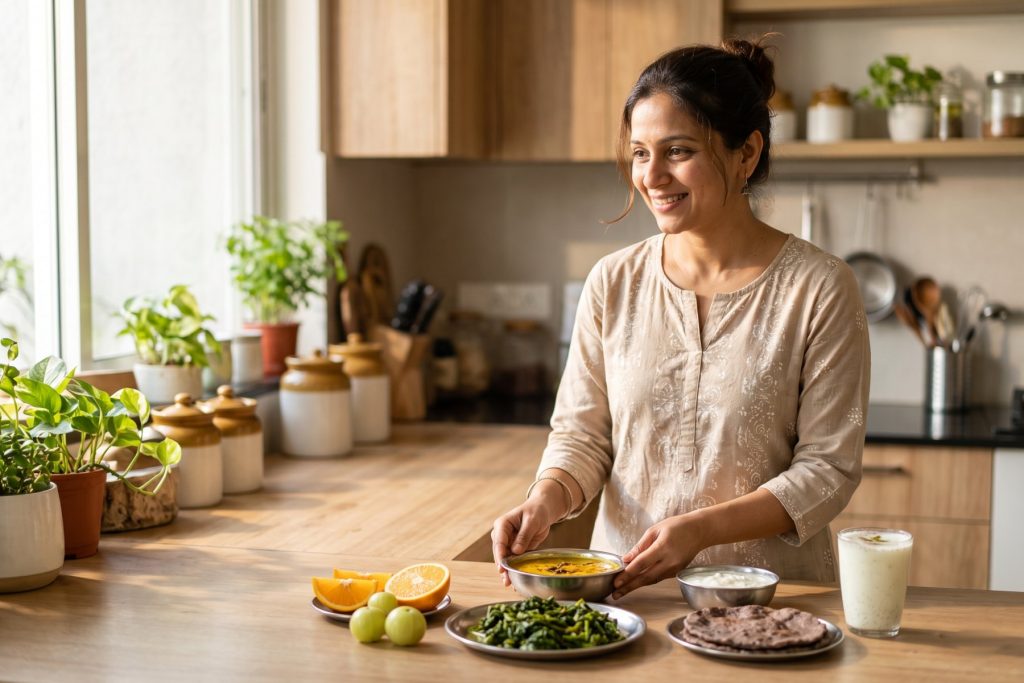
Indian food sources: dals, rajma, chana and other pulses; green leafy vegetables such as methi, amaranth (chaulai) and drumstick leaves; garden cress seeds (halim); eggs, chicken, fish and red meat; iron-fortified atta or rice.

Get more from your food: iron from plant foods is less well absorbed than iron from meat and fish. Vitamin C helps: in one study, 100 mg of vitamin C increased iron absorption about four-fold. So add lemon to your dal, or have amla, guava or an orange with meals. Tea and coffee do the opposite, cutting iron absorption by up to 60–80%, so drink them between meals rather than with them.

Not all anaemia is caused by low iron. A study led by ICMR–NIN researchers found that vitamin B12 and folate deficiency, inherited haemoglobin disorders, inflammation and even air pollution also contribute to anaemia in India. Inherited conditions such as thalassaemia trait can look like iron deficiency on a basic blood test but aren’t treated with iron. So if you feel tired or have been told your haemoglobin is low, get properly tested before starting iron tablets on your own.

2. Folate (folic acid)

Why it matters: folate helps make healthy cells, including red blood cells. Before and in early pregnancy, it helps the baby’s brain and spinal cord develop properly and lowers the risk of neural tube defects such as spina bifida. These develop in the first weeks, often before a woman knows she’s pregnant.

How much: 220 µg a day for adult women. Anyone who could become pregnant is advised to take a 400–800 µg folic acid supplement daily, starting at least a month before conception and continuing through the first two to three months of pregnancy. Your doctor may recommend a higher dose in some situations.

Indian food sources: green leafy vegetables, dals and chana, sprouts, beetroot, citrus fruits and fortified cereals.

3. Calcium

Why it matters: calcium builds and maintains bones and teeth. Bones reach their peak density in your 20s and early 30s, and after menopause, falling oestrogen speeds up bone loss: women can lose up to 10% of their bone density in the first five years after menopause.

How much: 1,000 mg a day for adult women. Many Indians get only 300–500 mg a day, so most women need to plan for calcium-rich foods every day.

Indian food sources: milk, curd, buttermilk and paneer; ragi; sesame seeds (til); tofu; small fish eaten with their bones. Green leafy vegetables contain calcium too, but not all of it is absorbed: in one study, people absorbed about 5% of the calcium in spinach, compared with about 28% from milk, because spinach is high in oxalate. Weight-bearing exercise, such as brisk walking, stair climbing and strength training, matters just as much for bones.

4. Vitamin D

Why it matters: vitamin D helps your body absorb calcium and keeps bones and muscles healthy. Long-term low levels can contribute to weak bones (osteomalacia and osteoporosis).

How common is a shortfall? Common, despite plentiful sunshine: indoor lifestyles, covering up and pollution all reduce how much your skin makes. A review of 15 Indian studies estimated that about a third of pregnant women were deficient, though results varied widely between studies.

How much: 600 IU (15 µg) a day for adult women.

Sources: sunlight on your skin is the main source; there’s no single safe amount for everyone, so ask your doctor what suits you. Food sources are limited: egg yolks, oily fish such as salmon, sardines and mackerel, and fortified milk or oil. Many women need a supplement, ideally after a blood test.

5. Vitamin B12

Why it matters: B12 is needed to make red blood cells and keep nerves healthy. A shortfall can cause tiredness, a type of anaemia, tingling or numbness in the hands and feet, and memory or mood changes.

Who’s at risk: B12 comes almost entirely from animal foods, so vegetarians, and especially vegans, are more likely to fall short. A review of studies worldwide found that 17–39% of vegetarian pregnant women were B12-deficient, depending on the trimester. Some long-term medicines, such as metformin for diabetes and certain antacids, can also lower B12 levels.

How much: 2.2 µg a day for adult women.

Sources: milk, curd, buttermilk and paneer; eggs; fish, chicken and meat; B12-fortified foods. Plant foods don’t provide a reliable amount. If you’re vegetarian or vegan and tired all the time, ask your doctor about a B12 test.

6. Iodine

Why it matters: iodine is needed to make thyroid hormones. In pregnancy, deficiency can harm the baby’s brain development and growth and raise the risk of miscarriage and stillbirth, according to India’s National Iodine Deficiency Disorders Control Programme.

How much: 150 µg a day for adult women; needs rise during pregnancy and breastfeeding.

Sources: iodised salt is the main source in India, and selling non-iodised salt for everyday cooking is banned. Rock salt (sendha namak) and many “natural” or sea salts are often not iodised, so if you use them regularly, make sure iodised salt is still your everyday salt. Using iodised salt doesn’t mean using more salt: a small amount is enough. Milk, curd, eggs and seafood also contain some iodine.

7. Other nutrients that matter

These are important too, but most women who eat a varied diet get enough:

Nutrient Daily need (adult women, ICMR–NIN 2020) What it does Good sources
Protein About 0.83 g per kg of body weight (around 46 g for a 55 kg woman) Builds and repairs muscles, bones, skin and hair Dals, chana, rajma, paneer, curd, milk, eggs, fish, chicken, soya
Vitamin A 840 µg Eyesight, especially in dim light; skin; immunity Carrots, pumpkin, sweet potato, papaya, mango, green leafy vegetables, milk, eggs
Magnesium 370 mg Muscle and nerve function, bone health Nuts, seeds, whole grains, millets, pulses, green leafy vegetables
Zinc 13 mg Immunity, wound healing Pulses, nuts, seeds, whole grains, dairy, eggs, meat
Vitamin C 65 mg Wound healing, iron absorption Amla, guava, citrus fruits, tomatoes, capsicum
Vitamin K Varied diet is usually enough Blood clotting, bone health Green leafy vegetables, soybean oil

Vitamin E (nuts, seeds, vegetable oils) and vitamin B6 (pulses, bananas, whole grains) are also needed, but there’s no good evidence that extra amounts “slow ageing” or “boost metabolism”, as is sometimes claimed. For more on plant protein, see our guide to why pulses are good for you.

How needs change through life

Life stage Nutrients to focus on Practical tips
Teens and young women Iron (periods begin), calcium and vitamin D (bones are still building), protein Include dal, leafy greens and dairy daily; get some outdoor activity; don’t skip meals or follow crash diets
Planning a pregnancy Folic acid, iron, iodine, vitamin B12 Start a folic acid supplement at least a month before trying to conceive; ask your doctor about checking haemoglobin and B12
Pregnancy and breastfeeding Folate, iron, iodine, calcium, vitamin B12, protein Take the supplements your doctor or antenatal clinic prescribes; avoid high-dose vitamin A supplements
Menopause and beyond Calcium, vitamin D, vitamin B12, protein Weight-bearing and strength exercise; dairy or other calcium sources daily; ask about a vitamin D and bone health check

Pregnancy needs a closer look

Needs for several nutrients rise sharply in pregnancy. For reference, the US National Institutes of Health sets these daily amounts for pregnancy: iron 27 mg, folate 600 µg, iodine 220 µg and vitamin B12 2.6 µg. These are hard to meet from food alone, which is why India’s antenatal care routinely provides iron and folic acid tablets, and often calcium. Follow the plan your doctor gives you rather than adding extra supplements yourself.

One caution: too much preformed vitamin A (retinol), from high-dose supplements, can harm an unborn baby. Vitamin A from fruit and vegetables (beta-carotene) doesn’t carry this risk. Check any supplement label with your doctor if you’re pregnant or planning to be.

After menopause

As oestrogen falls, bone loss speeds up, so calcium, vitamin D and regular weight-bearing exercise become even more important. Staying active also helps protect muscle, mood and heart health; read more in how exercise impacts mental health.

Food first, supplements when needed

A varied Indian diet, with dals and pulses, whole grains and millets, vegetables and leafy greens, fruit, dairy, nuts and seeds, and eggs, fish or meat if you eat them, covers most needs for most women. Supplements are useful when food isn’t enough or needs are higher, for example:

  • Folic acid if you could become pregnant, and during early pregnancy
  • Iron and folic acid in pregnancy, or if a blood test shows anaemia
  • Vitamin D if a test shows you’re low
  • Vitamin B12 if you’re vegan, eat little dairy, or a test shows you’re low
  • Calcium if you can’t get enough from food, especially after menopause or in pregnancy

Test, don’t guess

Tiredness can have many causes, from anaemia to low B12, thyroid problems, poor sleep or stress. Rather than taking several supplements “just in case”, ask your doctor whether tests such as haemoglobin, ferritin (iron stores), vitamin B12 or vitamin D make sense for you.

More isn’t better

  • Vitamin D: taking large doses of supplements for a long time can raise blood calcium to harmful levels. The Mayo Clinic advises adults not to take more than 4,000 IU a day unless a doctor recommends it.
  • Iron: iron supplements can cause constipation, nausea and stomach upset, and too much iron is harmful. Take iron only if you need it, and keep tablets well out of children’s reach.
  • Vitamin A: high doses of preformed vitamin A are harmful, especially in pregnancy.
  • Timing: calcium can reduce iron absorption, so if you take both, ask your doctor about taking them at different times of day.

When to see a doctor

Speak to a doctor if you have ongoing tiredness, breathlessness or pale skin; very heavy or prolonged periods; tingling or numbness in your hands or feet; or if you’re pregnant, planning a pregnancy, taking regular medicines or living with a long-term condition. Don’t start or stop prescribed supplements without advice.

The bottom line

The nutrients Indian women most often fall short on are iron, folate, vitamin B12, vitamin D, calcium and iodine. A varied diet built around dals, greens, whole grains, dairy and iodised salt goes a long way, and targeted supplements, taken on medical advice, fill the gaps that food can’t, especially before and during pregnancy and after menopause.

Pro Tip: Use the GOQii App to log your meals and spot patterns, such as how often iron-rich foods or dairy make it onto your plate. Your GOQii Personalised Health Coach can help you plan meals that cover these nutrients and work out, with your doctor, whether you need any tests or supplements.

Frequently asked questions

Which vitamins and minerals are most important for women?

Iron, folate, calcium, vitamin D, vitamin B12 and iodine are the nutrients women most often need to pay attention to, especially in India. Needs change with periods, pregnancy, breastfeeding and menopause.

How much iron does a woman need a day?

India’s ICMR–National Institute of Nutrition recommends 29 mg of iron a day for adult women. Needs rise in pregnancy, which is why iron and folic acid tablets are part of routine antenatal care.

What are the signs of iron deficiency in women?

Common signs include tiredness, breathlessness, pale skin, headaches, poor concentration and feeling cold. These can have other causes too, so a blood test is the only way to know for sure.

When should I start taking folic acid?

If you could become pregnant, take a daily folic acid supplement of 400–800 µg, starting at least a month before conception and continuing through the first two to three months of pregnancy. Your doctor may advise a higher dose in some situations.

How can vegetarian women get enough vitamin B12?

Milk, curd, buttermilk, paneer and eggs provide B12, and some foods are fortified with it. Plant foods don’t provide a reliable amount, so vegans and vegetarians who eat little dairy may need a supplement. Ask your doctor about a B12 test if you often feel tired.

How much calcium and vitamin D do women need after 40?

ICMR–NIN recommends 1,000 mg of calcium and 600 IU of vitamin D a day for adult women. Around and after menopause, bone loss speeds up, so getting enough calcium, checking vitamin D levels and doing weight-bearing exercise become even more important.

Should every woman take a multivitamin?

Not necessarily. Most women who eat a varied diet get enough of most nutrients from food. Targeted supplements, such as folic acid before pregnancy, iron for anaemia or vitamin D for deficiency, are more useful than a general multivitamin. Talk to your doctor before starting supplements, especially if you’re pregnant or take regular medicines.

#BeTheForce

Disclaimer: The information provided in this blog is for general awareness and educational purposes only. It is not intended to replace professional medical advice, diagnosis, or treatment. Always consult a qualified healthcare provider for personalised medical guidance or concerns related to your health.
October 8, 2026 By Navnee Garg 3 Comments

When Not Eating Becomes a Disease: Understanding Anorexia Nervosa

Anorexia NervosaThe Big Question

Following healthy habits and maintaining discipline in your diet is a wonderful way to care for your body. But what happens when the desire to be healthy morphs into an unhealthy obsession?

We all know that anything in excess can be harmful, and the same applies to dieting. When the pursuit of weight loss crosses the line from a healthy lifestyle choice into a rigid, fear-driven obsession, it can cause severe physical and psychological damage. One of the most serious manifestations of this is an eating disorder known as Anorexia Nervosa.

Quick Answer: When does a diet become a disease? A diet becomes an eating disorder when it is no longer about health, but driven by an intense, obsessive fear of gaining weight. Anorexia Nervosa is a severe psychological condition where individuals starve themselves or use extreme measures to lose weight, equating their physical thinness directly to their self-worth.

Beyond Calorie Counting: The Reality of Anorexia

To understand Anorexia, we must recognize that it is not simply a diet gone wrong. It is a complex psychological condition.

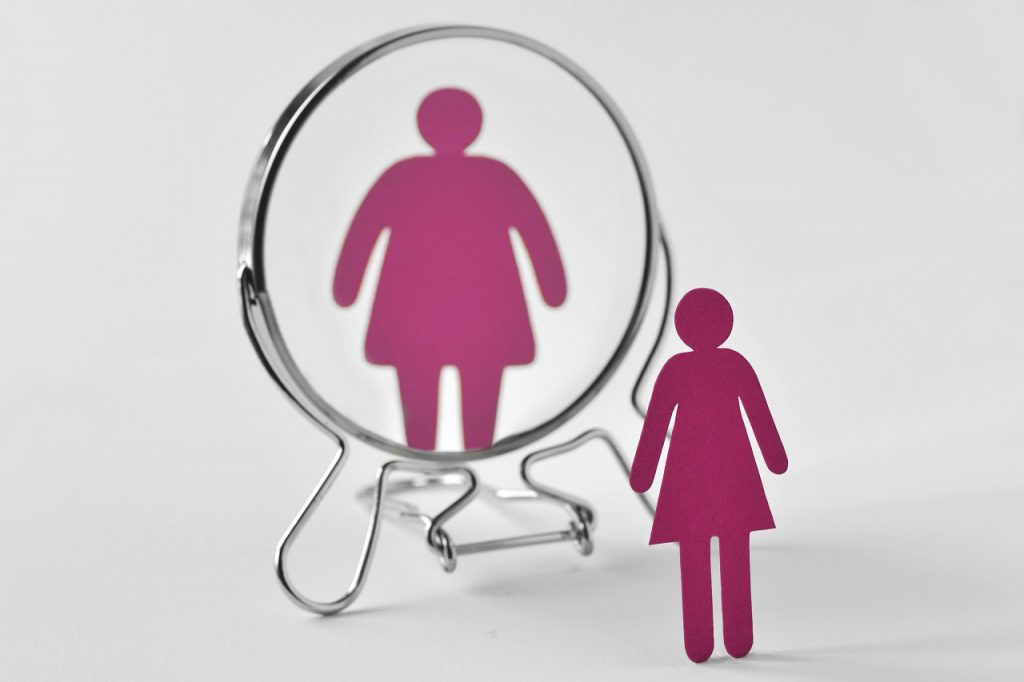
People suffering from Anorexia have a distorted perception of their weight. Despite being at a normal or even dangerously low body weight, they look in the mirror and genuinely perceive themselves as overweight. The thought of eating even a single extra bite fills them with intense anxiety about sudden weight gain.

To cope, they resort to extreme measures:

  • Severely restricting calories and limiting the types of foods they will eat.
  • Focusing obsessively on portion sizes.
  • Attempting to purge food after eating by vomiting, or misusing laxatives, diuretics, and enemas.
  • Exercising excessively, often immediately after consuming meals.

At its core, Anorexia is not about food or calorie counting; it is an unhealthy way to try to cope with emotional distress. The individual often tends to equate their physical thinness directly with their personal self-worth.

Warning Signs and Symptoms

The most evident physical symptom of Anorexia is starvation—and we must not confuse this with conscious, healthy eating. Because people with eating disorders often hide their behaviors, it can be difficult for loved ones to notice the signs early on.

Look out for these alarming physical and emotional red flags:

Physical Symptoms:

  • Noticeably low body weight or thin appearance
  • Chronic fatigue, dizziness, or fainting spells
  • Insomnia
  • Thinning hair that breaks or falls out easily
  • Bluish discoloration of the fingers
  • Irregular bowel movements and severe dehydration
  • Abnormal blood counts and irregular heart rhythms

Emotional and Behavioural Symptoms:

  • Frequently skipping meals or refusing to eat.
  • Making constant excuses to avoid food (e.g., claiming they already ate, aren’t hungry, or feel unwell).
  • Refusing to eat in public or around others.
  • Social withdrawal and avoiding friends and family.
  • Uncharacteristic irritability and mood swings.

How is it Diagnosed?

Because individuals with Anorexia often refuse to accept that they have a problem, diagnosing it early is challenging. Medical professionals generally refer to the criteria set by the American Psychiatric Association (APA) to diagnose the condition. These include:

  1. Restricted calorie intake: Consuming far less than what the body requires for its age, height, gender, and physical health.
  2. Intense fear: An overwhelming fear of gaining weight or becoming fat.
  3. Distorted body image: A severe misconception of being overweight, despite actually being underweight.

A thorough medical history and physical examination will help doctors reach a definitive diagnosis and assess any internal damage.

The Path to Treatment and Recovery

Treatment for Anorexia requires a comprehensive, multi-disciplinary approach. It typically involves psychotherapy, nutritional counseling, family counseling, and sometimes medication.

Because the disorder is heavily rooted in psychology, a proper counseling environment is vital for helping the individual recognize the issue and begin the healing process. Long-term, untreated Anorexia Nervosa can lead to catastrophic medical issues, including severe anemia, gastrointestinal failure, and dangerously low bone density (osteoporosis).

There is absolutely no harm in being mindful about what you put in your body. Choosing the healthiest options and practicing portion control are great habits! But the body is a machine, and it needs fuel to function. The correct way to lose weight is by eating wholesome, nutritious foods and exercising regularly—not by starving yourself.

Pro Tip: Healthy weight management should never come at the cost of your mental or physical health. If you are struggling to find a balanced approach to eating, use the GOQii App. You can subscribe to a GOQii Personalised Health Coach who will help you build a sustainable, nourishing, and healthy relationship with food without extreme dieting.

Frequently Asked Questions (FAQs)

  1. What is the difference between Anorexia Nervosa and a strict diet?

A strict diet is a conscious choice made to improve health or lose weight within safe boundaries. Anorexia Nervosa is a mental health disorder driven by an obsessive fear of weight gain, distorted body image, and extreme, dangerous methods of starvation that compromise the person’s life.

  1. Can someone have Anorexia even if they don’t look severely underweight?

Yes. While severe weight loss is a hallmark of the disease, eating disorders affect individuals of all sizes. “Atypical Anorexia” involves all the psychological symptoms and severe restrictive behaviors of Anorexia, even if the person’s weight is currently within or above the “normal” range.

  1. What should I do if I suspect a friend or family member has Anorexia?

Approach them with extreme empathy and without judgment. Avoid talking strictly about their weight or appearance; instead, express concern for their overall health and happiness. Encourage them to speak to a medical professional, therapist, or counselor.

  1. Why do people with Anorexia exercise so much?

Excessive or compulsive exercise is often used as a “compensatory behavior” to burn off the calories they have consumed. It is driven by the intense anxiety of gaining weight and a compulsion to exert control over their body.

  1. Is recovery from Anorexia possible?

Absolutely. With the right combination of psychological therapy, nutritional support, and medical care, individuals can and do recover fully, developing a healthy relationship with food and their bodies.

#BeTheForce 

Disclaimer: This article is intended for general awareness and educational purposes only. It is not intended to replace professional medical advice, diagnosis, or treatment. Eating disorders are serious medical conditions. If you or someone you know is struggling with an eating disorder, please seek help immediately from a qualified healthcare provider or mental health professional.

September 30, 2026 By GOQii Leave a Comment

Best Foods to Support Liver Health & Reduce Fatty Liver Risk

Your liver is one of the most hardworking organs in your body, performing over 500 essential functions, from detoxifying harmful substances to aiding digestion and metabolism. But with today’s lifestyle—highly processed diets, excessive alcohol, and sedentary habits—the liver often bears the brunt, leading to issues like fatty liver disease.

The good news? Your diet plays a huge role in keeping your liver healthy! By making the right food choices, you can protect your liver, reduce fat accumulation, and support overall detoxification. Here’s a guide to the best foods that will help you maintain a healthy liver and reduce fatty liver risk naturally.

1. Leafy Greens 🥬

Spinach, kale, and collard greens are powerhouses of antioxidants and chlorophyll, which help flush toxins from the liver. They also contain nitrate compounds that can improve liver function and prevent fat accumulation.

💡 How to Add: Toss greens into salads, blend them into smoothies, or sauté them with garlic for a nutritious side dish.

2. Cruciferous Vegetables 🥦

Broccoli, cauliflower, Brussels sprouts, and cabbage are loaded with sulphur compounds, which enhance liver detoxification and reduce inflammation. These veggies also boost glutathione levels, an antioxidant critical for liver health.

💡 How to Add: Lightly steam them or stir-fry with olive oil for a delicious and liver-friendly meal.

3. Fatty Fish 🐟

Salmon, sardines, and mackerel are rich in omega-3 fatty acids, which help reduce liver inflammation and prevent excess fat buildup. Omega-3s also support overall heart health, reducing the risk of metabolic issues that impact liver function.

💡 How to Add: Grill or bake fatty fish with lemon and herbs for a tasty, nutritious meal.

4. Turmeric 🫚

This golden spice contains curcumin, a powerful anti-inflammatory and antioxidant compound that supports liver detoxification and improves bile production.

💡 How to Add: Mix turmeric into warm milk, sprinkle it over roasted vegetables, or add it to soups and curries.

5. Nuts & Seeds 🌰

Almonds, walnuts, chia seeds, and flaxseeds are packed with healthy fats, vitamin E, and antioxidants, all of which protect liver cells and reduce fat accumulation.

💡 How to Add: Snack on a handful of nuts or sprinkle seeds over yoghurt, oatmeal, or smoothies.

6. Green Tea 🍵

Rich in catechins and polyphenols, green tea helps reduce oxidative stress on the liver and supports fat metabolism. Studies suggest that regular green tea consumption can help prevent liver disease.

💡 How to Add: Enjoy 1-2 cups daily for the best benefits, but avoid excessive intake, as too much can strain the liver.

7. Garlic 🧄

Garlic contains allicin, a compound that activates liver detox enzymes and helps flush out toxins. It also has anti-inflammatory properties that support liver function.

💡 How to Add: Add minced garlic to stir-fries, soups, or roasted veggies.

8. Berries 🍓

Blueberries, strawberries, and raspberries are loaded with anthocyanins, which help protect the liver from damage and reduce fat buildup.

💡 How to Add: Toss berries into your breakfast bowls, smoothies, or eat them fresh as a snack.

9. Oats & Whole Grains 🌾

High in fibre and complex carbohydrates, oats and whole grains help regulate blood sugar levels, reducing the risk of non-alcoholic fatty liver disease (NAFLD).

💡 How to Add: Have oat porridge, whole grain bread, or quinoa-based meals for a fibre boost.

10. Beetroot Juice 🥤

Beetroot is high in nitrates and antioxidants, which help reduce liver inflammation and support natural detox processes.

💡 How to Add: Drink fresh beetroot juice or add it to salads for extra nutrition.

Foods to Avoid for Liver Health

❌ Processed foods – High in unhealthy fats and preservatives that stress the liver.
❌ Excessive alcohol – A major cause of liver damage and fatty liver disease.
❌ Refined sugars – Can contribute to insulin resistance and liver fat accumulation.
❌ Fried foods – High in trans fats that promote inflammation and liver dysfunction.

Your liver works tirelessly to keep you healthy—so why not return the favour? Making small dietary changes can go a long way in improving liver function, preventing fatty liver disease, and boosting overall well-being.

💡 Start incorporating these liver-friendly foods into your diet today!

💬 Have you tried any of these foods for liver health? Share your thoughts in the comments!

#BeTheForce

Disclaimer: The information provided in this blog is for general awareness and educational purposes only. It is not intended to replace professional medical advice, diagnosis, or treatment. Always consult a qualified healthcare provider for personalised medical guidance or concerns related to your health.

September 28, 2026 By Gitanjali Bahl 2 Comments

Prevent Workplace Injuries: Simple Tips to Stay Pain-Free at Work

Prevent Workplace Injuries: Simple Tips to Stay Pain-Free at WorkThe Big Question – Spending long hours at your desk? You’re not alone.

Many office workers accept neck aches, lower back stiffness, and wrist pain as simply the cost of doing business. We sit in unsupportive chairs, hunch over laptops, and remain entirely static for hours on end while managing emails and deadlines.

But your desk job shouldn’t hurt.

The human body is designed for movement, not for holding a rigid, forward-leaning posture for eight hours a day. The good news is that preventing workplace discomfort doesn’t require a complete career change. With a few simple ergonomic adjustments and deliberate movement breaks, you can protect your physical well-being and stay injury-free.

Quick Answer: How can you prevent injuries at your desk?

Adjust your workstation so your screen is at eye level and your spine is supported, take movement breaks every 30-45 minutes, use hands-free devices to protect your neck, and stay hydrated to keep your muscles and joints resilient.

Why Does Desk Work Cause So Much Pain?

Static posture is surprisingly hard on the body. When you sit in one position for prolonged periods especially a poor one certain muscles become overstretched and weak, while others become tight and overworked.

If your monitor is too low, the weight of your head places immense strain on your neck and upper back. If your chair doesn’t support your lumbar spine, your lower back bears the brunt of your upper body’s weight. Over time, these micro-stresses compound, leading to tension headaches, repetitive strain injuries (RSIs) in the wrists, and chronic back pain.

Fortunately, small, proactive changes can drastically reduce this load.

4 Ways to Avoid Injuries at Work

  1. Adjust Your Workstation for Better Posture

Your physical setup dictates your posture. Make the environment work for you, rather than twisting yourself to fit the environment.

  • Screen Position: Your laptop or desktop screen should be at eye level to prevent slouching. If needed, use a stand or place your laptop on a sturdy stack of books.
  • Chair Support: Your seat should align with the natural curve of your spine. If your chair lacks built-in support, consider adding a lumbar cushion or rolled-up towel.
  • Arm & Shoulder Alignment: Arms should be fully supported and parallel to the desk. If your elbows sit higher or lower than your desk, it forces your shoulders to shrug and your wrists to bend unnaturally.
  • Foot Positioning: Keep your feet flat on the floor or on a footrest to maintain alignment and reduce pressure on your lower back.
  1. Give Your Body Regular Movement Breaks

Even with perfect posture, staying perfectly still for hours is detrimental. You need to introduce movement back into your day.

  • Set a Reminder: Every 30-45 minutes, stand up, stretch, or take a short walk.
  • Move Around: Walk to get water, use the printer, or take a quick lap around the office or your home.
  • Stretch Your Muscles: Simple neck rolls, wrist rotations, and seated back stretches help release built-up tension and improve circulation.
  1. Reduce Strain on Your Neck & Wrists

Repetitive movements and awkward angles are the primary drivers of office injuries.

  • Use a Hands-Free Device: If you take a lot of calls, a Bluetooth headset or speakerphone will stop you from cradling your phone between your ear and shoulder—a major cause of neck spasms.
  • Keyboard & Mouse Placement: Your keyboard and mouse should be within easy reach so you aren’t constantly overreaching or extending your arms.
  • Hand & Wrist Maintenance: Roll your wrists 10 times in each direction and stretch your fingers wide every few hours to prevent stiffness.
  1. Manage Workplace Fatigue

Physical pain is often exacerbated by general fatigue and stress.

  • Stay Hydrated: Dehydrated muscles and joints are less elastic and more prone to injury. Keep a water bottle at your desk and sip regularly.
  • Improve Air & Lighting: Ensure your workspace has good ventilation and natural light to reduce overall fatigue and eye strain, which often leads to leaning closer to the screen.
  • Manage Stress: We tend to tense our shoulders and clench our jaws under stress. Take deep breaths, do a quick desk meditation, or listen to calming music to keep your muscles relaxed.

Bonus: The 5-Minute Pain Relief Protocol

If you start feeling aches and pains halfway through the day, try this quick intervention to relieve discomfort before it worsens:

  • Minute 1: Step away from the workstation to break the static posture.
  • Minute 2: Stretch the opposing muscles (e.g., if you’ve been hunched forward, stretch your chest open and pull your shoulders back).
  • Minute 3: Apply an ice pack to any acute areas of inflammation, like a sore wrist.
  • Minute 4: Readjust your chair and lumbar support so you aren’t sinking into bad habits.
  • Minute 5: Drink a glass of water and take several slow, deep breaths.

Ergonomics is Also an Employer Issue

There is a broader point here for organizations. Corporate wellness cannot just rely on employees remembering to sit up straight. Workplaces must actively design safe environments:

  • Are employees provided with highly adjustable chairs and monitor stands?
  • Is there a culture that accepts walking meetings or standing up during video calls?
  • Are teams encouraged to take micro-breaks without being penalized for appearing “away”?

Preventing injuries is a shared responsibility between the employee’s habits and the employer’s infrastructure.

Your workstation setup and daily habits dictate how your body feels at 5:00 PM. By making small ergonomic adjustments and refusing to remain static all day, you can protect yourself from chronic discomfort. Work shouldn’t be a pain in the neck—literally.

Pro Tip: Your work habits can influence much more than productivity. Use the GOQii App to track your daily steps, hydration, and sleep. A GOQii Personalised Health Coach can help you build practical stretching routines and stress management habits that fit seamlessly into your working day.

Frequently Asked Questions (FAQs)

  1. What is the correct height for my computer monitor?

The top third of your computer screen should be at or slightly below eye level. You should be able to view the center of the screen without tilting your head down or up.

  1. Is a standing desk better for preventing injuries?

Standing desks are great for breaking up static sitting, but standing all day can cause its own issues (like foot and lower back pain). The best approach is to alternate between sitting and standing throughout the day.

  1. What should I do if my wrists hurt while typing?

Ensure your wrists are in a neutral, straight position—not bent up or down. Use a wrist rest only for resting between typing, not while actively typing. If pain persists, consult a healthcare provider.

  1. How often should I take a break from my desk?

Ergonomic experts generally recommend taking a micro-break (standing up, stretching, or looking away) every 30 to 45 minutes to prevent muscle fatigue and stiffness.

  1. Can stress really cause physical pain at work?

Yes. Psychological stress often manifests physically as muscle tension, particularly in the neck, shoulders, and jaw. Managing workplace stress can directly reduce your physical aches and pains.

#BeTheForce

Disclaimer: This article is intended for educational and informational purposes only and should not replace professional medical advice. Persistent fatigue, severe musculoskeletal pain, numbness, or tingling should be discussed with an appropriate healthcare professional or physical therapist.

  • 1
  • 2
  • 3
  • …
  • 11
  • Next Page »

Search

Recent Posts

  • Warming winter soups: 3 protein-rich recipes
  • World AMR Awareness Week 2026: when you need antibiotics, and simple steps to prevent AMR
  • PCOS: diet, exercise and the myths to stop believing
  • Cholesterol numbers explained: LDL, HDL and triglycerides
  • International Men’s Day 2026: why men’s health is everyone’s business

Stay Updated

Archives

  • November 2026 (22)
  • October 2026 (23)
  • September 2026 (5)
  • August 2026 (8)
  • July 2026 (24)
  • June 2026 (22)
  • May 2026 (20)
  • April 2026 (24)
  • March 2026 (18)
  • February 2026 (14)
  • January 2026 (14)
  • December 2025 (19)
  • November 2025 (14)
  • October 2025 (17)
  • September 2025 (6)
  • August 2025 (5)
  • July 2025 (9)
  • June 2025 (18)
  • May 2025 (16)
  • April 2025 (22)
  • March 2025 (25)
  • February 2025 (21)
  • January 2025 (25)
  • December 2024 (21)
  • November 2024 (21)
  • October 2024 (15)
  • September 2024 (22)
  • August 2024 (27)
  • July 2024 (14)
  • June 2024 (23)
  • May 2024 (26)
  • April 2024 (27)
  • March 2024 (27)
  • February 2024 (23)
  • January 2024 (21)
  • December 2023 (14)
  • November 2023 (10)
  • October 2023 (18)
  • September 2023 (20)
  • August 2023 (16)
  • July 2023 (16)
  • June 2023 (21)
  • May 2023 (20)
  • April 2023 (19)
  • March 2023 (23)
  • February 2023 (19)
  • January 2023 (15)
  • December 2022 (11)
  • November 2022 (15)
  • October 2022 (15)
  • September 2022 (12)
  • August 2022 (9)
  • July 2022 (17)
  • June 2022 (11)
  • May 2022 (10)
  • April 2022 (6)
  • March 2022 (6)
  • February 2022 (13)
  • January 2022 (11)
  • December 2021 (7)
  • November 2021 (3)
  • October 2021 (6)
  • September 2021 (3)
  • August 2021 (8)
  • July 2021 (7)
  • June 2021 (15)
  • May 2021 (16)
  • April 2021 (10)
  • March 2021 (7)
  • February 2021 (4)
  • January 2021 (4)
  • December 2020 (3)
  • November 2020 (4)
  • October 2020 (10)
  • September 2020 (3)
  • August 2020 (3)
  • July 2020 (2)
  • June 2020 (4)
  • May 2020 (10)
  • April 2020 (12)
  • March 2020 (10)
  • February 2020 (4)
  • January 2020 (4)
  • December 2019 (3)
  • November 2019 (7)
  • October 2019 (5)
  • September 2019 (4)
  • August 2019 (9)
  • July 2019 (9)
  • June 2019 (11)
  • May 2019 (4)
  • April 2019 (8)
  • March 2019 (8)
  • February 2019 (9)
  • January 2019 (8)
  • December 2018 (9)
  • November 2018 (3)
  • October 2018 (3)
  • September 2018 (5)
  • August 2018 (10)
  • July 2018 (6)
  • June 2018 (13)
  • May 2018 (8)
  • April 2018 (17)
  • March 2018 (9)
  • February 2018 (8)
  • January 2018 (15)
  • December 2017 (12)
  • November 2017 (19)
  • October 2017 (13)
  • September 2017 (15)
  • August 2017 (4)
  • July 2017 (8)
  • June 2017 (7)
  • May 2017 (6)
  • April 2017 (8)
  • March 2017 (6)
  • February 2017 (7)
  • January 2017 (9)
  • December 2016 (10)
  • November 2016 (7)
  • October 2016 (7)
  • September 2016 (7)
  • August 2016 (11)
  • July 2016 (9)
  • June 2016 (9)
  • May 2016 (12)
  • April 2016 (17)
  • March 2016 (17)
  • February 2016 (8)
  • January 2016 (6)
  • December 2015 (2)
  • November 2015 (9)
  • October 2015 (7)
  • September 2015 (9)
  • August 2015 (11)
  • July 2015 (9)
  • June 2015 (11)
  • May 2015 (9)
  • April 2015 (13)
  • March 2015 (8)
  • February 2015 (5)
  • January 2015 (12)
  • December 2014 (14)
  • November 2014 (11)
  • October 2014 (6)
  • September 2014 (13)
  • August 2014 (12)
  • July 2014 (6)
  • June 2014 (2)
  • May 2014 (7)
  • April 2014 (4)

From Burnout to Balance: How Dr. Ranjit Reclaimed His Health

Dr Ranjit Bhatt has spent years tending to others. A practising doctor in Odisha, his days were packed with patients, surgeries, and emergencies. From the outside, it looked like a life lived in service. But on the inside, something wasn’t right. “I had no … [Read More...]

From Shimla’s Slopes to Chandigarh’s Sidewalks: Surinder Kaur Bhalla’s Journey from Chaos to Control

Some journeys start with a plan. Others begin with a stumble literally. Surinder Bhalla, a government professional, born and raised in the scenic hill town of Shimla, had always lived a life of movement. “In Shimla, you walked everywhere,” she reflects. “Walking was never an exercise. It was just life.” But after shifting to Chandigarh, […]

“I’ve Challenged Myself to Live 100 Years” – The Story of Chandubhai Savani’s Second Chance at Life

At 67, most people start slowing down. Not Chandubhai Savani. A resident of Surat, Chandubhai, thought life was on track. “My life was going well till I had my bypass surgery,” he says. That surgery, back in 2021, was a wake-up call.  Medication was routine, but exercise wasn’t. His diet? What he calls ‘normal.’ “I […]

Ananda Mukherjee Health Story

From Terminal Illness To Complete Wellness! Ananda Mukherjee Health Story

As we observe World Cancer Day under the powerful theme ‘United by Unique’ (2025-2027)**, we are reminded that every individual’s journey with cancer is distinct, yet united by shared resilience, hope, and the collective fight against this disease. This theme places people at the centre of care and their stories at the heart of the […]

  • HOME
  • HEALTHY LIVING
  • FITNESS
  • HEALTHY RECIPES
  • USER STORIES
  • KARMA
  • BUY GOQii

Copyright ©2016 GOQii


