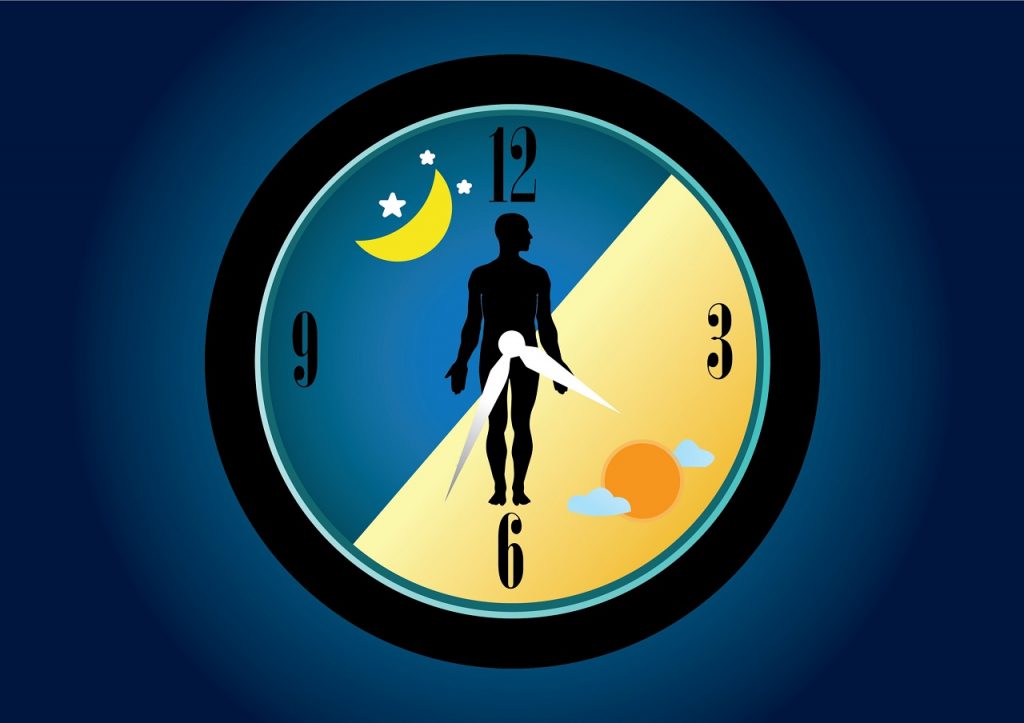
 Circadian Rhythms are 24 hour cycles that are part of the body’s internal clock, which aid essential functions and processes. For instance, the sleep-wake cycle is a well known circadian rhythm. Different parts of the body follow circadian rhythms that are connected to the master clock of the brain. The master clock is affected by the environment, which is why the circadian rhythm is tied to the day and night cycle.
While following your body’s natural clock can help you reap some amazing benefits, doing the opposite can create many health problems. Researchers also believe that circadian rhythms play an important role in the diverse aspects of physical and mental health.
How Does It Affect You?
Circadian rhythms work best when the body processes are optimized at various points during a 24-hour period. It works with the mental and physical systems throughout the body. The digestive system produces proteins to suit the timings of the meals, and the endocrine system regulates the hormones to suit normal energy expenditure.
During the day, when you are exposed to sunlight, the master clock sends signals to generate alertness which keeps us awake and active. As night falls, the master clock helps in the production of melatonin, a hormone that promotes sleep, and sends signals that helps us to sleep through the night. When we sleep well at night, it helps us be active during the day.
Straying away from your body’s clock can give rise to serious sleeping problems. Without proper signalling from the body’s internal clock, a person can struggle to fall asleep and wake up during the night, or being unable to sleep as long as they want in the morning. This leaves a person with little energy, attentiveness, focus, etc.
In addition, studies have found out that Circadian rhythm disruptions as potential contributors to obstructive sleep apnea (OSA), a sleep disorder marked by repeated lapses in breathing. OSA reduces the body’s oxygen levels and causes numerous sleep interruptions through the night.
Types of Sleep-Wake Disorders
- Delayed Sleep Phase Syndrome: This type of circadian rhythm disruption is associated with people who stay up late at night and sleep late in the morning. The main cause is unknown but may be related to genetics, underlying physical conditions and a person’s behaviour.
- Jet Lag Disorder: This happens when a person crosses a lot of time zones in a short period of time during intercontinental flights. They are likely to suffer from sleeping problems and fatigue from jet lag.
- Irregular Sleep–Wake Disorder: People with this rare disorder have no consistent pattern for their sleep and may have many naps or short sleeping periods throughout the day. It may affect the brain and cause dementia.
- Shift Work Sleep Disorder: commonly affects those who work non-traditional hours, outside the typical 9am to 5pm work day. Shift work schedules go against most people’s internal body clocks or circadian rhythms.
- Non 24 hour Sleep-Wake Disorder: This condition occurs in people who are blind and are not able to receive light. Their body follows a 24 hour cycle, but their sleeping hours change backwards by minutes or hours at a time.
Tips To Maintain Your Circadian Rhythm
- Exposure to sunlight: It is good to walk early in the day so that you can get good exposure to natural light and take in some Vitamin D.
- Avoid caffeine: Stimulants like caffeine can keep you awake and can disturb the circadian rhythm. If you have trouble sleeping, avoid caffeine after noon.
- Eat a protein rich breakfast: Protein gives you the strength to be active throughout the day.
- Avoid stress: Keep a positive attitude. Be assertive instead of aggressive, meditate, do yoga and eat healthy well-balanced meals.
- Get daily exercise: Take a brisk walk early morning and keep yourself active throughout the day. This can help your internal clock and make it easier to fall asleep at night.
- Take a short nap in the afternoon: Short naps can relax us while long naps throw our sleep off schedule.
- Limit light before sleep: Artificial lighting can interfere with the circadian rhythm. Therefore, dim the lights and turn off all electronic devices one hour before bedtime.
Researchers believe that chronic disruptions in circadian rhythms could affect the immune system leading to weight gain, impulsive slower thinking and other physiological and behavioral changes from the observation made in people who work in shifts and those who are often jet lagged.
If this article intrigued you and you’d like to know more, check out our article on the Circadian Rhythm Diet and how it helps. To balance your sleep-wake cycle or ensure better sleep quality, reach out to a GOQii Coach by subscribing to Personalised Health Coaching here.
#BeTheForce
Disclaimer: The information provided in this blog is for general awareness and educational purposes only. It is not intended to replace professional medical advice, diagnosis, or treatment. Always consult a qualified healthcare provider for personalised medical guidance or concerns related to your health.
 How many times have we pushed ourselves to our physical limits in order to get rid of excess body fat, only to end up gaining it all over again? Keeping body fat off is a difficult task, but it is not impossible. All you need is the right knowledge and this article has it!
 It’s that time of the year when most people start to ponder over their New Year resolutions. Every year, millions of people make New Year resolutions but 80% fail to keep them going through the year. It’s hard to keep up the enthusiasm going month after month after you’ve set goals for yourself, but it’s definitely not impossible. Most of us strive for unrealistic goals that are difficult to accomplish after a while. This year, let’s be different! Pick one of the following worthy resolutions, and do your best to stick to it.
 Winter is a little tough for most of us to deal with but for people suffering from asthma, it can be more challenging. When out, the cold air


