GOQii

Blog

  • HOME
  • HEALTHY LIVING
  • FITNESS
  • HEALTHY RECIPES
  • USER STORIES
  • KARMA
  • BUY GOQii

Search Results for: sleep

January 20, 2024 By Aaishwarya Haldule 2 Comments

Meditation and it’s healing powers

meditation-pose

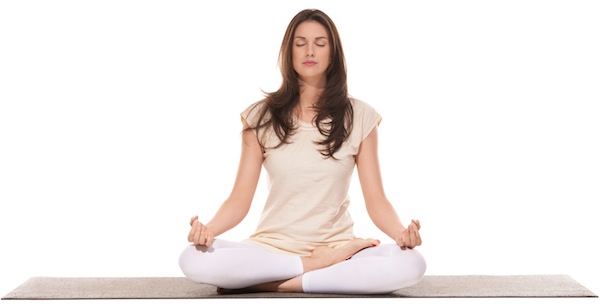
Meditation as we all know is one of the most ancient stress relieving and healing techniques used in India and now even in the Western world. It however has its roots buried in the centuries old science of medicine in India. Now one may think, meditation is only to sit with eyes closed and breathe, to be practiced by saints and yogis.

MEDITATION- the true meaning is to make peace with oneself mentally and physically.But, this is not easy as one may think and needs practice or even training for some period.

The term meditation refers to a variety of practices, such as techniques designed to promote relaxation and build internal energy or life force which is also PRANA in Sanskrit. This enables the individuals to develop love, compassion, patience, effortless single pointed concentration, thus enabling the person to enjoy the well being while engaging in any life activity.

In the recent times meditation is often suggested as a treatment to ease health concerns such as hypertension/ blood pressure, depression, anxiety, insomnia, fear and phobias, control emotions such as anger or hatred. Meditation has a calming effect on the body as well as mind. It directs awareness inward until pure awareness is achieved which is rightly described as “Being awake inside without being aware of anything except awareness itself”

Now one may ask how to achieve the state of awareness and peace? Here is how you can.

  • Sit comfortably wearing comfortable clothes.
  • Starting with your head working downwards feel the vibrations in your body.
  • Focus on your breath; follow the sensation of inhaling and exhaling. With each inhalation the tummy will blow out and with each exhalation the tummy will go back in.
  • Once you achieve this state, you will face thoughts, the key here is to not hold on to any thought. Instead make it a slide show, let all the thoughts come and go as if it is a photo gallery.
  • Once you are able to achieve this, you can begin with mantra repetition such as OM for 5- 6 times.

It has been proven that practicing meditation; has numerous benefits and accelerates the process of healing of many health conditions, as well as delay the ageing.

To highlight a few prominent benefits, let’s look further.

  • Increase immunity:

Relaxation appears to boost the immunity in recovering cancer patients. Progressive muscular relaxation when practiced daily has shown to reduce the risk of breast cancer and its recurrence. A study at Ohio state university has shown that practicing meditation and relaxation for a month boosted the immunity cells in the elderly giving them more resistance to viruses.

  • Emotional Balance:

As we discussed earlier, meditation helps to achieve control over emotions such as anger, hatred.

Emotional balance means to be free of ego. Though this is very difficult to achieve fully, meditation does help to lessen the outbursts due to ego. As the consciousness is cleansed of emotions and memories, one not only achieves a full freedom but also great balance in actions and words.

  • Increases Fertility:

It has been found that women are more likely to conceive when emotionally balanced and stress free. Being stress free also helps improve male fertility in many ways.

  • Relieves Digestive Ailments:

People who suffer anxiety related acidity, or other digestive complaints get great relief with regular meditation and breathing exercises.

Hence, it is widely recommended as an effective treatment.

  • Lowers Blood Pressure:

Similar to exercise meditation also helps to secrete “happiness hormones such as endorphins”, making the body less responsive to stress hormones. These effects are also seen with regular cardio exercise and blood pressure lowering medications as well.

  • Inflammation:

Stress; of all kinds’ leads to inflammation, which is widely related to heart disease, arthritis, asthma and many skin conditions. Practicing regular meditation can prevent and help in treating these conditions by reducing the stress response.

  • Calmness and Sleep:

The simple difference between the people who meditate and those who do not, is that for a meditative mind the thought occurs is witnessed, while for an ordinary mind, the thought occurs and is governed by ego. In case in both minds, an upsetting thought occurs, but for those who meditate it is just another thought which is seen, allowed to blossom, and let go, while in a non meditating mind, such thoughts can instigates a storm which rages on and on. This can lead to sleep disturbances. Hence meditation helps to improve sleep.

In short, Meditation is a way to celebrate being at peace with oneself and celebrating it with silence.

We hope this article helps you. For further information or guidance, reach out to our certified experts by subscribing to GOQii’s Personalised Health Coaching here.

Happy Meditating!

#BeTheForce 

January 11, 2024 By Farhat Khan 2 Comments

What is Resting Heart Rate & How Can You Improve It?

Resting Heart Rate

If you want to know more about heart health, your Resting Heart Rate can tell you a lot! As we all know, our heart is responsible for providing blood and oxygen to each and every organ in the body and if there is any trouble in the heart, automatically the rest of the body will be impacted too.

What is Resting Heart Rate?

Resting heart rate (RHR) is known as your base or lowest heart rate. It can be defined as the number of times your heart beats per minute while you’re resting or not active. The normal resting heart rate reading should be in between 60 to 100 beats per minute (BPM). The term use for a heart rate below 60 bpm is called Bradycardia while a heart rate above 100 bpm is called Tachycardia. Usually, children tend to have a higher heart rate than adults. It is because of their faster metabolism. For a newborn, resting heart rate around 100 to 150 bpm is considered normal.

How Can You Measure It? 

Measuring heart rate is the same as checking your pulse. Currently, there are different ways to measure it – you can even measure it using your fitness tracker or band. You can also use the ancient method wherein, you place your index and middle finger on your wrist just below the thumb, or along either side of your neck, so you can feel your pulse. Remember not to use your thumb to take this measurement as it has its own pulse so you might not get the accurate measurement. Use a watch to count the number of beats for 30 seconds and double it so you will get the reading for per minute. Repeat it twice or thrice to make sure you get the accurate measurements. 

To get the proper readings, it is advised to check your resting heart rate as soon as you wake up before carrying out any other work or activity. 

Factors That Affect RHR 

Daily activities such as walking or drinking a cup of coffee, medications, hormones, body size, stress and activity level can change your resting heart rate. Some major factors include: 

  • Age
  • Lack of sleep
  • Dehydration
  • Stress
  • Obesity
  • Health conditions, lung disease and diabetes
  • Some medications like Beta blockers & calcium channels
  • Temperature
  • Exercise

Generally, lower heart rates are considered better as it shows your heart is working well with no extra effort. On the other side, a higher resting heart rate shows your heart has to work extra hard to pump blood.

Ways to Improve or Lower Heart Rate

  1. One of the reasons for increased RHR as one ages, is the lack of or less physical activity. As aging is a natural process, we can improve its impact on heart health by adding 30 minutes of walking or any other low impact exercise like cycling, swimming and dancing. Of course, your heart will beat fast during the activity and for a short time after that, but practicing it every day will automatically help in reducing your elevated resting heart rate.
  2. Guided breathing practices, yoga, tai chi, meditation, long walks and reading are all great ways to calm your mind and body, which will help in controlling your heart rate.
  3. Always try to get at least seven hours of sleep every night so your body gets sufficient time to recover from stress.
  4. Keeping yourself well hydrated helps blood flow through the body and makes the functioning of the heart easy as well. 
  5. Those who smoke have a higher RHR. Quitting brings it back down. 
  6. Keep a watch on body weight. The larger the body, the more the heart has to work to supply it with blood. Losing body weight helps in lowering elevated RHR.

It’s important to maintain an active lifestyle with regular aerobic exercise, a balanced diet, quality sleep and hydration. By measuring your resting heart rate regularly, you can see both your long-term progress and daily fluctuations in it. When your resting heart rate decreases as a result of training, it’s a sign that your cardiovascular health is improving.

We hope this article helps you make heart-healthy choices! Do let us know your thoughts in the comments below. For more on heart health, check out Healthy Reads or reach out to our certified experts by subscribing to GOQii’s Personalised Health Coaching here.

#BeTheForce 

January 10, 2024 By Kusum Soni 3 Comments

Quick Tips to Reduce Joint Pains During Winter

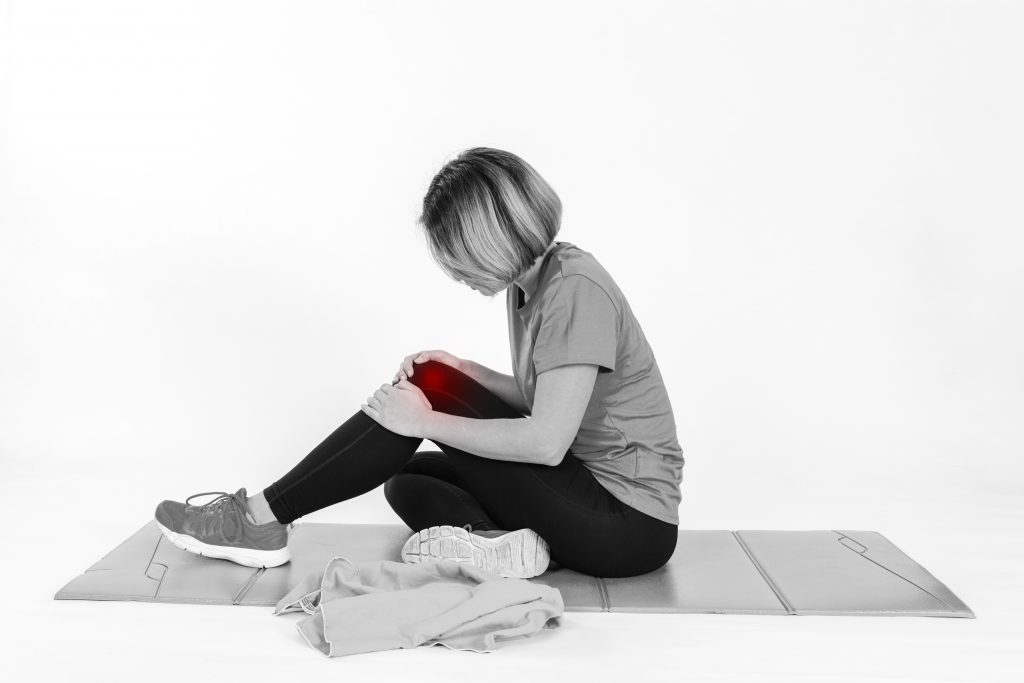
Joint pains during winterDo you experience joint pains during winter? While common for some people, the exact nature of cold-induced joint pain is uncertain but we’ve noticed that the symptoms often worsen.

It could be that muscles, ligaments and joints just get stiffer with lower temperatures, as the human body will conserve more heat, more blood would be circulated to the heart and lungs. So when this happens, muscles and blood vessels in the arms, shoulders, knees and other joints will contract, leading to pain. Even muscles lose their range of motion.

Reasons for Joint Pains during Winter

  • The pain receptors become more sensitive during winter.
  • The drop in atmospheric pressure causes joint tissues to swell, building tension between joints, causing pain.
  • Increase in muscle spasms in colder temperatures also worsens the pain and stiffness in joints.
  • The cold causes fine blood capillaries in the joints and extremities, like fingers and toes, to shrink or contract, amplifying the pain. 
  • Less sunlight during winters means lower Vitamin D levels which leads to weakened bones and joints.

Remedies for Relief 

  1. Dress Warm: Keep yourselves, especially your feet warm. Wear two or three pairs of thin clothing instead of one pair of heavy warm clothes to conserve body heat.
  2. Stay Active: Exercising is another way to get rid of all joint and muscle stiffness during winter time without overdoing it. Because this will improve blood circulation to your extremities and provide warmth and the necessary micronutrients to relieve pain.
  3. Localized Heating: Use an electric heating pad, hot water bag or an electric blanket to keep yourself warm while resting or sleeping.
  4. Warm baths: Swimming in a heated pool is great exercise and it soothes your joints. You can also get great relief from warm water or steam bath. Avoid piping hot water.
  5. Vitamin D: is essential for bone health. Lack of it can cause body aches. This deficiency may be due to lack of exposure to sunlight. Spending some time under the sun is a great way to replenish Vitamin D and get rid of joint aches. Food sources for Vitamin D include fatty fish, cheese, egg yolk, milk, nuts and seeds, soya products, and legumes. To enable absorption of Vitamin D from food or sunlight, include magnesium rich foods like entire green leafy vegetables (which are abundant in winters), pumpkin seeds, sunflower seeds, almonds, walnuts, avocado and bananas etc.
  6. Omega-3 Fatty Acids: are anti-inflammatory and highly beneficial in reducing inflammation in joints. So include avocados, flaxseeds, walnuts and fish in your diet. You’ll also find good Omega-3 in flax seeds, walnuts, chia seeds, pumpkin seeds, and sunflower seeds as well. 

A Quick Home Remedy

A mixture of turmeric, fenugreek/methi seeds and ginger has a positive impact on reducing joint pains and arthritis because of the anti-inflammatory properties. 

Ingredients

  • Ginger powder – 20 gm
  • Methi seeds – 50 gm
  • Turmeric powder – 50 gm

How to have: Take half or one tablespoon in the morning, preferably on an empty stomach for wonderful results.

Enjoy winter while following the above tips, for joint pains during winter. If you face extreme discomfort in your joints, do consult a doctor for Bone and Joint health.

For more tips and remedies for winter, check out Healthy Reads or ask a GOQii Coach by subscribing for Personalised Health Coaching here.

#BeTheForce 

December 20, 2023 By Trupti Hingad Leave a Comment

Breathe Easy Through Pregnancy: A Guide to Prenatal Breathing Techniques

As you enter motherhood after conceiving, there are a lot of tips given to pregnant women on what to eat, how to stand, sit, how to sleep and so on.

But, one of the most important things to learn during pregnancy is how to breathe. The correct breathing technique makes a world of a difference because it helps every cell. Hence mother-to-be can master the techniques throughout pregnancy. Breathing is very important during pregnancy as it ensures efficient removal of waste from the body as well as get a plentiful supply of oxygen for both the mother and child. Effective breathing purifies and calms the nervous system and induces a feeling of pleasant well-being.

One can learn the following practices throughout pregnancy so that at the time of labour they become second nature.

Let me list down the types of breathing that can be practised during pregnancy.

Equal Breathing: While standing, sitting or lying down, breathe in fully, slowly and rhythmically, without jerks, using the whole respiratory system of the abdomen, chest, pharynx and nose. Breathe out an equal number of counts. Concentrate on breathing in = life-giving air and breathing out. A feeling of peacefulness or quietness floods in. This technique has a great advantage to relax during labour. This gentle breathing helps to relax the uterine muscles and diverts the mind.

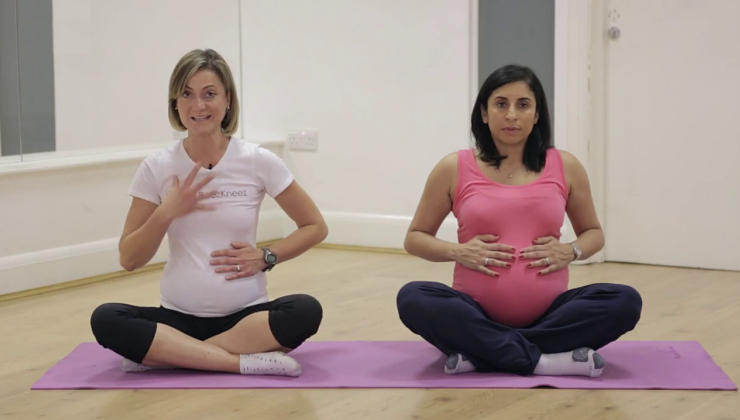
Diaphragmatic Breathing: While lying down on the back, flex the knees and keep the feet flat on the ground or bed. Keep one hand on the abdomen and keep one beside you. Slowly concentrate on the abdomen rising rhythmically with each inhalation and relaxation during exhalation. Thus, feel the abdomen rising and falling with breathing. Count up to ten seconds. Do not use force or jerks while inhaling. It helps to deal with stress for the Mother-to-be. The diaphragm muscle is supposed to rhythmically massage the organs of the body. The massage gently encourages blood flow, lymph flow, nutrient delivery, and waste removal in the organs and all tissues of the body, including tissues in the womb.  It also helps one deal with Shortness of Breath.

Chest Level Breathing: Place your hands on your chest, below your collarbone. In addition, you can have your partner place one hand at the same level on your back. Now breathe in and out through your mouth up to your hands, a shallow, slow and gentle breath. The rib cage and thoracic cavity expand to the sides, front and back for each inhalation and exhalation.  Do about 10-12 breaths in 30 seconds. If you exceed 12 breaths, then slow down.

Jaw Level Breathing – “OUT”: The jaw level breathing entails simply saying the word OUT with stress on T. Do not worry about your breathing; it will take care of itself as you say the word. Count about 20-25 breaths in 30 seconds.

Rechaka Pranayam or Expulsion Breathing: Breathing out and maximizing exhalation is a secret of relaxation while in labour. Breathe in for a count of four seconds or as convenient and slowly breath out for double the count. Again, take one breath in and breathe out for double the count. This can be done whenever a contraction is felt in the first stage of labour, while the opening of the cervix is dilating. An alternative to the same is to breathe in air and while exhaling, hum Aum or any pleasing sound. Singing works on the same principle of exhalation. Mental relaxation and peace are felt.

Blowing: At times breathing in from the nose, blowing out through the mouth and repeating the whole procedure, helps a great deal. Retaining breath and thrashing around with anxiety and clutching onto things can cause tension, exhaustion and discomfort. The secret is to LET GO! You are in a partnership with your baby to help them to emerge gracefully.

The Second Stage of Labour: When the mouth of the uterus is dilated completely, is the time of actual active pushing, not before that. When the contractions come, the breathing technique at that time would be to take a breath, hold it in and push down hard as if one is expelling a hard bowel movement. While the contraction lasts, again take in a deep breath, hold it in and push as long as possible. Do these two or three times during a contraction. Between contraction, the mother should relax in abdominal breathing. Continue till the baby is out. Soon you will hear the cry of your baby.

During the Third Stage of Labour: This stage of delivery is of the placenta. Breathe normally. It usually separates and comes within five or fifteen minutes. Slight uterine contractions may be felt during this period as the placenta slips out. This is the time to relax well. There should be relaxed joyful feeling throughout.

Benefits of Breathing Exercise:

  1. Calm deep breathing can help you deal with morning sickness in early pregnancy
  2. Deep breathing can help you fall in deep and rejuvenating sleep. Deep breathing with active visualization of images of your muscle groups relaxing can put your body in a state of relaxation. After this, one can imagine the healthy growth of both the mother and the child to help you fall into a happy sleep.
  3. Regular and proper breathing can help you deal with labour pain easily.
  4. Breathing can help transport nutrients and oxygen well to the baby and result in healthy baby growth
  5. Breathing can help you deal with, stress, depression, feeling low and unwanted advice from others during pregnancy as well.

NOTE: If you every feels dizzy during breathing practices, cover your nose and mouth with your palms and blow out once. Then breath normally. This will re-establish the proper balance of oxygen and carbon dioxide in your body and relieve dizziness if it is experienced.

If this article helped you, let us know your thoughts in the comments below. You can find more articles on women’s care here. To keep a track of your pregnancy, you can also download the GOQii App here and access the Women’s Care Feature.

For more tips on how to manage your health during pregnancy, reach out to your GOQii Coach by subscribing for Personalised Health Coaching here.

#BeTheForce 

  • « Previous Page
  • 1
  • …
  • 64
  • 65
  • 66
  • 67
  • 68
  • …
  • 150
  • Next Page »

Search

Recent Posts

  • Healthy Eating: Vegetable and Paneer Kathi Roll
  • The Science of Power Naps: How Long is Too Long?
  • 7 Reasons Why Pulses Are Good For You!
  • How Exercise Impacts Mental Health
  • Dussehra 2026: 10 Unhealthy Habits to Leave Behind

Stay Updated

Archives

  • October 2026 (17)
  • September 2026 (5)
  • August 2026 (8)
  • July 2026 (25)
  • June 2026 (22)
  • May 2026 (20)
  • April 2026 (24)
  • March 2026 (18)
  • February 2026 (14)
  • January 2026 (14)
  • December 2025 (19)
  • November 2025 (15)
  • October 2025 (20)
  • September 2025 (6)
  • August 2025 (5)
  • July 2025 (9)
  • June 2025 (18)
  • May 2025 (16)
  • April 2025 (22)
  • March 2025 (25)
  • February 2025 (21)
  • January 2025 (25)
  • December 2024 (21)
  • November 2024 (21)
  • October 2024 (15)
  • September 2024 (22)
  • August 2024 (27)
  • July 2024 (15)
  • June 2024 (23)
  • May 2024 (26)
  • April 2024 (27)
  • March 2024 (27)
  • February 2024 (23)
  • January 2024 (21)
  • December 2023 (14)
  • November 2023 (10)
  • October 2023 (18)
  • September 2023 (20)
  • August 2023 (16)
  • July 2023 (16)
  • June 2023 (21)
  • May 2023 (20)
  • April 2023 (19)
  • March 2023 (23)
  • February 2023 (19)
  • January 2023 (15)
  • December 2022 (11)
  • November 2022 (15)
  • October 2022 (15)
  • September 2022 (12)
  • August 2022 (9)
  • July 2022 (17)
  • June 2022 (11)
  • May 2022 (10)
  • April 2022 (6)
  • March 2022 (6)
  • February 2022 (13)
  • January 2022 (11)
  • December 2021 (7)
  • November 2021 (3)
  • October 2021 (6)
  • September 2021 (3)
  • August 2021 (8)
  • July 2021 (7)
  • June 2021 (15)
  • May 2021 (16)
  • April 2021 (10)
  • March 2021 (7)
  • February 2021 (4)
  • January 2021 (4)
  • December 2020 (3)
  • November 2020 (4)
  • October 2020 (10)
  • September 2020 (3)
  • August 2020 (3)
  • July 2020 (2)
  • June 2020 (4)
  • May 2020 (10)
  • April 2020 (12)
  • March 2020 (10)
  • February 2020 (4)
  • January 2020 (4)
  • December 2019 (3)
  • November 2019 (7)
  • October 2019 (5)
  • September 2019 (4)
  • August 2019 (9)
  • July 2019 (9)
  • June 2019 (11)
  • May 2019 (4)
  • April 2019 (8)
  • March 2019 (8)
  • February 2019 (9)
  • January 2019 (8)
  • December 2018 (9)
  • November 2018 (3)
  • October 2018 (3)
  • September 2018 (5)
  • August 2018 (10)
  • July 2018 (6)
  • June 2018 (13)
  • May 2018 (8)
  • April 2018 (17)
  • March 2018 (9)
  • February 2018 (8)
  • January 2018 (15)
  • December 2017 (12)
  • November 2017 (19)
  • October 2017 (13)
  • September 2017 (15)
  • August 2017 (4)
  • July 2017 (8)
  • June 2017 (7)
  • May 2017 (6)
  • April 2017 (8)
  • March 2017 (6)
  • February 2017 (7)
  • January 2017 (9)
  • December 2016 (10)
  • November 2016 (7)
  • October 2016 (7)
  • September 2016 (7)
  • August 2016 (11)
  • July 2016 (9)
  • June 2016 (9)
  • May 2016 (12)
  • April 2016 (17)
  • March 2016 (17)
  • February 2016 (8)
  • January 2016 (6)
  • December 2015 (2)
  • November 2015 (9)
  • October 2015 (7)
  • September 2015 (9)
  • August 2015 (11)
  • July 2015 (9)
  • June 2015 (11)
  • May 2015 (9)
  • April 2015 (13)
  • March 2015 (8)
  • February 2015 (5)
  • January 2015 (12)
  • December 2014 (14)
  • November 2014 (11)
  • October 2014 (6)
  • September 2014 (13)
  • August 2014 (12)
  • July 2014 (6)
  • June 2014 (2)
  • May 2014 (7)
  • April 2014 (4)

From Burnout to Balance: How Dr. Ranjit Reclaimed His Health

Dr Ranjit Bhatt has spent years tending to others. A practising doctor in Odisha, his days were packed with patients, surgeries, and emergencies. From the outside, it looked like a life lived in service. But on the inside, something wasn’t right. “I had no … [Read More...]

From Shimla’s Slopes to Chandigarh’s Sidewalks: Surinder Kaur Bhalla’s Journey from Chaos to Control

Some journeys start with a plan. Others begin with a stumble literally. Surinder Bhalla, a government professional, born and raised in the scenic hill town of Shimla, had always lived a life of movement. “In Shimla, you walked everywhere,” she reflects. “Walking was never an exercise. It was just life.” But after shifting to Chandigarh, […]

“I’ve Challenged Myself to Live 100 Years” – The Story of Chandubhai Savani’s Second Chance at Life

At 67, most people start slowing down. Not Chandubhai Savani. A resident of Surat, Chandubhai, thought life was on track. “My life was going well till I had my bypass surgery,” he says. That surgery, back in 2021, was a wake-up call.  Medication was routine, but exercise wasn’t. His diet? What he calls ‘normal.’ “I […]

Ananda Mukherjee Health Story

From Terminal Illness To Complete Wellness! Ananda Mukherjee Health Story

As we observe World Cancer Day under the powerful theme ‘United by Unique’ (2025-2027)**, we are reminded that every individual’s journey with cancer is distinct, yet united by shared resilience, hope, and the collective fight against this disease. This theme places people at the centre of care and their stories at the heart of the […]

  • HOME
  • HEALTHY LIVING
  • FITNESS
  • HEALTHY RECIPES
  • USER STORIES
  • KARMA
  • BUY GOQii

Copyright ©2016 GOQii