GOQii

Blog

  • HOME
  • HEALTHY LIVING
  • FITNESS
  • HEALTHY RECIPES
  • USER STORIES
  • KARMA
  • BUY GOQii

Search Results for: sleep

March 2, 2024 By Sunita Arora 4 Comments

How Your Microwave Could Be Damaging Your Health

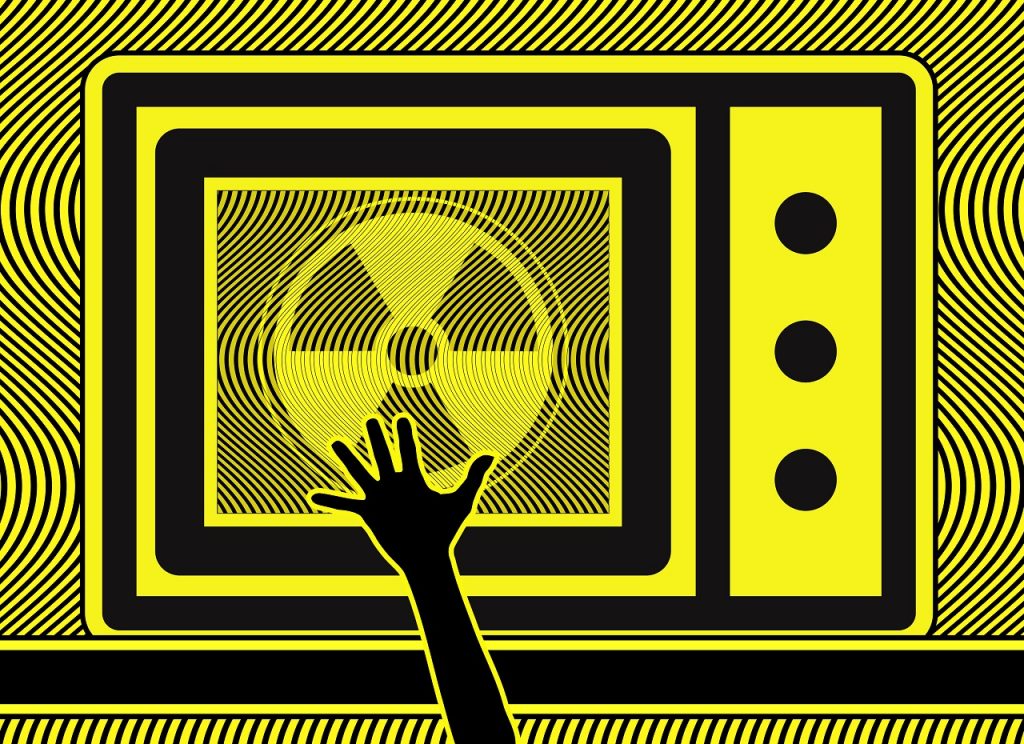
microwaveHow many times have you pulled out food from the fridge and pushed it directly in the microwave? It’s convenient, it’s easy and saves a lot of time. Apart from reheating, microwaves are used for cooking and baking – all without burning or creating any mess. But with great convenience, comes even greater risks. Studies have concluded that microwaves can make our food radioactive! This increases the risk of cancer along with other health hazards.

Repeatedly cooking or reheating food using a microwave with plastic containers can cause some harmful chemicals to leach into the food and destroy its nutrients. More than 70% households have microwaves and most hotels and restaurants also use them to reheat and cook food faster. Want to know what your microwave can do to your health?

How Your Microwave Can Damage Your Health

  1. Increased Risk of Cancer: Foods that are microwaved cause different types of stomach and intestinal cancer. The prolonged use of microwaves in cooking causes the growth of cancerous cells in the human blood. Plastic containers used to heat the food have been found to release carcinogens along with other harmful toxins into food which is then absorbed by the human body.
  2. Loss of Nutrients: Water molecules rotate rapidly in the microwave. High frequencies create molecular friction. This causes the molecular structure in food to change and diminishes the nutrients present in food. When food is cooked or reheated in the microwave there is a loss of minerals, vitamins, micro nutrients, and the human body gets little to no benefit from that food.
  3. Affects the Immune System: Eating microwaved food excessively can impact blood serum levels and lymph glands which affect immune system functions and leads to immune system deficiencies. If you are falling sick frequently and are using the microwave for cooking or reheating the food, you should stop using the microwave and check if there’s any improvement in your health. Don’t compromise your health to save a few minutes.
  4. Causes Loss of Memory: The central nervous system, especially the hippocampus is highly sensitive to microwave radiation. Eating microwave cooked food consistently causes loss of memory, loss of ability to concentrate, emotional stability and brain damage in the long run. This is because it causes electrical impulses in the brain to ‘short out’. So ask yourself if cooking food in the microwave is better than memory loss.
  5. Effects hormonal imbalance: Microwaved food can alter the production of male and female hormones in the human body. Eating microwaved food excessively can contribute to PCOD and infertility. It also affects the maintenance of hormonal balance in males and females.
  6. Irregular Heartbeat: A study shows that radiation emitted by the microwave affects heart rate.  If you are facing regular chest pain and/or irregular heartbeat, you should stop using the microwave in your kitchen. It can also affect your blood pressure, pulse rate, and other cardiovascular functions.

What Can We Do To Reduce The Damage?

  • Avoid using plastic cookware to cook or heat food. Also avoid pouring hot food (especially liquid) into a plastic container. Even if it says “microwave safe” on it, it’s still going to leach chemicals. It simply means the container won’t warp in the heat.
  • If you wish to use the microwave urgently, use glass or ceramic cookware.
  • Don’t use plastic storage bags from the grocery store. Don’t let plastic wrap touch your food during microwaving because it may melt.
  • Old, scratched, cracked or even containers which have been microwaved too many times may leach out more plasticizers.
  • If you experience any health issue like a headache, dizziness, eye pain, sleeplessness, hair loss, anxiety, stomach pain, etc. you need to stop using your microwave and consult a doctor immediately. 

Using a microwave all the time isn’t a compulsion. Keep its use to a minimum. It’s always better to use a gas stove for reheating food using a stainless steel utensil. We hope this article helps you. Do leave your thoughts in the comments below!

For more facts such as these, check out Healthy Reads or connect with your GOQii Coach by subscribing for Personalised Health Coaching here.

#BeTheForce 

February 26, 2024 By Neha Goyal Leave a Comment

7 Reasons Why You Should Avoid Caffeinated Drinks During Winter

Avoid Caffeinated Drinks

Caffeine is a natural stimulant most commonly found in tea, coffee and cacao plants. Billions of people rely on caffeine to start their day and to get through their night shift or afternoon slump. It works by stimulating the brain and the central nervous system, helping you stay alert, reducing the onset of tiredness. Nothing is as comforting on a chilly morning as a hot cup of tea with a cozy blanket. For most people, intake of these caffeinated drinks increases during winter as they believe it provides warmth to beat the cold. But is that really so? Is there a reason to avoid caffeinated drinks? Let’s find out! 

How Caffeine Works

While caffeine is considered safe, drinking too much raises some concerns. When you drink any caffeinated drink, your gut absorbs it very quickly and sends it to your bloodstream. From there, as it reaches your brain, it starts blocking the effects of a neurotransmitter called adenosine. Adenosine relaxes your brain and makes you feel tired. So by blocking its receptors, caffeine helps you stay awake and alert. But with alertness comes anxiety as well. At the same time, caffeine also stimulates our stress or “fight & flight” hormones.

Reasons To Avoid Caffeinated Drinks During Winter 

  1. Dehydration: During winter, most people feel less thirsty and their water intake automatically reduces. All caffeinated drinks are diuretic and tend to flush out water from the body through urine, making it deficient in not just water but also vitamins and minerals that are required for the smooth functioning of the body.
  2. Amplified Heart Rate and Blood Pressure: Winter is not a good time for people with heart conditions and high blood pressure. They are always advised to stay away from low temperatures as it can constrict their blood vessels and lead to high blood pressure. Caffeine being a stimulant also increases heart rate and blood pressure. So it may increase difficulties for such people.
  3. Empty Calories: Most caffeinated drinks are loaded with sugar and give you not just empty calories but a sugar crash later, which might make you feel more lethargic after some time.
  4. Effect on Digestion: Being a stimulant, caffeine increases gut motility or the contraction of muscles that propel the contents in the gastrointestinal tract. This might be a reason why you feel like having tea or coffee with or after a heavy meal. But this actually isn’t good because it reduces the time your food stays in each part of your digestive system, not letting the nutrients fully absorb. In fact, too much can lead to diarrhea which is followed by dehydration.
  5. Pregnancy & Lactation: Caffeine can easily cross the placenta and can reach breast milk. So, women who consume caffeinated drinks may need to limit their intake to avoid risk of miscarriage or low birth weight.
  6. Interaction with Medication: Our body flushes out caffeine generally within 6-8 hours but while in the system, it can react with your medication and supplements, causing poor absorption or side effects.
  7. Suppresses Appetite: Now this can be both good and bad for all weight watchers. Research shows that caffeine acts as an appetite suppressant but increases higher plasma levels of PYY & Leptin (anorexic hormones). It might make you eat less calories, but with less food, there is less nutrition as well. So beware of consuming too much caffeine, as our body needs more nutrition to maintain immunity.

Now, the purpose of all this information was not to coax you off caffeine but to ensure you control your intake. Controlled amounts can have some benefits too! Make sure you drink the right quantity and the right version. 1-2 cups of black tea, green tea and black coffee are better options than sugary and cream filled versions. Also ensure that you drink your last cup 6-8 hours before you sleep. 

We hope this article on why you should avoid caffeinated drinks in winter helps you! Do let us know your thoughts in the comments below. For more on nutrition, check out Healthy Reads or speak to an expert by subscribing for GOQii’s Personalised Health Coaching here.

#BeTheForce 

February 24, 2024 By Madhu Soni Leave a Comment

Dietary Sources Of Minerals For Clear Skin

minerals for clear skinWho doesn’t want a radiant, glowing and youthful complexion? Little do we know, our skin is like the blueprint of what goes inside the body, stress levels, sleep and lifestyle in general!

Clear skin is not just determined by the lotion and creams that one applies but is predominantly influenced by the food that we eat. Health experts in this field say that minerals play an important role, so we need to feed our skin inside out. Apart from Vitamins A, C, E, K, these minerals have a tremendous power to provide clear and youthful skin. Minerals are like spark plugs which keep our engine running!

Some Important Minerals For Clear Skin 

Most of us pay attention to vitamins but neglect these minerals which are required in very minimum quantities. A few of them include:

  • Selenium: Has great antioxidant properties which help in protecting against the harsh UV rays. It supports skin elasticity and flexibility. It is also said to protect against skin cancer. Dietary sources: Fish, Brazilian Nuts, Chicken
  • Zinc: Having sufficient amounts of zinc in your diet helps in reducing the amount of oil production in the skin. Excess oil in the skin can support bacterial growth and infection and block the pores. Having 8-11 gm of zinc helps in having acne free skin. Zinc also helps in healing injuries. Dietary sources: Almonds, Cashew Nuts, Walnuts, Hazelnuts, Sunflower Seeds, Sesame Seeds.
  • Magnesium: is such an important mineral that magnesium deficiency can speed up ageing. Fast food, aerated drinks and alcohol can leech the body of magnesium. This mineral is not only good for skin but hair, teeth and the bones as well. Dietary sources: Buckwheat, Barley, Coconut, Walnuts, Beetroot Green, Spinach.
  • Calcium: Commonly known for stronger bones and teeth, it is equally essential in providing healthy skin too by aiding skin elasticity and firmness. Dietary sources: Milk and Milk products, Sesame Seeds, Oranges, Chickpeas, and Nuts.
  • Copper: is like a catalyst which speeds up the production of the protein elastin which keeps the skin flexible. It also prevents skin pigmentation. Dietary sources: Walnuts, Brazilian Nuts, Sunflower Seeds, Cashew Nuts, Mushroom and Soybeans.

We hope this article helps you get that clear skin you’ve always wanted, naturally with the right nutrition. Do let us know your thoughts in the comments below. For more skincare tips, check out Healthy Reads or ask a GOQii Coach by subscribing for Personalised Health Coaching here.

#BeTheForce 

February 16, 2024 By Sonal Pradhan 5 Comments

Healthcare for Children During Exams

Exam time is quite a stressful ordeal for students and parents alike. Wouldn’t a successful examination without the stress be great? Healthy habits can build that foundation for you! Just follow these simple yet important parameters and it will help you and your kids during exams!


1. Nutrition During Exams

Though a good practice to maintain at all times, healthy eating assumes greater significance during exams. Food fuels the mind and body. The quality of food you eat largely determines your overall health and mental acuity.

  • Eat Smaller, Frequent Meals
    If you feed your child a large meal, then he/she will experience a dip in energy and the alertness to study for hours on end. Small meals provide a steady supply of energy to the exam fatigued brain. Keep a steady supply of glucose (energy) throughout the day. This will ensure that your child is focused during study time as well as the exam. Avoid keeping long gaps between meals.
    Opt for healthy snacks such as fresh fruit, popcorn, fruit scones, dried fruit, yogurt or nuts. This will keep your child going throughout the day. They are a better option than cakes, biscuits, chocolates and sweets. The refined sugars in these products will only give your child a ‘sugar rush’ after eating them but will leave them feeling flat and in a bit of a slump shortly afterwards.
  • Food For The Brain
    Vitamin B strengthens brain functioning. Good food sources of Vitamin B are meats (red meat, poultry, fish), eggs and dairy products (milk, cheese), Legumes (beans, lentils), seeds and nuts (sunflower seeds, almonds), whole grains (brown rice, barley, millet), dark leafy vegetables (broccoli, spinach), fruits (citrus fruits, avocados, bananas).
  • Omega 3 Fats
    You may have heard the mention of Omega-3 fats as heart-protective. However, they also play an important role in memory, concentration, and relieving depression. Omega 3 has been shown to help brain function and increase concentration. It also helps to improve your immune system when your body and mind are stressed. To get your omega-3 fats, you can eat oily fish like salmon, mackerel, tuna, halibut and trout. You can also give flax, chia, melon and sunflower seeds to your kids.
  • Avoid Junk and Oily Foods
    Junk and oily foods slow your body down. Be sure to avoid it. Include good quality proteins such as fish, eggs, milk products, sprouts, etc. Munch fruits and vegetables in between as to keep going for long hours.
  • Never Skip Meals During Exams
    Simply put, your brain needs the energy from food to work efficiently. Your child needs to keep his/her mental focus on the exam and not on hunger. A light meal before the exam will ensure that your child has the energy to pull through the long exam hours. A meal that includes wholegrain carbohydrates will suffice but ensure that it is in small portions. This is to avoid feeling too lethargic or sleepy.

2. Sleep During Exams

To function on an exam day, your child does not only need the energy that comes from nutrition but also the energy that comes from adequate sleep. Sleep deprivation can bring in several health repercussions, especially when coupled with stress. Adequate sleep ensures that your child can recall all the information he/she has worked so hard to learn. Sleep also leaves room to absorb new information that he/she may read. Students preparing for their exams should get at least 6-8 hours of sleep every night to maintain good mental and physical health.

Avoid caffeine-containing drinks late at night. A milky or herbal drink such as chamomile tea can ensure a calm and good night’s sleep.

3. Hydration During Exams

It is important to stay hydrated. Not just during exams but all the time. Dehydration can make a person feel lethargic, irritable and tired. Worst of all, it affects concentration. This affects an individual’s ability to focus, study or perform. Do not wait till your child is thirsty. If you wait till he/she is thirsty, it means his/her body is already a little dehydrated. Even mild dehydration can lead to tiredness, headaches, reduced alertness and diminished concentration.

Keep a glass of liquid (fruit juice, coconut water, water) within easy reach while studying and ensure your child has a bottle of water with him/her during the exam. Aim for 1.5 to 2L of fluid per day.

4. Managing Stress During Exams

Unmanaged stress can cause sleep disruption, headaches, poor concentration, and over consumption of junk food. All of these can contribute to impaired test performance. While stress is inevitable, finding appropriate ways to deal with it is the key to staying healthy during exams.

Being active is one of the best things your child can do to stay sane during exam week. Exercising releases endorphins, which make you feel happy and reduce stress. Physical activity is an effective tool to improve academic performance. Exercise also helps in improving memory and thinking ability for students by increasing oxygen flow to the brain. To help relieve stress, clear mind and lift mood, break up study with short bursts of exercise. Your child could go for a jog, a swim, a cycle, or even just walk to your local shop. Listening to music can also create a positive and productive environment by elevating mood and encouraging your child to study more effectively for a longer period of time.

To sum everything up – your child needs to eat well-balanced, healthy meals regularly. He/She needs to drink plenty of water to avoid dehydration. A well-ventilated room, regular breaks and sound sleep will ensure that your child performs at his/her best during the exams!

Was this article helpful? Let us know in the comments below!

#BeTheForce

  • « Previous Page
  • 1
  • …
  • 62
  • 63
  • 64
  • 65
  • 66
  • …
  • 150
  • Next Page »

Search

Recent Posts

  • Healthy Eating: Vegetable and Paneer Kathi Roll
  • The Science of Power Naps: How Long is Too Long?
  • 7 Reasons Why Pulses Are Good For You!
  • How Exercise Impacts Mental Health
  • Dussehra 2026: 10 Unhealthy Habits to Leave Behind

Stay Updated

Archives

  • October 2026 (17)
  • September 2026 (5)
  • August 2026 (8)
  • July 2026 (25)
  • June 2026 (22)
  • May 2026 (20)
  • April 2026 (24)
  • March 2026 (18)
  • February 2026 (14)
  • January 2026 (14)
  • December 2025 (19)
  • November 2025 (15)
  • October 2025 (20)
  • September 2025 (6)
  • August 2025 (5)
  • July 2025 (9)
  • June 2025 (18)
  • May 2025 (16)
  • April 2025 (22)
  • March 2025 (25)
  • February 2025 (21)
  • January 2025 (25)
  • December 2024 (21)
  • November 2024 (21)
  • October 2024 (15)
  • September 2024 (22)
  • August 2024 (27)
  • July 2024 (15)
  • June 2024 (23)
  • May 2024 (26)
  • April 2024 (27)
  • March 2024 (27)
  • February 2024 (23)
  • January 2024 (21)
  • December 2023 (14)
  • November 2023 (10)
  • October 2023 (18)
  • September 2023 (20)
  • August 2023 (16)
  • July 2023 (16)
  • June 2023 (21)
  • May 2023 (20)
  • April 2023 (19)
  • March 2023 (23)
  • February 2023 (19)
  • January 2023 (15)
  • December 2022 (11)
  • November 2022 (15)
  • October 2022 (15)
  • September 2022 (12)
  • August 2022 (9)
  • July 2022 (17)
  • June 2022 (11)
  • May 2022 (10)
  • April 2022 (6)
  • March 2022 (6)
  • February 2022 (13)
  • January 2022 (11)
  • December 2021 (7)
  • November 2021 (3)
  • October 2021 (6)
  • September 2021 (3)
  • August 2021 (8)
  • July 2021 (7)
  • June 2021 (15)
  • May 2021 (16)
  • April 2021 (10)
  • March 2021 (7)
  • February 2021 (4)
  • January 2021 (4)
  • December 2020 (3)
  • November 2020 (4)
  • October 2020 (10)
  • September 2020 (3)
  • August 2020 (3)
  • July 2020 (2)
  • June 2020 (4)
  • May 2020 (10)
  • April 2020 (12)
  • March 2020 (10)
  • February 2020 (4)
  • January 2020 (4)
  • December 2019 (3)
  • November 2019 (7)
  • October 2019 (5)
  • September 2019 (4)
  • August 2019 (9)
  • July 2019 (9)
  • June 2019 (11)
  • May 2019 (4)
  • April 2019 (8)
  • March 2019 (8)
  • February 2019 (9)
  • January 2019 (8)
  • December 2018 (9)
  • November 2018 (3)
  • October 2018 (3)
  • September 2018 (5)
  • August 2018 (10)
  • July 2018 (6)
  • June 2018 (13)
  • May 2018 (8)
  • April 2018 (17)
  • March 2018 (9)
  • February 2018 (8)
  • January 2018 (15)
  • December 2017 (12)
  • November 2017 (19)
  • October 2017 (13)
  • September 2017 (15)
  • August 2017 (4)
  • July 2017 (8)
  • June 2017 (7)
  • May 2017 (6)
  • April 2017 (8)
  • March 2017 (6)
  • February 2017 (7)
  • January 2017 (9)
  • December 2016 (10)
  • November 2016 (7)
  • October 2016 (7)
  • September 2016 (7)
  • August 2016 (11)
  • July 2016 (9)
  • June 2016 (9)
  • May 2016 (12)
  • April 2016 (17)
  • March 2016 (17)
  • February 2016 (8)
  • January 2016 (6)
  • December 2015 (2)
  • November 2015 (9)
  • October 2015 (7)
  • September 2015 (9)
  • August 2015 (11)
  • July 2015 (9)
  • June 2015 (11)
  • May 2015 (9)
  • April 2015 (13)
  • March 2015 (8)
  • February 2015 (5)
  • January 2015 (12)
  • December 2014 (14)
  • November 2014 (11)
  • October 2014 (6)
  • September 2014 (13)
  • August 2014 (12)
  • July 2014 (6)
  • June 2014 (2)
  • May 2014 (7)
  • April 2014 (4)

From Burnout to Balance: How Dr. Ranjit Reclaimed His Health

Dr Ranjit Bhatt has spent years tending to others. A practising doctor in Odisha, his days were packed with patients, surgeries, and emergencies. From the outside, it looked like a life lived in service. But on the inside, something wasn’t right. “I had no … [Read More...]

From Shimla’s Slopes to Chandigarh’s Sidewalks: Surinder Kaur Bhalla’s Journey from Chaos to Control

Some journeys start with a plan. Others begin with a stumble literally. Surinder Bhalla, a government professional, born and raised in the scenic hill town of Shimla, had always lived a life of movement. “In Shimla, you walked everywhere,” she reflects. “Walking was never an exercise. It was just life.” But after shifting to Chandigarh, […]

“I’ve Challenged Myself to Live 100 Years” – The Story of Chandubhai Savani’s Second Chance at Life

At 67, most people start slowing down. Not Chandubhai Savani. A resident of Surat, Chandubhai, thought life was on track. “My life was going well till I had my bypass surgery,” he says. That surgery, back in 2021, was a wake-up call.  Medication was routine, but exercise wasn’t. His diet? What he calls ‘normal.’ “I […]

Ananda Mukherjee Health Story

From Terminal Illness To Complete Wellness! Ananda Mukherjee Health Story

As we observe World Cancer Day under the powerful theme ‘United by Unique’ (2025-2027)**, we are reminded that every individual’s journey with cancer is distinct, yet united by shared resilience, hope, and the collective fight against this disease. This theme places people at the centre of care and their stories at the heart of the […]

  • HOME
  • HEALTHY LIVING
  • FITNESS
  • HEALTHY RECIPES
  • USER STORIES
  • KARMA
  • BUY GOQii

Copyright ©2016 GOQii

