GOQii

Blog

  • HOME
  • HEALTHY LIVING
  • FITNESS
  • HEALTHY RECIPES
  • USER STORIES
  • KARMA
  • BUY GOQii

Search Results for: protein

July 11, 2018 By Trupti Hingad 2 Comments

11 Top Testosterone boosting foods for men

testostorone rich foods

Have you been working out hard in the gym with no results? Have you wondered what could be the reason? We are all aware that workout does a lot of good to our body. A regular workout does everything from increasing your odds of living longer to supporting your memory function and for men, a good workout can also boost your testosterone.

While testosterone is the primary sex hormone in men, it is also responsible for everything from muscle development to hair growth to mood regulation to sex drive. So yeah, it’s pretty important when it comes to your health and well-being.

But, at times despite the work out the testosterone levels could be low and hence the desired results from the workout is not visible. But, there is nothing to worry. One can increase their testosterone levels naturally by eating the right foods.

Here is a list of testosterone boosting foods

  1. Brazil Nuts: This tree nut is an excellent natural source of the mineral selenium and a great testosterone booster. The high selenium content is mainly responsible for Brazil nuts positive benefit on T levels. Brazil nuts also have a good ratio of fats. These nuts contain zinc, amino acid Arginine and fatty acids which are needed to make hormone testosterone. Arginine is a precursor to nitric oxide, important for vasodilatation and known to increasing testicular blood flow for better hormone production. Brazil nuts are packed with the most bio-active form of Arginine. Just have 3-6nuts per day and boost your T levels.
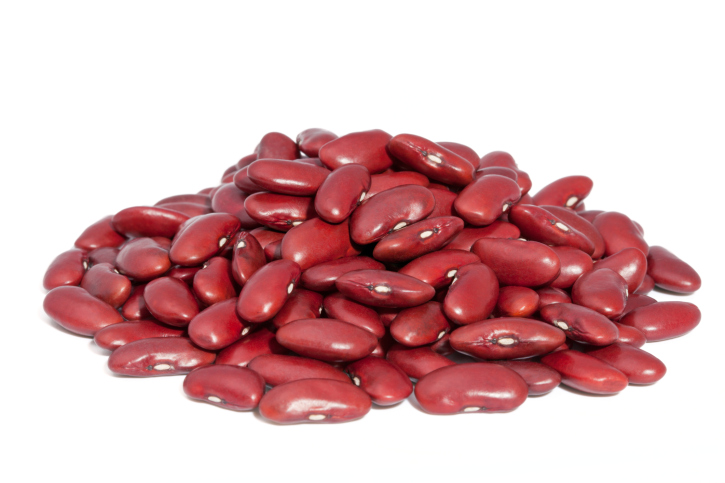
  2. Beans: Are rich source of fibre, protein and zinc. Beans pack a bigger shot of zinc than any other member of the veg family. Add it to a food that’s high in protein and fibre\ and low in fat, and you have a winning combo. You can opt for baked beans, lima beans, navy beans, and kidney beans –All are good choices.
  3. Eggs: Testosterone is synthesized from cholesterol, and as such, food containing cholesterol is a good source of building blocks for testosterone. Start your day with three or four eggs or egg whites cooked in olive oil coconut oil. You can also opt for boiled eggs too.
  4. Cruciferous Veggies: Elevated oestrogens levels lead to fat accumulation and can interfere with muscle growth. Broccoli, cauliflower, cabbage may help a man’s body excrete excess oestrogens and increase the amount of testosterone available to cells. Indole-3-carbinol, a compound found in cruciferous vegetables, may increase the excretion of estradiol (one oestrogen hormone) thus increasing the testosterone production. Since these veggies are rich in fibre..it also helps you to keep full and thus helps in fat loss too.

5 Garlic: Garlic is an active ingredient, allicin, enhances testosterone levels and inhibits cortisol, a hormone that competes with testosterone by limiting its actions and breaking down muscle tissue. Season some foods with garlic, but eating crushed garlic cloves provides the most direct benefit.

6 Oyster: Oyster is loaded with Protein, magnesium, lots of zinc. Along with increasing physical endurance, oysters pack more zinc than almost any other food source. Just six oysters give you almost seven times the recommended daily allowance of zinc, and zinc plays a key role in muscle growth and testosterone levels.
Eat a serving of oysters once a week — raw or cooked but not fried.

  1. Pumpkin seeds: They are good source of zinc -a mineral that plays a role in thousands of different enzymatic reactions in the body, including those involved in testosterone production. Sprinkle more testosterone-boosting pumpkin seeds into your diet by adding them to oatmeal, yogurt, and salads, and even add them into your protein shakes.
  2. Coconut: Coconut can not only help your diet taste like a tropical meal, it can also keep your T-score at healthy levels. That’s because the giant nut is a source of saturated fat, which plays a role in testosterone production. A healthy person can take up to 8-10 percent of their calories from saturated fat to help keep testosterone at its peak without any major concern over increasing your risk of heart issues.

9 Wheat Bran: Who would have thought that brown wheat bran could help peak up your T-levels? But the fibre-rich bran of the wheat kernel is an excellent source of the mineral magnesium.  One study found that magnesium was more effective at boosting testosterone if paired with high-intensity exercise. Add wheat bran to your flour or oatmeal, pancake batter, and protein shakes.

10 Pomegranate: This beautiful red fruit has been used medicinally for centuries. With high levels of antioxidants, vitamins A, C, E and iron, researchers have found one glass of pomegranate juice/one fruit a day can increase testosterone levels between 16 percent and 30 percent, can improve mood and increase libido too.

11. Whey protein- or ricotta cheese: This is high in protein and low in fat.-This not only fix your protein dose but also helps in increasing testosterone production restricting body’s production of cortisol hormone. So Have it as post workout meal or grab as mid snack.

So, stack these foods if you haven’t already and enhance your workout and overall physical health!


July 9, 2018 By Jyoti Sawant 7 Comments

Confused about eating healthy? Follow these 13 Strategies to eat healthy

eat-healthy

Healthy eating is not about strict dietary limitations, staying unrealistically thin, or depriving yourself of the foods you love. Rather, it’s about feeling great, having more energy, and stabilizing your mood. There are loads of information and dietary advice floating out there where if an expert tells you that certain food is good for you, you’ll find another one saying exactly the opposite thus confusing you totally. But, let me give you some simple tips by which you can cut through the confusion and learn how to create a tasty, varied, and healthy food habit at work.

A healthy diet is good but, a key foundation for any healthy diet is moderation. What is moderation? In essence, it means eating only as much food as your body needs. You should feel satisfied at the end of a meal and not stuffed. Moderation is also about a balance of carbohydrates, protein, fat, fibre, vitamins, and minerals to sustain a healthy body.

  1. Simplify: Measure portion size and do not be concerned about counting calories. Think of your healthy meal in terms of colour, variety, and freshness. This way it should be easier to make a healthy choice. Focus on finding foods you love and easy recipes that incorporate a few fresh ingredients. Gradually, your food will become healthier and more delicious.
  2.  Start slow and make changes to your eating habits over time. Trying to make your food healthy overnight isn’t realistic or smart. Changing everything at once usually leads to cheating or giving up on your new eating plan. Make small steps, like adding a salad (full of different colour vegetables) to your daily routine once a day or switching from peanut butter to olive oil when cooking. As this small change becomes a habit, you can continue to add more healthy choices to your lifestyle.
  3. Every change you make matters. You don’t have to be perfect and you don’t have to completely eliminate the foods you enjoy in order to have a healthy diet. Your long-term goal should be to feel good, have more energy, and reduce the risk of lifestyle diseases. Don’t let your missteps derail you—every healthy food choice you make counts.
  4. Think Smaller Portions. Serving sizes have ballooned recently, particularly in restaurants. When dining out, choose a starter instead of an entire plate, split a dish with a friend, and don’t order supersized anything. At home, use smaller plates, think about serving sizes in realistic terms, and start small. In case you are not satisfied at the end of the meal try adding more leafy green vegetables or rounding off the meal with some fresh salad. Visual cues can help with portion sizes–your serving of Egg, fish, or chicken should be the size of a deck of cards and half a cup of mashed potato, rice, or pasta is about the size of the small bowl.
  5. Take time to chew your food and enjoy mealtimes. Chew your food slowly, savouring every bite. We tend to rush through our meals thereby forgetting to actually taste the flavours and feel the texture of our food. Reconnect with the joy of eating.
  6. Listen to your body. Ask yourself if you are really hungry, or have a glass of water to see if you are thirsty or hungry. During a meal, stop eating before you feel full. It actually takes a few minutes for your brain to tell your body that it has had enough food, so eat slowly.
  7. Eat breakfast, and eat smaller meals throughout the day. A healthy breakfast can jumpstart your metabolism, and eating small, healthy meals throughout the day (rather than the standard three large meals) keeps your energy up and your metabolism going.
  8. Avoid eating at night. Try to eat dinner earlier in the day and then fast for 10-12 hours until breakfast the next morning. These simple dietary adjustments such as eating only when you’re most active and giving your digestive system a long break each day will only help to regulate your weight. After-dinner snacks tend to be high in fat and calories, but some healthy options like mixed vegetable soup, salad, and buttermilk is good.
  9.  Most of us consume too much salt in our diets. Eating too much salt can cause high blood pressure and lead to other health problems. Try to limit sodium intake to 1,500 to 2,300 mg per day which is equivalent to one teaspoon of salt.
  10.  Avoid processed or pre-packaged foods. Processed foods like canned soups or frozen dinners contain hidden sodium that quickly surpasses the recommended limit.
  11.  Be careful when eating out. Most restaurant and fast food meals are loaded with sodium. Some offer lower-sodium choices or you can ask for your meal to be made without salt. Most gravy and sauces are loaded with salt, so ask for it to be served on the side. Opt for fresh or frozen vegetables instead of canned vegetables. Cut back on salty snacks such as potato chips, and nuts. Check labels and choose low-salt or reduced-sodium products, including breakfast cereals.
  12. Slowly reduce the salt in your diet to give your taste buds some time to adjust.
  13. Go high on Fibre – In general, the more natural and unprocessed the food, the higher it is in fibre. Good sources of fibre include whole grains, wheat cereals, barley, oatmeal, beans, nuts, vegetables such as carrots, celery, and tomatoes, and fruits such as apples, berries, citrus fruits, and pears—all the more reason to add more fruit and vegetables to your diet. There is no fibre in meat, dairy, or sugar. Refined or “white” foods, such as white bread, white rice, and pastries, have had all or most of their fibre removed. An easy way to add more fibre to your diet is to start your day with a whole grain cereal, such as Fibre-One or All-Bran, or by adding unprocessed wheat bran to your favourite cereal.

June 23, 2018 By Anusha Subramanian Leave a Comment

“Balancing discipline, good nutrition and karma as a way to a fulfilling life”: Pinaak

FB_IMG_1529539768940

Achieving a goal is a fairly exhilarating feeling, if you intend to flirt with the idea of giving up, you could well be throwing away something very beautiful….

Today, we have a story of an individual who has never learnt to say no or give up. As far as I know him, he has been pushing himself harder every time to achieve something more and new. He has been constantly setting the bar high for himself and keeps himself self-motivated to be able to do all the extreme things that he attempts. We are talking of barefoot runner and GOQii player Pinaak Pande.

An Investment Banker by profession, his true inner calling is running. Living in Pune but working in the US time zone has not stopped him from running daily. But, there is a history to how it all started for him as well. Prior to 2014, Pinaak was just another corporate guy who had excuses galore for not being fit. He weighed 89 kgs and his erratic work timings kept him away from healthy living and healthy eating habits. Then one day in 2014, he decided to join the Fitness class conducted by Reebok Running Squad. He attended the fitness for 2-3 sessions and these sessions would be conducted on weekends. Thereafter they gave each one a training plan which they had to follow. People were being trained to run 5km, 10 km and so on. Since then and now there has been no looking back for Pinaak.

FB_IMG_1529340686133

An active GOQii player since 2015, this June he attempted the 12-hour stadium run and here is how he trained for it?

Pinaak had made up his mind to take up this challenge in the month of January. After having done several 10 km, 21 km and 42 km run, he thought, he should attempt something crazy this year and looked at the running calendar and got to see this ultra and registered for it. He said to himself, “Now that you have registered, you have no choice but to train and train hard”. Given that he works in night shifts where typically, his day ends at about 4.30AM in the morning. By this time most of his energy is already drained out at work but, he already had one moto behind on his mind, ‘never give up’. He constantly kept saying to himself, “Pinnaak, you have registered for a crazy ultrarace so prepare, no giving up”.

His week’s mileage from January started increasing. 2 weeks intense training, 1-week low-intensity training. The high-intensity training weeks went up to 96kms for a weekly mileage and the low-intensity training weeks average was about 50kms as the weekly mileage.

“Believe me, I clocked over 800+kms to train for this since January, 5 days of running that included strength training and swimming (at times). Strength training is so important for the ultras,” Pinaak says. He adds, “The mental challenge was, going around the 400mtrs track for 12 damn hours. I wondered how. I ran all my runs solo, except for 5 long runs. Out of these 5 long runs, I got to pace 5 different groups (Good brownie Karma points you see) and help achieve their targets too. That kept me happy and going”.

Running solo is a challenge in itself and solo of 45+ kms will tell you what you are made of. At times Pinnak says he has gotten home post work drained at 6 AM in the morning but he never said a no to the run because he loves his runs. Pinaakk backed up his runs with quick swims to give him a quick recovery and he says, it played a major role on his recoveries. Pinaak had absolutely no recovery days in the plan but at times on Friday’s he forcefully put his body to rest.

“On the race day— I had jitters on the morning of the race. I must say, the food from Herbivore (Thank you, Bela, for the food) just before the race day, gave me that extra carbs to run those 12 long hours. I will rate the food here as superduper excellent. I finished the first 6 hours of running and I had clocked about 40 odd kms. Trust me, the weather was just so different from what I trained in. Humid as hell and it kept pouring at times. I told myself, I have 6 more hours and I have to survive this. I was focused and determined to complete this no matter what. We had the best food on the course and were taken care of like babies by the organizers. Finally, at the end of 12 hours, I clocked a 74.8kms (187 laps of the damn 400 mts track). Goqii has been the best support system too for this run”.

On his diet, while training Pinaak’s plate had clean stuff every single day except for few weekends. His diet included- Fruits and Sattu mixed in water (natural protein) being the breakfast so in good quantity. Very less rice for lunch, 3 chapatis and some dal or vegetable. Pre-dinner included-Protein (pumpkin seeds, sunflower seeds, watermelon seeds, chicken at times) and then a dinner with 3 chapati and some vegetables.

On a lighter note- Pinaak adds: “After the race, I binged on some junk food for the next two or three days. These were like small sized pizzas by myself, 1 garlic bread. 4 bhaturas and chole for breakfast and pani puris. Pinaak however after 3 days of binge eating is back to clean eating since Thursday as he prepares for the next biggie.

Pinaak believes in balancing discipline, good nutrition and karma as a way to a fulfilling life.


June 15, 2018 By Palak Mittal 4 Comments

Amazing benefits of drinking water from a copper vessel

copper_vessel

Ancient Ayurveda scriptures state that storing and drinking water from a copper vessel is beneficial for one’s health. For thousands of years Indians and Asians in general are aware and have been following this technique.  

Copper is found to possess a plethora of health benefits, including weight loss. It has the potential to kill the microorganisms (molds, fungi, algae, and bacteria) present in the water that are harmful to the body. When you store water in a copper vessel overnight or for over 8 hours, a very small amount of copper ions gently leaches into the water and lends all its positive properties, thereby creating a natural purification process. This also has the ability to destroy a wide range of harmful microbes, fungi etc. To yield the optimum health benefits, store water in the copper vessel overnight and drink it soon as you wake up in the morning.

Here are some of the benefits.

Good for digestion

Copper contains intrinsic properties that promote better digestion. The properties in copper help stimulate the rhythmic contraction and relaxation of the stomach that helps food get digested and move along the digestive tract. Since copper can kill harmful bacteria and reduce inflammation in the stomach, drinking water stored in a copper pot can be a great remedy for gas, ulcers, indigestion and infections. Drinking copper water may also help regulate the functioning of liver and kidney by cleansing and detoxifying the stomach.

Aids in weight loss

If you’re trying to shed a few pounds, then, this one is definitely for you – drink water stored in copper pots every day. Copper can help your body break down fat and eliminate it effectively so that you do not put on the piles. To lose weight quickly, try swapping copper-infused water for those calorie-laden beverages that contribute to weight gain. In addition to this, follow a healthy lifestyle, including sticking to a fitness routine and eating a healthy diet consisting of fresh fruits, vegetables, whole grains, etc.

Prevents heart disease and cancer

Copper has been found to regulate heart rate, blood pressure and lower blood cholesterol level, thereby reducing the risk of cardiovascular disease. According to the American Cancer Society, some studies showed that copper has anti-cancer effects although the exact mechanism for such activity is still unclear.

Heals wounds

The antibacterial, anti-viral and anti-inflammatory properties in copper can quickly treat and heal wounds quickly. Perhaps, copper peptides are considered as one of the best healing agents. According to the Mayo Clinic, peptides are protein fragments that, along with copper, stimulate collagen production and can improve the effectiveness of antioxidants. The copper compound increases the amount of protein synthesis in collagen and elastin, which helps in wound healing.

Regulates thyroid function

A deficiency or low levels of copper in the body can cause thyroid problems. Copper is one of the most important trace minerals the thyroid needs to function normally. Although there are many things that can contribute to thyroid disorders, drinking water from a copper vessel may keep your thyroid healthy and functioning correctly.

A word of caution: Too much of copper can be detrimental to health, remember, the metal is not instinctively utilised by the body. So, avoid overdoing it – drinking water twice or thrice a day from a copper vessel may be enough to reap its numerous benefits


  • « Previous Page
  • 1
  • …
  • 112
  • 113
  • 114
  • 115
  • 116
  • …
  • 148
  • Next Page »

Search

Recent Posts

  • Foods to Manage Blood Sugar Naturally: A Complete Guide to Better Blood Sugar Control
  • The Lazy Person’s Guide to Staying Healthy: 5 Micro-Habits That Take Less Than 2 Minutes
  • Healthy Eating: Comforting Chilli Bean Soup Recipe for the Monsoon
  • The Truth About the ‘Beer Belly’: What Alcohol Really Does to Your Metabolism
  • Benefits of Meditation: How One Daily Habit Can Transform Your Mental Wellbeing

Stay Updated

Archives

  • August 2026 (7)
  • July 2026 (25)
  • June 2026 (22)
  • May 2026 (20)
  • April 2026 (24)
  • March 2026 (18)
  • February 2026 (14)
  • January 2026 (14)
  • December 2025 (19)
  • November 2025 (15)
  • October 2025 (20)
  • September 2025 (6)
  • August 2025 (6)
  • July 2025 (9)
  • June 2025 (18)
  • May 2025 (16)
  • April 2025 (22)
  • March 2025 (26)
  • February 2025 (21)
  • January 2025 (25)
  • December 2024 (22)
  • November 2024 (22)
  • October 2024 (20)
  • September 2024 (22)
  • August 2024 (28)
  • July 2024 (15)
  • June 2024 (23)
  • May 2024 (26)
  • April 2024 (27)
  • March 2024 (27)
  • February 2024 (23)
  • January 2024 (21)
  • December 2023 (14)
  • November 2023 (10)
  • October 2023 (19)
  • September 2023 (21)
  • August 2023 (16)
  • July 2023 (16)
  • June 2023 (21)
  • May 2023 (20)
  • April 2023 (19)
  • March 2023 (23)
  • February 2023 (19)
  • January 2023 (15)
  • December 2022 (11)
  • November 2022 (15)
  • October 2022 (15)
  • September 2022 (12)
  • August 2022 (9)
  • July 2022 (17)
  • June 2022 (11)
  • May 2022 (10)
  • April 2022 (6)
  • March 2022 (6)
  • February 2022 (13)
  • January 2022 (11)
  • December 2021 (7)
  • November 2021 (3)
  • October 2021 (6)
  • September 2021 (3)
  • August 2021 (8)
  • July 2021 (7)
  • June 2021 (15)
  • May 2021 (16)
  • April 2021 (10)
  • March 2021 (7)
  • February 2021 (4)
  • January 2021 (4)
  • December 2020 (3)
  • November 2020 (4)
  • October 2020 (10)
  • September 2020 (3)
  • August 2020 (3)
  • July 2020 (2)
  • June 2020 (4)
  • May 2020 (10)
  • April 2020 (12)
  • March 2020 (10)
  • February 2020 (4)
  • January 2020 (4)
  • December 2019 (3)
  • November 2019 (7)
  • October 2019 (5)
  • September 2019 (4)
  • August 2019 (9)
  • July 2019 (9)
  • June 2019 (11)
  • May 2019 (4)
  • April 2019 (8)
  • March 2019 (8)
  • February 2019 (9)
  • January 2019 (8)
  • December 2018 (9)
  • November 2018 (3)
  • October 2018 (3)
  • September 2018 (5)
  • August 2018 (10)
  • July 2018 (6)
  • June 2018 (13)
  • May 2018 (8)
  • April 2018 (18)
  • March 2018 (9)
  • February 2018 (8)
  • January 2018 (15)
  • December 2017 (12)
  • November 2017 (19)
  • October 2017 (13)
  • September 2017 (15)
  • August 2017 (4)
  • July 2017 (8)
  • June 2017 (7)
  • May 2017 (6)
  • April 2017 (8)
  • March 2017 (6)
  • February 2017 (7)
  • January 2017 (9)
  • December 2016 (10)
  • November 2016 (7)
  • October 2016 (7)
  • September 2016 (7)
  • August 2016 (11)
  • July 2016 (9)
  • June 2016 (9)
  • May 2016 (12)
  • April 2016 (17)
  • March 2016 (17)
  • February 2016 (8)
  • January 2016 (6)
  • December 2015 (2)
  • November 2015 (9)
  • October 2015 (7)
  • September 2015 (9)
  • August 2015 (11)
  • July 2015 (9)
  • June 2015 (11)
  • May 2015 (9)
  • April 2015 (13)
  • March 2015 (8)
  • February 2015 (5)
  • January 2015 (12)
  • December 2014 (14)
  • November 2014 (11)
  • October 2014 (6)
  • September 2014 (13)
  • August 2014 (12)
  • July 2014 (6)
  • June 2014 (2)
  • May 2014 (7)
  • April 2014 (4)

From Burnout to Balance: How Dr. Ranjit Reclaimed His Health

Dr Ranjit Bhatt has spent years tending to others. A practising doctor in Odisha, his days were packed with patients, surgeries, and emergencies. From the outside, it looked like a life lived in service. But on the inside, something wasn’t right. “I had no … [Read More...]

From Shimla’s Slopes to Chandigarh’s Sidewalks: Surinder Kaur Bhalla’s Journey from Chaos to Control

Some journeys start with a plan. Others begin with a stumble literally. Surinder Bhalla, a government professional, born and raised in the scenic hill town of Shimla, had always lived a life of movement. “In Shimla, you walked everywhere,” she reflects. “Walking was never an exercise. It was just life.” But after shifting to Chandigarh, […]

“I’ve Challenged Myself to Live 100 Years” – The Story of Chandubhai Savani’s Second Chance at Life

At 67, most people start slowing down. Not Chandubhai Savani. A resident of Surat, Chandubhai, thought life was on track. “My life was going well till I had my bypass surgery,” he says. That surgery, back in 2021, was a wake-up call.  Medication was routine, but exercise wasn’t. His diet? What he calls ‘normal.’ “I […]

Ananda Mukherjee Health Story

From Terminal Illness To Complete Wellness! Ananda Mukherjee Health Story

As we observe World Cancer Day under the powerful theme ‘United by Unique’ (2025-2027)**, we are reminded that every individual’s journey with cancer is distinct, yet united by shared resilience, hope, and the collective fight against this disease. This theme places people at the centre of care and their stories at the heart of the […]

  • HOME
  • HEALTHY LIVING
  • FITNESS
  • HEALTHY RECIPES
  • USER STORIES
  • KARMA
  • BUY GOQii

Copyright ©2016 GOQii